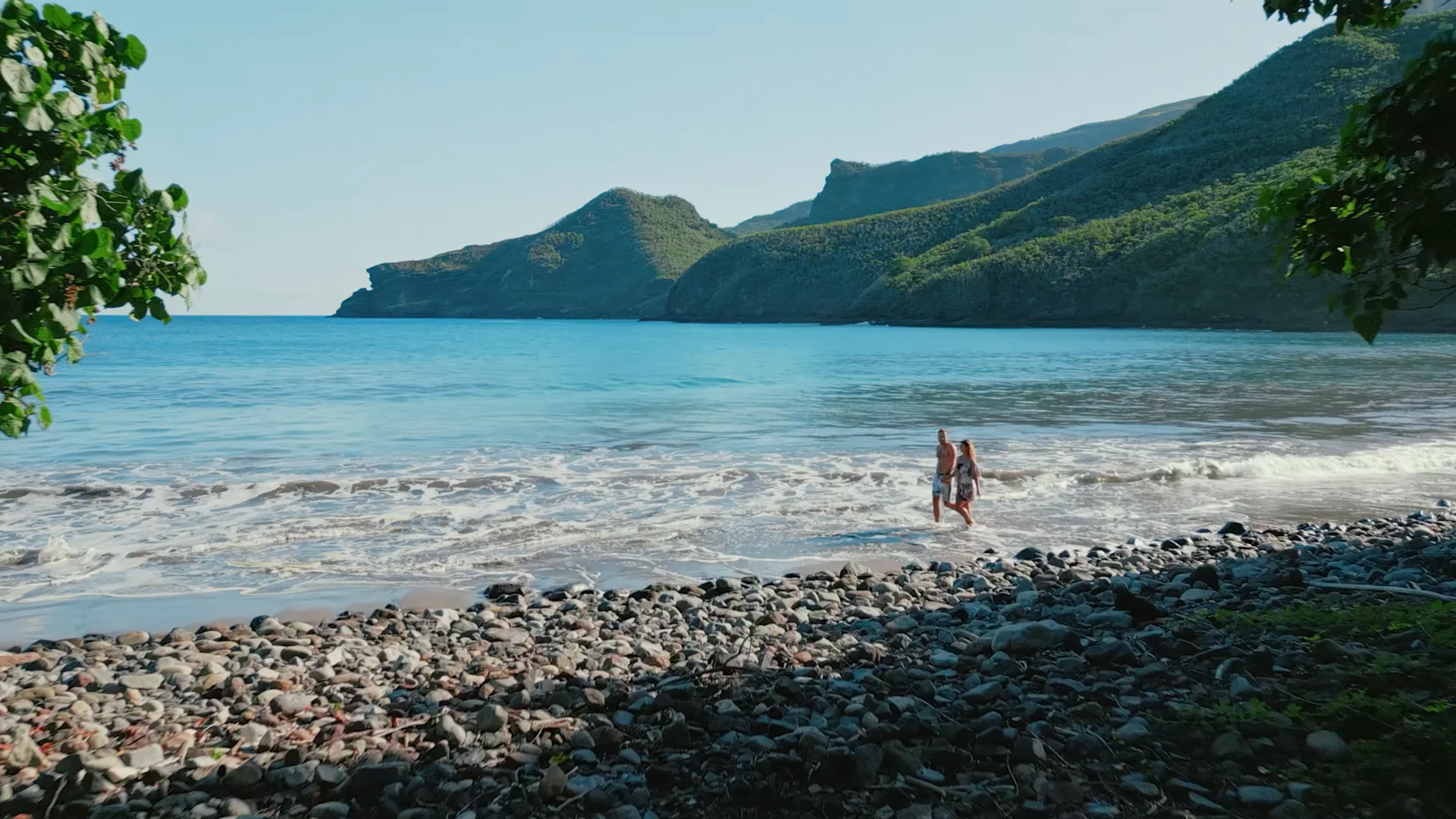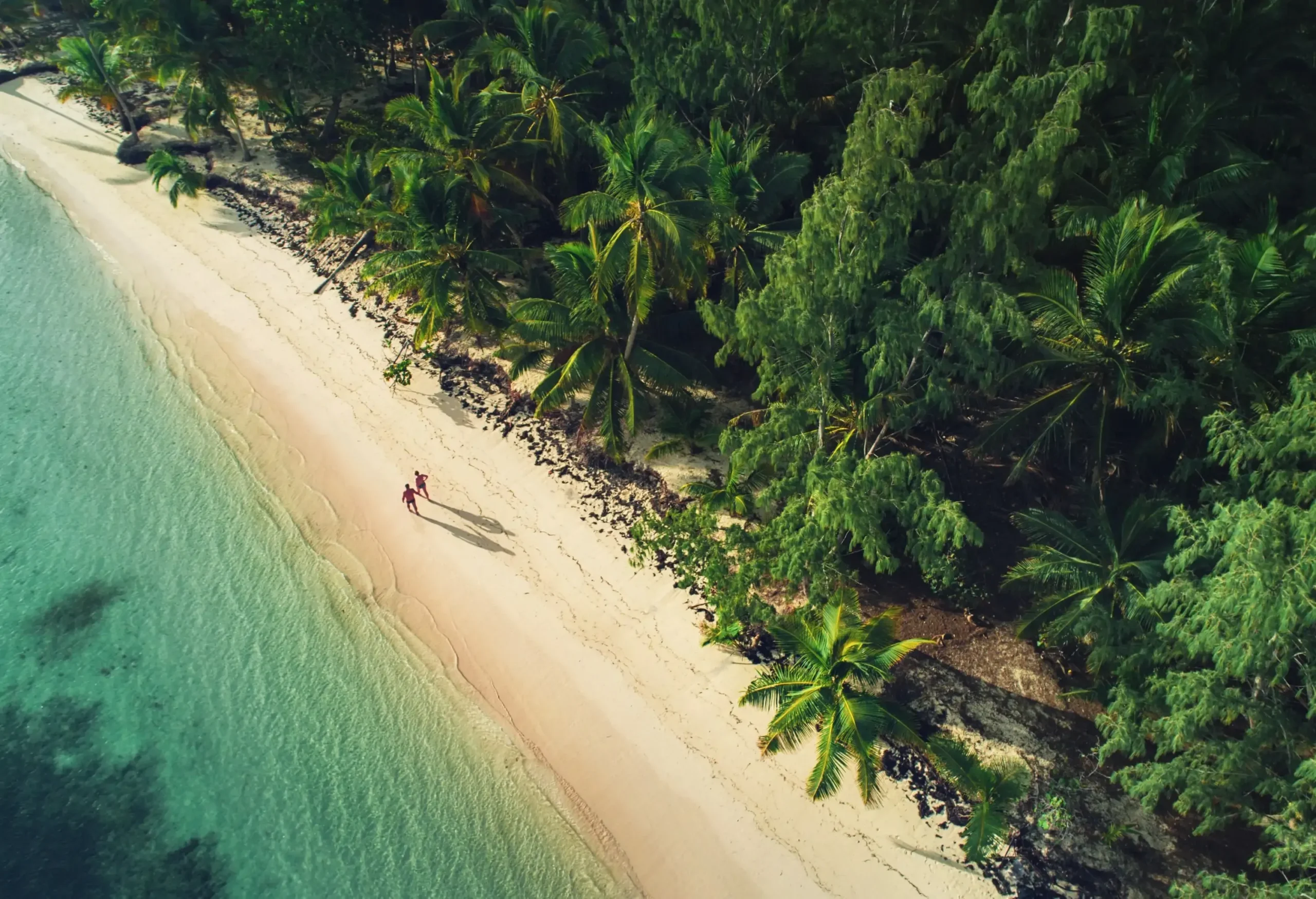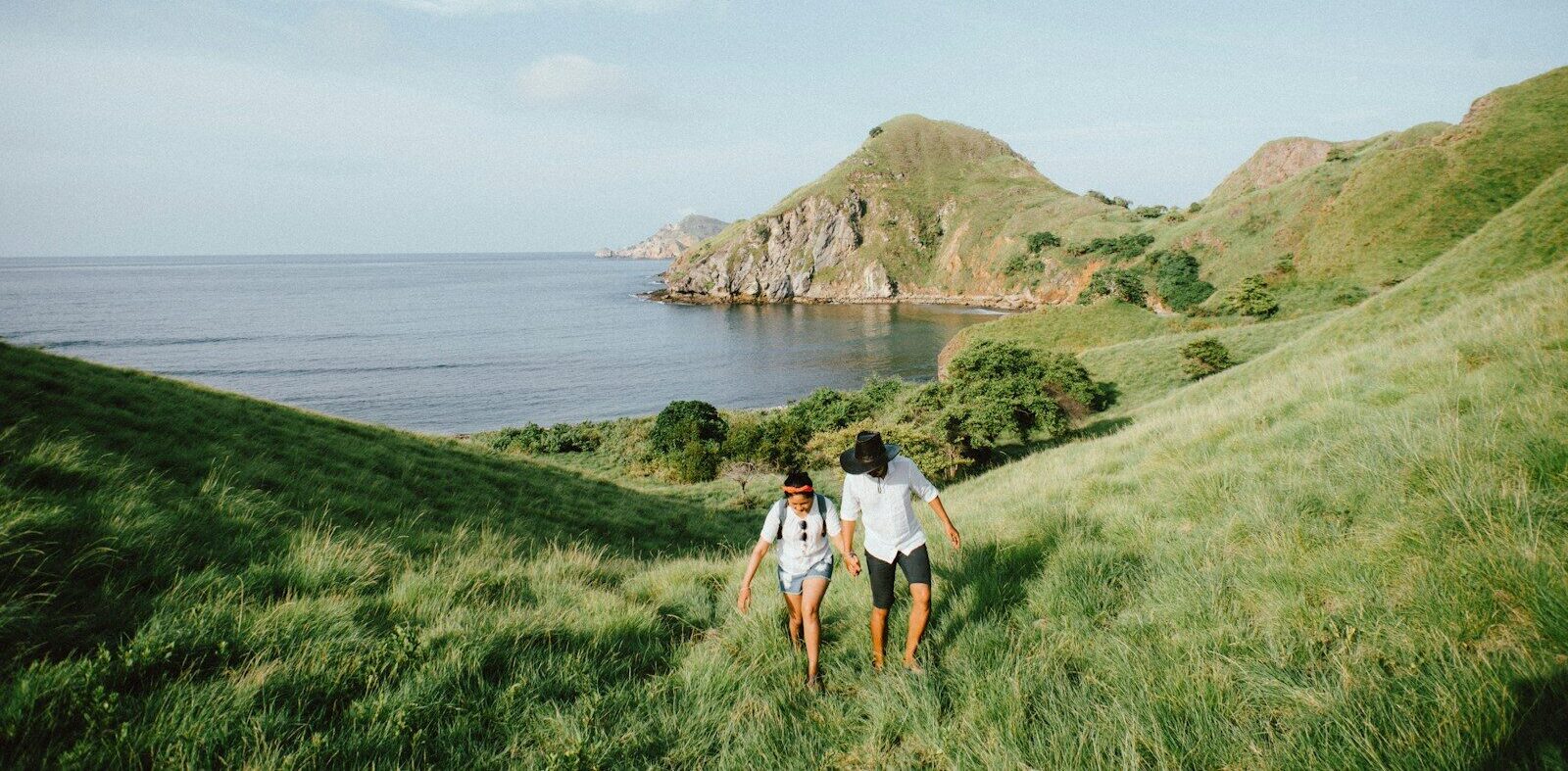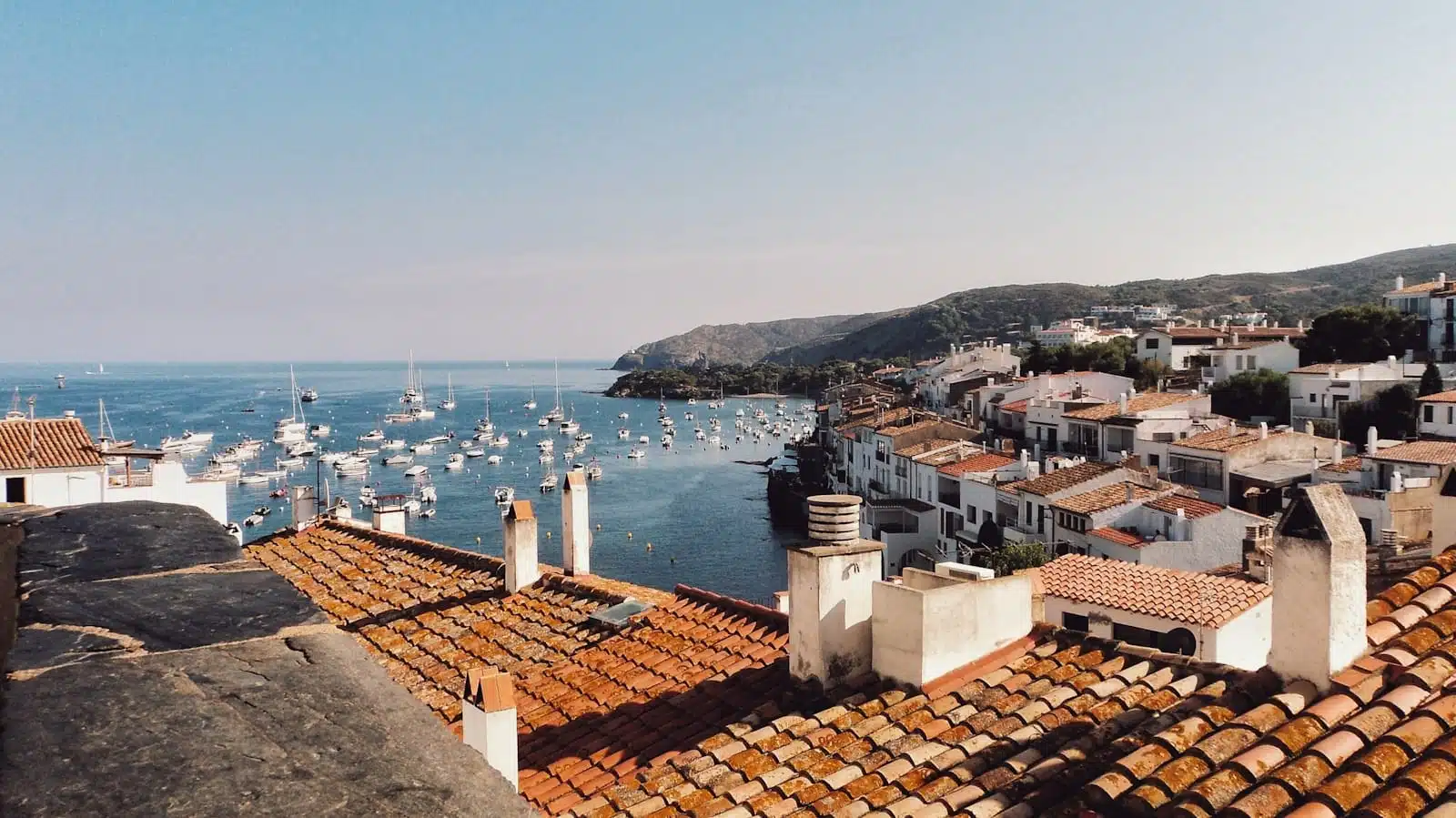

A private sailing day along Spain’s Costa Brava offers families a clear, unhurried way to understand this dramatic Catalan coastline. With a local skipper, hidden coves, medieval towns, and quiet swimming spots are reached from the water, revealing a region shaped by history, art, and the Mediterranean itself.
The Costa Brava announces itself slowly from the sea. Cliffs rise in pale stone, broken by dark inlets where the water deepens and softens in color. Approaching by boat removes the sense of arrival that comes with roads and parking, replacing it with a gradual unfolding of coastline and scale.
Families step aboard in the morning with only a loose plan. The skipper sets a course guided by weather and water rather than distance. Children settle quickly into the rhythm of movement, watching the shoreline change while adults take in how exposed and deliberate this coast feels when seen from the Mediterranean.
There is anticipation here that comes from access rather than agenda. Much of the Costa Brava is difficult to reach by land, and sailing restores the coastline to its original orientation, facing the sea as it always has.

About Do Not Disturb
Do Not Disturb is a luxury travel company specializing in carefully designed journeys and considered experiences. Each itinerary we build for our clients is informed by real destination knowledge, offering insight into places, cultures, and moments that shape how a trip comes together.
If this destination has sparked ideas, the itinerary can be developed into a private journey tailored to your interests and travel style, with hand-picked stays, thoughtful routing, and experiences curated around what matters most to you.
Cultural and Historical Context
The Costa Brava, meaning wild coast, stretches along northeastern Catalonia near the French border. Its history is inseparable from the water. Greek and Roman settlers arrived by ship, establishing ports and towns such as Empúries, where archaeological remains still trace early trade routes and daily life.
During the medieval period, the same sea brought threat as often as opportunity. Pirate raids shaped the development of fortified settlements, with towns like Tossa de Mar building defensive walls directly above the shoreline. Seen from the water, these fortifications make sense, positioned to watch the horizon rather than the land behind them.
In the twentieth century, the Costa Brava entered a different chapter. Artists, writers, and intellectuals were drawn to its stark landscapes and isolation. The surrealist painter Salvador Dalí was born nearby and lived much of his life in Cadaqués and Portlligat, finding inspiration in the wind shaped rocks and sharp light of Cap de Creus.
Tourism arrived later, particularly in the 1950s, transforming fishing villages into holiday towns. Yet large sections of the coast remain relatively unchanged, especially when approached by sea. This contrast between development and preservation defines the region today.

Why Private Access Matters
Sailing with a private skipper changes how families experience the Costa Brava. Routes are flexible, allowing stops based on interest rather than fixed itineraries. Quiet coves can be reached before they fill, and swimming breaks happen when the water looks most inviting.
Crowded beaches and coastal roads are left behind. From the boat, the coastline feels spacious, even in high season. Children move easily between observation and activity, while adults appreciate the absence of pressure to keep moving.
A local skipper also brings information and facts. Stories of storms, fishing traditions, and seasonal changes add depth without turning the day into a lesson. The experience remains light, guided by familiarity rather than formality.

What You See
The coastline alternates between steep rock faces and narrow inlets. Some coves open suddenly, revealing small arcs of sand backed by pine trees. Others remain shaded, with darker water suited to snorkeling.
Passing towns like Cadaqués or Calella de Palafrugell from the water shows their original relationship with the sea. Whitewashed buildings cluster close to the shore, their scale modest and human.
In areas such as Cap de Creus, the landscape becomes more abstract. Rock formations appear sculpted rather than eroded, shaped by wind and salt. The water shifts color repeatedly, offering constant visual change even when the boat slows.

A Day Shaped by the Sea
A typical sailing day unfolds gently. Morning light offers the calmest water, ideal for moving along the coast and choosing the first anchorage. Midday invites swimming and rest, with the boat providing shade and a stable base.
In the afternoon, the skipper may suggest a village stop or a final swim before returning. The day closes not with exhaustion but with a sense of completion, having seen the coast from its most revealing angle.

How Do Not Disturb Makes This Possible
Do Not Disturb works with experienced local skippers who understand both the coastline and the needs of families. Each sailing day is planned around weather conditions, sea state, and the ages of those onboard.
Timing, provisioning, and route planning are handled in advance, removing decision making from the day itself. Boats are selected for comfort and stability rather than speed or size alone.
The emphasis remains on ease and presence. Sailing becomes a way to experience the Costa Brava as it was first known, from the water, with space to observe and time to connect.
Ready to explore the Costa Brava by sea and experience this Catalan coastline through calm, private sailing? Speak with Do Not Disturb to begin planning a family journey shaped by local knowledge and unhurried discovery.
Plan your own version of this journey
Speak to Do Not Disturb’s luxury travel experts and turn this moment into something personal.
Related destinations
Suggested articles

How to Experience Spanish Wine Tours in Rioja

A Luxury Guide to Spain’s Basque Country

Gaudí’s Barcelona: How to Understand and Visit His Work
Beyond the Maldives: Seven Islands for a Different Kind of Honeymoon
Multi-Destination Honeymoons: The Best Pairings for Two Distinct Locations
Where to Go On Honeymoon? A Guide to Help You Choose
Wilderness to Waves: Luxury Honeymoons in Kenya

Luxury Safaris: Why Laikipia Is Kenya’s Best-Kept Secret
Positano vs Ravello: Where to Stay on the Amalfi Coast
Chianti’s Luxury Villas: Stay Like a Renaissance Noble

Romantic Florence: The Ideal Italian Honeymoon
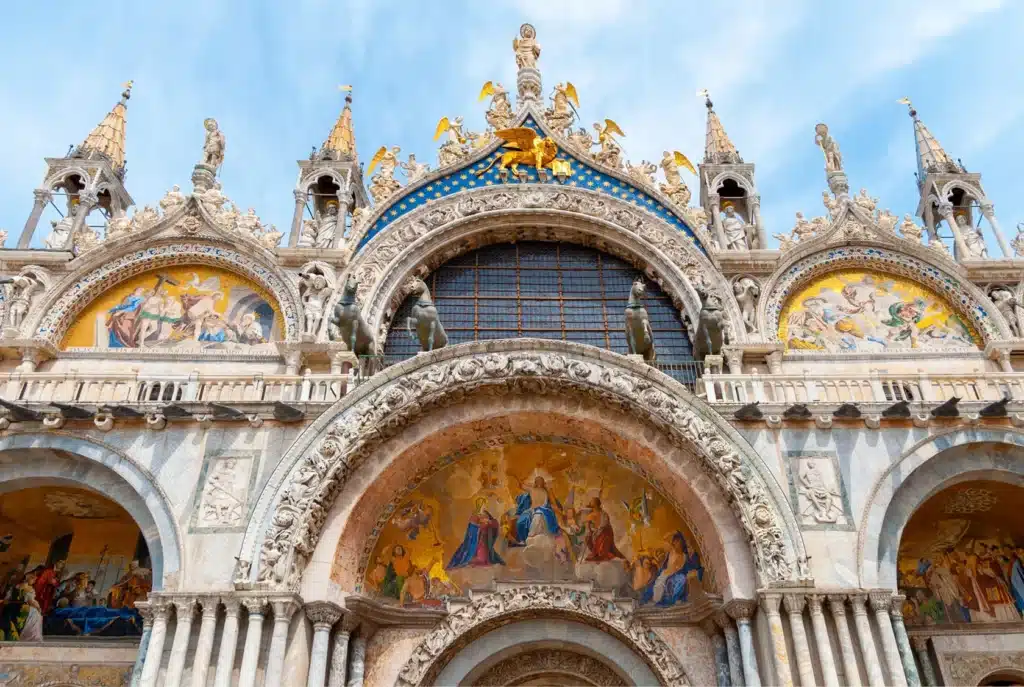
Venice for Art Lovers: Palaces, Churches and Private Views

Experiencing Florence Without the Crowds