

On this page
A private bonsai workshop in Omiya Bonsai Village offers rare access to one of Japan’s most refined living arts. Guided by a master grower and supported by an English interpreter, this is a focused, hands-on encounter with a tradition shaped by patience, discipline, and deep cultural meaning.
The journey north from Tokyo is short, but the shift in atmosphere is immediate. Residential streets give way to carefully tended gardens, hedges shaped with intention, and a sense of quiet order that signals arrival in Omiya Bonsai Village.
Entering a private garden here feels deliberate. Tools are laid out with care, pots are arranged by size and proportion, and trees stand in calm suspension, shaped over decades rather than seasons. The workshop begins not with instruction, but with observation.
There is a subtle anticipation in choosing a tree and a vessel. Each decision carries weight. This is not a demonstration, but an invitation to participate in a practice where time is the primary material.
Cultural and Historical Context
Bonsai originated in China during the Tang Dynasty as penjing, a practice centered on creating miniature landscapes in trays. It was introduced to Japan by Buddhist monks during the Heian period, where it evolved into a distinct art focused on individual trees rather than composite scenes.
In Japan, bonsai became closely aligned with Zen Buddhist principles. Simplicity, restraint, and balance were not aesthetic choices alone, but reflections of a broader worldview. Cultivating bonsai encouraged patience and acceptance, with each tree seen as a collaboration between human guidance and natural growth.
The global recognition of bonsai came much later, following exhibitions in Europe during the late nineteenth and early twentieth centuries. Today, it is widely admired, but still often misunderstood as decorative rather than philosophical.
Omiya Bonsai Village occupies a unique place within this history. Established in 1925 after the Great Kanto Earthquake displaced Tokyo’s bonsai nurseries, the village was designed specifically to support the art. Residents followed strict rules to protect light, water, and growing conditions, creating a community shaped entirely around cultivation.
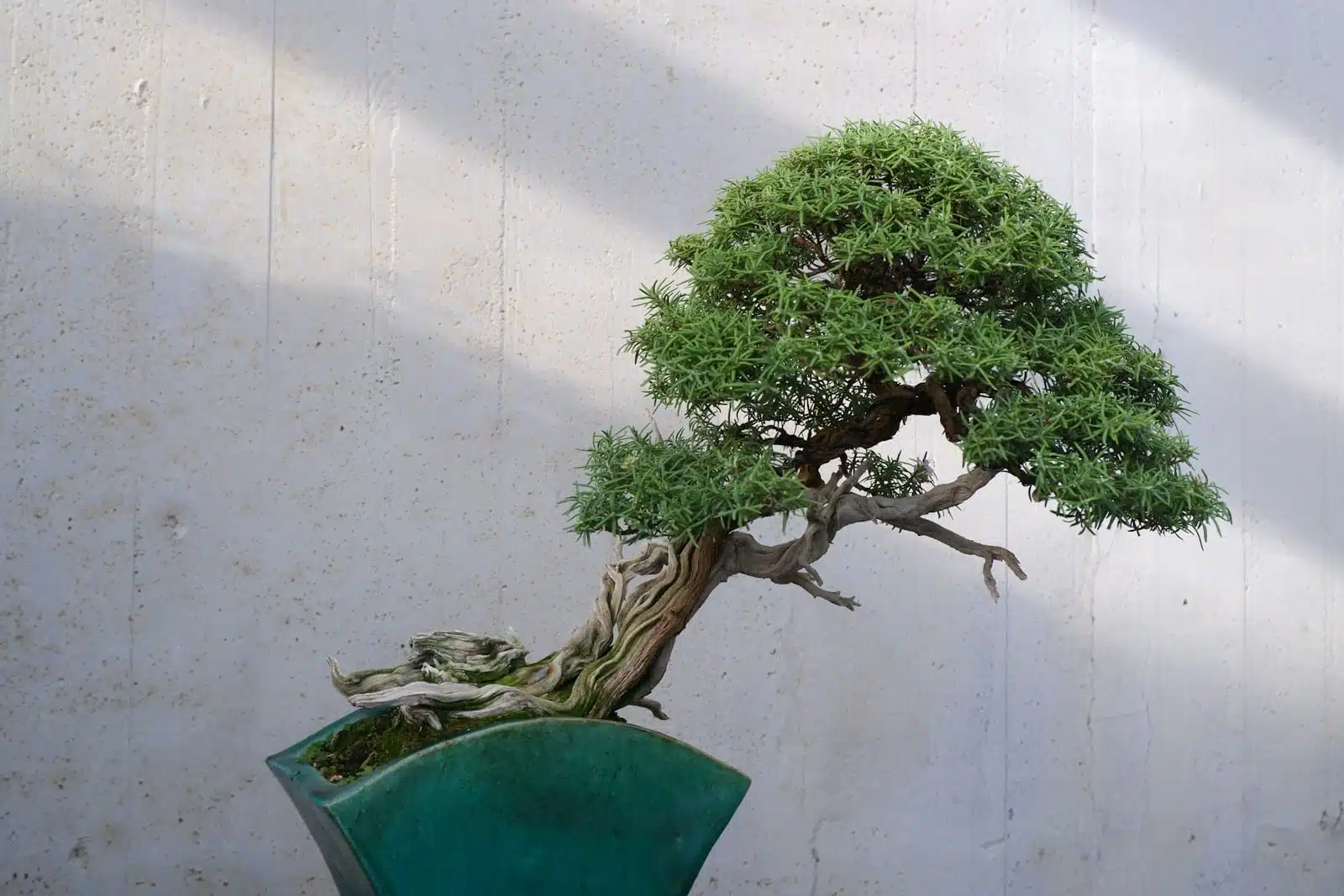
Why Private Access Matters
Bonsai cannot be rushed or absorbed through observation alone. A private workshop allows time for explanation, correction, and reflection without distraction. Questions are answered fully, and instruction adapts to the participant rather than a schedule.
In group settings, attention often shifts toward results. In a private session, the focus remains on process. This distinction matters, particularly for those new to bonsai, as technique is inseparable from understanding.
Privacy also allows access to working gardens rather than display spaces. Seeing trees at different stages of development deepens appreciation for the discipline involved.
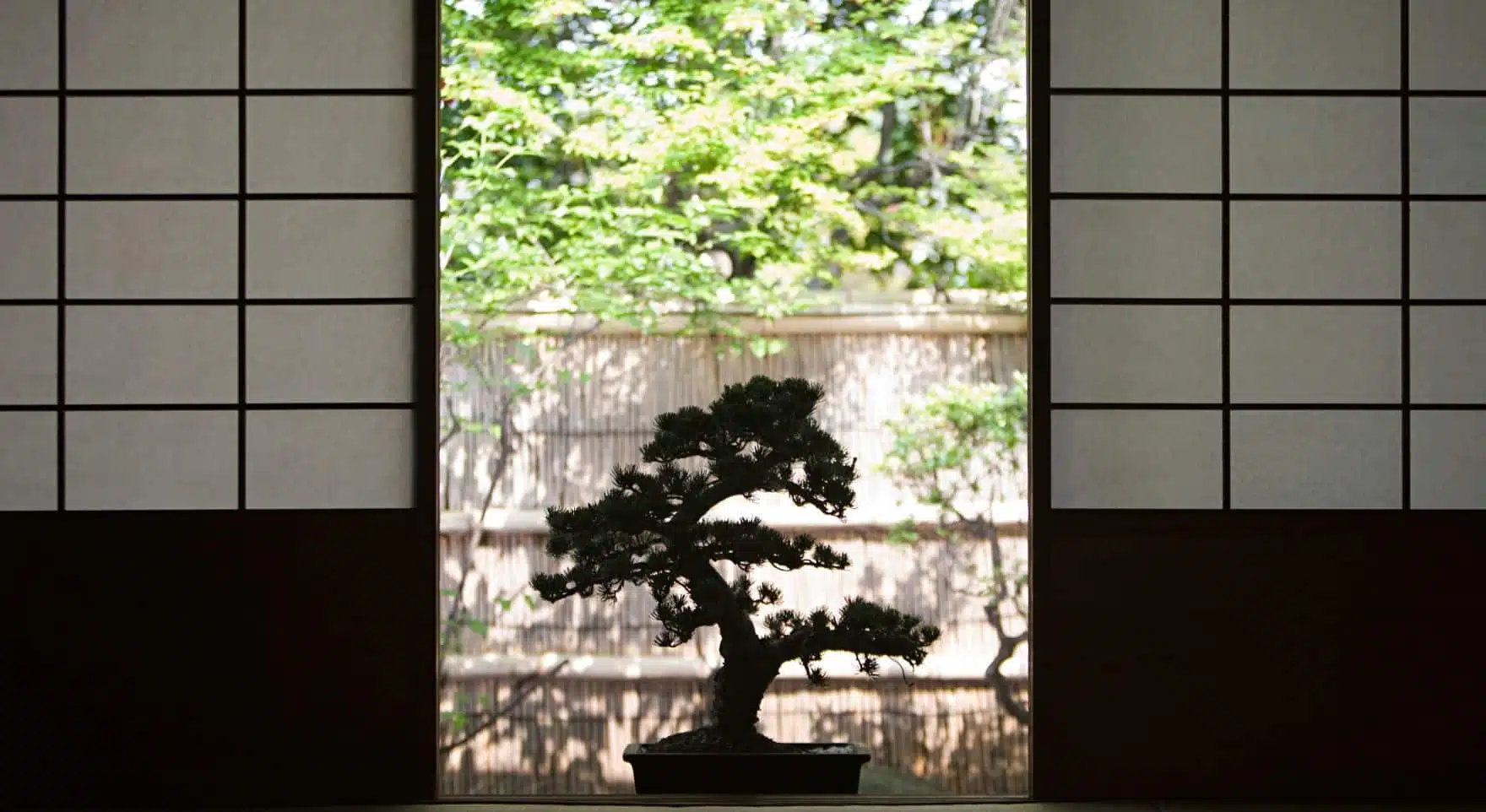
What You See
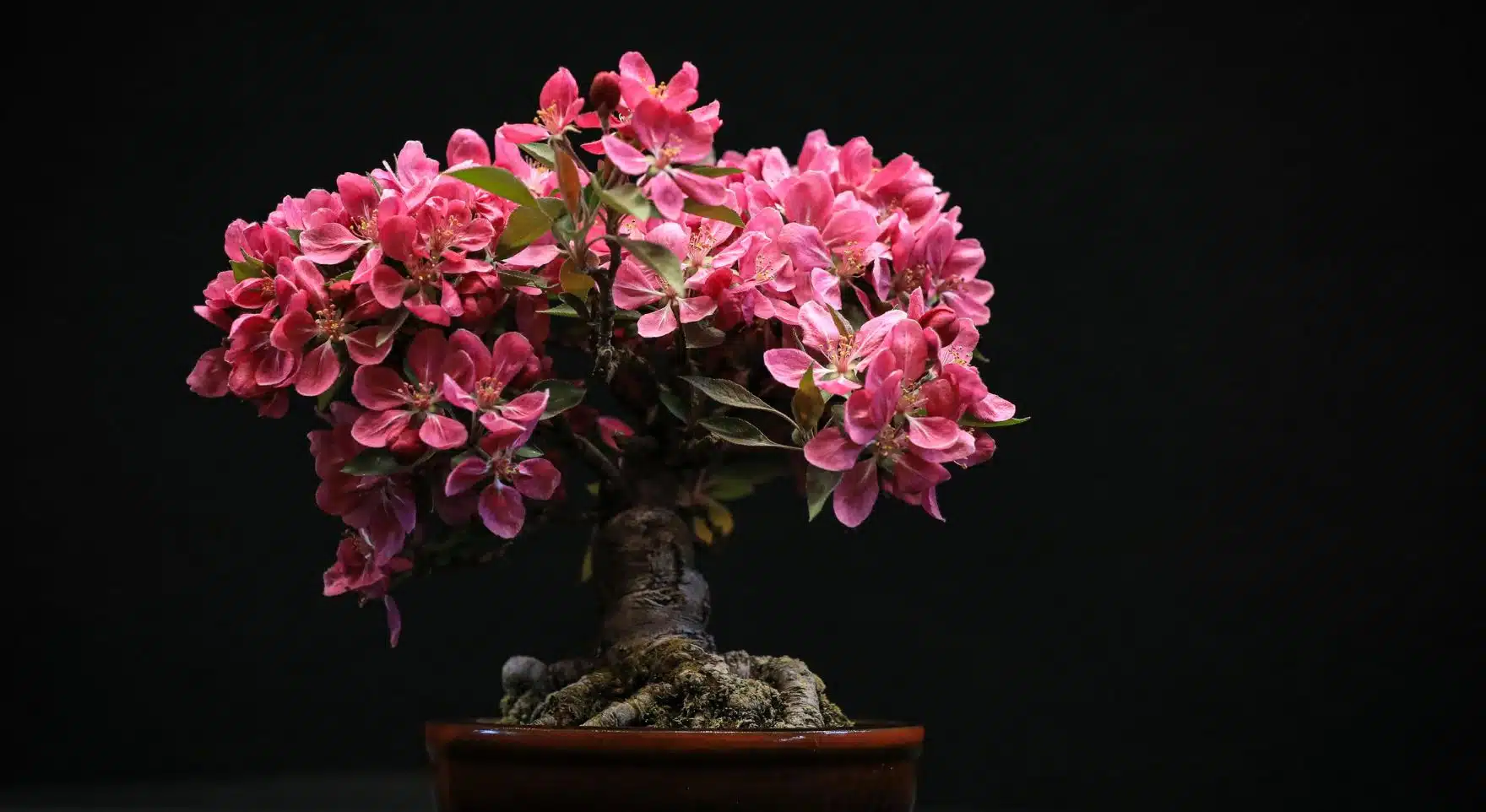
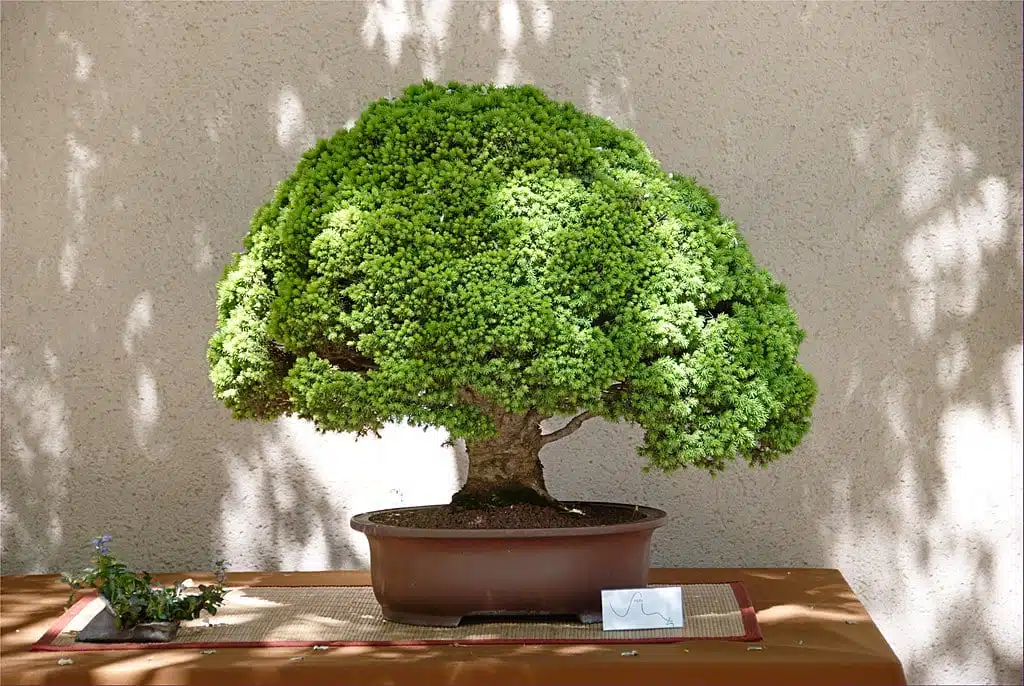
The workshop begins with selection. Trees are chosen based on structure, age, and potential rather than immediate appearance. Pots are matched carefully, with attention to scale and balance.
Under guidance, you learn to read the tree. Branch placement, root exposure, and direction of growth are discussed in practical terms. Cuts are made sparingly, each one explained before it happens.
The tools themselves tell a story. Scissors and wire are precise, designed for control rather than speed. The garden remains quiet, with attention focused on hands and form.
Throughout the session, the setting reinforces the practice. Gravel paths, low hedges, and open sightlines create an environment where nothing competes for attention.
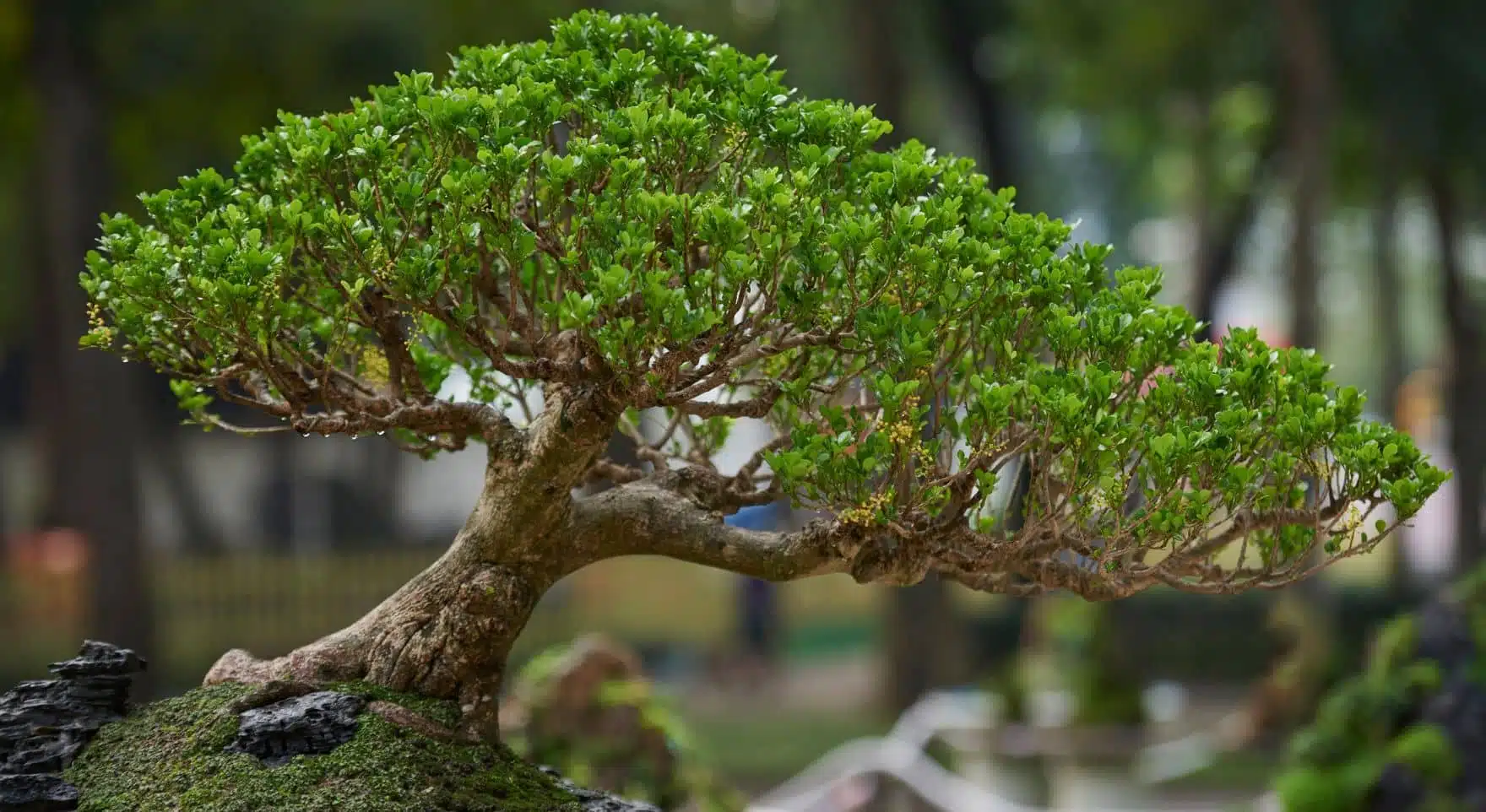
How Private Access Elevates the Experience
Public demonstrations often reduce bonsai to a visual outcome. Private instruction restores its depth. Time is given to understand why certain styles developed, how trees respond over years, and what responsibility the caretaker holds.
There is space to make mistakes and correct them without pressure. The experience becomes collaborative, shaped by conversation and careful observation rather than performance.
For travelers interested in cultural immersion, this approach reveals bonsai as a living discipline rather than a static art.
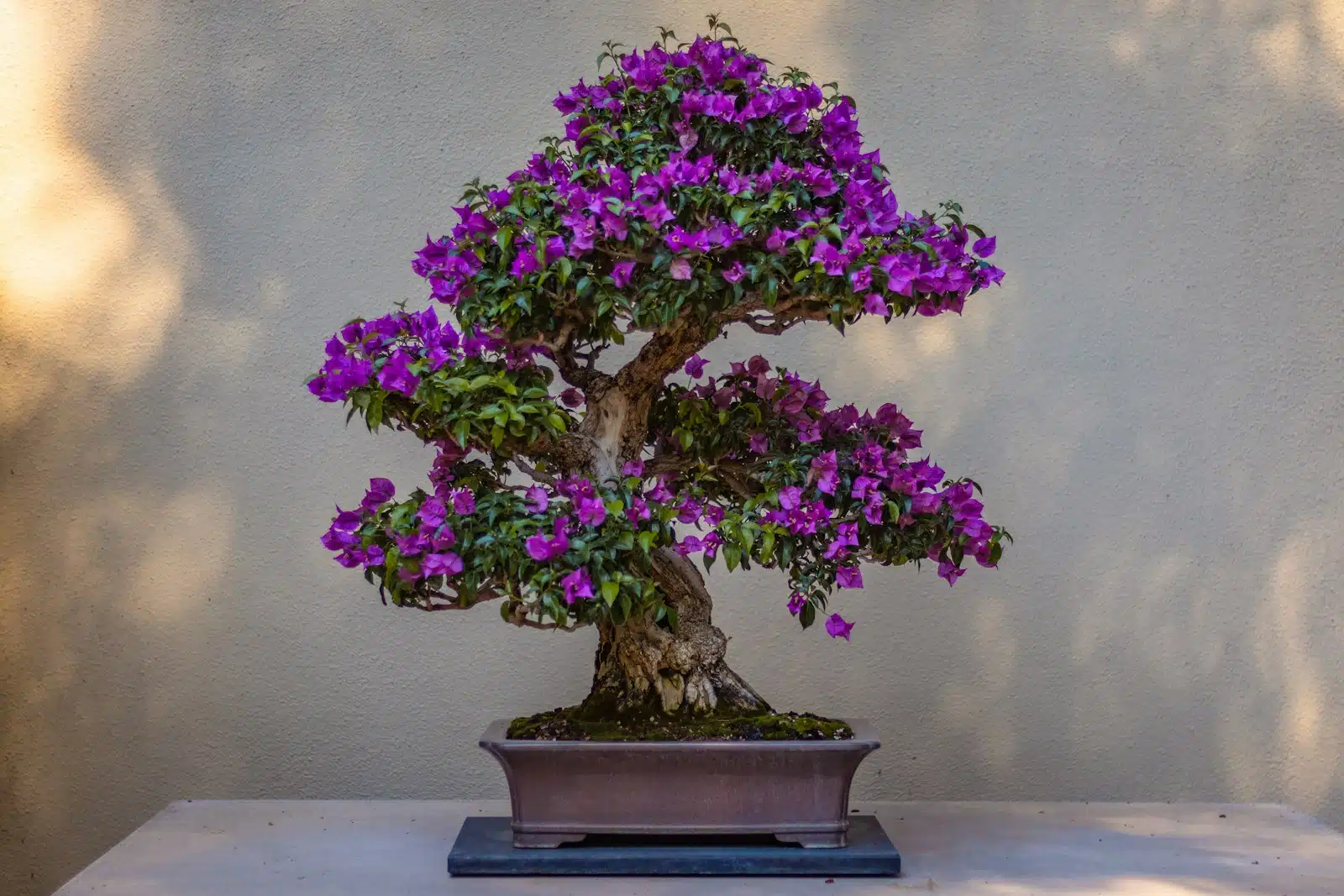
Omiya Bonsai Village Today
The village remains an active center of bonsai cultivation, home to some of the world’s most valuable and ancient trees. Many are cared for by families who have passed knowledge down through generations.
Within the village, the Omiya Bonsai Art Museum preserves and presents this legacy, offering context through rotating displays and archival material. Visiting alongside a workshop deepens understanding, connecting practice with history.
Private workshops are typically arranged through cultural specialists such as Deeper Japan, who provide expert interpretation and access to master growers. Sessions last approximately 100 minutes and are conducted in English with professional interpretation.
Participants usually take home tools and a bonsai pot. Due to customs regulations, the tree itself may not be exportable, reinforcing the idea that the experience, rather than the object, is the lasting outcome.
How Do Not Disturb Makes This Possible
Do Not Disturb arranges private bonsai workshops in Omiya with trusted cultural partners, selecting masters whose teaching reflects both technical skill and philosophical depth.
Timing, transportation, and interpretation are handled seamlessly, allowing the focus to remain on learning and participation. Visits are paced to avoid crowds, and when possible, paired with quiet time in the village or museum.
Ready to experience the art of bonsai in Omiya Bonsai Village with private guidance and cultural insight? Speak with Do Not Disturb to begin planning a journey shaped by patience, intention, and quiet mastery.