




On this page
A private sandbank picnic in the Maldives places families on a secluded ribbon of sand far from the resort shoreline. With curated dining, calm lagoon waters, and complete privacy, this is one of the Indian Ocean’s most quietly memorable experiences.
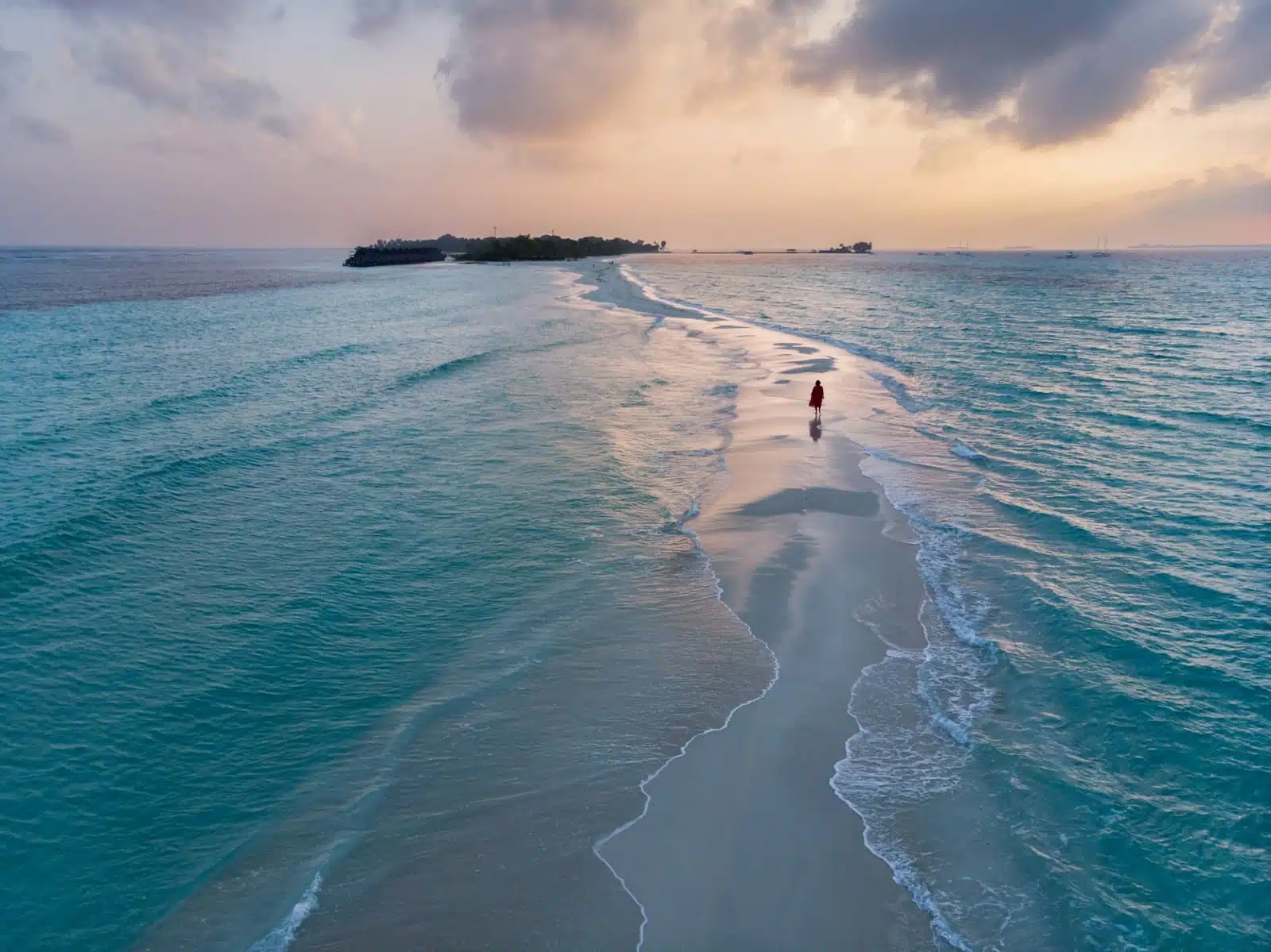
The boat slows long before it reaches the sandbank. What appears at first as a pale line on the horizon gradually takes shape, a narrow stretch of white sand surrounded by shallow, luminous water. There are no structures, no neighboring islands in view, only sea and sky.
Shoes come off immediately, feet meeting warm sand that evokes a feeling of relaxation and excitement simultaneously. The stillness is striking, especially for children who instinctively begin to explore the edges where sand dissolves into water.
The sense of anticipation is not about what will happen next, but about how little is required. A table waits in the shade. Towels are laid out. A discreetly placed phone sits nearby, offered not as an intrusion but as reassurance that support remains quietly available.
Cultural and Environmental Context
Sandbanks are a natural feature of the Maldivian atolls, formed as coral fragments and sand are deposited by shifting currents. They appear and disappear over time, making each one temporary by nature. For generations, Maldivians have understood these places as transitional spaces, neither island nor reef, shaped entirely by the sea.
Traditionally, sandbanks were used briefly rather than inhabited. Fishermen rested there, and travelers paused before moving on. Today, resorts carefully select stable sandbanks within their lagoons, using them sparingly to preserve their fragile structure.
Most visitors experience the Maldives from overwater villas or beaches shared with other guests. A private sandbank visit remains one of the few ways to experience the atoll environment in its most elemental form. Demand is high because access is limited by tides, weather, and conservation considerations.
Why Private or Small-Group Access Matters
A sandbank only works as an experience when it is private. Shared access would dilute the sense of scale and isolation that defines it. For families, exclusivity allows children to roam freely without interruption, and adults to relax without managing space or noise.
Private access also allows timing to be precise. Tides determine when a sandbank is exposed, and small-group arrangements ensure arrival and departure align with optimal conditions. There is time to linger, to swim without watching the clock, and to sit quietly as the light shifts.
In contrast, more communal excursions often feel scheduled and brief. Privacy turns the sandbank from a novelty into a place where time slows and attention settles.

What You See
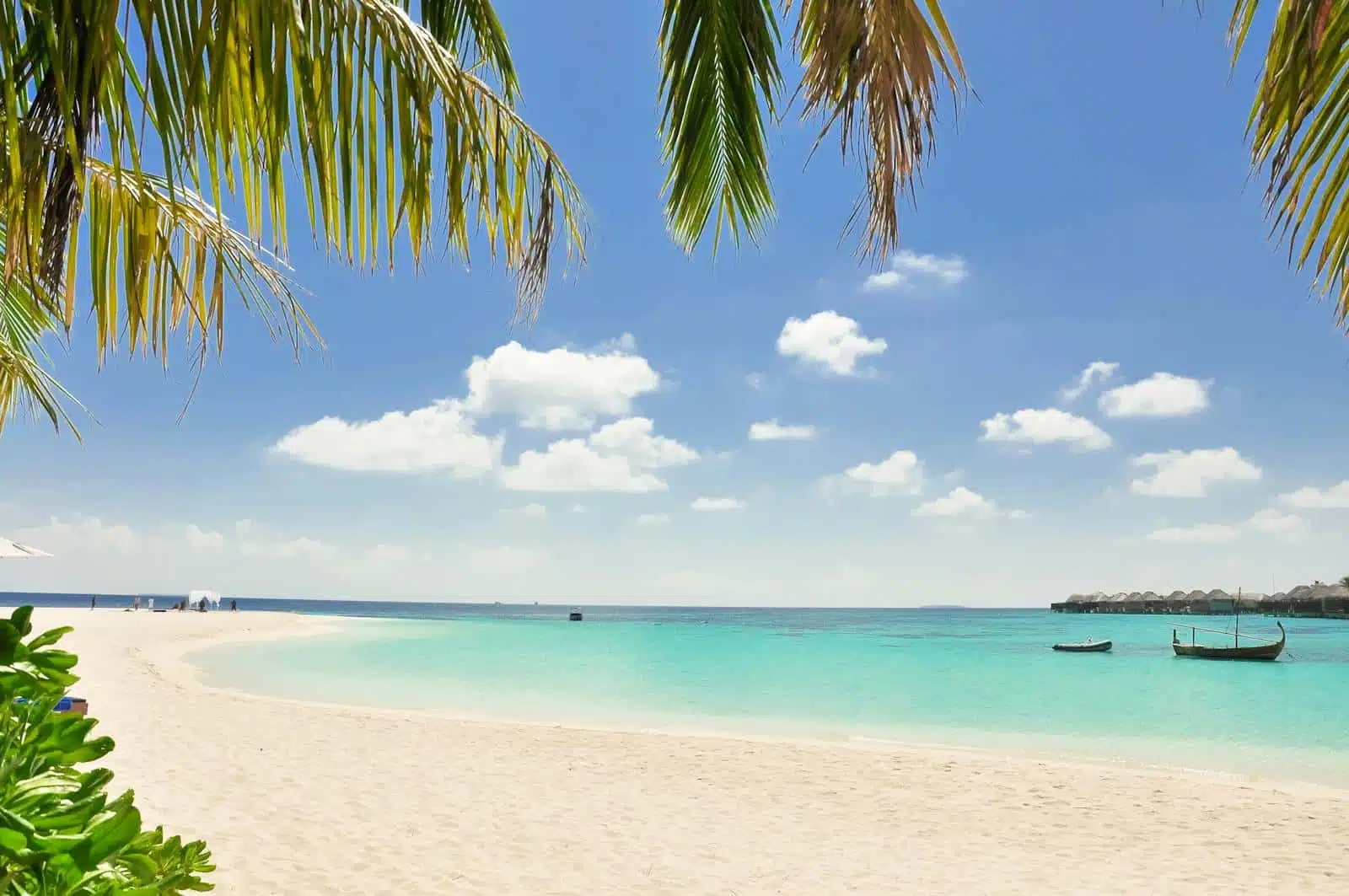
The visual simplicity is immediate. White sand arcs gently into clear water that shifts from pale turquoise to deeper blue within a few steps. The horizon feels uninterrupted, especially on calm days when the sea reflects the sky.
Children often notice the small details first. Tiny fish darting near the shore. Shell fragments half-buried in sand. Adults tend to notice the light, how it changes subtly over the course of the afternoon, and how shadows shorten and lengthen around the table.
There is little else to see, and that is the point. The absence of structures or background noise sharpens focus.
Dining on the Sandbank
Meals are shaped around preference rather than formality. Some families choose a relaxed picnic-style lunch with fresh salads, grilled fish, and chilled drinks. Others opt for a more elaborate setup, with a multi-course menu prepared by a private chef and served at a shaded table.
Dietary requirements are handled discreetly in advance. Champagne or wine is often included, alongside fresh fruit and desserts designed to withstand the heat. For children, meals are simplified without feeling separate.
As the sun lowers, candlelight may be introduced, subtle rather than theatrical. Dining becomes less about the food itself and more about the setting in which it is shared.
Swimming, Snorkeling, and Time in the Water
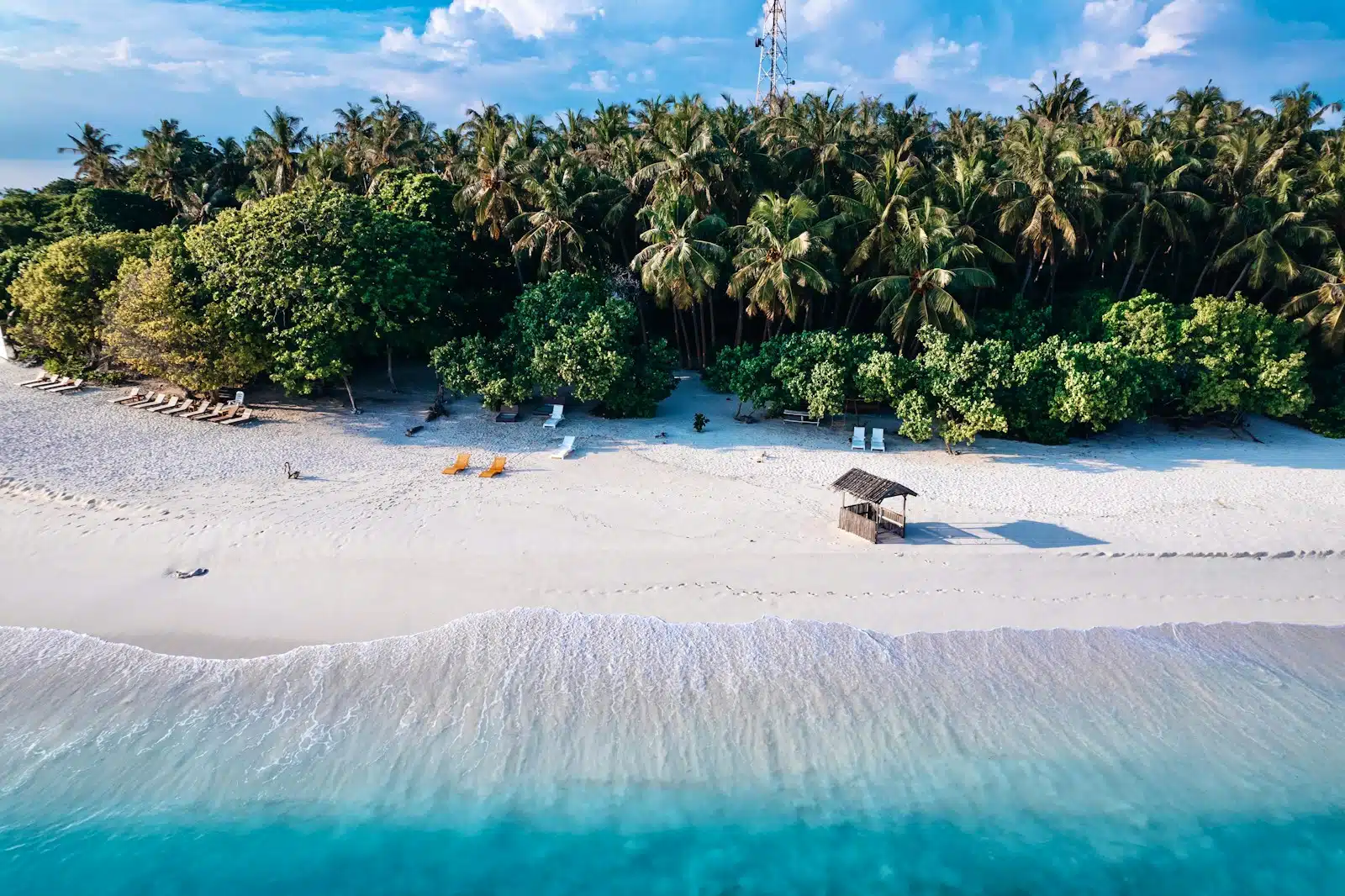
The lagoon surrounding most sandbanks is shallow and calm, making it ideal for families. Entry into the water is gradual, with soft sand underfoot and no sudden drop-offs.
Snorkeling gear is provided, and marine life often appears just a short distance from shore. Small reef fish move between patches of coral, visible even to inexperienced swimmers. Children tend to move between water and sand repeatedly, guided by curiosity rather than instruction.
For adults, floating quietly or swimming slow laps becomes part of the rhythm of the day. There is no schedule beyond the tide.
Special Touches and Overnight Options
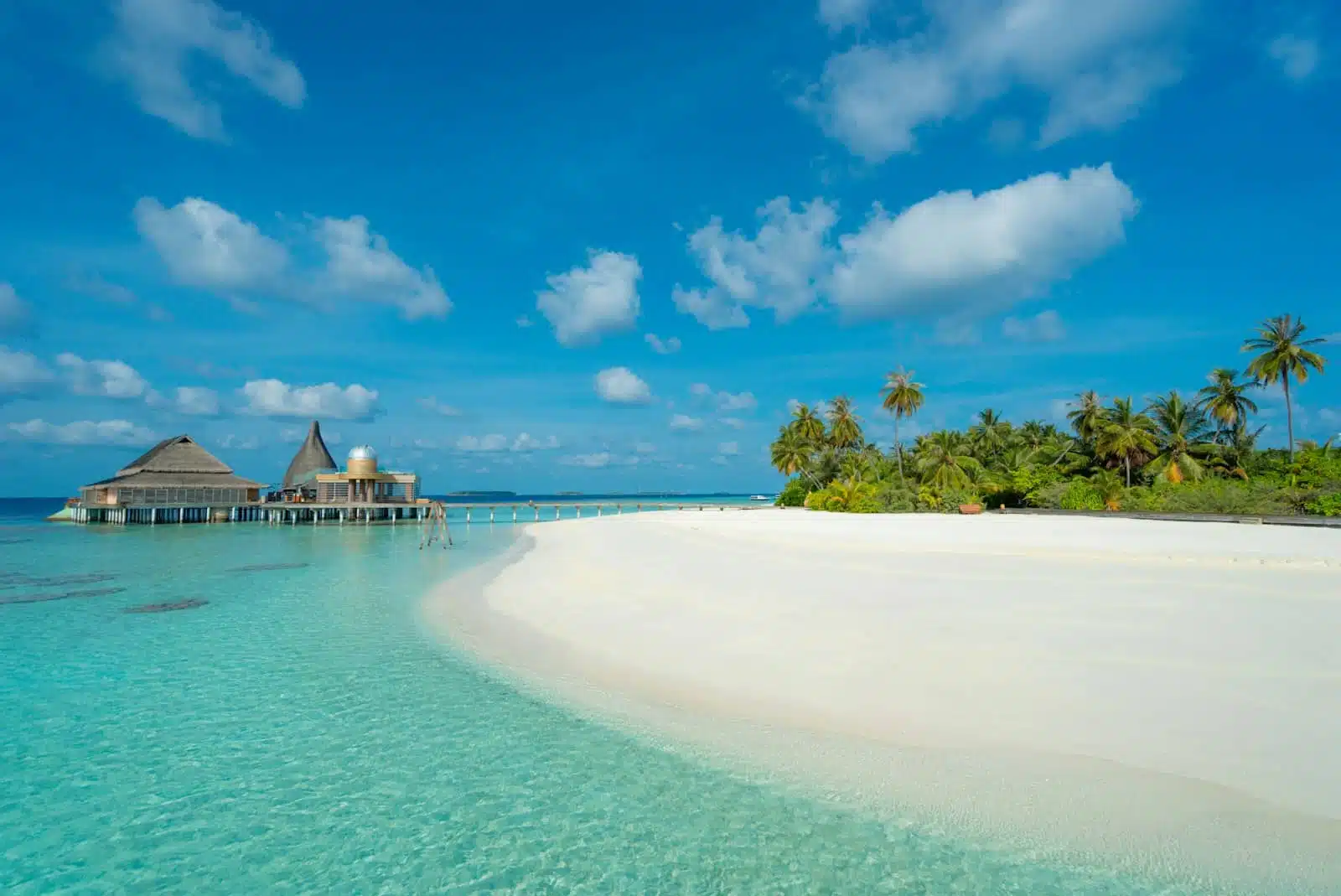
Some resorts enhance the experience with additional comforts. A yacht may anchor nearby, offering a shaded retreat, a bathroom, or a place to shower. Open-air massages can be arranged for adults, while children play nearby.
For families seeking something more immersive, overnight stays are possible on select sandbanks. A Bedouin-style tent is set up with proper bedding, lighting, and attentive service. As night falls, the absence of artificial light reveals a dense field of stars.
Sleeping on a sandbank is less about luxury in the conventional sense and more about proximity. The sound of water replaces walls, and the morning begins with light rather than alarms.
Duration and Timing
Sandbank experiences are flexible. Morning visits offer cooler temperatures and clear light. Afternoon departures are popular for families who want to swim and stay through sunset. Full-day options allow the rhythm of the tide to shape the experience naturally. Overnight stays depend on weather and sea conditions and are arranged selectively.
How Do Not Disturb Makes This Possible
Do Not Disturb works closely with Maldivian resorts to secure private sandbank access suited to families. Each experience is planned around tide charts, weather patterns, and the specific needs of those traveling.
Dining preferences, activity levels, and timing are arranged in advance, removing decision-making from the day itself. Logistics are handled quietly, from boat transfers to on-site support, ensuring the sandbank remains a place of ease rather than coordination.
The result is an experience that feels effortless and personal, shaped around shared time rather than spectacle.
Ready to plan a private sandbank picnic in the Maldives and experience the islands with calm and clarity? Speak with Do Not Disturb to begin shaping a family moment defined by space, time, and ease.