On this page
Koh Samui represents one of Thailand’s most successful transformations from an agricultural island to an upmarket resort destination. Its rise into global conversation deepened again in 2024 when The White Lotus filmed its third season on the island, placing Samui’s landscape and hotel culture in front of a global audience.
From Coconut Island to Modern Retreat
For much of the twentieth century, Samui functioned as an isolated coconut-producing island. Fishing villages lined the coast, dirt tracks cut through plantations, and the interior remained largely untouched. Electricity arrived in the 1970s. The first proper road appeared in 1989. Tourism in these early years meant wooden bungalows on long empty beaches, kerosene lamps after dark and meals prepared from whatever fishermen caught that morning.
The mid-1990s brought developmental turning point. The Thai government invested in infrastructure; developers recognized the island’s commercial potential. The first four-star hotels opened: Centara Grand, Banyan Tree, and later Four Seasons. These weren’t backpacker accommodations but genuine luxury properties signaling the island’s market repositioning. International airlines increased service. The airport expanded. Samui shifted from backpacker destination to dual-market island serving both budget travelers and upscale tourists.
The island’s geography contributed to this measured development. The ring road circumnavigates the island efficiently, but the lack of direct cross-island routes limits development penetration into interior regions. Large tracts remain coconut plantations and jungle. The granite formations and hilly terrain create natural development barriers. This geographic constraint inadvertently preserved island character while allowing luxury infrastructure expansion.
The White Lotus Effect
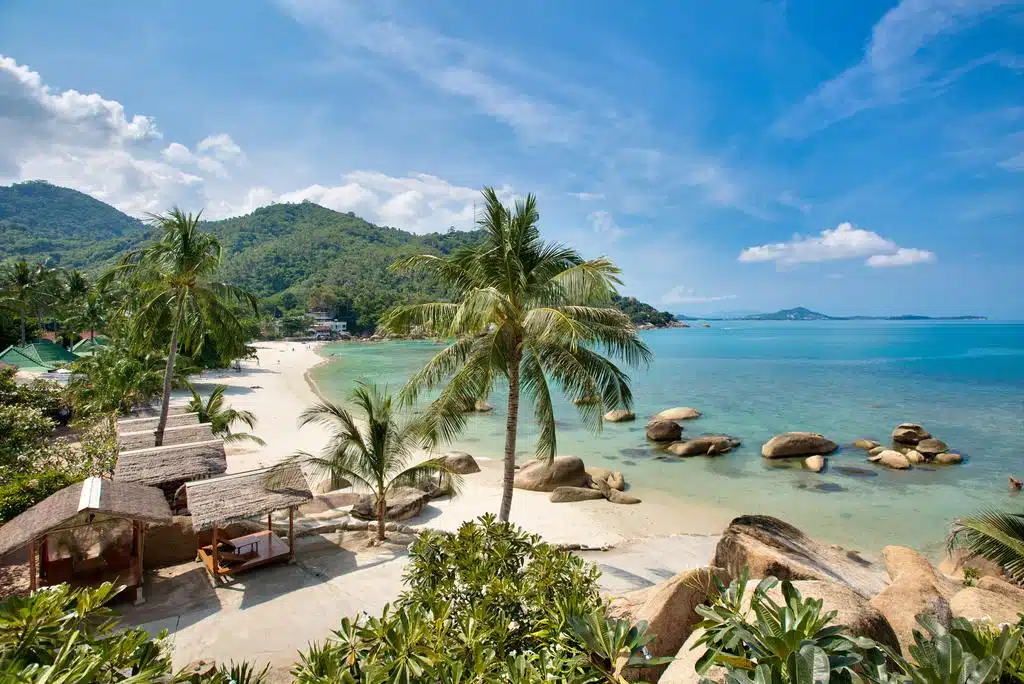
When HBO selected Thailand for the third season of The White Lotus, Samui became one of the primary filming locations. Production in 2024 placed the island’s beaches, resorts and interior landscapes into a visually rich narrative consumed worldwide. Viewers recognized specific coastlines, viewpoints and architectural details, strengthening Samui’s association with luxury travel.
The impact was immediate but manageable. Interest increased across international luxury markets. Hotels upgraded facilities, refined dining and strengthened service programs. Rates rose in anticipation of the series’ release. For some long-time visitors, the island felt more international; for others, the heightened attention simply made visible a trajectory that had been developing for decades. The show amplified existing qualities rather than transforming them.
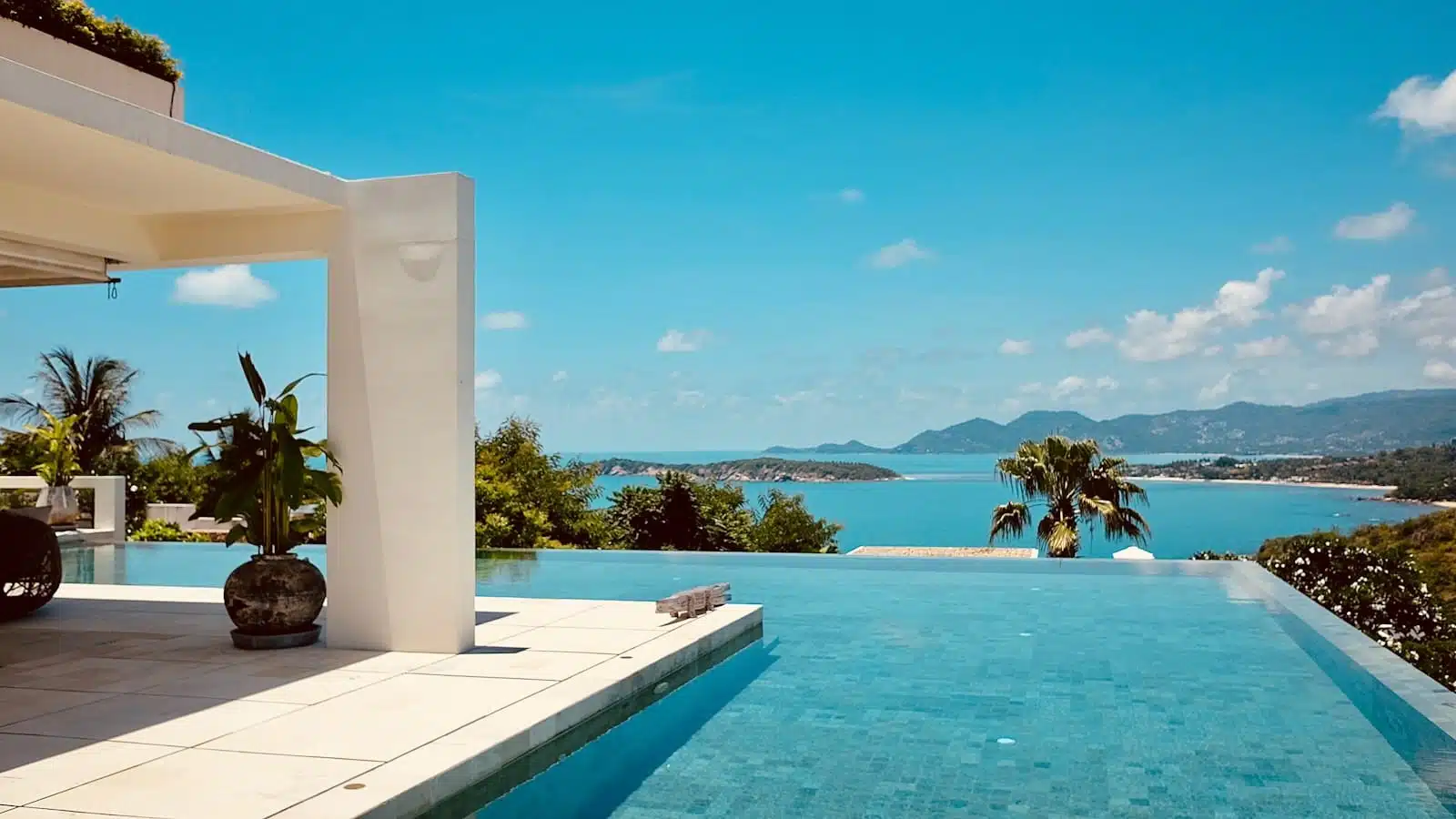
Although Samui is now cited frequently in media as “the White Lotus island,” the reference sits lightly on the ground. The island’s luxury credentials were established before the series.
What Remains Authentic
Despite its high-end reputation, Samui retains a degree of authenticity that many island destinations lose. The food culture is a useful entry point. At Central Festival Samui’s food courts, office workers and families eat dishes prepared for locals, not visitors. Night markets in Chaweng, Lamai and Bo Phut operate primarily for community commerce.
Restaurants outside the main tourism corridors serve both Thai residents and long-term international communities. Here, cooking reflects genuine culinary interest rather than visitor expectation. These spaces offer cultural access invisible from beachfront dining rooms.
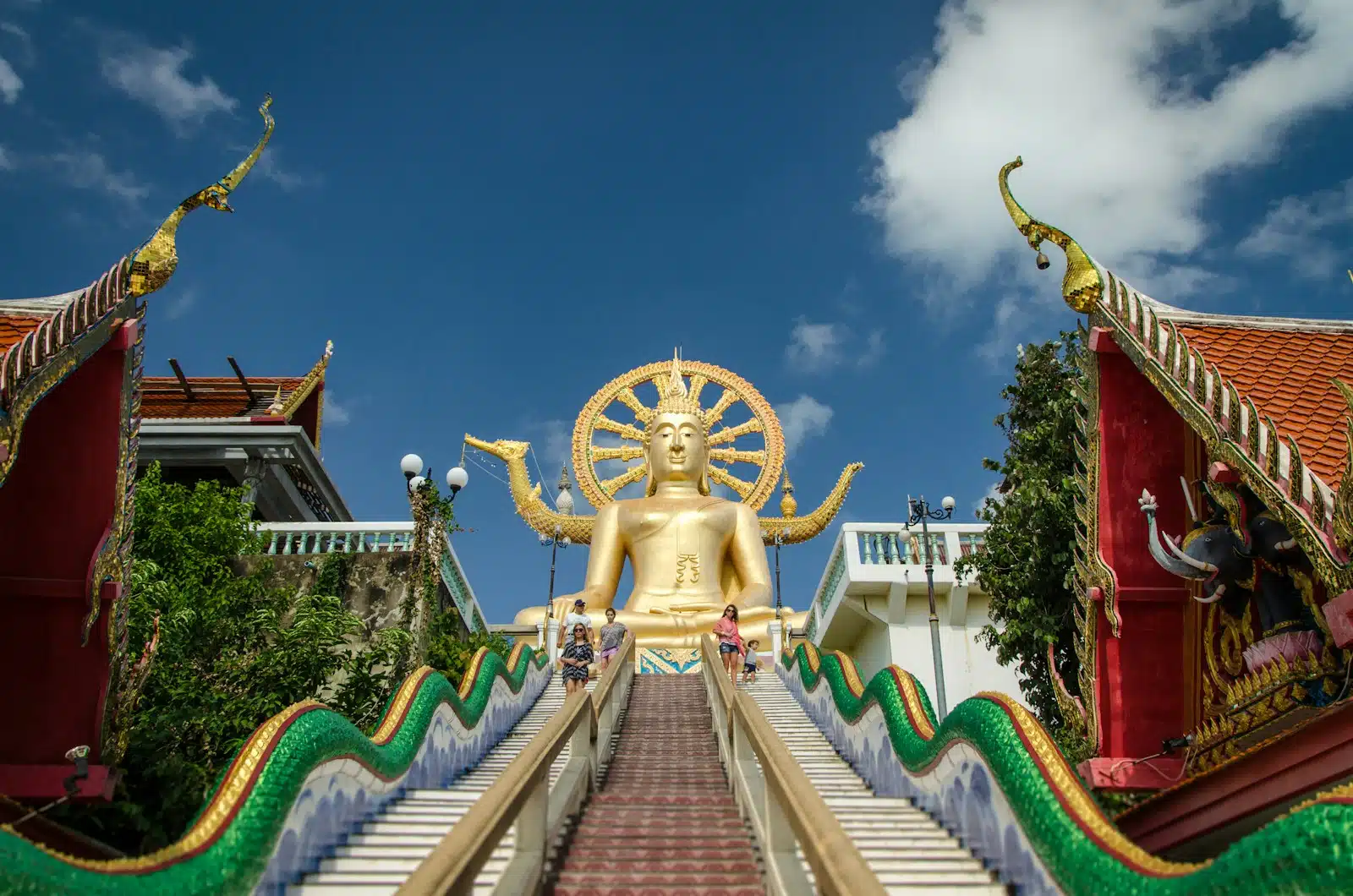
Beyond the coastline, Samui reveals its quieter identity. Coconut plantations, small villages and pockets of jungle still define much of the interior. Hiring a driver or venturing inward by motorbike offers perspective on how the island’s economy functions beyond tourism. Namuang Waterfall rewards with cool water and shade after a short walk, providing contrast to beach days. Around Big Buddha, active worship continues even as visitors arrive for views across the gulf.
Spa and wellness culture thrives in ways that transcend resort programming. Independent practitioners and studios lead meditation, yoga and therapeutic treatments with sincerity and depth. These quieter spaces often provide more meaningful engagement than hotel-based offerings.
Samui Highlights
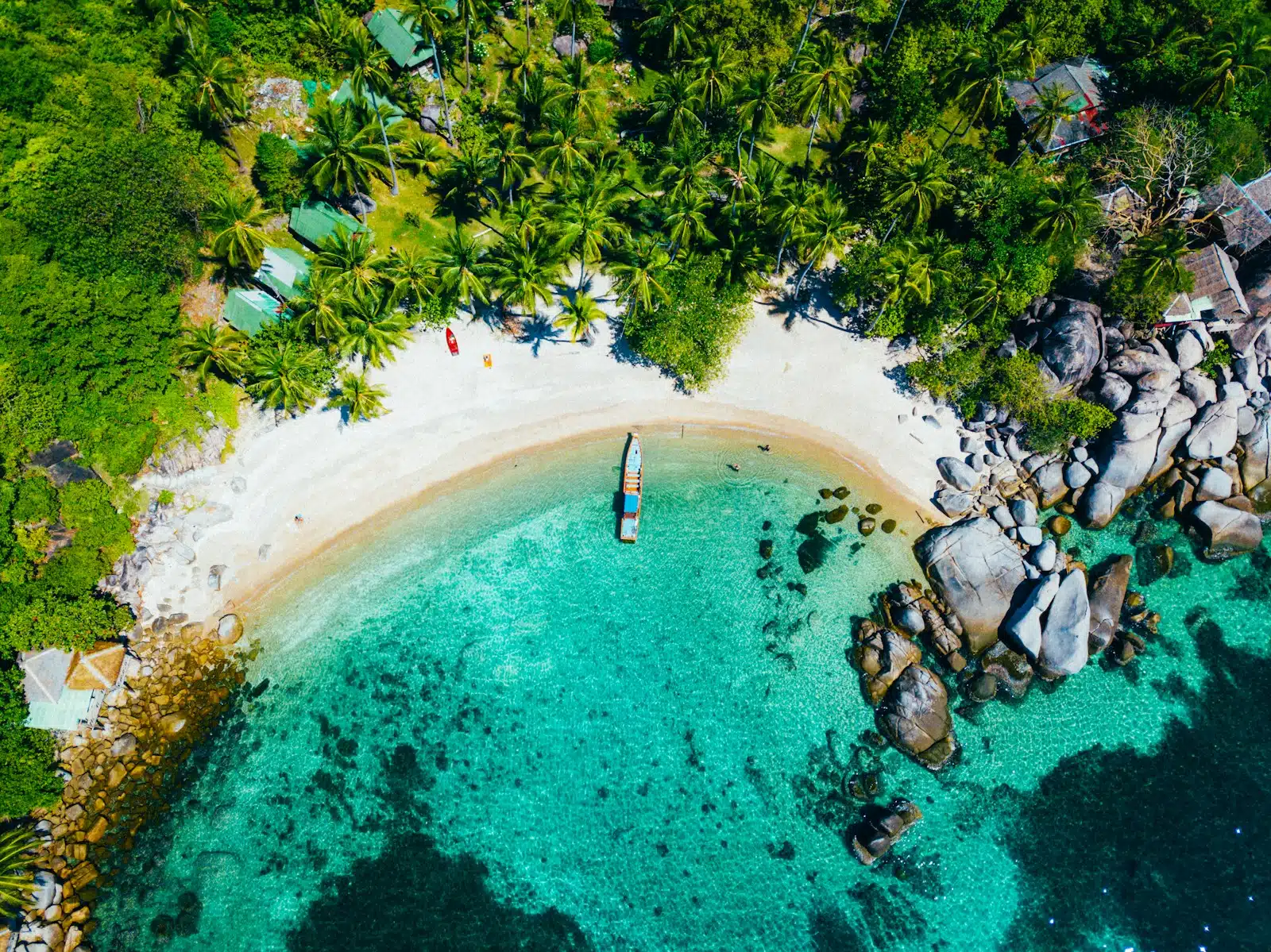
Namuang Waterfall, accessible by road and short hike, offers natural landscape distinct from beach experience. The waterfall requires modest physical effort to access but rewards with genuine natural feature and escape from resort proximity.
The island’s northern coast around Big Buddha (Wat Phra Yai) offers religious and cultural engagement distinct from beach tourism. The massive seated Buddha visible from across the island functions as genuine spiritual site where local residents maintain active worship alongside tourist visits. The viewpoint provides panoramic perspective on island geography and surrounding seascape.
Several temples throughout the island maintain active monastic communities and welcome respectful visitors. Wat Samret, Wat Lamai, and other sites function as spiritual centers rather than tourist attractions, offering genuine Buddhist practice observation.
Island Structure and Surrounding Journeys
Samui’s geography allows easy exploration while preserving the distinction between coastal resorts and rural interior. The ring road circles the island in approximately one hour, connecting Samui’s three primary beach communities: Chaweng, Lamai and Bo Phut.
Chaweng remains the island’s most developed beach, a long arc of white sand with clear water and a lively commercial center. The northern stretch feels calmer and more resort-focused, while central Chaweng hosts nightlife, dining and shopping. South Chaweng, with more local housing, offers glimpse of community life behind the beachfront.
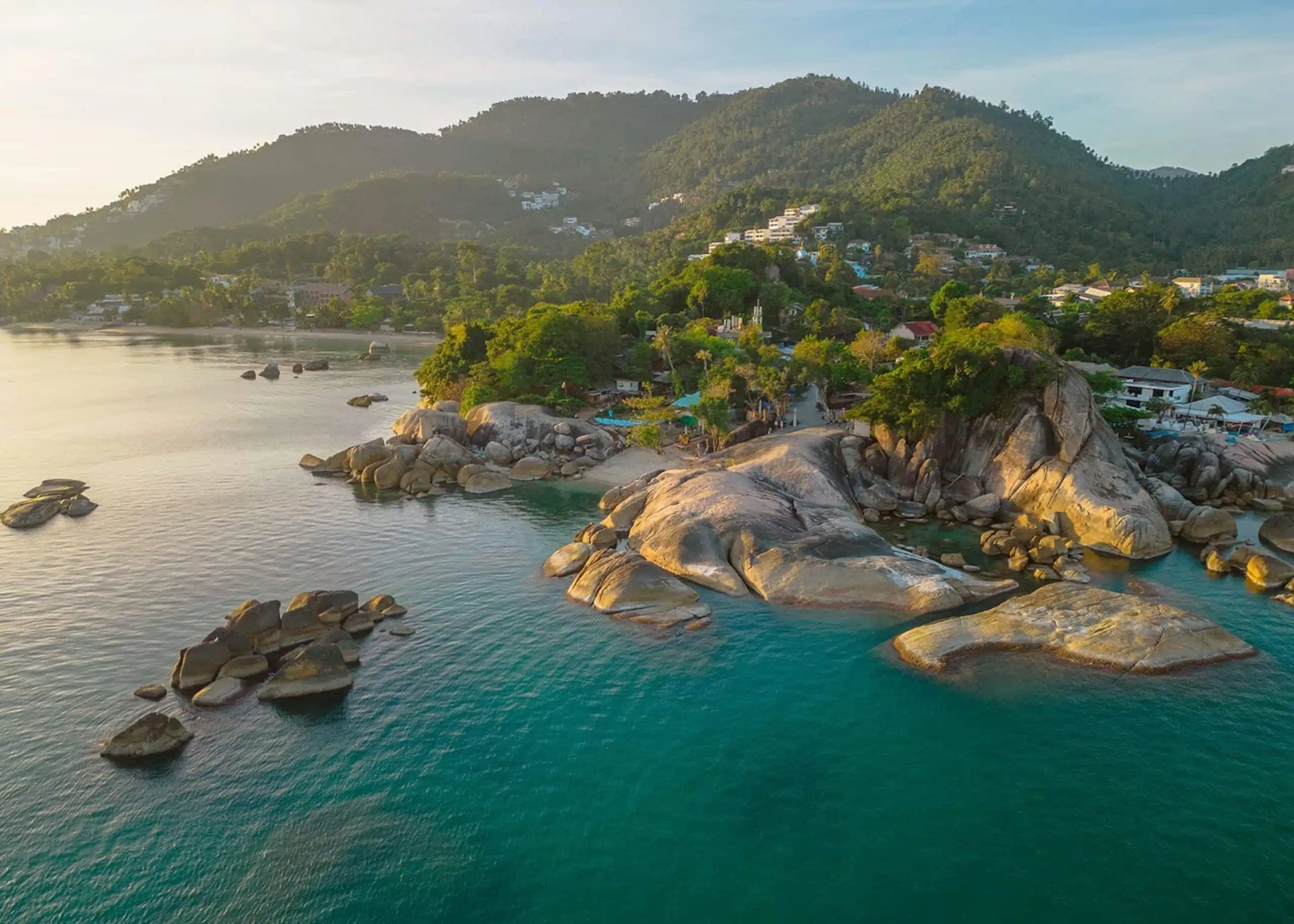
Lamai feels more spacious, with older demographic, quieter nightlife and excellent swimming conditions. Several luxury resorts frame the granite headlands that shape the beach, giving Lamai a refined yet relaxed atmosphere.
Bo Phut, particularly Fishermen’s Village, offers gentle blend of working community and curated hospitality. The Friday night market retains local focus, while the beachfront combines boutique hotels, considered dining and shops integrated into existing village life.
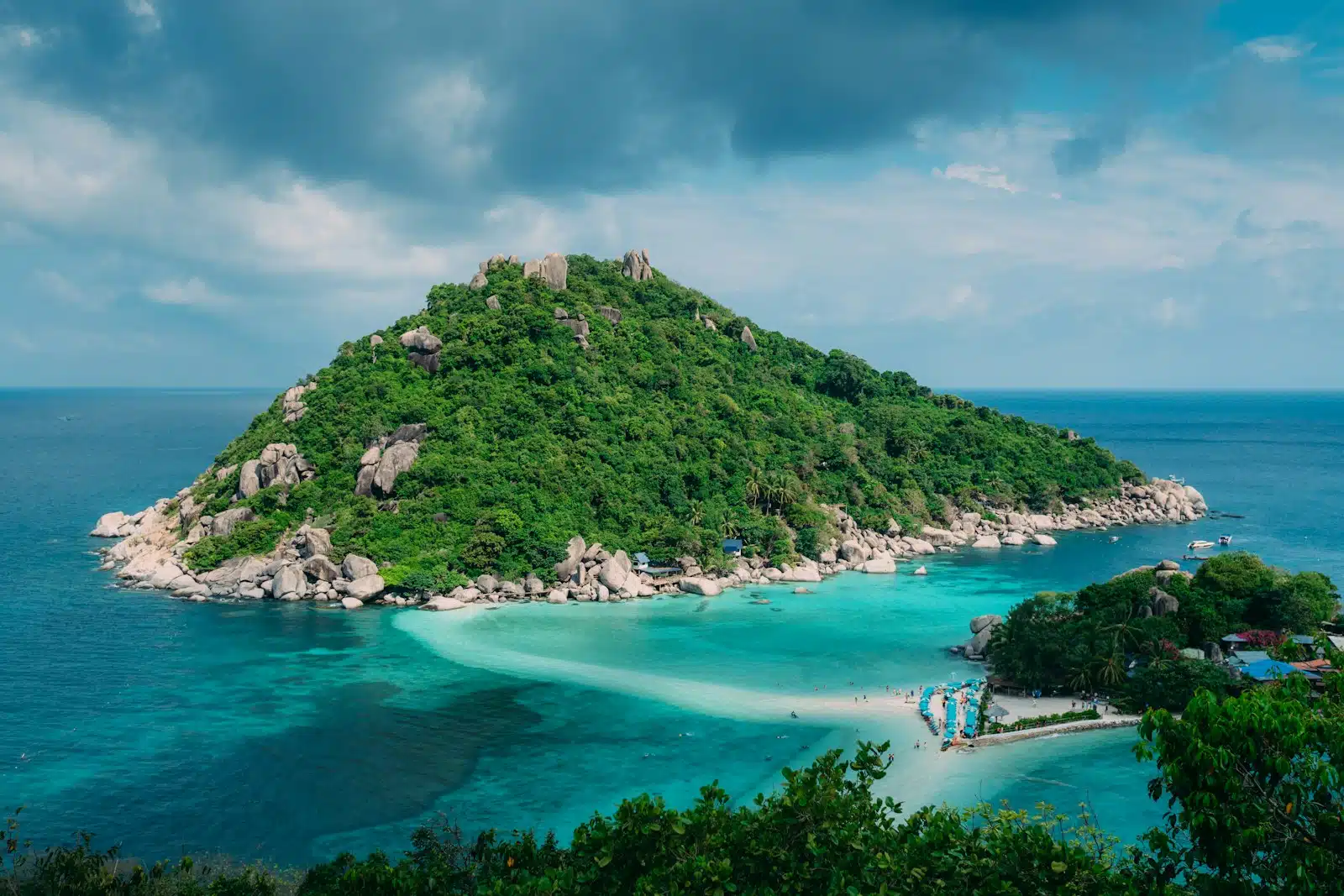
Samui sits in an archipelago that invites exploration. Koh Phangan offers quieter beaches and relaxed villages beyond its party reputation. Koh Tao attracts divers seeking distinctive marine landscapes. Ang Thong Marine National Park provides limestone islands, turquoise water and protected coves ideal for day trips by private boat or curated tours.
Immediate Neighbor Islands
Koh Phangan lies immediately northeast of Samui, separated by roughly 12 kilometers of water. Ferry service runs regularly between the islands, requiring approximately 30 to 45 minutes. Phangan maintains more relaxed atmosphere than Samui while offering superior beach quality on some stretches. The full moon party represents the island’s most famous attraction; the monthly gathering attracts thousands of travelers to Haad Rin beach for all-night dancing. Beyond the party atmosphere, Phangan contains sophisticated resorts and quiet beaches.
Koh Tao lies further northeast, approximately 40 kilometers from Samui. Ferry service requires 90 minutes to 2 hours depending on sea conditions. Tao functions primarily as diving destination; the island’s underwater geography and marine life attract certified divers and dive students worldwide. The island maintains casual atmosphere despite tourism development; the dive operations structure much of the economy and social life.
Ready to experience Koh Samui? Speak with Do Not Disturb to shape a journey that blends luxury resort and island culture – free fromWhite Locus psychodrama.