




On this page
Experience hanami at its most serene with a private early-morning picnic in Shinjuku Gyoen, where traditional flavours and expert guidance meet peak cherry blossom beauty.
Even before sunrise, there are signs of what the day will bring: blankets unfurled across lawns, bento boxes unpacked with care, and pink petals stirring in the breeze. The ritual is timeless, but so is the competition for space.
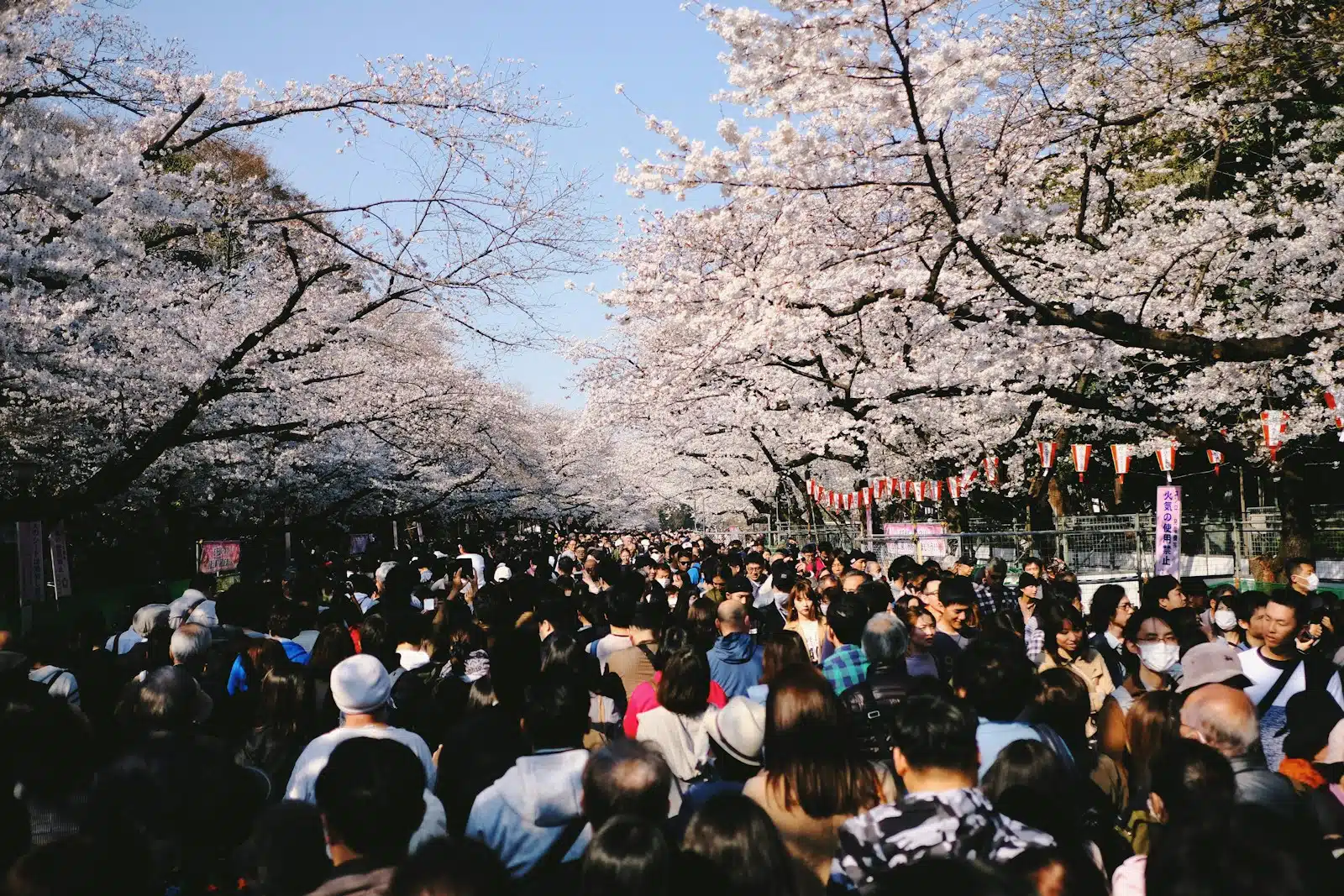
During sakura season, public parks fill rapidly. Entire office teams reserve viewing spots before dawn, and families settle in by mid-morning. By lunchtime, the most popular parks are busy enough to rival festival grounds. However, a quieter experience is possible with careful timing and expert local support. A private hanami picnic at Shinjuku Gyoen offers early access to Tokyo’s most elegant park before the busiest crowds arrive.
Cultural and Historical Context
Hanami, literally meaning “flower viewing”, is one of Japan’s oldest and most beloved traditions. Rooted in centuries of seasonal awareness and poetry, it dates back to the Heian period (794–1185), when aristocrats would gather beneath cherry trees to compose verse and admire the fleeting beauty of the blossoms. Over time, the custom expanded across classes and cities, becoming a springtime ritual for nearly everyone in Japan.
Shinjuku Gyoen, once an imperial garden, is now a public park that draws thousands each spring. Its 1,500 cherry trees span more than a dozen varieties, from early-blooming Kanzan to the pale-pink Somei Yoshino. Spread across traditional Japanese, French formal, and English landscape garden zones, it offers a tranquil setting in one of the city’s busiest neighborhoods.
Why Private or Small-Group Access Matters
Standard hanami visits often involve jostling for space, queuing for park entry, and staking out a spot among hundreds of other picnic-goers. The pace is fast and the best views are quickly taken.
An early-morning experience changes everything. Entering before the main crowds means there’s space to walk, sit, and observe without interruption. With a private guide, the focus shifts from logistics to meaning. You learn the symbolism of petal colors, the timing of different varietals, and the social etiquette that makes hanami unique in Japanese culture.
Couples have time to sit quietly under the blossoms, with space between them and the rest of the city. Whether you’re celebrating a honeymoon, anniversary, or first trip to Japan, this version of hanami feels personal.
When to Visit for Hanami in Tokyo
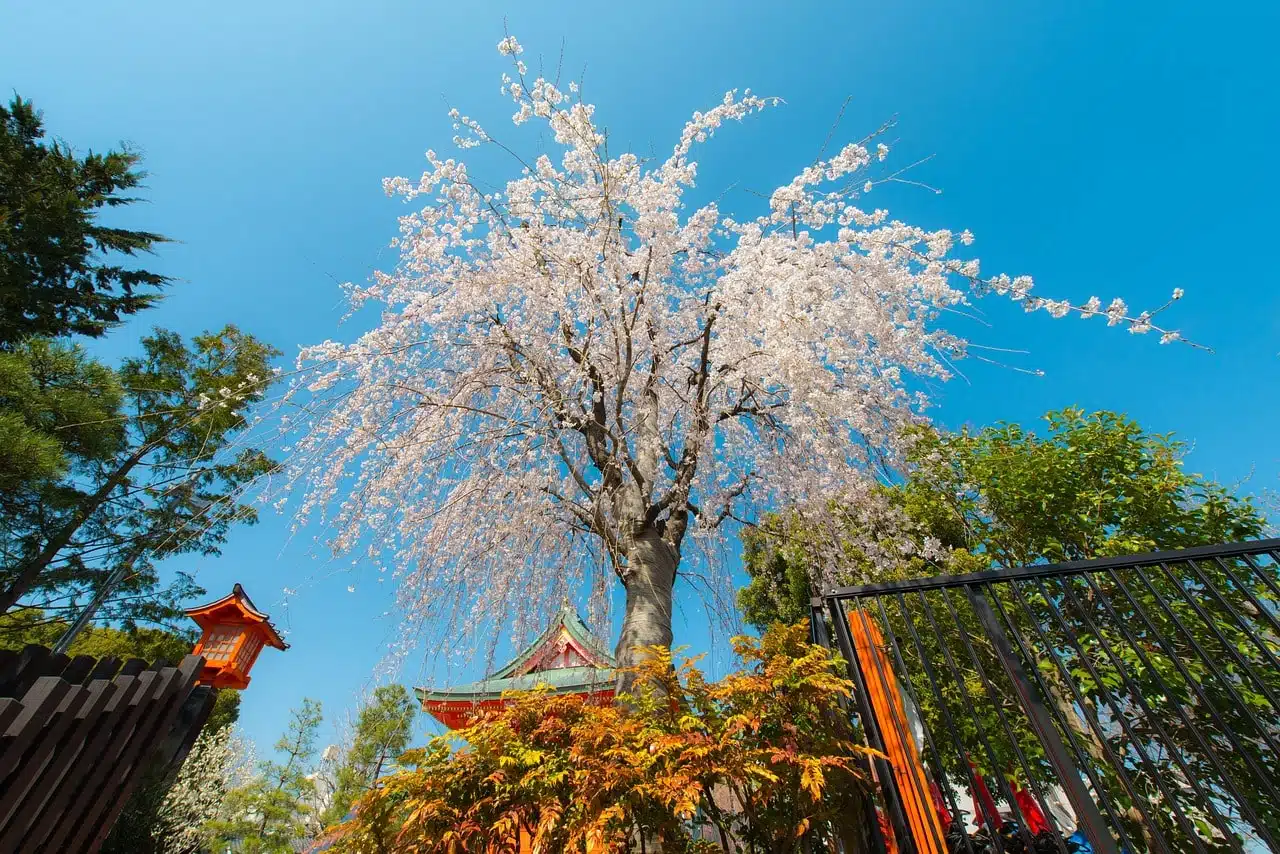
Timing is everything during cherry blossom season in Japan. The beauty of hanami lies in its fleeting nature. Each blossom blooms for just a few days, and the entire season can pass in a single week if the weather shifts. In Tokyo, the cherry blossoms typically reach their peak between the last week of March and the first week of April. However, subtle changes in climate can shift this window earlier or later by several days each year.
For the most tranquil experience, we recommend scheduling your hanami between 6:30 and 8:30 AM. At this time, the air is cool, the light is soft, and the stillness of the park invites quiet reflection. On weekdays, crowds are lighter throughout the city. Weekends tend to be busier, especially during peak bloom, so early morning access becomes even more valuable.
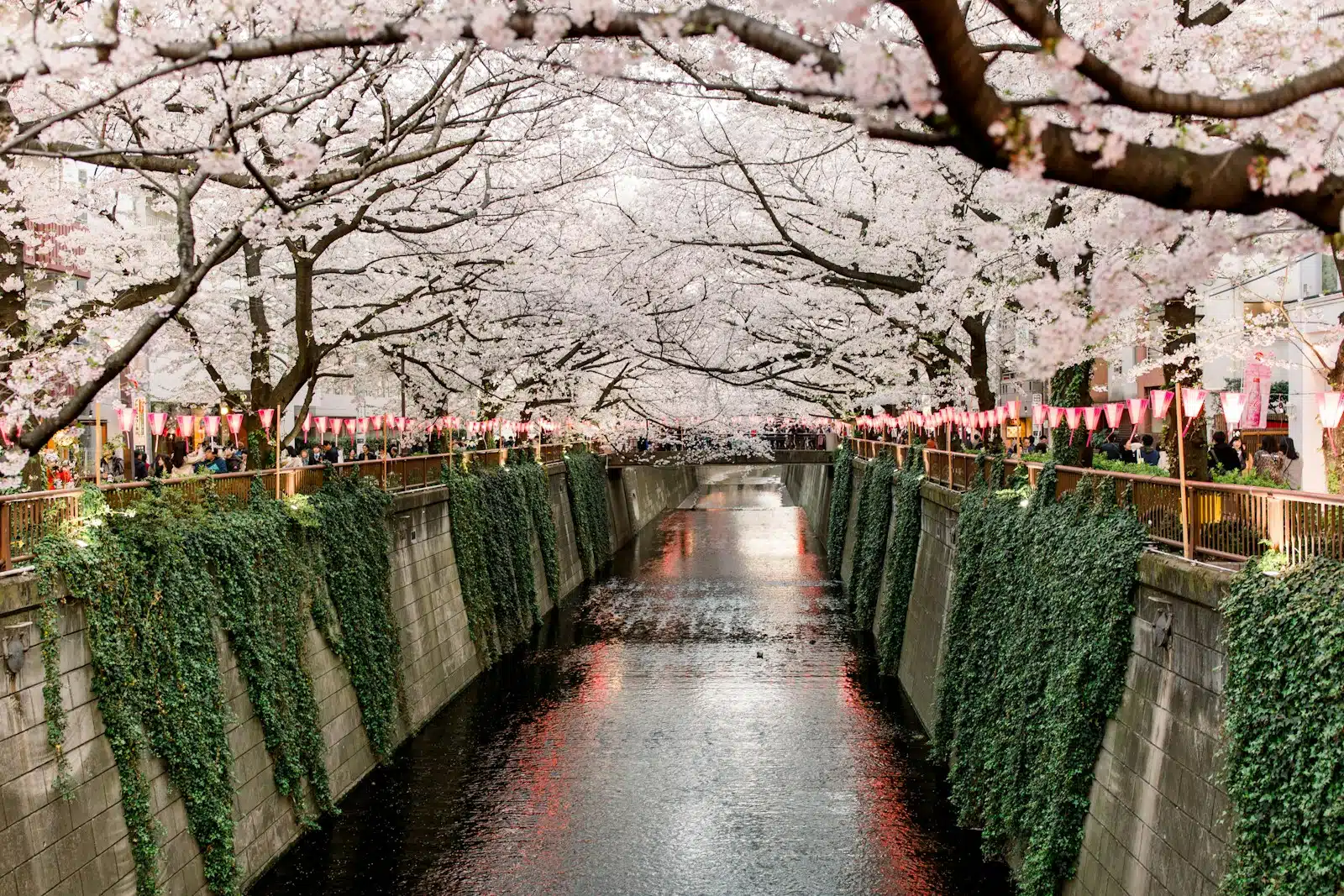
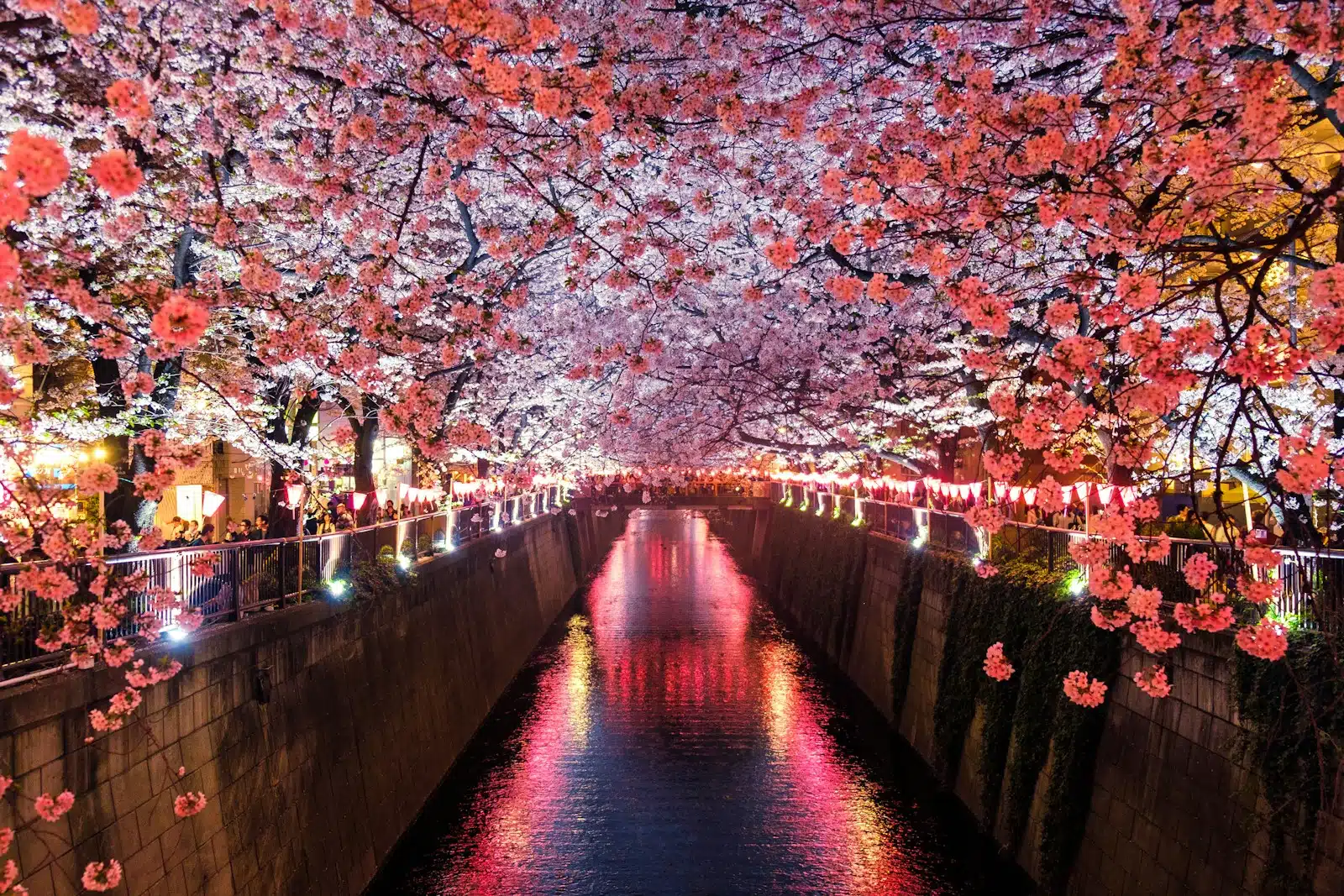
If your schedule allows, consider staying in Tokyo for a few days to accommodate any changes in bloom timing. This also gives you the opportunity to explore multiple parks and styles of hanami, from peaceful mornings at Shinjuku Gyoen to the festive lantern-lit yozakura, or night blossom viewing, along the Meguro River or in Ueno Park.
What You See
At the heart of Shinjuku Gyoen are wide lawns framed by cherry trees, where early light filters through clouds of soft pink and white. The walk begins through the Japanese landscape garden, past carp-filled ponds and stone lanterns. Your guide may point out rare or heritage trees, and explain how bloom timing varies by species and sunlight exposure.
From there, you choose a picnic spot—perhaps on the edge of the French-style rose garden or beside the curved bridge of the Momijiyama area. A traditional mat is laid out and a curated picnic is served: seasonal wagashi (sweets), onigiri, fresh fruit, and warm tea or sake. The mood is unrushed. There is time to photograph the blossoms, listen to the birds, or simply sit in silence together.

How Do Not Disturb Makes This Possible
Do Not Disturb curates private hanami experiences in Tokyo and Kyoto through trusted local partners who specialize in culturally grounded hospitality. From securing early access permits to sourcing seasonal wagashi and selecting the best picnic spot based on bloom forecasts, every element is managed in advance.
We match couples with local guides who are fluent in English and experienced in traditional Japanese culture. Some are garden historians. Others are chefs or tea practitioners. All are selected not only for their knowledge, but for their ability to connect the experience to your interests.
For guests staying in Tokyo, we arrange seamless transfers, recommend stays near the park (such as The Park Hyatt Tokyo or Hotel Gajoen), and provide suggestions for further seasonal exploration—like illuminated yozakura along the Meguro River or an overnight ryokan escape to Hakone.
Ready to experience Japan’s cherry blossoms through a guided hanami that brings peace, beauty, and cultural depth? Speak with Do Not Disturb to begin planning your springtime journey in Tokyo or Kyoto.