


On this page
A private tour of the Musée Picasso in Antibes offers a quieter, more focused encounter with the artist’s post-war work, housed inside the medieval Château Grimaldi where Picasso once lived and painted. With the right timing, it becomes one of the Côte d’Azur’s most rewarding cultural experiences.
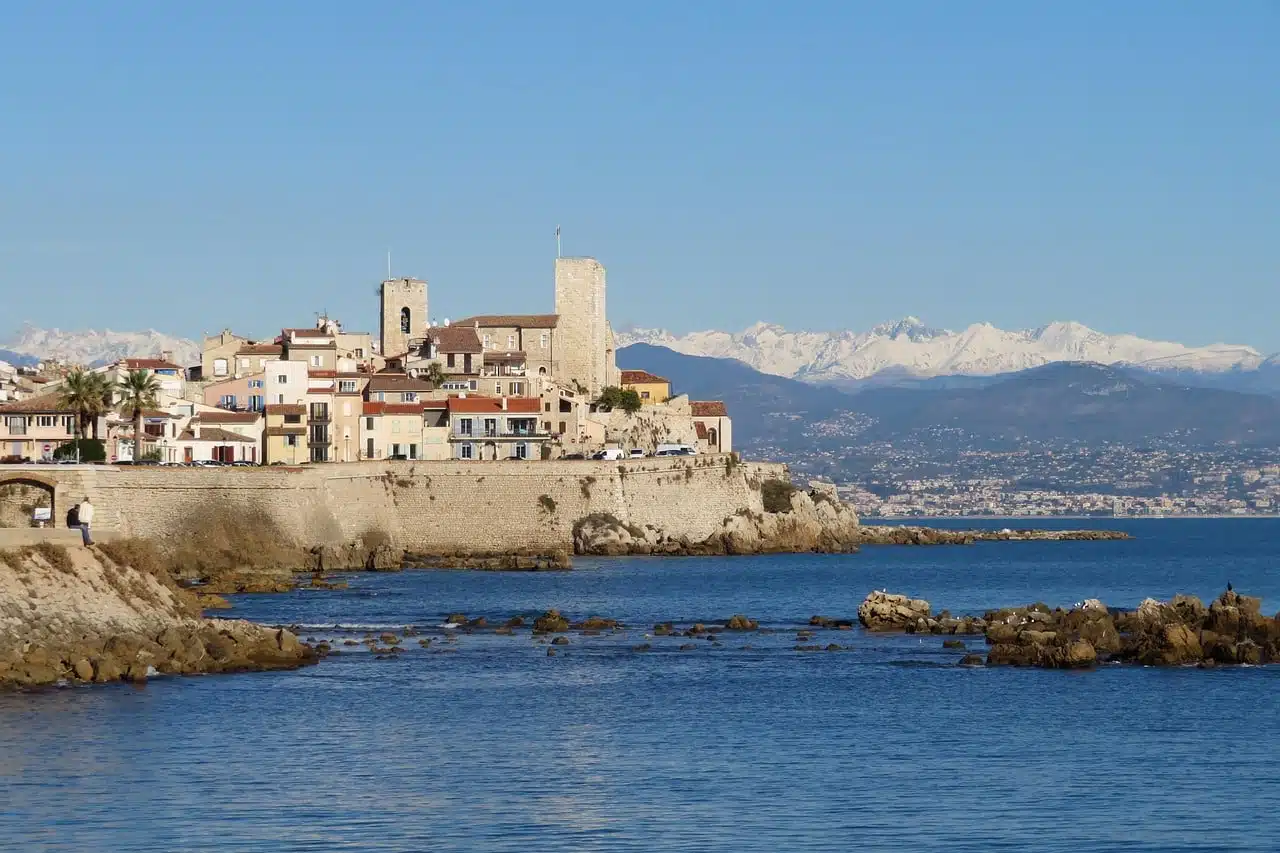
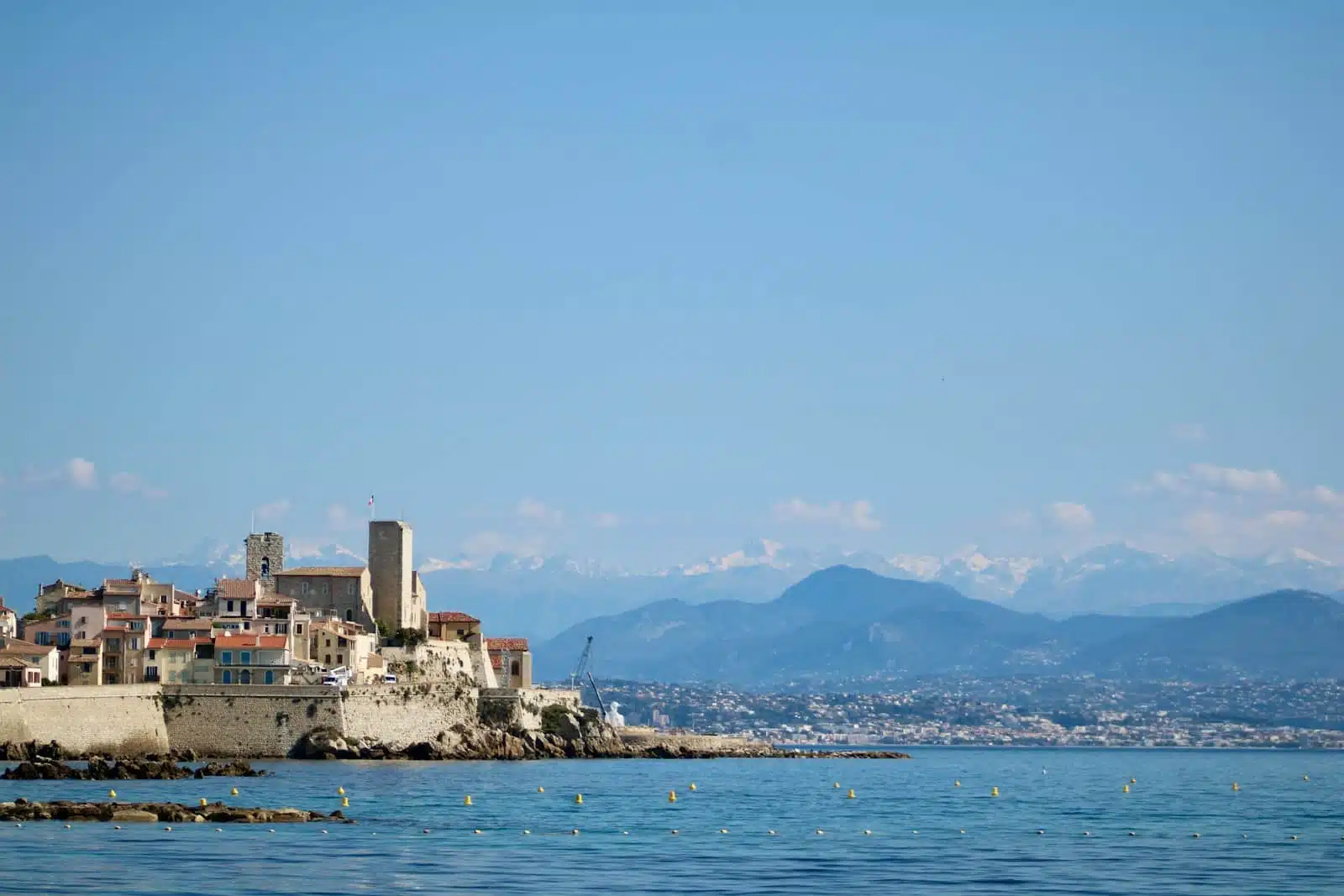
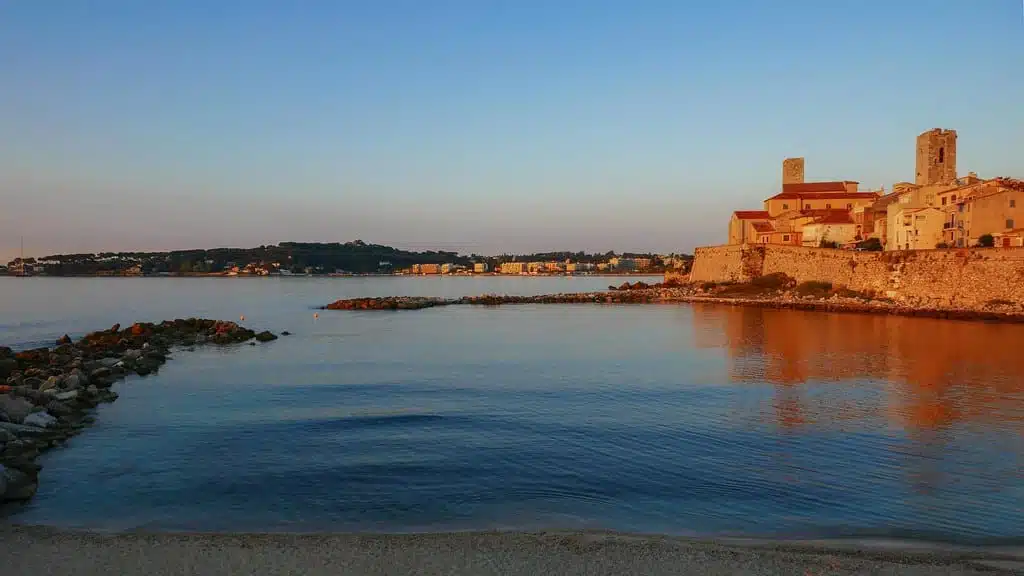
The coastline around Antibes is known for its sun, yachts, and sea-facing cafés but high above the harbor, in the old quarter of the town, stands a building with a very different atmosphere. The Château Grimaldi has occupied this site since Roman times. In 1946, it became something else entirely: a working studio for Pablo Picasso.
Today, the castle houses the Musée Picasso, a compact but remarkable collection that reflects a lesser-known chapter in the artist’s life. While visitors come year-round, timing matters. A well-planned private tour transforms the experience, allowing you to truly take in and appreciate the full scope of Picasso’s artistic legacy.
Cultural and Historical Context
Pablo Picasso arrived in Antibes just after the Second World War. The town was quiet, far removed from the tensions of Paris. The Château Grimaldi, then used as a temporary exhibition space, offered him both light and seclusion. He worked there for several months, producing paintings, drawings, and ceramics that reflect both his personal transition and a broader cultural shift after the war.
In 1966, the building officially became the Musée Picasso. It was the first museum dedicated solely to his work. The collection is not encyclopedic. Instead, it focuses on a specific time and place, anchored by the pieces Picasso created during and shortly after his stay at the château.
These works are often overlooked in the broader Picasso narrative, which tends to emphasize his earlier Cubist experiments or his years in Paris but in Antibes the pieces are personal, sunlit, and sometimes playful. The museum also holds works by Nicolas de Staël and contemporaries of Picasso.
Why Private Access Matters
The Musée Picasso is small, and most of its galleries are compact. During busy hours, especially in summer, foot traffic can make the experience feel rushed and uneven. Visitors tend to cluster in front of the better-known paintings, and the atmosphere quickly shifts from intimate to congested.
Private access, whether as part of an early or off-peak guided visit, removes that pressure. It creates the space needed to take in each work without being hurried. It also allows the guide to shape the tour based on guest interests, whether that means focusing on Picasso’s ceramics, his late-period mythological scenes, or the layout and history of the château itself.
What You Can See
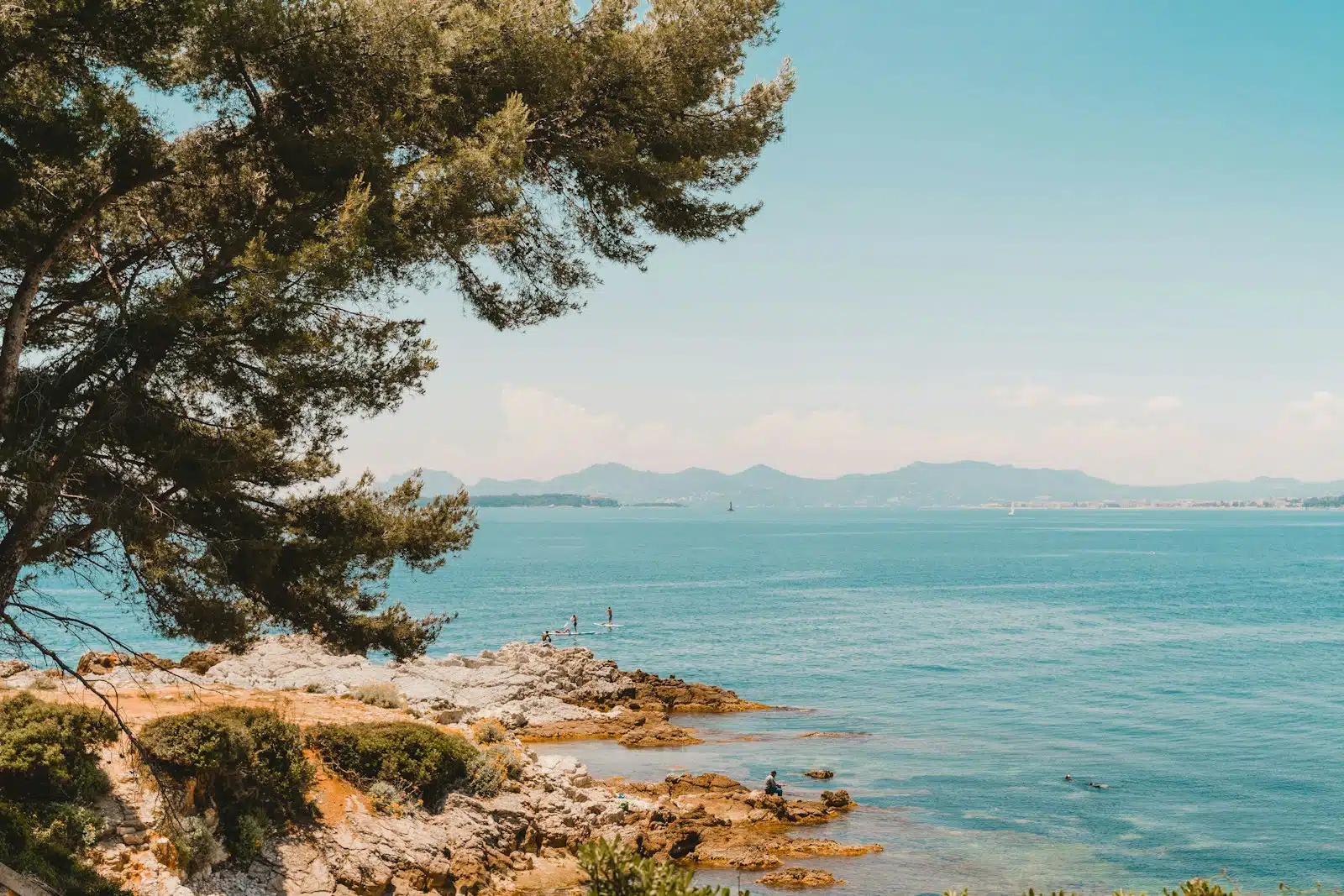
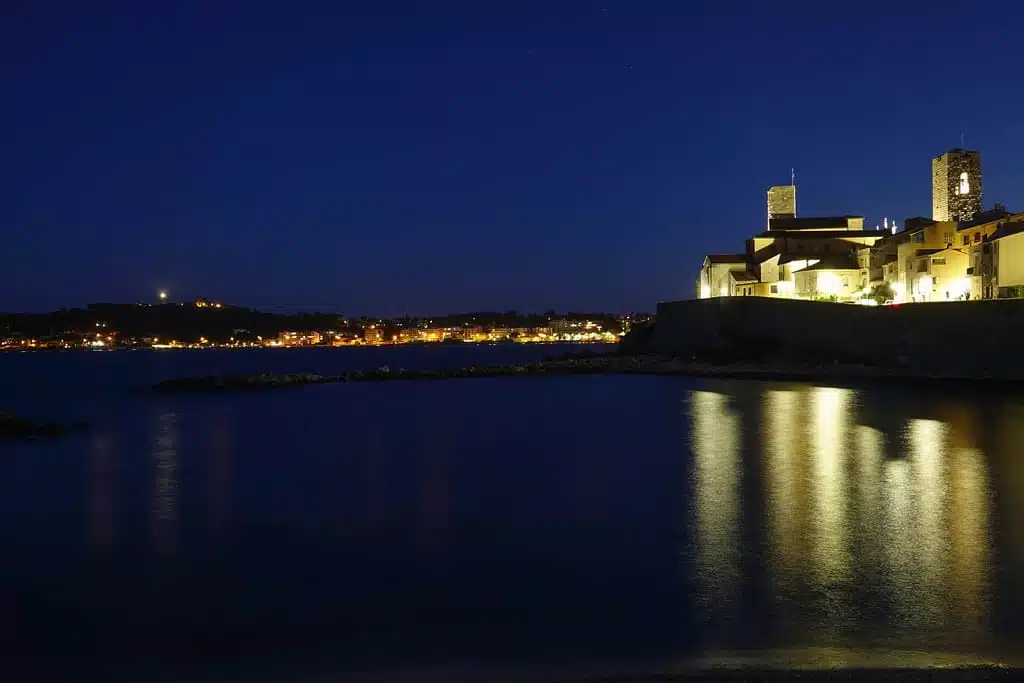
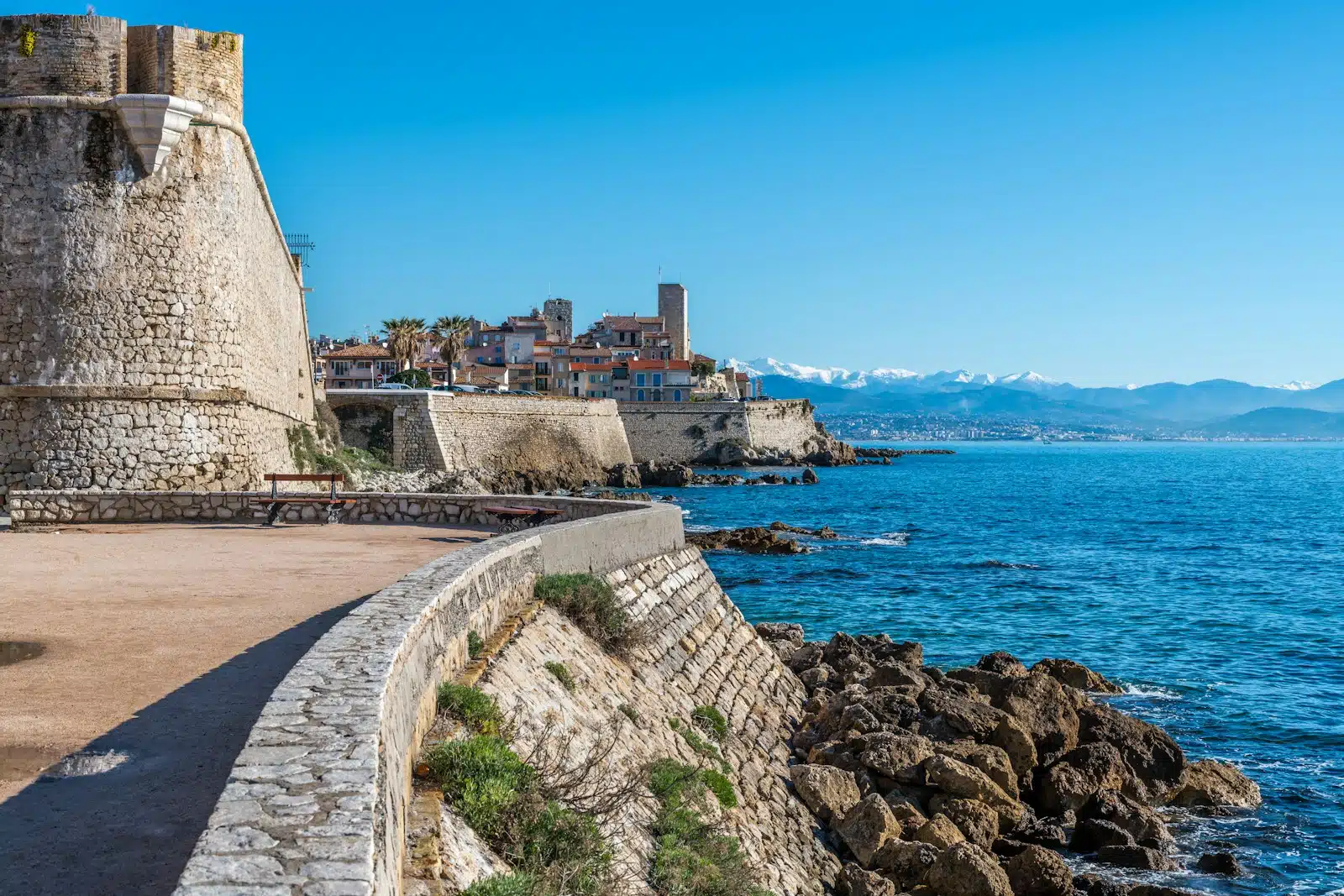
The tour begins at the base of the ramparts. From here, the view opens across the Mediterranean, the same sea Picasso saw from the studio windows in 1946. The castle’s exterior still bears its medieval features, but inside, the rooms feel more like a working space than a palace.
Many of the museum’s highlights are drawings and paintings created on-site. The mural La Joie de Vivre, painted directly onto the walls, reflects Picasso’s optimism after the war and his renewed fascination with classical forms. Nearby, works like The Goat and a series of mythological scenes reference ancient themes through a post-war lens.
The collection includes over 200 pieces, including sketches, oil paintings, and ceramics. Several works were donated by Picasso himself, while others came from his descendants and collaborators. As you move through the rooms, the connection between artist and place becomes clear. This was not just an exhibition space. It was where the work happened.
The upper levels of the château offer access to outdoor terraces and sculpture displays, many facing the sea. Even here, the works are in dialogue with the surroundings. Light and setting remain central to the viewing experience.
How Private Access Elevates the Experience
In peak season, the flow through the Musée Picasso becomes tightly managed. Group tours overlap, and the quiet needed to fully appreciate the work is often lost. Visitors are encouraged to move on quickly, especially in the more popular galleries.
A private or semi-private visit changes that rhythm. Without crowds, there is more time to linger with the art. The commentary can unfold naturally, without the pressure of sticking to a rigid route or schedule. Guides can provide historical and technical context at a deeper level, and guests can ask questions or follow interests in a way that is not possible in larger groups.
How Do Not Disturb Makes This Possible
Do Not Disturb partners with experienced cultural guides on the Côte d’Azur to offer tailored visits to the Musée Picasso in Antibes. Tours are scheduled for quieter times of day, including early morning or late afternoon, and are customized according to guest interests.
Every element is considered in advance, from ticket logistics to guide pairing. Optional add-ons include private transfers, time at nearby galleries, or lunch at a trusted local spot in the old town. The experience is designed to unfold smoothly, with every detail handled so that guests can focus on the art, the setting, and the story.
Ready to explore the Musée Picasso at the Château Grimaldi and discover a more personal side of the French Riviera? Speak with Do Not Disturb to arrange your private tour in Antibes with expert guidance and seamless planning.