

On this page
A private visit to Leonardo’s Last Supper offers a rare chance to see one of the Renaissance’s most important works in near silence. This moment reveals the mural’s true scale, its fragile beauty and the architectural harmony of Santa Maria delle Grazie, all without the rush of standard viewing slots.
In a quiet corner of Milan, inside the refectory of the Dominican convent of Santa Maria delle Grazie, sits one of the most studied and sought-after paintings in the world. Travelers often arrive with a sense of anticipation that has built over years of reproductions, lectures and art history books. Yet nothing prepares you for the first sight of the mural stretching across the wall. The room itself is plain, almost austere, which only heightens the clarity and presence of the work.
Most visitors experience this moment within the strict rhythm of timed-entry groups. The process is efficient but fast. You are allowed a short window to stand before Leonardo’s work, often surrounded by dozens of people who share the same urgency to absorb every detail before the next group arrives. In such conditions, the atmosphere rarely matches the significance of the art. It becomes an exercise in observation rather than contemplation.
A private or small-group visit changes everything. With fewer people, the refectory gains a sense of calm. The light settles more softly on the faded pigments. The architectural lines seem sharper. You can walk the length of the room, pause, and return to the center without feeling pressured. The mural appears more human, more intimate, and far more powerful than its reproductions suggest. This is the experience that stays with you.
Cultural and Historical Context
The Last Supper was created in the late 1490s when Milan was under the patronage of Ludovico Sforza. Leonardo da Vinci, already renowned for his work in Florence, had been invited to Milan as both artist and engineer. Instead of using traditional fresco techniques, he experimented with a mix of oil and tempera on dry plaster. This allowed for subtler modeling and detail, but it also left the mural vulnerable to humidity and deterioration. Preservation has been challenging ever since, making controlled access essential.
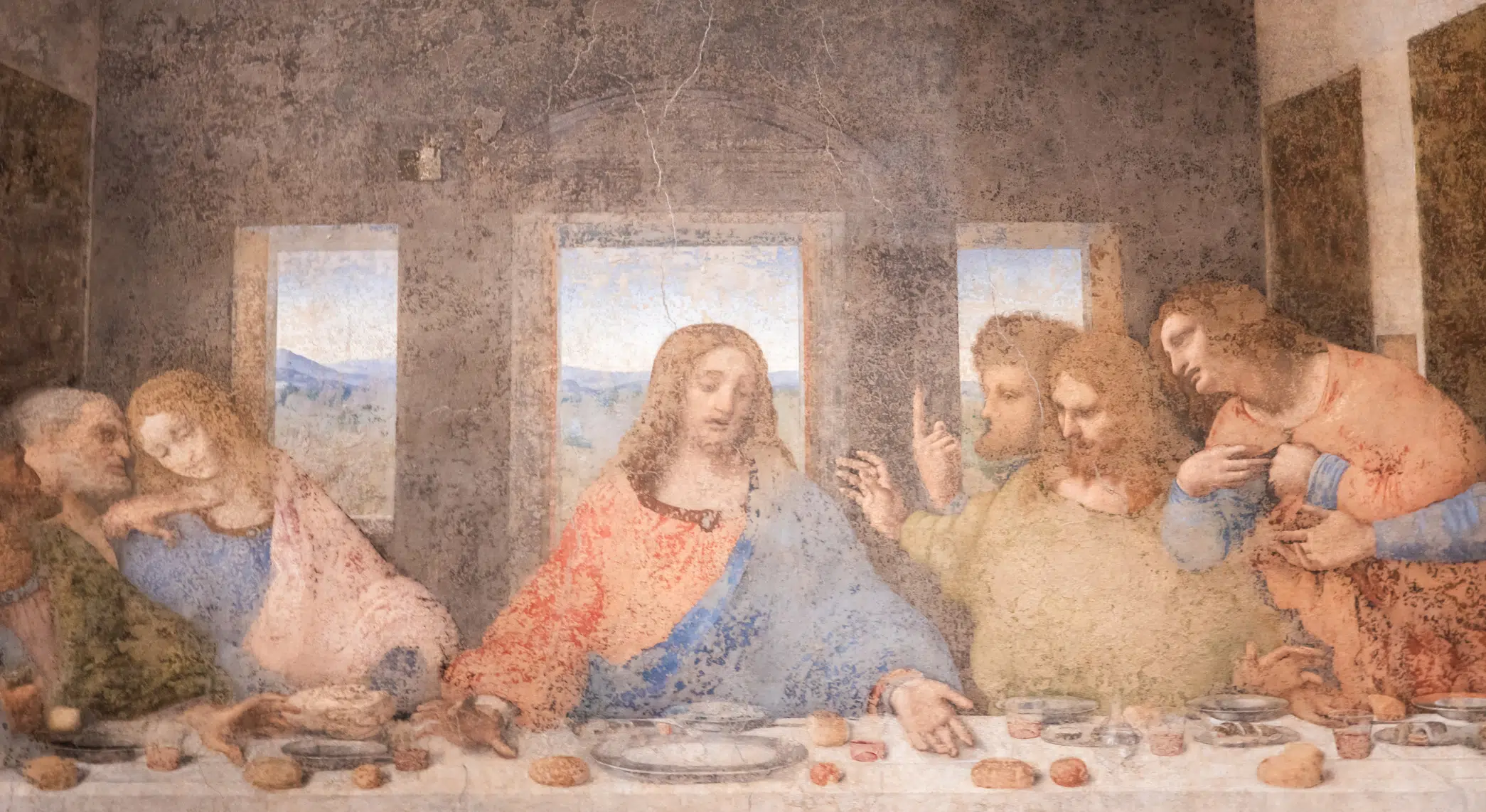
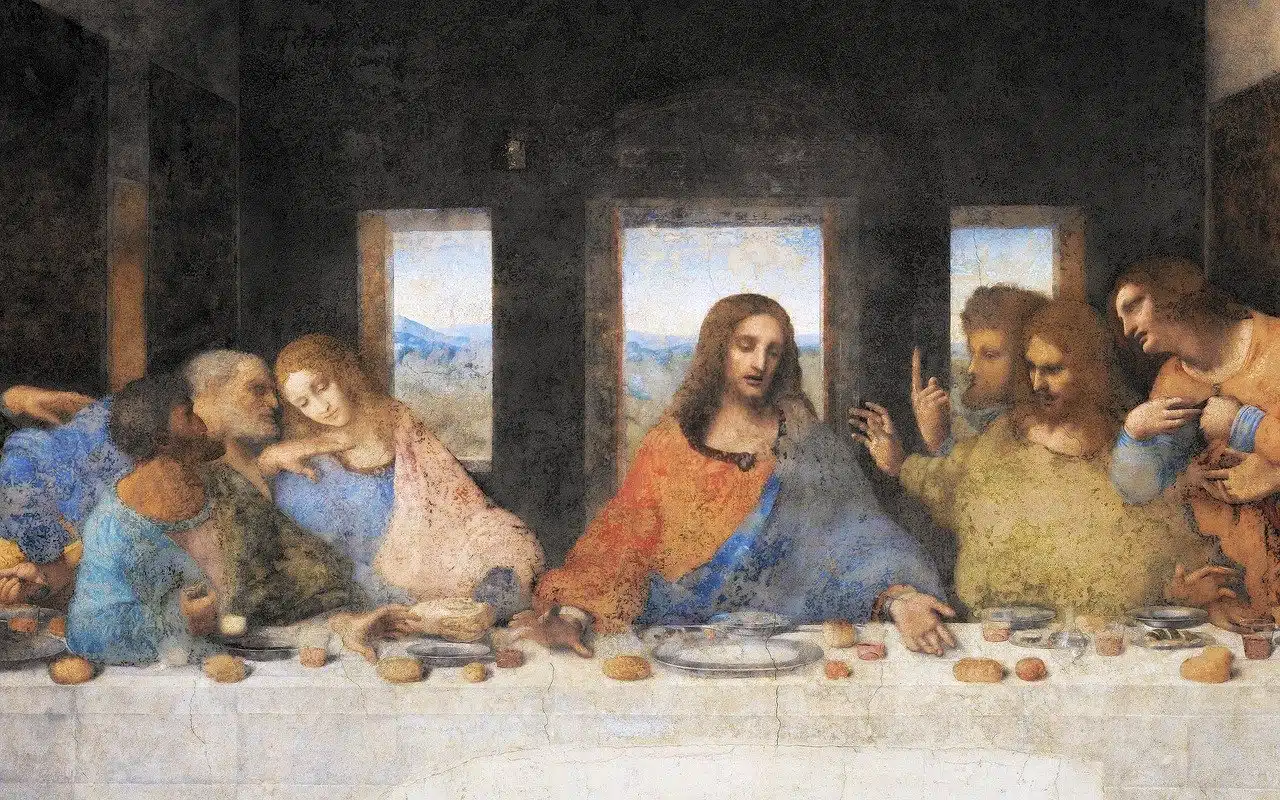
The painting captures the moment Christ reveals that one of the apostles will betray him. Leonardo chose to depict the immediate emotional reactions rather than a calm, static composition. Each apostle responds differently, creating a dynamic scene that unfolds across the length of the table. The perspective lines pull the viewer into the narrative, while the painted loggia behind Christ extends the space beyond the physical wall of the refectory. The illusion is striking when seen in person.
For centuries, The Last Supper has been at the center of art historical debates about technique, symbolism and restoration. It has survived periods of neglect, wartime damage and environmental challenges. The most extensive restoration, completed in 1999, removed layers of overpainting and revealed a softer, more fragile palette that better reflects Leonardo’s original intent. Because of this fragility, visitor numbers are strictly limited. Tickets sell out quickly and the standard visit allows only a short period inside the refectory. The constraints protect the artwork, but they also shape the visitor experience.
Tours we recommend

Why Private or Small-Group Access Matters
A private or small-group visit provides the time and space the mural deserves. Instead of filing into the room with a large cluster of strangers, you enter with only a handful of guests. The guide moderates the pace, allowing you to stand at different points in the room and appreciate the composition from multiple angles. The absence of background noise is transformative. You can notice the tension in the apostles’ gestures, the softness of Christ’s expression and the way light interacts with the surface of the wall.
Standard entry often feels rushed. Private access restores the sense of ceremony that should accompany the viewing of such an important work. It gives you room to think, to breathe and to understand the complexity of Leonardo’s technique. The guide can shape the visit around your interests, whether you are drawn to Renaissance history, symbolism, restoration or perspective. The conversation becomes more personal and more rewarding.
This level of access also reveals the architectural relationship between the mural and the refectory. The Dominican friars once ate their meals beneath this painting. The room was designed for quiet reflection. Experiencing it with fewer people brings back some of that original atmosphere.
What You See
Upon entering the refectory, your eyes adjust to a long, rectangular room with high ceilings and simple plastered walls. At the far end, The Last Supper spreads nearly thirty feet across, its figures arranged along one side of a table that feels almost level with the viewer. The colors are subdued, a result of centuries of wear, yet the emotional clarity remains strong.
The apostles are grouped in threes, each responding to Christ’s announcement with their own gesture of disbelief or inquiry. The realism is striking. Thomas raises a finger, Peter leans forward with intensity and Judas pulls back slightly, his hand near the small bag that hints at the betrayal. These details become easier to see without the distraction of a crowded group.
The perspective is one of the painting’s most compelling features. The coffered ceiling appears to continue into the painted room, aligning perfectly with the architecture of the refectory. When you stand at the center of the hall with space around you, the illusion becomes more evident. The mural seems to open up rather than sit flat on the wall.
Opposite The Last Supper is a Crucifixion scene by Giovanni Donato Montorfano. While stylistically different, it provides valuable context. Together, the two works frame the room and create a visual dialogue about sacrifice and redemption. A private visit gives you time to appreciate both.
Soft lighting and controlled humidity keep the environment stable, but they also add to the mood. The room feels contemplative. Even the quiet hum of the air system fades into the background when the visitor numbers are kept low.
How Private Access Elevates the Experience
A standard visit often involves navigating lines, managing expectations and adjusting to the pace of the crowd. You enter, you look, you photograph and you leave. The structure is efficient but limits the feeling of connection.
Private access removes these constraints. You bypass the long line at the entrance. You enter with ease. The visit unfolds at a measured pace, allowing the artwork to reveal itself gradually. You can step back to absorb the whole composition, move closer to observe the texture of the remaining original paint, or simply stand in silence for a moment. The guide’s commentary becomes quieter, more conversational and tailored to the group.
This is not just a different way of seeing The Last Supper. It is a different way of experiencing Milan’s cultural heritage. It invites you into a slower rhythm that reveals a side of the city often missed in the rush of sightseeing. It rewards curiosity and patience.
How Do Not Disturb Makes This Possible
Do Not Disturb arranges this experience with a level of care that allows you to focus entirely on the art. We coordinate access, timing, guide selection and all surrounding logistics so the visit feels seamless. Our specialists understand how quickly regular tickets sell out and how variable the standard experience can be. We plan the visit to match your schedule, your interests and your preferred pace.
For guests who want to explore further, we can pair the viewing with additional insights into Milan’s Renaissance history, whether through nearby architectural sites or lesser-known fresco cycles. Every detail is shaped to create a moment of clarity and ease, the kind of experience that sets a journey apart.
Ready to plan your private visit to The Last Supper and experience Milan with clarity and ease? Speak with Do Not Disturb to begin your journey.