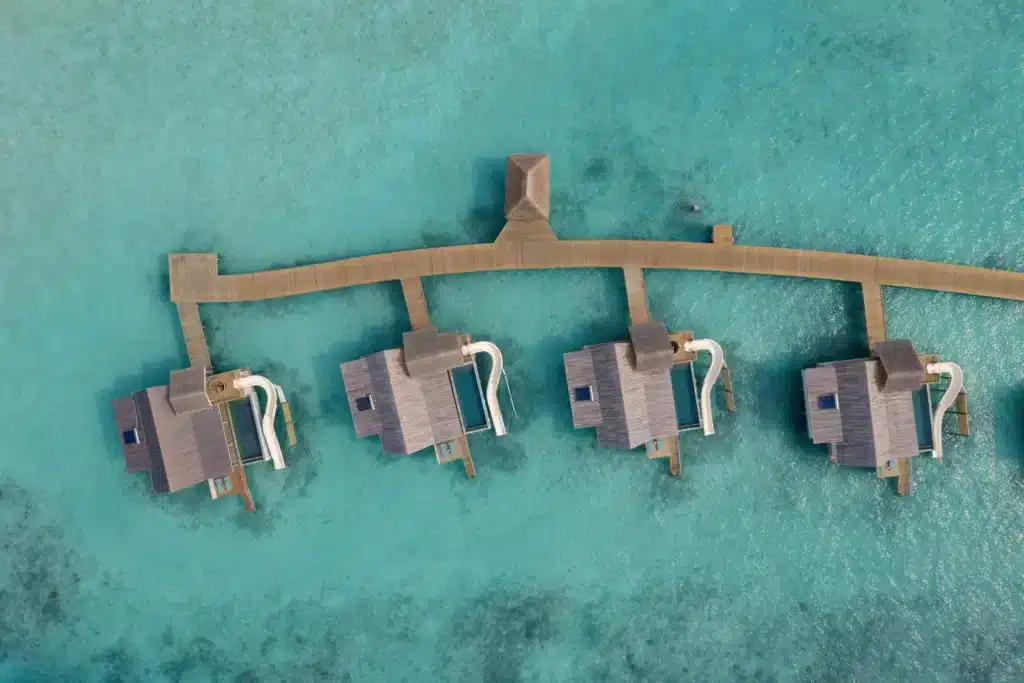
Choosing the right island matters more than rushing through multiple ones. We work with properties across Greece and understand which island actually matches your priorities, not the one that photographs best. We handle the logistics, the seasonal timing, the positioning within each island.
The Greek islands are perennial favorites for luxury travelers. Santorini and Mykonos are well-known for a reason, and also well-known to approximately eight million other people annually. The Cyclades have become so touristically optimized that you can spend serious money and still feel like you’re in a crowd.
The most valuable Greek islands for luxury travelers aren’t necessarily the most famous ones. They’re the ones where you can still engage with actual landscape and community, where the infrastructure supports comfort without requiring you to navigate constant crowds, where you can see the sunset in between the selfie sticks.
About Do Not Disturb
Do Not Disturb is a luxury travel company specializing in carefully designed journeys and considered experiences. Each itinerary we build for our clients is informed by real destination knowledge, offering insight into places, cultures, and moments that shape how a trip comes together.
If this destination has sparked ideas, the itinerary can be developed into a private journey tailored to your interests and travel style, with hand-picked stays, thoughtful routing, and experiences curated around what matters most to you.
Santorini
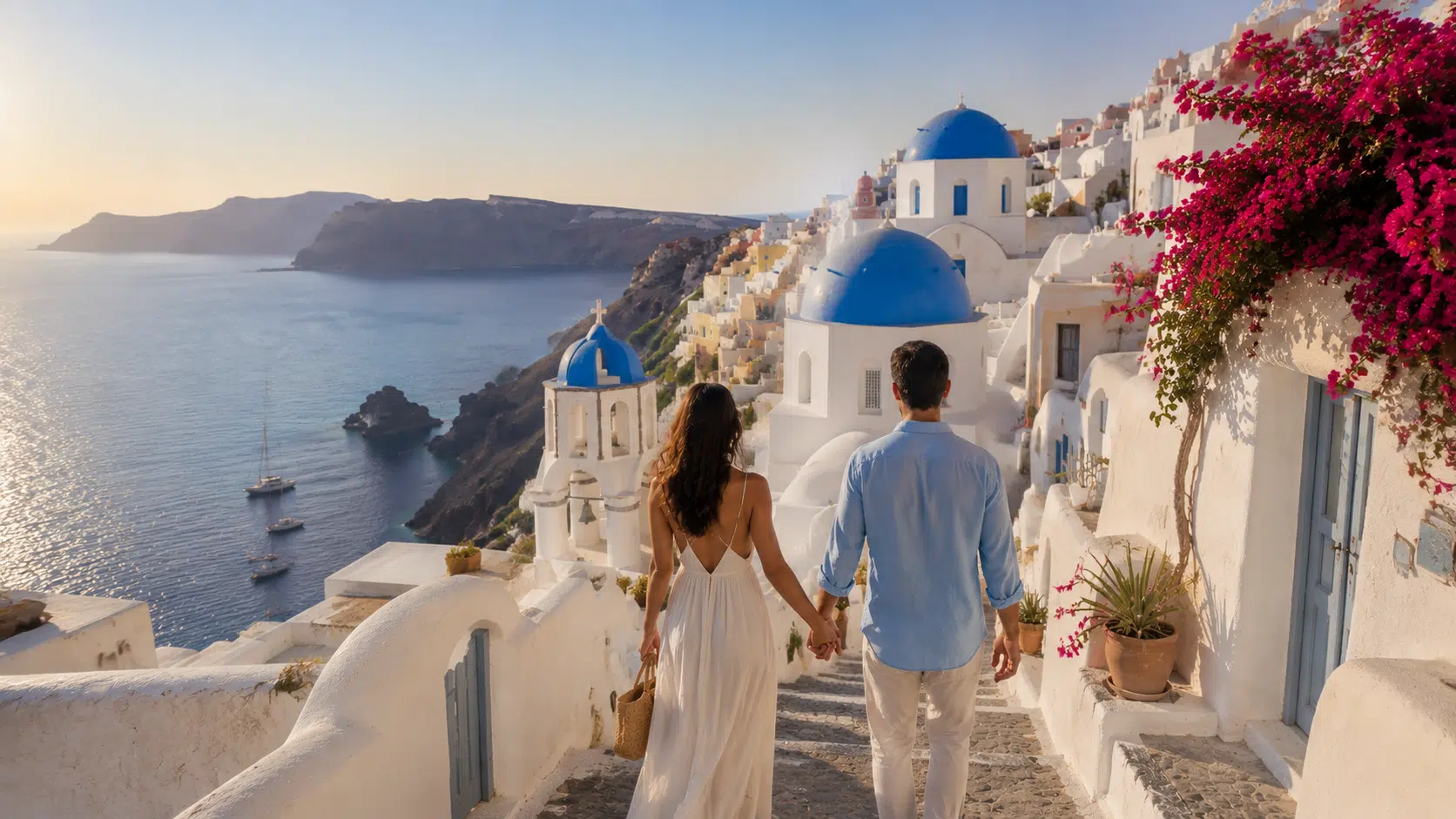
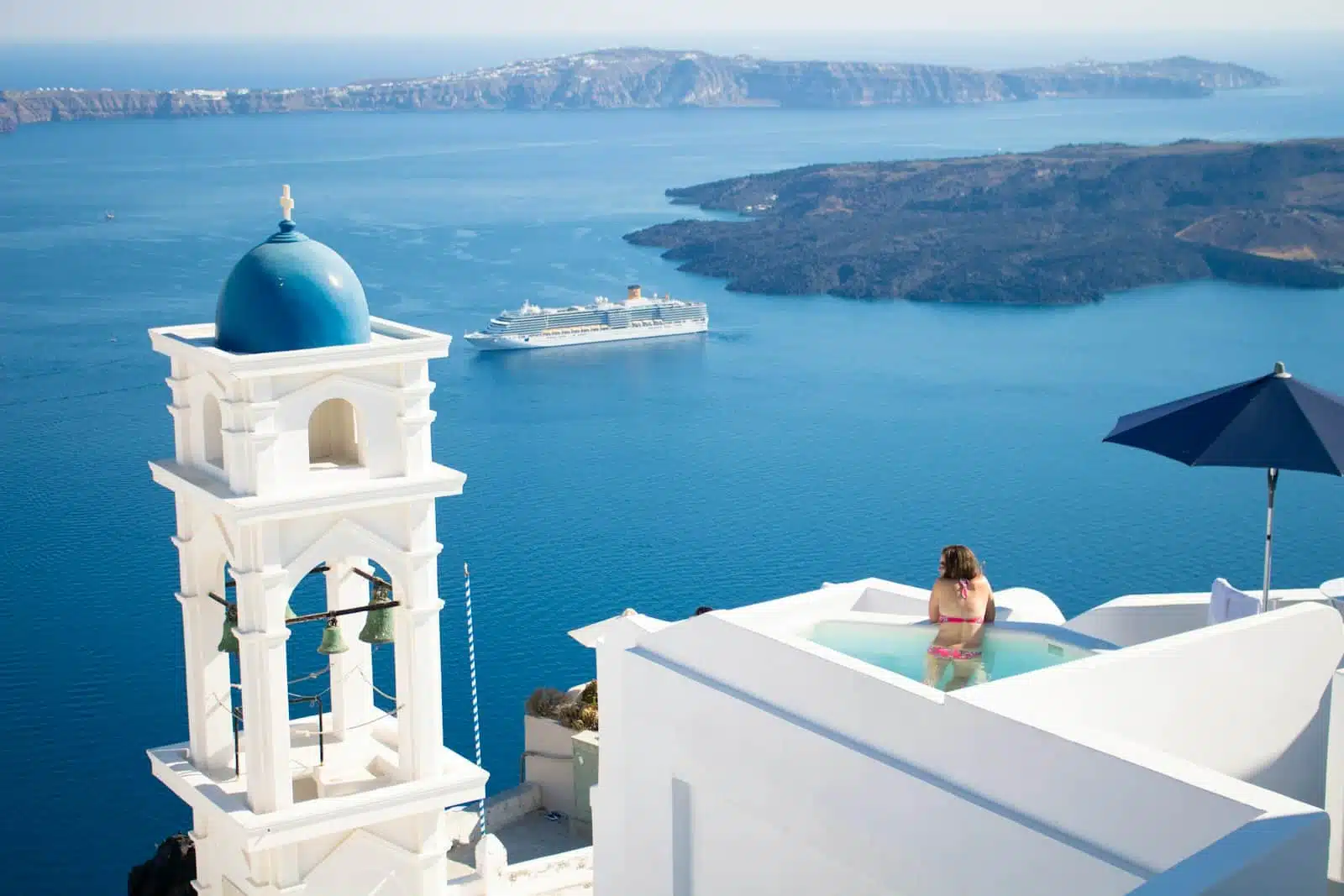
Santorini has to be mentioned first because it’s unavoidable, and because understanding its limitations is important if you’re actually seeking luxury. The caldera views are architecturally stunning, the sunsets are visually exceptional, and the whitewashed buildings photographed correctly are genuinely beautiful. The wine is solid, the tomatoes are exceptional, and the beaches on the south coast are worth visiting.
The problem is that Santorini has optimized itself entirely around tourism. Every restaurant has a view, which means every restaurant charges premium prices for that view as well as quality food. The streets of Oia are so crowded at sunset that you can barely move. The beaches are crowded. The entire island operates on the assumption that you’ll tolerate discomfort if the view is correct.
This isn’t to say you shouldn’t go. The island is visually remarkable. But understand that luxury here means sunset experiences where you’re packed shoulder to shoulder with tourists, and a sea of influencers looking for the perfect selfie with the blue domes in the background.
If you want actual comfort and exclusivity, Santorini delivers those only at the highest price points, in properties that have managed to isolate themselves from the crowds.
Mykonos
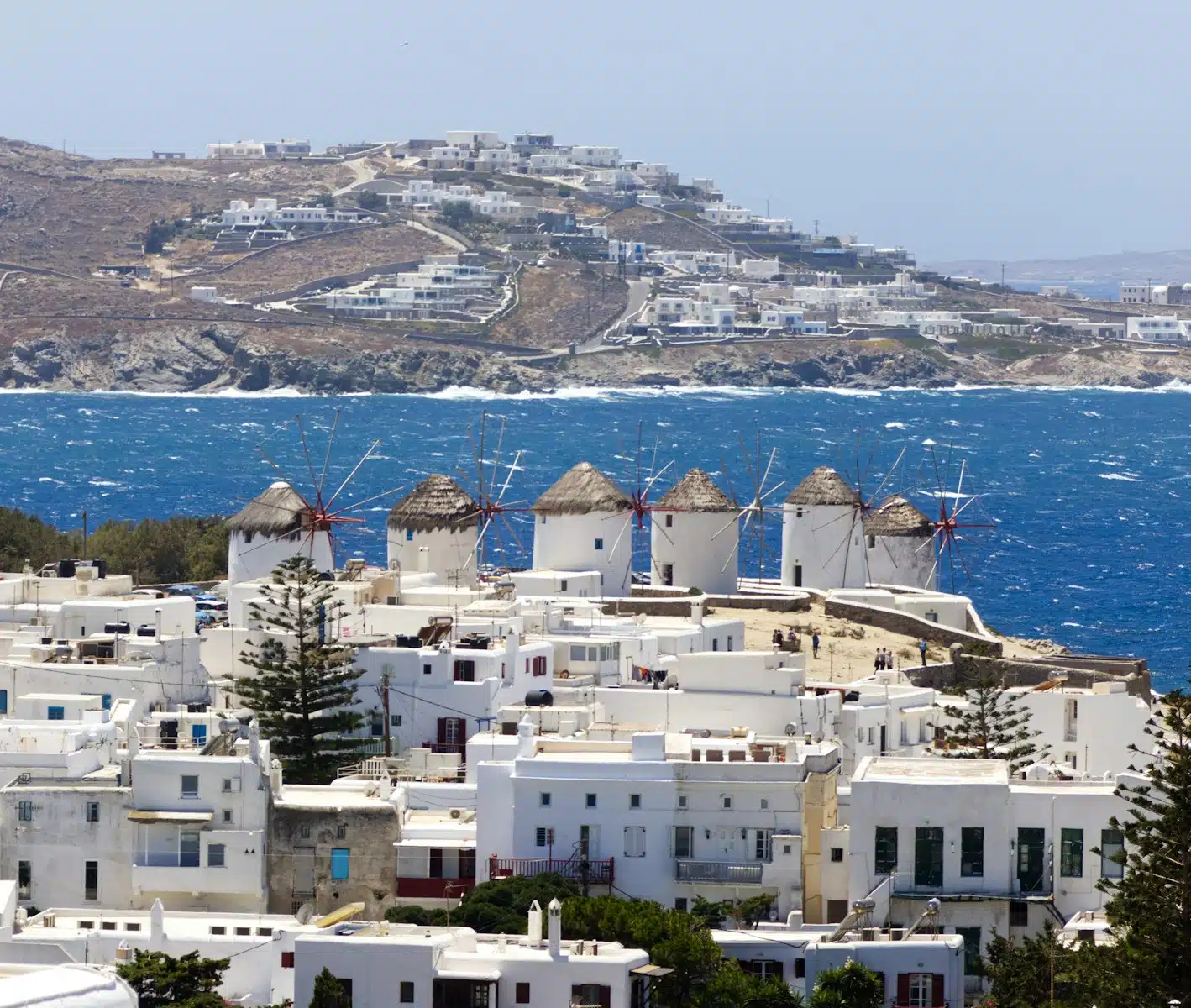
Mykonos has a reputation for nightlife and gay culture, which is true and worth understanding clearly. The island draws party-focused travelers, which means the entire tourism infrastructure is oriented toward evening entertainment. The beaches are solid, the restaurants range from exceptional to overpriced tourist traps, and the town is genuinely lively at night.
For luxury travelers seeking nightlife and social energy, Mykonos works. The hotels are excellent, the bars are professional, and you can have a genuinely good time if that’s what you came for.
Mykonos is wildy popular with the elite these days. You’ll notice an alarming number of mega yachts docking and disgorging billionaires, and a persistent whooshing sound from private planes landing and taking off. It’s fascinating to observe and the atmosphere can be electric; it’s just not the most relaxing island experience.
Paros
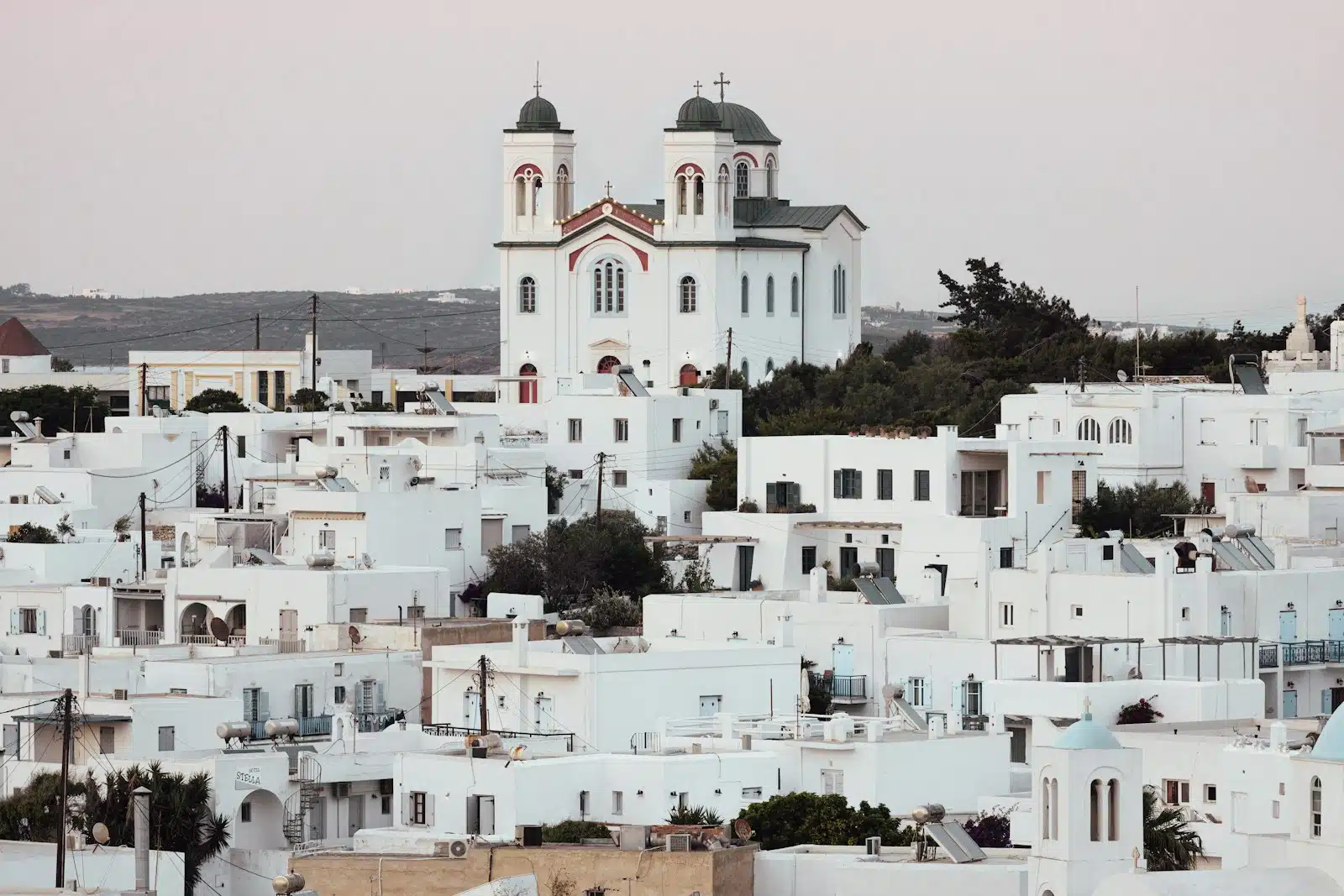
Paros sits near Mykonos geographically but it’s far less touristy. The main town has actual neighborhoods where locals live and work, not just tourism-facing streets. There are excellent restaurants run by people who are used to serving locals as well as tourists. The beaches are beautiful and less crowded than Mykonos or Santorini.
The island has marbling history, which means there are working quarries and a cultural layer beneath tourism. The light is excellent, the water is clear, and the pace of life feels less frantically touristic. Hotels here tend to be smaller and more thoughtfully designed. You can spend money and actually get quality rather than just paying for proximity to famous beaches or sunset views.
Paros works for travelers who want the Greek island experience without the crowds, who prefer understated luxury to Instagram-ready properties, and who actually want to understand a place rather than just be photographed in it.
Naxos
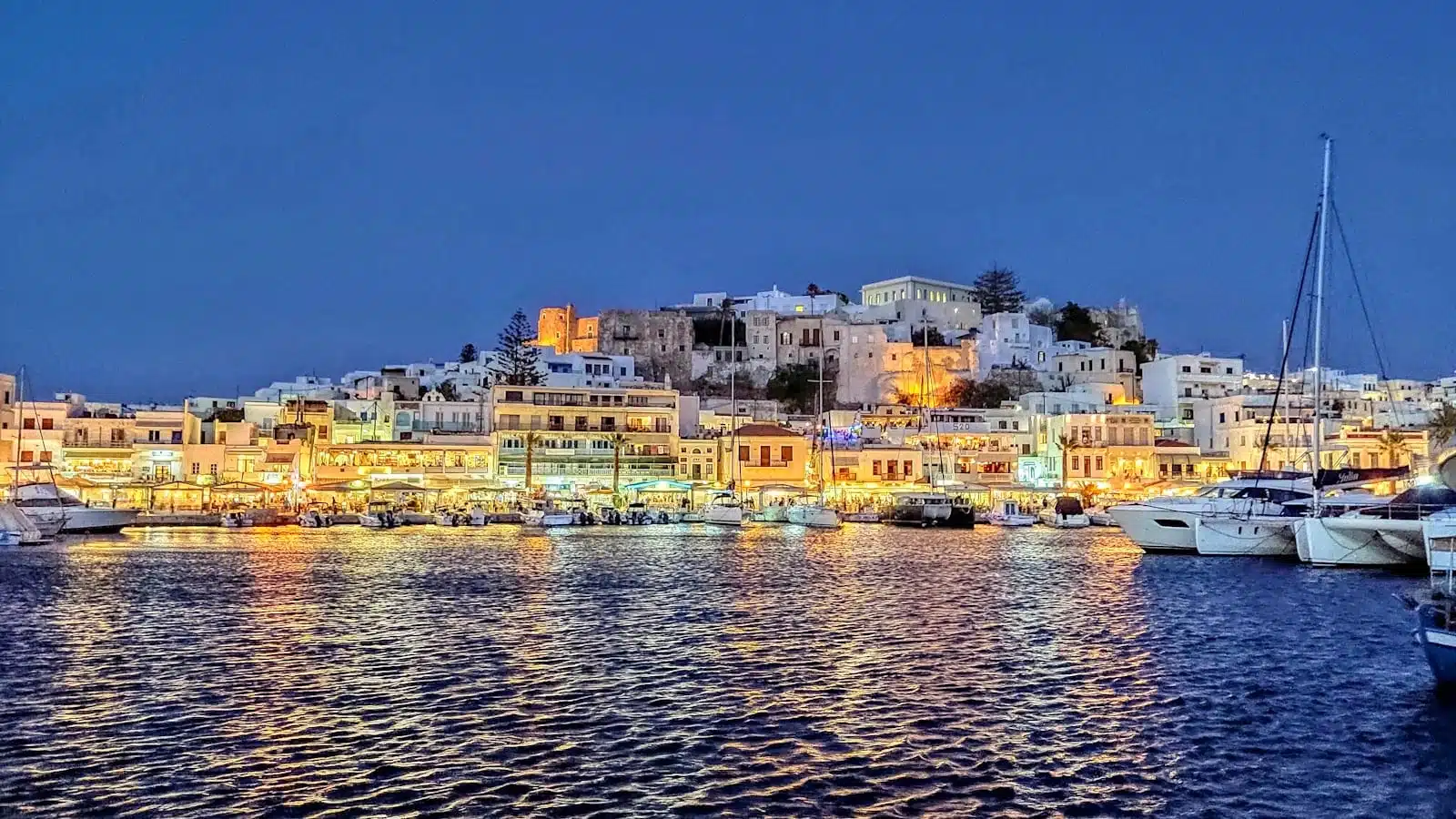
Naxos is the largest island in the Cyclades. The island produces excellent wine, has a serious marble tradition, and maintains actual agriculture beyond tourism. The capital town has Byzantine and Venetian architecture that reflects centuries of different occupations and cultural layers.
The beaches on Naxos are exceptional and less crowded than the Cycladic islands to the east. The interior has villages that feel like actual communities rather than tourism performances. The food culture is strong, with restaurants serving real regional dishes.
For travelers interested in cultural engagement and willing to explore beyond the main towns, Naxos offers something deeper than the resort islands. It’s where Greeks vacation, which is often a reliable indicator of actual quality. The luxury here is quiet and understated.

Crete
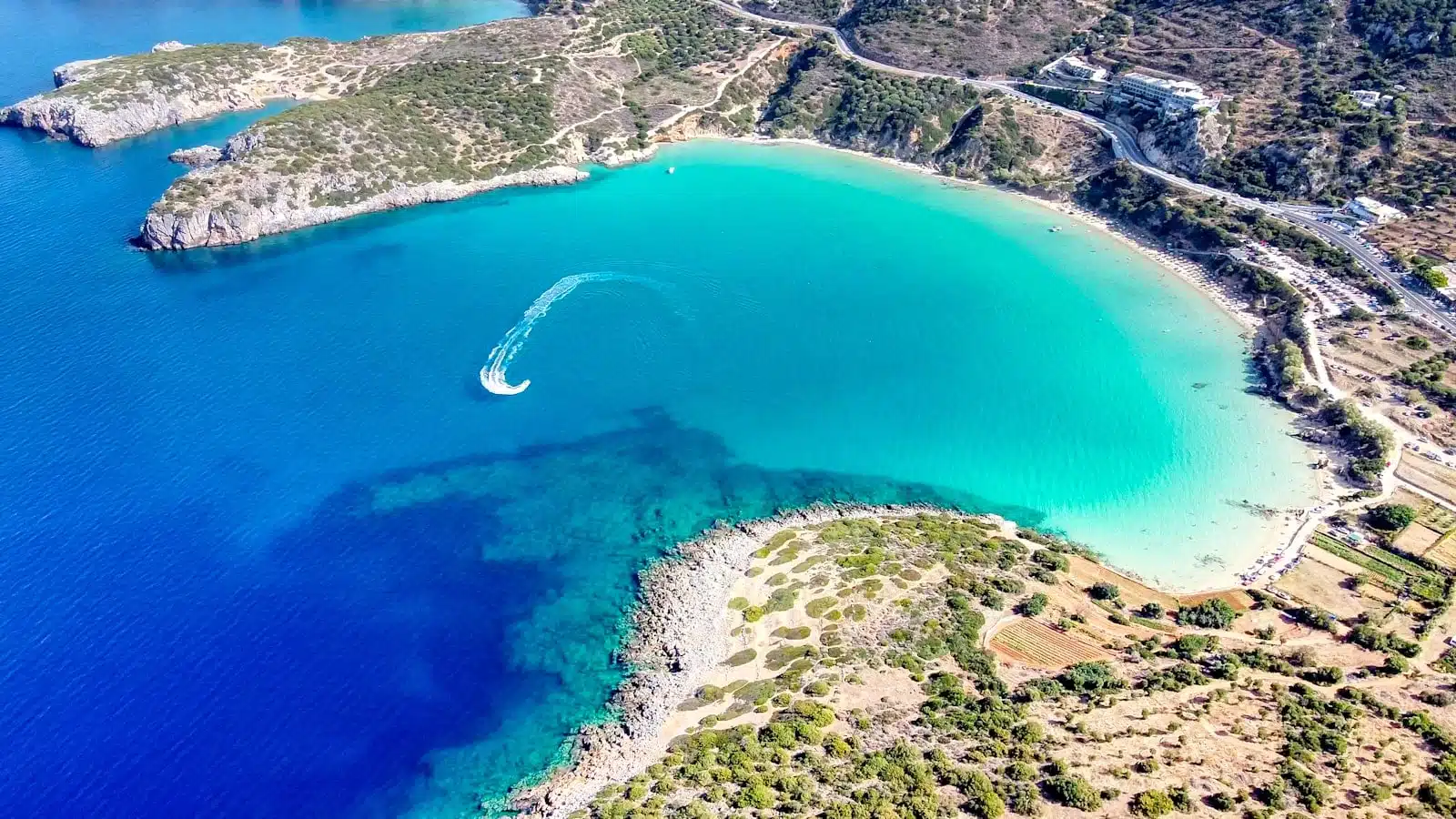
Crete is fundamentally different from the Cycladic islands because it operates as an actual place rather than a tourism destination that happens to be an island. The Minoans were building sophisticated civilizations here while classical Greece was still forming, which means the archaeological depth runs deeper and further back than most Mediterranean destinations.
You can visit Knossos and understand that this island shaped European culture in ways that go beyond the postcard aesthetics of whitewashed villages. Cretans have a reputation for independence and a distinctly Cretan identity that’s separate from broader Greek nationalism.
Chania is a genuinely attractive town with Venetian architecture and real neighborhoods. Rethymno has similar charm on a smaller scale. The interior has mountain villages and agricultural regions that most tourists never see.
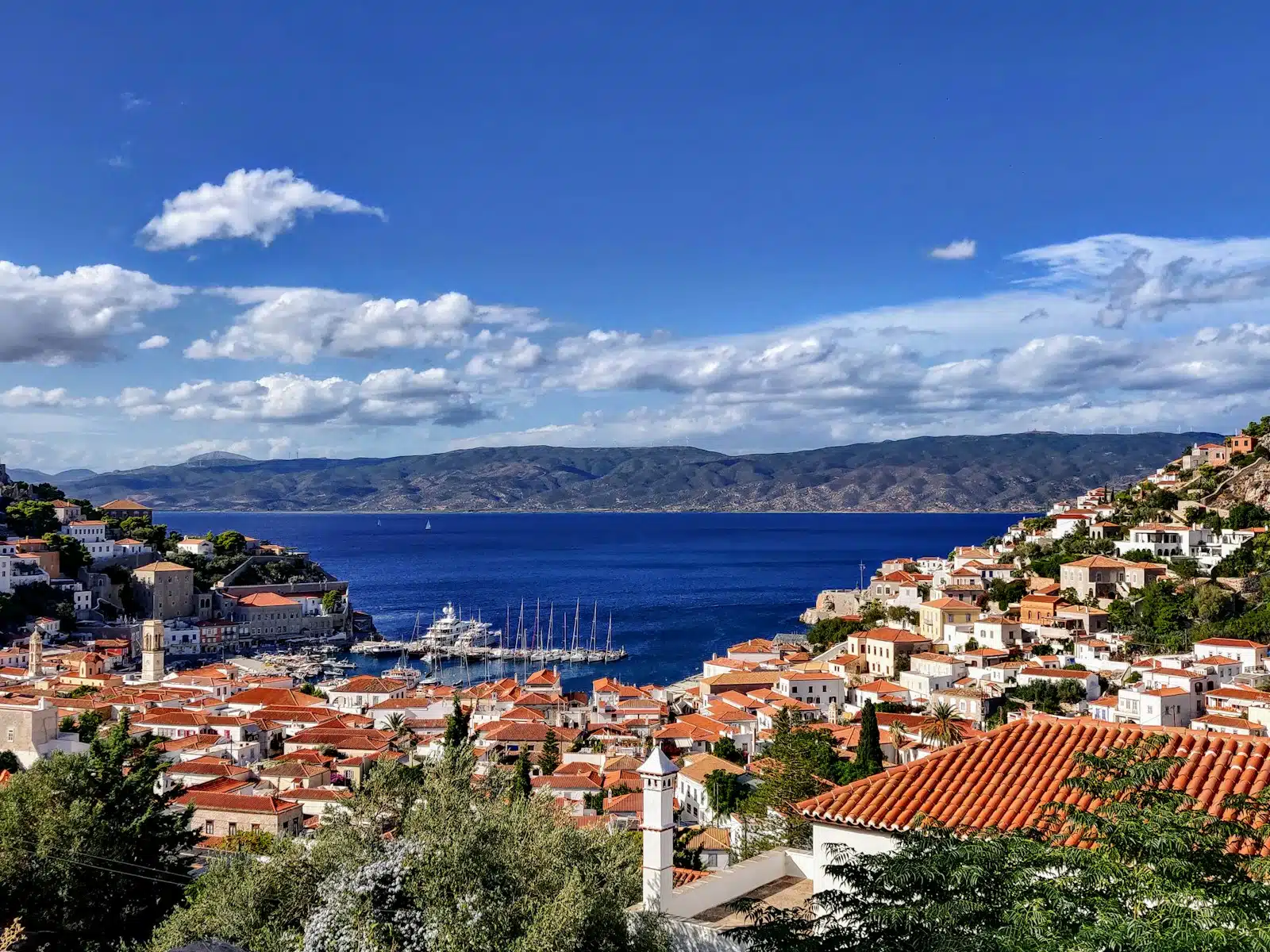
Hydra is car-free, which immediately changes the experience. You arrive by ferry, navigate by foot or mule, and the pace of life is immediately different from motorized islands. The architecture is genuinely charming, the waterfront is sophisticated without being precious, and the lack of car traffic creates an atmosphere you can’t replicate elsewhere.
The island is small enough that you can explore it entirely in a day, which means if you’re there for more than three days, you’re staying for the atmosphere. It’s romantic and quiet, which appeals specifically to couples or small groups seeking peace. The restaurants are excellent and positioned directly on the water. The hotels are small and characterful.
Hydra doesn’t work for travelers wanting activities, beaches, or nightlife. It works for people who came to slow down, to sit at a waterfront restaurant and read a book, to understand what Mediterranean leisure actually feels like. This is a great place for a digital detox.
Spetses
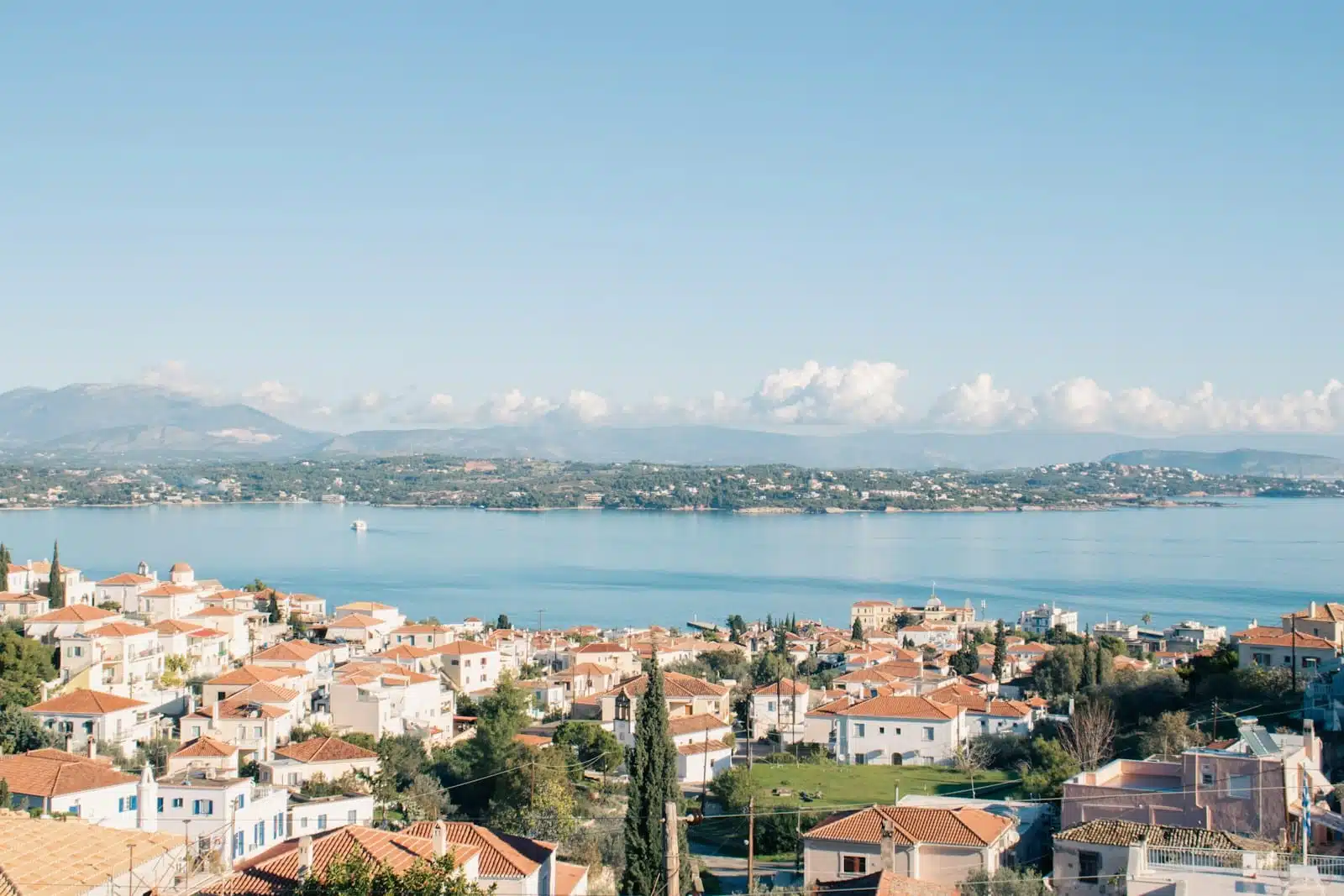
Spetses is similar to Hydra in philosophy but slightly larger and slightly less precious. It has beaches, which Hydra lacks, and more of a working island feel. The waterfront is charming, the hotels are smaller, and the atmosphere is peaceful without the self-conscious romanticism that Hydra sometimes performs.
Spetses distinguishes itself through maritime heritage. The island built its wealth through merchant shipping in the 18th and 19th centuries. Unlike Hydra, which has progressively removed cars and embraced isolation, Spetses allows limited car use, which means the island functions with more flexibility and less theatrical charm.
The cultural layer runs deep: Spetses played a significant role in the Greek War of Independence, which creates historical context beyond tourism narratives. The locals maintain a working island sensibility despite tourism, and that balance matters.
It’s quieter than nearby Mykonos, less precious than Hydra, and farther from Athens, which means fewer day-trippers.
How to Choose
Start with what you want from a vacation. If it’s nightlife and social energy, Mykonos is the obvious choice. If it’s iconic views and you’re willing to tolerate crowds, Santorini works. If it’s romantic isolation, Hydra or Spetses deliver. If it’s cultural engagement, Crete, Naxos, or Paros offer more depth.
Consider timing. The Cyclades are most pleasant in May and September, when the weather is warm but the crowds are smaller. July and August are hot and peak season everywhere. Winter is quiet but many properties close.
Planning a Greek islands trip? Get in touch and we will help you choose the island that fits you best, then curate a journey that feels seamless from the moment you arrive.
Plan your own version of this journey
Speak to Do Not Disturb’s luxury travel experts and turn this moment into something personal.
Suggested articles

Best Honeymoon Destinations for Autumn

Italy vs Greece for Your Honeymoon – Which is Better?
48 Hours in Lima: Where to Eat, Stay and Explore

A Cultural Honeymoon in Peru: Machu Picchu, Cusco, the Sacred Valley and the Amazon

Peru or Mexico: Which Ancient Civilization Should You Visit First?
The Best Time to Visit Machu Picchu for Fewer Crowds
Why So Many Travelers Fall for Kanazawa
Kyoto or Kanazawa – Which Is Better for Traditional Japan?
What Is a Kissaten? Inside Japan’s Historic Coffee Shop Culture

Kruger or a Private Reserve? Where to Safari in Greater Kruger

The Best Time to Visit Kruger for Wildlife, Weather and Fewer Crowds

Kruger for First-Time Safari Travelers: What Nobody Tells You Before You Go
Beyond Wine Tastings: How to Spend Three Days in the Cape Winelands