On this page
Geneva sits at the edge of Switzerland, leans toward France, and looks across a lake that has shaped its character for centuries. It has been a refuge for philosophers, a stage for reformers, a safe harbor for diplomats, and a quiet custodian of wealth. Two days here will not cover everything, but it will give you a sense of Geneva’s understated elegance.
Old Town
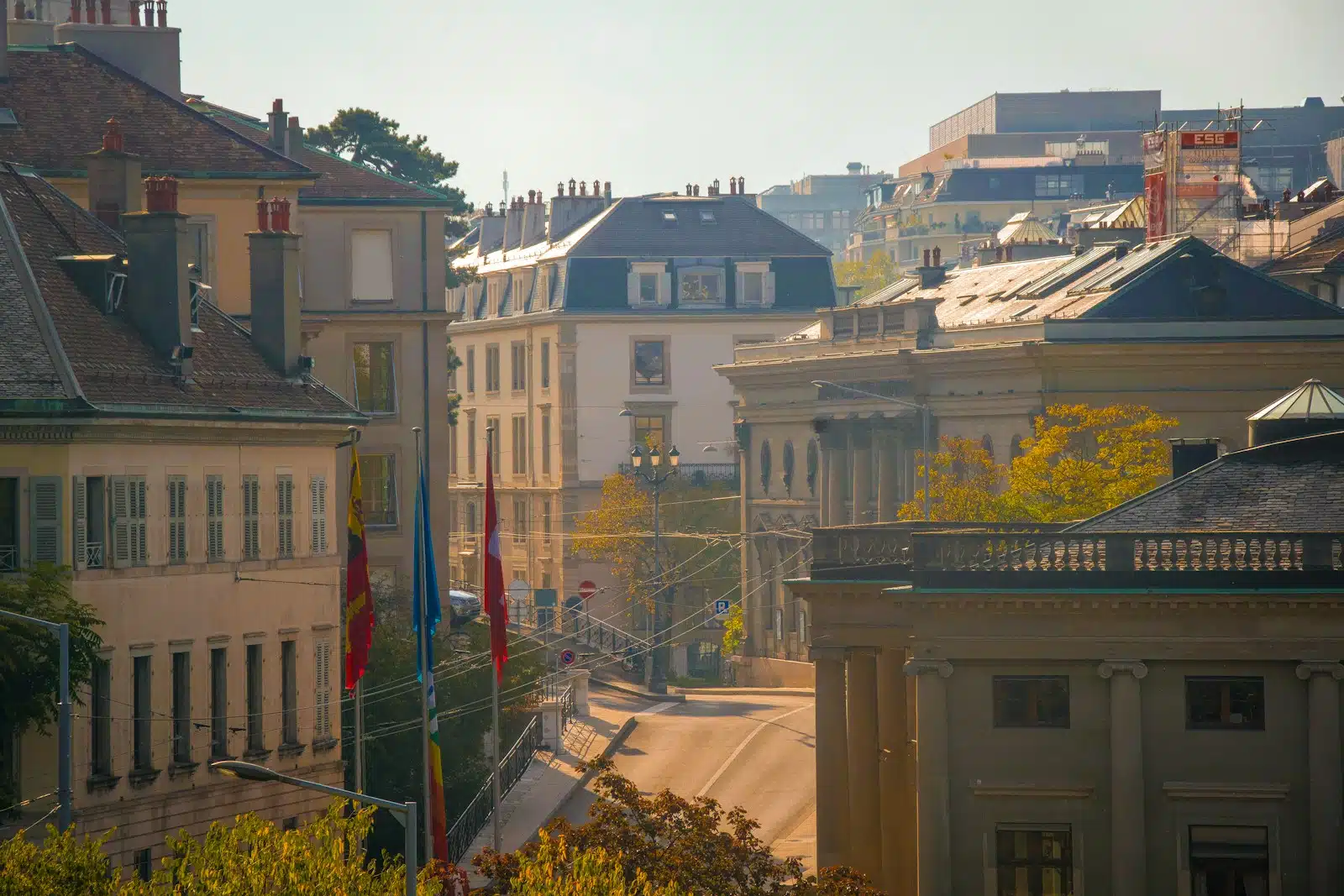
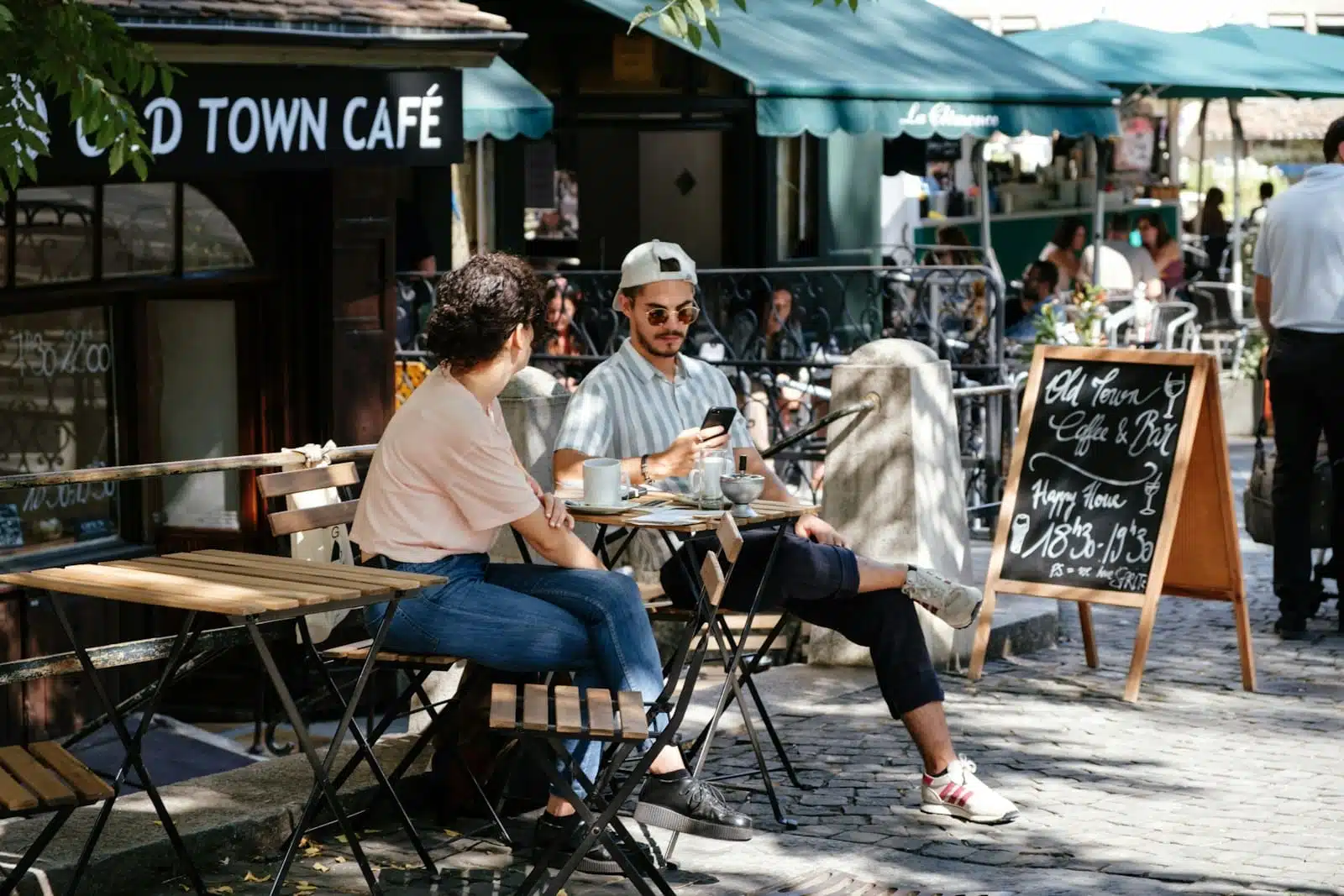
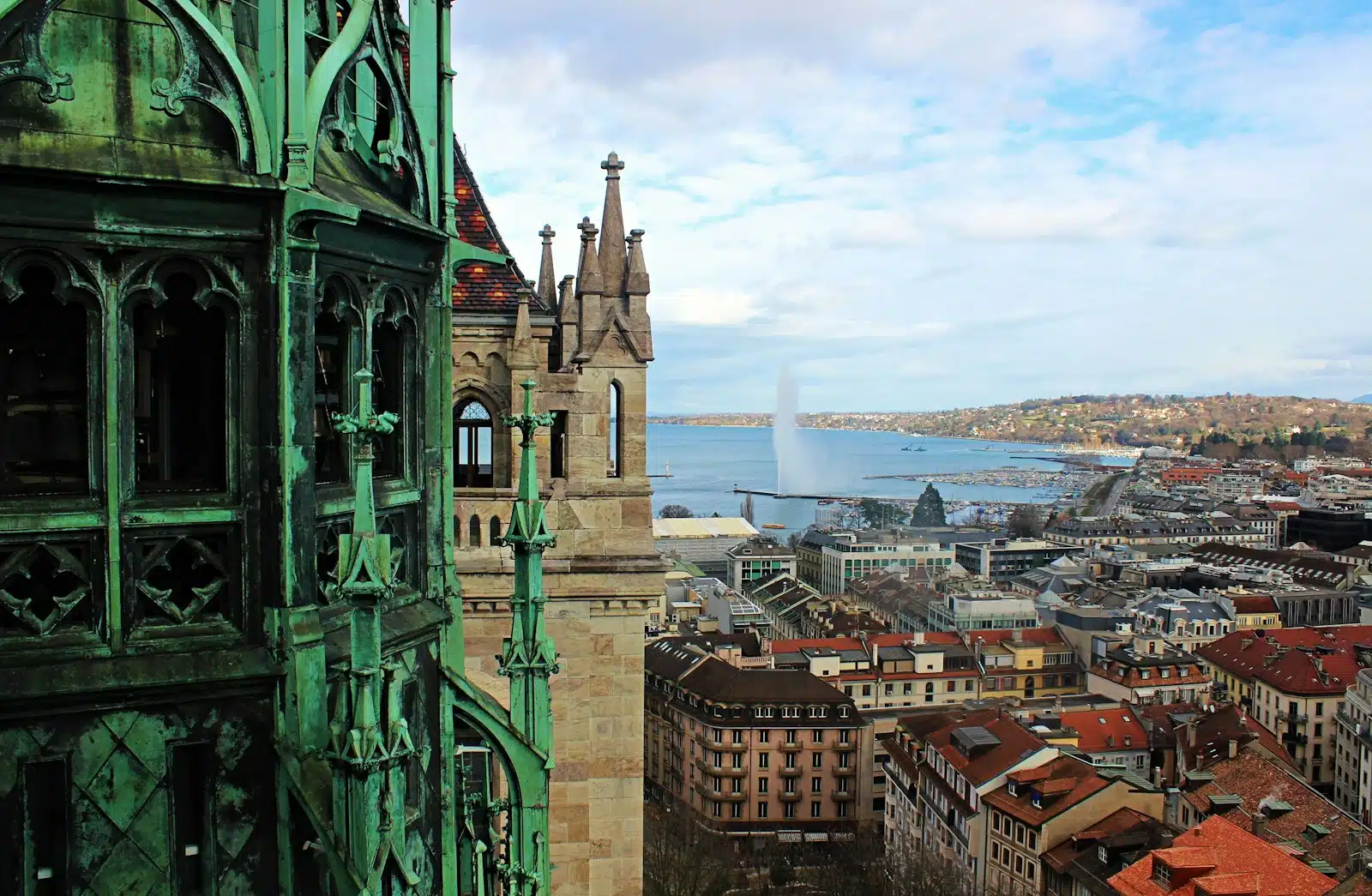
Begin in the Old Town, which feels like a preserved fragment of an earlier Geneva. The streets rise and fall in soft curves, lined with limestone buildings that glow a warm beige in the morning light. Cathedral Saint Pierre anchors the district, a blend of Romanesque foundations and later neoclassical additions. Climb the tower if you want the view, but the real charm lies below.
Walk along rue de la Fontaine and rue du Puits Saint Pierre, where antique bookshops sit beside tiny ateliers. You will see plaques marking where philosophers once lived, including the house where Jean Jacques Rousseau spent his early years. Geneva was a center of the Reformation and you still feel the clarity of that period in the restrained façades – the spirit of Protestantism, if you will.
Museums
For lunch, settle at Au Pied de Cochon, a relaxed brasserie near Place du Bourg de Four, or choose Café Papon, which has a quiet garden terrace and a menu that leans lightly toward French Swiss classics. Both feel authentically Genevan.
In the afternoon, walk toward the Musée d Art et d Histoire, one of Switzerland’s most important museums. You can move through medieval tapestries, Renaissance armor, and regional decorative arts without feeling rushed. If you prefer contemporary work, choose the MAMCO in the Plainpalais district, housed in an old factory building that now feels like a minimalist sanctuary for modern art.
Evening
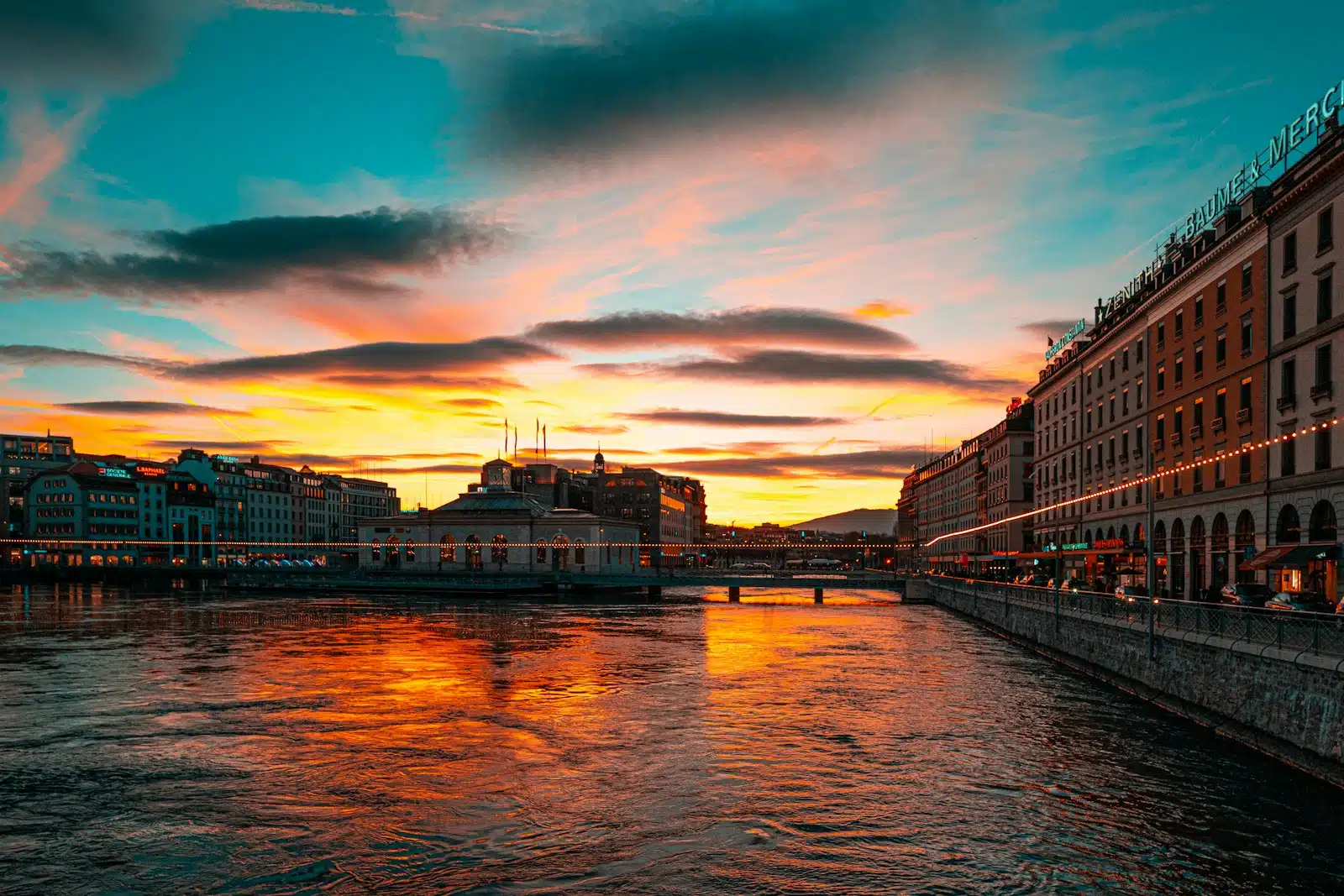
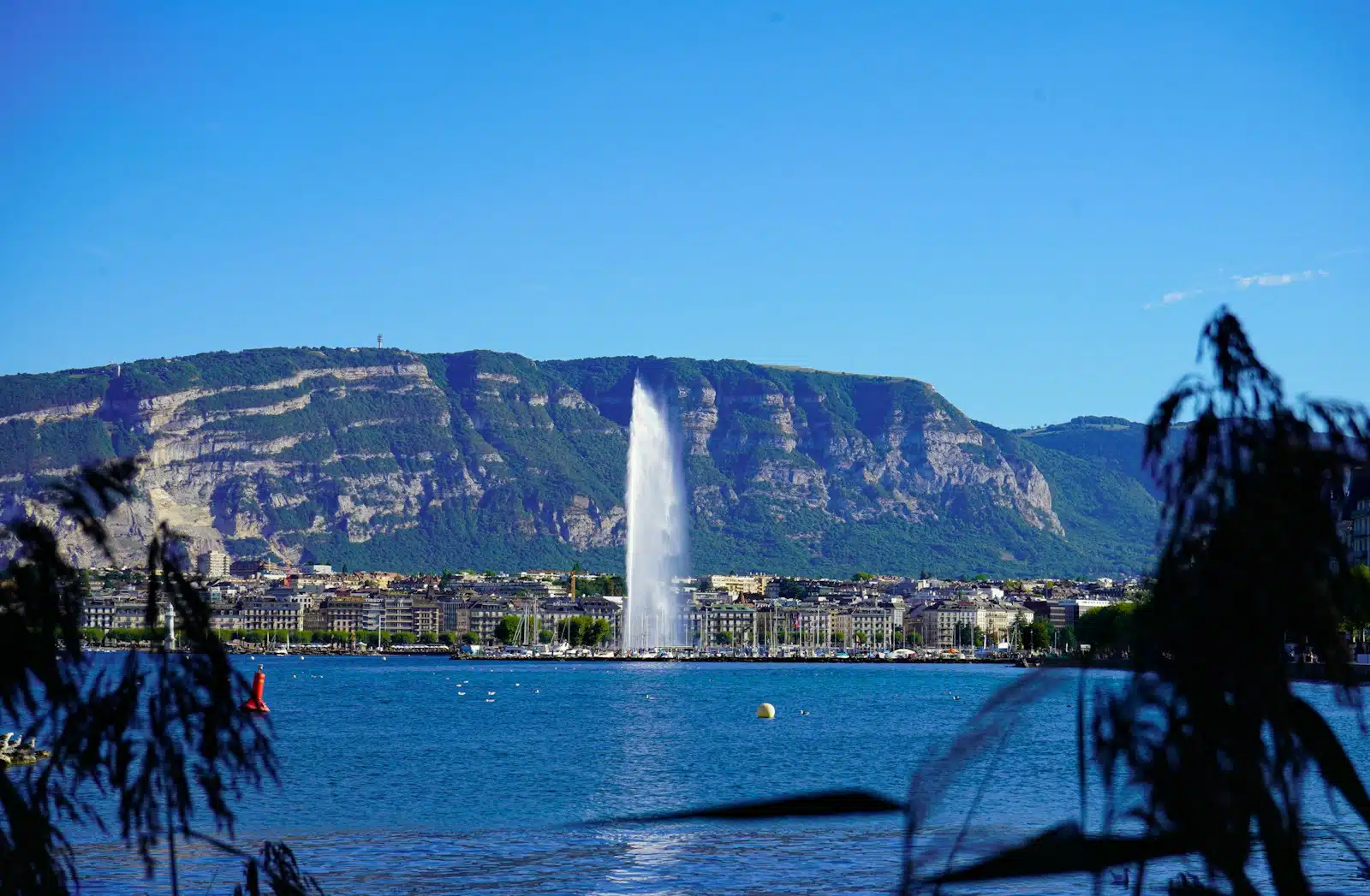
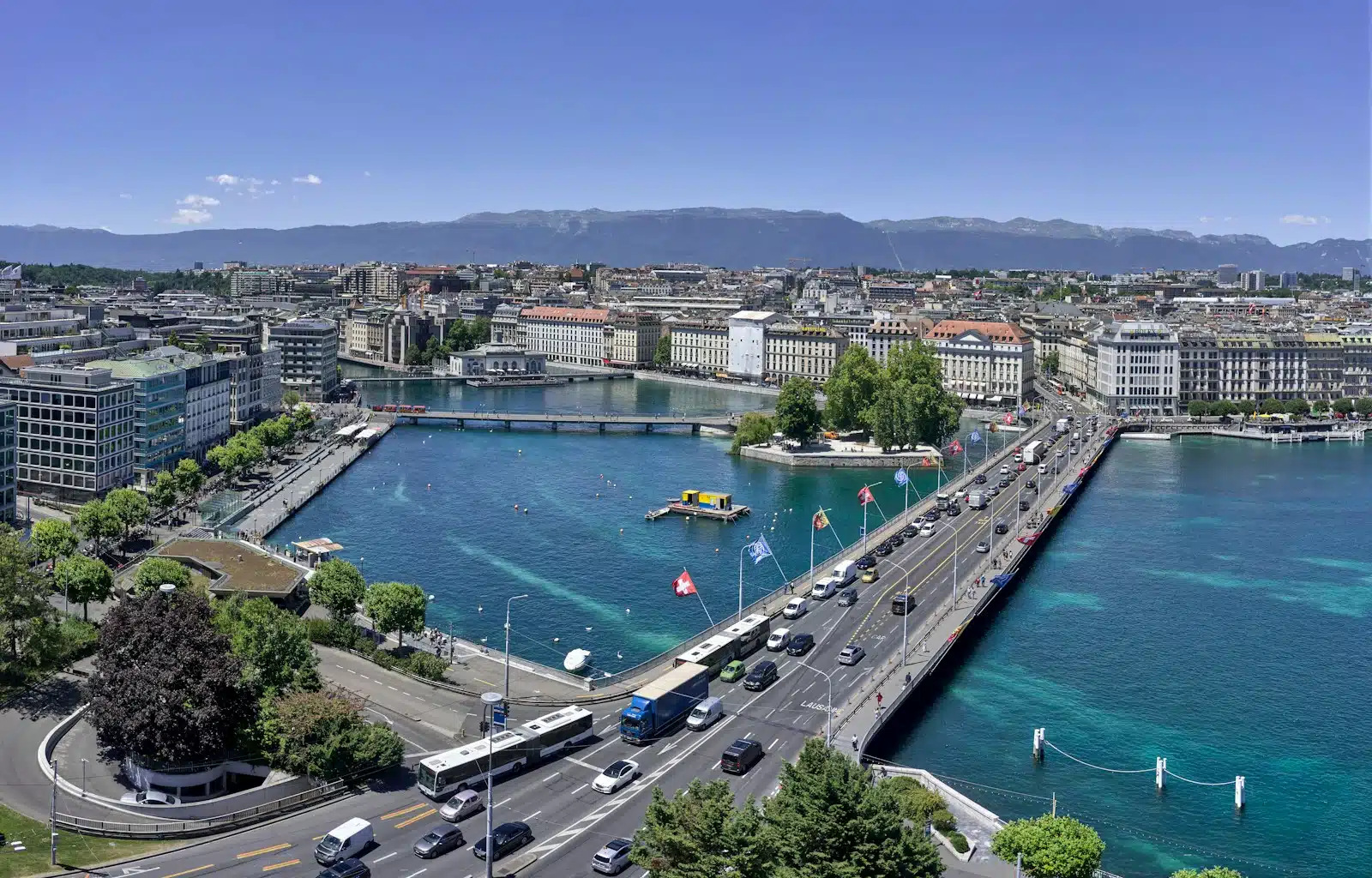
Later, stroll down to the lake. The promenade along Quai du Mont Blanc is one of the most elegant in Europe. The Jet d Eau rises above the water in a plume of silver that shifts constantly with the wind. Look across to the French shore, to the soft outline of the Jura mountains, and let the city settle into focus. Geneva often reveals its beauty in moments like this, when the light does the speaking.
For dinner, consider L’Atelier Robuchon, where the open kitchen creates a sense of intimacy, or choose Le Flacon in Carouge for refined plates in a more local setting. Both offer French haute cuisine in stylish settings.
Carouge
Begin the next day in Carouge, a district that feels Mediterranean. The neighborhood was built in the eighteenth century by architects from the Kingdom of Sardinia, which explains the pastel facades, the wrought iron balconies, and the shaded courtyards. Browse the boutiques and coffee houses, then visit the small workshops that still practice traditional crafts. Carouge is one of Geneva’s most characterful corners.
Late morning is a good time to explore the international quarter. Walk past the European headquarters of the United Nations, an austere modernist building that symbolizes Geneva’s role as a global mediator. The Broken Chair sculpture stands opposite the main entrance, a reminder of the city’s humanitarian legacy. If time allows, visit the Red Cross and Red Crescent Museum for a thoughtful look at conflict, compassion, and the complexity of aid. It is one of the most intelligently curated museums in Europe.
Lunch and Lake Geneva
For lunch, make your way to Bains des Pâquis, a lakeside institution that feels both local and timeless. The menu changes daily, the tables are simple, and the atmosphere is exactly what you want in the middle of the day. On warm afternoons you can swim in the lake after you eat.
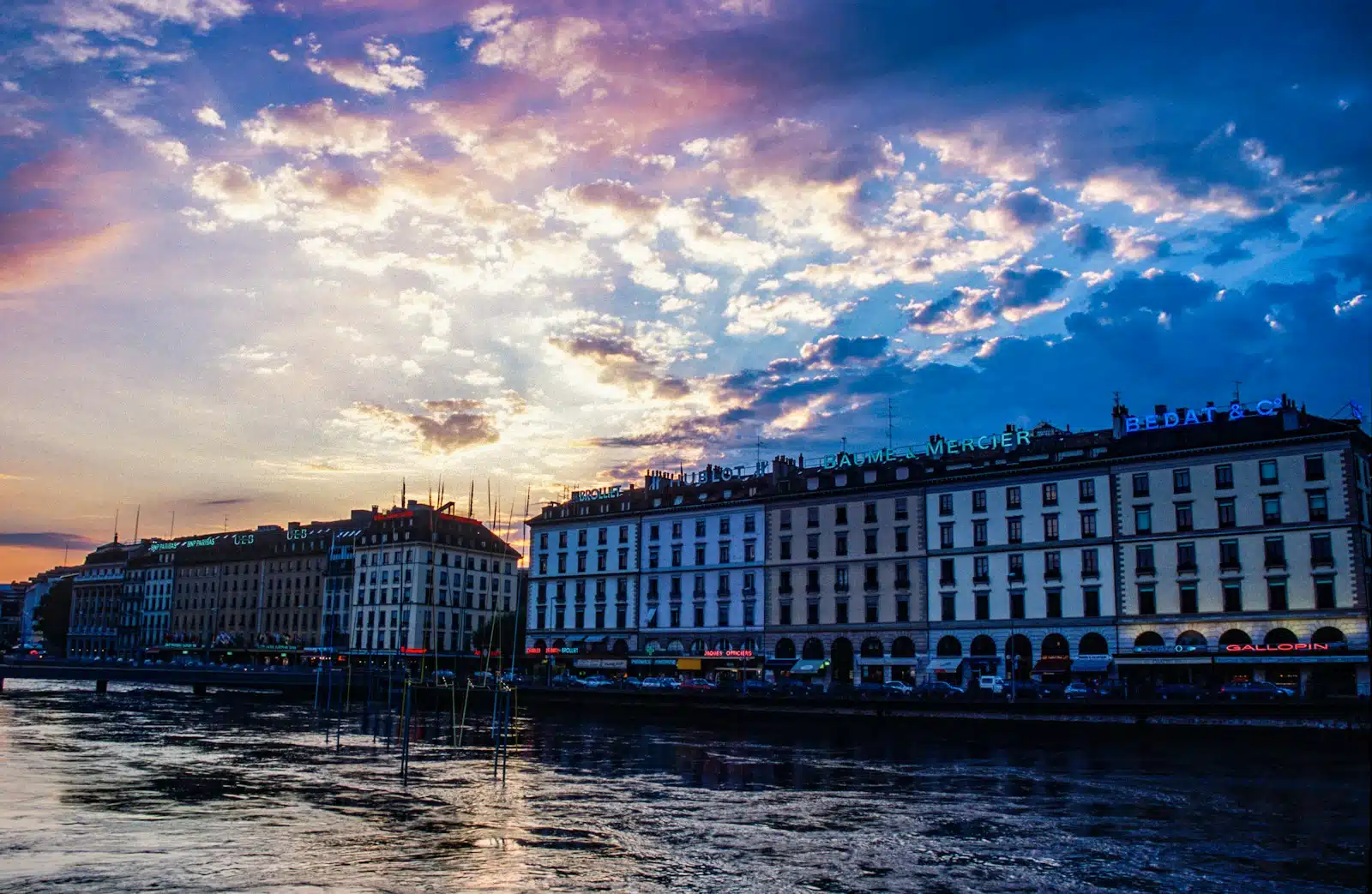
Spend the afternoon moving slowly along the waterfront. Geneva’s architecture is subtle, defined by grand hotels, slender bridges, and Belle Époque details that appear when the light turns low. Visit the Parc de la Grange, a wide green space with gardens, terraces, and one of the most peaceful views of the lake.
Michelin-starred dinner
For your final evening, choose dinner at La Bottega, a Michelin-starred Italian restaurant guided by precision and warmth, or book Izumi at the Four Seasons for contemporary Japanese cuisine served on one of the best terraces in the city.
What to expect in Geneva
Geneva is expensive. It always has been. Wealth flows quietly here and that quietness gives it a peculiar visibility. You notice it not in displays of luxury but in the calm confidence of people who never need to announce anything. English is spoken everywhere.
The city’s international character creates layers: old Genevan families, the diplomatic corps, refugee communities, bankers, students, and French day-trippers.
Lake Geneva as a base
Geneva positions you perfectly for exploring Lac Léman without needing to relocate. The lake is long enough that it reveals different characters depending on direction. Head east and you reach Montreux, where the lake narrows and the Alps close in, the Château de Chillon rising from the water like something from a different era. It’s a straightforward train journey, and the town itself has a faded grandeur that appeals more than it initially appears. The lakeside promenades work for an afternoon, and the restaurants serve better food than the tourist infrastructure suggests.
West along the French shore brings you to Yvoire and smaller villages that feel removed from tourism infrastructure. The boats run regularly, and you can spend a half-day there and return to Geneva for dinner.
North takes you to Lausanne, a city that surprises most visitors with its hillside complexity and serious restaurant culture. It’s less polished than Geneva but more alive, with genuine neighborhoods rather than banking districts. South toward Evian is less compelling as a destination, though the crossing itself is peaceful.
What makes Geneva work as a base is that you’re never obligated to leave. The lake is visible constantly, and the mountains frame everything. Take the boats when you feel like exploring at your own pace.
Discover a version of Geneva curated entirely around your pace. Speak with a specialist and we’ll plan the perfect Swiss itinerary.