

On this page
Auckland is New Zealand’s largest city and its primary international gateway, which means most travelers pass through it. The city has become genuinely interesting in recent years, with a restaurant scene that ranks internationally, galleries and museums that justify time, and neighborhoods that feel lived-in rather than designed for tourism.
Auckland is in the middle of a cultural and culinary evolution. The restaurant scene has moved beyond the “New Zealand nice food” category into genuinely ambitious territory, with chefs cooking at international levels while maintaining a relaxed ethos about it. The city’s Pacific island heritage has become central to its identity rather than peripheral. Street art and design culture are serious rather than decorative. And the waterfront has been genuinely transformed from industrial wasteland into a destination that functions as an actual place to spend time rather than a backdrop.
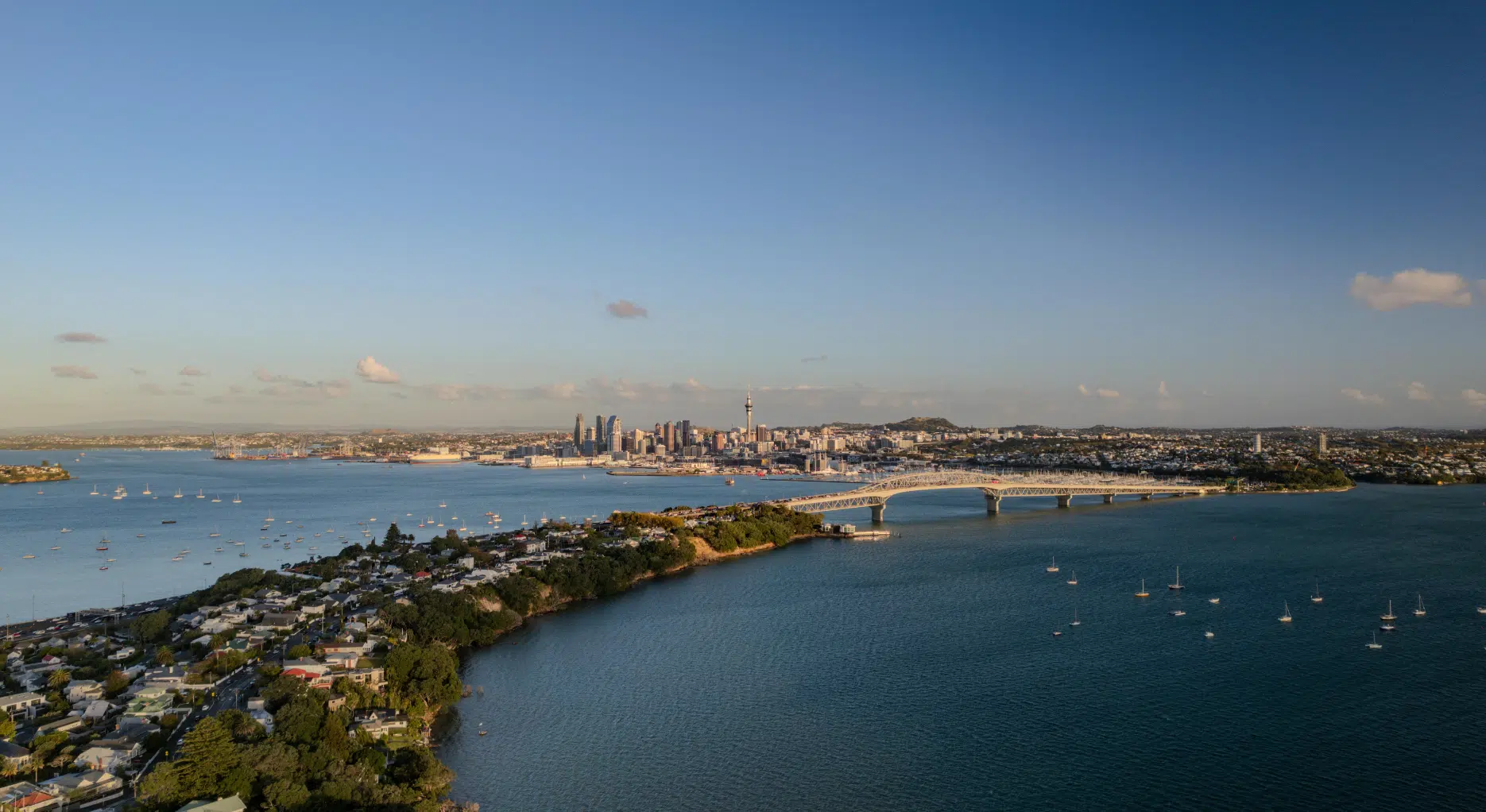
The city sits on an isthmus between two harbors (the Tasman Sea and the Pacific), which means water is constantly visible and accessible. That geography shapes everything about how Auckland functions. Neighborhoods are distinct and worth exploring individually rather than following a single tourist loop.
Day One: Downtown and the Waterfront
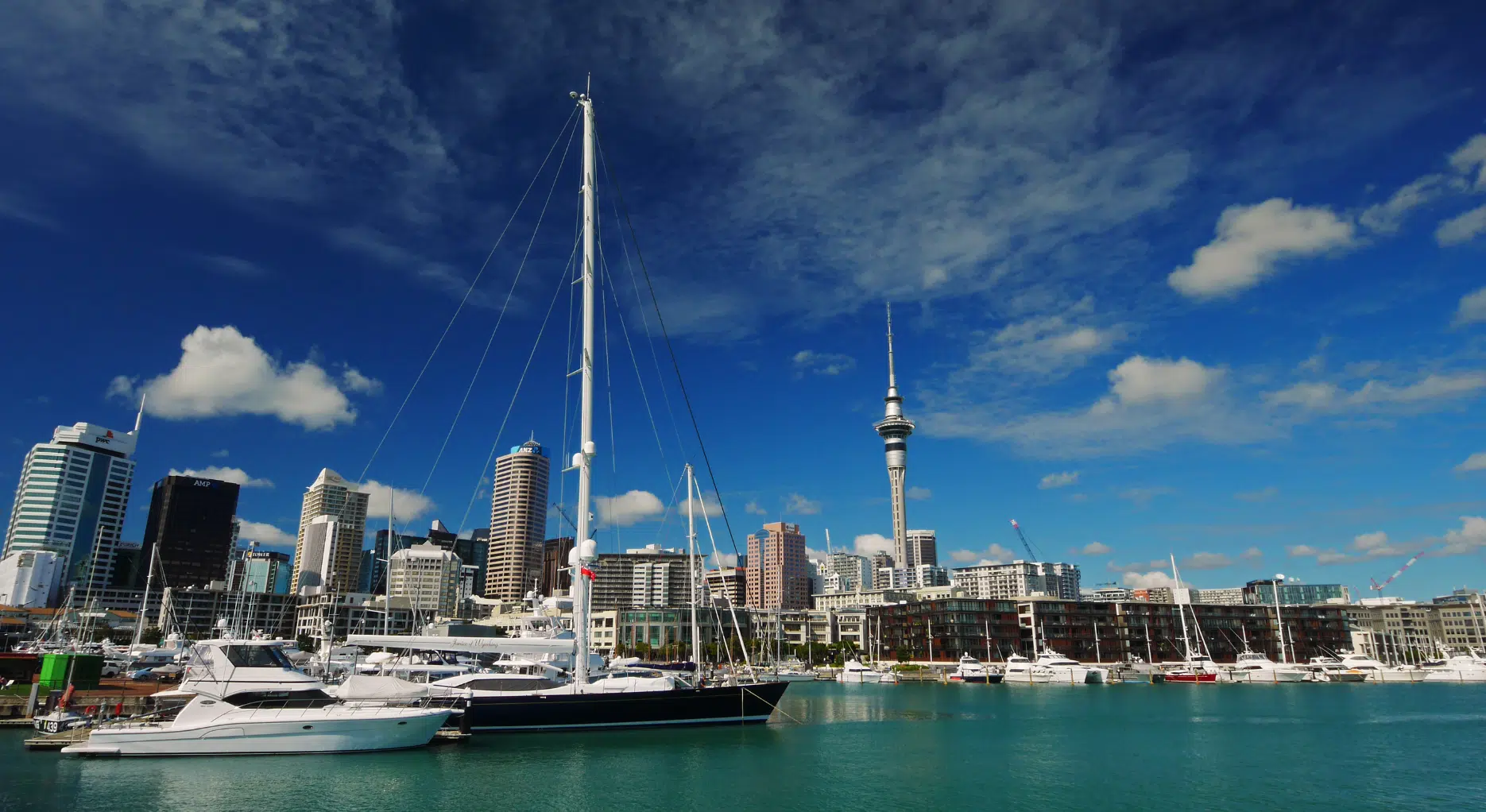
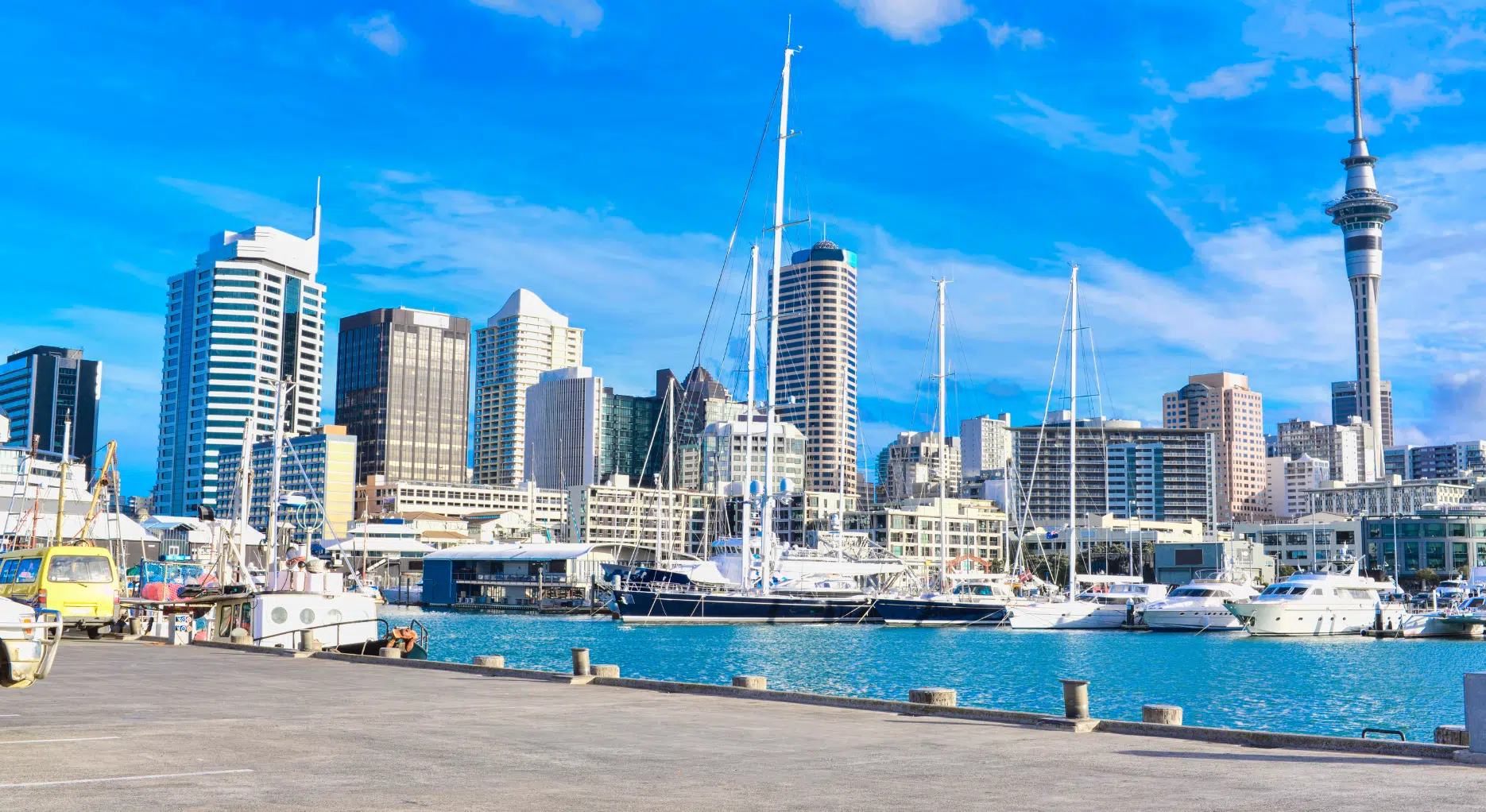
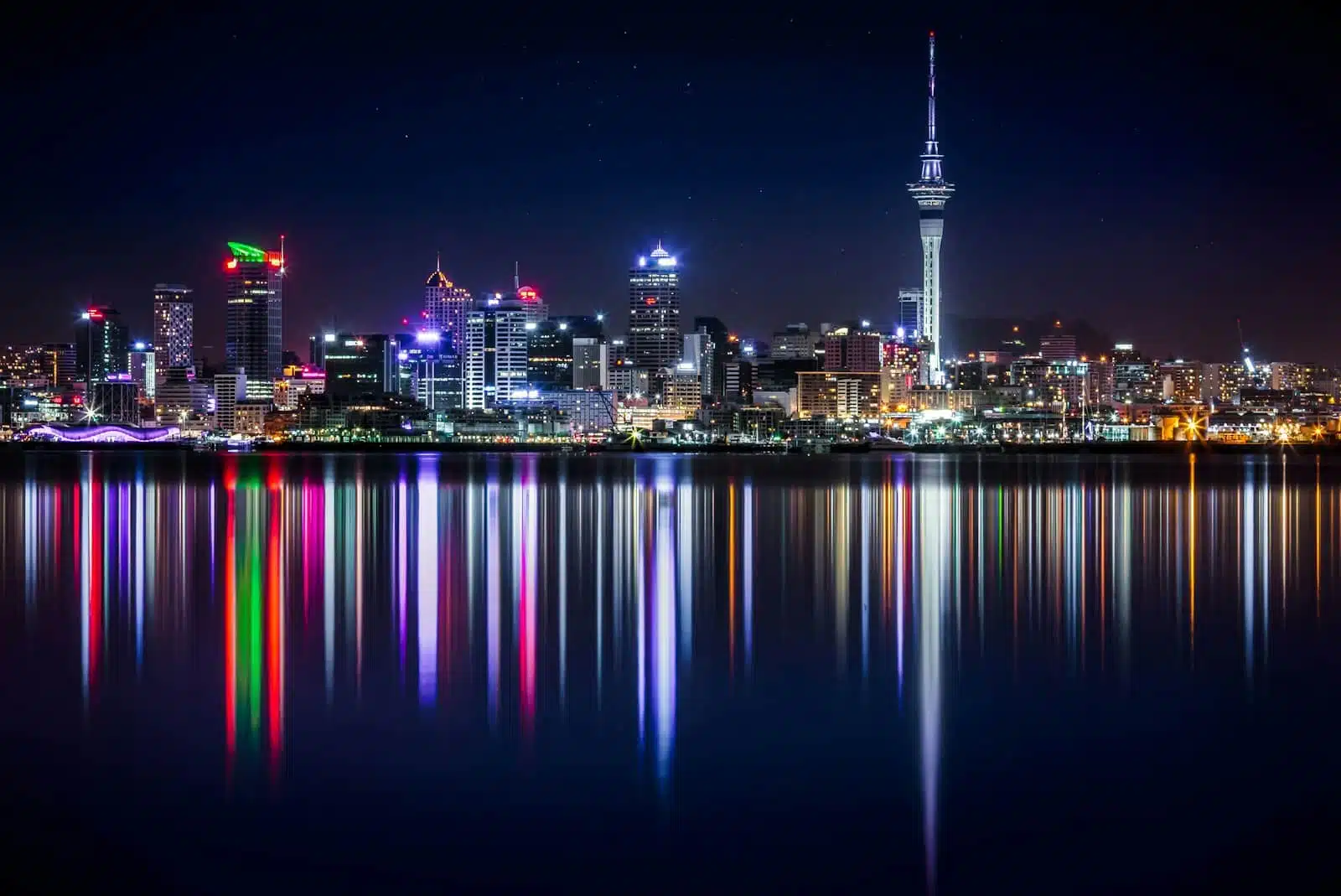
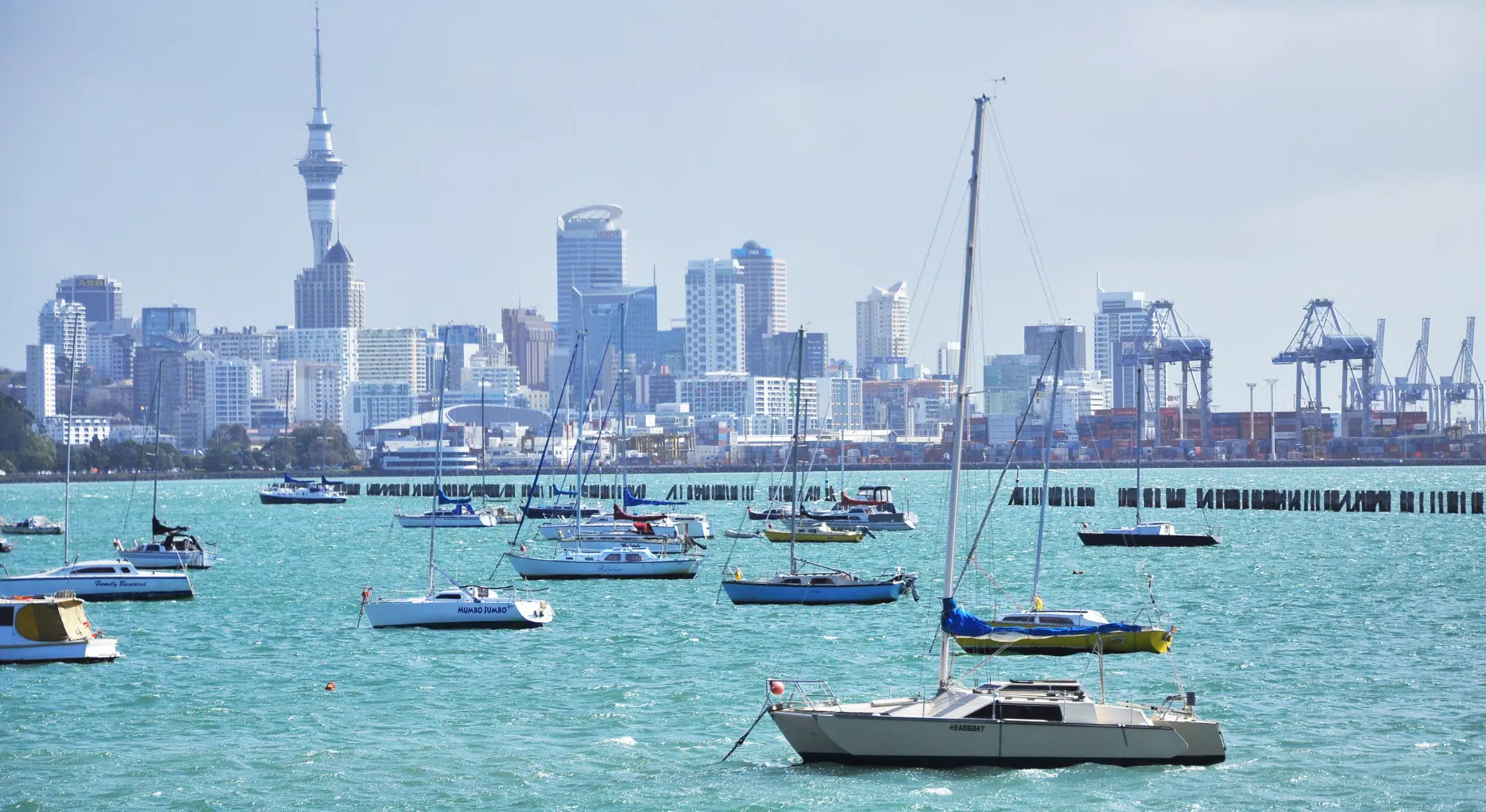
The Auckland waterfront has been completely reimagined over the last fifteen years. Start at Viaduct Harbour (the central waterfront node), which is still partly touristy but worth understanding as a reference point. From there, walk east along the waterfront toward Mission Bay. This isn’t a high-intensity activity. The point is to walk slowly, get a sense of how the city interfaces with water, and spot neighborhoods and side streets worth returning to.
Stop at Viaduct Events Centre if there’s a market (Thursday to Sunday markets are worth browsing), then move east past the new ferry terminals and along the pedestrian path. The waterfront is genuinely pleasant for walking, and you’re seeing the city’s relationship to its harbor geography.
By late afternoon, walk to Parnell (just inland from the waterfront), which is Auckland’s oldest neighborhood and still contains genuine character. Mission Bay Road is lined with boutiques, galleries, and cafes that feel authentic rather than branded. Stop at a cafe, sit outside, and watch the city move around you. The light here is genuinely good in late afternoon.
Dinner and Orientation
Have dinner in Parnell or return to the waterfront depending on where you want to spend time. Gingko (in Parnell) is excellent for modern New Zealand cooking with serious technique. The Culprit (waterfront-adjacent) does wine-forward dining with smaller plates that encourage exploration. Both feel current without being pretentious.
Spend the evening exploring on foot if jet lag allows, or return to your hotel and prepare for a proper day tomorrow. This first evening should be about settling and getting a feel for the rhythm rather than trying to optimize everything.
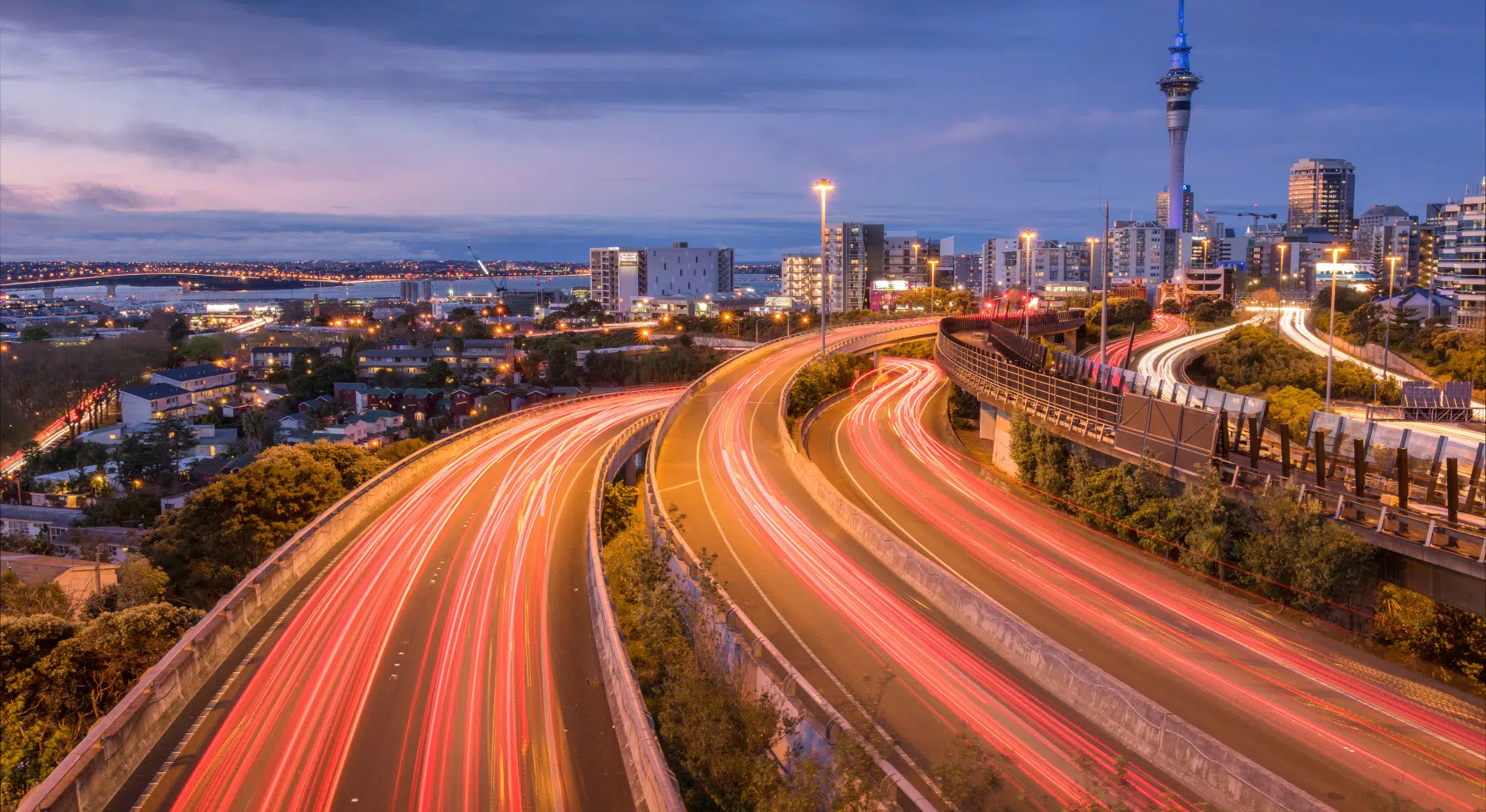
Day Two: Neighborhoods, Culture, and City Depth
Start downtown with coffee at a good cafe (Allpress in Ponsonby, or Cafe Hanoi on Ponsonby Road, are both solid). Then walk through the city center and toward the Auckland Domain, which is the city’s primary cultural institution hub. The domain houses several museums and galleries including the Auckland Museum and Auckland Art Gallery.
The Auckland Museum focuses on Pacific and New Zealand history, with particularly strong collections on Maori and Polynesian culture, natural history, and the city’s own story. This isn’t a quick visit. Plan for 90 minutes minimum if you’re genuinely interested, and longer if Pacific history is a focus area. The building itself (neo-Romanesque, built in 1912) is worth experiencing.
The Auckland Art Gallery is across the road and focuses on New Zealand art historically, with contemporary wings that feature international work. The New Zealand collection is strong if you want to understand how artists have been thinking about the landscape. Plan for an hour minimum.
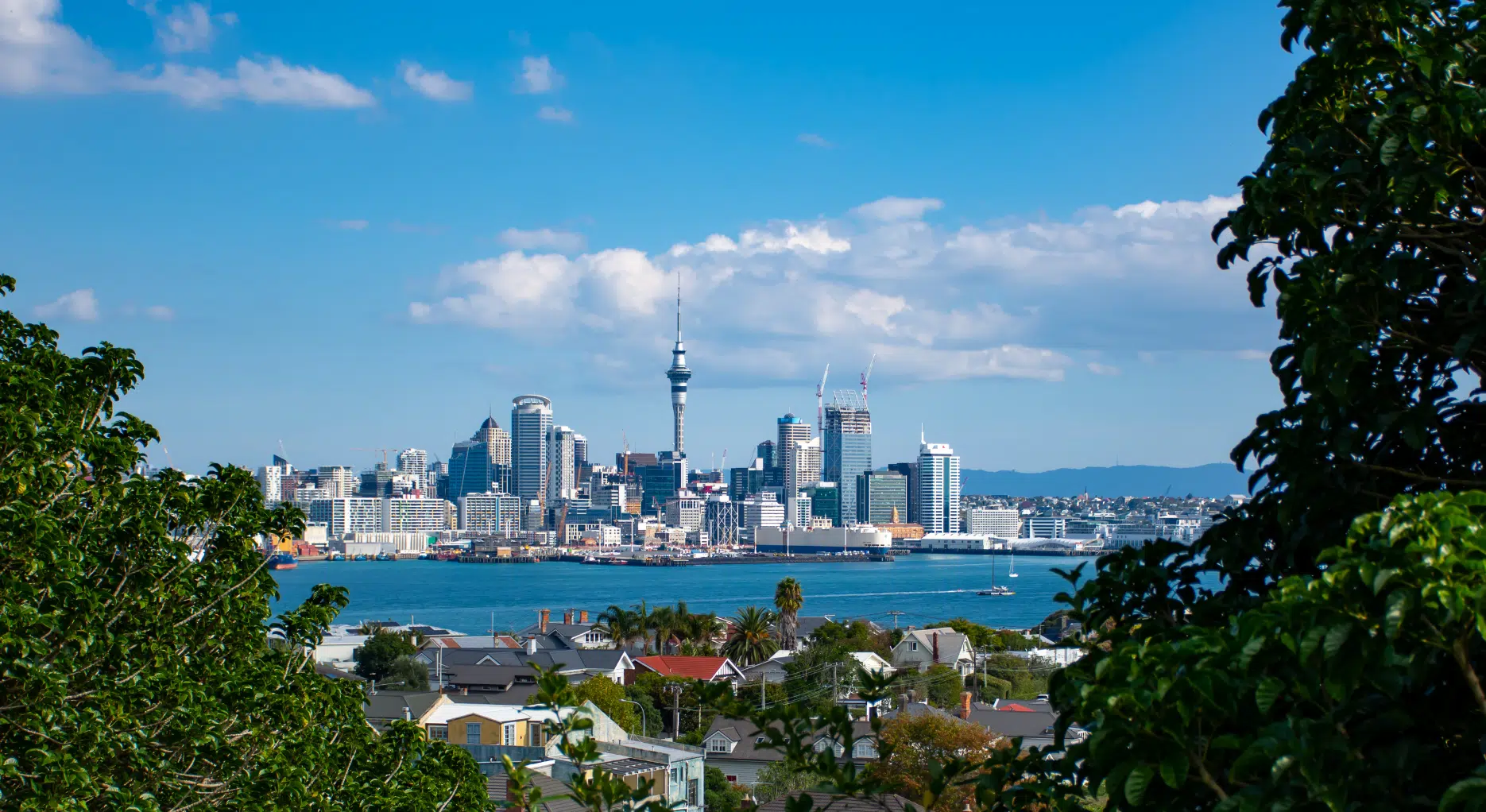
Walk back toward downtown via the parks surrounding the domain. The city’s volcanic heritage is visible throughout (Auckland sits on a volcanic field), with extinct cone parks offering views across the city and harbors.
Lunch
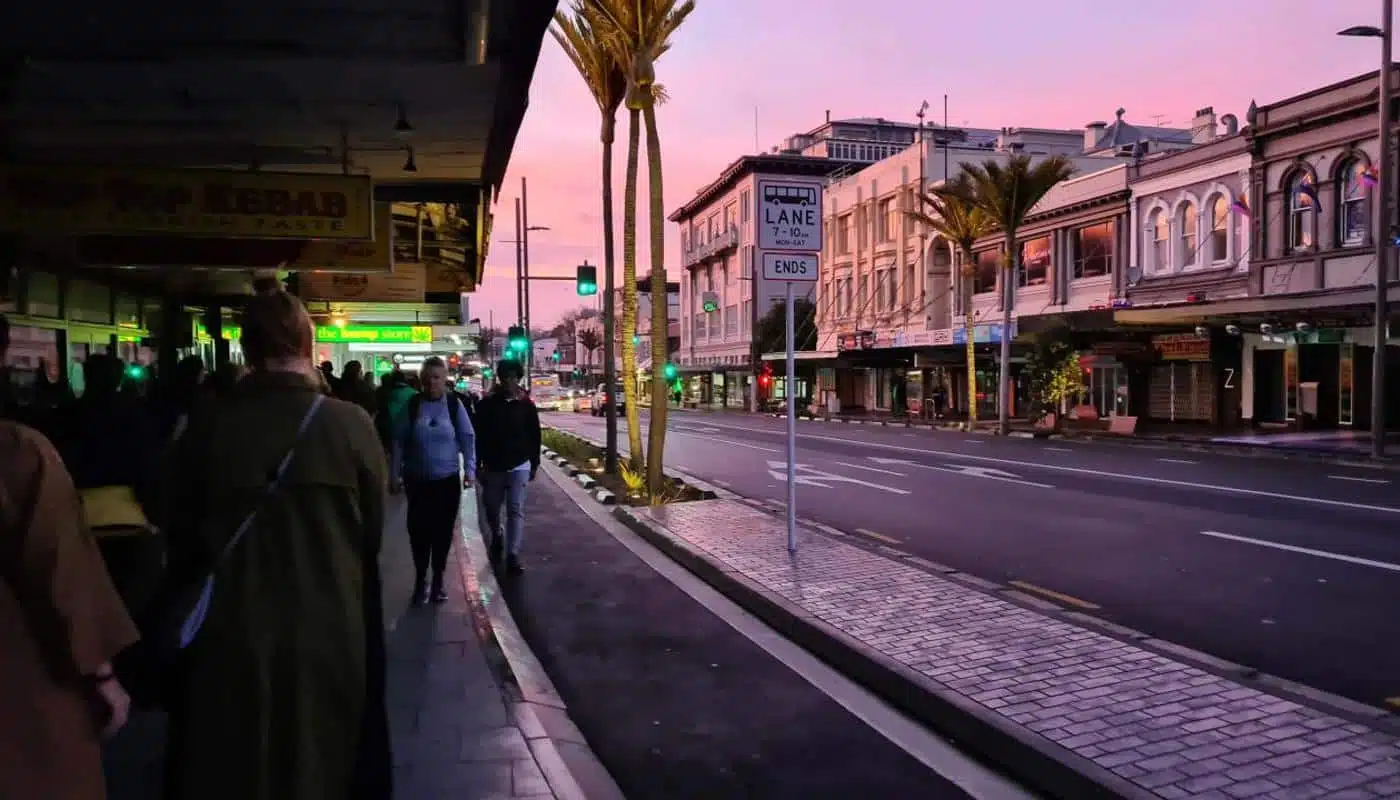
Head west from downtown toward Ponsonby or Point Chevalier, which are adjacent neighborhoods that contain some of the city’s best food, coffee culture, and genuine character. These neighborhoods are where Aucklanders actually live and eat rather than where tourists go. Ponsonby Road is the main commercial strip.
Lunch options include Ponsonby Social Club (excellent for contemporary cafe food), Kermadec (serious seafood), or any of the smaller spots scattered along the road. The point is to move slowly and choose based on what appeals to you in the moment rather than following a predetermined route.
Afternoon
Auckland’s street art scene is genuinely strong, concentrated in neighborhoods like Ponsonby, K Road, and Grey Lynn. Spend an hour walking aimlessly through these areas and looking up. The city funds street art and design culture seriously, which means what you see isn’t random tags but curated work by artists with real practice.
Stop at independent galleries if they catch your eye. The city has a healthy gallery scene beyond the major institutions, with galleries concentrated around K Road and Karangahape, which is the bohemian spine of the city. Artspace and others in this area rotate quality contemporary work.
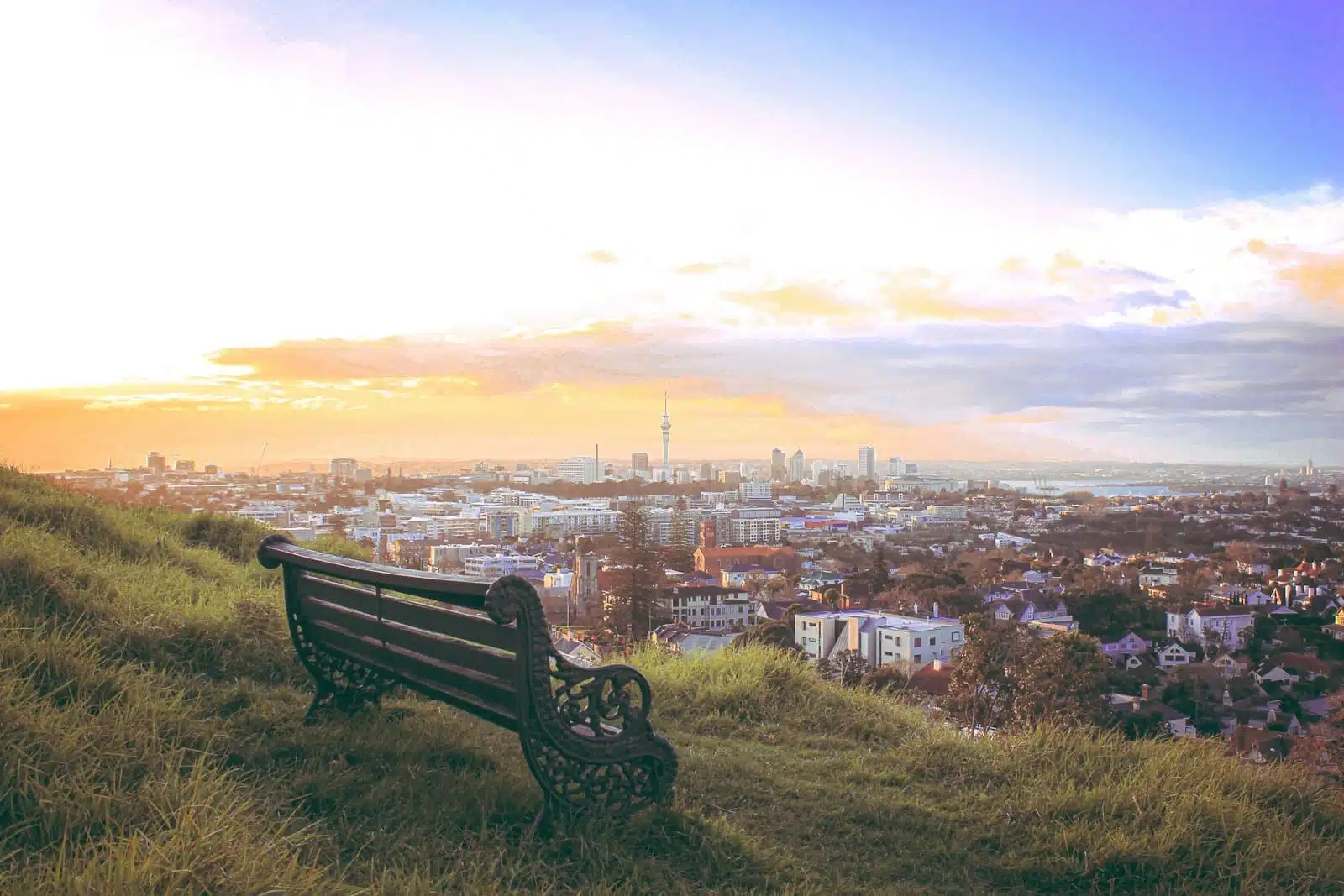
Take the short drive (or bus) up to Mount Eden or One Tree Hill, both volcanic cones with 360-degree views across the city and both harbors. Mount Eden is smaller and more central; One Tree Hill is slightly further out but offers better views of both harbors and the surrounding city geography. Go during late afternoon so you catch the light changing across water and the city during the magic hour.
The views help you understand Auckland’s geography and how the city is arranged. You see neighborhoods you’ve walked through, the harbors on both sides, and the volcanic cones that shape the region.
Evening
Return to the city center or a neighborhood that appeals to you. Dinner options span from casual to serious depending on energy and interest.
Chez Dre (French-influenced, intimate) is excellent if you want fine dining without pretense. The Meat Depot (surprisingly sophisticated for a casual space) does excellent grilled meats and wine. Giapo (ice cream shop that’s genuinely good) is worth stopping at for dessert rather than a full meal.
If you want nightlife, K Road and the areas around it have bars and venues that feel genuinely lived-in rather than designed for tourists. This isn’t party tourism but neighborhoods where people spend evenings.
Neighborhoods Worth Knowing
Ponsonby
West of downtown, this is the neighborhood where young professionals and artists live. Ponsonby Road is the main spine with cafes, galleries, boutiques, and restaurants. It feels authentically Auckland rather than touristy, with a bohemian edge that’s never quite overwhelming.
Parnell
East of downtown toward the waterfront, Parnell is the oldest residential neighborhood with genuine Victorian and Edwardian architecture. Mission Bay Road contains galleries and boutiques. It’s upscale without being corporate, and genuinely worth an afternoon walk.
K Road (Karangahape)
This is the cultural spine of the city. Street art, independent galleries, live music venues, and restaurants that reflect Auckland’s actual food culture. It’s gritty in a good way and feels like where creative people actually spend time.
Grey Lynn
South of Ponsonby, Grey Lynn is residential and increasingly foodie-oriented, with excellent cafes, restaurants, and a genuine neighborhood feeling. Walking Grey Lynn Road feels like understanding how Aucklanders actually live.
Brief History and Context
Auckland became a European settlement in 1840 when William Hobson chose it as the capital of the new colony of New Zealand. It wasn’t the eventual capital (Wellington took that role), but it remained the largest city and the primary gateway for immigration and commerce. The city grew rapidly around its harbors, which made it economically dominant.
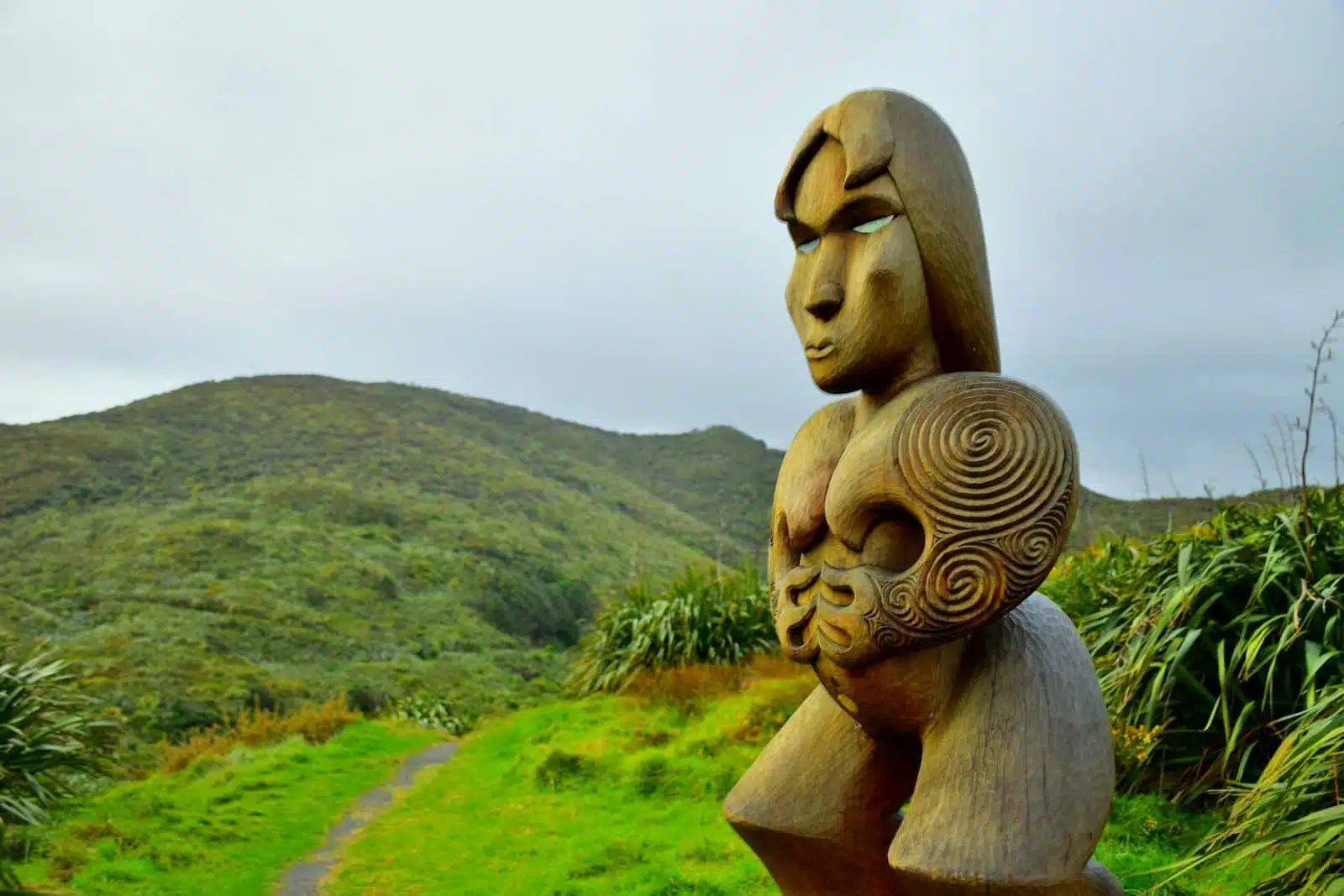
The Maori history is longer. The area was occupied by multiple iwi (tribes), and Maori settlement predates European arrival by roughly 700 years. The volcanic cones scattered throughout the city were fortified pa (villages) for centuries before European arrival.
Auckland’s waterfront was genuinely industrial through the twentieth century (shipping, manufacturing, fishing), which is why it feels so transformed now. The waterfront was deliberately reinvented starting in the 1980s, shifting from industrial to recreational and residential use. That transformation is still evolving.
The Pacific island population has shaped modern Auckland significantly. Beginning in the 1960s, people from Samoa, Tonga, and other Pacific nations moved to Auckland for economic opportunity. This created a genuine Pacific island culture within the city, visible in food, music, and cultural production. K Road and neighborhoods around it reflect this heritage.
The street art and design culture that characterizes contemporary Auckland reflects younger generations of artists and designers treating the city as a canvas for experimentation. This is actively supported by city funding and cultural institutions rather than being purely grassroots.
Ready to Experience Auckland Properly?
Auckland is often treated as just an arrival point rather than a destination worth time. The city rewards slow exploration, neighborhood wandering, and genuine engagement with its food culture and creative communities. Two days is enough to understand why people choose to live here rather than rushing through to more obvious New Zealand attractions.
At Do Not Disturb, we arrange Auckland experiences that go beyond standard tourist loops. We position you in neighborhoods where the city actually happens. We book restaurants where chefs are doing genuinely interesting work. We help you understand the city’s history, art culture, and contemporary creativity rather than just pointing you at famous landmarks.
Whether you’re combining Auckland with South Island adventures or spending a full week exploring the city and surrounding regions, we build itineraries that match your interests with the best New Zealand has to offer.