

On this page
Milford Sound and Doubtful Sound are the two primary fjords, and they operate on completely different scales and rhythms. Understanding the distinction between them is essential to planning properly.
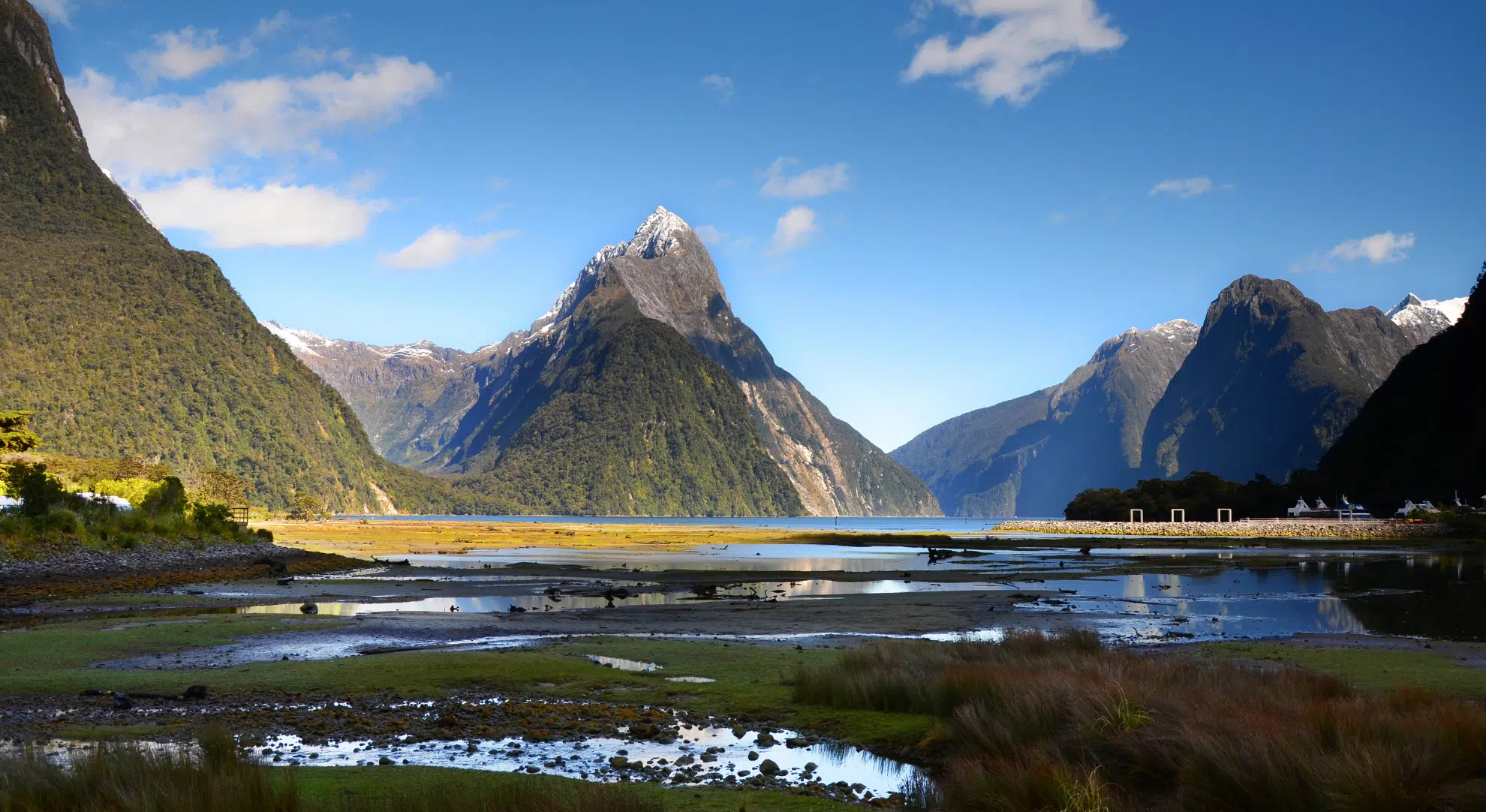
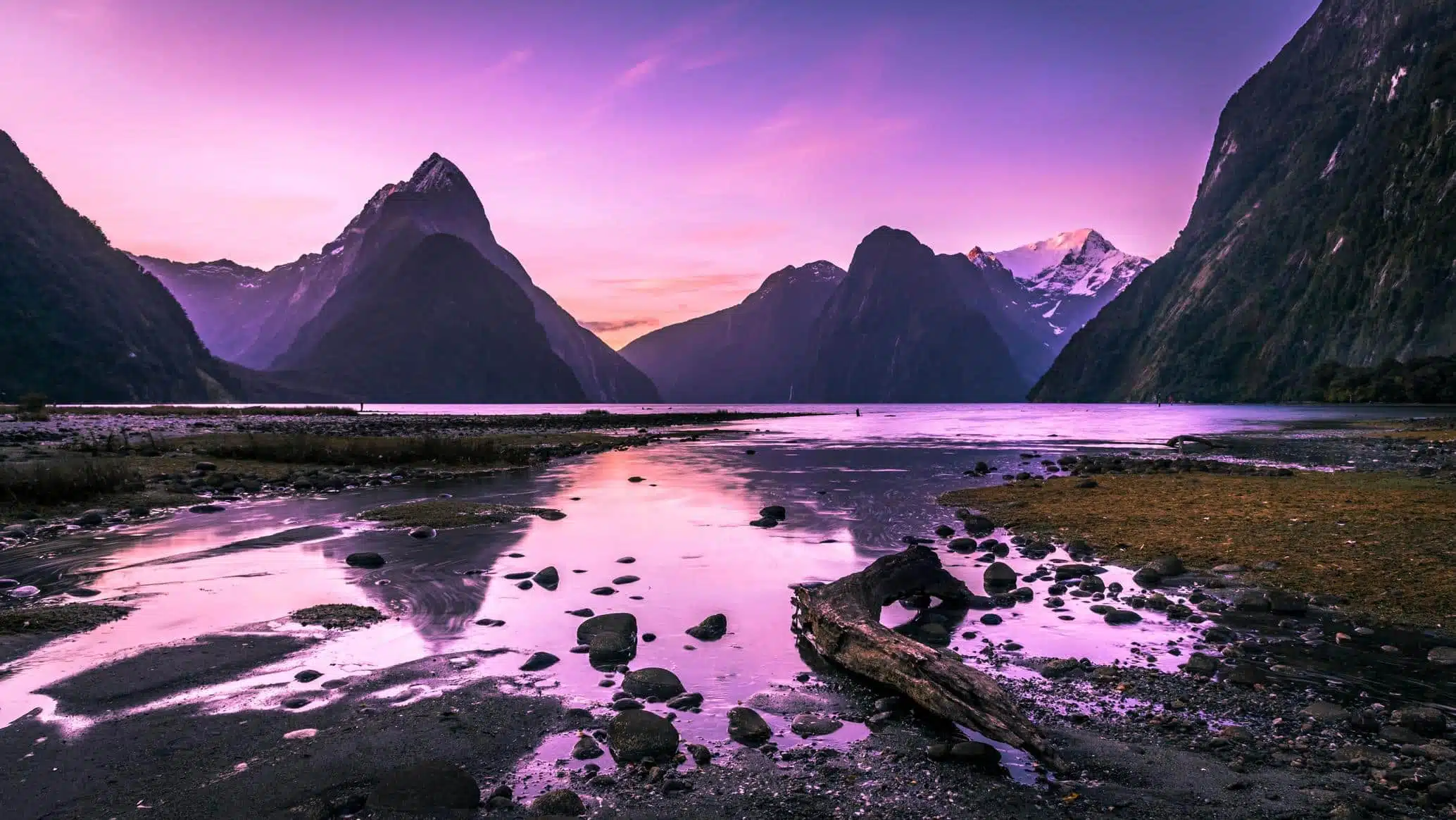
Fiordland is the part of New Zealand that feels genuinely remote. Massive fjords cut inland from the Tasman Sea, with walls of rock rising thousands of meters straight up from water. Rainforests hang from cliff faces, waterfalls appear out of nowhere during storms, and the whole landscape feels like somewhere civilization hasn’t quite figured out yet.
Why Fiordland?
Fiordland has always been on New Zealand itineraries, but the infrastructure for luxury travel has evolved significantly in recent years. Small-ship operators now offer overnight cruises through fjords with serious accommodations and fine dining. Helicopters and small planes provide access to remote areas without days of driving.
The result is that you can experience genuine wilderness while maintaining real comfort, which wasn’t feasible a decade ago. The region remains genuinely quiet compared to other New Zealand destinations, and the tourist infrastructure is deliberately scaled back. Everything is built around the landscape rather than around visitor convenience, which is increasingly rare.
Milford Sound
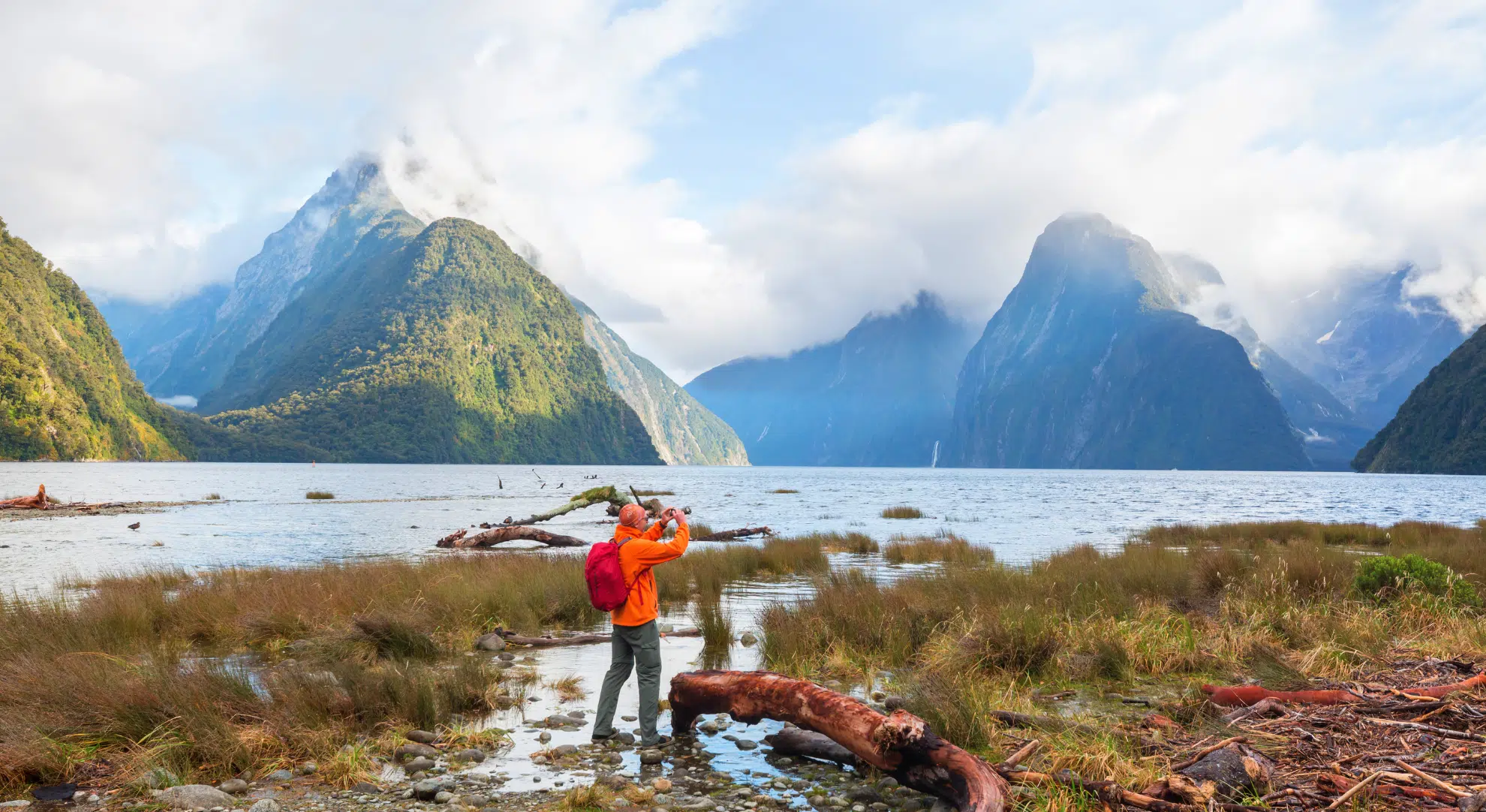
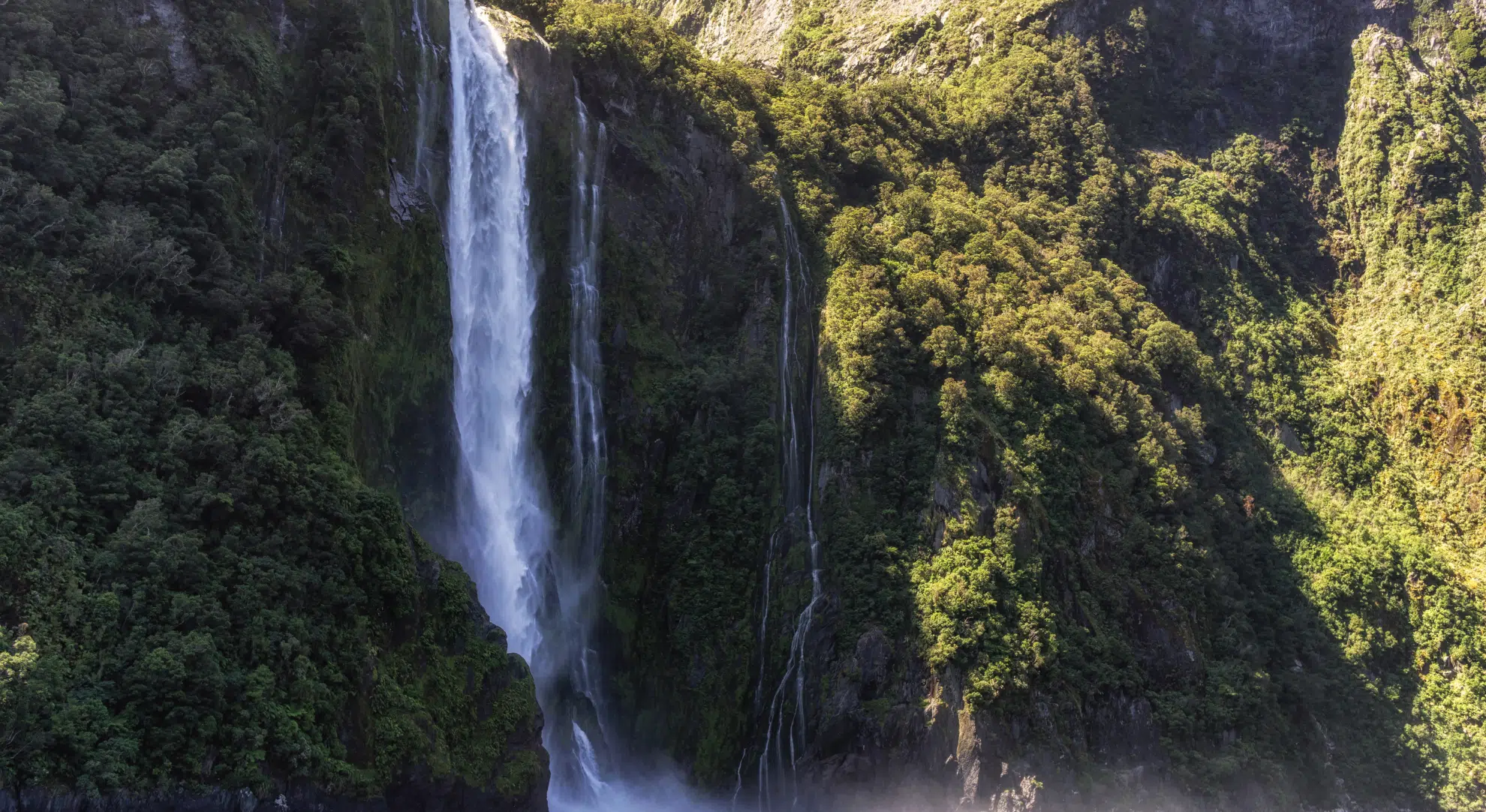
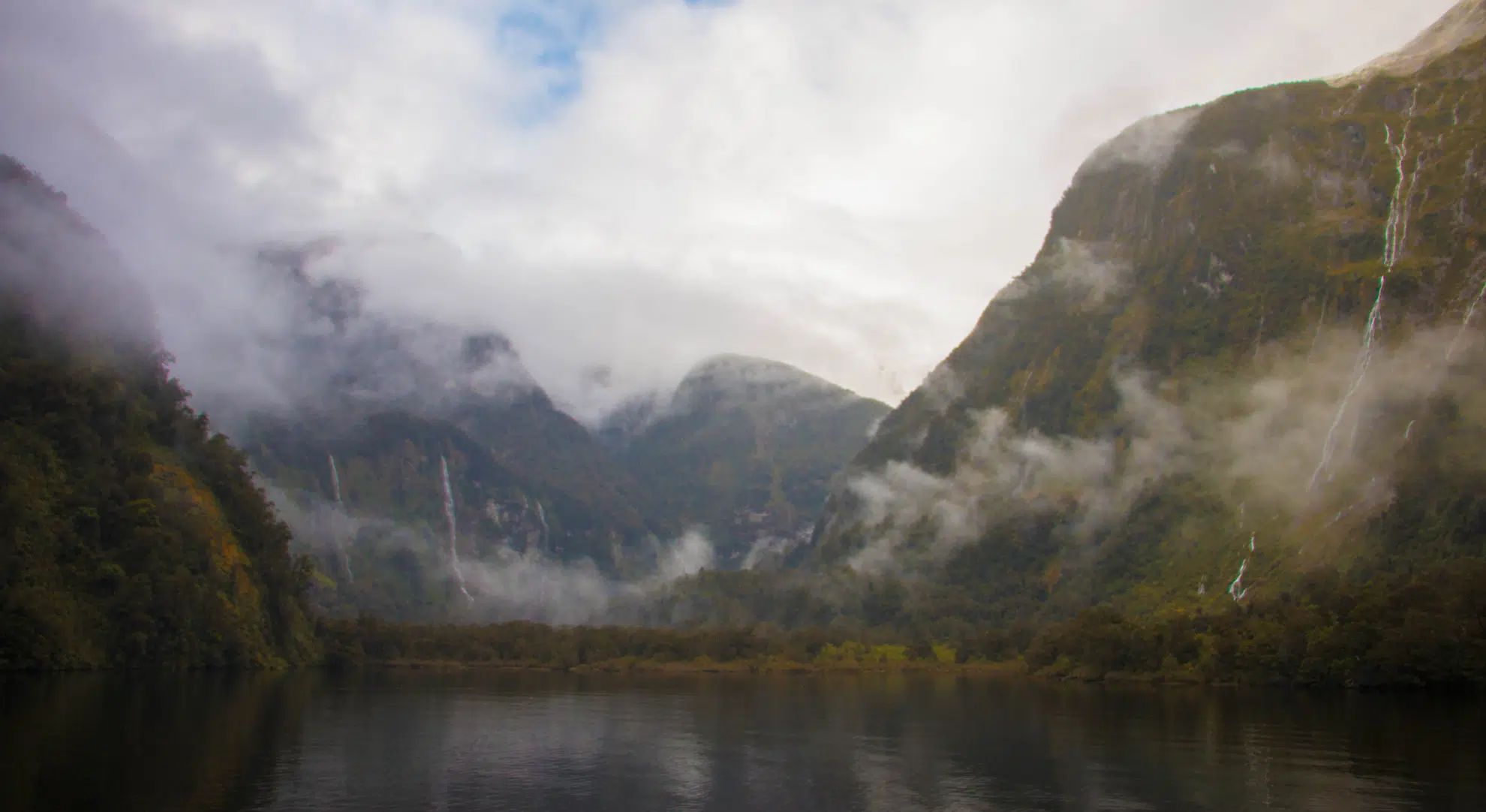
Milford Sound is the most famous fjord in New Zealand, partly because it’s the most accessible and partly because it’s genuinely spectacular. The fjord stretches 15 kilometers inland from the Tasman Sea, with cliffs rising 1,200 meters and waterfalls that flow year-round. The Milford Road (the drive to reach it) is itself a destination, winding through beech forests, along glacial valleys, and through the Homer Tunnel, which is narrow enough that buses need to navigate carefully.
The standard experience is a day cruise from the town of Milford, which means you drive two hours from Te Anau, spend three to four hours on the water, and drive back. It’s efficient but misses the actual experience. The better option is an overnight small-ship cruise, which lets you experience the fjord at different times of day, explore side arms and waterfalls that day-trippers don’t reach, and actually absorb the landscape rather than checking it off.
Real Journeys and Fiordland Cruises operate small ships (roughly 50-80 passengers) that offer overnight experiences with good cabins, proper restaurants, and naturalist guides who understand the geology and ecology.
The overnight cruises typically include kayaking in the fjord, guided walks through rainforest, and time to simply absorb the scale of the landscape. Some include helicopter rides to remote areas, which sounds touristy but actually provides perspective on the terrain. The experience is genuinely moving, partly because the landscape is extreme and partly because you have time to sit with it.
Doubtful Sound
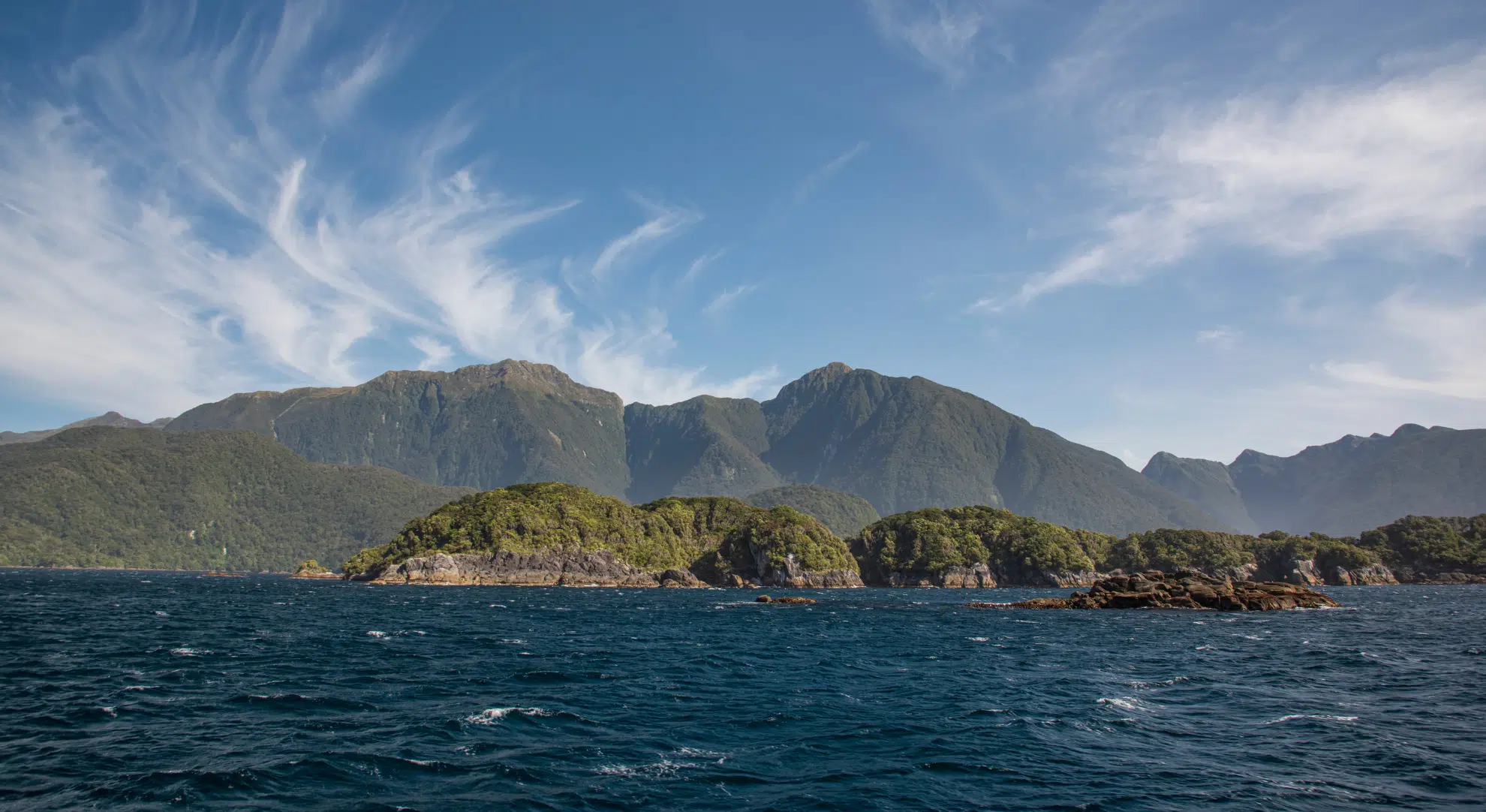
Doubtful Sound is larger than Milford (about 40 kilometers long) but significantly less visited, which means it feels genuinely remote. The fjord is deep enough for small cruise ships to navigate, and the cliffs are equally dramatic. The entrance is more difficult to access, which is precisely why fewer people go there.
You either drive to Manapouri (slightly south of Te Anau) or fly in directly, then take a boat across Lake Manapouri before entering the sound itself. The journey itself becomes part of the experience rather than a logistical necessity.
The small-ship experience in Doubtful Sound is more immersive partly because fewer vessels operate there and partly because the scale of the wilderness feels more genuine. Operators we work with run two or three-day journeys with active components.
You’ll kayak to remote beaches, explore waterfalls on foot, and spend time in areas where you see no other visitors. The passenger count is deliberately kept low (usually 20-40 people), which creates a genuine expedition feeling rather than a tour experience.
Doubtful Sound is genuinely cold and wet, which should be part of the appeal rather than a deterrent. The weather is moody and dramatic in a way that Milford often isn’t. Rain adds to rather than diminishes the experience. The isolation is real; there’s no road access once you’re in the sound, and you’re entirely dependent on the vessel and the crew.
Milford vs Doubtful: How to Choose
If you have limited time (three days), Milford Sound is the better choice. The access is straightforward, the drive is scenic, and the overnight cruise delivers the essence of Fiordland within a manageable time frame. It’s still genuinely impressive.
If you have five to seven days and want to feel like you’ve actually escaped, combine Milford with Doubtful. The contrast between them is instructive. Milford feels dramatic; Doubtful feels genuinely wild. Doing both gives you the full spectrum of what Fiordland offers.
If you want only one experience and specifically want seclusion and a genuine expedition feeling, choose Doubtful. Accept that it requires more travel time and more commitment, but the reward is landscape and solitude that feels genuinely rare in developed tourism.
The Scenic Drive: Milford Road
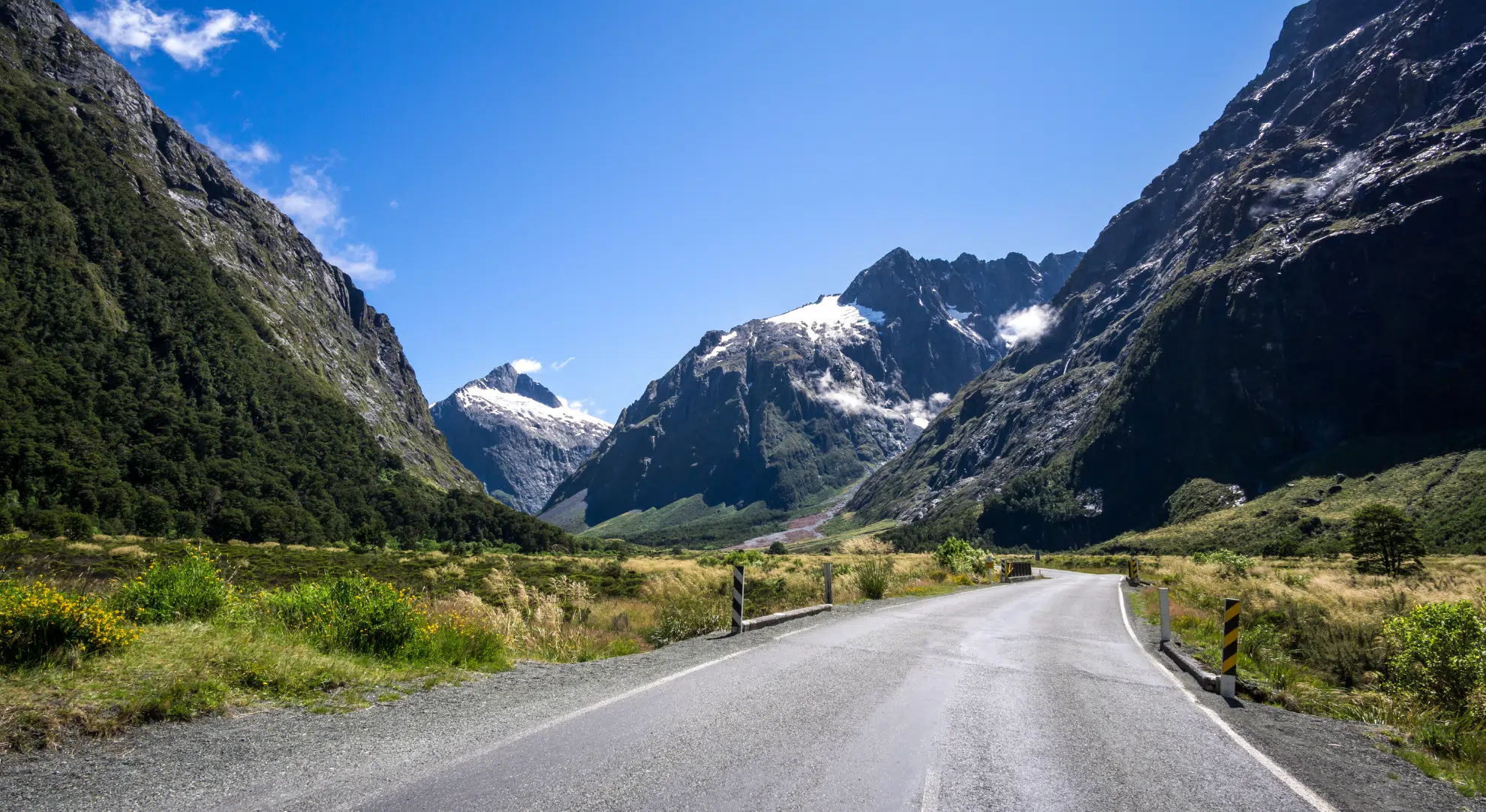
The Milford Road (State Highway 94) is one of the world’s great scenic drives, and it deserves time rather than just transit. The 120-kilometer route winds from Te Anau through beech forest, along the Eglinton Valley, through the Homer Tunnel (1.2 kilometers, single lane, dramatic), and down to Milford Sound. Allow a full day rather than rushing it, and stop at proper viewpoints rather than just the designated pullouts.
Key stops include The Divide (where you can see the watershed between two river systems), Chasm Walk (a short walk through sculptured water-carved rock formations), and various pullouts where the landscape justifies stopping. The drive is stunning in any weather, though rain actually enhances the experience by activating waterfalls and creating mist on cliff faces.
If you’re not driving yourself, hire a driver through your hotel or tourism operators. Small-group guided drives are available, though they often feel rushed. The drive is better experienced at your own pace.
Practical Logistics
Getting There
Most people fly into Queenstown (the main international hub for the region), then drive three to four hours to Te Anau. From Te Anau, it’s another two hours to Milford Sound or a combination of driving and boat to Doubtful Sound. Alternatively, fly directly from Queenstown to Milford Sound via helicopter or small plane (20 minutes, spectacular but expensive at roughly USD 800-1,200 per person).
If you’re combining experiences, Queenstown is your logical base for onward flights and ground logistics.
When to Visit
December to February (Summer)
Warmest and driest, with weather ranging from pleasant (64-72 degrees Fahrenheit) to unpredictable. Tourist crowds are significant. The fjords are gorgeous but busier. Milford can be overrun with day-trippers.
March to May (Autumn)
Excellent window. Temperatures still pleasant (59-64 degrees Fahrenheit), weather is more settled than summer or winter, and crowds thin considerably. Water remains visible through fewer clouds. This is genuinely the best time.
September to November (Spring)
Weather is increasingly unpredictable as seasons shift. Temperatures are cool (50-59 degrees Fahrenheit). Waterfalls are dramatic from spring snowmelt, which is appealing if you want that moody quality. Fewer tourists, which is the primary advantage.
June to August (Winter)
Cold (41-50 degrees Fahrenheit) and frequently wet, but genuinely dramatic. Waterfalls are powerful. Snow appears on high peaks. The landscape feels elemental. If you want wilderness without crowds and don’t mind weather, winter works. Most visitors skip it.
March to May is the optimal window for comfort and experience balance.
Where to Stay
Te Anau
The hub town for Fiordland logistics. Distinction Luxe Hotel offers upscale comfort and local knowledge. The Rees Hotel is smaller and more characterful. Both position you for drives to either fjord and provide good restaurants and information networks.
Milford Sound
There’s no town at Milford Sound. The Milford Sound Lodge operates basic accommodation directly at the sound (useful if you’re doing day experiences), but overnight cruises are your realistic option for a genuine experience.
Doubtful Sound
Doubtful Sound is accessed via boat from Manapouri or helicopter from Queenstown. There’s no shore accommodation. Overnight small-ship cruises are the only way to experience it properly.
Queenstown
If you’re basing yourself for flights and onward logistics, Matakauri Lodge offers luxury positioning with helicopter and plane access to Fiordland experiences.
Brief History: Fiordland's Discovery
Fiordland remained largely inaccessible until the early twentieth century. Milford Sound was first explored by Europeans in the 1810s, but sustained tourism didn’t begin until roads reached it in the 1930s and 1940s. The Milford Road was completed in 1954, which opened the landscape to regular visitors.
Doubtful Sound remained far more isolated. It was named by Captain Cook in 1770 (he was doubtful about whether the inlet could support a proper settlement) and saw minimal visitation until tourism infrastructure developed in recent decades. The first commercial cruises started in the 1990s, making it genuinely accessible.
Both fjords are results of extreme glaciation during ice ages, with glaciers carving U-shaped valleys to depths well below sea level. When sea levels rose after glaciation, the ocean flooded these valleys, creating fjords. The landscape is still actively changing, with waterfalls and rock falls reshaping the terrain regularly.
Ready to Experience Fiordland?
Fiordland’s scale and isolation require more than itinerary logistics. They require timing, weather consideration, and the kind of access that comes from specialists who understand the region and can position you properly.
At Do Not Disturb, we arrange genuine Fiordland experiences rather than standard tours. We book overnight small-ship cruises in Milford and Doubtful Sound with operators who prioritize landscape time over passenger throughput. We coordinate helicopter and plane access where it adds value rather than spectacle. We handle the drive logistics, positioning, and restaurant planning so you can focus on experiencing what is genuinely one of the world’s most dramatic landscapes.