Milan rewards travelers who look beyond fashion and finance. Beneath its sleek surface lies a city of extraordinary depth, from da Vinci’s genius to the romance of the Navigli canals.
Milan does not trade on the obvious charm of Venice or Rome’s ancient ruins. Instead, it is a city where Renaissance genius meets cutting-edge modernity, where centuries of art and architecture feel woven into the fabric of everyday life. For travelers seeking serious cultural depth without the overwhelming crowds, Milan delivers exactly that.
About Do Not Disturb
Do Not Disturb is a luxury travel company specializing in carefully designed journeys and considered experiences. Each itinerary we build for our clients is informed by real destination knowledge, offering insight into places, cultures, and moments that shape how a trip comes together.
If this destination has sparked ideas, the itinerary can be developed into a private journey tailored to your interests and travel style, with hand-picked stays, thoughtful routing, and experiences curated around what matters most to you.
The Last Supper
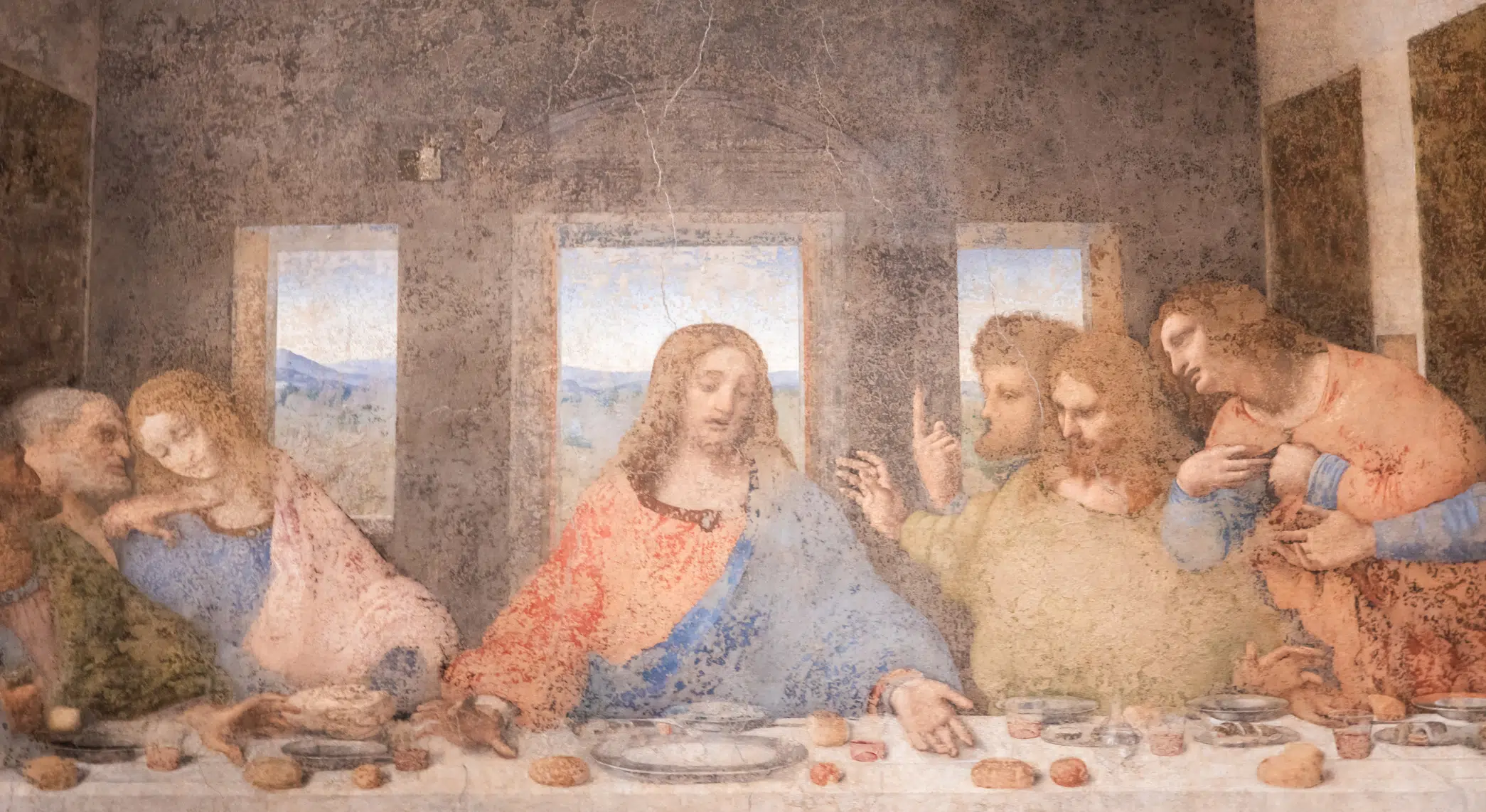
Start with what many consider the world’s greatest painting. Leonardo da Vinci’s The Last Supper hangs in the refectory of the Basilica di Santa Maria delle Grazie, and it is one of those rare works that truly justifies the hype. Painted directly onto the wall between 1495 and 1498, it is a technical marvel depicting Christ announcing his betrayal to the apostles, each figure rendered with such psychological precision that you will notice something new on every viewing.
Access is tightly controlled to preserve the fragile fresco, with limited daily tickets that sell out months in advance. Do Not Disturb can secure exclusive access and private guided tours, ensuring you experience The Last Supper in the most intimate and atmospheric way possible. Standing in front of this masterpiece, with time to truly take it in, feels like witnessing history come alive.
The Duomo
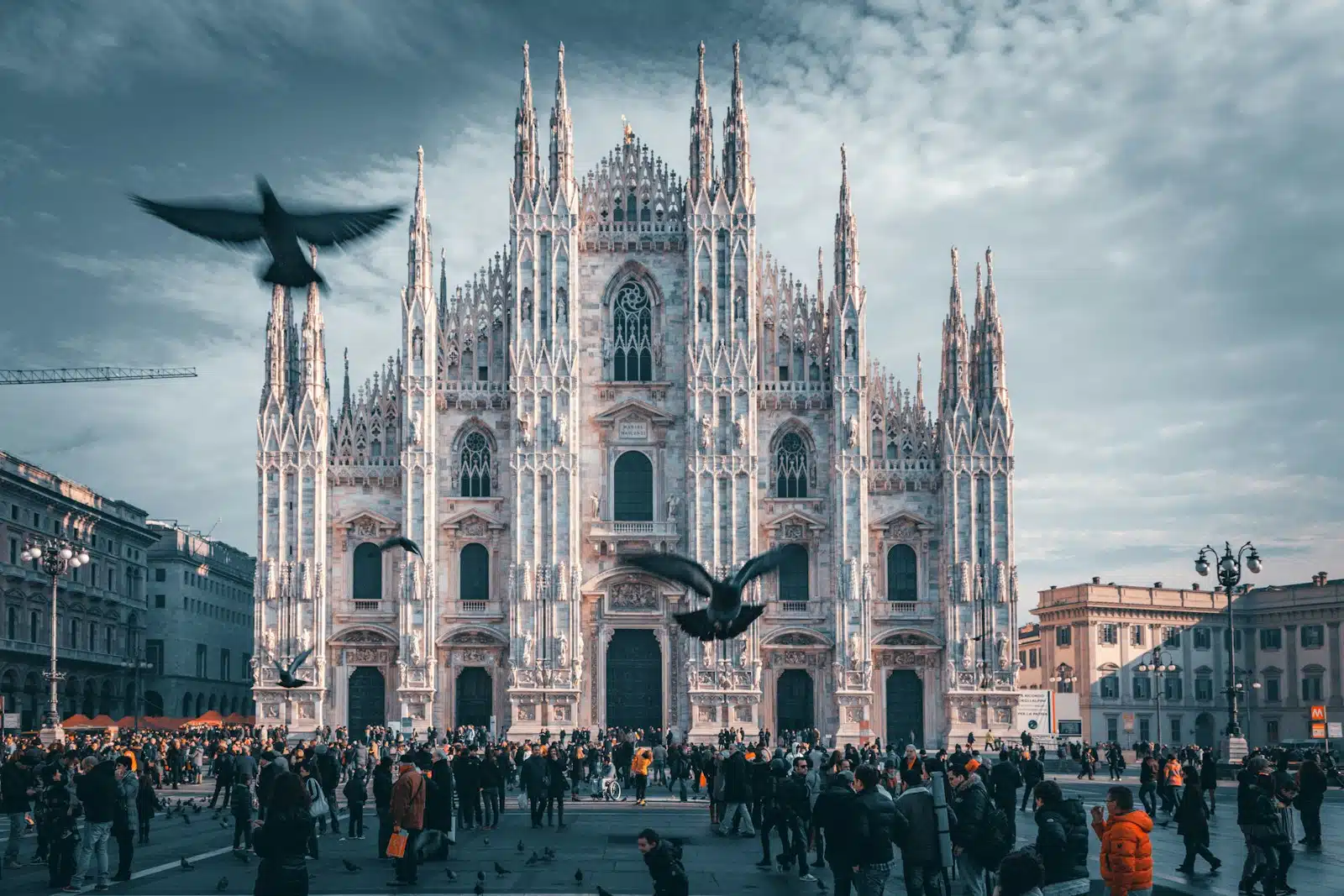
The Duomo is almost comically grand. This Gothic cathedral took nearly 600 years to complete, and when you stand in front of its façade, that commitment becomes obvious. The sheer number of spires, statues, and intricate marble details is overwhelming in the best possible way. Inside, the soaring ceilings and stained glass create an atmosphere of genuine spirituality rather than tourist theater.
Book a spot on a guided tour to access the roof via elevator and stairs; standing among the rooftop spires with Milan spread below is genuinely moving. The cathedral museum holds important religious artifacts and provides context for understanding Milan’s medieval power.
Pinacoteca di Brera
Skip some of the bigger, more famous galleries and spend serious time here. The Brera’s collection of Northern Italian and Venetian masterworks includes paintings by Caravaggio, Mantegna, and Piero della Francesca that rival anything in larger institutions. What makes it special is the quality of curation rather than sheer quantity.
The rooms flow logically, the lighting is thoughtful, and you will not feel rushed. Spend at least three hours wandering the galleries. The attached courtyard is perfect for coffee or reflection between sections.
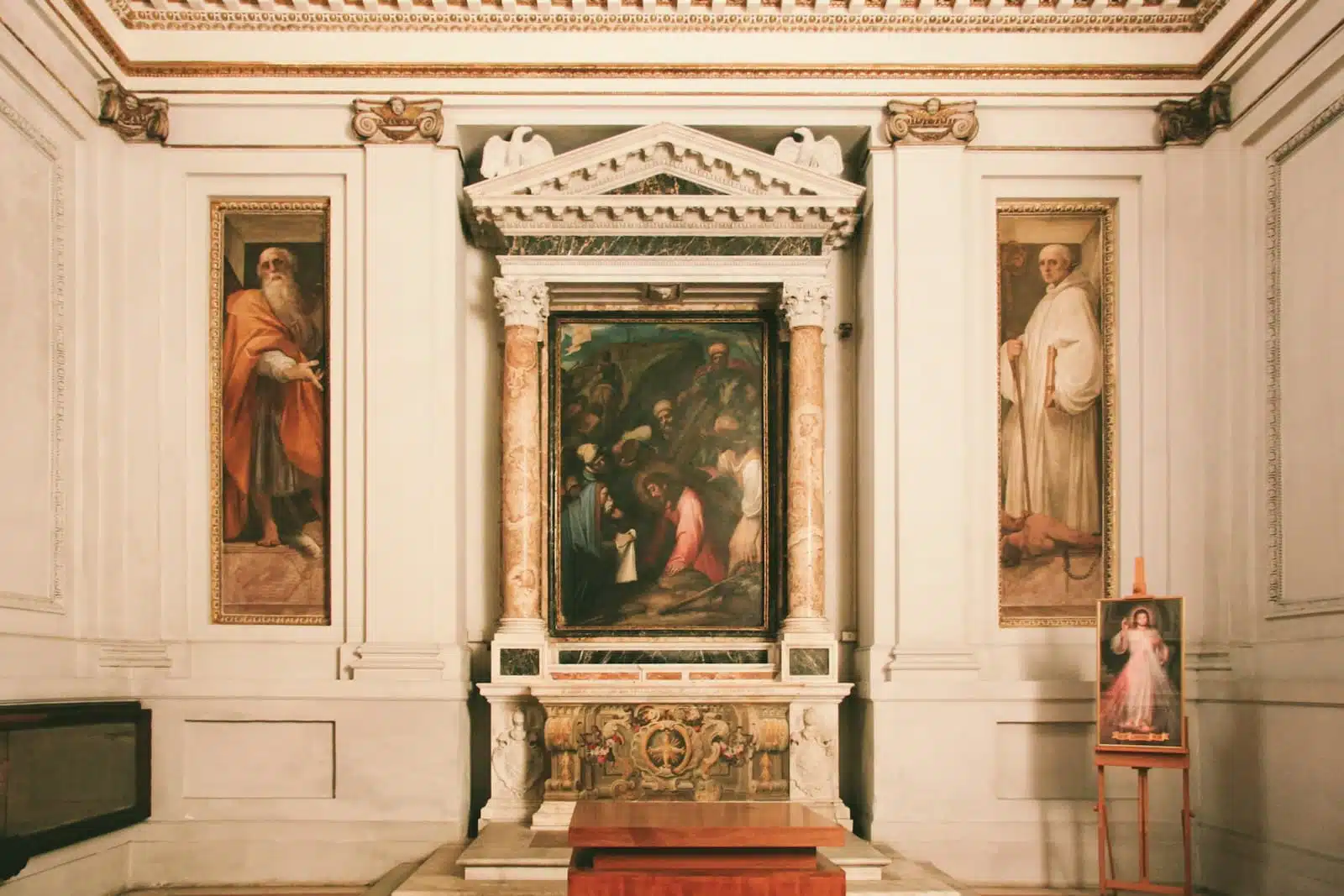
Sforza Castle
This massive fortress dominated Milan during its period as a Renaissance powerhouse. Today it houses several museums including the Museo d’Arte Antica and a sculpture collection that includes Michelangelo’s unfinished Rondanini Pietà, one of his last works.
The castle grounds are beautiful for simply walking around, and locals actually use the courtyards and gardens rather than tourists only visiting for photos. The perspective here is different from other major attractions; you are experiencing a space that remains genuinely integrated into Milan’s city life.
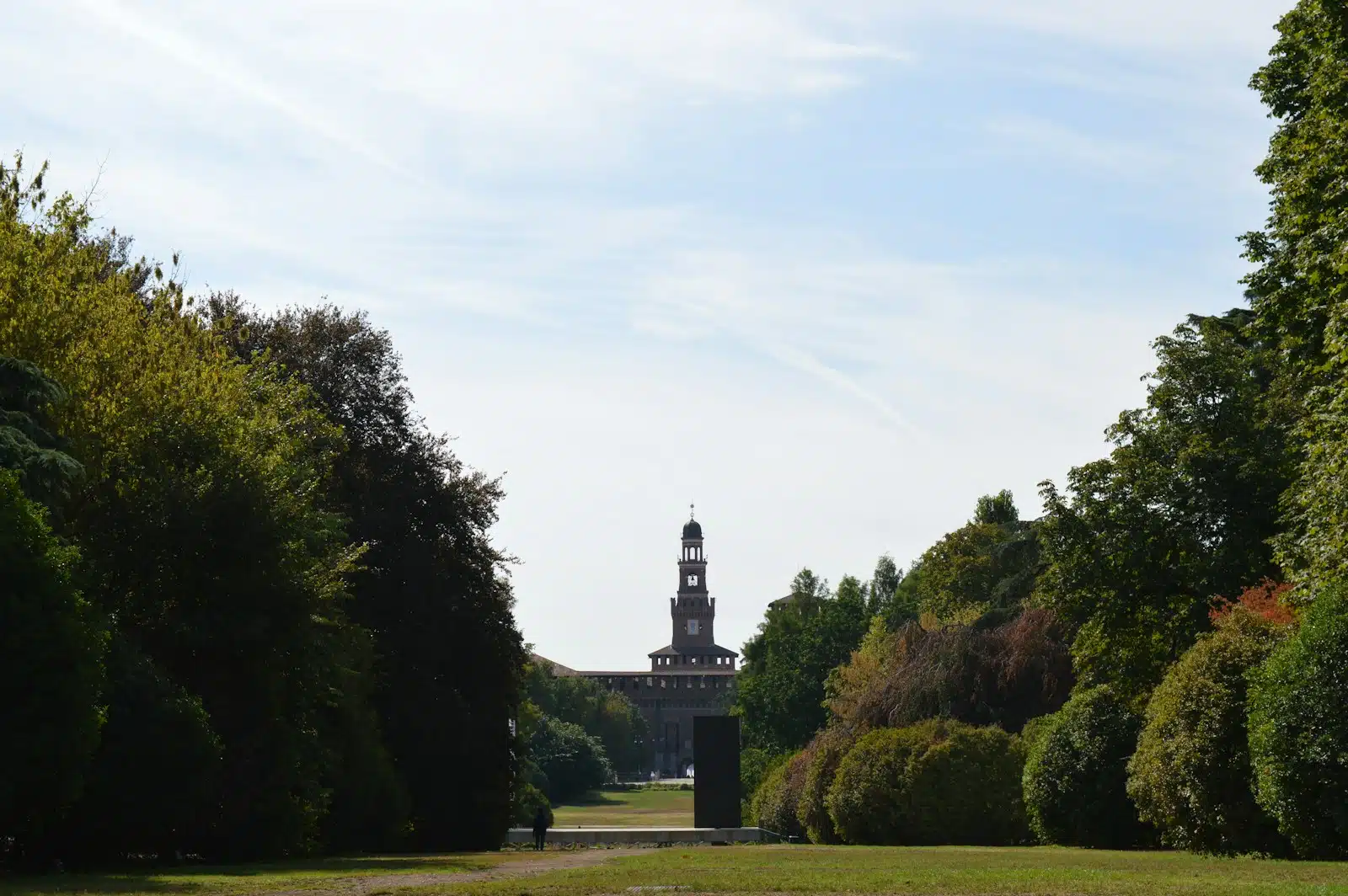
Teatro alla Scala
La Scala is not just a famous opera house; it is one of the most important performance venues in the world. Even if you are not attending a performance, the exterior is worth seeing, and there is a museum inside.
If you can get tickets to a performance, the experience is unparalleled. Milan’s opera season runs from December through May, and the quality of productions is exceptional. Even moderate seats offer an evening you will remember.
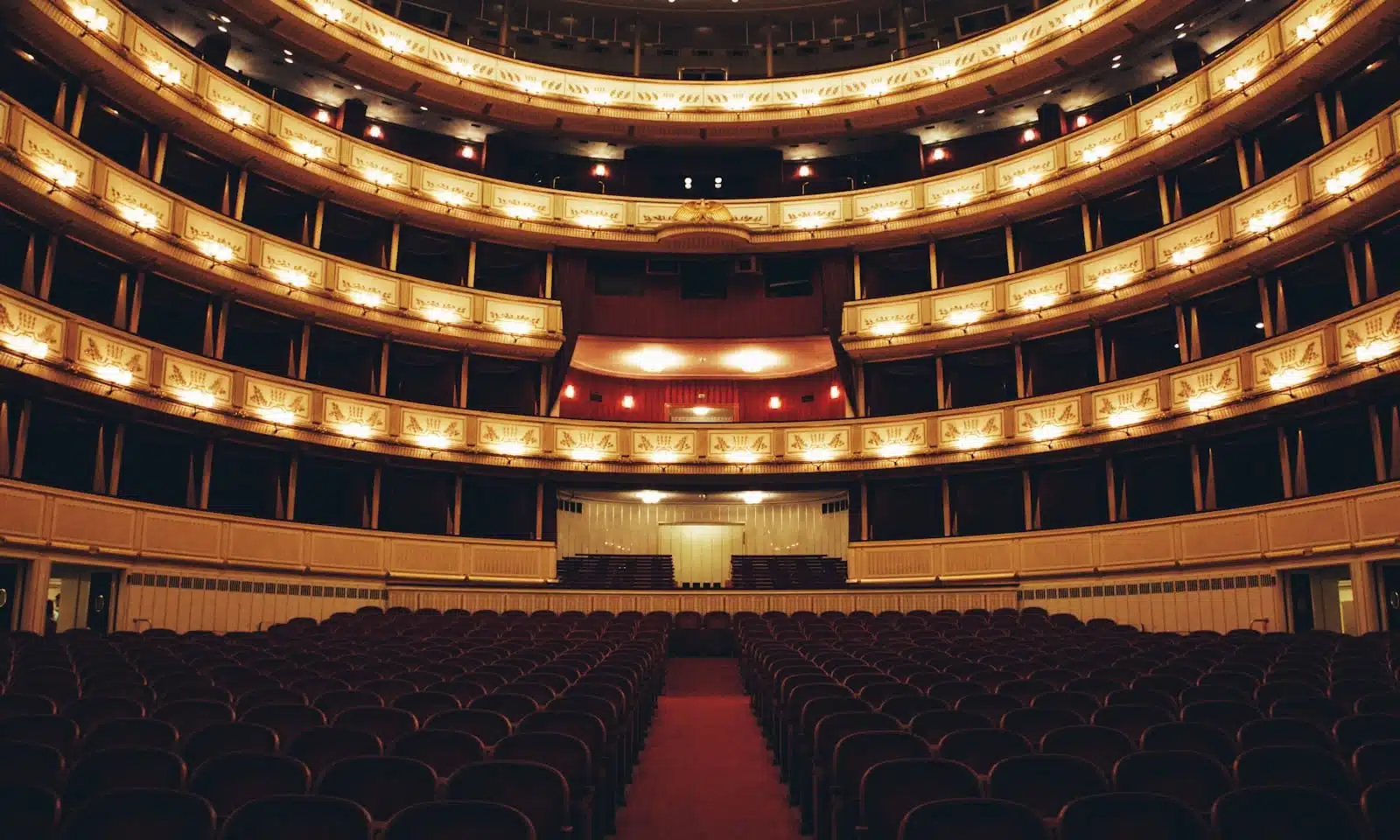
The Navigli
The historic canal district feels like a completely different Milan from the central attractions. Lined with restaurants, galleries, and vintage shops, the Navigli canals were engineered by Leonardo da Vinci and once connected Milan to Lake Como.
Walking here at dusk, you get a sense of how Milanese people actually live. It is less about sightseeing and more about experiencing the city’s quieter, more intimate character.
Planning Your Visit
Milan rewards deep exploration rather than rapid tourism. Dedicate at least three days to doing these attractions justice, and avoid trying to cram everything into one rushed itinerary. Many museums close on Mondays, so plan accordingly.
The Duomo and Last Supper should be booked weeks in advance if traveling during peak season. Beyond these major attractions, get lost in the fashion district around Via Montenapoleone, hunt for design showrooms, and eat properly in neighborhood trattorie rather than tourist restaurants near the cathedral.
The real magic of Milan happens when you stop checking boxes and start understanding why this city has been a cultural powerhouse for 500 years.
Let Do Not Disturb curate your Milan itinerary, from private access to The Last Supper and guided tours of the Duomo’s rooftop to exclusive dining and design experiences across the city. Contact our travel experts to plan a Milan escape that goes far beyond the surface.
Plan your own version of this journey
Speak to Do Not Disturb’s luxury travel experts and turn this moment into something personal.
Related destinations
Suggested articles

Italy vs Greece for Your Honeymoon – Which is Better?
How to Travel Through a European Summer Heatwave
Chianti’s Luxury Villas: Stay Like a Renaissance Noble
Where to Go On Honeymoon? A Guide to Help You Choose

Lake Como vs Lake Garda: Which Italian Lake Is Right for You?
Positano vs Ravello: Where to Stay on the Amalfi Coast

Venice Without the Crowds: Is It Possible?

Sardinia vs Sicily: Which Italian Island Is Right for You?

Experiencing Florence Without the Crowds

Portofino and the Italian Riviera: Italy’s Most Stylish Coastline
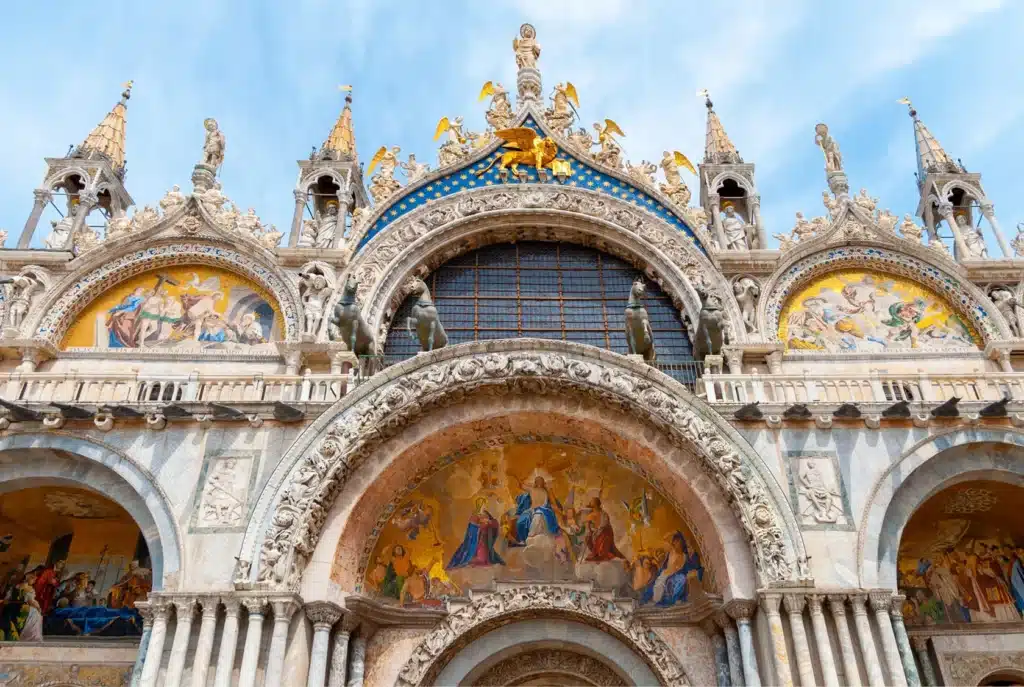
Venice for Art Lovers: Palaces, Churches and Private Views

Romantic Florence: The Ideal Italian Honeymoon

Beyond Rome: Italy’s Most Beautiful Cities