


For Americans with British, Irish, or Scottish ancestry, few journeys feel more personal than tracing your family’s footsteps across the UK. Here’s how to plan a heritage trip that connects you not just to history, but to home.
A heritage trip begins long before you board a plane. The most common mistake travelers make is arriving in the UK with only vague family stories. The more detail you can gather before you go, the more rewarding your journey will be.
Start by collecting family records: names, dates, marriage certificates, old letters, even small details like an occupation or ship name. Each clue helps. Online tools such as Ancestry.com and FamilySearch.org are invaluable for accessing British parish registers, census records, and immigration lists.
Narrow your research to a specific location—county, town, or even village. “My family came from England” is too broad, but “Thomas O’Neill, born in 1885 in County Clare” gives you a place to start. Once you’ve identified that anchor point, you can build a route around it.
Consider working with a local genealogist before or during your trip. They know how to navigate archives, interpret old handwriting, and uncover records that might take you weeks to find on your own. We can connect you with vetted professionals through the Association of Genealogists and Researchers in Archives.
About Do Not Disturb
Do Not Disturb is a luxury travel company specializing in carefully designed journeys and considered experiences. Each itinerary we build for our clients is informed by real destination knowledge, offering insight into places, cultures, and moments that shape how a trip comes together.
If this destination has sparked ideas, the itinerary can be developed into a private journey tailored to your interests and travel style, with hand-picked stays, thoughtful routing, and experiences curated around what matters most to you.
Understanding Regional Heritage
Americans often think of “England” and “the UK” interchangeably, but Britain is a patchwork of distinct regions with different histories, accents, and record-keeping traditions. Where your family came from dramatically shapes your heritage trip.
England divides roughly into the North (industrial heartlands like Yorkshire and Manchester), the rural Southwest (Cornwall, Devon, Somerset), the Midlands, East Anglia, and the Southeast.
Scotland keeps its own records at the ScotlandsPeople Centre in Edinburgh, and clan history adds an extra layer of intrigue.
Wales presents its own linguistic and naming challenges, while Irish research can be complex due to records lost in the 1922 Dublin fire, though excellent archives remain in Belfast and Dublin.
Each region tells a different story, and understanding the local context helps bring your family’s past to life.
Building a Meaningful Itinerary
Once you’ve located your ancestral region, structure your trip to balance research and experience.
A 10–14 day itinerary works well:
- 2–3 days in London or Edinburgh for archives and museums
- 3–4 days in your primary ancestral area
Optional 2–3 days exploring a secondary family line or nearby region
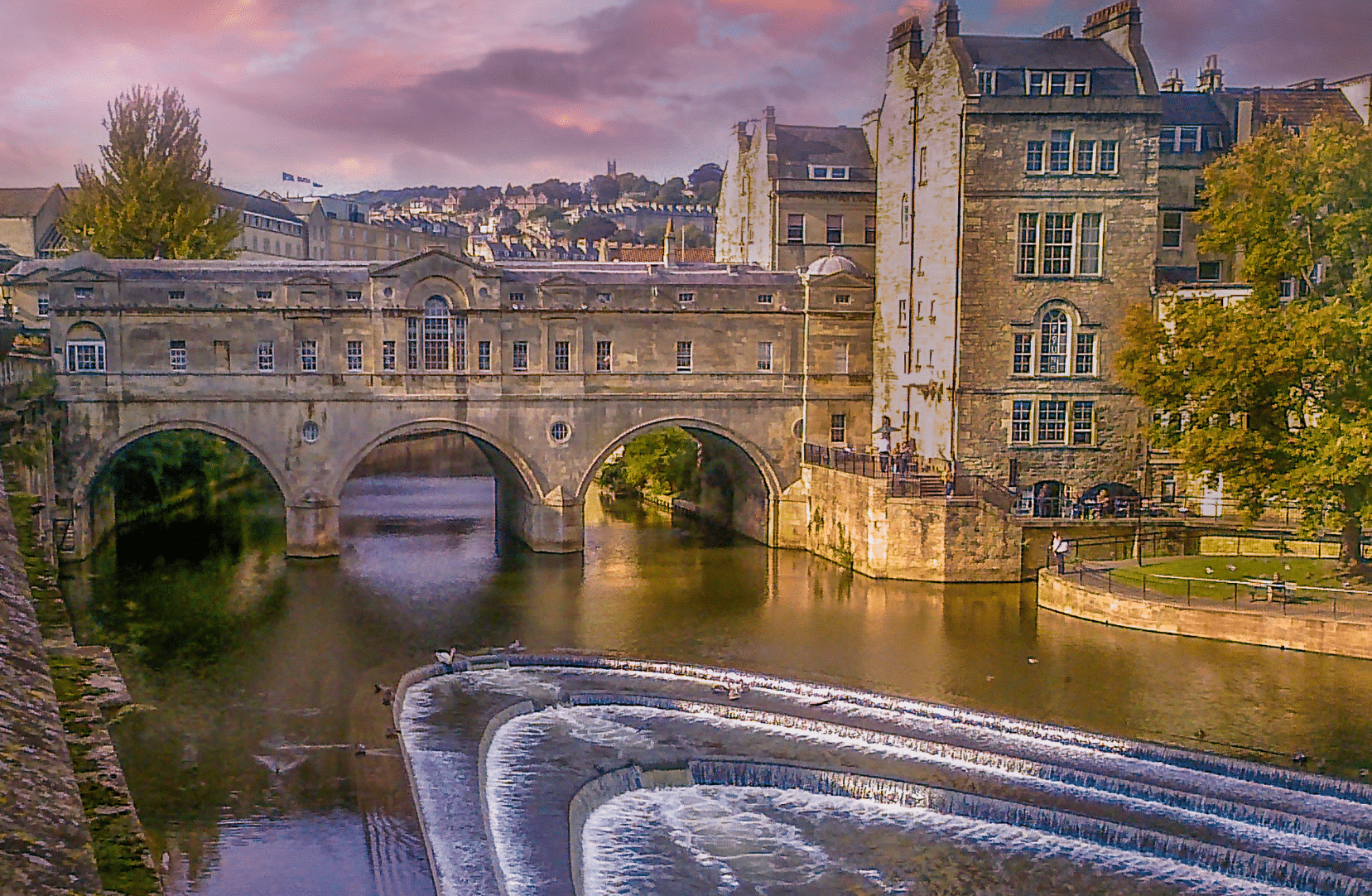
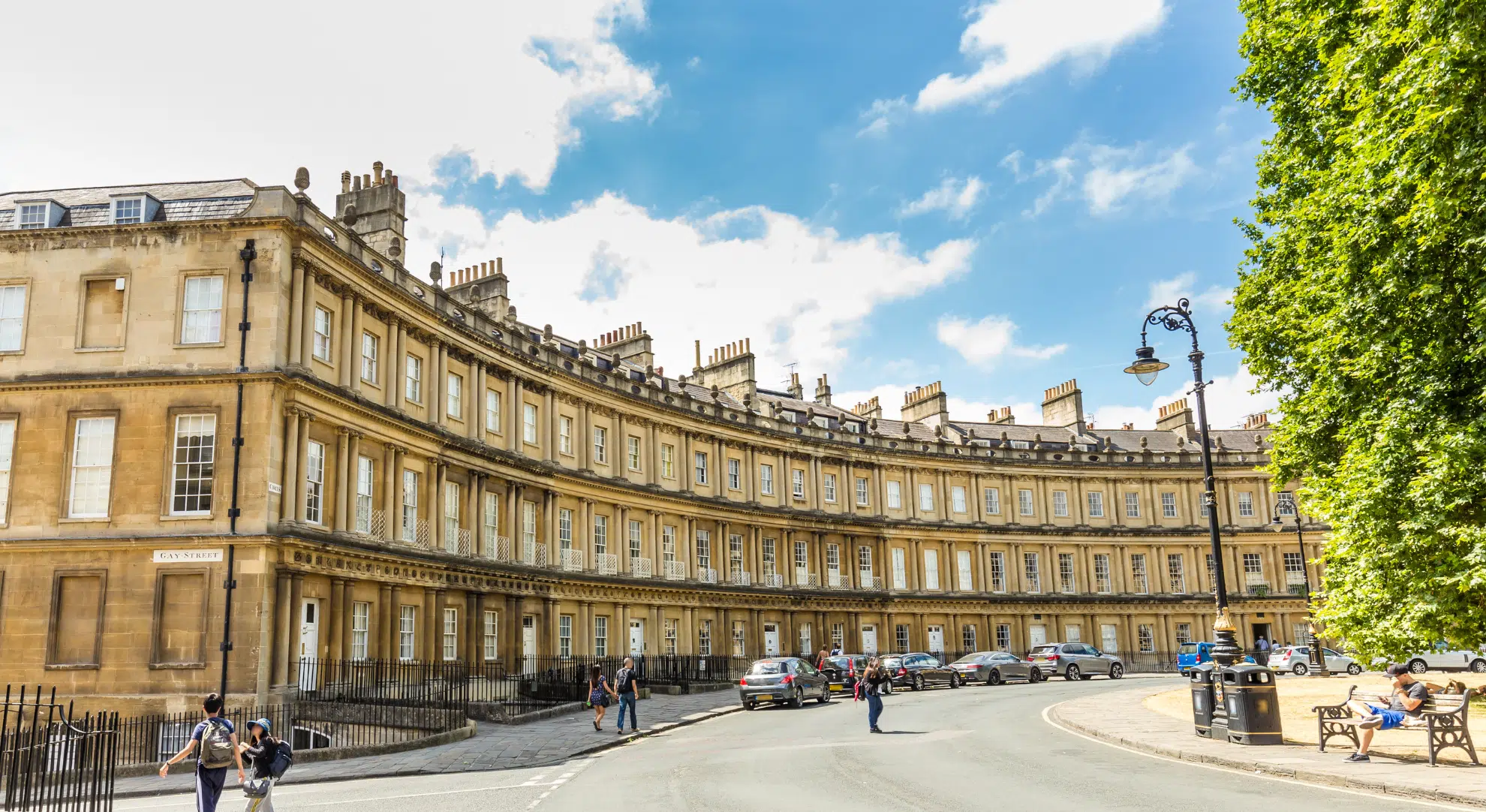
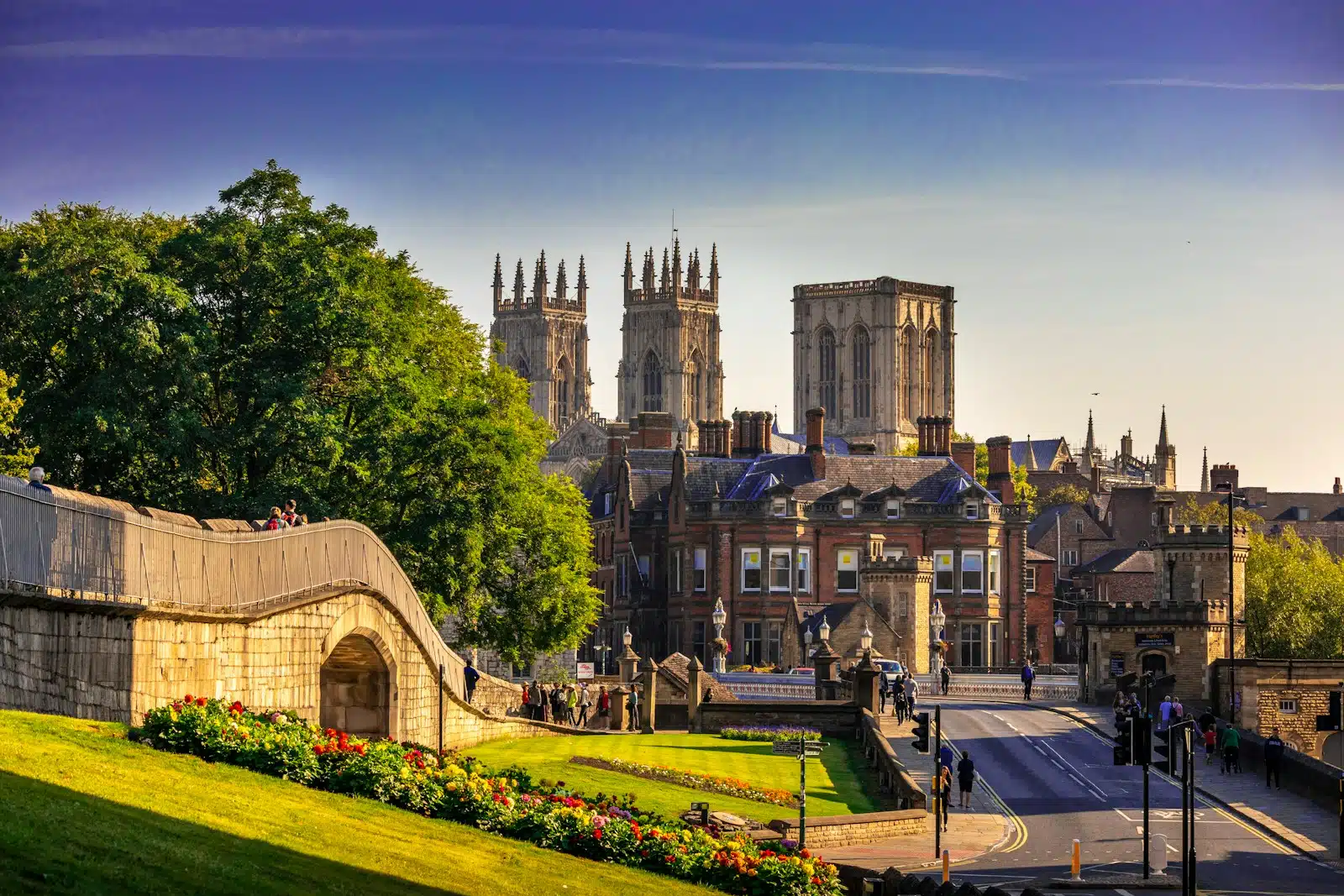
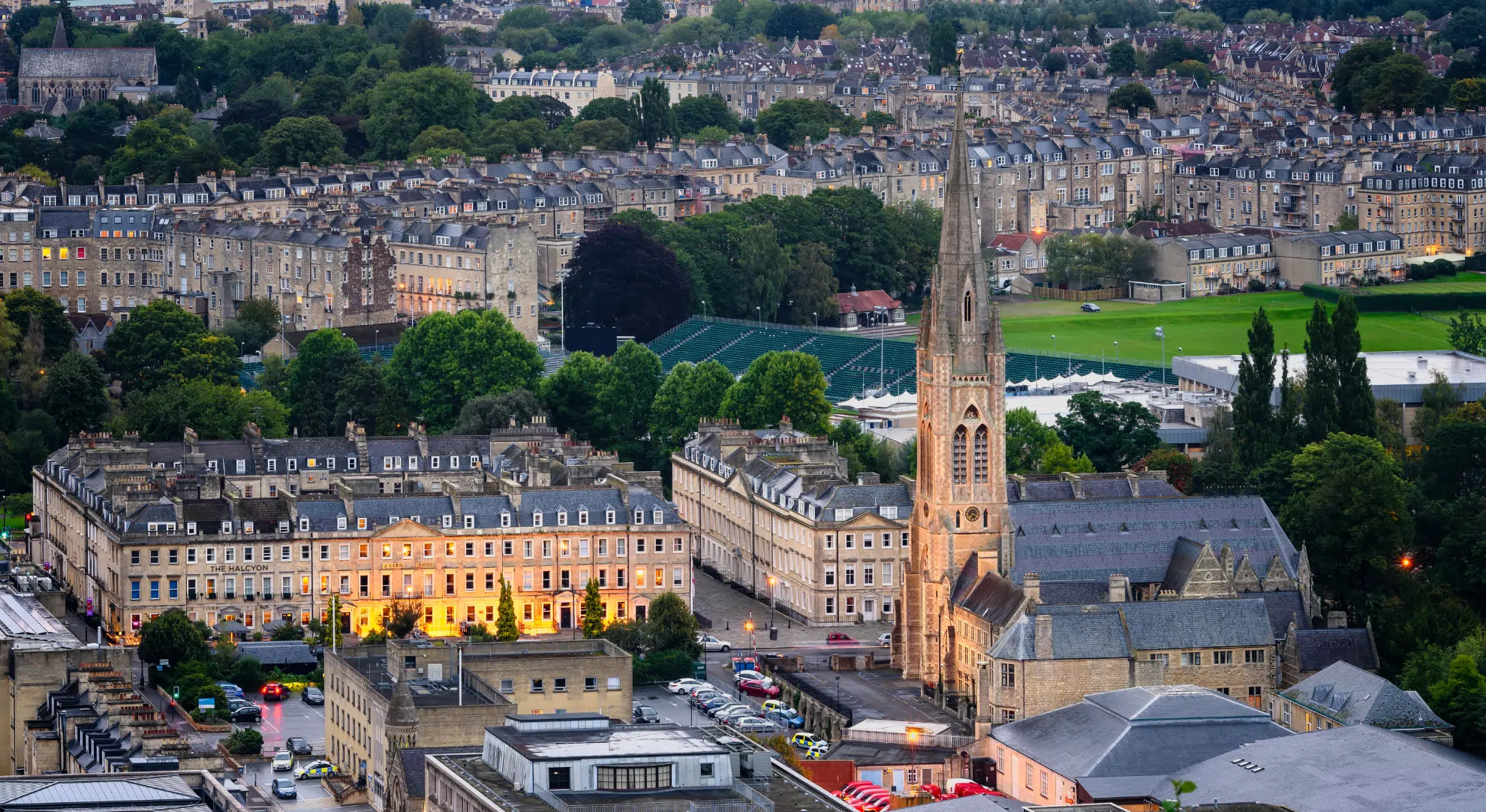
Stay in a nearby market town rather than the exact village. Many rural areas have limited lodging or dining, while towns such as York, Bath, or Stirling make charming bases.
Allow time for archives. Searching parish records, ordering documents, and visiting churches can take longer than expected. The journey works best when unhurried.
What to Expect in Ancestral Villages
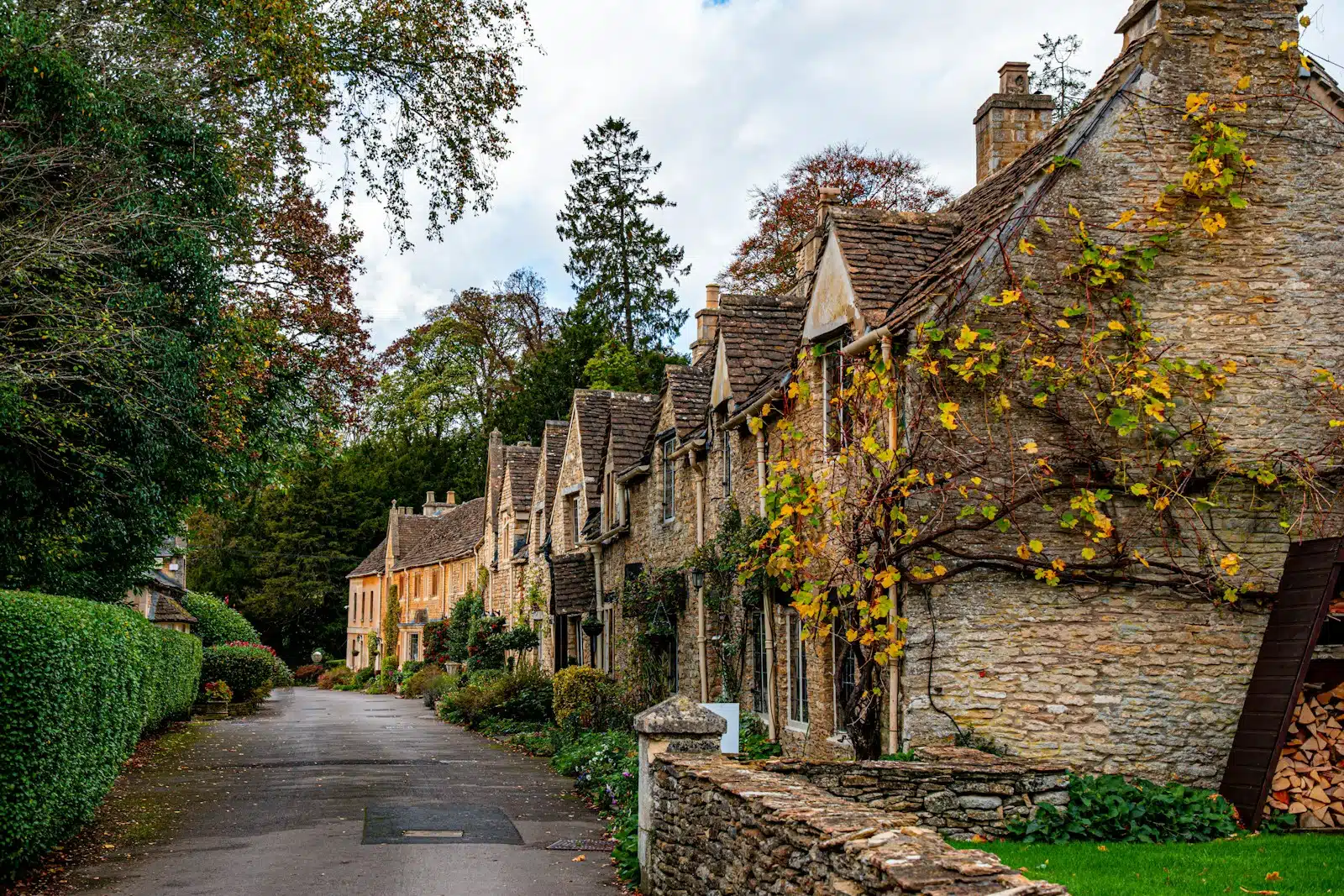
British villages have changed remarkably little in many ways, which is part of their magic for heritage travelers. The church your ancestors attended probably still stands. The pub they drank in might still be serving pints (every town in England has a pub that claims to be the oldest in the country, so be warned). The manor house, the old mill, the village green are likely all recognizable.
Start at the parish church. Most have been there for 500-900 years, and many keep visitor books where you can note your family connection. The churchyard often holds family graves, though stones from before 1800 may be weathered beyond reading. Inside, look for memorial plaques, baptismal registers (some churches display old pages), and stained glass windows donated by local families.
The local history society or heritage center, if there is one, can be invaluable. Volunteers often have deep knowledge of village families and can point you toward specific sites. Some villages maintain their own archives with photographs, maps, and records that aren’t digitized anywhere.

Navigating Archives and Record Offices
If you plan to dig deeper, county record offices and national archives welcome overseas visitors. Most require pre-booking, so contact them weeks ahead and request advice on relevant records.
The National Archives in Kew, near London, is the motherlode of British records, but local archives often hold parish and estate documents that never left the region. Expect quiet rooms, thick leather-bound volumes, and a satisfying sense of discovery.
Blending Heritage with Travel
The beauty of a heritage trip is that you’re not just ticking off tourist sites. You’re traveling with purpose and personal connection. But that doesn’t mean skipping the UK’s incredible attractions.
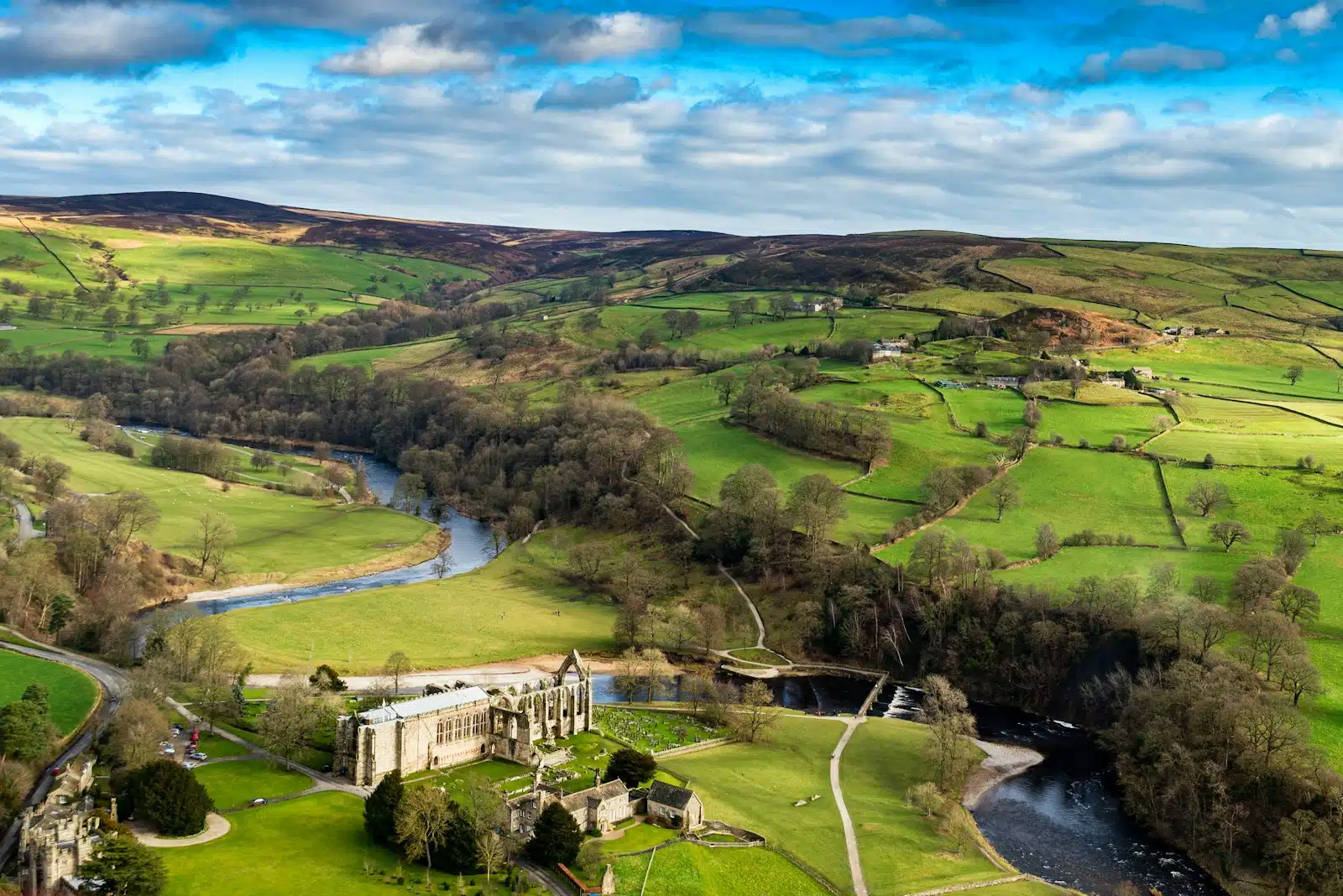
If your family came from Yorkshire, combine archive visits with the stunning Yorkshire Dales, historic York, and maybe a steam railway journey. Scottish heritage naturally pairs with Edinburgh’s majesty, Highland landscapes, and whisky distilleries. Welsh ancestry gives you Snowdonia, medieval castles, and dramatic coastlines.
Many stately homes and historic sites offer insights into the world your ancestors inhabited, even if they were working class rather than aristocracy. Industrial heritage museums, like Beamish in County Durham or the Black Country Living Museum near Birmingham, recreate the environments where many emigrant families worked before leaving for America.
Consider the timeline of your family’s departure. If they left in the 1840s during the potato famine, that’s a different historical context than the 1890s or 1920s. Understanding the push factors (poverty, lack of opportunity, religious persecution) and pull factors (land, jobs, freedom) of their emigration era enriches your journey.
Practical Considerations
Renting a car gives you freedom to reach rural villages and move at your own pace, essential for heritage travel. British roads take getting used to (driving on the left, roundabouts, narrow country lanes), but most Americans adapt within a day or two. Book an automatic transmission if you’re not confident with a manual. The UK is smaller than many US states, so you can get around quite quickly.
Accommodation in ancestral villages is often limited to B&Bs or small country inns. These can be charming and offer a more authentic experience than chain hotels, plus hosts often have local knowledge. We can find the best possible luxury accommodation and place you as close to you’re ancestral town as possible. There may even be accommodation in a former stately home in the vicinity, so you can get the full Downtown Abbey experience.
Budget more time than you think for everything. Finding a specific street, deciphering old handwriting in archives, or simply the logistics of parking and navigating unfamiliar places all take longer than expected.
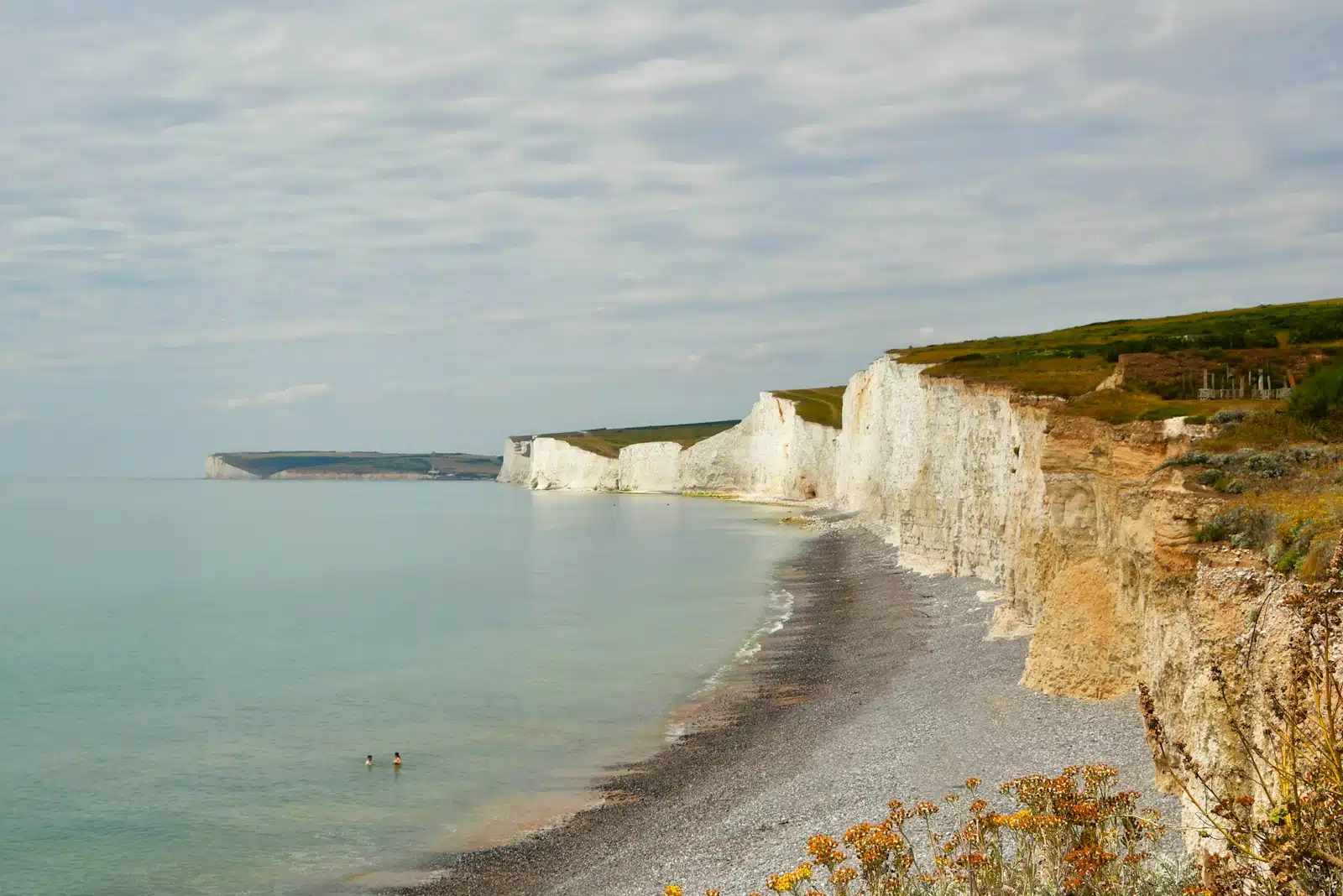
The weather is genuinely unpredictable in the UK, which is a frequent topic of conversation. It could be balmy and temperate or it could rain all day.
The Emotional Journey
Be prepared for the emotional impact of heritage travel. Standing where your ancestors stood, seeing their names in old records, understanding the hardships they faced before leaving for America can be unexpectedly moving.
Some travelers find graves and feel deep connection. Others are disappointed when villages have changed too much or when the trail goes cold. Manage your expectations. You might not find everything you’re looking for, and that’s okay. The journey itself becomes part of your family story.
Bring a journal to record your experiences, thoughts, and details you might forget later. Take photos not just of sites but of your emotional reactions and discoveries.
Consider documenting your trip for family members back home. Many heritage travelers create photo books, write up their findings, or give presentations to relatives. You’re not just taking a personal journey but potentially recovering history for your entire extended family.
After You Return
Once home, organize what you found, digitize records, label photos, and share your discoveries with family. Online communities often connect travelers with distant cousins who remain in the UK.
DNA testing can expand your network further, revealing relatives and uncovering new branches of your heritage to explore on a future trip.
The Gift of Connection
In an increasingly globalized world, there’s something anchoring about knowing where you come from. A heritage trip to the UK isn’t just a vacation. It’s a form of homecoming, a way of understanding the choices and courage that brought your family to America, and a chance to walk in the literal footsteps of the people who made you possible.
The UK’s landscape holds your history. Its archives preserve your family’s records. Its villages remember names that might otherwise be forgotten. All you have to do is show up, ask questions, and be open to the stories waiting to be discovered.
Your ancestors made an enormous leap crossing the Atlantic, leaving everything they knew for an uncertain future in America. The least you can do is make the journey back, to see where it all began, to honor their memory, and to understand yourself a little better in the process.
At Do Not Disturb, we design heritage journeys that connect you to your family’s story. From pairing you with professional genealogists and arranging archive visits, to placing you in elegant hotels near your ancestral villages, we’ll build a bespoke itinerary that balances research with discovery. Your perfect heritage trip begins with us.
Plan your own version of this journey
Speak to Do Not Disturb’s luxury travel experts and turn this moment into something personal.
Related destinations
Suggested articles

The Most Romantic Train Journeys for a Slow Honeymoon
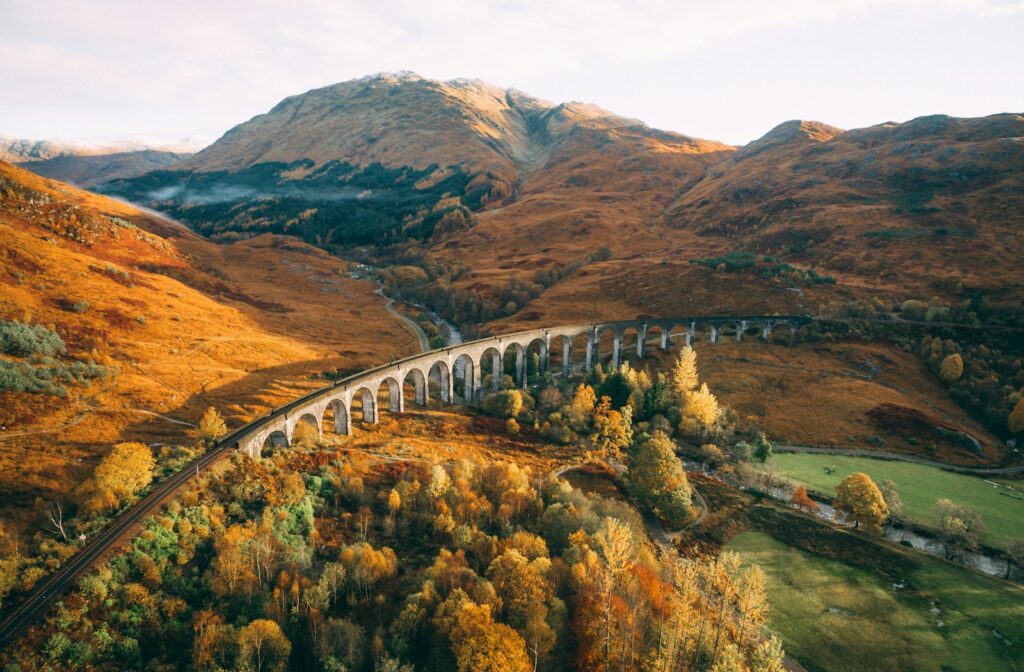
Ireland vs Scotland: Which Luxury Escape Fits Your Travel Style?

The Do Not Disturb Guide to Luxury Travel in the UK

The Chancery Rosewood: Inside London’s Most Exclusive New Hotel

The Best Royal Experiences in Scotland: A Journey Through Royal History

The Best Christmas Markets in England for 2026

Discover Regency England: Jane Austen and Bridgerton Tour
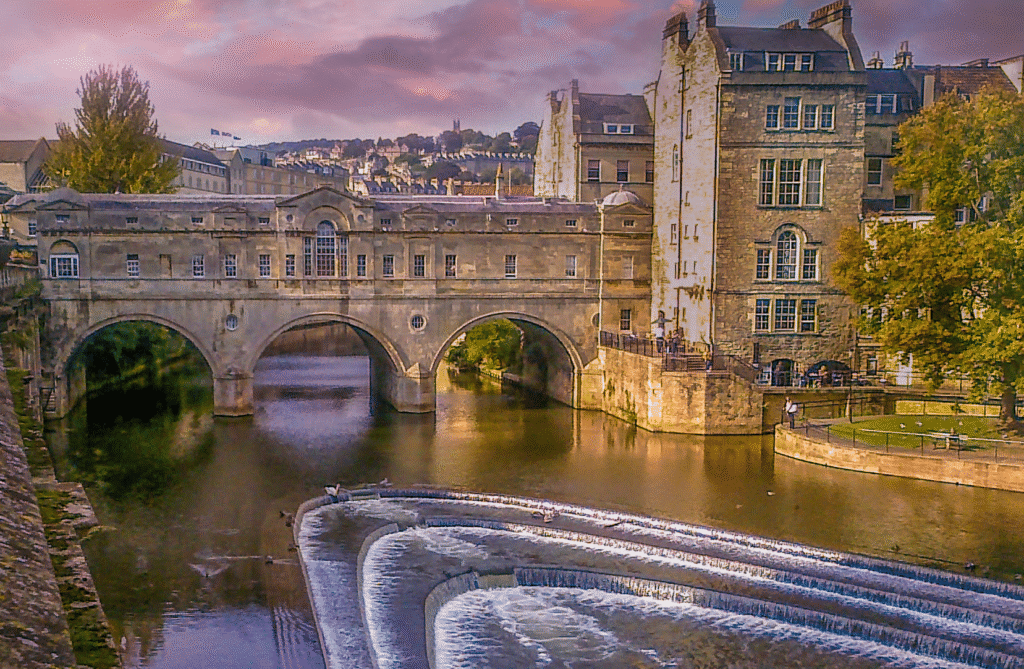
24 Hours in Bath: A Perfect English Experience

One Island or Two? Splitting Your Maldives Honeymoon Between Resorts

Best Honeymoon Destinations for Autumn

Italy vs Greece for Your Honeymoon – Which is Better?

48 Hours in Lima: Where to Eat, Stay and Explore

A Cultural Honeymoon in Peru: Machu Picchu, Cusco, the Sacred Valley and the Amazon