
On this page
From Belle Époque façades to sun-bleached fishing coves, the French Mediterranean tells two stories. Nice and Marseille are a study in contrast. One moves with Riviera ease, the other with restless energy, each offering a different way to experience the sea.
The question divides travelers along predictable lines: are you seeking elegance or a city with a bit of edge? Yet this binary framing oversimplifies two remarkably different experiences, both valuable, neither universally superior.
Nice reigns as the Queen of the Riviera, France’s fifth-largest city and second most popular destination after Paris. Marseille, France’s second-largest city and oldest (founded by Greeks in 600 BC), operates as a working port where tourism remains secondary to actual urban life. One feels engineered for visitors; the other welcomes but doesn’t pander to them. Both cities are impeccably but in very different ways.
Atmosphere and First Impressions
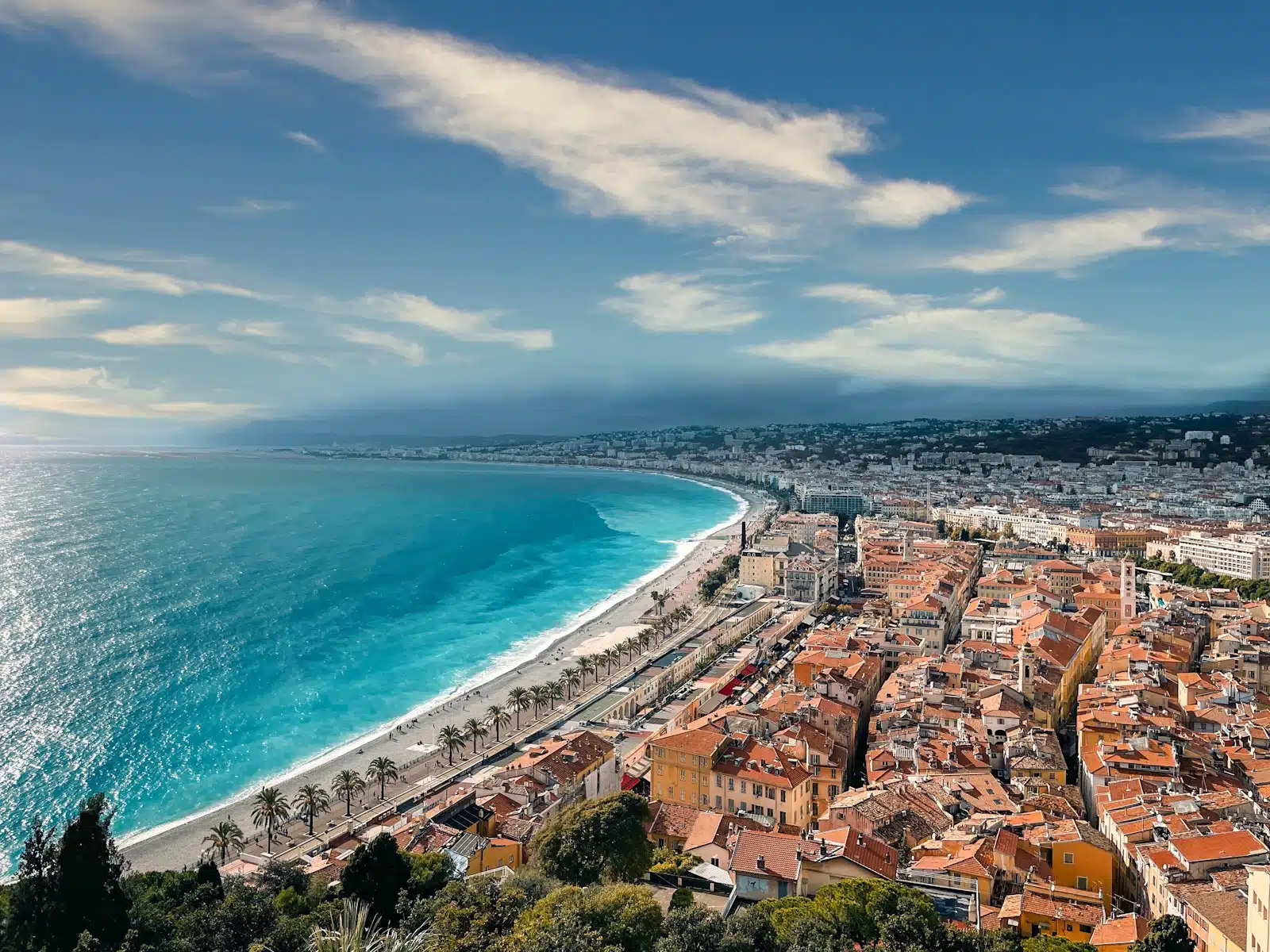
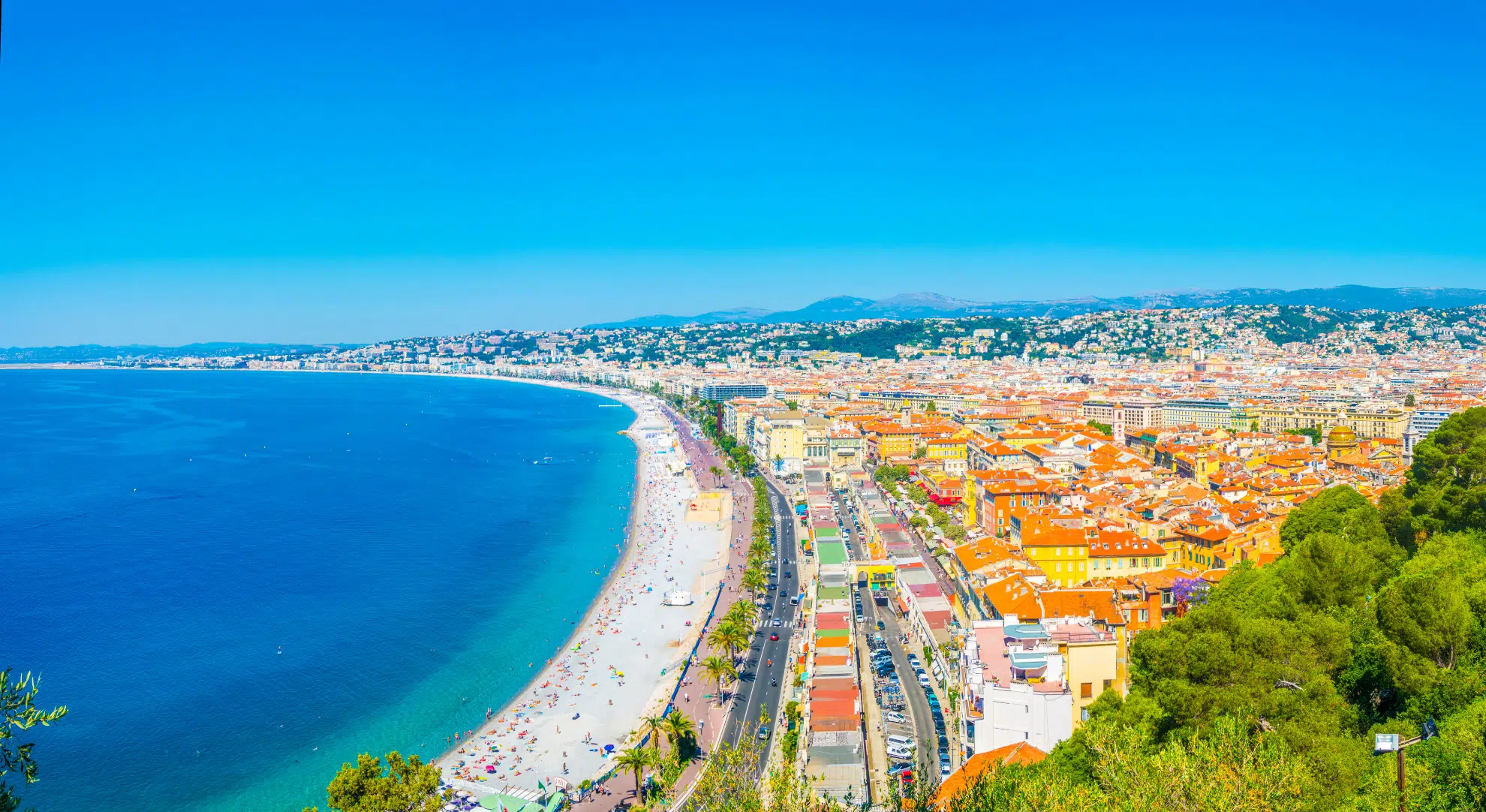
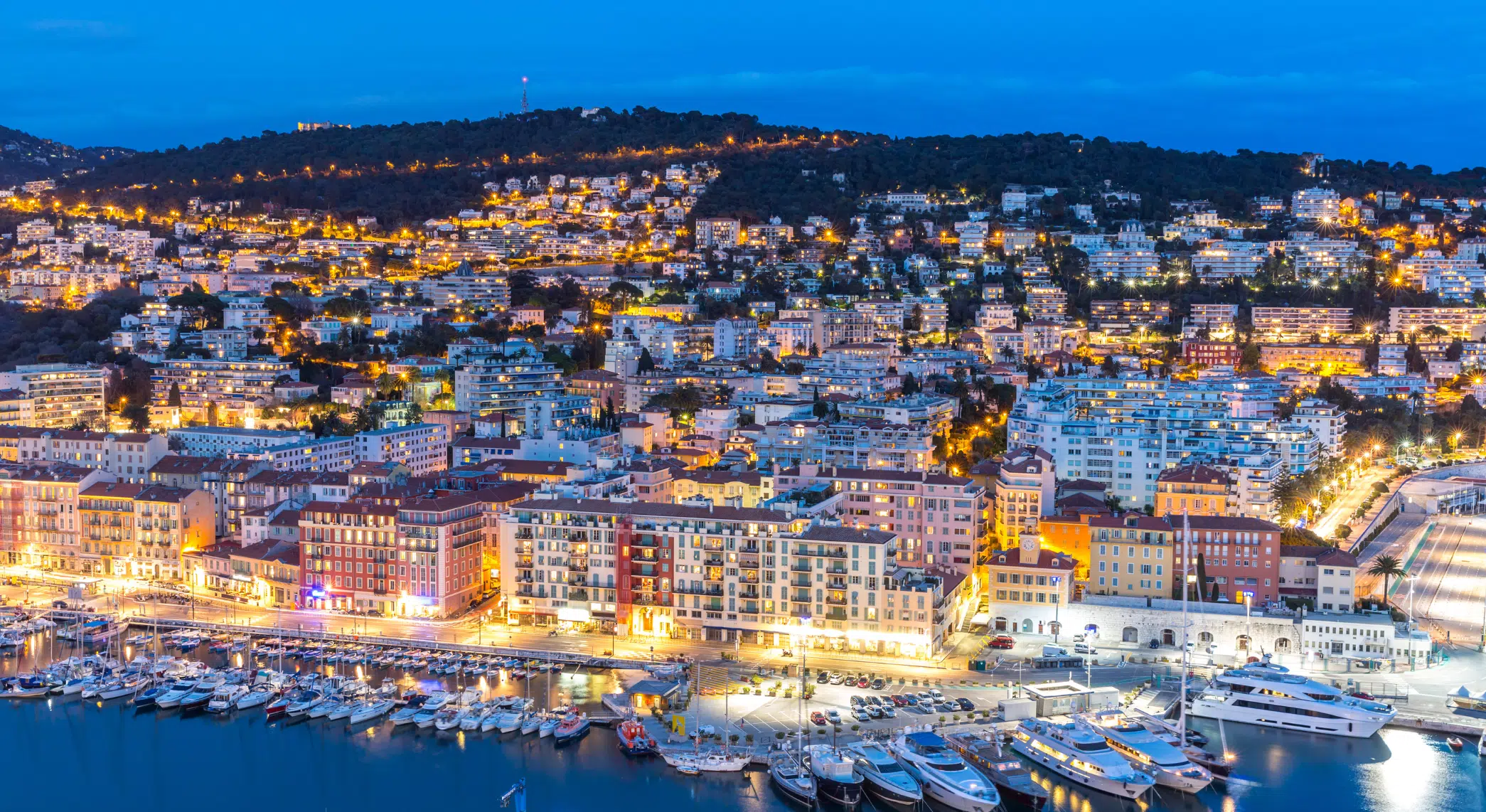
Walking the Promenade des Anglais at sunset, palm trees silhouetted against the bay, Belle Époque hotels glowing golden along the waterfront, you understand immediately what Nice represents: studied elegance, glamor, Mediterranean beauty refined for comfortable consumption. The Old Town provides controlled rusticity. English is spoken everywhere, menus accommodate international preferences, infrastructure smoothly facilitates tourism.
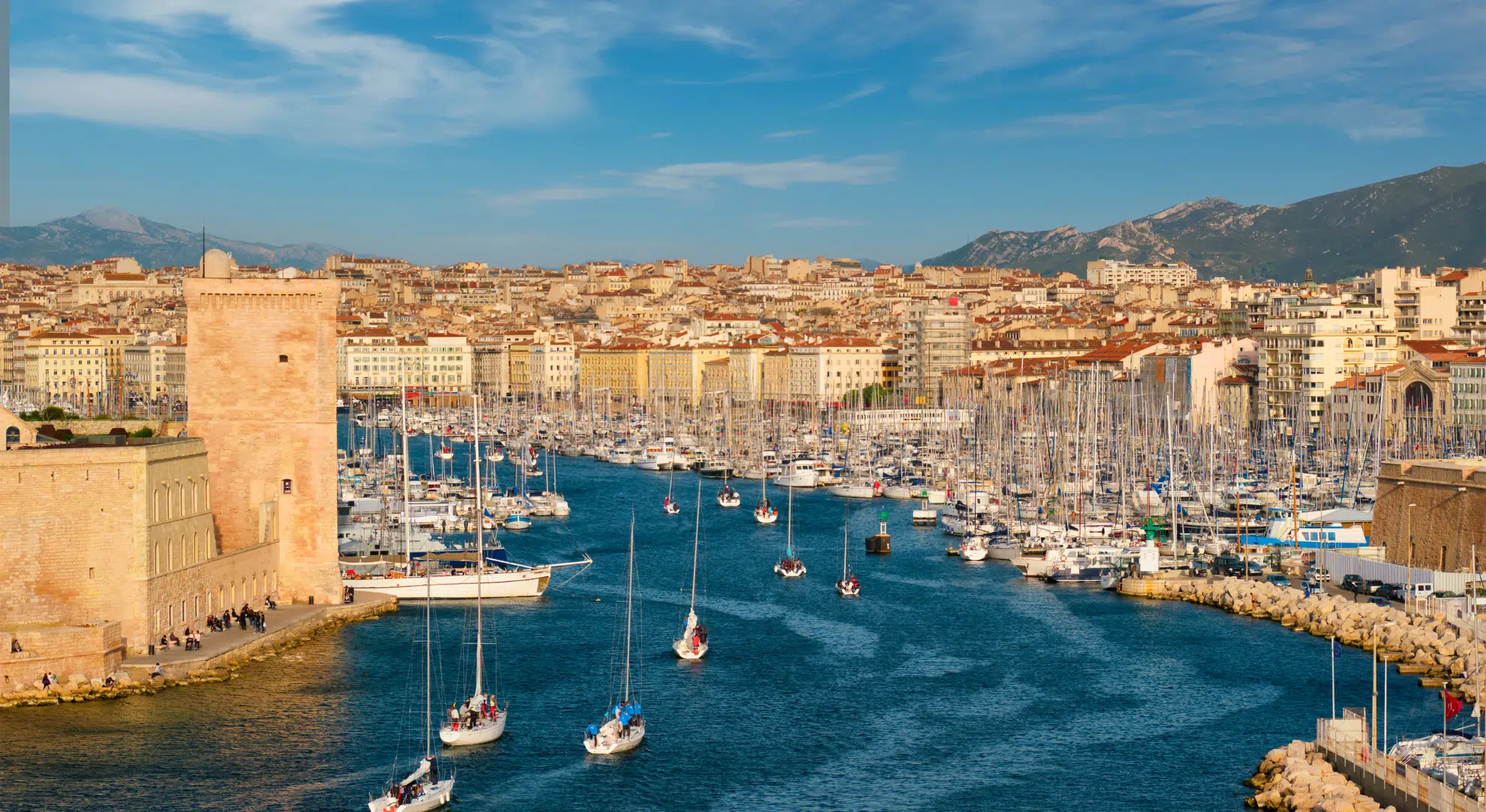
Marseille’s Vieux Port vibrates with a different energy. Fishermen hawk overnight catch from traditional boats while chefs negotiate in rapid Provençal French. North African vendors sell spices in Noailles market. Street art covers entire buildings in Le Panier. The city smells of fish, pastis, and bouillabaisse. It feels emphatically French, specifically Marseillais, and largely unconcerned with tourist approval.
Architecture and Urban Design
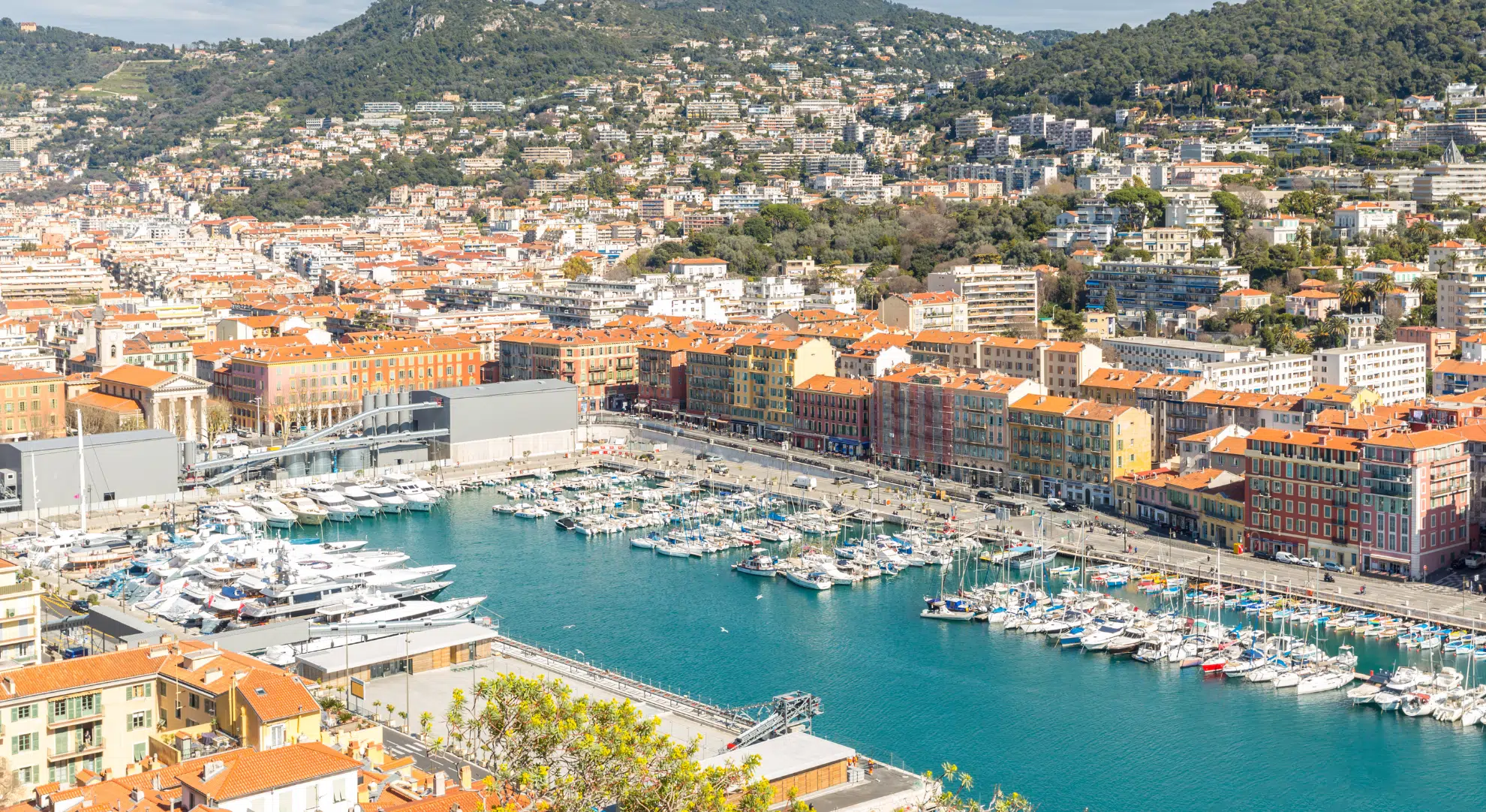
Nice’s Baroque and Belle Époque architecture creates visual harmony: the red-and-white Place Masséna, the elaborate Russian Orthodox Cathedral, 17th-century Italianate buildings climbing toward Castle Hill. The Promenade stretches seven kilometers of palm-lined perfection.
Marseille juxtaposes medieval Le Panier with Norman Foster’s gleaming mirrored canopy at Vieux Port, Rudy Ricciotti’s concrete lattice MuCEM museum with 13th-century Fort Saint-Jean. The result is less harmonious, more exciting. The Basilique Notre-Dame de la Garde crowns the city from 157 meters, its gold Virgin visible everywhere, while Art Deco opera houses compete with graffiti murals.
Cultural Attractions
Nice concentrates world-class art museums in walkable proximity. The Musée Matisse displays 31 paintings and 400 drawings. The Musée National Marc Chagall houses his Biblical Message cycle. MAMAC showcases Pop Art and Yves Klein. The Musée des Beaux-Arts contains Rodin’s “The Kiss.”
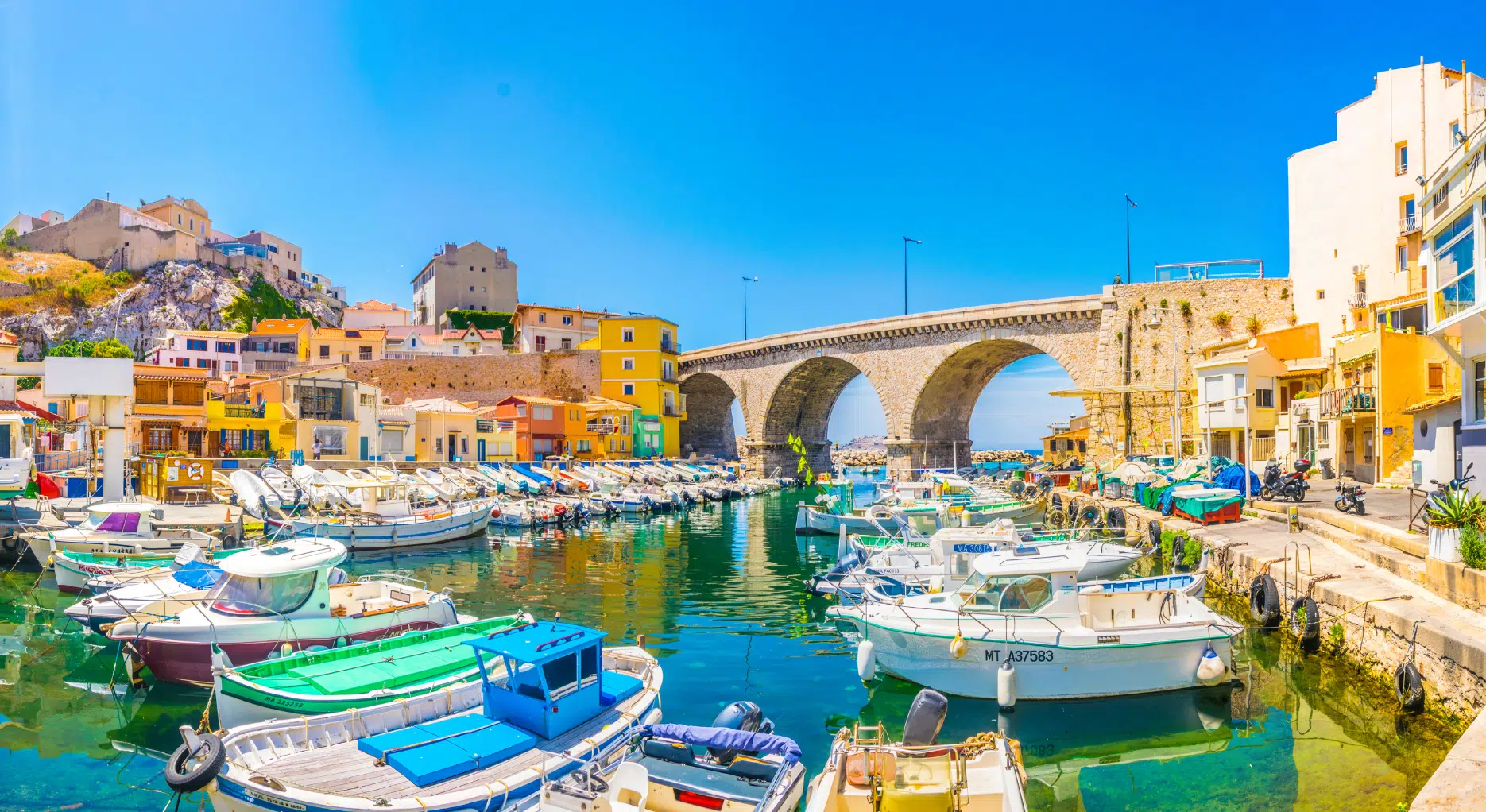
Marseille counters with MuCEM, dedicated to Mediterranean civilizations, its rooftop delivering spectacular views. The Palais Longchamp houses fine arts and natural history with free entry. Yet Marseille’s greater offering is the city itself: Le Panier’s street art, multicultural markets, 5th-century Abbey of St-Victor, and the theatrical ascent to Notre-Dame de la Garde.
The Beach Question
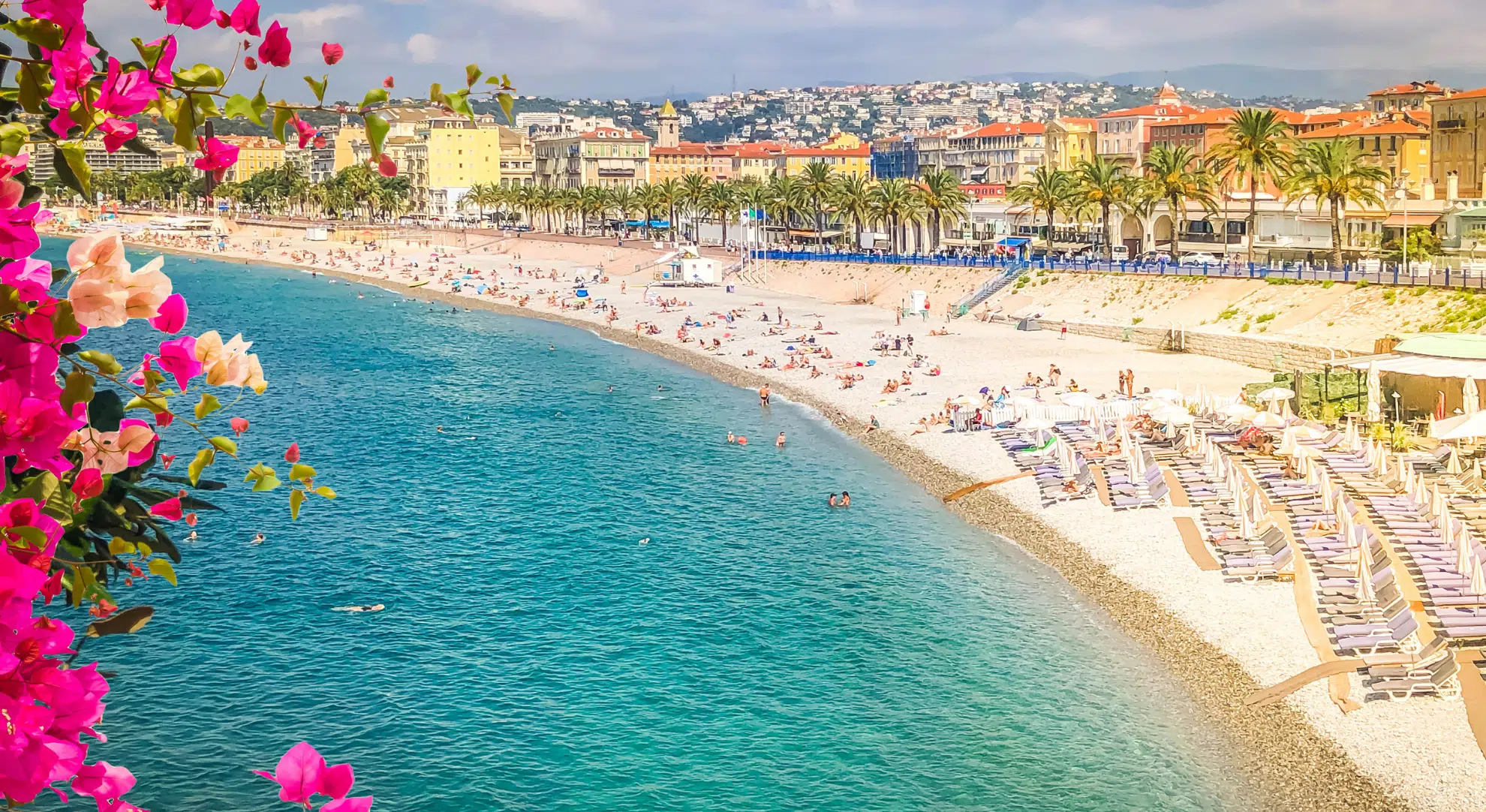
Nice’s beaches are famously pebbly, requiring water shoes for comfortable entry. What they offer is convenience (steps from the Promenade) and excellent facilities through private beach clubs. The pebbles maintain clarity and avoid sandy discomfort, yet most visitors expecting Mediterranean beaches feel initial disappointment.
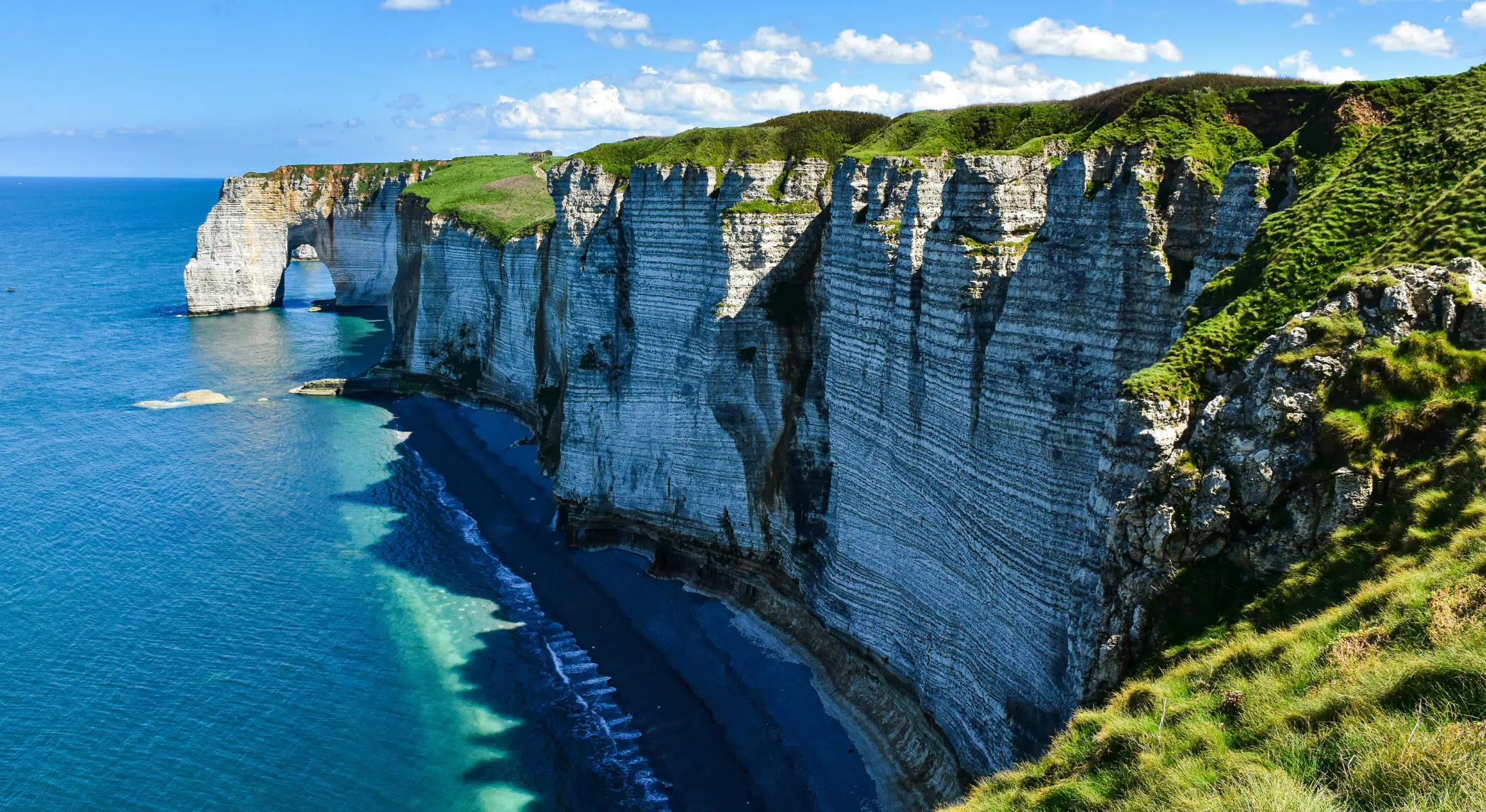
Marseille provides variety. Plage des Catalans offers sandy convenience with volleyball nets and neighborhood atmosphere. Prado beaches stretch 3.5 kilometers with lifeguards and restaurants. But Marseille’s trump card is the Parc National des Calanques: dramatic limestone cliffs plunging into turquoise water, accessible via hiking or boats, offering swimming in rocky inlets of extraordinary beauty.
Food Culture
Nice’s cuisine blends French and Italian influences. Socca (chickpea pancakes), pissaladière (onion tart), authentic salade Niçoise, and pan bagnat showcase Provençal simplicity. Restaurants range from casual to Michelin-starred.
Marseille’s signature bouillabaisse demands pilgrimage. This saffron fish stew requires a two-hour commitment. Chez Fonfon at Vallon des Auffes remains iconic. Yet Marseille’s real strength is diversity: think North African couscous, Italian influences, Provençal classics, and panisse.
Tourism Infrastructure
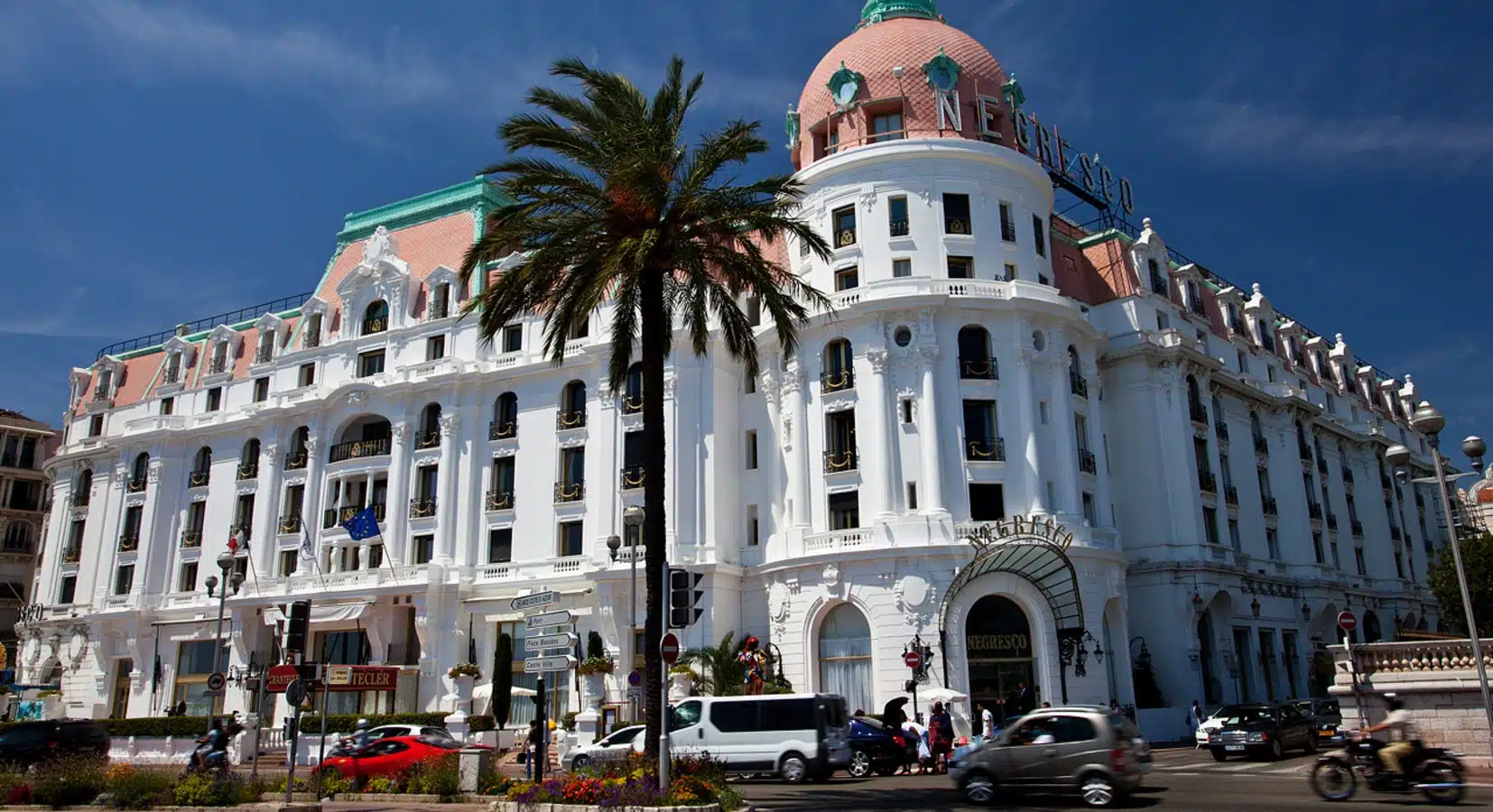
Nice excels at making tourism effortless. The airport sits 30 minutes from center via tram. Three tram lines and extensive buses connect attractions. Hotels span every budget with particular strength upscale. English proficiency is high, tourist information abundant, infrastructure designed around visitor needs.
Marseille requires more navigation. The airport sits 27 kilometers out with shuttle buses taking 30-50 minutes. Two metro lines and buses cover the city, but attractions spread more widely. Accommodations cost less but offer fewer luxury options. English is less prevalent. Some northern neighborhoods are genuinely unsafe and best avoided.
Safety Perception
Nice feels safe because it largely is. Standard precautions against pickpockets suffice. Old Town remains pleasant for evening strolls. The atmosphere is that of a well-managed resort city.
Marseille carries a reputation as France’s most dangerous city. Reality is more nuanced: gang violence exists but concentrates in northern suburbs where tourists never venture. Tourist-focused arrondissements present no greater danger than Barcelona or Rome. Vieux Port, Le Panier, and the Corniche are safe during daylight; standard urban caution applies at night.
Day Trip Possibilities
Nice positions you for Riviera glamor. Monaco sits 30 minutes away by train. Medieval Èze perches dramatically above the coast. Cannes offers film festival culture 40 minutes away. Antibes showcases Picasso’s museum. Saint-Paul-de-Vence provides medieval perfection. The entire Côte d’Azur unfolds as your playground.
Marseille opens Provence culture. Aix-en-Provence sits 25 minutes by train, offering elegant boulevards and Cézanne’s studio. The Calanques provide hiking minutes from the city. Arles displays Roman ruins an hour away. Avignon’s papal palace sits an hour distant. Cassis makes an ideal half-day escape.
The Verdict
Choose Nice if you prioritize convenience, world-class art museums, elegant resort atmosphere, easy English communication, proximity to Monaco and Cannes, Belle Époque architecture, upscale dining, family-friendly infrastructure, or simply want Mediterranean beauty in refined form.
Choose Marseille if you seek authentic urban France, multicultural food at better value, natural beauty in the Calanques, access to Provence culture, vibrant street art, working-city energy, adventure and exploration, fewer tourists and more locals.
The sophisticated solution: they sit 2.5 hours apart by TGV. Visit both, spending two to three days in each to understand how profoundly French Mediterranean cities can differ. Experience Nice’s refinement at sunset, then contrast it with morning bouillabaisse at Marseille’s fishing cove. Admire Matisse in Nice, then scramble through calanques outside Marseille.
From Belle Époque promenades to Calanque cliffs, travel the line between France’s elegant Southern city and its edgy Southern city. Get in touch and we’ll start planning your next French escape.