On this page
From the rolling vineyards of Bordeaux to the sparkling cellars of Champagne, France is a sensory masterclass in wine culture. This guide reveals how to plan a wine tasting trip that goes beyond the glass, unlocking the stories, landscapes, and savoir-faire behind the country’s finest bottles.
France invented the language of wine. The vocabulary we use globally (terroir, appellation, cru) comes from centuries of French winemakers refining their understanding of how soil, climate, and human skill combine to create your favorite tipple. Planning a wine trip here isn’t about checking off famous names. It’s about understanding why these regions matter, how they differ, and what you need to know to experience them properly.
The essential truth: you cannot see everything. France has over 300 appellations spread across wildly different landscapes. The smart approach is choosing one or two regions, spending proper time there, and leaving with genuine knowledge rather than superficial impressions. You may also leave with a selection of the finest bottles you’ve ever tasted.
The Geography of French Wine
French wine regions follow geological and climatic logic. Burgundy lies on ancient limestone seabeds in eastern France, producing elegant Pinot Noir and Chardonnay. Bordeaux straddles the Gironde estuary in the southwest, its gravelly left bank and clay-limestone right bank creating different expressions of Cabernet Sauvignon and Merlot. Champagne sits on chalk in the northeast, its cool climate perfect for sparkling wine production.
The Loire Valley stretches 1,000 kilometers along France’s longest river, offering everything from crisp Muscadet near the Atlantic to flinty Sancerre in the east. The Rhône Valley divides into steep northern granite slopes (producing intense Syrah) and the sun-baked southern galets where Grenache thrives. Alsace runs along the German border, its Germanic varietals and half-timbered villages feeling distinctly Franco-German.
Each region developed its identity over centuries, shaped by monastic winemaking, noble patronage, and merchant distribution networks. Understanding this history enriches every tasting.
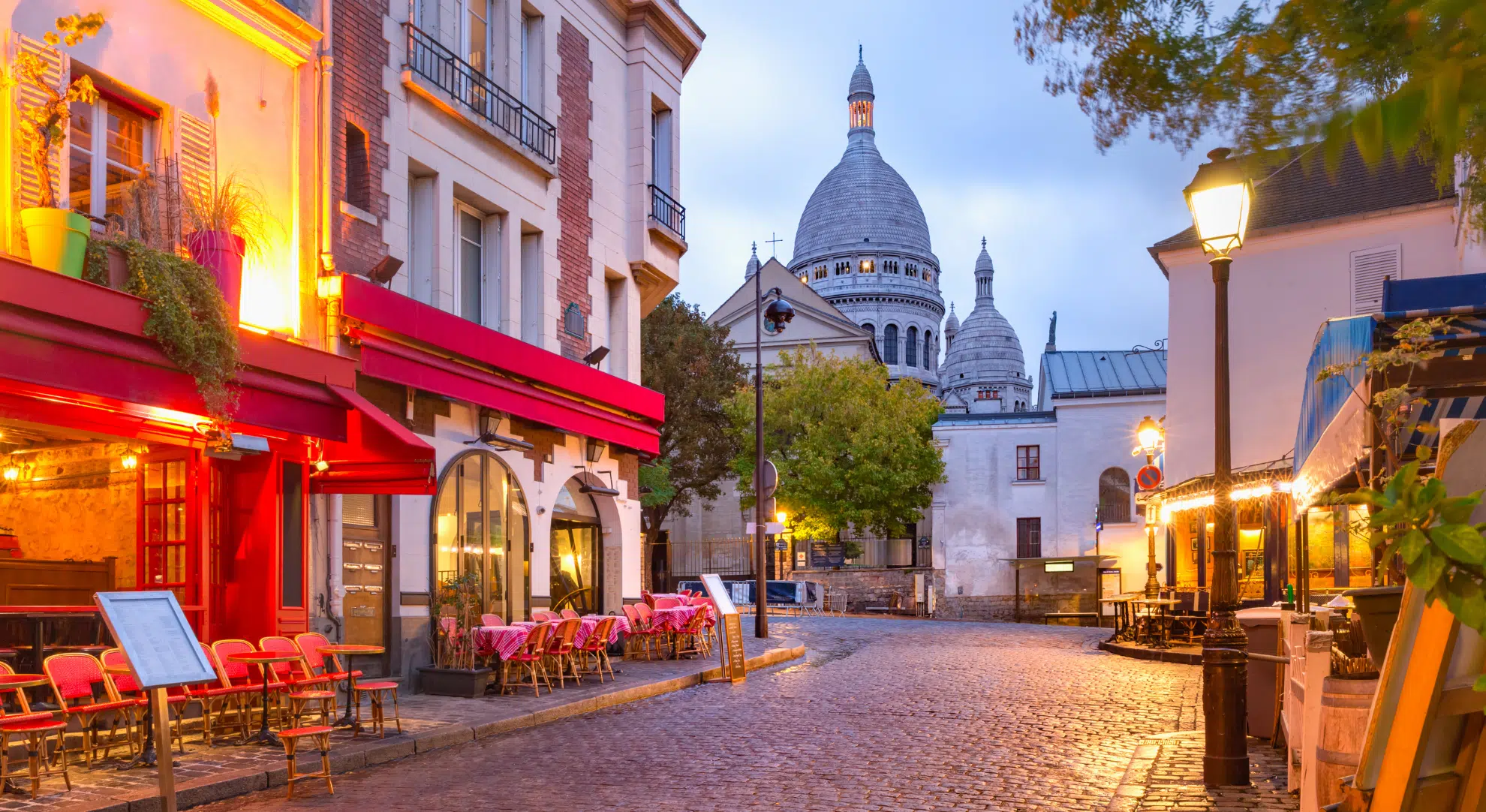
Burgundy
Burgundy wines are among the world’s most expensive and sought-after, the vineyards divided into thousands of tiny climats (precisely defined parcels), and the winemakers protective of their limited production.
Beaune functions as the base, a medieval walled town with the famous Hospices de Beaune and enough good restaurants to keep you fed for a week. The Côte d’Or (Golden Slope) runs north and south from here, lined with villages whose names read like a wine list: Pommard, Volnay, Meursault, Puligny-Montrachet heading south; Aloxe-Corton, Nuits-Saint-Georges, Vosne-Romanée, Gevrey-Chambertin going north.
Book tastings at least two months ahead for prestigious domaines. Smaller producers may accommodate shorter notice but calling ahead is essential. We can take the stress out of your hands and arrange all your vineyard experiences and transfers.
Stay in Beaune for convenience (the five-star Hostellerie Le Cèdre, the charming L’Imprimerie) or in wine villages for immersion. Rent a car or hire a driver because vineyards sprawl along narrow roads where cycling is popular but requires fitness.
Visit April through June for flowering vines and available winemakers, or September for harvest atmosphere and autumn colors. Avoid August when many French businesses close for vacation.
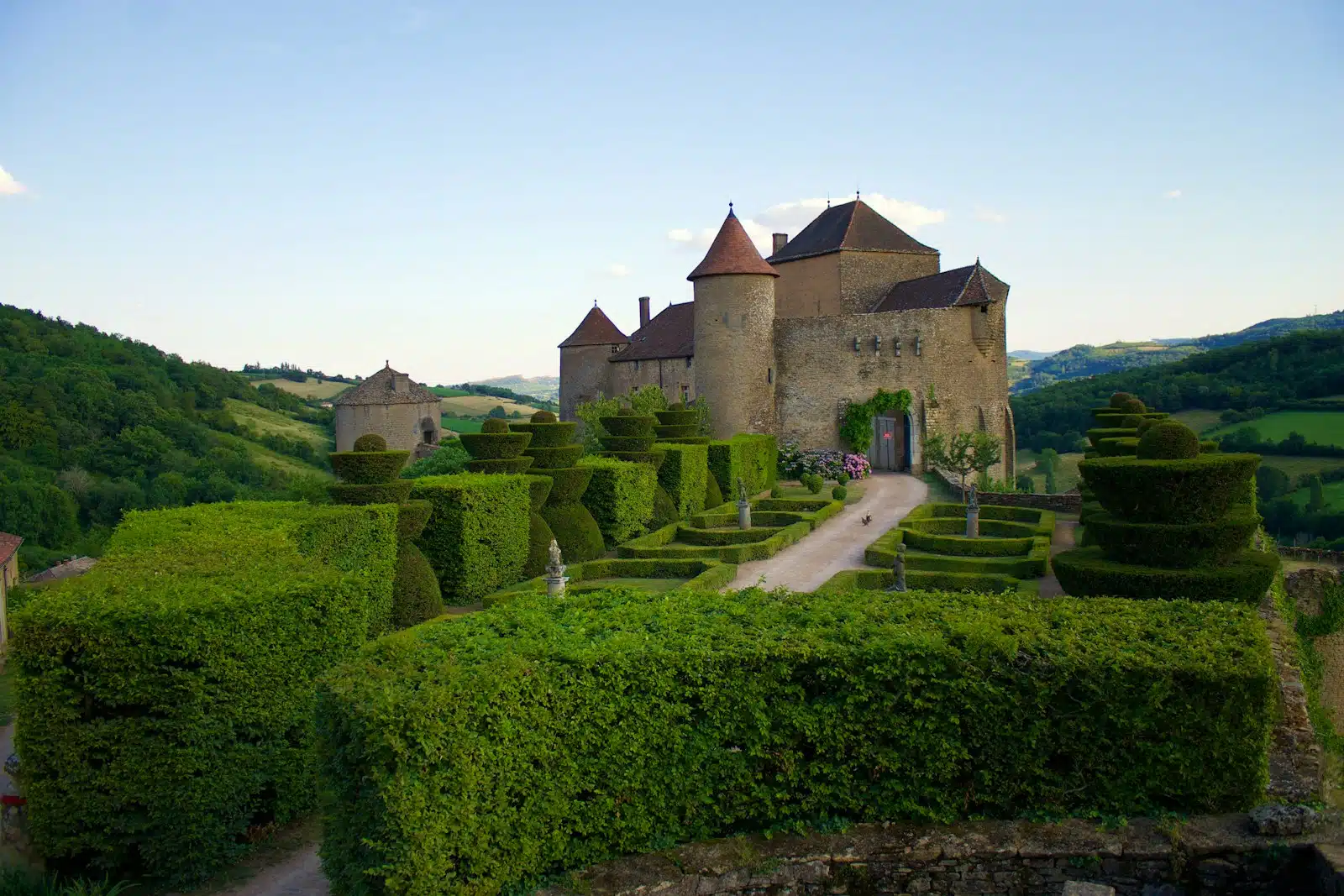
Bordeaux
Bordeaux is about châteaux, those castle-like estates with manicured grounds and barrel cellars that stretch into darkness. The city of Bordeaux itself is stunning (UNESCO World Heritage status) with golden 18th-century architecture, excellent restaurants, and a wine museum.
The Médoc north of the city holds the famous classified growths: Château Margaux, Lafite Rothschild, Latour. These require advance booking and significant fees but deliver impressive experiences. Saint-Émilion on the right bank offers medieval charm and easier access, reachable by train with several châteaux walkable from the village.
Pessac-Léognan sits on Bordeaux’s doorstep, accessible by tram. Sauternes in the south produces sublime sweet wines. Each area has distinct character worth exploring if time allows.
Spring and autumn avoid summer heat and harvest chaos. Stay at Les Sources de Caudalie for luxury in the vineyards or in Bordeaux city for urban sophistication and easy transport.
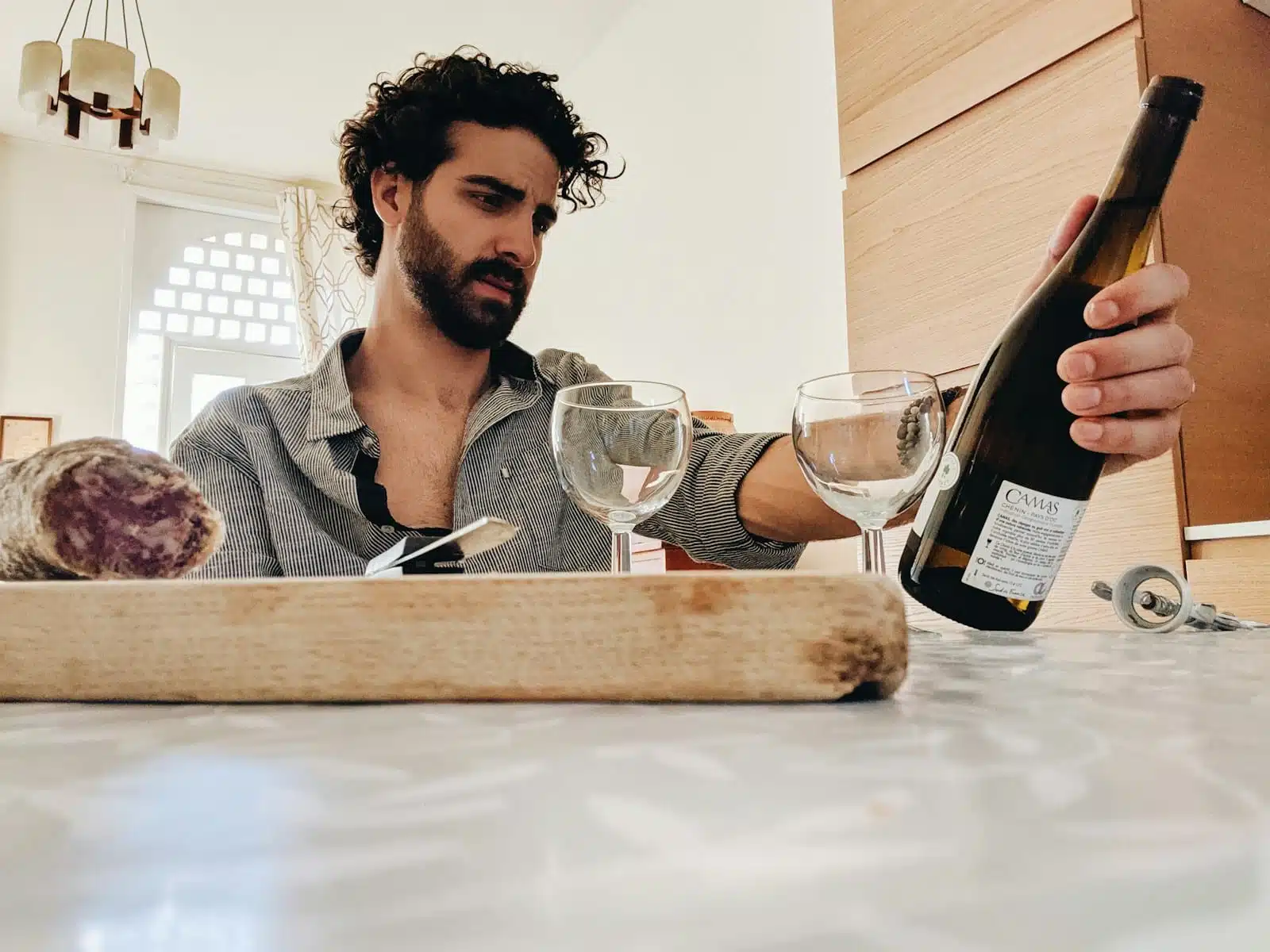
Champagne
Champagne’s accessibility makes it ideal for shorter trips. High-speed trains reach Reims in 45 minutes from Paris, Épernay in 90. The region centers on these two cities, both lined with famous houses whose cellars burrow deep into ancient chalk quarries.
Reims is famed for the stunning Gothic cathedral where French kings were crowned, and houses including Veuve Clicquot, Taittinger, Ruinart, and Pommery. Épernay’s Avenue de Champagne concentrates Moët & Chandon, Pol Roger, and Perrier-Jouët along one elegant street.
Book weeks or months ahead for grandes maisons, particularly Veuve Clicquot. The underground cellars maintain constant cool temperatures year-round, making any season workable.
Beyond the big names, smaller grower-producers offer more intimate experiences at better value. The Montagne de Reims and Côte des Blancs hold beautiful villages where family champagne houses welcome visitors with less formality.
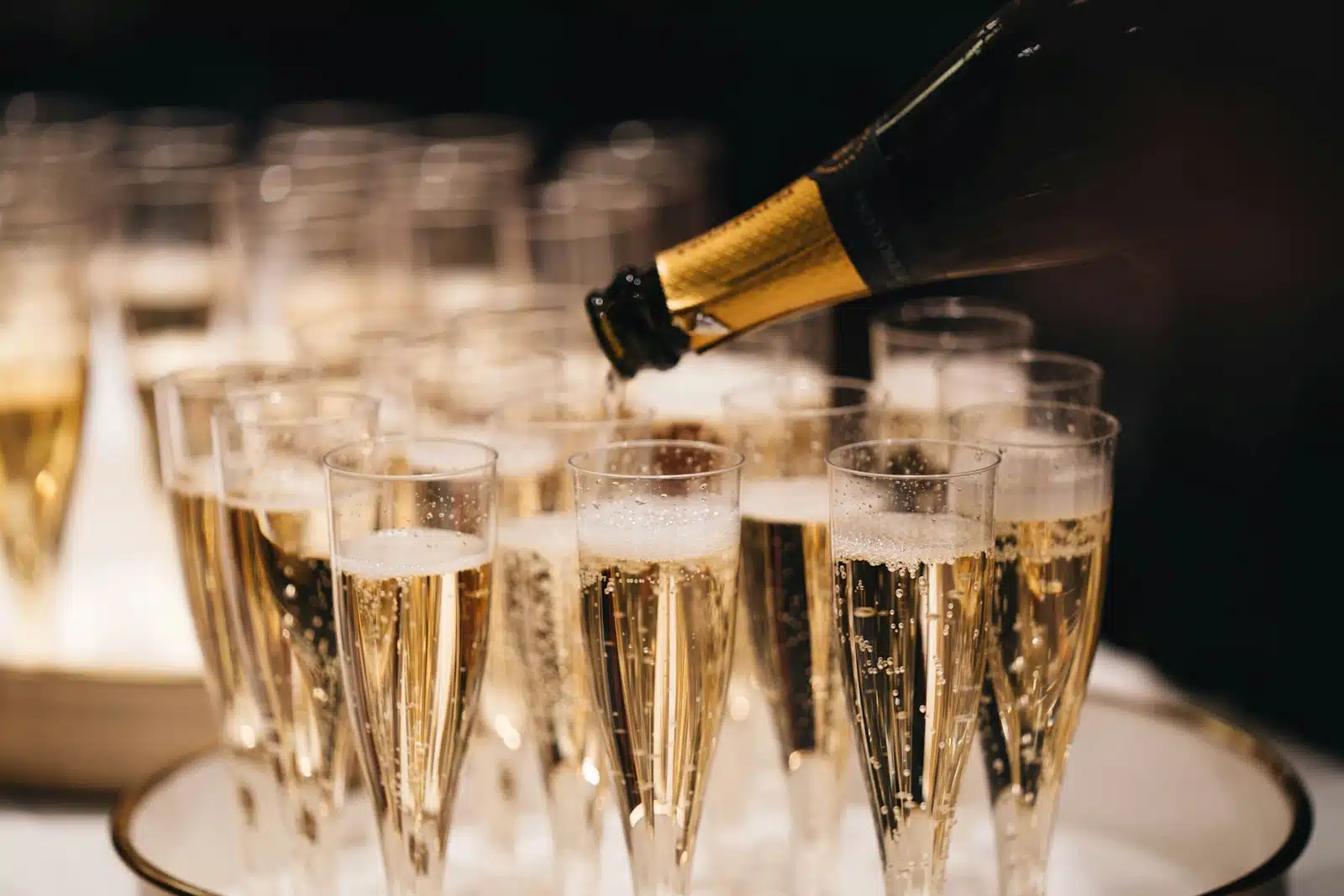
Loire Valley
The Loire’s 1,000-kilometer stretch creates impossible breadth. Focus on one section: the central Loire around Tours for Vouvray (Chenin Blanc), Chinon and Bourgueil (Cabernet Franc), and château sightseeing. Or venture to Sancerre and Pouilly-Fumé in the east for Sauvignon Blanc with views over the river.
Tours makes an excellent base with train connections to wine towns, though car rental unlocks flexibility. The region’s troglodyte caves carved into limestone provide atmospheric tasting venues, particularly in Saumur.
Loire tastings are affordable (15-40 euros typically) with welcoming family estates. April through June offers château gardens in bloom; September provides harvest energy. The wine naturally pairs with regional charcuterie and Loire Valley goat cheeses.
Rhône Valley
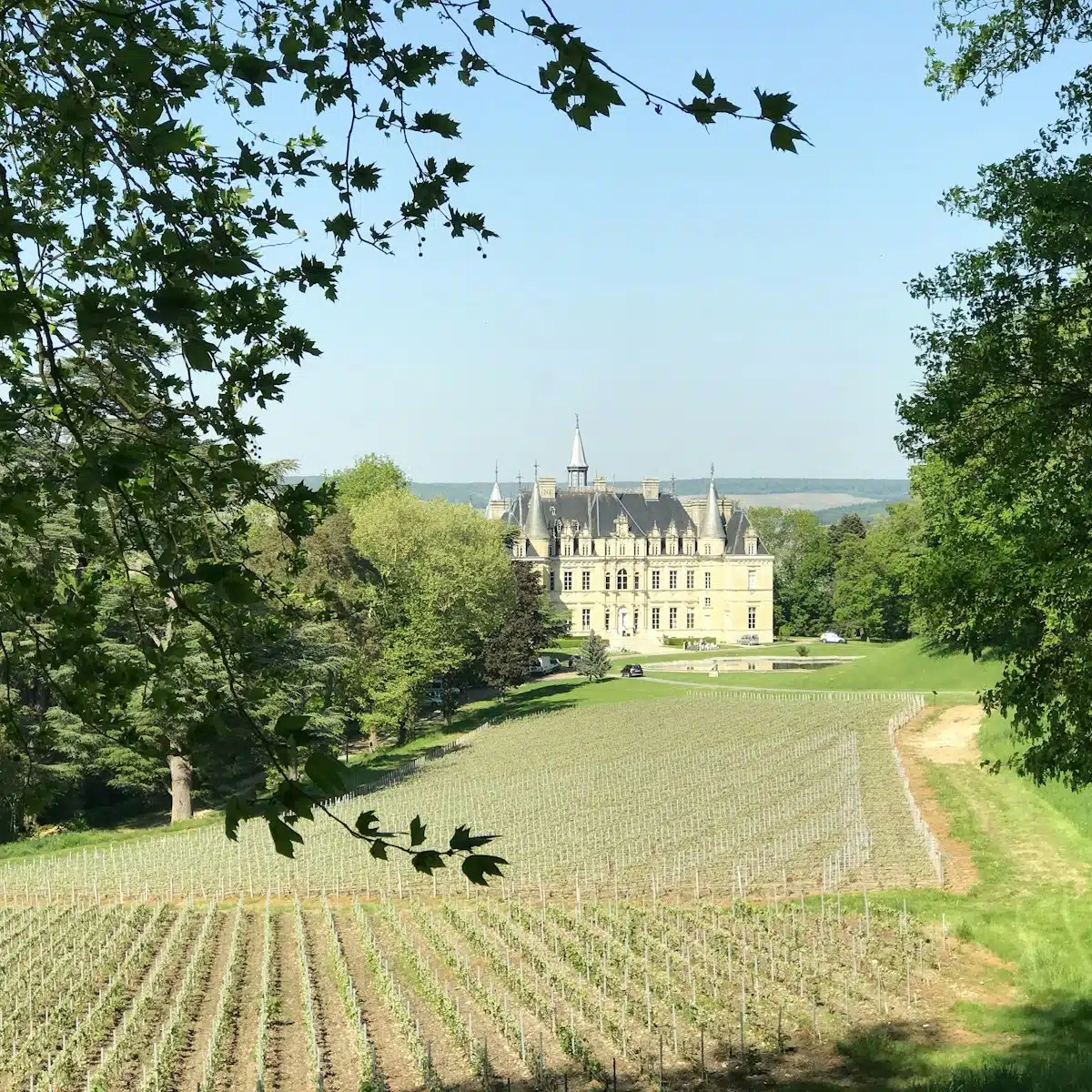
The Northern Rhône’s terraced hillsides produce some of France’s most powerful wines. Hermitage, Côte-Rôtie, and Cornas deliver intense Syrah; Condrieu showcases perfumed Viognier. The landscape is dramatic, the wines equally so.
The Southern Rhône opens into flatter, hotter terrain where Châteauneuf-du-Pape and Gigondas produce bold Grenache-based blends. The galets (large stones) covering vineyards absorb heat and release it at night, ripening grapes to high alcohol levels.
Lyon anchors the north with superb restaurants; Avignon serves the south. September and October offer ideal weather and harvest atmosphere. Three days suffices for either northern or southern sections; both require a week minimum.
Alsace
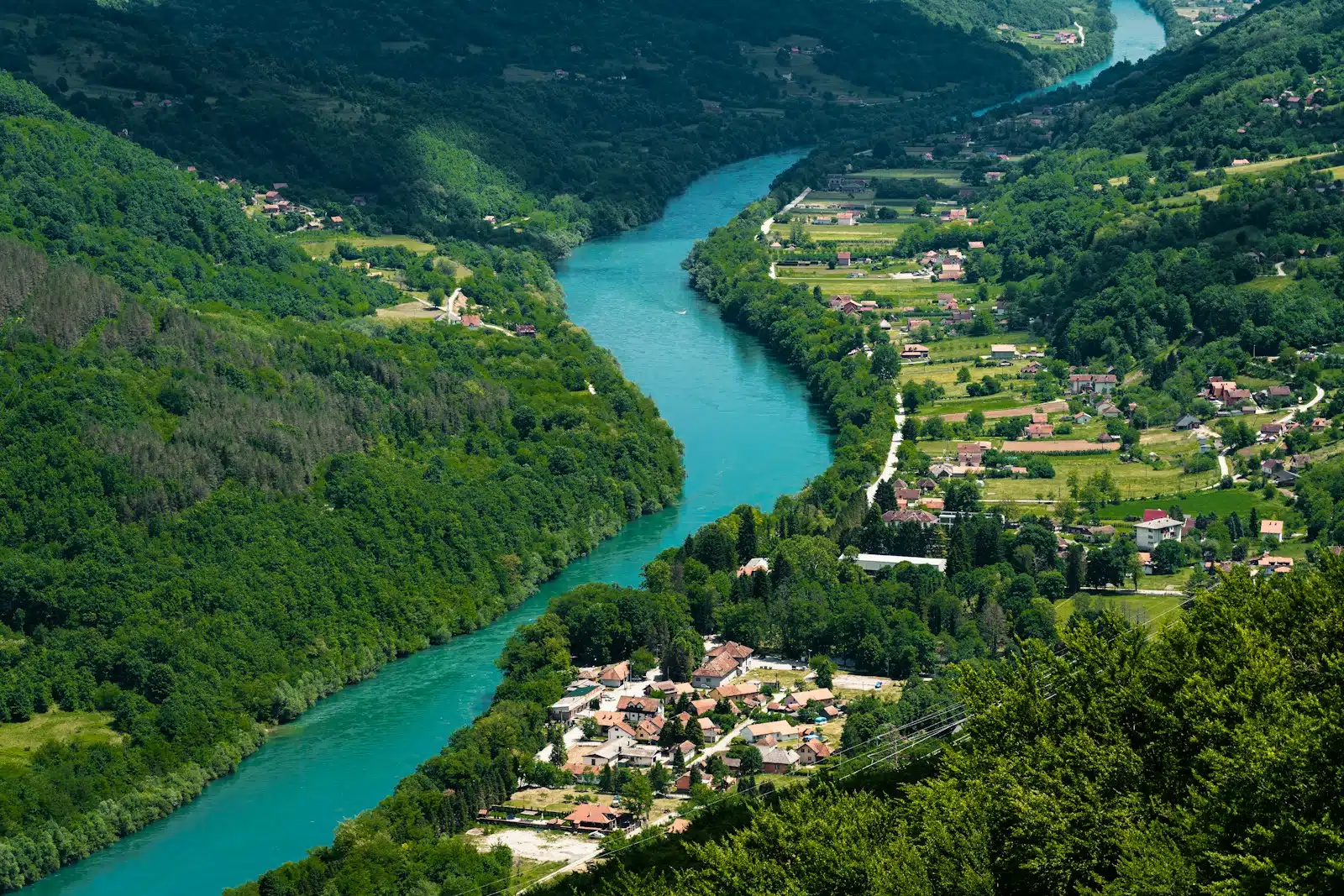
The Alsace Wine Route winds 170 kilometers through villages that look like film sets: half-timbered houses, cobbled streets, window boxes overflowing with geraniums. Riquewihr, Eguisheim, and Ribeauvillé rank among France’s most beautiful villages.
Alsace’s varietal labeling makes it accessible for beginners. Riesling, Gewürztraminer, Pinot Gris, and Muscat are clearly marked. The 51 Grands Crus designate top sites. Late harvest wines achieve remarkable sweetness.
Strasbourg offers city sophistication and TGV access from Paris (two hours); Colmar sits at the route’s heart. Alsatian hospitality is warm and informal. Spring and autumn suit cycling the well-marked route. December transforms the region into Christmas market heaven, though book accommodations months ahead.
The Practical Framework
French trains efficiently connect wine regions to Paris and each other. Rent cars for serious vineyard exploration in Burgundy, Bordeaux’s Médoc, and rural areas. One-way rentals between regions cost more but enable flexible itineraries.
Ten to fourteen days allows two or three regions properly. Northern circuits might combine Champagne, Burgundy, and Alsace. Southern focus could pair Bordeaux with Loire or Rhône.
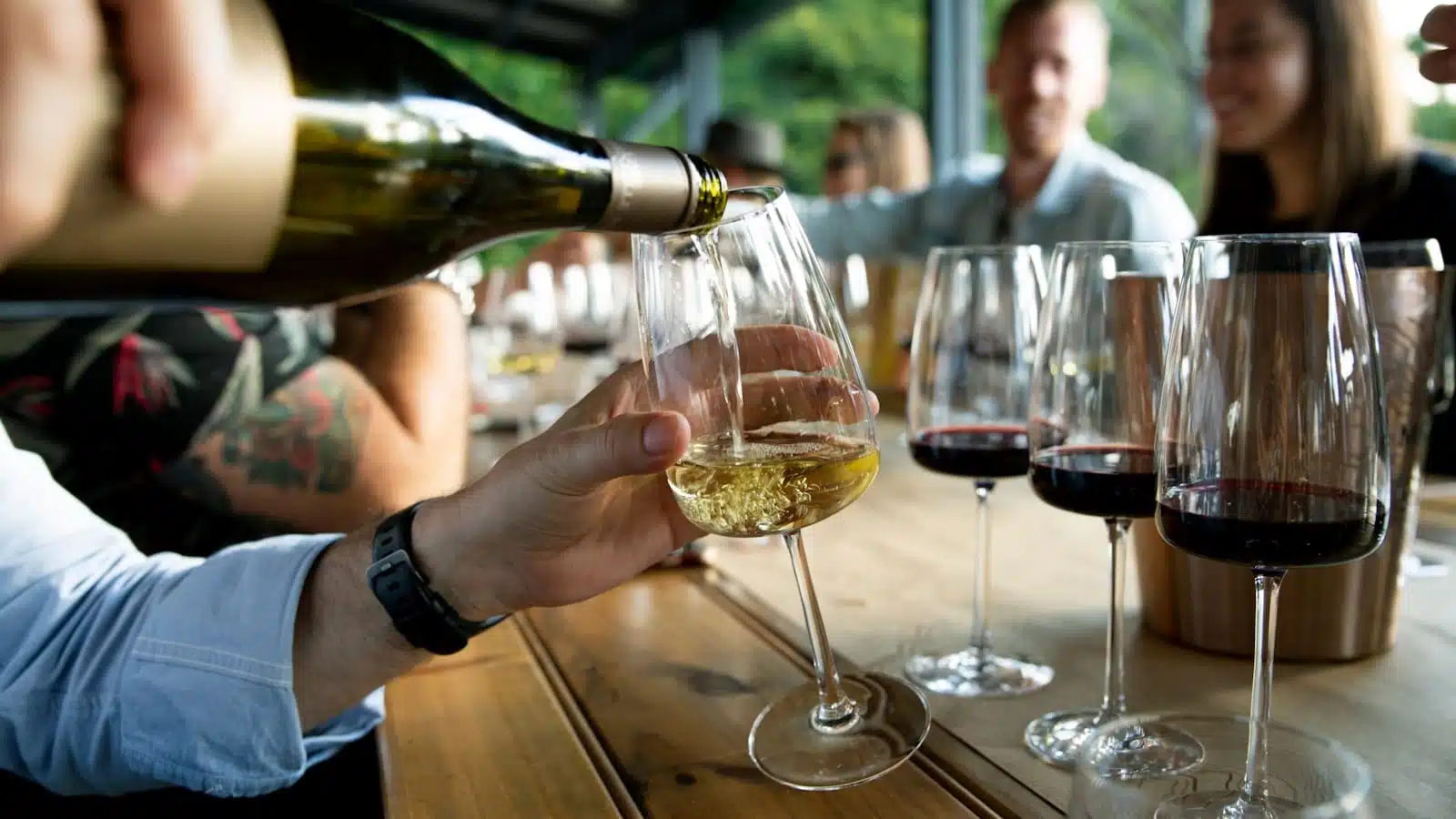
Advance bookings are now the norm, and punctuality matters. Tasting fees are standard, and for those exploring multiple estates in a day, spitting remains both acceptable and wise. Two to three visits strike the perfect balance between discovery and ease.
We’ll handle reservations, timings and transfers, ensuring a natural flow from one estate to the next. You’ll arrive unhurried, welcomed and ready to taste.
Dress is smart casual. Choose comfort with quiet elegance. Avoid strong fragrances that may mask the wine’s character. Most estates accept cards, though some smaller domaines still prefer cash — we’ll brief you before you go.
From 2026, non-EU visitors will need ETIAS authorisation (€20, valid for three years). We’ll organise this in advance so your journey stays seamless.
For the most immersive experience, we recommend staying at a château hotel or domaine guesthouse. There’s a quiet magic in waking among the vines, the perfect way to begin each day of your tasting escape.
The Real Purpose
A wine trip to France succeeds when you return understanding not just wines but the people behind them. The vigneron who shows you his grandfather’s wooden press. The cellar master who explains sur lie aging in Loire Muscadet. The Champagne house tour guide who describes hand-riddling bottles before automation.
You’ll taste wines unavailable elsewhere, understand why certain vineyards command astronomical prices, and grasp how centuries of accumulated wisdom produce liquid that captures place and time in a bottle.
Plan carefully, then surrender to the experience. France’s wine regions offer not just beverages but living culture, where geology, history, and human dedication combine in the glass. Ask for ice in your wine at your own peril.