

On this page
A journey into the city’s most soulful district — where history, craftsmanship and connection meet.
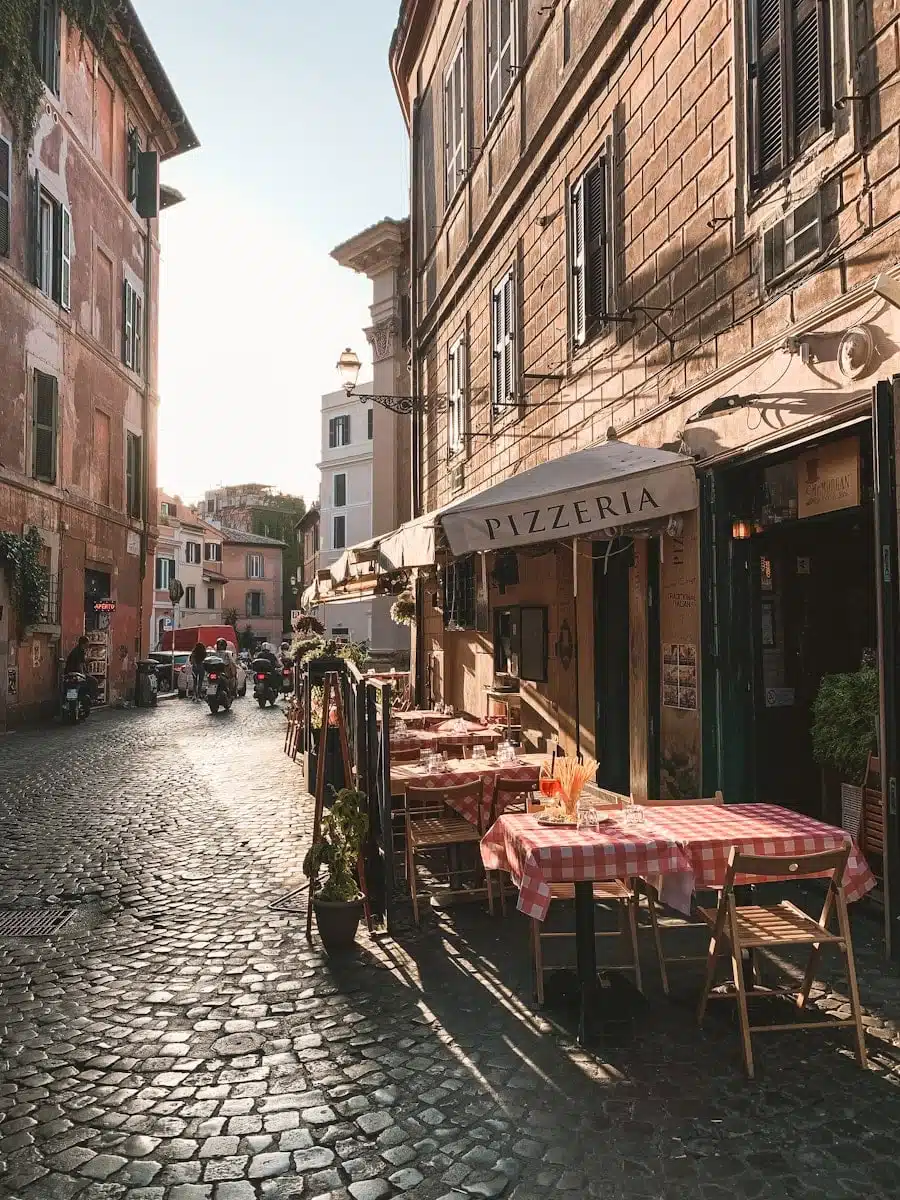
Across the Tiber, beyond the grandeur of palaces and piazzas, Rome changes rhythm. The air feels warmer, the pace more human. This is Trastevere — a district of narrow lanes, faded facades, and an unmistakable sense of ease.
It’s here that the city shows its true character. Less about spectacle, more about spirit. And when explored with Do Not Disturb’s local specialists, Trastevere becomes more than a neighbourhood — it becomes an experience in presence.
A Living Story
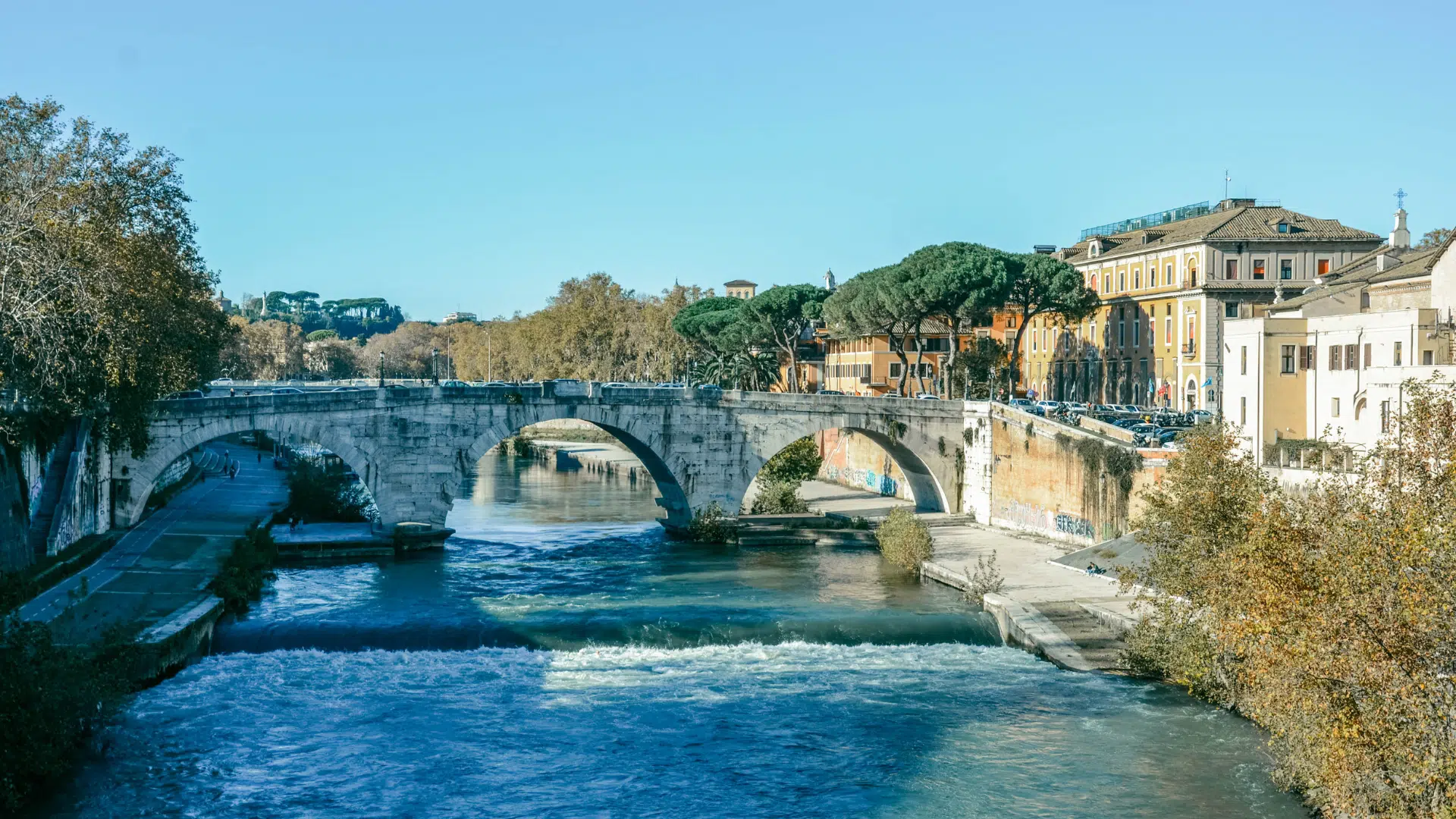
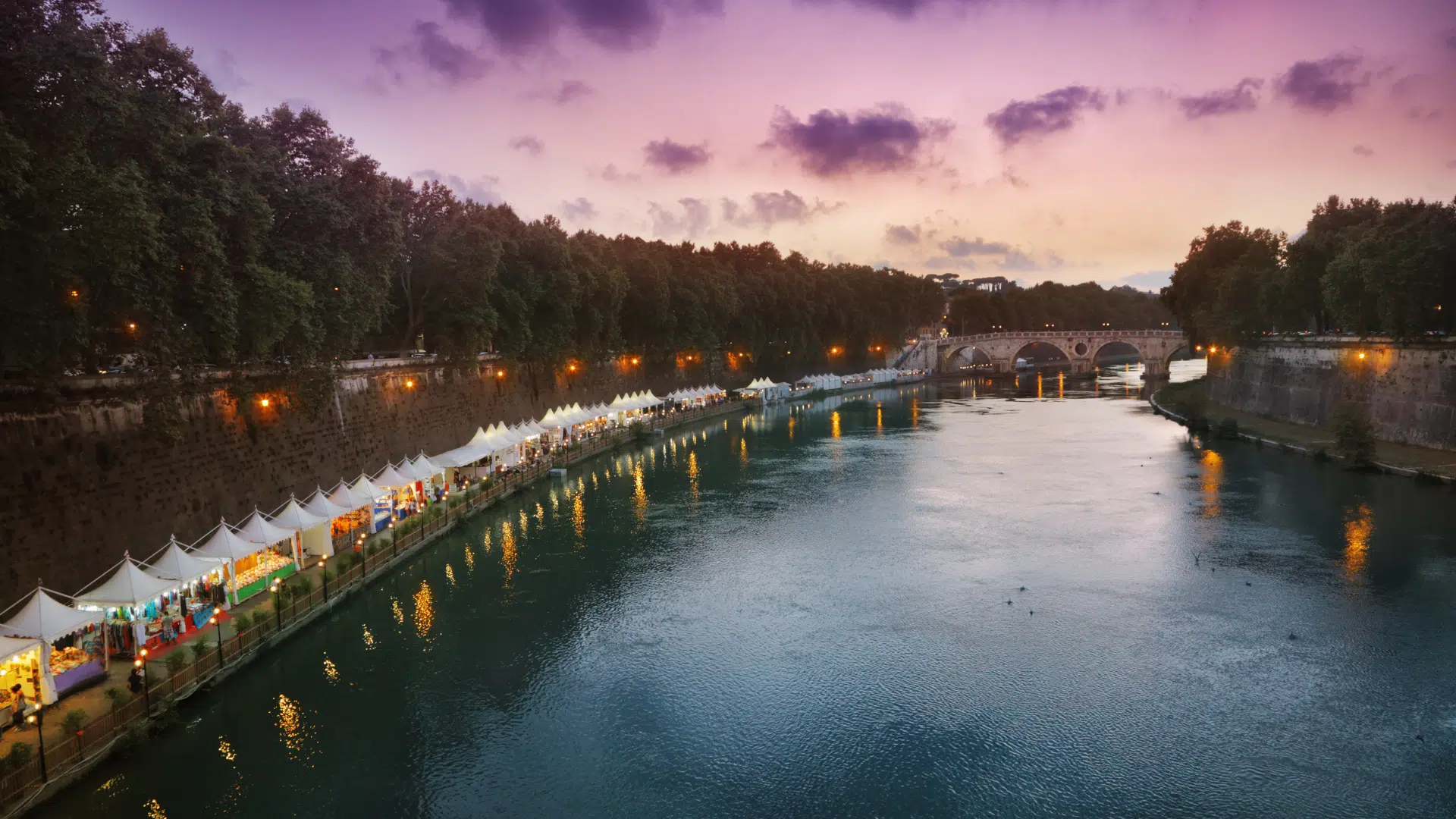
You might begin the day crossing the Ponte Sisto, a bridge built for pilgrims centuries ago. On one side, the Vatican dome glows in the distance; on the other, a maze of ochre streets spills out like a painting left unfinished. The crossing feels symbolic — from imperial Rome to intimate Rome.
Your guide, a local historian, sets the tone early. “This part of the city,” they explain, “has always been slightly apart — a place for those who wanted to live differently.” What follows isn’t a tour. It’s a quiet unfolding.
The streets reveal themselves slowly: a market stall spilling over with lemons and artichokes; an artisan opening shutters to let in the light; the faint sound of church bells marking an hour that nobody seems in a rush to meet.
Trastevere has its own rhythm — one that favours conversation over urgency. It’s the Rome that locals guard fiercely, and travellers rarely reach on their own.
Layers of History, Lived Lightly
Every wall here has a past, but Do Not Disturb’s curation ensures the story isn’t academic. It’s human.
At Santa Maria in Trastevere, one of Rome’s oldest churches, golden mosaics shimmer in soft light. Your guide draws attention not just to what’s depicted, but to what it represents — a community’s quiet resilience through centuries of change. The marble columns were repurposed from ancient temples; the art speaks of faith that adapted, rather than resisted.
Step outside, and the square beyond feels like an extension of that same story: people sitting on the steps, couples sharing espresso, musicians tuning a guitar. Nothing staged. Everything alive.
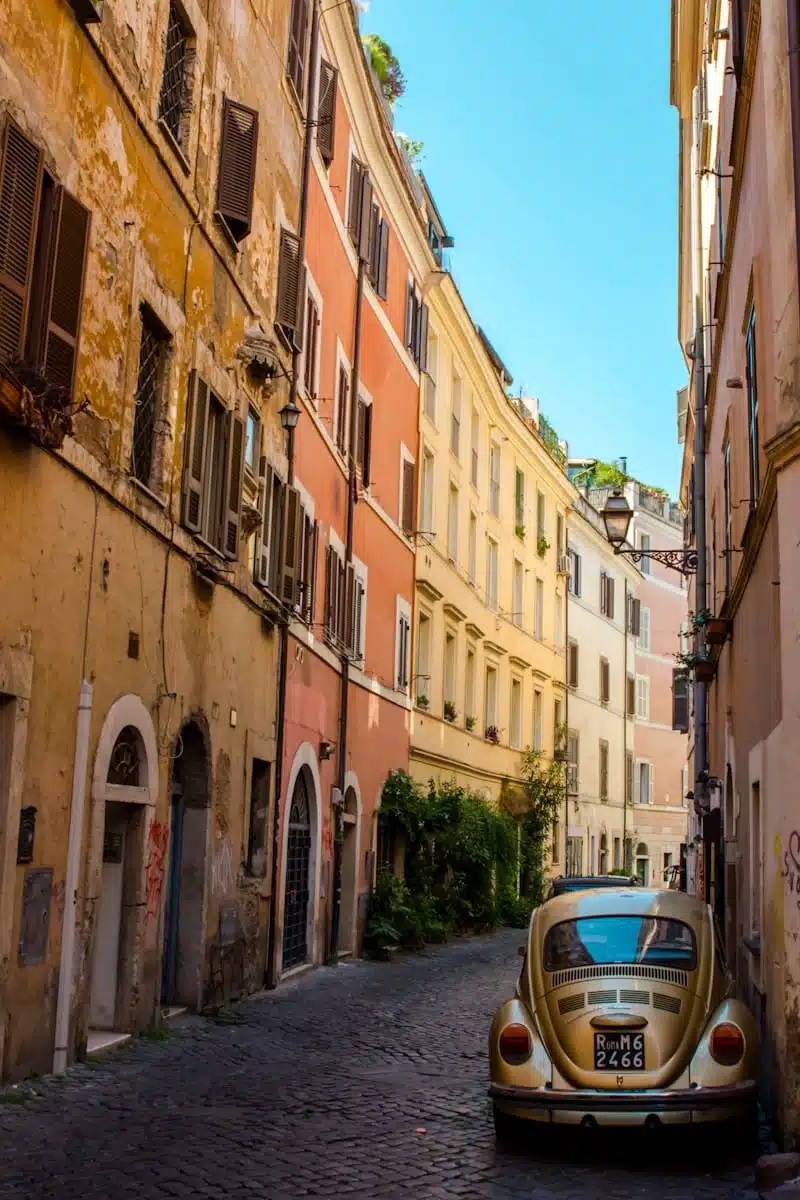
From there, the walk meanders through cobbled lanes that weave together history and daily life. A bakery whose oven has burned for three generations. A faded palazzo turned artist’s residence. A courtyard where citrus trees grow against peeling plaster.
Each stop offers a glimpse of how Romans live with their past rather than around it. It’s this balance — of history and modernity, reverence and spontaneity — that makes Trastevere so quietly compelling.
Craft and Continuity
Do Not Disturb’s network of insiders opens doors that aren’t visible to most travelers. A small workshop hidden behind an unmarked doorway, where a craftsman restores antique frames using gold leaf techniques unchanged for centuries. Another, where a mosaic restorer demonstrates how slivers of glass catch and reflect the Roman sun.
You’re invited not to observe from afar, but to take part in the rhythm — to ask questions, to understand the patience behind the craft. These encounters aren’t theatrical; they’re genuine exchanges between people who love what they do and those curious enough to listen.
There’s an intimacy in witnessing such care. In a world that moves too fast, Trastevere’s artisans remind you that beauty takes time — and that luxury can mean nothing more (and nothing less) than attention.
A Table, A Pause
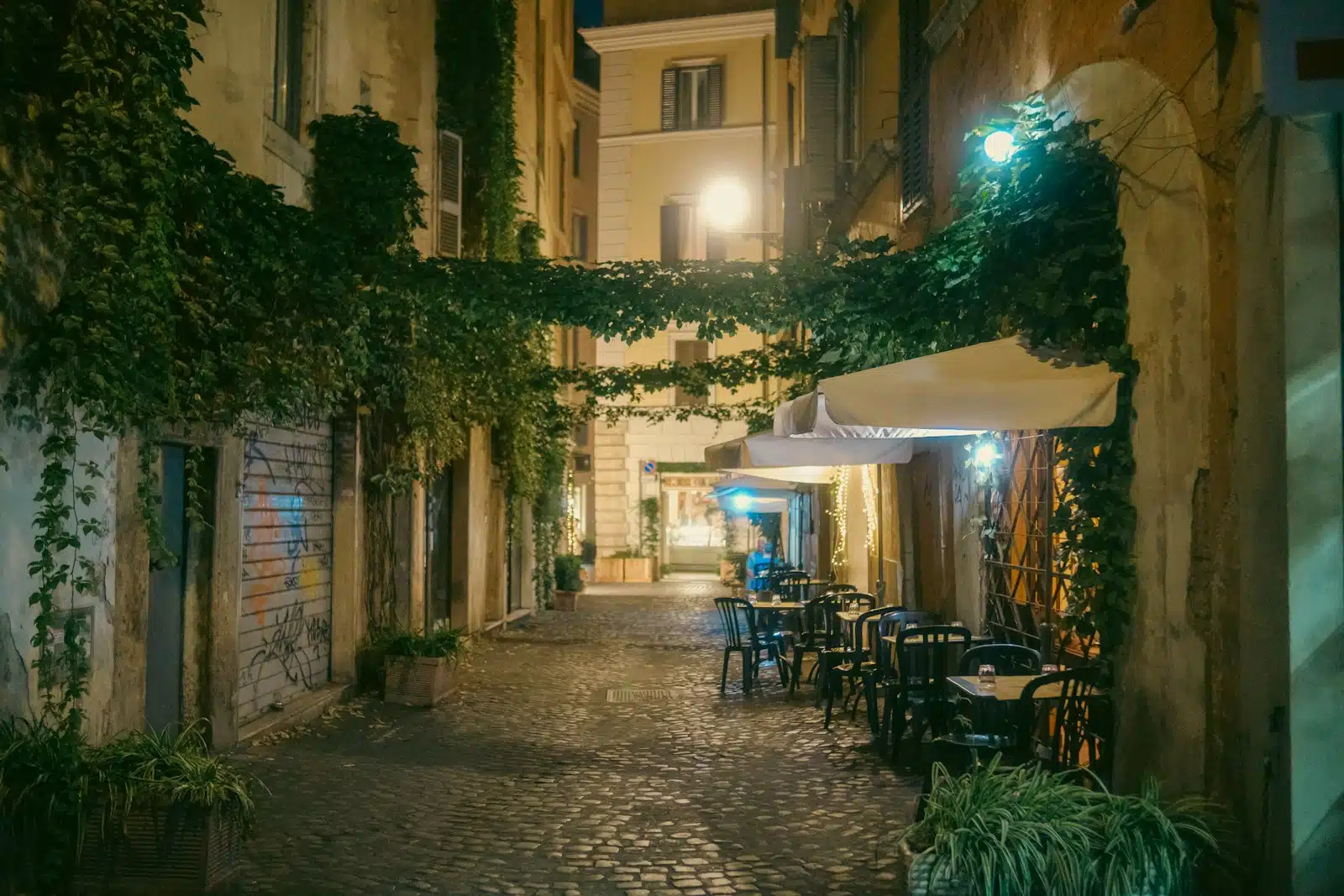
At some point, inevitably, the walk becomes a meal. Perhaps at a family-run trattoria tucked behind ivy-covered walls, or on a terrace overlooking tiled rooftops.
Lunch might mean Roman classics done with quiet precision — fried artichokes crisp and golden, handmade tonnarelli tossed in pecorino and pepper. In the evening, the same table might transform: soft candlelight, the hum of conversation, a glass of local wine chosen by someone who knows the vineyard’s owner by name.
Every Do Not Disturb experience in Trastevere is designed with this ease in mind — moments that don’t feel scheduled, but flow naturally. The restaurant isn’t just recommended; it’s reserved at the perfect hour, its atmosphere chosen as carefully as the menu.
This is travel that understands how mood shapes memory.
The Privilege of Belonging
The beauty of Trastevere lies not in exclusivity but in access. Through Do Not Disturb, that access feels effortless.
Guides are not just experts; they’re hosts — people who live the stories they share. Every encounter, from a studio visit to a shared meal, carries the quiet generosity of local life. You aren’t intruding on authenticity; you’re being welcomed into it.
For travellers used to five-star formality, this feels different: refined, but relaxed. The luxury here is invisible — found in timing, connection, and curation rather than in labels or grandeur.
It’s the difference between visiting a place and being invited into it.
Tours we recommend
What You’ll See, What You’ll Feel
You’ll see frescoes catching the afternoon light, ivy curling around wrought-iron balconies, a potter shaping clay while the radio hums softly in the background. You’ll smell roasted coffee drifting from open doorways, bread cooling on racks, and incense from a nearby chapel.
You’ll hear voices — laughter, debate, the clatter of plates in kitchens that never really close. And you’ll feel that quiet sense of ease that defines Rome at its most human: a rhythm that lets you belong, even briefly.
Through Do Not Disturb, this isn’t chance. It’s choreography — the subtle coordination of people, place, and time that allows a city to reveal its softer edges.
Why This Moment Matters
In an age of overplanned itineraries, Trastevere reminds us what travel can be when it’s personal. It’s not about seeing everything; it’s about seeing deeply.
This district embodies everything Do Not Disturb stands for: presence without pressure, exclusivity without isolation, authenticity curated with care. It’s an experience that stays with you not because it dazzles, but because it restores.
You leave feeling quietly connected — to a city, a culture, a way of being that favours texture over tempo.
As the day closes, the city’s light shifts — warm against the stone, reflective on the river. Across the bridge, the Vatican dome glows in the distance, echoing the art and faith of another moment you might explore: The Vatican, After Hours.
Trastevere lingers differently, though — less monumental, more intimate. A reminder that Rome’s greatest luxury isn’t grandeur; it’s belonging.
Plan Your Moment
Trastevere: The Heart of Rome, Reimagined is part of Do Not Disturb’s curated collection of Roman experiences — designed for travelers who want to feel the city’s heartbeat, not just see its monuments.
Speak with one of our travel experts to create your own Trastevere moment — crafted for connection, ease, and genuine access to Rome’s most characterful quarter.