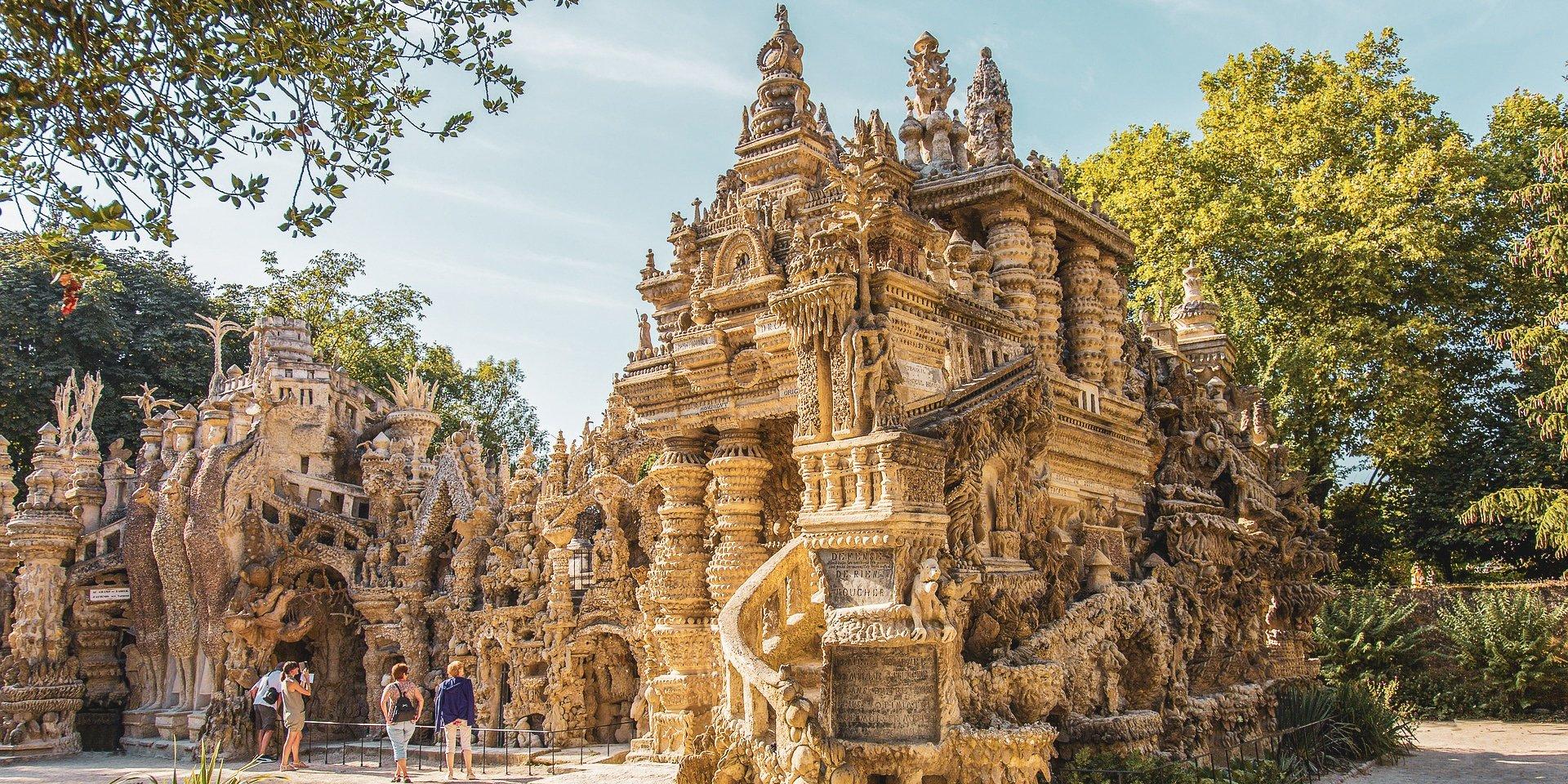


Discover one of France’s great hidden gems, a surrealist masterwork built over 33 years by a humble postman.
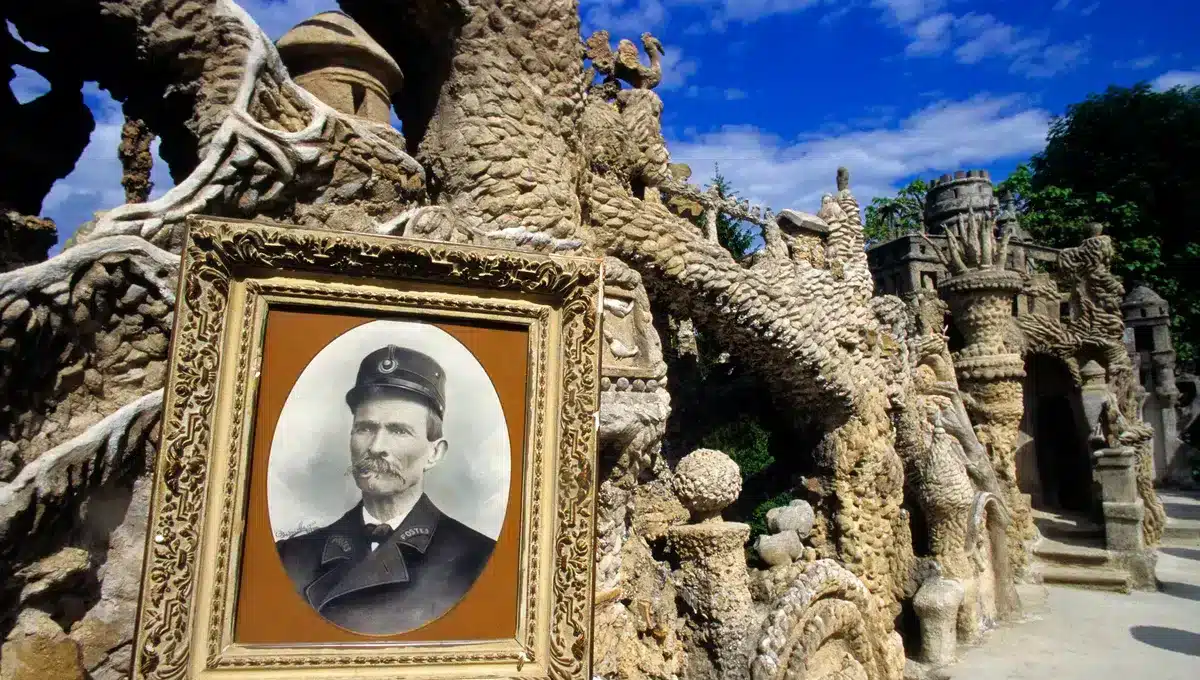
Ferdinand Cheval was a rural postman who stumbled over a stone during his rounds in 1879. That stone, unusually shaped and beautiful, sparked an obsession. Over the next 33 years, Cheval collected thousands more stones during his 32-kilometer daily postal route, using them to build a fantastical palace in his vegetable garden.
The result defies every architectural convention: a naive art masterpiece combining Hindu temples, medieval castles, mythological beasts, and inscriptions proclaiming the power of determination over a third of a century.
Le Palais Idéal stands in Hauterives, a small village in the Drôme département roughly 80 kilometers from Lyon and 100 kilometers from Grenoble. It’s not particularly famous outside France, though the Surrealists adored it (Picasso, Breton, Ernst all visited), and it holds official classification as a monument historique.
For anyone interested in outsider art, architectural oddities, or the triumph of obsessive vision over practicality, this is a pilgrimage worth making.
What You'll Find There
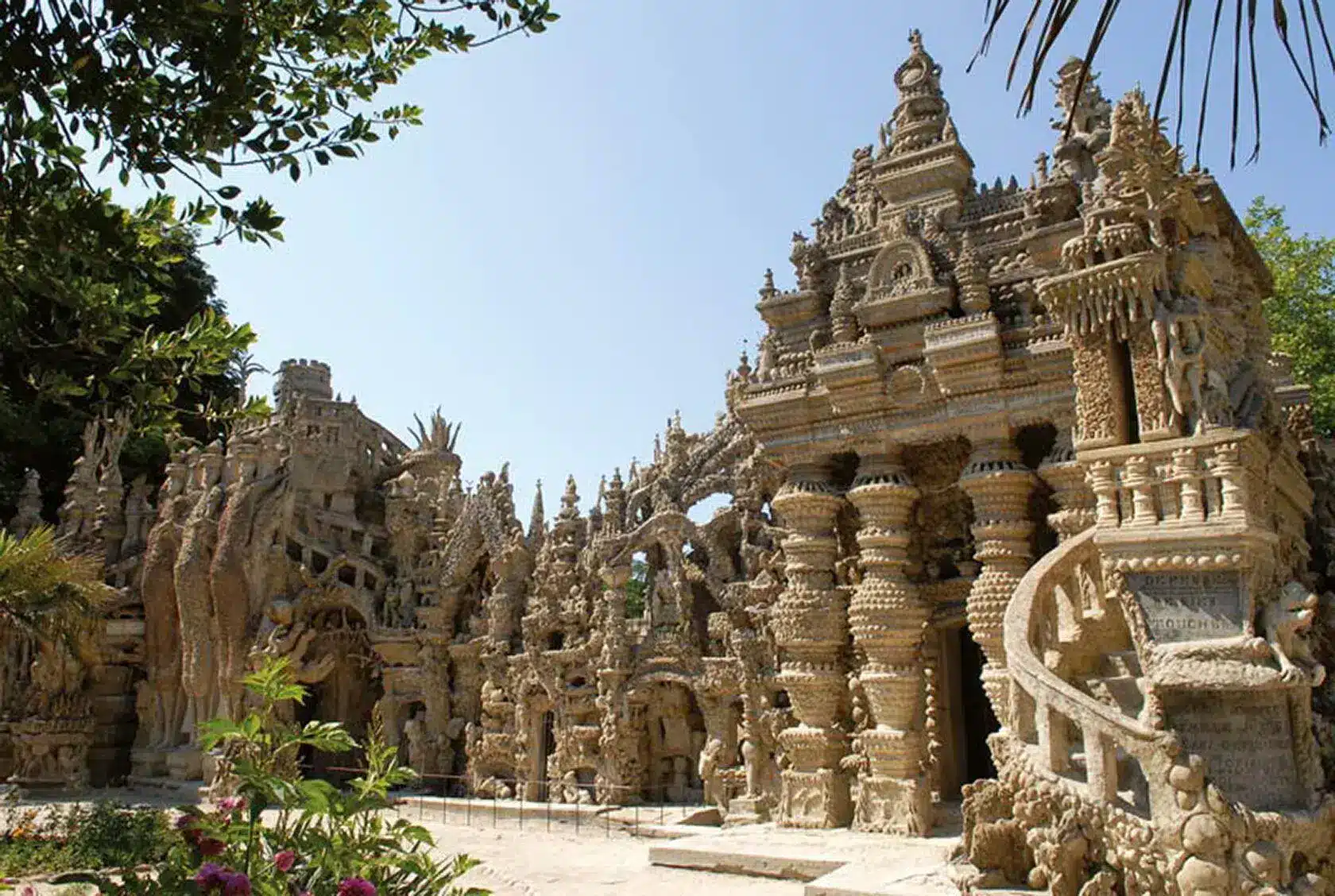
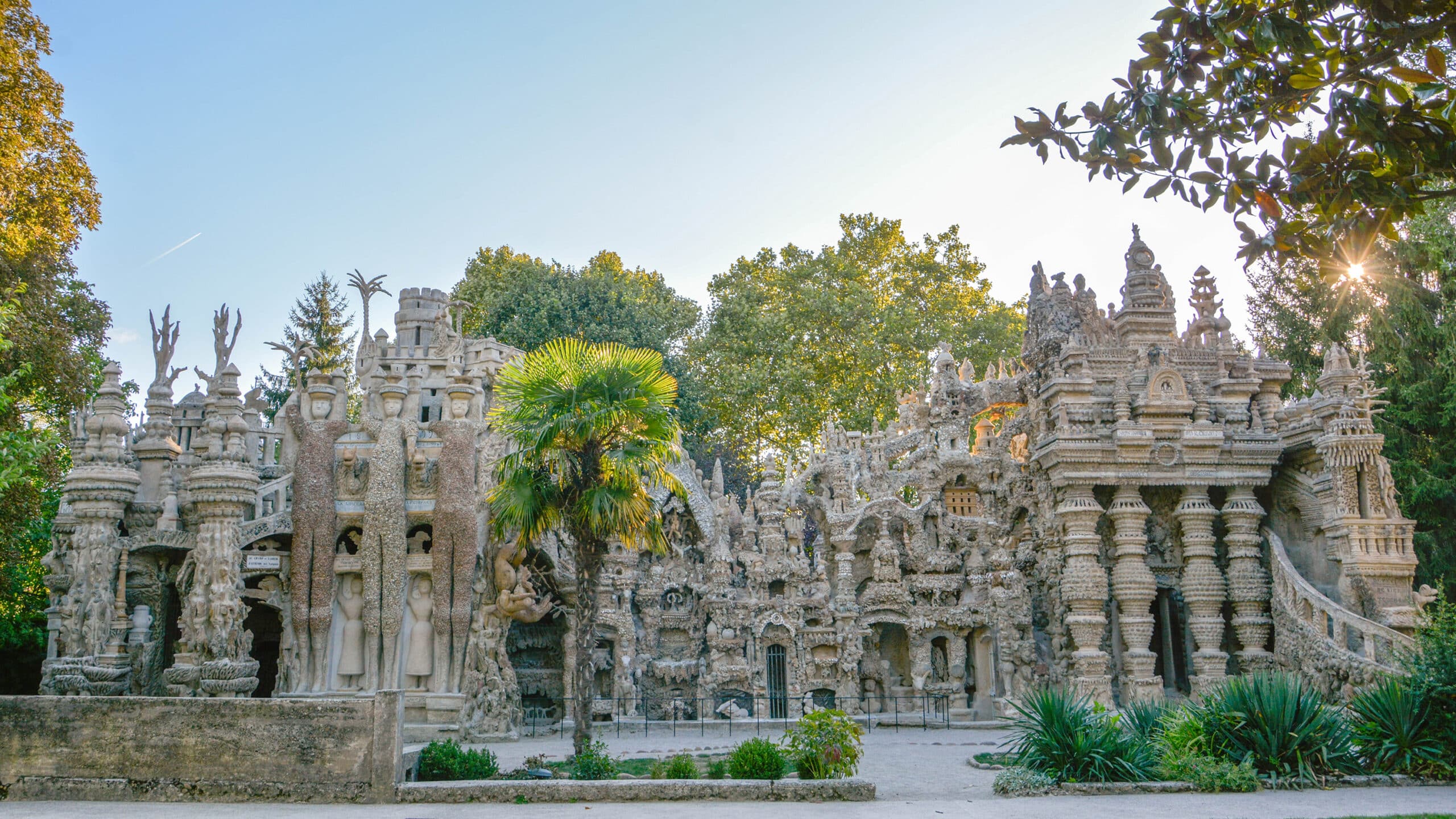
The palace measures 26 meters long, 12 meters high, constructed entirely from river stones, pebbles, and fossils bound with lime and cement. Every surface crawls with hand-carved creatures: elephants, octopi, pelicans, bears, camels. Giants named Vercingétorix, Archimedes, and Julius Caesar stand sentinel. Inscriptions are carved everywhere, including Cheval’s famous: “10,000 days, 93,000 hours, 33 years of struggle.”
The structure combines architectural fantasies drawn from postcards Cheval delivered but never experienced firsthand. An Egyptian tomb sits beside a Hindu temple. A Swiss chalet neighbors a mosque. Medieval turrets rise next to caves labeled the “Antediluvian Museum.” It’s gloriously incoherent yet somehow harmonious, the vision of an untrained mind unencumbered by rules about what architecture should be.
Three staircases lead to upper terraces. An interior gallery runs through the palace, its walls alive with sculptural details. The north façade features an octopus, Adam and Eve figures, and detailed construction timelines. The east façade presents the Source of Life fountain and Three Giants. Everywhere, philosophy: “Let those who think they can do better try.”
Cheval originally intended to be buried inside his creation, but authorities prohibited it. Undeterred, he spent eight more years building his own tomb in Hauterives cemetery, the “Tomb of Silence and Endless Rest.” He died in 1924 aged 88 and rests there with his family. The tomb displays the same fantastical style, proving Cheval’s vision never wavered.
How to Get There
From Lyon or Grenoble, drive approximately one hour via A48 or A49 autoroutes, exiting at La Côte-Saint-André or Beaurepaire, then following D538 to Hauterives.
Public transport requires persistence. From Lyon, take a train to Saint-Vallier-sur-Rhône or Romans-sur-Isère, then bus to Hauterives (about 30 minutes). The palace sits within walking distance of the bus stop. Lyon-Saint-Exupéry Airport is 40 minutes away by car, making it accessible even for short France trips.
From Paris, the TGV reaches Lyon in two hours. Getting there is a challenge but it’s worth it for art lovers.
What Else Is Nearby
Saint-Antoine-l’Abbaye lies 18 kilometers away, a beautifully preserved medieval village with an impressive abbey complex. Romans-sur-Isère, 30 kilometers distant, is home to charming medieval architecture.
Further south, Valence provides access to the northern Rhône wine region, including Hermitage and Crozes-Hermitage appellations. The Valrhona chocolate factory in Tain-l’Hermitage offers tours and tastings. The Vercors Regional Natural Park delivers dramatic mountain scenery for hiking enthusiasts.
The region specializes in organic agriculture, and local restaurants showcase Drôme produce, Nyons olive oil, Picodon cheese, and Rhône wines.
Why It Matters
The Surrealists recognized in Cheval’s palace a precursor to their artistic rebellion. Max Ernst created tribute collages, André Breton visited multiple times, and Picasso drew humorous sketches. They understood that Cheval had achieved through pure instinct what they pursued theoretically: direct access to the unconscious, unmediated by training.
Yet the palace’s appeal extends beyond art history. Children love hunting for hidden animals in the sculptures. Architecture students study its structural improbability. Anyone who has sustained a creative project against skepticism finds inspiration in Cheval’s determination.
The 2019 film “L’incroyable histoire du facteur Cheval” introduced his story to wider audiences. The palace received 305,000 visitors in 2023, making it the Drôme’s premier tourist attraction. Authorities have discussed UNESCO World Heritage inscription, though it remains unofficial.
Cheval represents the ultimate argument for creative obsession unfettered by expertise. His palace proves genius can emerge from anywhere: a rural postal route, a stumbled stone, a determined vision sustained for three decades. It demonstrates that daily effort, however modest each day’s progress, accumulates into something profound.
From Lyon to the Drôme and beyond, Do Not Disturb will curate your perfect French escape, including a stop at Facteur Cheval’s unforgettable masterpiece.
Related destinations
Suggested articles

A Day in Marseille: Street Art, Bouillabaisse, and the Côte d’Azur
Nice or Marseille: Which Is Better?

How to Plan a Wine Tasting Trip in France
Plan Your Honeymoon in Saint-Tropez
How to Plan the Perfect Luxury Trip to Angkor Wat
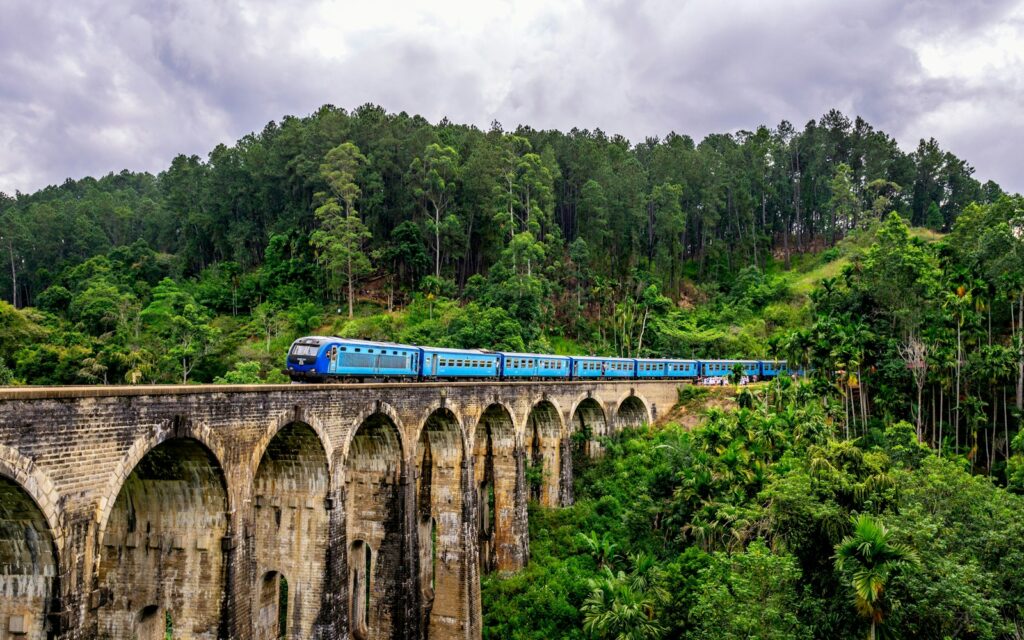
A Guide to Sri Lanka’s Tea Plantations

The Maldives Fixed Its Arrival Problem: Inside the New Velana Airport
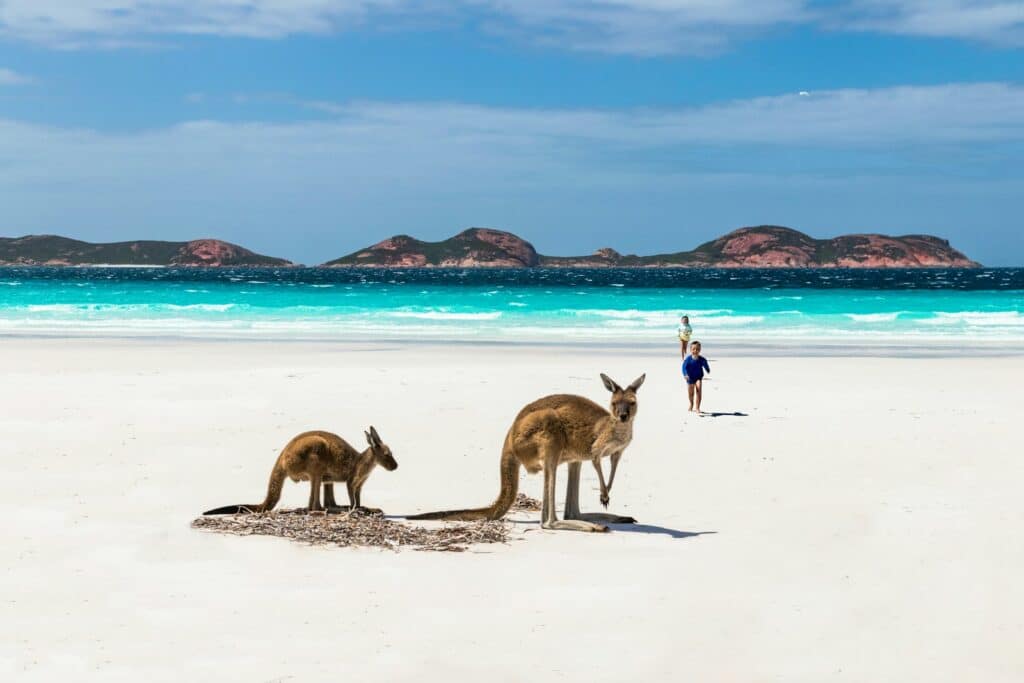
The Best Islands in Australia for a Luxury Beach Holiday
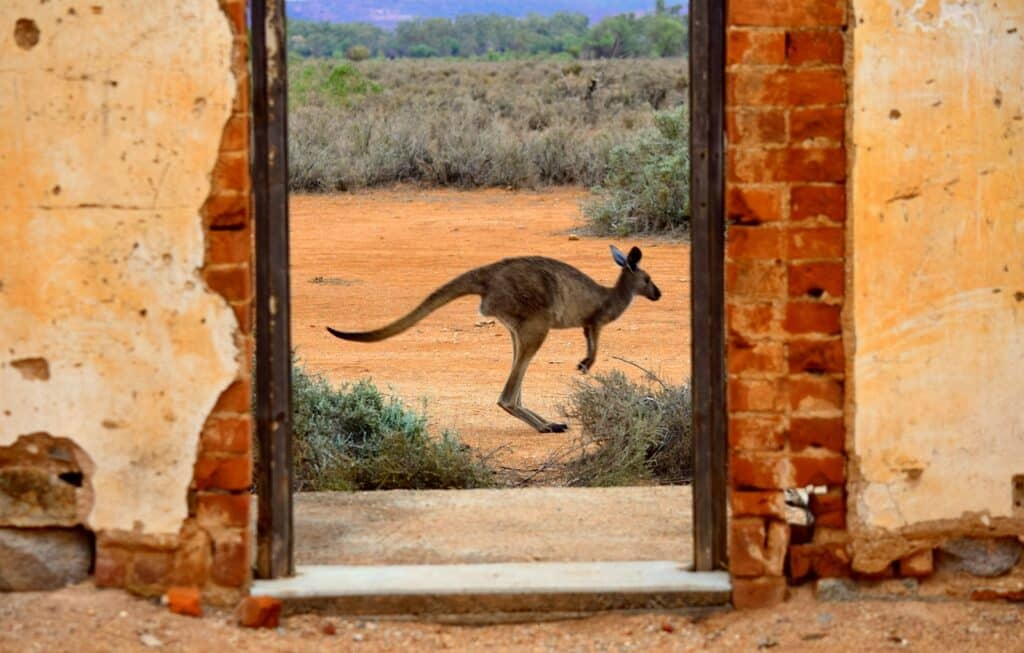
How to Plan a Luxury Australian Outback Experience
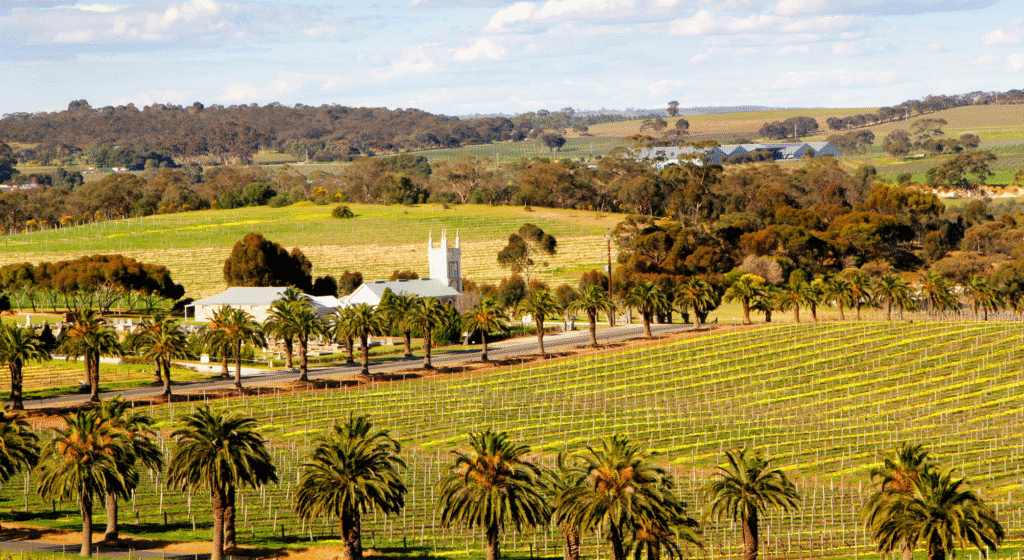
A Luxury Guide to Australia’s Wine Regions
How to Plan a Luxury Trip to Australia’s Great Barrier Reef
The Best Luxury Hotels in Seychelles

Best Caribbean Islands for Private Jet Travellers