



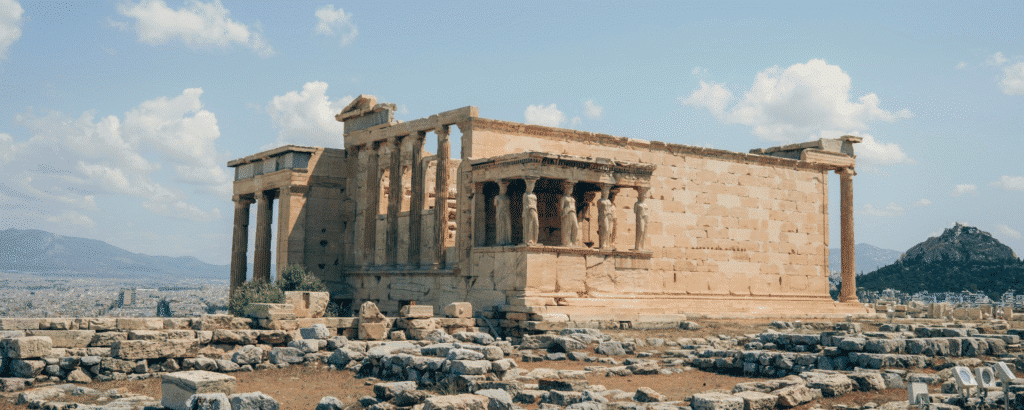
8 days
|£3,435

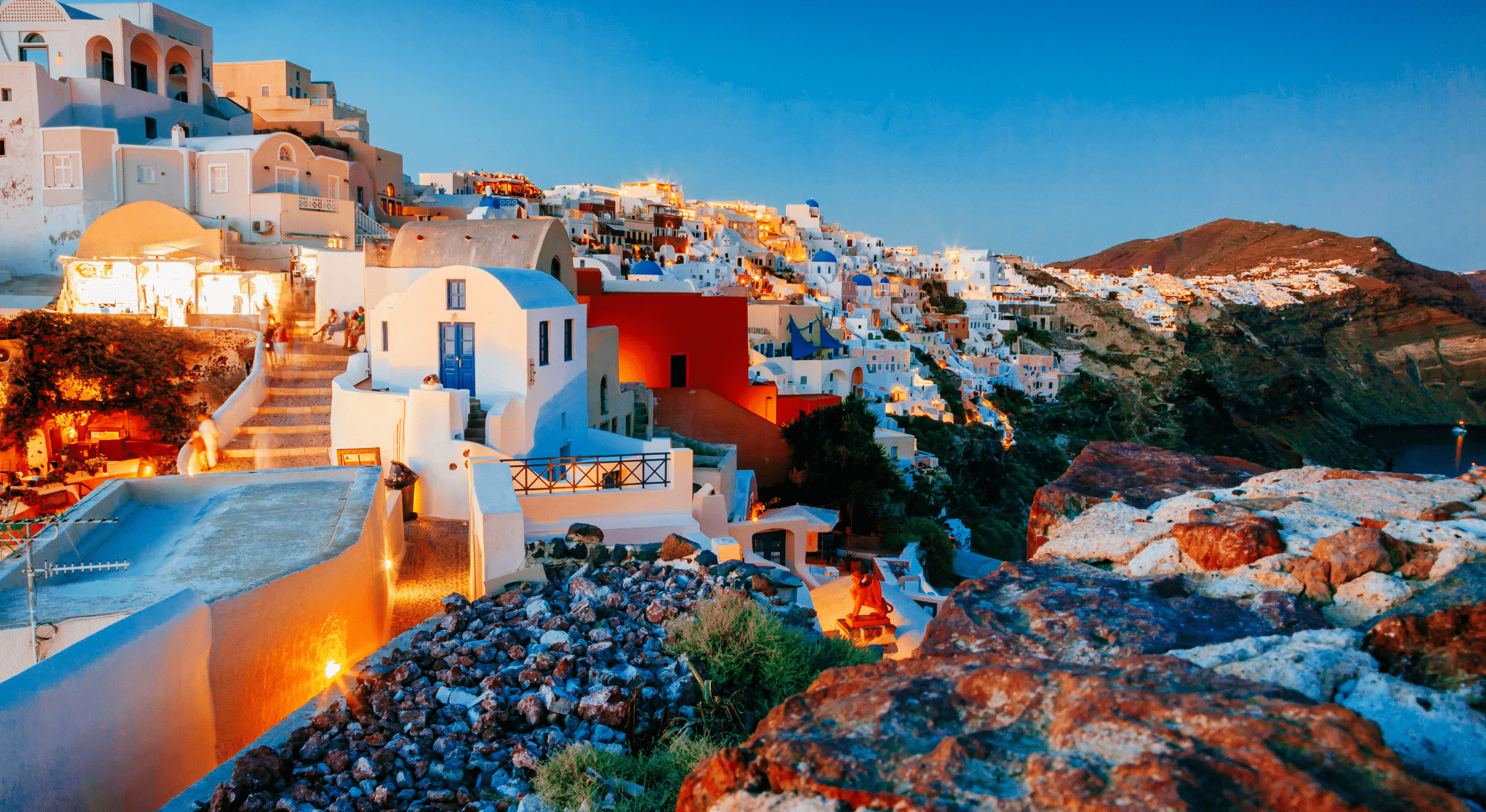
There was a time when choosing between Santorini and Mykonos meant deciding between dramatic sunsets and legendary parties. That calculus has grown more nuanced. Both islands have evolved considerably over the past decade, their fame attracting the kind of investment that brings world-class hotels, ambitious restaurants, and prices to match.
The Greek islands have never been a secret, but Santorini and Mykonos now occupy a different category entirely. These are no longer destinations you stumble upon while island-hopping; they’re bucket-list headliners, their images saturating social media feeds and inspiring millions of annual visitors.
The transformation has been remarkable. Fishing villages that once dozed through the summer now host Nobu outposts and high-octane beach clubs. Caldera views command four-figure nightly rates. Reservations at top restaurants require planning weeks in advance.
None of which diminishes their appeal. If anything, the investment has elevated what was always there: Santorini’s geological drama remains breathtaking, Mykonos’s energy remains infectious. The challenge now is understanding what each island offers and choosing accordingly. Because while both deliver quintessential Greek island experiences, they deliver them in fundamentally different ways.
A generation ago, Santorini attracted honeymooners and artists drawn to its caldera views and relative tranquility. Mykonos pulled a younger crowd chasing its reputation for nightlife and free-spirited energy. Both islands were busy in summer but retained a human scale.
Today, that scale has shifted dramatically. Santorini receives over two million visitors annually, many arriving on cruise ships that disgorge thousands of day-trippers into Fira and Oia’s narrow streets.
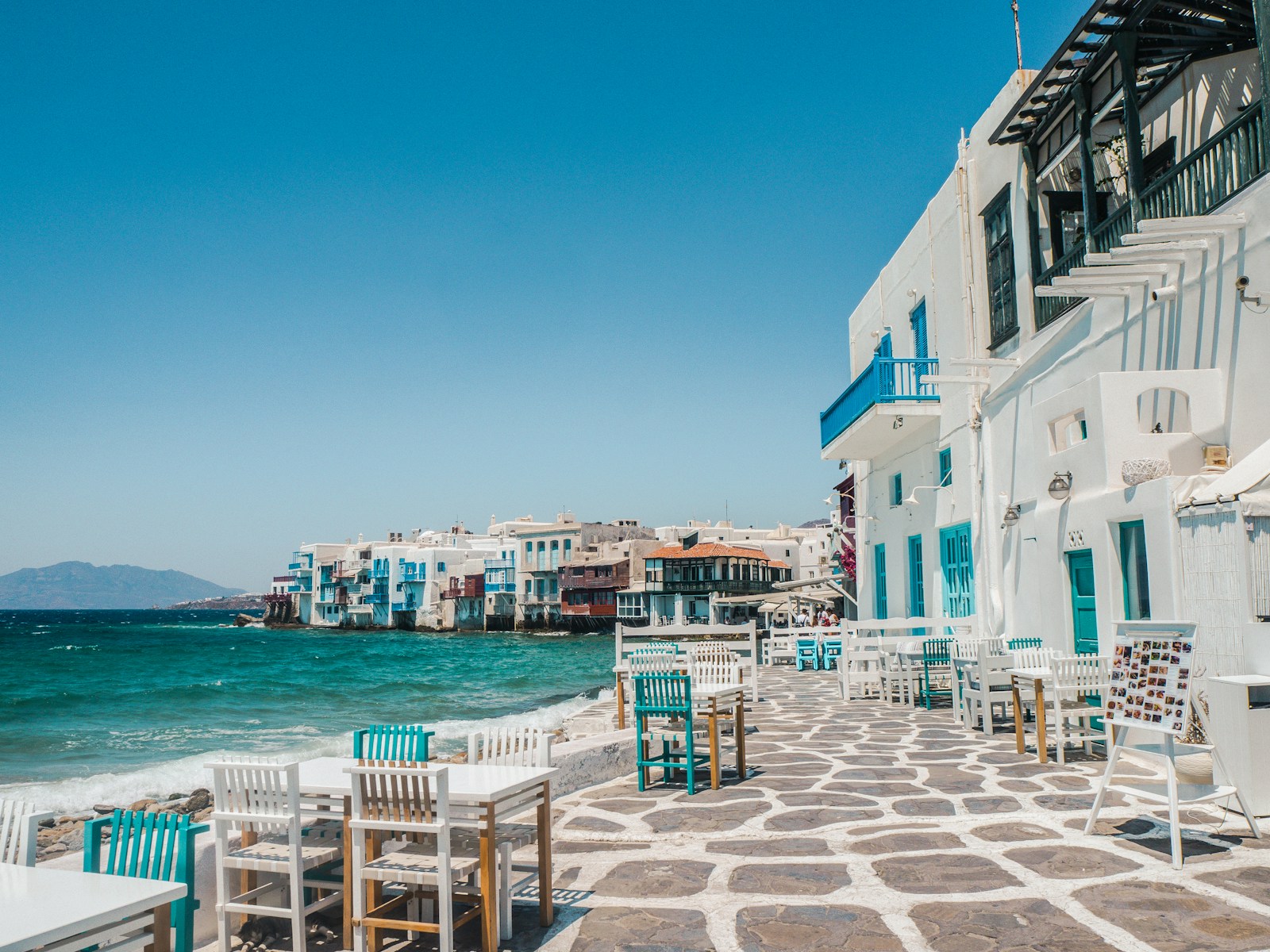
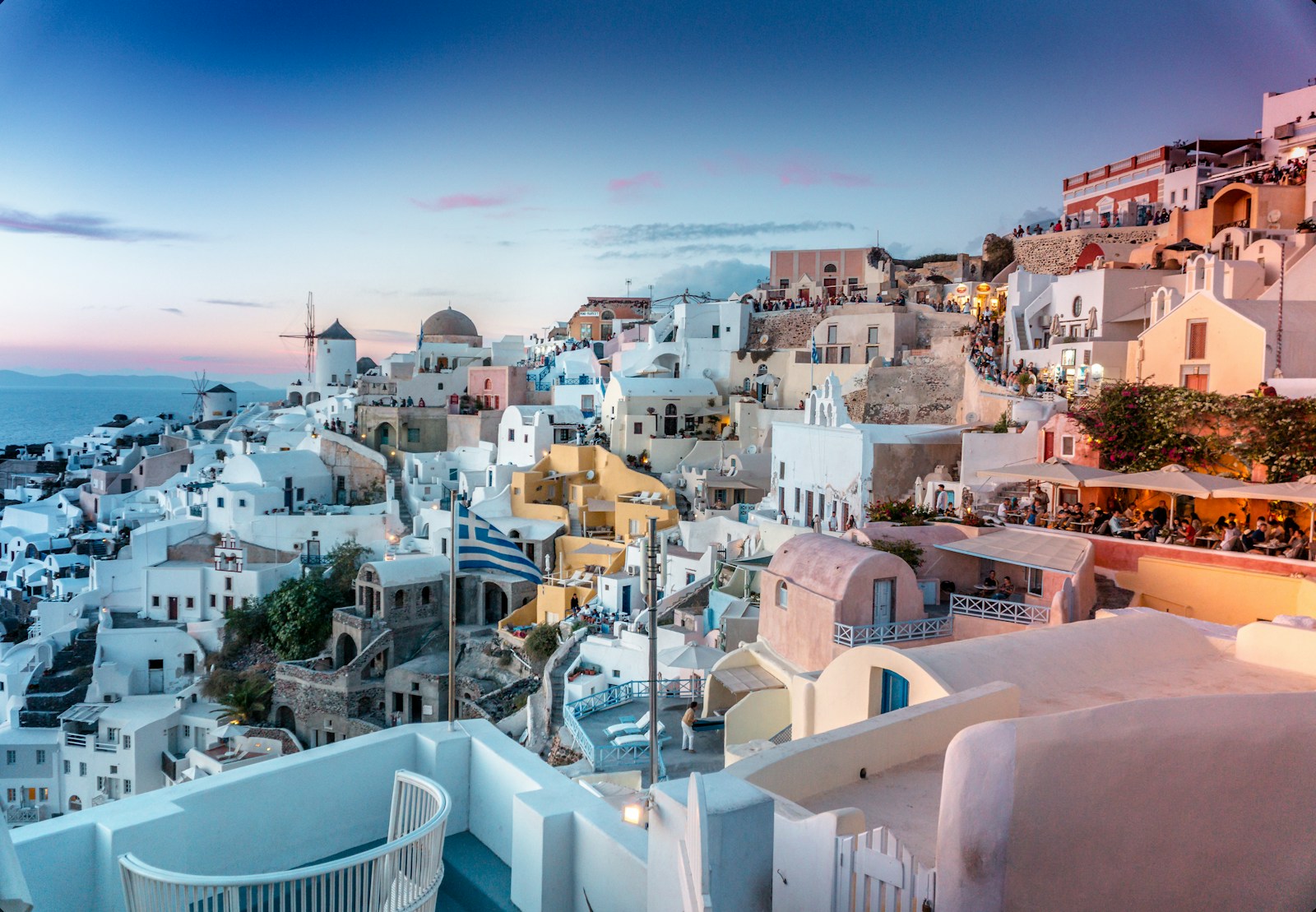
The iconic blue domes and whitewashed buildings remain, but experiencing them in solitude requires strategic timing: dawn, dusk, or the shoulder months when the crowds thin. Mykonos has undergone a parallel transformation, its party-island reputation now layered with genuine luxury positioning. The beach clubs charge entry fees that rival Ibiza, the boutiques stock international designers, and the clientele has shifted from backpackers to billionaires.
Yet here’s the thing: the crowds exist because these islands genuinely deliver. Santorini’s caldera is one of Earth’s most dramatic landscapes, the result of a volcanic eruption so cataclysmic it may have ended the Minoan civilization.
Mykonos’s labyrinthine old town, designed to confuse pirates, now confuses visitors in the most delightful way, its twisting passages revealing hidden churches, bougainvillea-draped courtyards, and suddenly, improbably, the sea. The authenticity hasn’t disappeared; it’s simply shared with more people now. Knowing how to find the quieter corners, the less obvious restaurants, the beaches the day-trippers don’t reach, transforms the experience entirely.
8 days
|£3,435
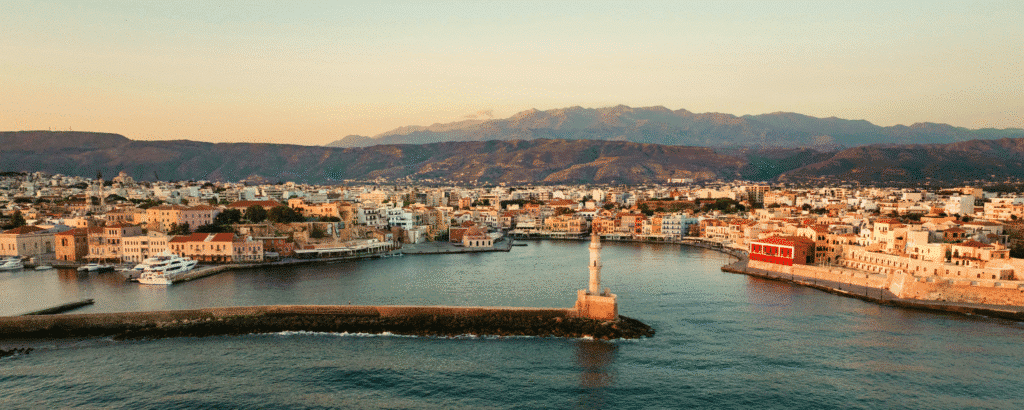
7 days
|£3,195
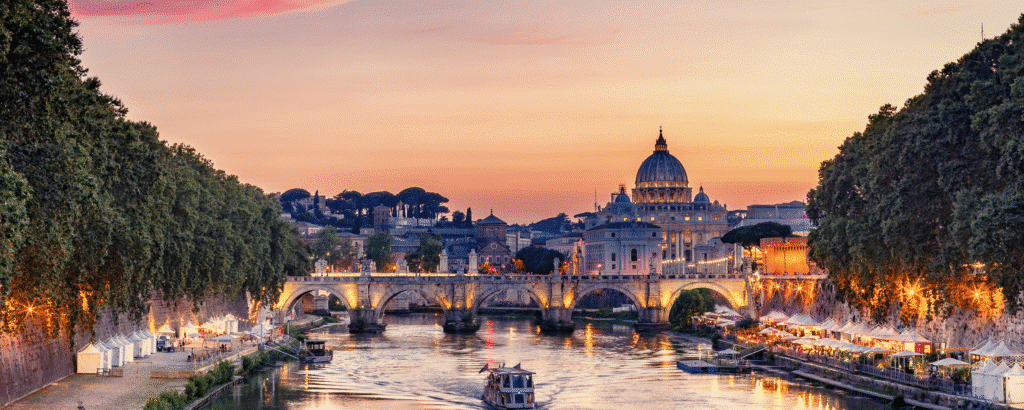
12 days
|£4,075
Both islands have attracted significant hospitality investment, though the aesthetic and atmosphere diverge considerably.
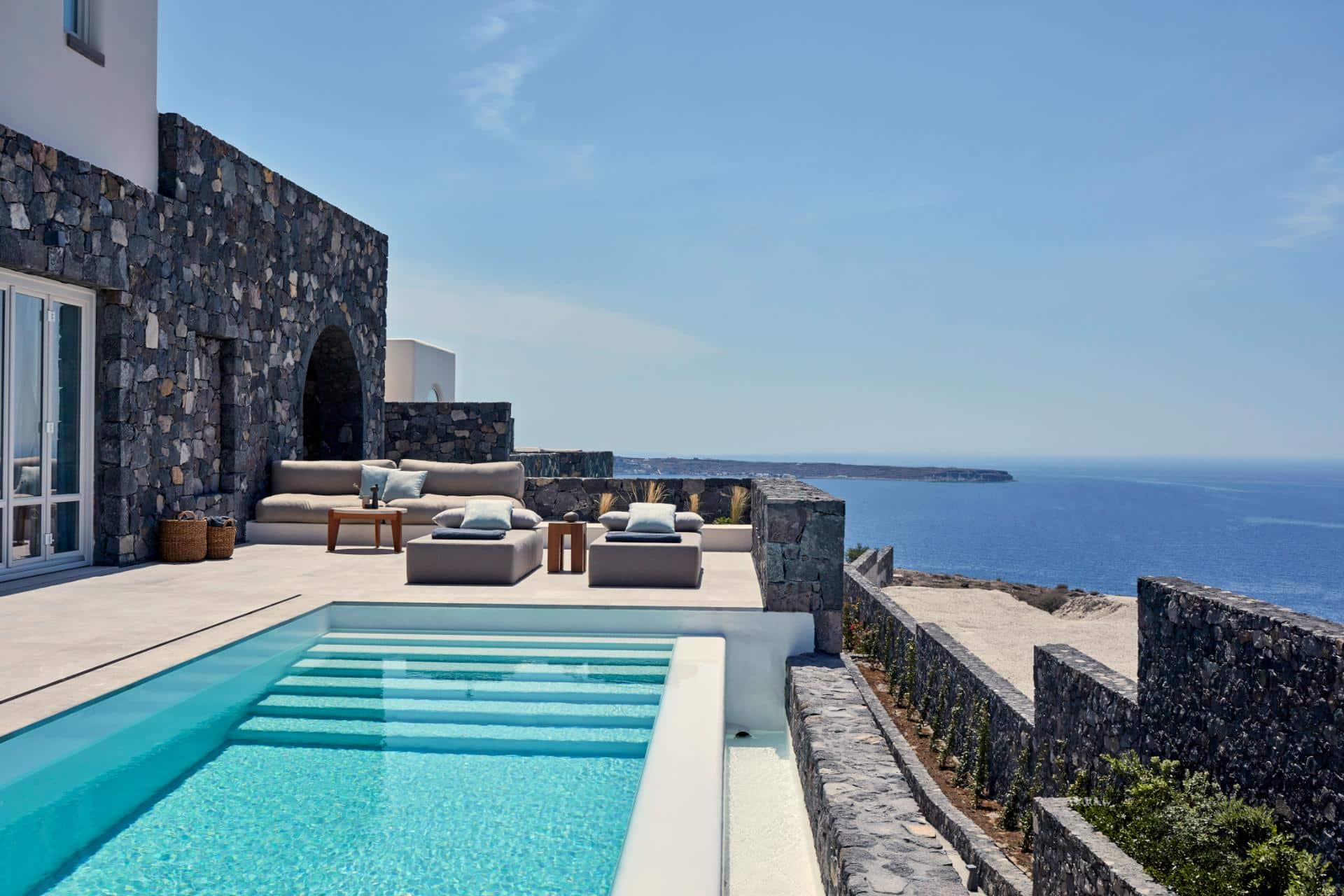
Santorini built its hotel reputation on the caldera. Properties in Oia and Imerovigli cling to cliffsides, their cave suites carved into volcanic rock, their infinity pools appearing to spill directly into the Aegean hundreds of feet below. Canaves Oia Epitome represents the current pinnacle: private pools, butler service, and a sense of seclusion despite the island’s crowds.
Grace Hotel Santorini, now part of the Auberge collection, pioneered the luxury caldera experience and maintains impeccable standards. For something with more character, Perivolas in Oia transformed traditional cave houses into minimalist suites that feel genuinely rooted in place.
Away from the caldera, options expand. The inland village of Pyrgos, less visited than Oia, hosts Vedema, a Marriott Luxury Collection property occupying a restored 400-year-old wine estate. The black sand beaches of Perivolos and Kamari have their own hotel scenes, more casual, better for beach days than sunset gazing.
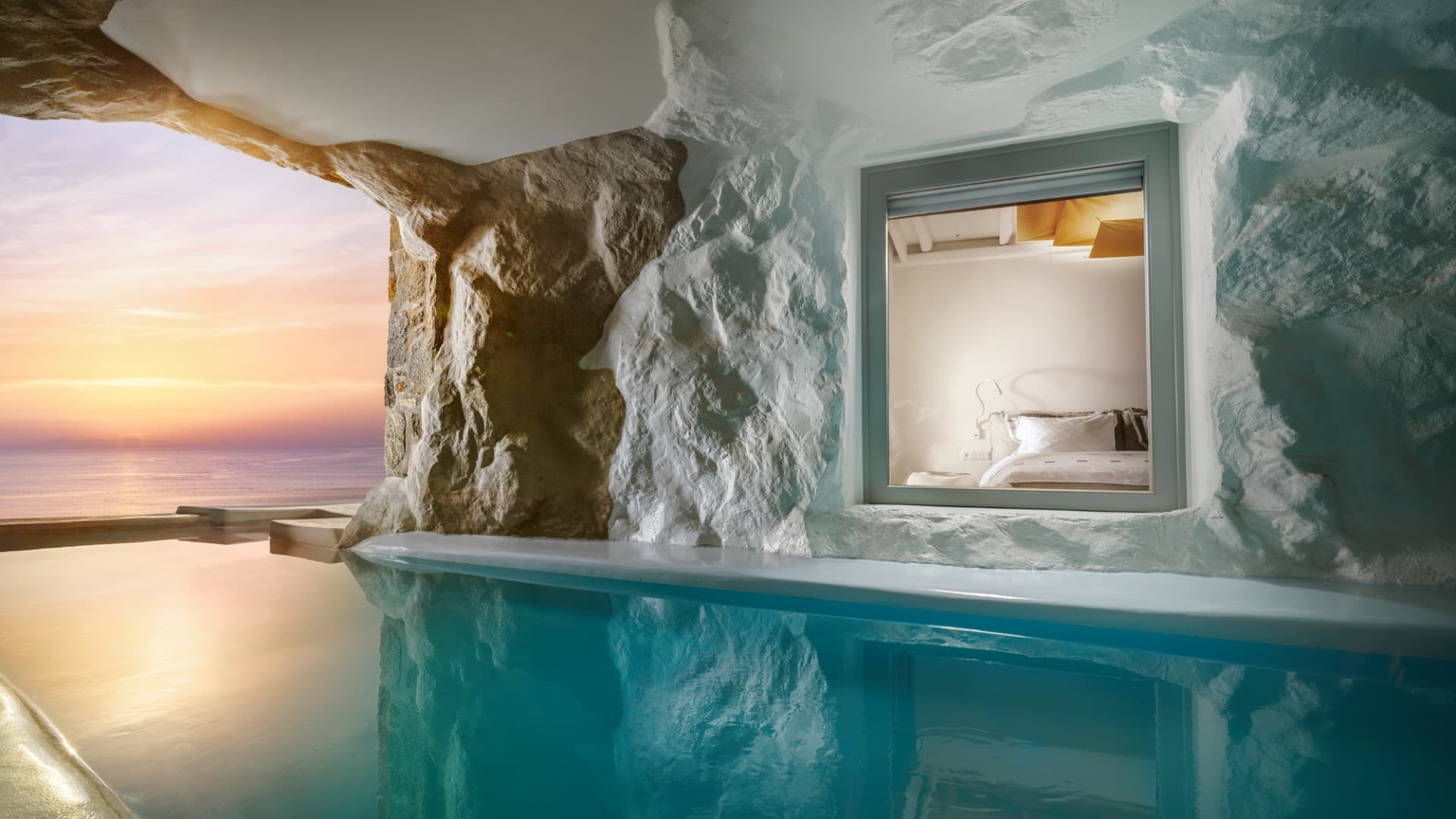
Mykonos takes a different approach. Hotels here tend toward Cycladic chic: white geometries, natural materials, an effortless glamor that suits the island’s social atmosphere. Cavo Tagoo established the template decades ago, its cliff-edge pool and sculptural architecture becoming some of the island’s most photographed spots. Myconian Utopia, perched above Elia Beach, delivers polished luxury with exceptional service. Santa Marina, on its own peninsula near Ornos, offers a more resort-like experience with private beach and full amenities.
For travellers seeking something less manicured, San Giorgio in Paraga channels bohemian energy with its driftwood aesthetic and relaxed pool scene. Rocabella offers design-forward rooms and genuine warmth without the premium pricing of the headline properties.
The choice often comes down to purpose. Santorini’s caldera hotels are inherently romantic, their drama suited to couples seeking privacy and natural spectacle. Mykonos hotels function more as social bases, places to look good by the pool before heading out to explore the island’s beaches and bars.
Mykonos has better beaches, full stop. The island’s coastline offers variety that Santorini cannot match: the organized glamor of Psarou, where superyachts anchor offshore and sun loungers come with serious price tags; the party atmosphere of Paradise and Super Paradise, whose beach clubs pound through the afternoon; the relative calm of Agios Sostis, a north-coast stretch without facilities or crowds; the family-friendly sands of Ornos and Platis Gialos. The water is clear, the sand is golden, and swimming is uniformly excellent.
Santorini’s volcanic geology produces a different beach experience entirely. The sand runs to black and red, the result of ancient eruptions, and the caldera side of the island offers no beaches at all, just dramatic cliffs plunging into deep water.
Perissa and Perivolos provide the longest stretches of black sand, their beachfront lined with tavernas and loungers. Red Beach, accessible via a short hike from Akrotiri, delivers striking visuals: rust-coloured cliffs against dark sand and blue water. Kamari offers a more developed scene with a promenade and water sports. Swimming from any of these is perfectly pleasant, but nobody chooses Santorini primarily for its beaches.
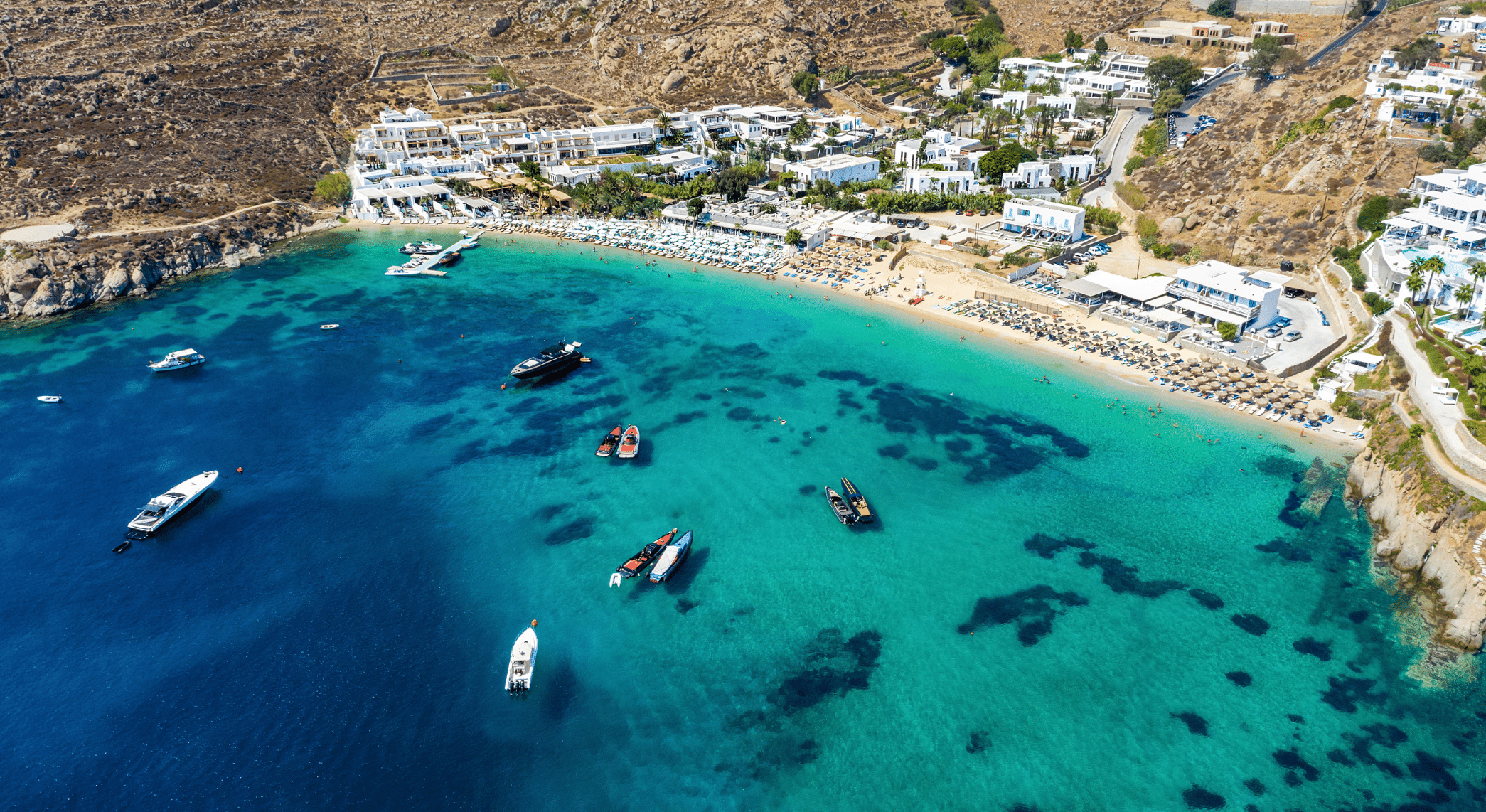
Both islands have experienced a culinary renaissance, their dining scenes evolving well beyond taverna clichés.
Santorini benefits from extraordinary local produce. The volcanic soil yields cherry tomatoes with concentrated sweetness, white eggplants, capers, and fava beans that form the backbone of traditional island cuisine. Add the indigenous Assyrtiko grape, producing some of Greece’s most distinctive white wines, and you have ingredients worth celebrating. Selene, in Pyrgos, has championed refined Santorinian cuisine for decades.
Metaxi Mas, in the village of Exo Gonia, offers a more casual take on island cooking, its terrace packed nightly with visitors who’ve learned to book ahead. Ammoudi Fish Taverna, at the bottom of 300 steps from Oia, serves grilled octopus and fresh fish in a setting that justifies every calorie burned on the climb back up.
The wine scene deserves special mention. Santorini’s vineyards, among the oldest in the world, produce distinctive wines shaped by volcanic terroir and vines trained in basket shapes to protect against wind. Santo Wines, Venetsanos, and Estate Argyros offer tastings with caldera views, while serious oenophiles seek out smaller producers like Gavalas and Hatzidakis.
Mykonos dining has grown increasingly ambitious. Nammos, on Psarou Beach, combines a beach club atmosphere with excellent Mediterranean cuisine, though the prices reflect the see-and-be-seen clientele.
Matsuhisa Mykonos, at the Belvedere Hotel, brings Nobu’s signature Japanese-Peruvian fusion to a candlelit courtyard. Remezzo, in Mykonos Town, has served elevated Greek cooking since the 1960s, its longevity a testament to consistency. For something simpler, Kiki’s Taverna near Agios Sostis beach operates without electricity or phone reservations, serving grilled meats and salads to those willing to queue.
The drinking cultures diverge. Santorini’s evenings center on wine bars and caldera-view cocktails, the pace relaxed, the emphasis on watching the famous sunset. Mykonos drinking is more social and more likely to extend into morning hours. 180º Sunset Bar boasts Santorini’s most celebrated sunset perch. Mykonos counters with Scarpa, whose waterfront location catches the late light beautifully, and Semeli, where the cocktail program holds its own against any European capital.
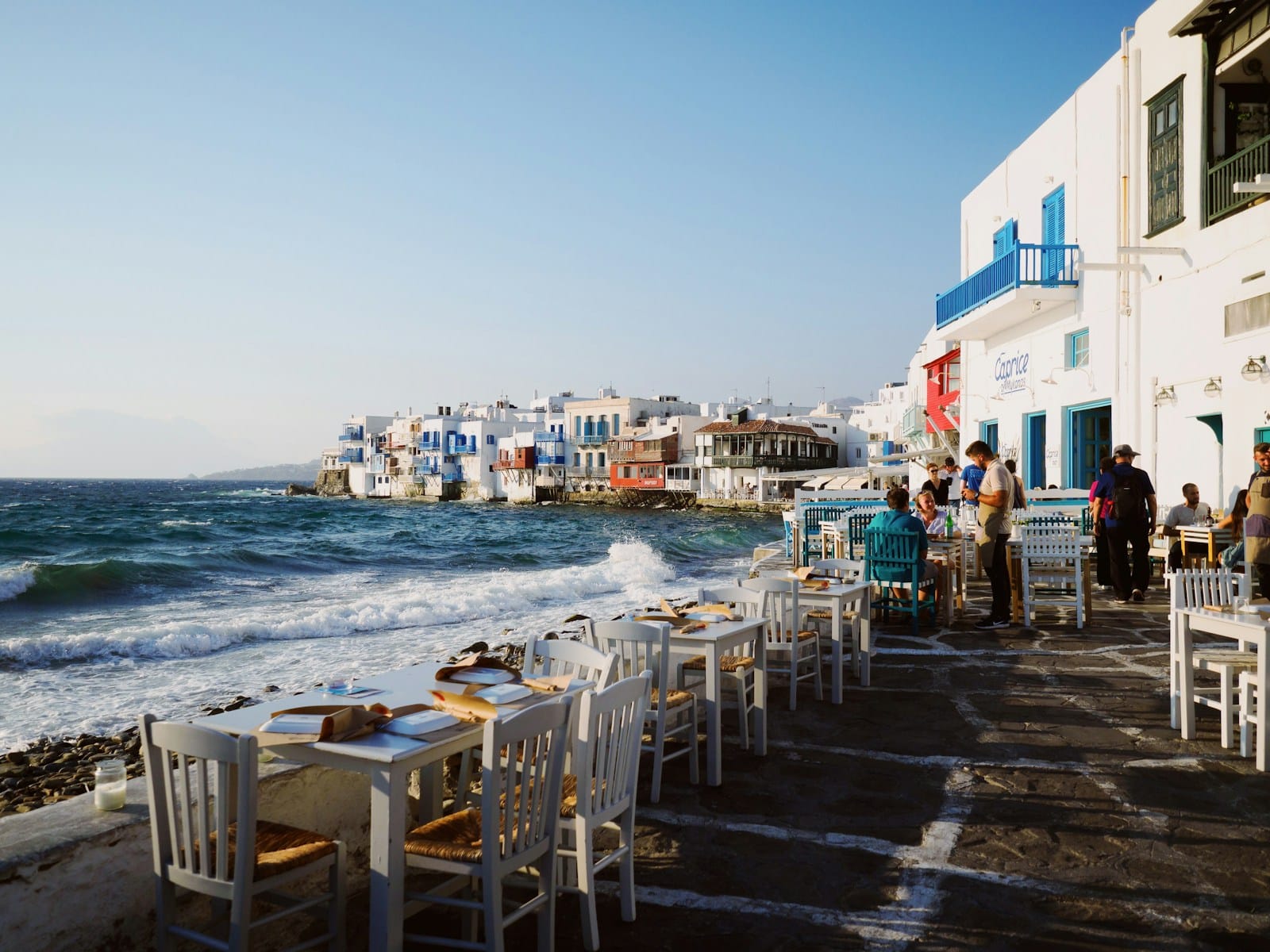
Mykonos remains one of the Mediterranean’s great nightlife destinations. The scene has evolved from its 1970s reputation as a haven for bohemians and gay travellers into something more polished and moneyed, but the energy persists. Mykonos Town comes alive after midnight, its bars and clubs spilling onto narrow streets until dawn. Cavo Paradiso, above Paradise Beach, hosts international DJs and thousands of revelers through the summer.
Jackie O’, originally a gay club, now draws a mixed crowd to its waterfront location in town. The beach clubs at Paradise and Super Paradise transition from afternoon lounging to evening dancing with barely a break.
The scene is not for everyone. It’s loud, it’s expensive, and it’s crowded. But for travellers seeking genuine nightlife, the kind where you lose track of time and find yourself watching the sunrise with strangers who’ve become temporary friends, Mykonos delivers as few European destinations can.
Santorini offers a different proposition entirely. Nightlife here means sunset cocktails in Fira or Oia, perhaps live music at a wine bar, dinner extending into the late hours. There are bars with views and places to dance in Fira, but the island’s energy winds down as midnight approaches.
This isn’t a failing; it reflects Santorini’s character as a place for couples, for contemplation, for beauty that doesn’t require a thumping baseline. If your ideal evening involves watching the caldera turn pink and gold while sharing a bottle of Assyrtiko, then comparing Santorini’s nightlife to Mykonos’s misses the point entirely.
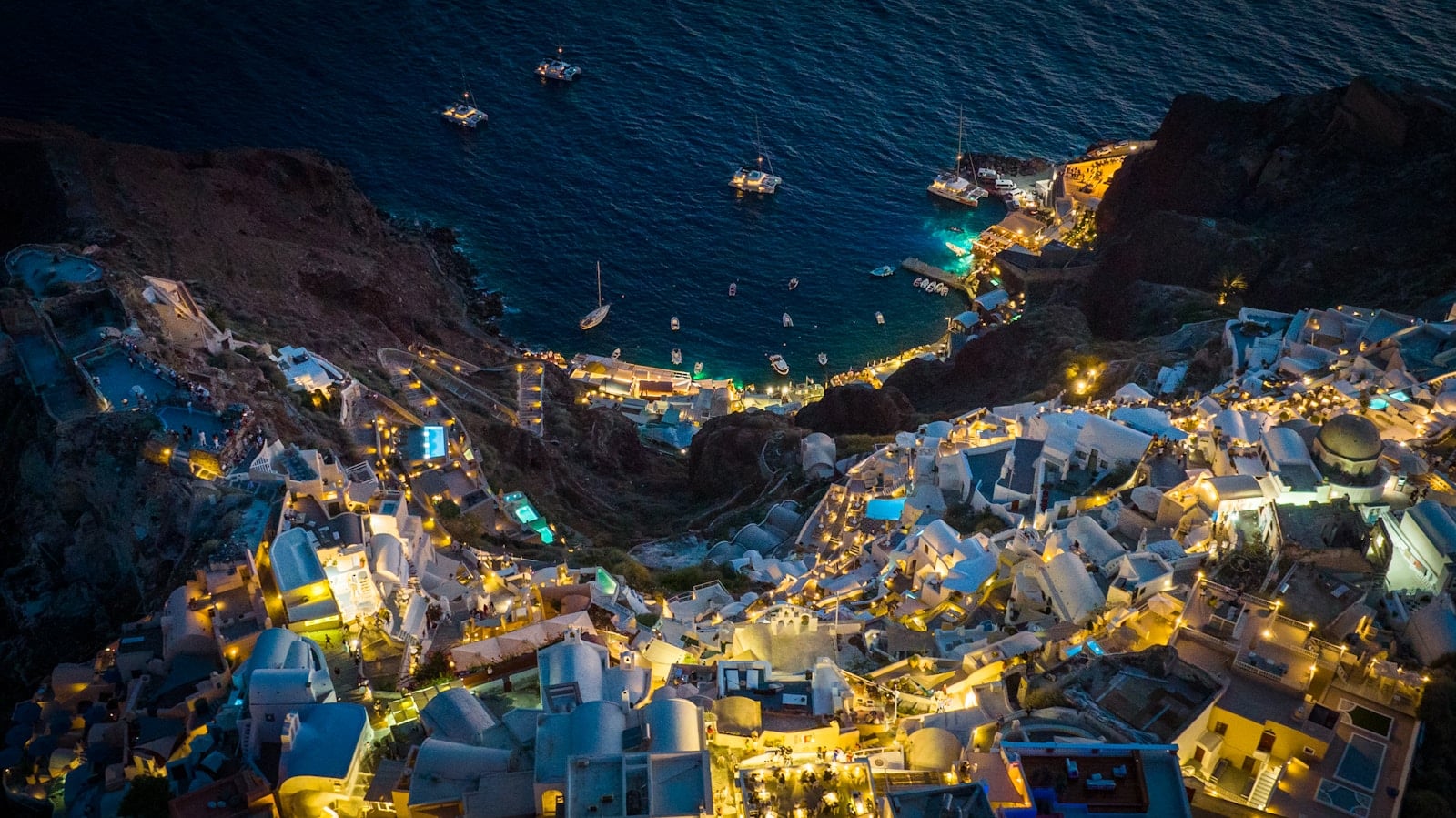
For pure romance, Santorini maintains an edge that Mykonos struggles to match. The caldera is inherently dramatic, the sunsets genuinely spectacular, and the hotel scene caters explicitly to couples seeking privacy and indulgence.~
There’s a reason Santorini appears on every honeymoon destination list: the setting does most of the work. A cave suite with a private plunge pool, dinner at a cliffside restaurant, watching the sun drop behind the volcanic islands in the middle of the caldera: these experiences feel designed for romance.
Practical touches reinforce the positioning. Hotels here specialize in couples’ experiences: private dinners on terraces, sunset sailing excursions, spa treatments for two. The pace encourages intimacy; there’s little pressure to do anything beyond enjoy each other’s company against an extraordinary backdrop.
Mykonos can certainly work for honeymoons, particularly for couples who want social energy and beach days alongside their romance. The hotels offer plenty of luxury, and the island’s beauty is undeniable. But the atmosphere skews more energetic, more social, more oriented toward groups of friends and parties than toward quiet couples’ moments.
Honeymooners who enjoy beach clubs, people-watching, and late nights will find plenty to love.
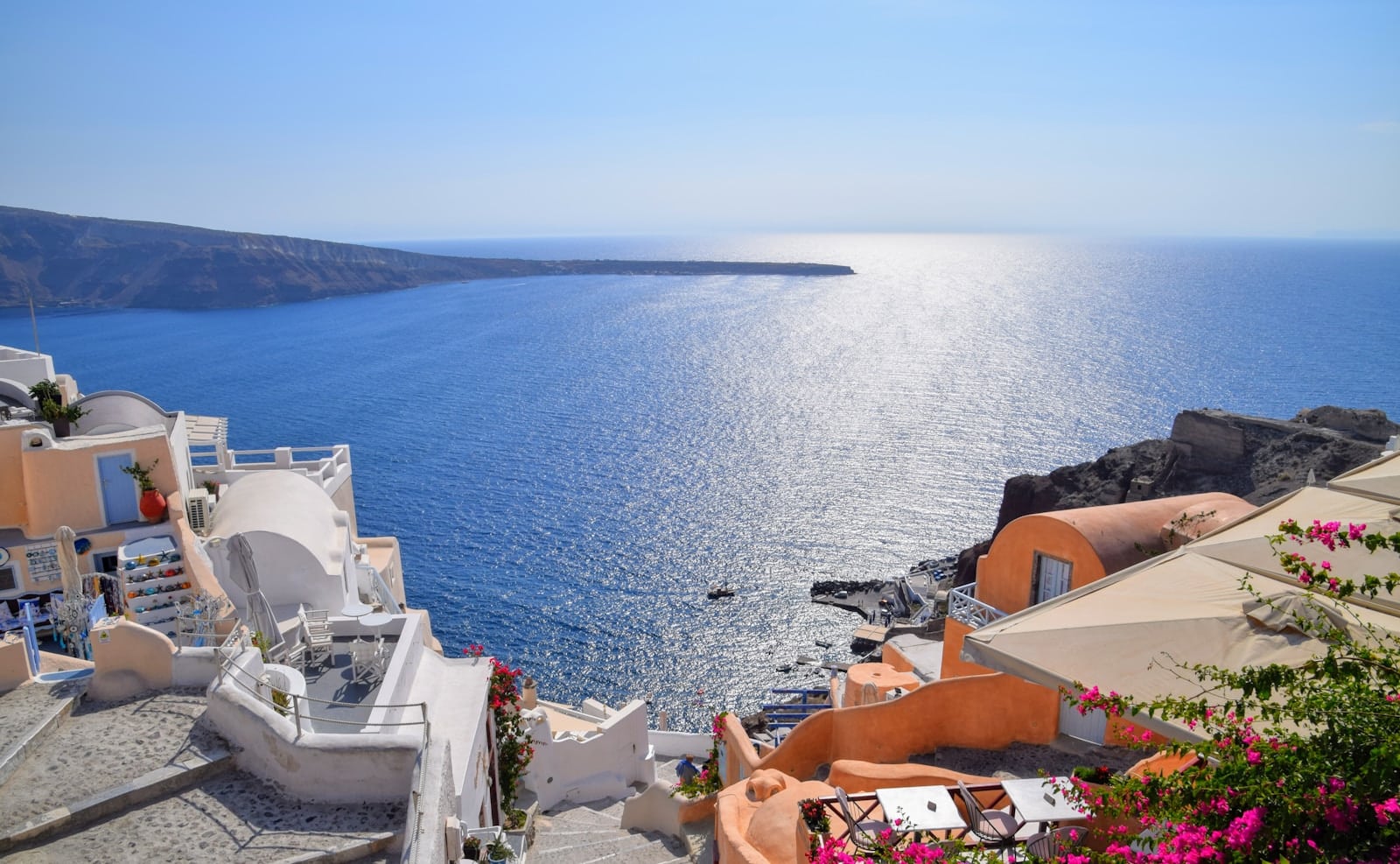
Choose Santorini if: You prioritize caldera views over beach time. You want a romantic atmosphere suited to honeymoons, anniversaries, or couples’ escapes. You prefer wine bars to nightclubs. You’re willing to navigate crowds for genuinely world-class scenery. You care more about views than swimming. You want to feel like you’re somewhere geologically unique.
Choose Mykonos if: Beaches matter to you. You want nightlife options ranging from beach club afternoons to all-night dancing. You enjoy a social, see-and-be-seen atmosphere. You’re traveling with friends rather than as a couple. You want variety in your days: beach, town, restaurant, bar.
Or choose both: The islands are close enough to combine, either by ferry or short flight. A week split between them captures contrasting experiences: Santorini’s contemplative beauty, Mykonos’s kinetic energy. Start with Santorini to decompress, then finish with Mykonos to celebrate. Or reverse the order, using Santorini’s calm as a recovery from Mykonos’s excesses.
Both islands have changed, and both will continue to evolve. The crowds are real, the prices have climbed, and the sleepy Cycladic villages of a generation ago exist now mostly in memory. But what drew travellers here in the first place remains: the light, the architecture, the sea, the particular Greek alchemy that transforms simple pleasures into lasting memories.
Whether you’re drawn to Santorini’s caldera drama, Mykonos’s beach club energy, or a journey combining both, our travel experts craft itineraries tailored to your style. Get in touch to start planning.
Suggested articles

Tell us how you want to feel, we’ll take it from there.
“Our trip was truly magical and full of core memories that will last us a lifetime.”
Michael • Bora Bora Honeymoon

“We just returned from an incredible journey through Ireland, and we couldn’t have had a better experience”
Brad • Ireland Adventure
“This was a flawless experience right from the beginning, we had so many thoughts and ideas flowing around and they took all of them and perfectly curated the most beautiful honeymoon for us.”
Kris • Sicily Honeymoon
See more reviews on Trustpilot
 12 min read
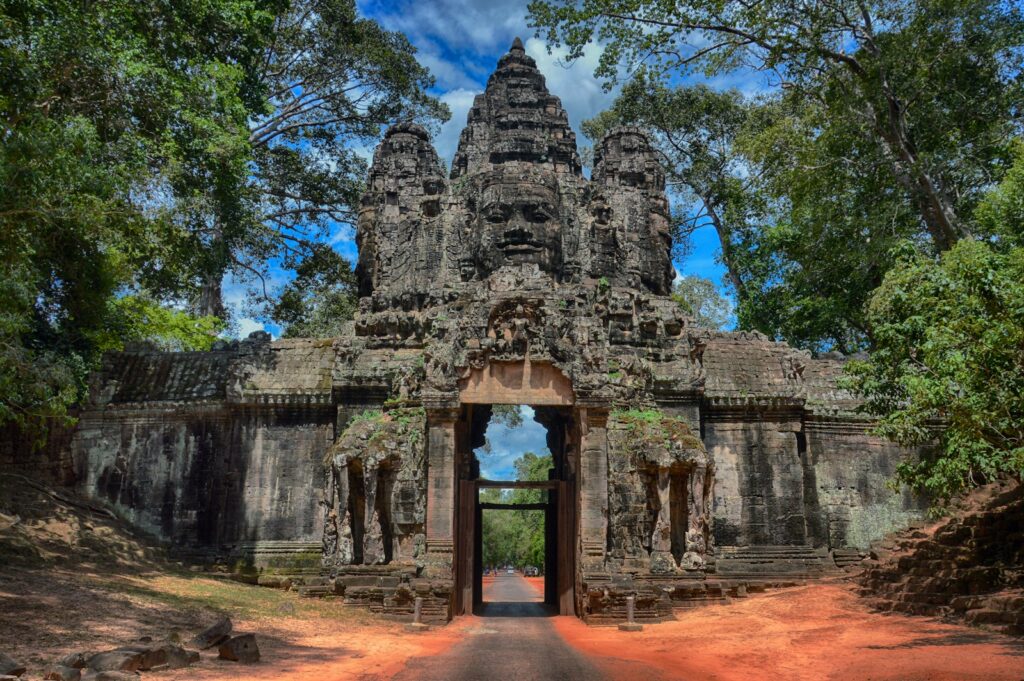
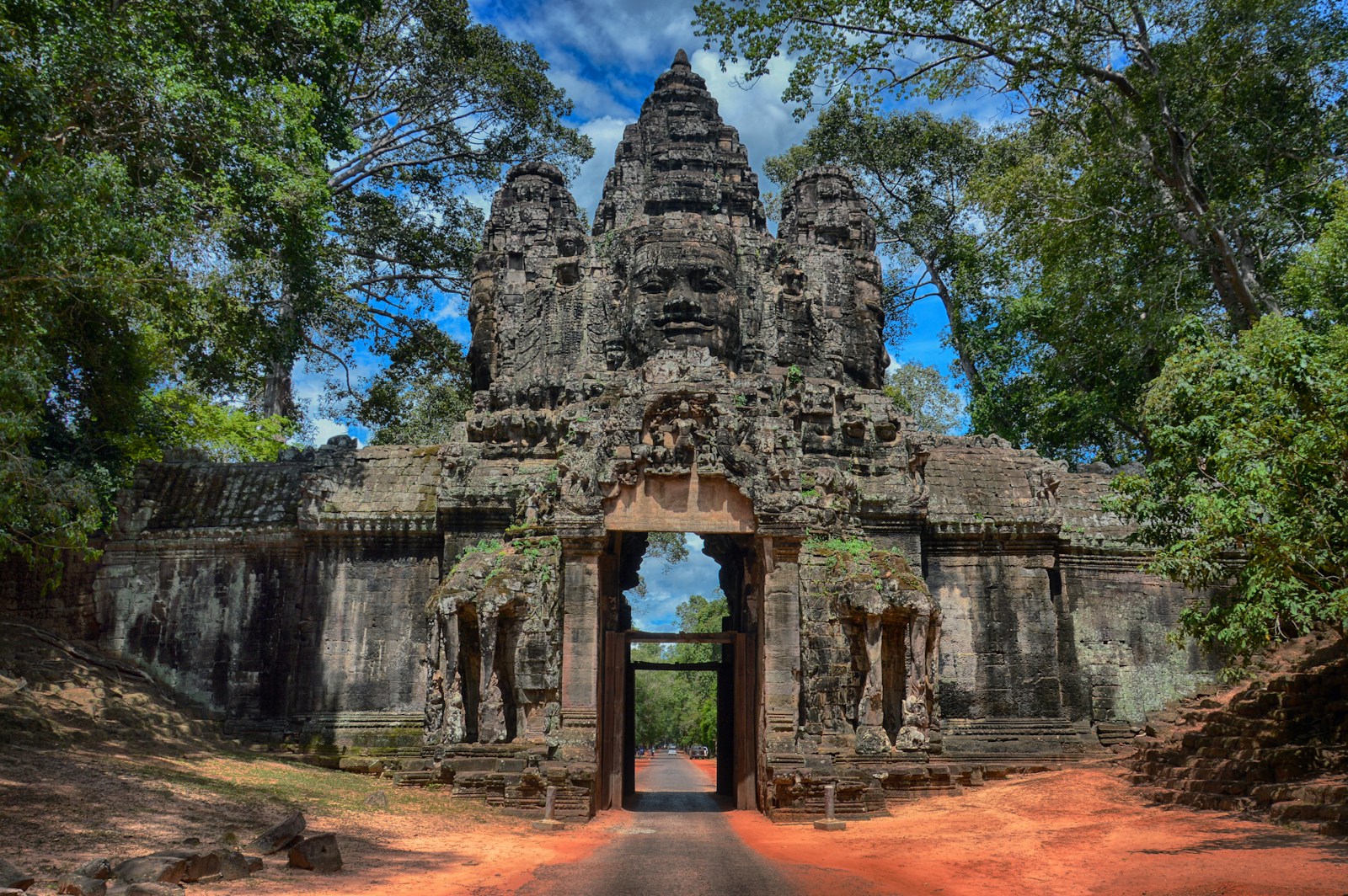
Angkor Wat is one of the world’s most extraordinary temple complexes, but experiencing it well comes down to timing, pacing and where you choose to stay. This is how to plan the perfect luxury trip.
 11 min read
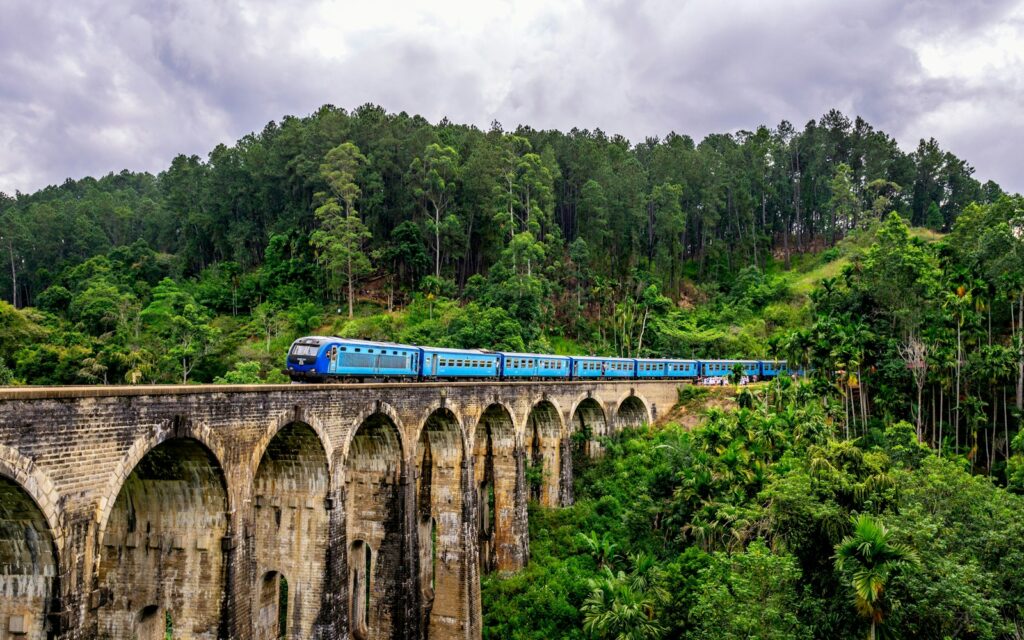
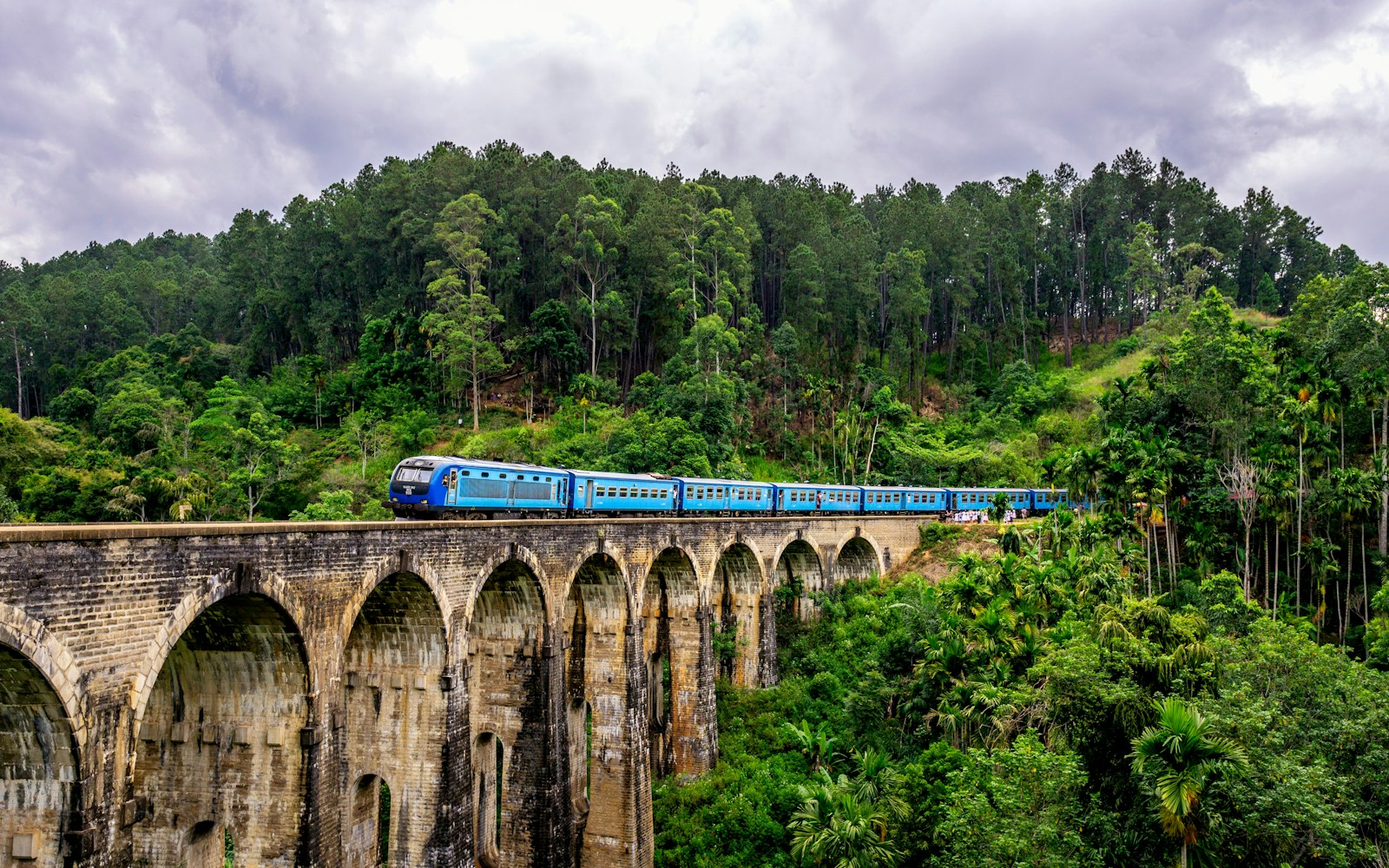
Sri Lanka’s tea country is a place where production and landscape are inseparable. From hand-plucked leaves to historic bungalows, this guide walks you through how the region looks, works and feels.
 10 min read
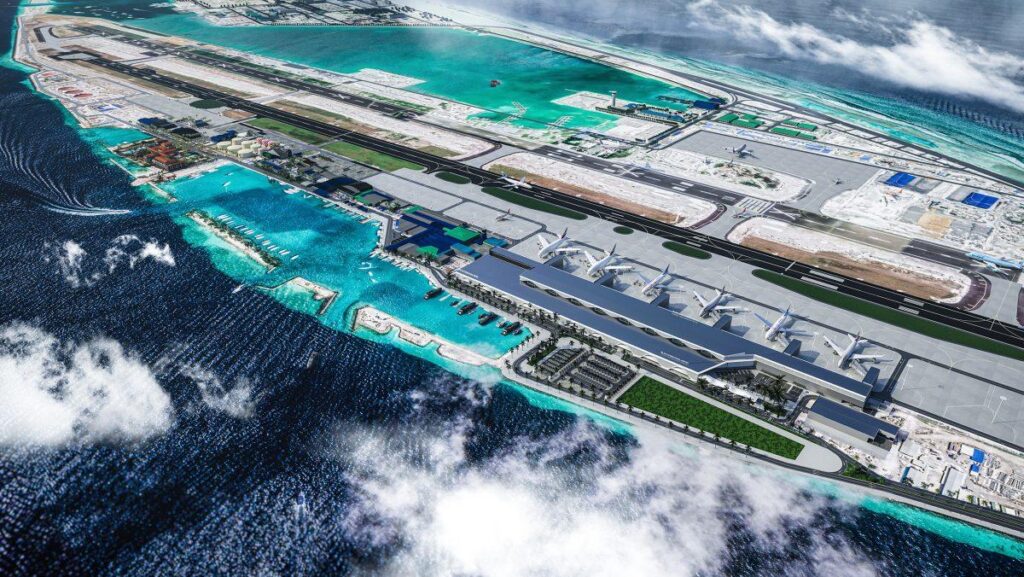
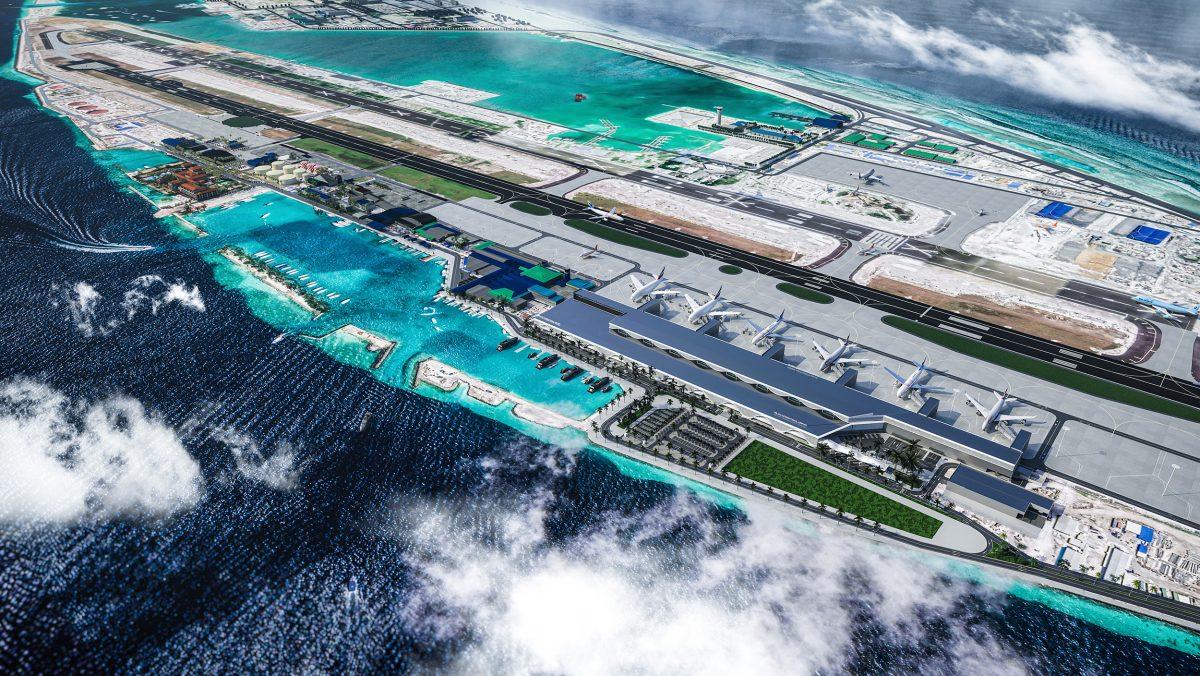
The Maldives has quietly solved its biggest travel flaw. With the new Velana International Airport, the long, chaotic arrival is replaced by speed, space and a seaplane transfer that finally feels worthy of the destination.
 13 min read
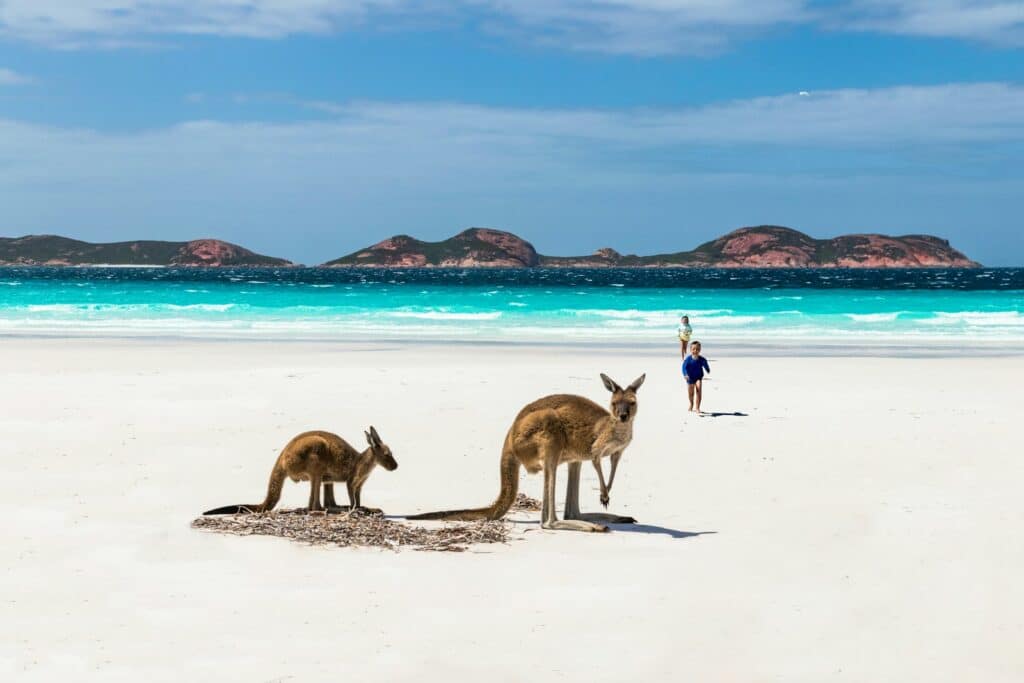
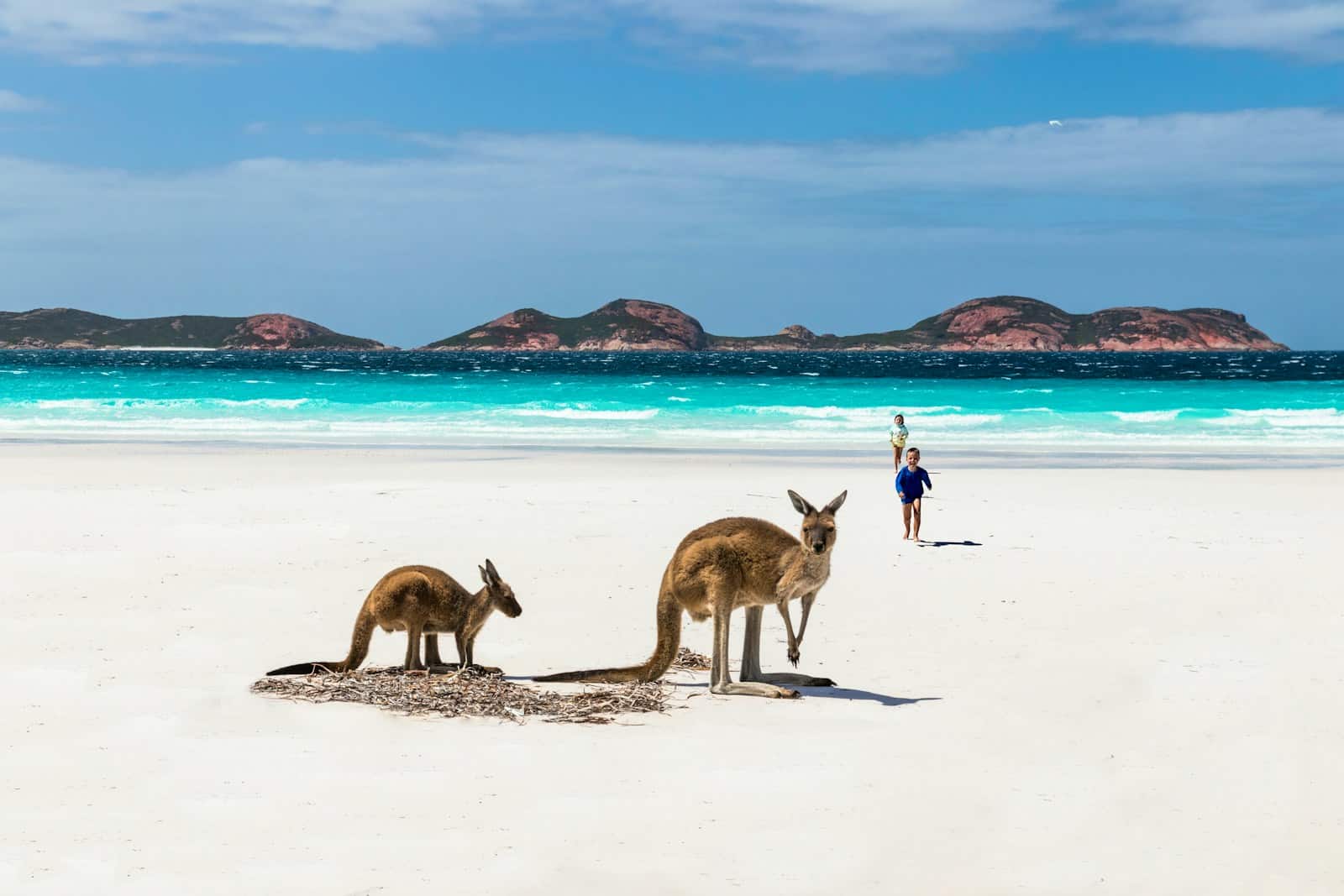
Australia’s coastline stretches for 34,000 kilometers, and scattered along its length lie islands that range from tropical reef cays to temperate wilderness sanctuaries. The country has been slower than the Maldives or French Polynesia to develop its island luxury potential, but that’s changing.

Ask us anything.
