



14 days days
|£3,195

A rare, quiet encounter with the world’s most remarkable art collection — curated for presence, not pace.
By day, the Vatican Museums move to their own current — a steady tide of footsteps and whispers flowing through corridors of marble and gold. Six million people each year trace the same path, heads tilted, cameras raised. It’s extraordinary, but also overwhelming.
When the sun lowers and the doors close to the public, the transformation is striking. The air cools, the light softens, and a rare silence returns. For a few hours, the world’s most visited museum becomes what it was always meant to be — a place for contemplation, not commotion.
Through Do Not Disturb’s Rome specialists, travellers can step into this stillness. A private, curator-led visit unfolds slowly through the Vatican’s heart — an experience not defined by exclusivity, but by access to understanding. It’s not about being alone. It’s about having time.
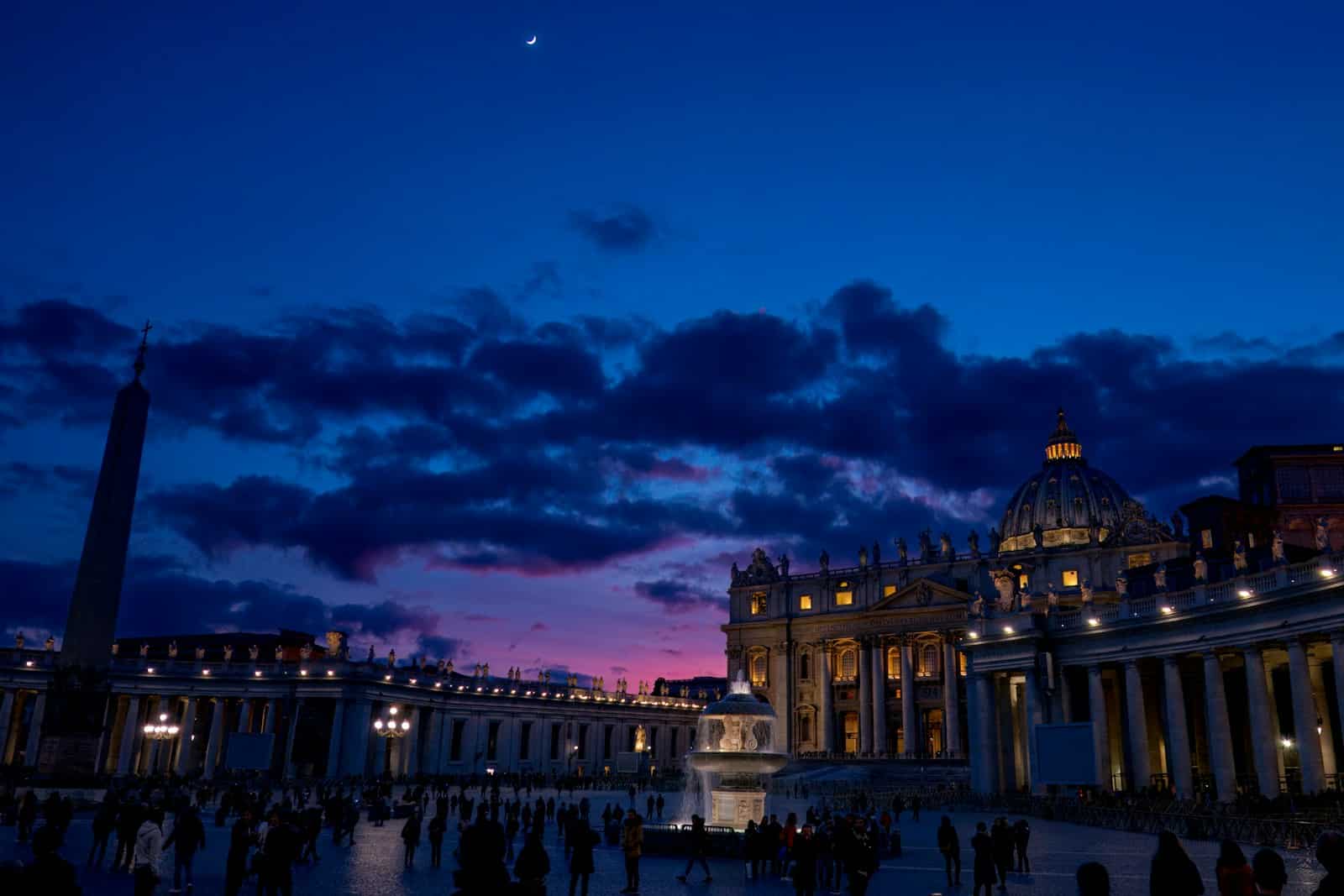
The evening begins outside, where the crowds that gather in St Peter’s Square have begun to fade. Cafés lower their shutters; the scent of coffee is replaced by candle wax and stone. A discreet entrance leads into softly lit corridors where the echo of the day lingers, fading into quiet.
The guide — a seasoned Vatican curator — sets a pace that feels instinctive. No headsets, no hurry. Just small groups of guests following the gentle rhythm of a city rediscovering its breath.
In the Gallery of Maps, centuries of geography stretch across the walls: mountain ridges raised in pigment, coastlines edged in gold. Seen without distraction, they reveal more than decoration — they map the Church’s view of the world in the 16th century. The blues are deep, the detail meticulous. Your guide might pause to point out Lazio, Tuscany, Sicily — regions familiar yet frozen in their Renaissance form. It’s in these pauses that you realise how rarely we get to see without rushing to the next moment.
Further on, the Raphael Rooms open like a revelation. In daylight, they’re known mostly through fragments — a glimpse of a fresco, a half-heard explanation over the hum of a crowd. By evening, they expand into quiet conversation.
Your guide gestures toward The School of Athens, explaining how Raphael used perspective to unite philosophy, theology and art — Plato and Aristotle framed in perfect symmetry, their gestures mirroring heaven and earth. With time to stand back, you notice how he painted himself among the thinkers, a silent signature of ambition.
The next room tells a more personal story: The Liberation of Saint Peter, where moonlight, torchlight and dawn coexist in one fresco — Raphael’s study in divine timing. As you move from panel to panel, the guide speaks less of facts and more of relationships: how artists borrowed from each other, how ideas migrated from marble to paint, from ancient Rome to Renaissance Florence and back again.
These aren’t just galleries; they’re echoes of creative exchange. And in the soft light of evening, you feel the continuity — how art becomes a dialogue across centuries, sustained by those who look slowly.
To walk the Vatican at night isn’t to step into something forbidden; it’s to experience something restored. The Museums themselves offer special evening openings at select times of year — spring through autumn — but Do Not Disturb takes that framework and refines it.
Every element is intentional: the route, the timing, the historian leading the way. Guests might enter through a quieter wing, timed to coincide with closing hours so that each room feels naturally still. There’s no sense of performance; it’s authentic, practical curation — designed for those who value focus over formality.
That same attention extends beyond the walls. A driver waits at the end of the night to carry guests into the cool of the city, perhaps toward a late dinner in Trastevere or a quiet glass of wine overlooking the Tiber. It’s Rome at its best — considered, effortless, unhurried.
This is what Do Not Disturb does best: transforms a world-famous setting into a moment that feels private and deeply personal.
Eventually, the route leads to the heart of it all: the Sistine Chapel.
It’s a space that lives in our collective imagination, yet few have truly seen. When the doors open, the first impression isn’t grandeur but scale — how the ceiling draws the eye upward, commanding both attention and stillness.
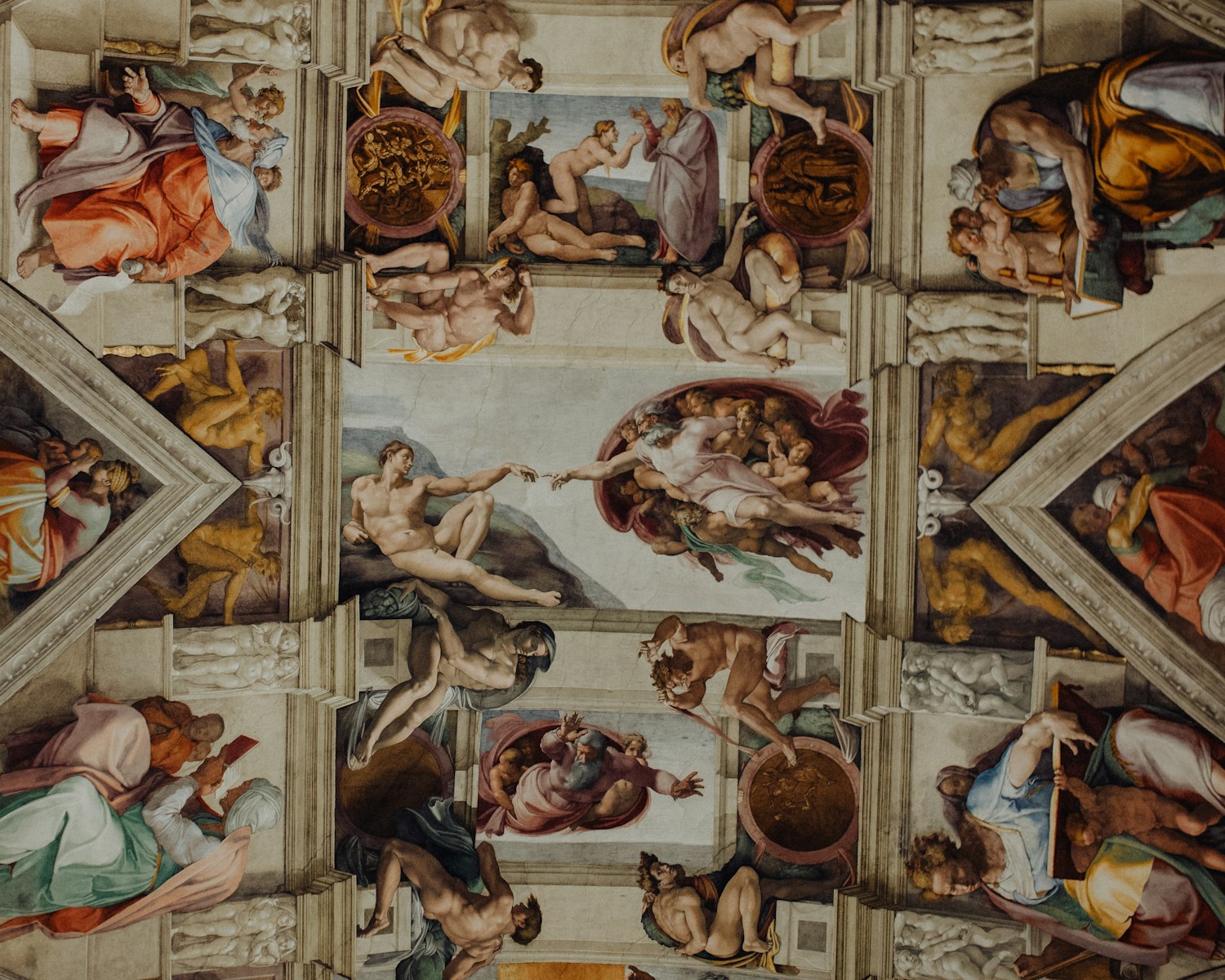
The guide explains the rhythm of the panels — nine central scenes from Genesis — and how Michelangelo’s work evolved over the four years he spent painting them. You begin to notice subtleties often lost in photographs: the fluidity of the human form, the tension between power and grace, the way The Creation of Adam feels both intimate and infinite at once.
Then there’s The Last Judgment, painted decades later — a reflection of an older, more introspective Michelangelo. The colours are more subdued, the composition more turbulent. Your guide gestures gently, describing the controversy it caused in its day: the daring nudity, the emotional intensity, the artist’s defiance of convention.
Standing in the quiet, you see the work not as spectacle but as statement — a human being grappling with faith, mortality and meaning. The silence makes it clearer.
For many travellers, this is the moment that lingers: not because it’s grand, but because it feels honest. The Vatican isn’t just a museum of masterpieces; it’s a record of human ambition, devotion and imperfection — rendered in marble and pigment, preserved for reflection.
The deeper surprise of an after-hours visit is emotional, not academic. In the absence of movement, you start to experience the art as its makers intended — measured, intimate, alive.
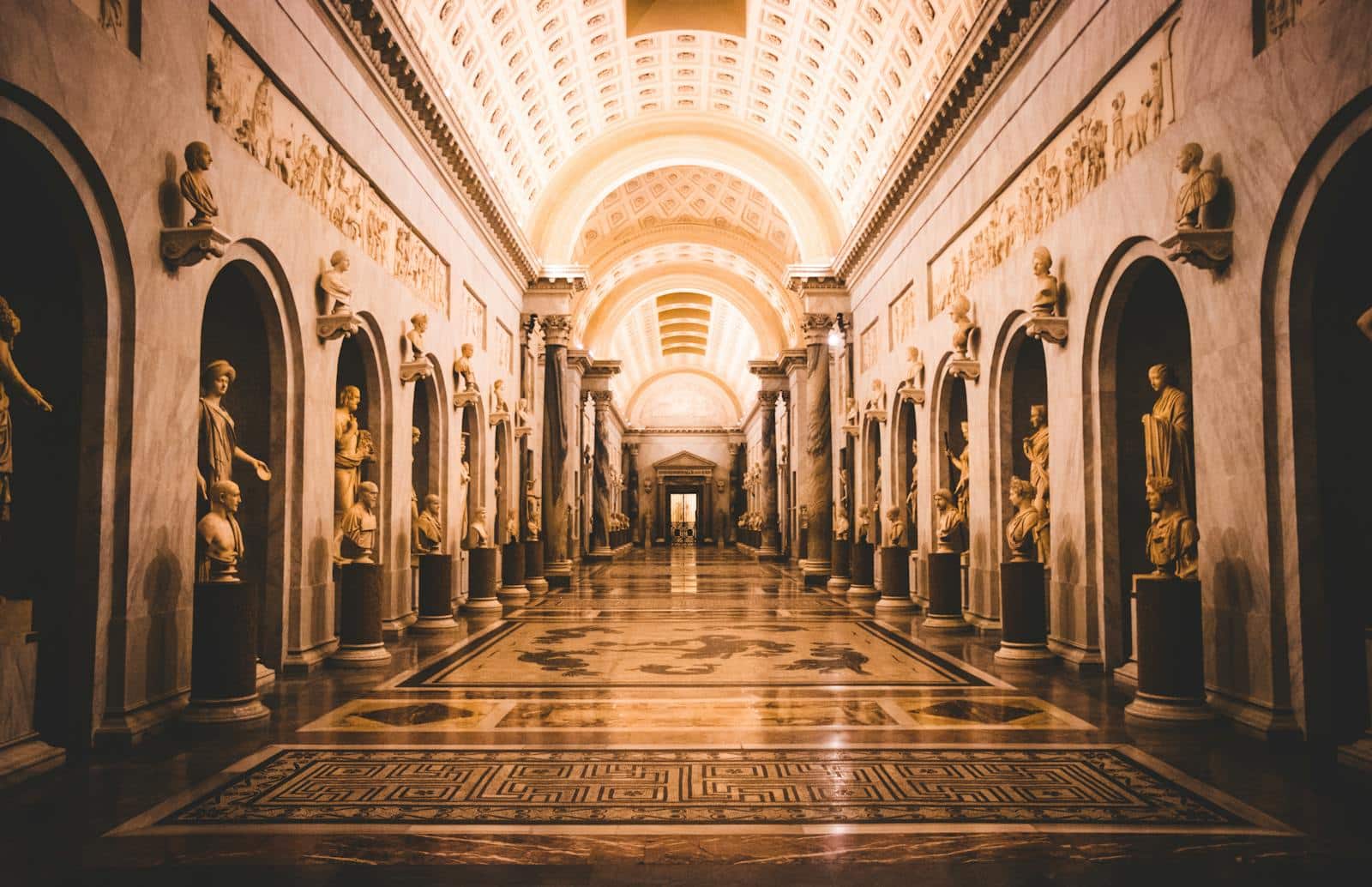
A statue that once felt monumental now seems vulnerable; the turn of a wrist or the tilt of a gaze carries weight. The cool echo of the corridors becomes part of the story. Light catches mosaic tiles, gold leaf, paint so thin it almost trembles. You begin to feel the Vatican as a living organism rather than a collection of rooms.
This is what travellers mean when they speak of “presence.” It isn’t about silence for its own sake. It’s about space to think, to feel, to notice.
When curated through Do Not Disturb, that awareness extends to everything: the pacing of the tour, the way the guide balances information and intuition, the effortless flow between logistics and discovery. You are free to observe, reflect, and absorb without distraction — the rarest luxury of all.
The Vatican is one of the world’s great expressions of faith and artistry, but it’s also a mirror. In the quiet, it reflects back what we bring to it — curiosity, patience, wonder.
For travellers who’ve seen much of the world, this experience feels like a recalibration. It reminds you that depth can be more rewarding than novelty; that the truest indulgence is time used well. It’s the kind of evening that changes how you see art, but also how you travel.
Do Not Disturb’s purpose has always been to make luxury feel effortless and meaningful — to strip away the noise so what’s left is genuine connection. The Vatican, After Hours is a perfect example of that ethos: ancient beauty, quietly revealed.
14 days days
|£3,195
9 days days
|£3,995
When you emerge into the night, the contrast feels profound. The square is almost empty. The dome of St Peter’s glows against the indigo sky. Somewhere beyond the walls, Rome resumes its familiar rhythm — scooters on cobbles, laughter rising from late dinners.
You’ve spent only a few hours inside, but it feels longer. Time behaves differently when it’s your own.
You leave with an understanding that’s difficult to name but easy to feel: that beauty, when given space, restores something in us. That travel, when curated with intention, can be both enriching and restorative.
Across the Tiber, Trastevere is waiting — lamplight on old stone, conversation spilling into courtyards, the kind of warmth that invites you to stay awhile.
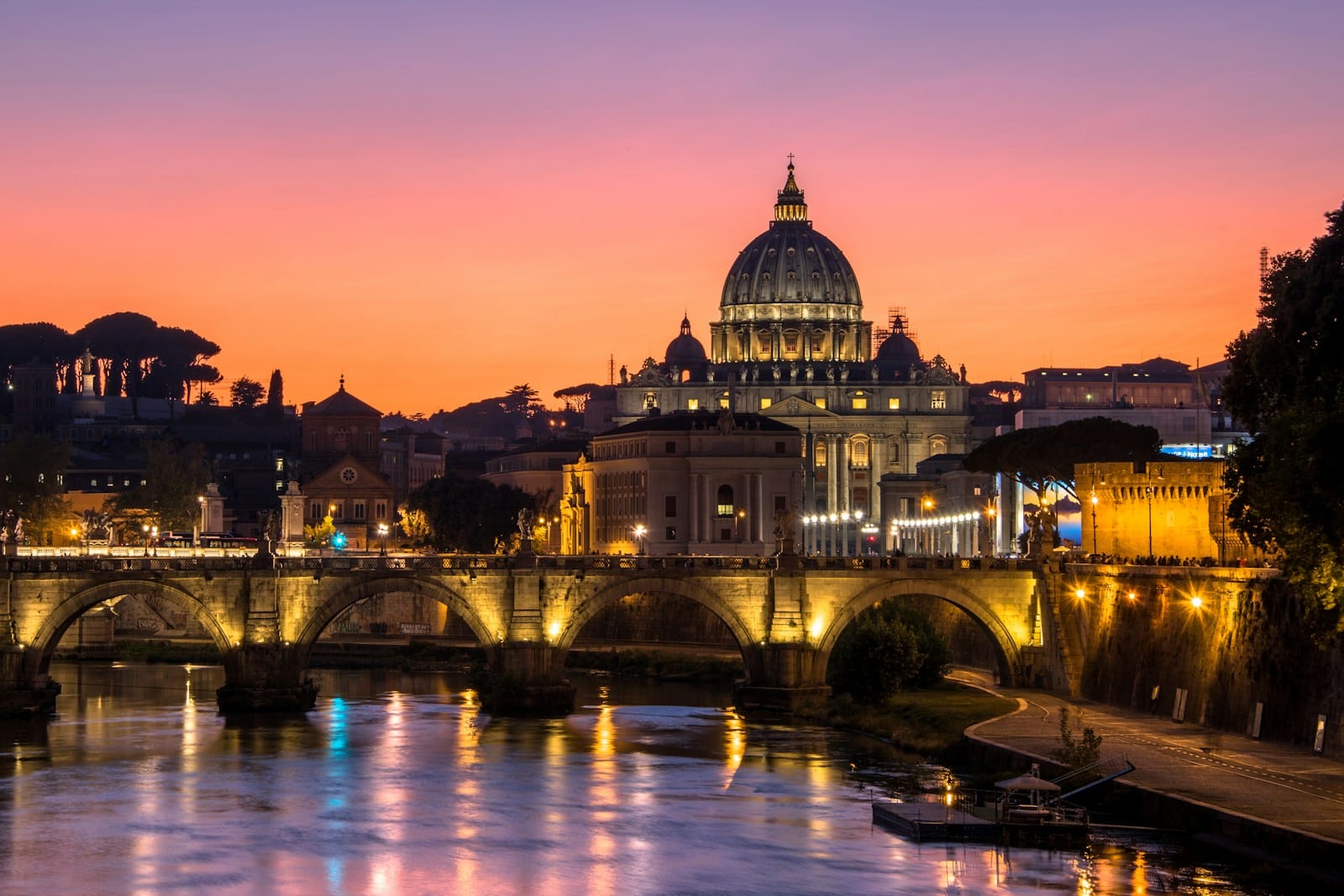
The Vatican, After Hours is part of Do Not Disturb’s curated collection of Roman experiences — each designed to slow time, deepen connection, and bring ease to exploration.
Speak with one of our travel experts to plan your private evening inside the Vatican, or to design a Roman journey where every moment feels as considered as this one.
Related destinations
Suggested articles


Tell us how you want to feel, we’ll take it from there.
“Our trip was truly magical and full of core memories that will last us a lifetime.”
Michael • Bora Bora Honeymoon

“We just returned from an incredible journey through Ireland, and we couldn’t have had a better experience”
Brad • Ireland Adventure
“This was a flawless experience right from the beginning, we had so many thoughts and ideas flowing around and they took all of them and perfectly curated the most beautiful honeymoon for us.”
Kris • Sicily Honeymoon
See more reviews on Trustpilot
 12 min read
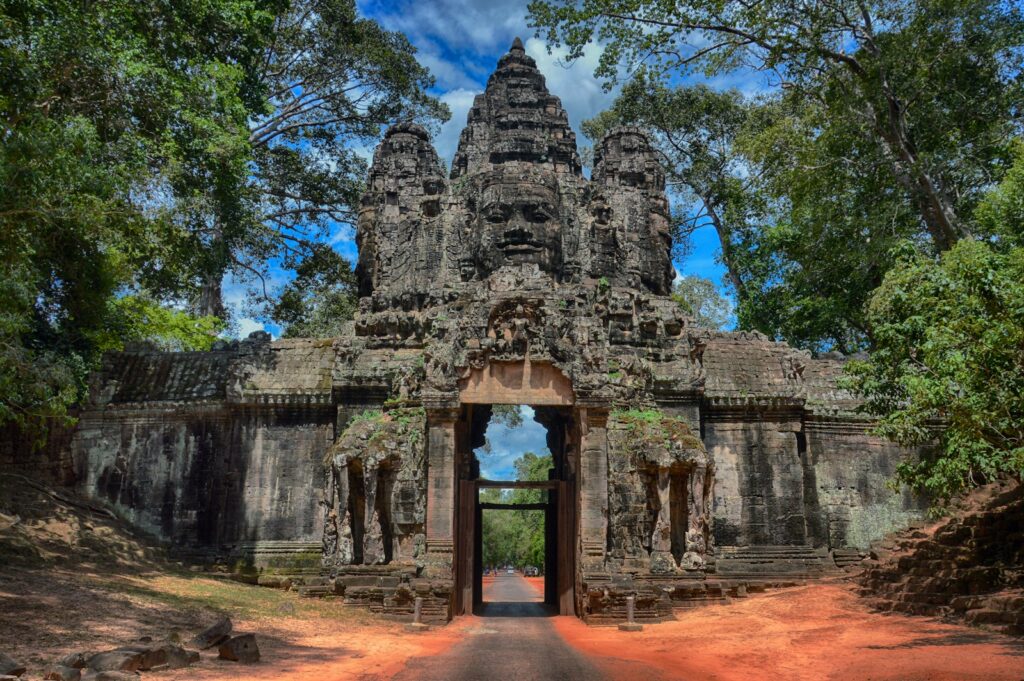
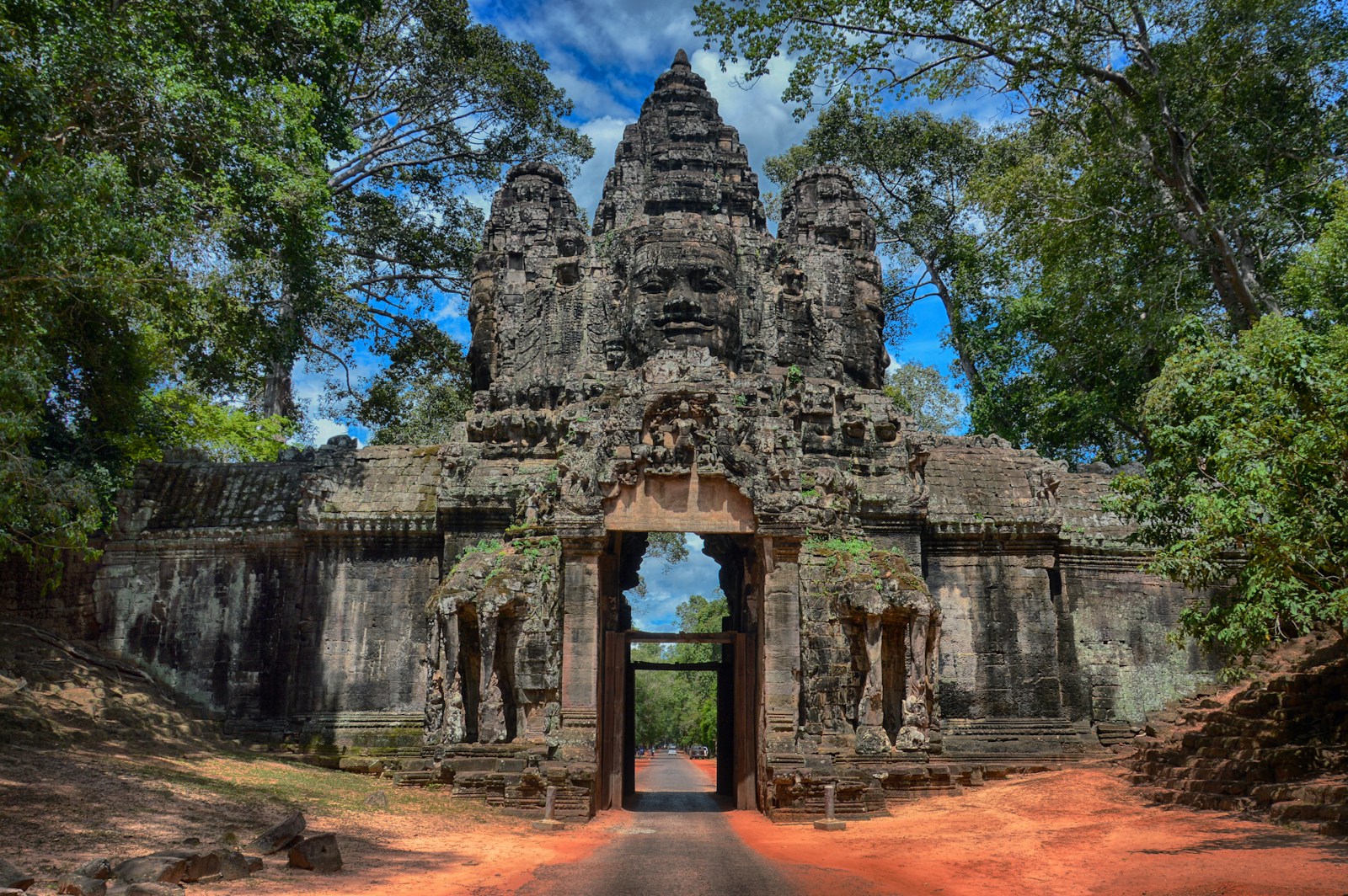
Angkor Wat is one of the world’s most extraordinary temple complexes, but experiencing it well comes down to timing, pacing and where you choose to stay. This is how to plan the perfect luxury trip.
 11 min read
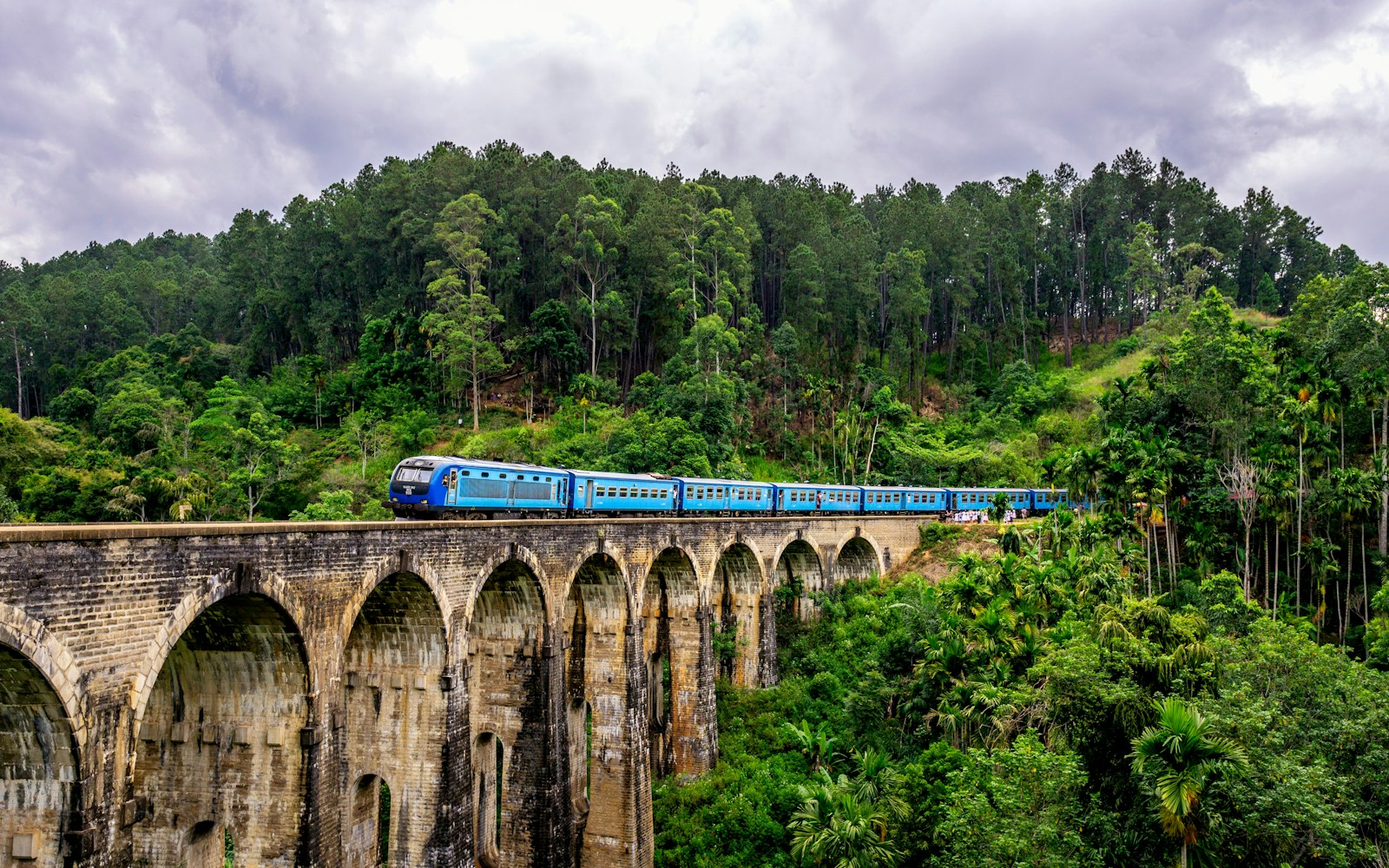
Sri Lanka’s tea country is a place where production and landscape are inseparable. From hand-plucked leaves to historic bungalows, this guide walks you through how the region looks, works and feels.
 10 min read
The Maldives has quietly solved its biggest travel flaw. With the new Velana International Airport, the long, chaotic arrival is replaced by speed, space and a seaplane transfer that finally feels worthy of the destination.
 13 min read
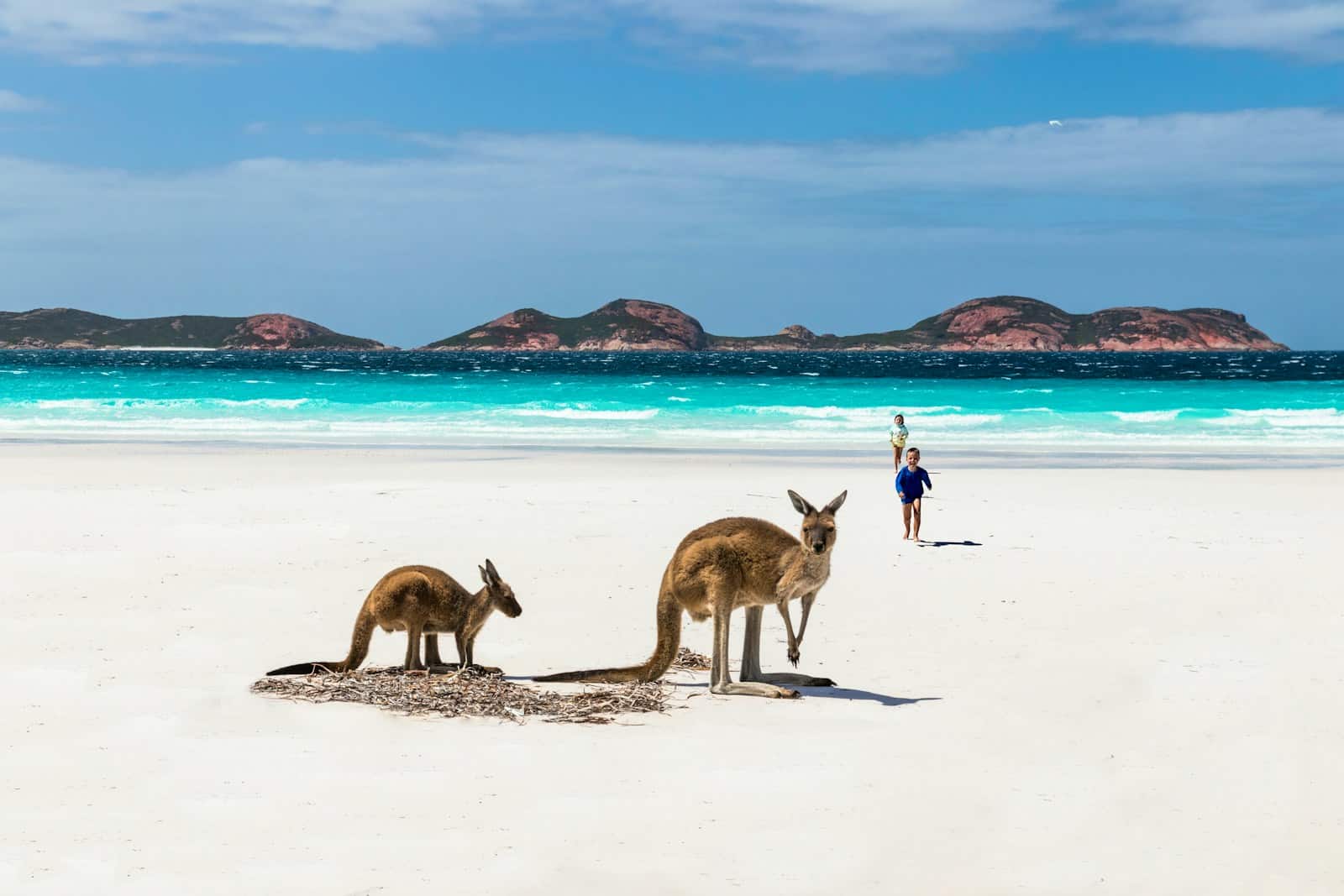
Australia’s coastline stretches for 34,000 kilometers, and scattered along its length lie islands that range from tropical reef cays to temperate wilderness sanctuaries. The country has been slower than the Maldives or French Polynesia to develop its island luxury potential, but that’s changing.

Ask us anything.
