



14 days days
|£3,195

In the quiet between light and shadow, genius endures.
Rome has always been a city of light — sunlight on travertine, candlelight on frescoes, moonlight over stone. But in its hidden chapels and side streets, another kind of light exists: dramatic, human, unflinching. The light of Caravaggio.
To understand Rome through his eyes is to see it as he did — alive with contradiction. Faith and doubt, beauty and brutality, sacred and profane. His paintings are everywhere, yet rarely seen as he intended them: quietly, privately, and in situ.
Do Not Disturb curates this experience not as a tour, but as a moment of encounter — intimate, unhurried, and deeply personal. It’s a journey through the spaces that still hold his genius, where the air, the architecture, and the light remain part of the composition.
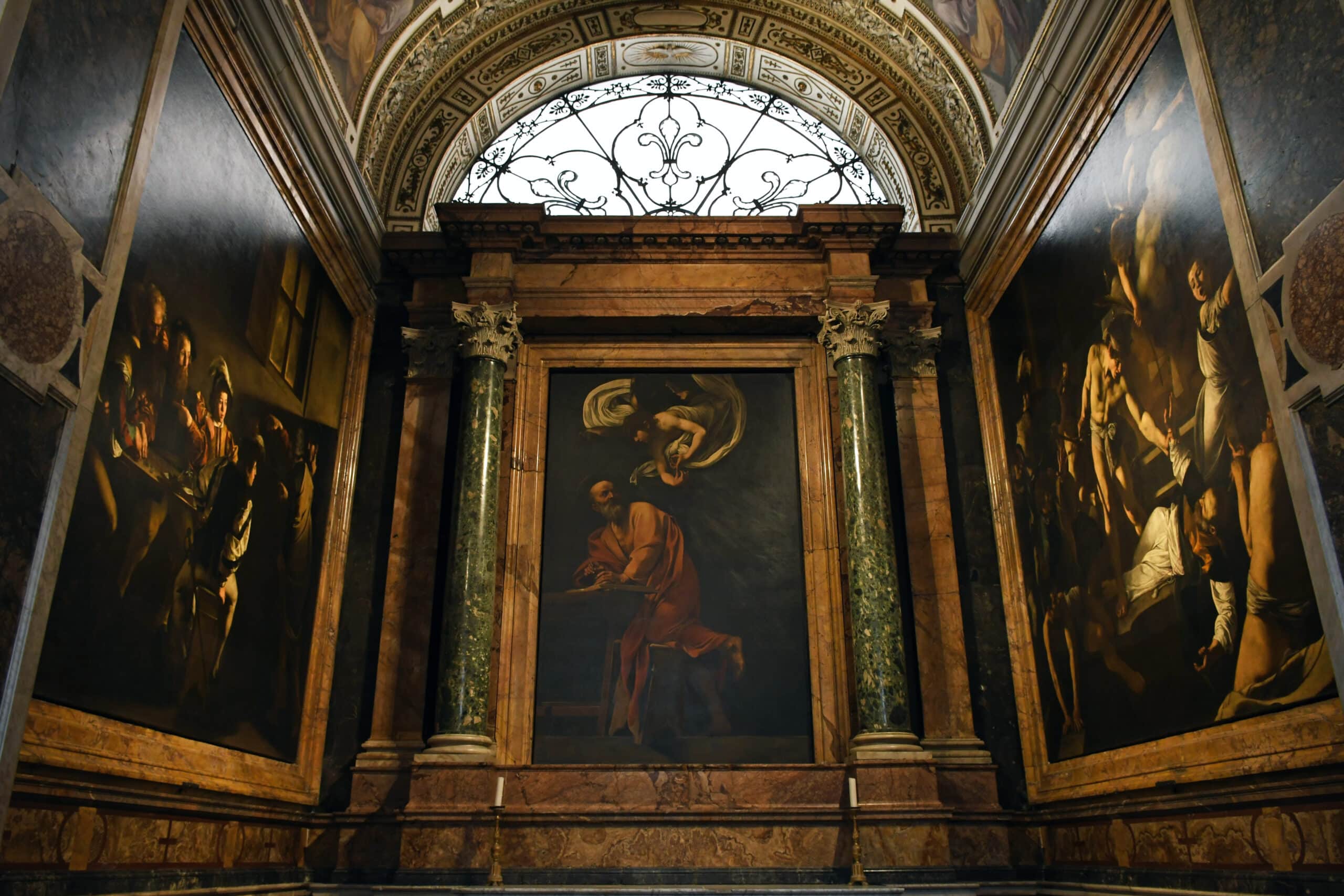
The first light falls through stained glass onto worn marble. The air is cool, still, faintly scented with candle wax. At the end of a small chapel, three canvases glow in chiaroscuro — Caravaggio’s Matthew cycle.
This is where it begins.
The Calling of Saint Matthew is pure theatre made holy: Christ enters from the side, light trailing behind him like a blessing, as Matthew looks up mid-gesture — caught between past and possibility. The scene is both biblical and utterly ordinary. You could mistake it for a Roman tavern.
What makes it extraordinary is the proximity. Standing a few feet away, with time to really see it — to trace the brushwork, to watch the light land on Matthew’s hand — the story becomes less about religion than recognition. Caravaggio found divinity in hesitation, grace in uncertainty.
Through Do Not Disturb, access is arranged in the quiet hours, when the church doors open early or stay closed a little longer. The chapel is empty. The paintings feel newly alive, as if the figures could step into the air.
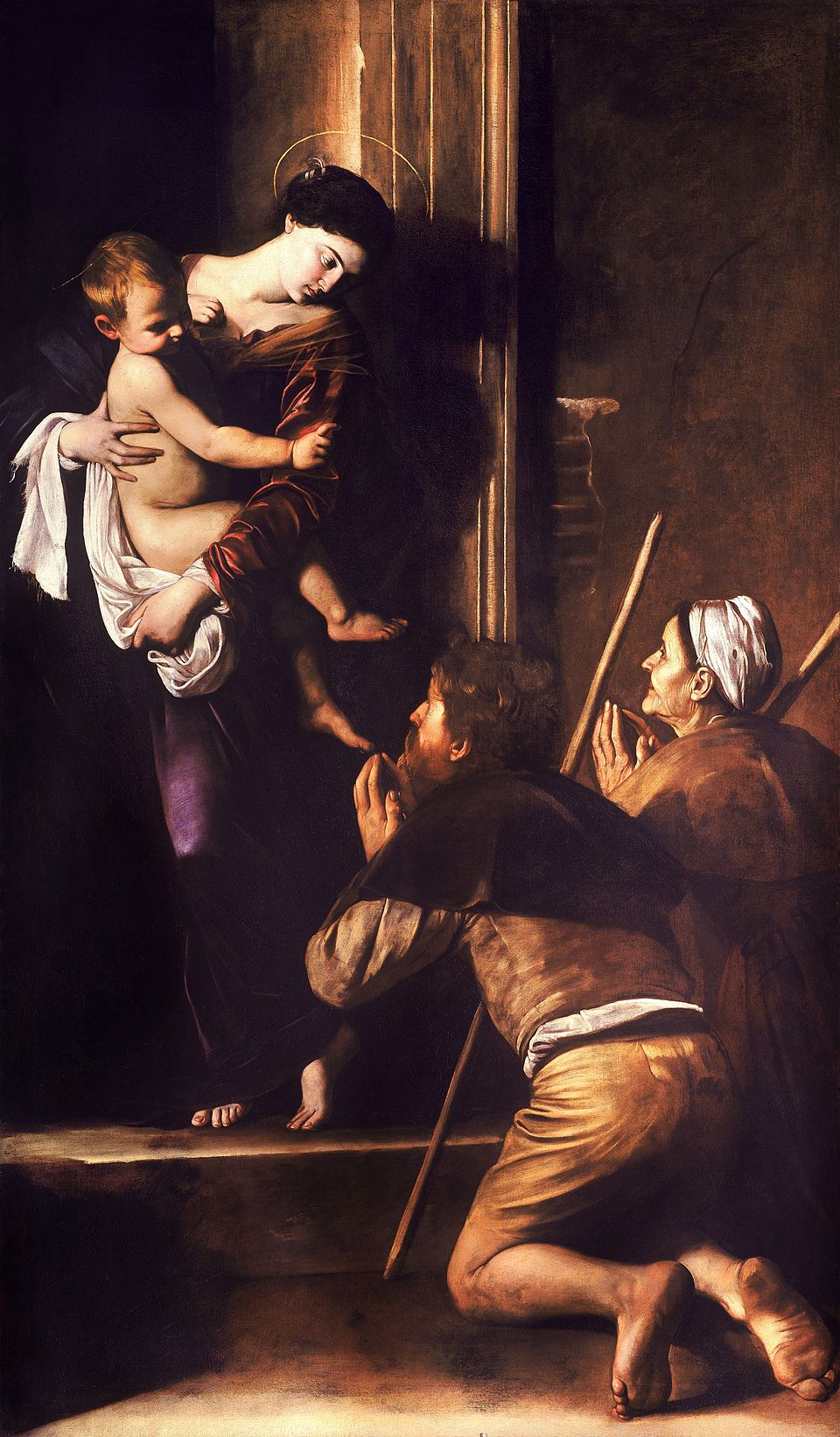
A short walk away, another church holds one of Caravaggio’s most disarming works — the Madonna di Loreto, known as The Pilgrims’ Madonna.
Here, faith is no longer adorned. The Virgin appears barefoot at a doorway, her child resting easily in her arms. Before her kneel two pilgrims, their feet dusty from travel, their faces lined with devotion.
When seen privately, without movement or chatter, the realism is almost overwhelming. The humility of the figures, the tenderness of the light — it feels like the moment faith becomes tangible.
Caravaggio painted ordinary people into holiness, breaking centuries of convention. His models were neighbors, lovers, workers. He replaced idealism with truth. And it’s that truth – luminous, flawed, human – that fills the room when you see his work as he meant it: close enough to breathe the same air.
In the church of Santa Maria del Popolo, Caravaggio’s shadows grow darker. Two masterpieces face each other across the Cerasi Chapel: The Conversion on the Way to Damascus and The Crucifixion of Saint Peter.
In one, a man is struck by divine revelation and falls from his horse, his face illuminated in stunned surrender. In the other, an old man struggles upward as the cross that will hold him is lifted from the ground.
Between them, light itself becomes the story — the conduit between earth and heaven, pain and purpose.
Standing alone in this chapel, you can hear your own heartbeat. The paint seems to absorb the air, the silence almost physical. These are not depictions of saints but of humanity in extremis — private moments of transcendence made public.
For those who experience it with Do Not Disturb, the timing is everything. The chapel is opened quietly, without ceremony. You stand before the paintings long enough for your eyes to adjust, for the darkness to reveal its depth.
14 days days
|£3,195
9 days days
|£3,995
Caravaggio’s Rome is not confined to galleries or churches. It lives in the city itself — in the narrow alleys around Piazza Navona, in the soft orange light that pools beneath the arches at dusk. He lived fast and restlessly, moving from commission to commission, from brilliance to exile.
Walking these streets with his work still in mind, you start to see how the city reflects him. Rome’s grandeur has always been balanced by its intimacy; its perfection by its imperfections.
This is why Do Not Disturb’s curation doesn’t separate art from place. The experience moves at the city’s pace — moments of shadow, then revelation. It’s not a guided lecture, but a narrative written in architecture and light.
For those drawn deeper into Caravaggio’s legacy, the experience can extend into spaces most never see: small galleries and palazzi that hold works attributed to his circle — his followers, rivals, and the artists he transformed by influence.
In one private palazzo, a curator opens a salon lined with dimly lit canvases — chiaroscuro studies painted in his wake. A single spotlight falls across a still life: a bowl of fruit rendered with impossible realism, the skin of the grapes glistening as if about to bruise.
This is Caravaggio’s echo — his style refracted through others, the tension between beauty and decay still alive in every stroke. To witness it privately, with an expert explaining how these pieces connect to the master himself, is to trace genius as lineage rather than myth.
Every Caravaggio carries the same lesson: that light reveals, but shadow defines.
Standing before his paintings, especially in quiet, you begin to understand how presence works. It isn’t about being watched or even seen — it’s about seeing differently. The figures in his work don’t perform for you. They exist, and you are invited to join them.
That sense of intimacy — of proximity without intrusion — mirrors the ethos of Do Not Disturb. What’s curated isn’t access for its own sake, but the conditions for awareness.
To encounter art this way is to feel time stretch. A minute becomes a meditation; a detail becomes a revelation.
Caravaggio’s Rome is about more than art. It’s about perception.
He transformed how the world saw faith, light, and humanity — and those transformations still ripple through Rome’s walls. To see his works in situ, with context and calm, is to understand the city as he did: a place where shadow sharpens beauty, where imperfection makes meaning.
Through Do Not Disturb, this experience becomes an act of intimacy — art not as spectacle, but as communion. You leave not with images, but with an impression: of silence, of truth, of light falling softly on skin.
Caravaggio’s Rome is part of Do Not Disturb’s curated collection of Roman experiences — designed for travellers who seek connection, context, and beauty in its most authentic form.
Speak with one of our travel experts to plan your private, curator-led journey through the churches and collections that hold Caravaggio’s legacy — an encounter with light, art, and the intimacy of genius.
Related destinations
Suggested articles

Tell us how you want to feel, we’ll take it from there.
“Our trip was truly magical and full of core memories that will last us a lifetime.”
Michael • Bora Bora Honeymoon

“We just returned from an incredible journey through Ireland, and we couldn’t have had a better experience”
Brad • Ireland Adventure
“This was a flawless experience right from the beginning, we had so many thoughts and ideas flowing around and they took all of them and perfectly curated the most beautiful honeymoon for us.”
Kris • Sicily Honeymoon
See more reviews on Trustpilot
 12 min read
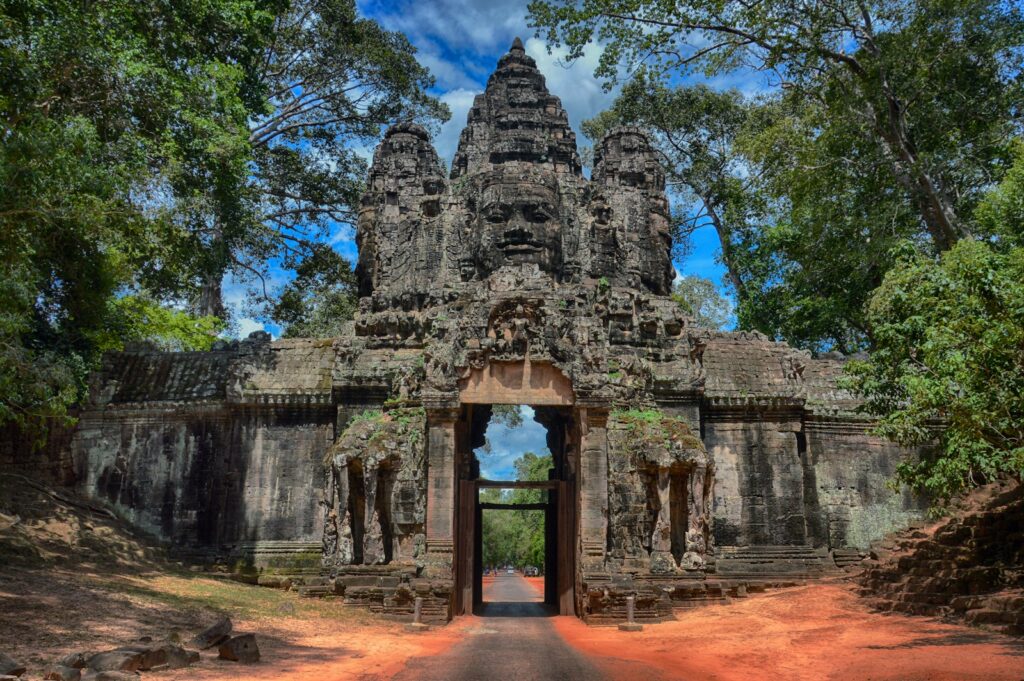
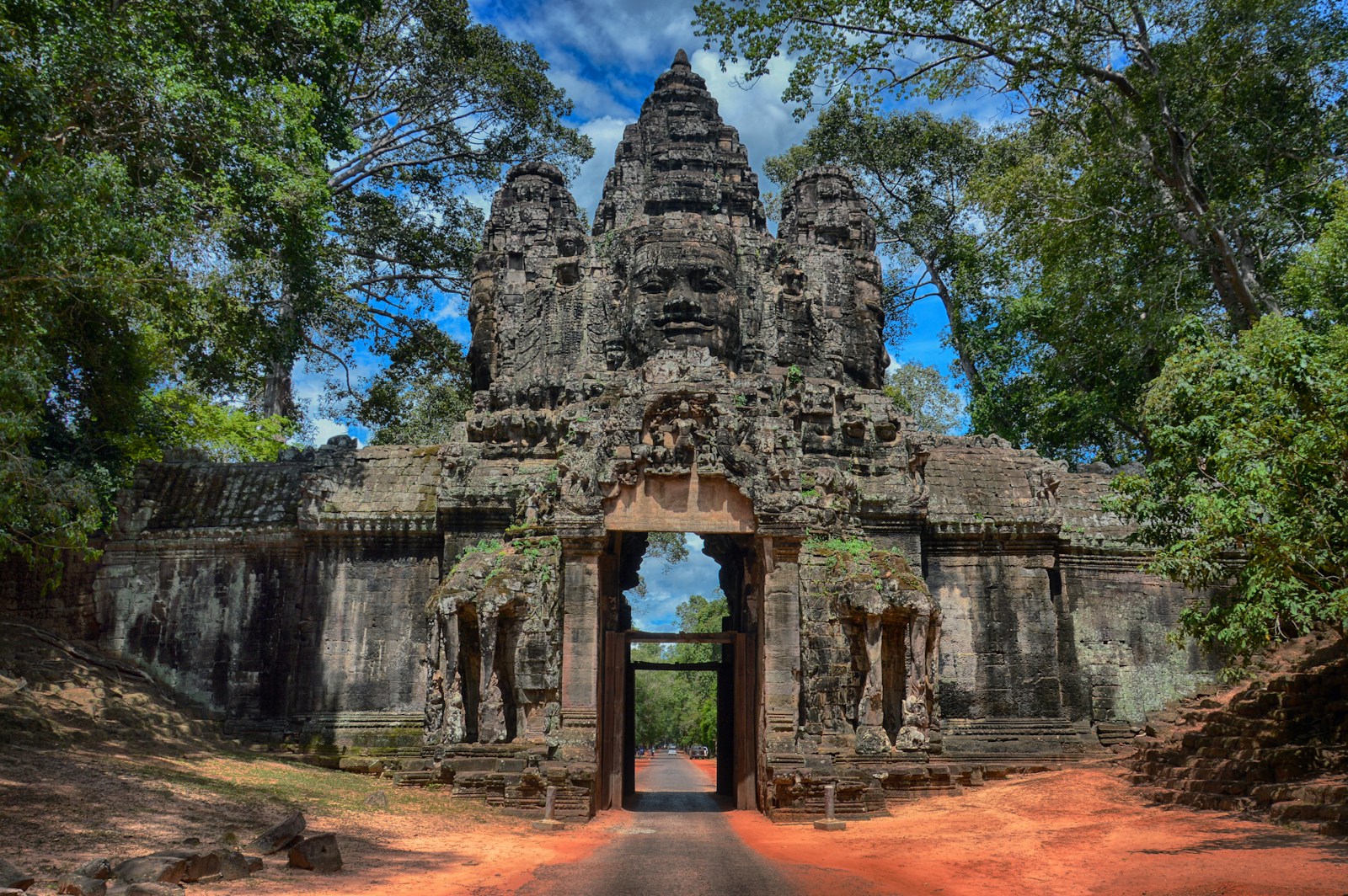
Angkor Wat is one of the world’s most extraordinary temple complexes, but experiencing it well comes down to timing, pacing and where you choose to stay. This is how to plan the perfect luxury trip.
 11 min read
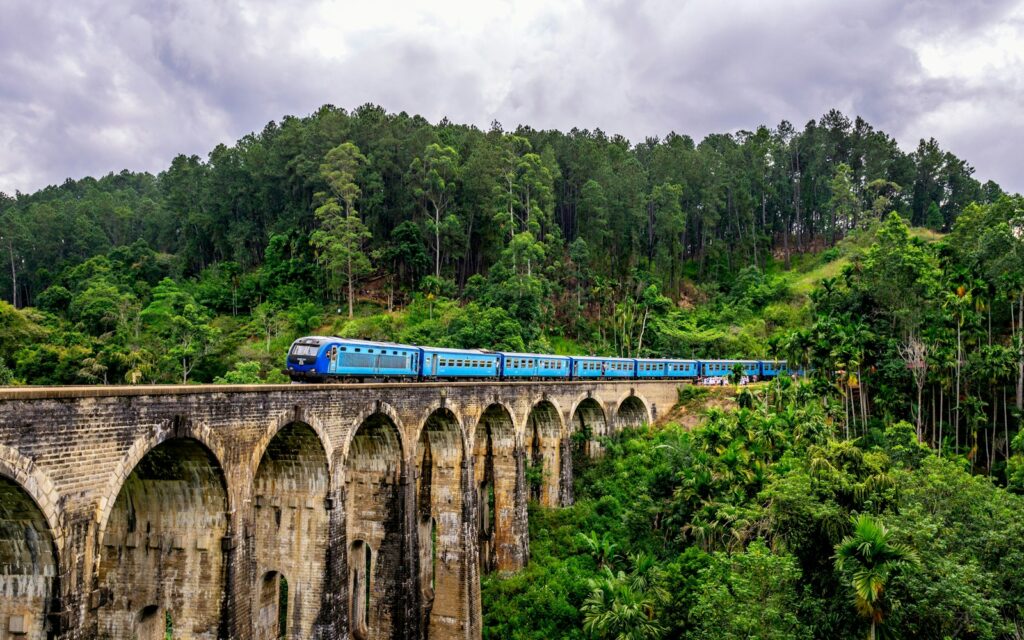
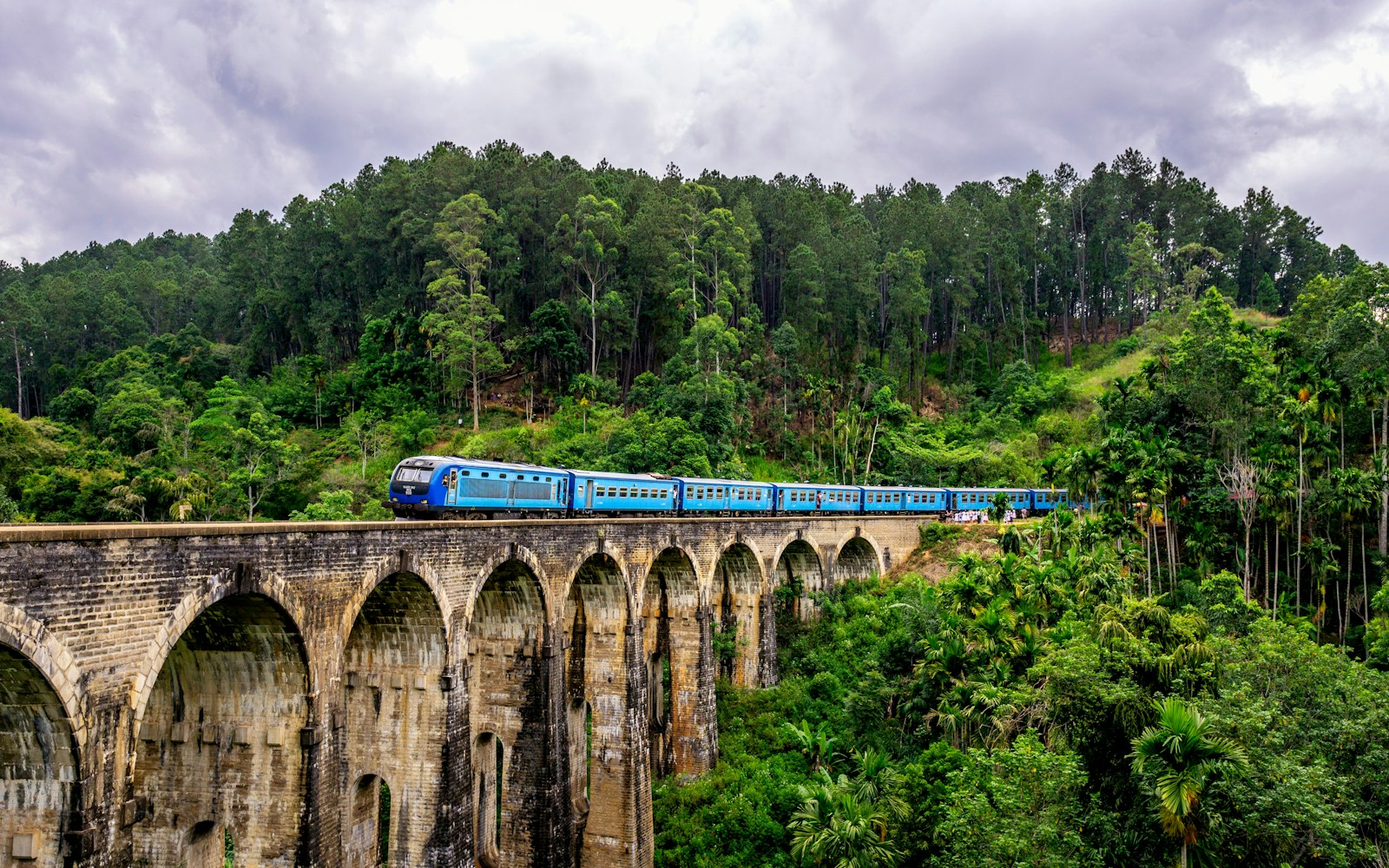
Sri Lanka’s tea country is a place where production and landscape are inseparable. From hand-plucked leaves to historic bungalows, this guide walks you through how the region looks, works and feels.
 10 min read
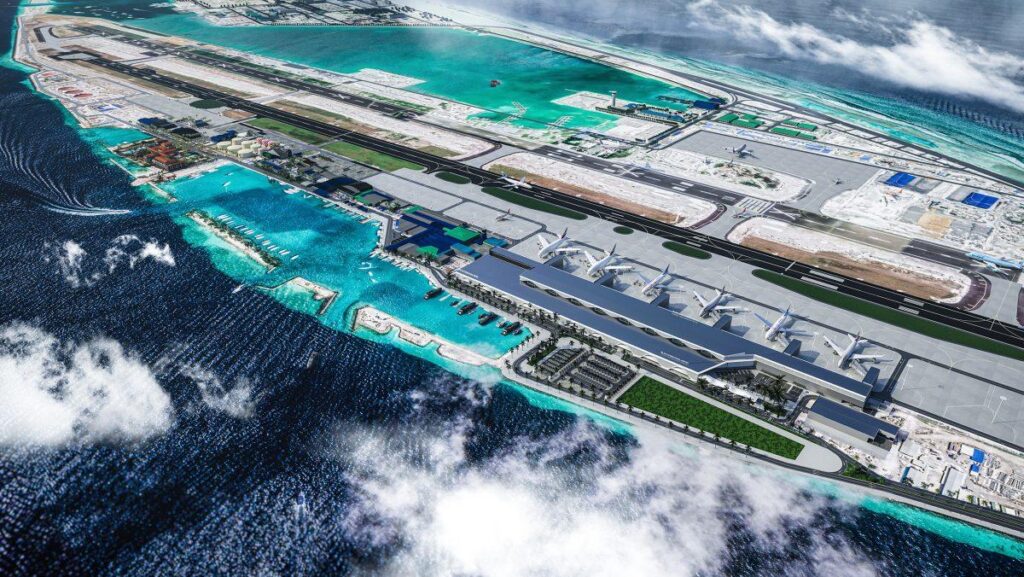
The Maldives has quietly solved its biggest travel flaw. With the new Velana International Airport, the long, chaotic arrival is replaced by speed, space and a seaplane transfer that finally feels worthy of the destination.
 13 min read
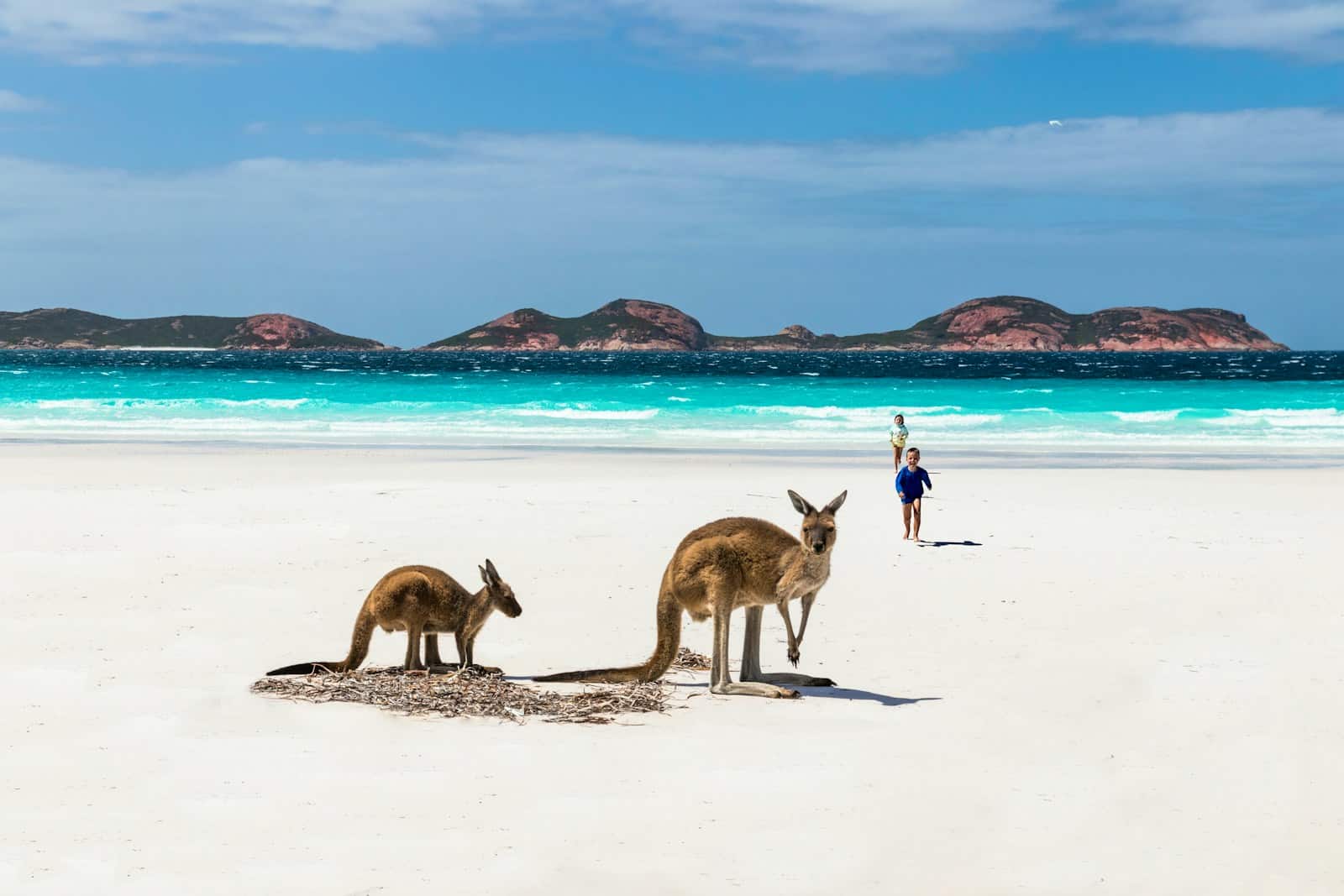
Australia’s coastline stretches for 34,000 kilometers, and scattered along its length lie islands that range from tropical reef cays to temperate wilderness sanctuaries. The country has been slower than the Maldives or French Polynesia to develop its island luxury potential, but that’s changing.

Ask us anything.
