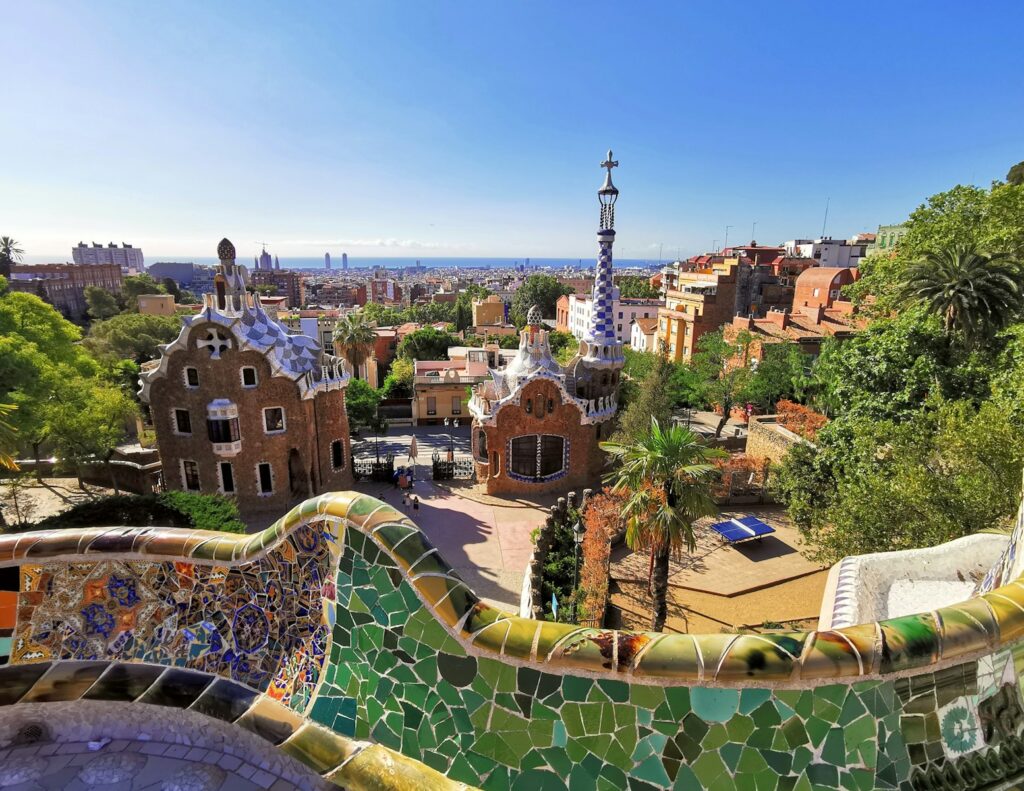
The Basque Country exists in the margins of most visitors’ Spanish itineraries, which is precisely why it deserves to be the center of yours. While Barcelona and Madrid command the guidebook attention, northern Spain’s autonomous region has quietly become one of Europe’s most compelling destinations.
The Lay of the Land
The Basque Country occupies the Atlantic coast of northern Spain, bounded by the Pyrenees to the east and France beyond. It comprises three provinces: Guipuzcoa (home to San Sebastian), Vizcaya (containing Bilbao), and Alava (the inland region of wine and agriculture).
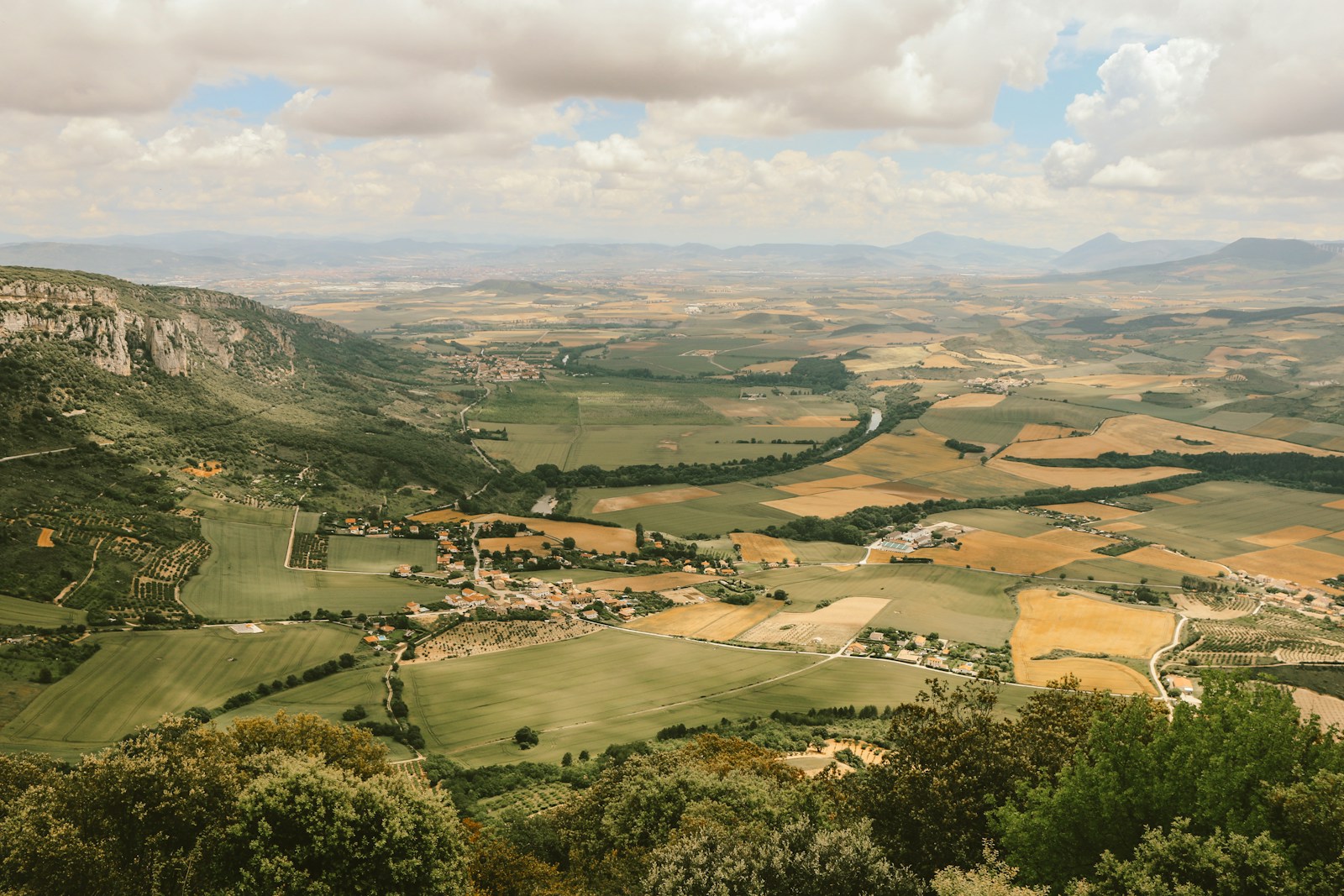
Rocky cliffs drop to fishing villages. Verdant valleys shelter vineyards. The climate is maritime, which means regular rain, lush vegetation, and an abundance of quality ingredients.
Culturally, the Basque Country operates under different rules from the rest of Spain. Euskera, the Basque language, is spoken alongside Spanish and has no connection to Romance languages. The Basques have maintained distinct traditions, a fierce regional identity, and a reputation for independence that borders on legendary.
San Sebastian
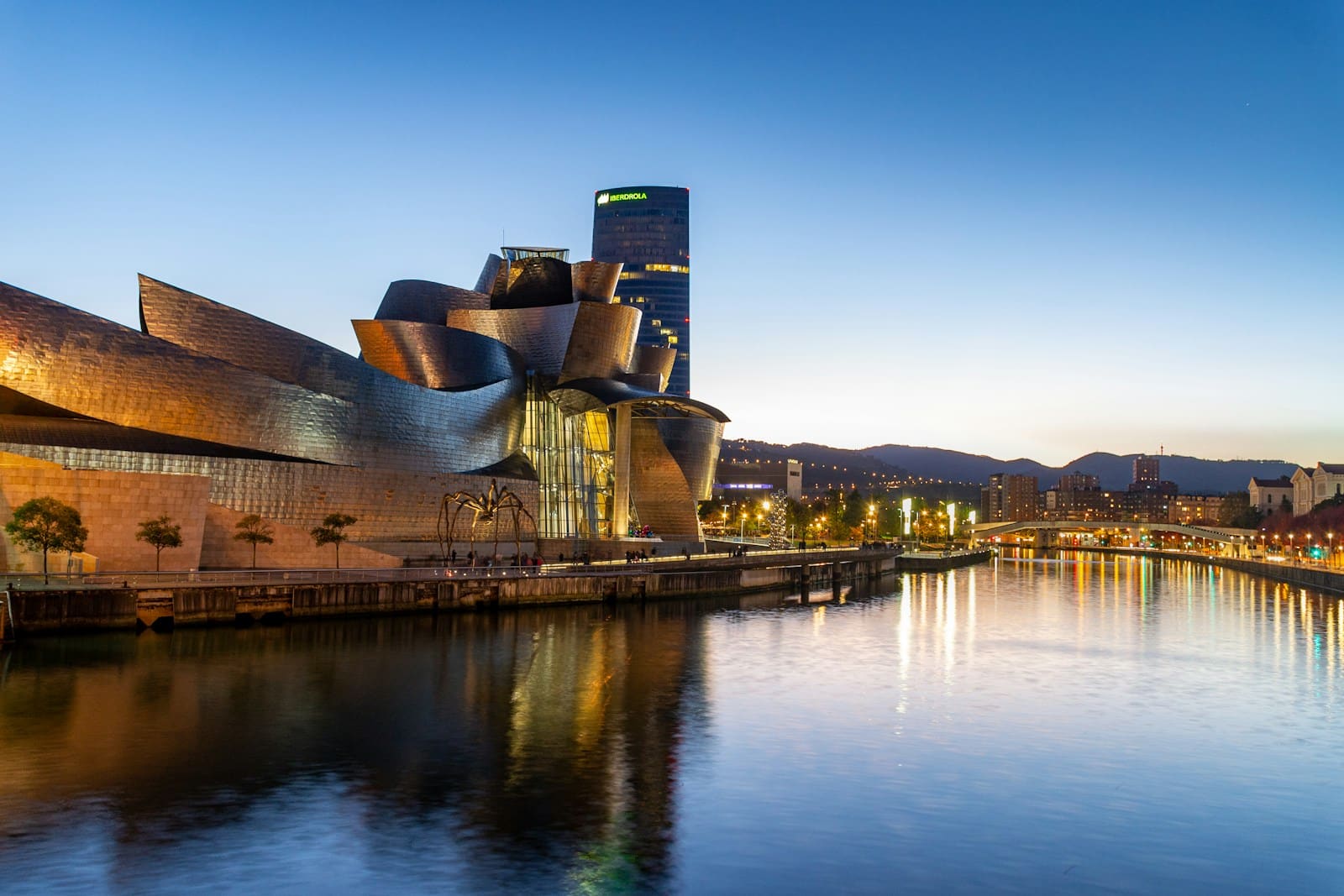
San Sebastian is a beautiful city in the conventional sense. Belle epoque architecture lines avenues that slope toward La Concha beach, a crescent of sand framed by hills that rise like protective arms around the bay. The old town occupies narrow streets where buildings lean toward each other and the smell of cooking escapes every doorway. But San Sebastian’s real character exists in its restaurants and bars.
The city contains 21 Michelin-starred establishments across 12 restaurants, more per capita than Manhattan, Paris, or any major food city you can name. Three restaurants hold three stars. Arzak, run by Elena and her father Juan Mari, represents the foundation of modern Basque cuisine. The kitchen approaches tradition not as constraint but as starting point, recombining classic techniques and ingredients with contemporary refinement. Martin Berasategui operates at the intersection of accessibility and ambition, his dishes employing innovative techniques that never overpower the primary ingredient. Akelarre sits high on Monte Igueldo, where Pedro Subijana balances classicism with creative edge, and the views across the bay and countryside provide counterpoint to the food.
These restaurants require advance booking and represent serious expenditure. But they are not what defines San Sebastian’s food culture. That definition belongs to pintxos.
Pintxos are small bites served on toothpicks in bars throughout the city. The word means “spike,” after the serving method. Unlike tapas, which are casual snacks, pintxos in San Sebastian are miniature haute cuisine. These are creations that have been tested, refined, and often competed over. The city holds annual pintxos competitions. Chefs of enormous reputation develop their pintxo concepts with the same dedication they apply to plated tasting menus.
A proper pintxos evening involves entering a bar in the Parte Vieja (old town) and ordering by pointing at what interests you on the counter. You eat standing. You drink txakoli, the local white wine that is slightly sparkling, very dry, and refreshingly acidic. When you finish, you tell the bartender what you consumed and pay. Prices run 1 to 4 euros per pintxo. The contrast between the simplicity of the transaction and the sophistication of the food is part of the experience. You stand elbow to elbow with locals and other travellers, all engaged in the same pursuit: seeking the best versions of things that have names like La Gilda (anchovy wrapped in pepper), tortilla bacalao (salt cod and potato), or Hoguera de Bacalao (charcoal-smoked cod on herb bread).
Bar Zeruko, Ganbara, La Cuchara de San Telmo, A Fuego Negro, and Bar Txeptexa are reliable. But the best strategy is to walk the Parte Vieja without agenda, looking for bars where napkins cover the floor (good sign: locals, high turnover) rather than ones that appear too clean (tourist trap). Arrive hungry. Plan on two or three hours of this.
For a more structured experience, book a pintxos tour with a local guide who can navigate the bars and explain what you are eating. Alternatively, visit during the Gastronomika festival in November, when the city’s restaurant community showcases its work.
Bilbao
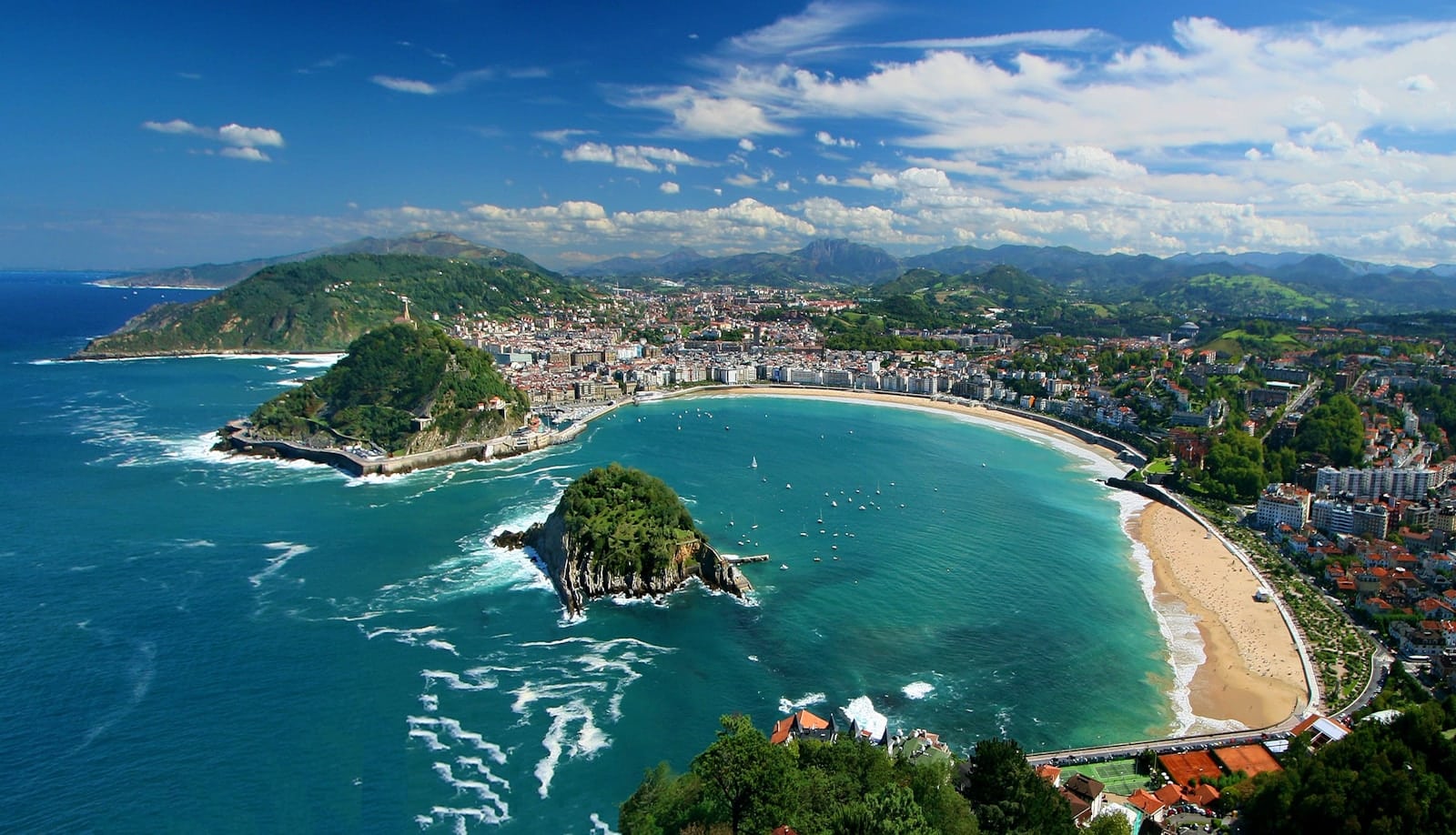
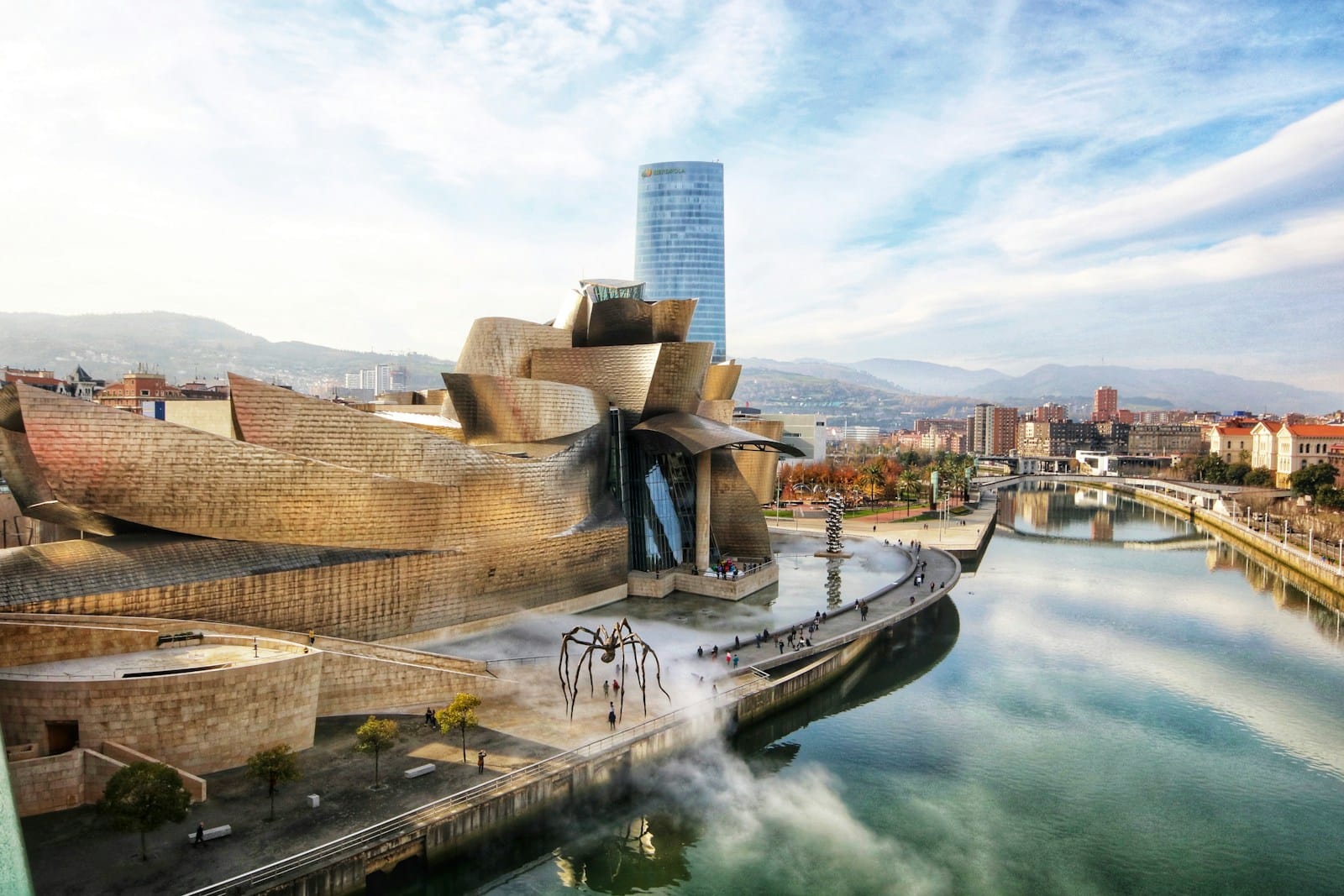
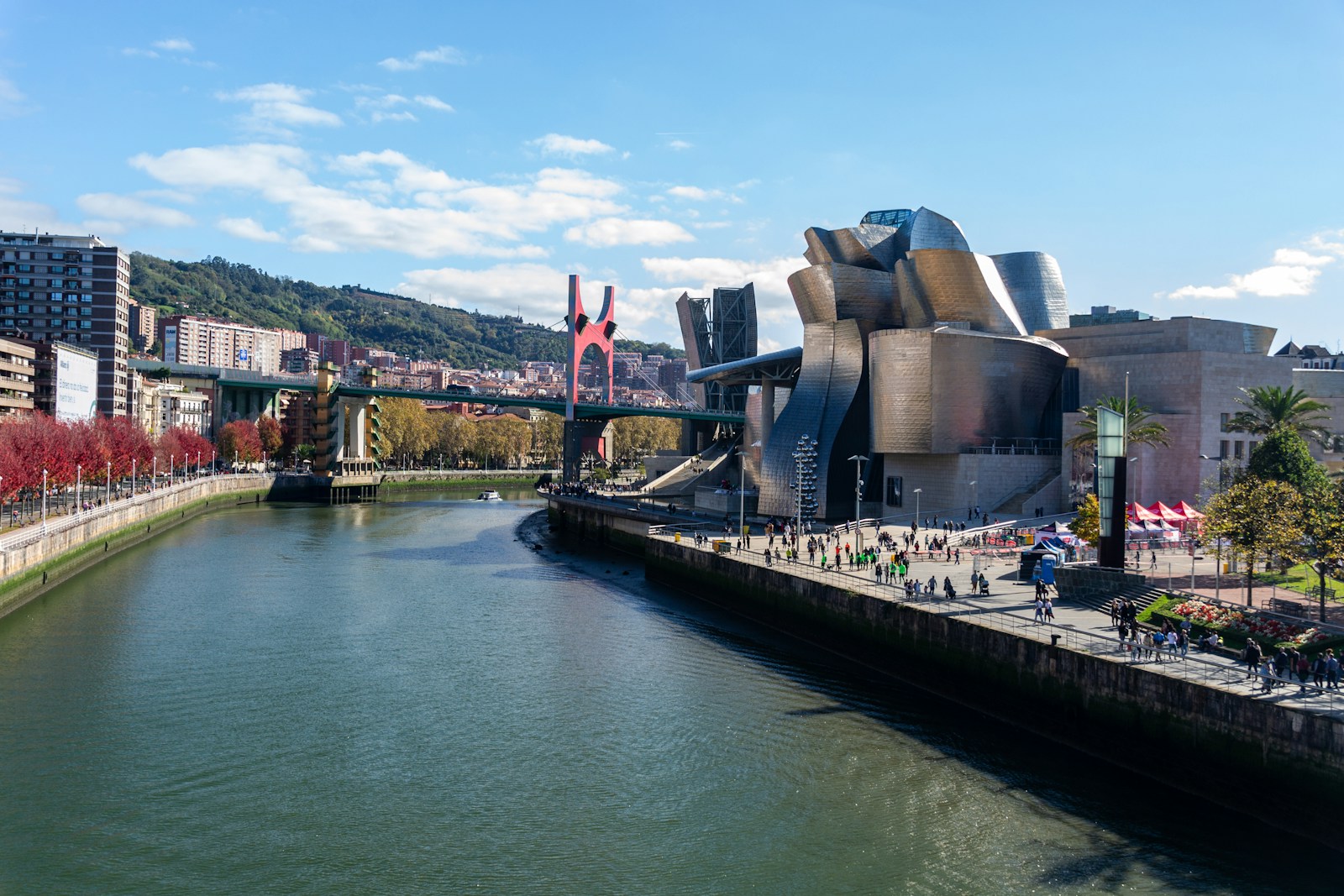
An hour west of San Sebastian, Bilbao is a port city that spent decades as Spain’s industrial center before reinventing itself as a cultural destination. The arrival of Frank Gehry’s Guggenheim Museum in 1997 served as the public announcement of that transformation. The building itself, with its titanium-clad facade and soaring forms, announces that this city intends to matter beyond its economic function.
The museum’s collection includes significant works by Rothko, Sol LeWitt, Basquiat, and contemporary artists. Outside stands Jeff Koons’ “Puppy,” a 12-meter-high dog constructed from living flowers. The architecture matters as much as the contents. The building’s curves and masses interact with the Nervion River and the city’s bridges, making the Guggenheim something you experience spatially rather than merely enter.
Beyond the museum, Bilbao repays walking. The Casco Viejo (old town) contains medieval architecture, the Cathedral of Santiago, and numerous restaurants and bars serving both traditional cuisine and contemporary reinterpretations. The city has invested heavily in urban renewal. The newly rebuilt subway system features minimalist stations designed by Norman Foster. The waterfront includes parks and sculptural installations.
Beyond the Cities: Wine, Coastline, Countryside
The Basque Country’s interior demands time. The Rioja Alavesa wine region produces some of Spain’s finest wines. Marques de Riscal, designed by Gehry, combines a working winery with a luxury hotel, spa, and excellent restaurant. The property sits among vineyards and offers tastings and tours that provide context for understanding the region’s wine culture.
Txakoli, the regional white wine, grows along the coast in protected DO zones. These vineyards sit on steep hillsides where the Atlantic wind and humidity create conditions for unique grapes. Txakoli is dry, lightly sparkling, and low in alcohol. It pairs perfectly with seafood, which is the point of its existence. Tours of txakoli vineyards offer a different experience from the formal wine regions further south. They are smaller, more personal, and focused on preservation of regional tradition rather than international market positioning.
The coastal towns are also worth exploring. Getaria, an hour west of San Sebastian, is built on a rocky headland extending into the sea. The main street slopes steeply toward the waterfront where fishing boats unload daily catches. Elkano, a Michelin-starred restaurant, operates in this modest setting. Chef Aitor Arregui specializes in grilled fish, often cooking in front of guests. The kokotxas, a traditional Basque preparation of tender white parts of white fish, are extraordinary.
Hondarribia, a walled medieval town on the French border, provides historical context and excellent restaurants. The town’s narrow streets remain largely unchanged from the 16th century. The local specialty is chipiriones a la plancha, baby squid grilled simply on a hot plate. The txuleta, a massive Basque T-bone steak, is a regional obsession served in grillhouses called asadores.~
Vitoria-Gasteiz, the regional capital, remains relatively unknown despite being one of Spain’s most livable cities. The old town contains well-preserved medieval and Renaissance architecture. The Cathedral of Santa Maria contains masterpieces by Van Dyck, Rubens, and Caravaggio. The Basque Parliament sits here, and the city’s cultural institutions rival those of much larger Spanish cities. El Portalon, a restaurant in a 16th-century half-timbered building, serves traditional regional cuisine.
Practical Information
Bilbao Airport receives international flights and is the primary entry point. United launched direct flights from New York in 2025. Public transportation within the cities is excellent. Trams operate in Bilbao and Vitoria. San Sebastian is walkable. A rental car is essential for exploring the interior and coast.
Weather varies seasonally. Summer is warm and busy. Spring and fall offer better weather without excessive crowds. Winter brings rain and provides access to cider houses, which operate primarily during cold months.
Book restaurants and hotels well in advance, particularly during the summer and during festivals. The Gastronomika festival (November), the San Sebastian Film Festival (September), and the annual Semana Grande (August) draw significant crowds.
Basque Hotel of Choice: Nobu Hotel San Sebastián
San Sebastian has spent a century building a reputation as Europe’s most serious food city, a place where culinary tradition runs so deep that restaurants pass through generations of families. Nobu Hotel San Sebastian enters this landscape not as an outsider or tourist accommodation, but as a statement about what luxury means in a region that takes food as its primary cultural language.
You stay here to be in the right location at the right moment, to walk from the hotel to the old town’s pintxos bars in the morning, to book a table at Michelin-starred Arzak for dinner, to spend your afternoon at galleries and markets. Nobu Hotel provides the infrastructure for this. It removes the friction that comes from staying in a conventional resort outside the city.
Nobu represents one of the few truly global luxury hospitality brands built on genuine culinary authority rather than corporate standardization. Nobu Matsuhisa, the chef and founder, established his reputation over decades through restaurants that consistently rank among the world’s finest.
The portfolio extends globally from New York and Tokyo to Miami and Los Cabos.
A luxury guide to Spain’s Basque Country, from Michelin dining to Bilbao’s art and Nobu San Sebastián. Discover where to eat, stay and explore.
Related destinations
Suggested articles
How to Plan the Perfect Luxury Trip to Angkor Wat
A Guide to Sri Lanka’s Tea Plantations

The Maldives Fixed Its Arrival Problem: Inside the New Velana Airport
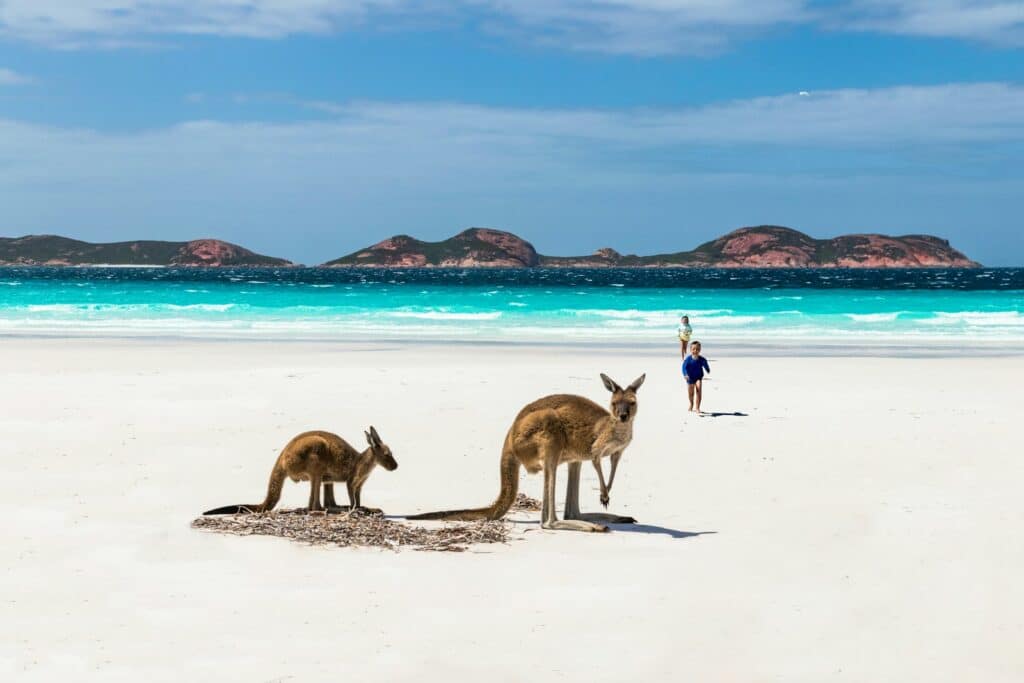
The Best Islands in Australia for a Luxury Beach Holiday
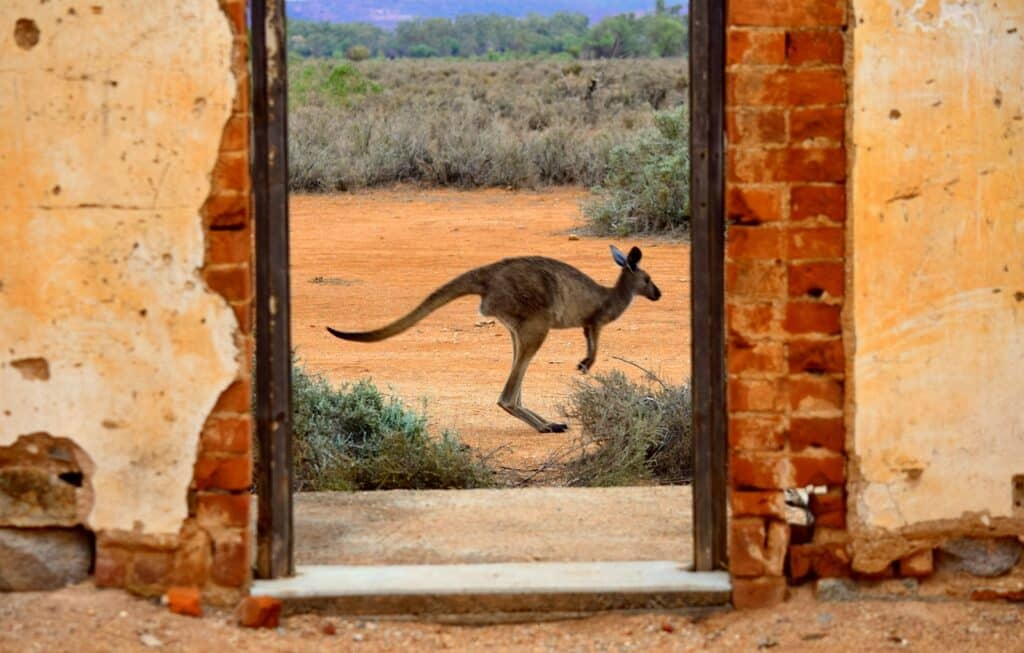
How to Plan a Luxury Australian Outback Experience
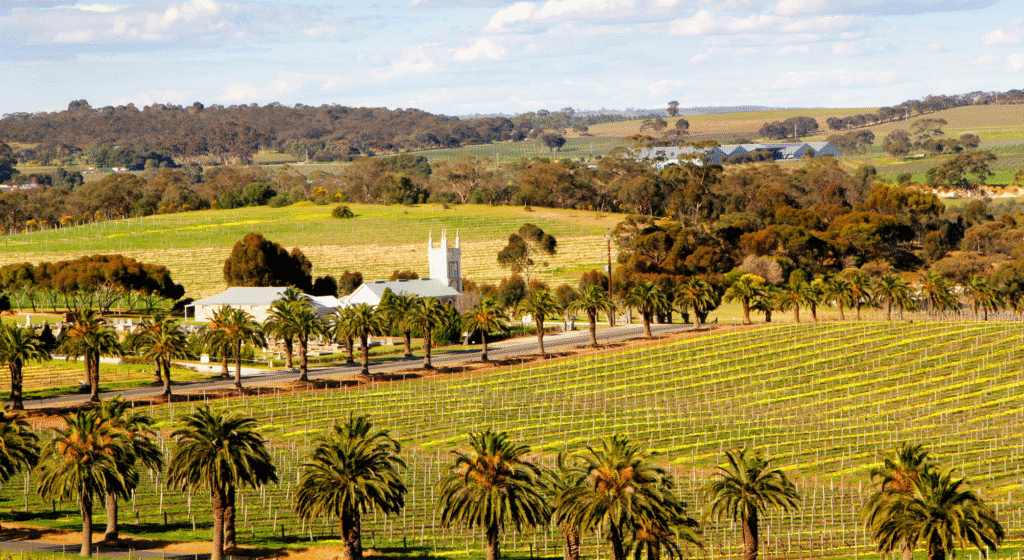
A Luxury Guide to Australia’s Wine Regions
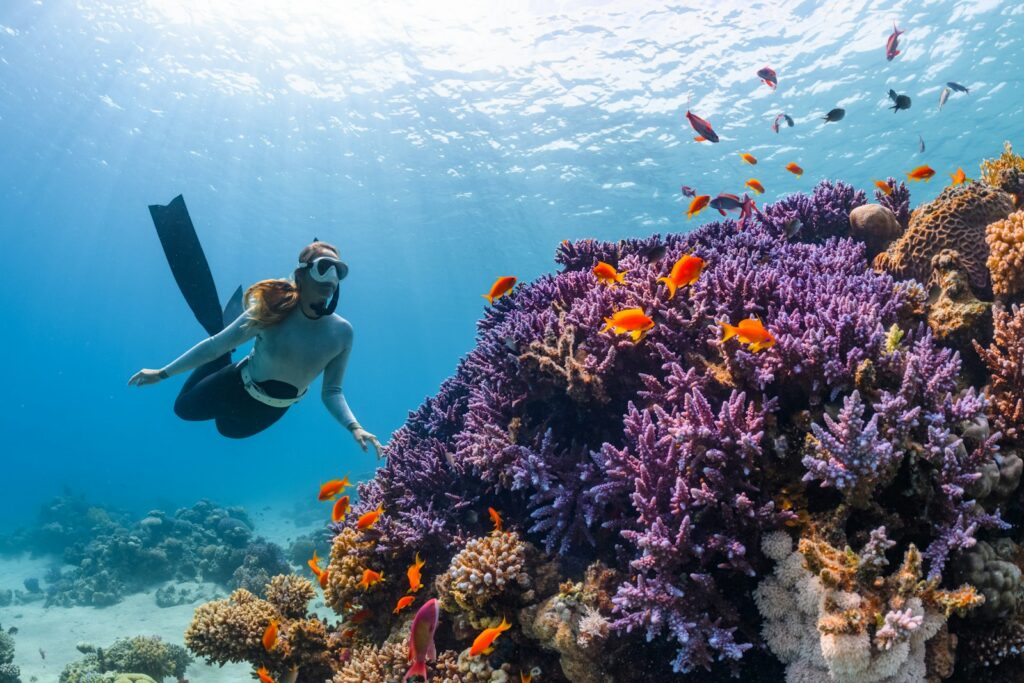
How to Plan a Luxury Trip to Australia’s Great Barrier Reef
The Best Luxury Hotels in Seychelles

Best Caribbean Islands for Private Jet Travellers
Island-Hopping in the Caribbean: The Best Routes for a Luxury Trip
Santorini or Mykonos: How to Choose the Best Greek Island for You
The Athens Riviera: Greece’s Glamorous Coastline Beyond the Islands
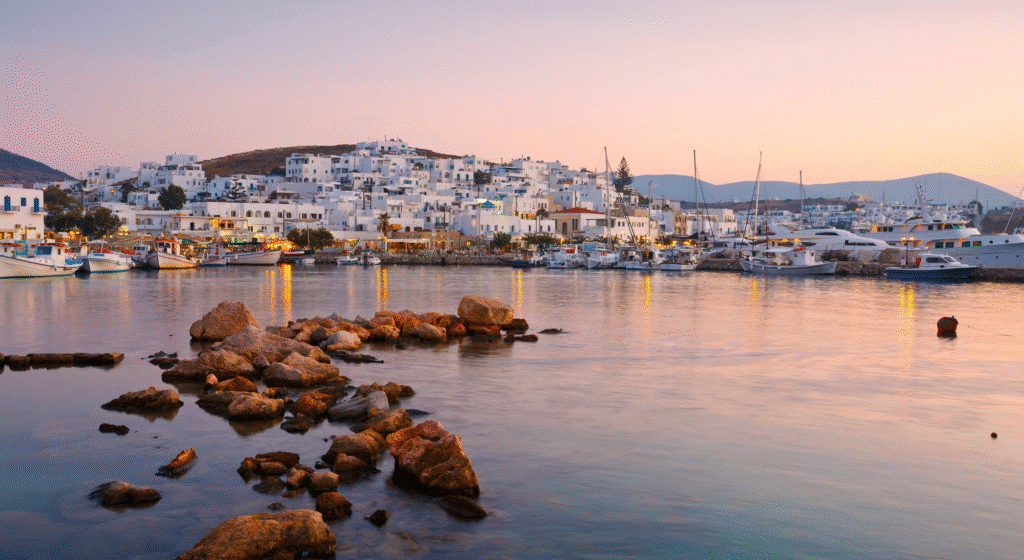
Paros: The Greek Island Stealing Attention from Mykonos and Santorini