



10 days
|£3,995

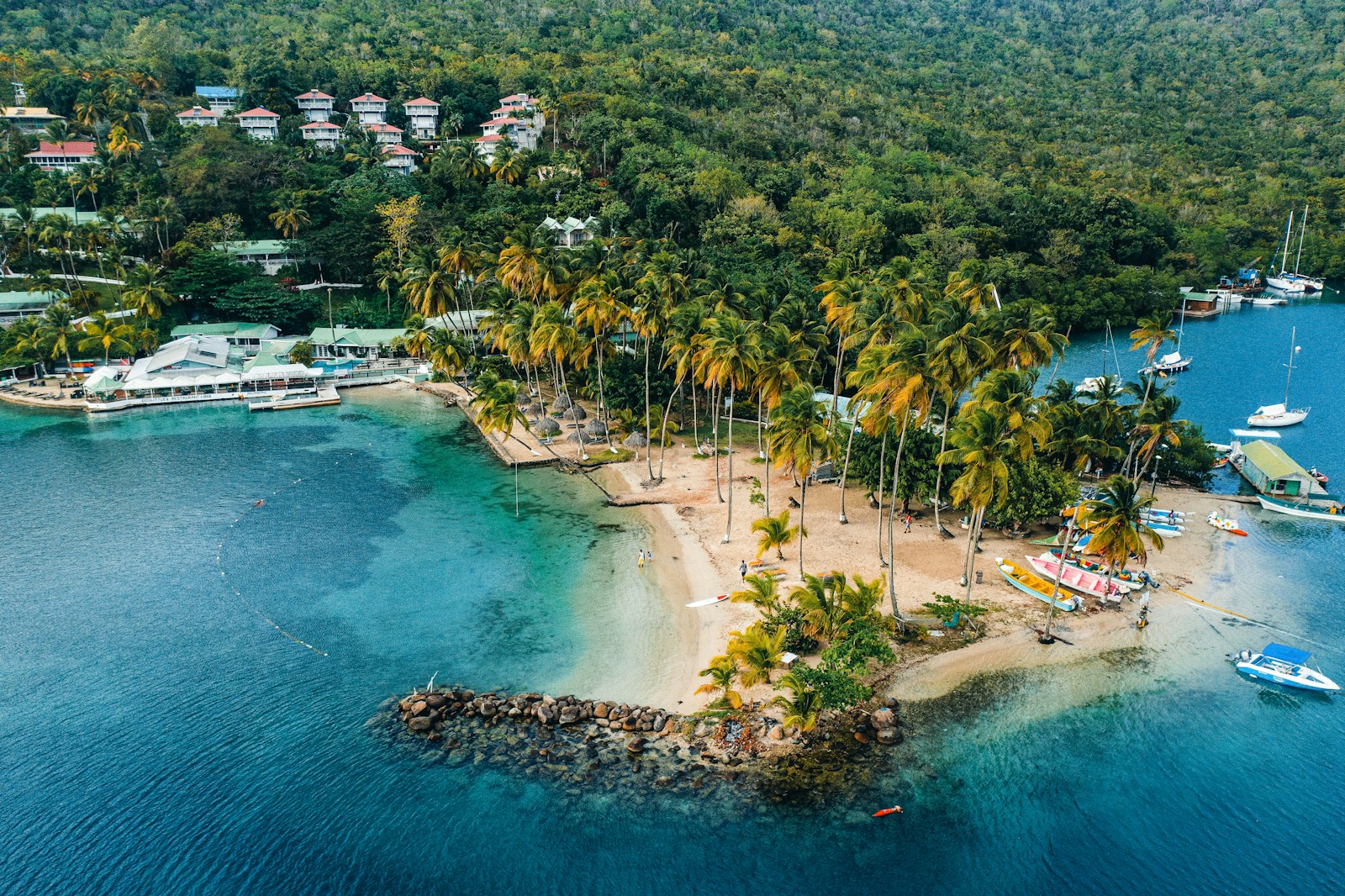
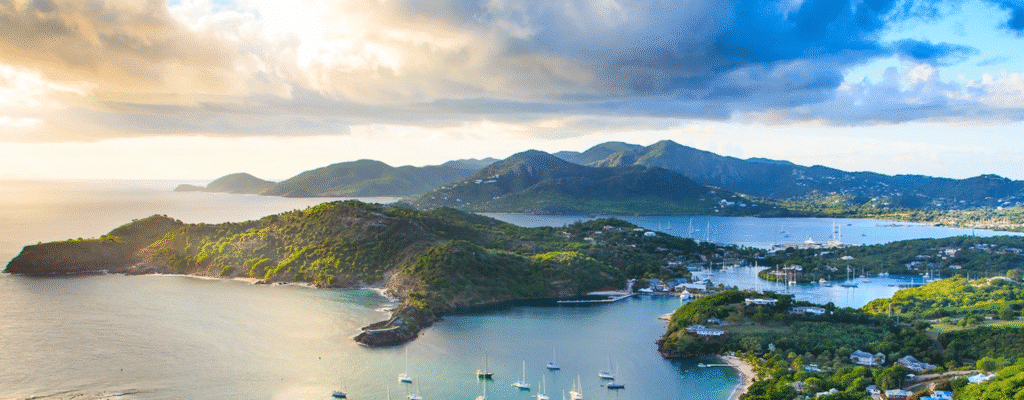
The Caribbean has always been synonymous with escape, but too often that escape means a single resort, a single beach, a single view for a week straight. There’s another way to experience these waters: moving between islands, waking up to different coastlines, collecting experiences rather than pool hours. Done well, it’s one of travel’s great luxuries: private transfers between jewel-box islands, each with its own character, cuisine, and coastline.
The Caribbean contains multitudes. Thirty-something nations and territories scatter across a sea that stretches from the Yucatán to the northern coast of South America, each island shaped by different colonial histories, different cuisines, and different levels of infrastructure.
Barbados sounds nothing like Martinique, which shares little with the Bahamas beyond blue water and year-round warmth. This diversity is the region’s great gift to travellers willing to move.
Yet the Caribbean has historically resisted the island-hopping culture that defines Greek or Indonesian travel. Distances are greater, inter-island transport less developed, and the resort model has long encouraged guests to stay put. That’s changing. A new generation of boutique properties has emerged on smaller islands, yacht charters have become more accessible, and travellers increasingly recognize that a week split between three islands delivers richer memories than seven nights at a single, however luxurious, address.
The key is choosing your route wisely. Geography, logistics, and character vary enormously across the region.
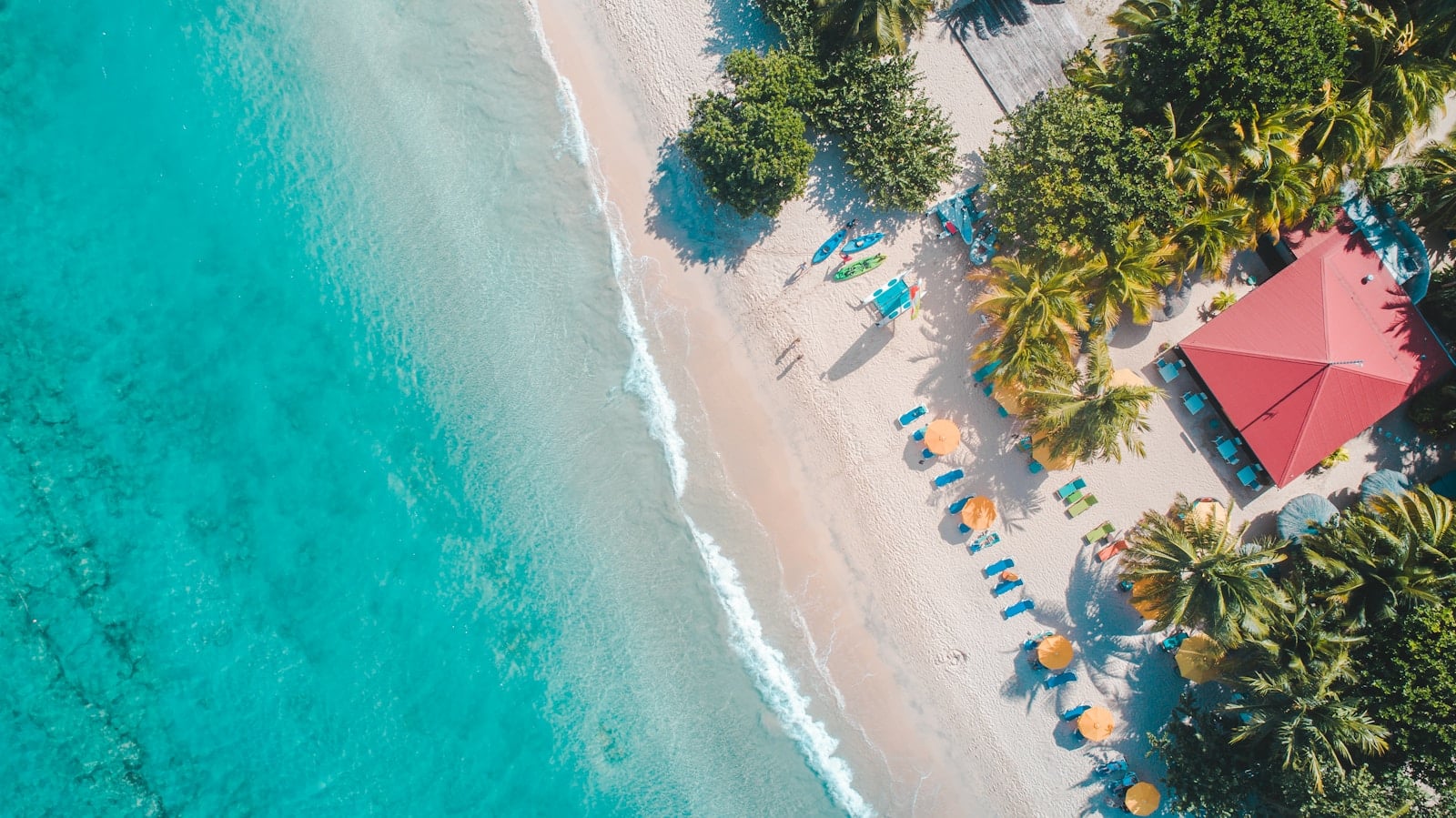
If the Caribbean has a pinnacle for island-hopping, it is the Grenadines. This chain of thirty-two islands and cays runs between St. Vincent and Grenada, most uninhabited, many untouched, and a select few home to some of the region’s most exclusive resorts.
The Grenadines operate on a quieter wavelength than the mainstream Caribbean. There are no cruise terminals or sprawling all-inclusives. Instead, you find islands small enough to walk in an afternoon, beaches that reset with every tide, and a yachting culture that has shaped these waters into a playground for sailors. Distances are short, anchorages are protected, and the tradewinds make passage between islands simple and scenic.
Mustique remains the best known. Developed in the 1960s, it still delivers genuine privacy. Its hundred villas, available to rent when owners are away, range from classic plantation houses to striking contemporary builds. The Cotton House offers the island’s only hotel stay, with 17 rooms, excellent service and a sociable hub at Basil’s Bar, long a gathering point for villa guests and visiting yachts.
Bequia, nine miles south of St. Vincent, has the most lived-in feel. Port Elizabeth’s waterfront is relaxed and welcoming, and beaches like Princess Margaret and Lower Bay are among the Caribbean’s finest. Bequia Beach Hotel provides comfort without excess, while Firefly Plantation offers more seclusion above Spring Bay.
Canouan has shifted firmly into luxury territory with the arrival of Mandarin Oriental and Soho Beach House. The island remains sparsely populated, but its beaches, golf course and high-end service place it among the Caribbean’s most polished retreats.
For full seclusion, Petit St. Vincent and Palm Island offer private island stays. PSV operates with signature simplicity, using flag signals for service and maintaining cottages without phones or televisions. Palm Island, slightly larger and more connected, has 43 rooms across 135 acres.
Travel works best by yacht, with short sails linking each island, but Mustique Airways and local water taxis allow land-based itineraries. A week offers a taste of three or four islands. Ten days lets you explore at a comfortable pace.
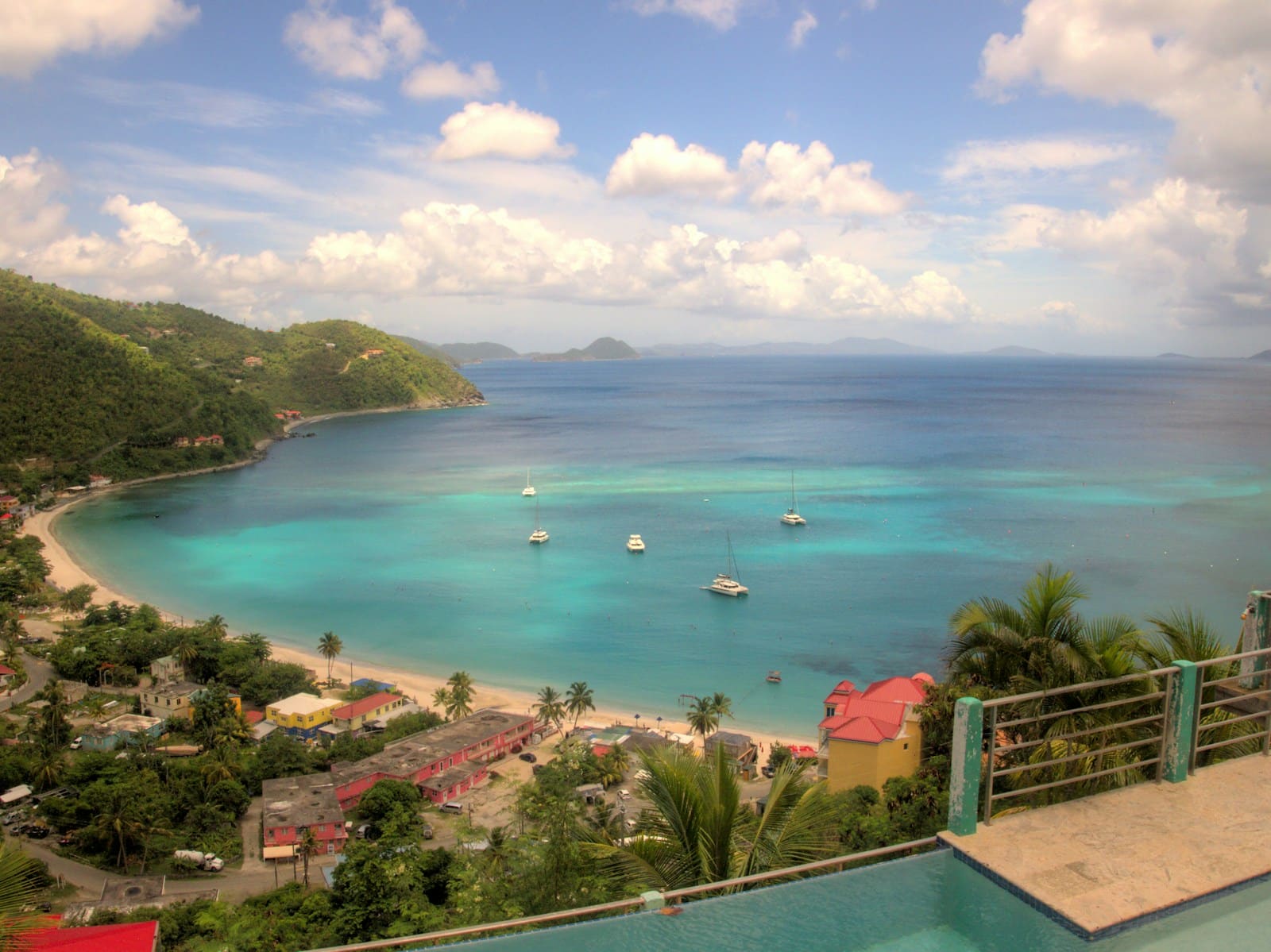
If the Grenadines attract the cognoscenti, the British Virgin Islands draw the sailors. This cluster of sixty islands and cays east of Puerto Rico has long been the Caribbean’s premier sailing ground, thanks to protected waters, reliable winds and short island hops that make the region accessible even to relative beginners.
Hurricane Irma’s destruction in 2017 was immense, but the recovery has been impressive. The BVIs today feel both restored and refreshed, with rebuilt resorts, returned marinas and landscapes that have regained their colour and calm.
Virgin Gorda remains the standout. The Baths, a maze of granite boulders forming pools and grottoes on the southern coast, are one of the Caribbean’s most striking natural sights. A climb through their narrow passages and open caverns ends in turquoise water that looks almost unreal.
Rosewood Little Dix Bay, opened by Laurance Rockefeller in 1964, helped define Caribbean luxury and has emerged from its renovation with its identity intact. Its 80 rooms stretch along a half-mile crescent of beach, designed to blend into the landscape rather than dominate it. On the eastern tip, Oil Nut Bay offers a more contemporary approach, with hillside villas, private pools and a marina that caters to extended trips.
Jost Van Dyke is tiny but iconic. Foxy’s Beach Bar has anchored New Year’s Eve celebrations and sailing traditions for decades, but the island rewards exploring beyond the party. Trails cut through the interior, and White Bay remains one of the region’s most appealing beaches.
Anegada, the BVIs’ only coral island, lies fifteen miles north of Virgin Gorda and feels entirely different from its volcanic neighbors. Low, flat and ringed by empty beaches, it is known for lobsters grilled at simple shacks such as The Lobster Trap and Cow Wreck Beach. Horseshoe Reef, one of the Caribbean’s largest barrier reefs, surrounds the island and has shaped both its history and its marine life.
Most travellers experience the BVIs by yacht. Daily hops between islands allow for new beaches, bays and snorkel spots without long passages. Bareboat charters suit confident sailors; crewed yachts range from captain-only to fully staffed luxury vessels. For land-based travellers, a week might pair Little Dix Bay with Oil Nut Bay, using day sails or ferries to explore the surrounding islands at an easy pace.
10 days
|£3,995
8 days
|£6,395
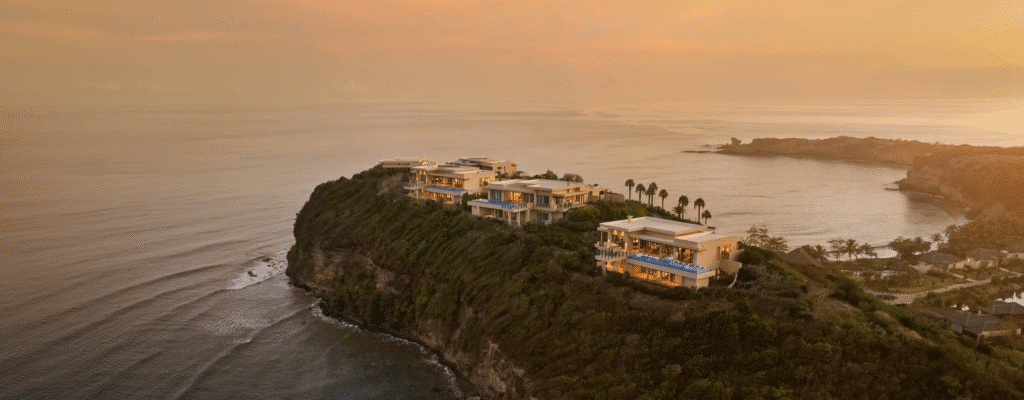
This pairing links two islands just twenty minutes apart by air yet strikingly different in character. Together, they form the Caribbean’s most sophisticated double act: St. Barth’s French-leaning glamour set against Anguilla’s calm, low-rise elegance.
St. Barthélemy, French since 1648, feels more Riviera than Caribbean. The food is excellent, the boutiques suit Paris as easily as Gustavia, and the beaches span the island’s full spectrum: lively at St. Jean, secluded at Gouverneur, and beautifully framed across fourteen distinct coves. The crowd is affluent, the prices match, and the island’s pleasure-first ethos is unmistakable.
Eden Rock, perched on its trademark outcrop at St. Jean, remains the classic address, blending mid-century heritage with modern design. Cheval Blanc St-Barth Isle de France brings LVMH polish to Flamands beach, its tropical gardens ensuring privacy. Le Barthélemy, on Grand Cul-de-Sac, offers a fresher, more contemporary alternative.
Dining is one of St. Barth’s great strengths. L’Isoletta serves Milan-grade Italian in Gustavia harbor. Bonito overlooks the same harbor with Franco–Latin American cooking and prime sunset views. Maya’s is the long-running favorite on Public beach, known for grilled lobster and unfussy Creole dishes.
Anguilla offers a gentler contrast. The island’s ban on high-rise development has preserved some of the Caribbean’s finest beaches, notably Shoal Bay, Rendezvous Bay and Meads Bay, each known for sand as soft and cool as powder.
Malliouhana, set on a bluff above Meads Bay, helped define modern Caribbean luxury. Belmond Cap Juluca, arcing along Maundays Bay in white Moorish-inspired curves, is instantly recognizable. Four Seasons Resort and Residences Anguilla adds a polished, contemporary option at Barnes Bay.
The dining scene is unusually strong for an island this size. Veya pairs Caribbean ingredients with global technique in a lush garden setting. Ember, at Malliouhana, focuses on wood-fired cooking with open sea views. Simpler beach shacks at Shoal Bay serve grilled crayfish and rum punch with front-row access to the water.
Travel between the islands is easy. Anguilla’s ferry terminal at Blowing Point sits fifteen minutes from Marigot on the French side of St. Martin, whose airport links directly to St. Barth. Private charters between the two take around twenty minutes. A week divides naturally: four nights in St. Barth for energy and dining, followed by three nights in Anguilla for space and beach time.
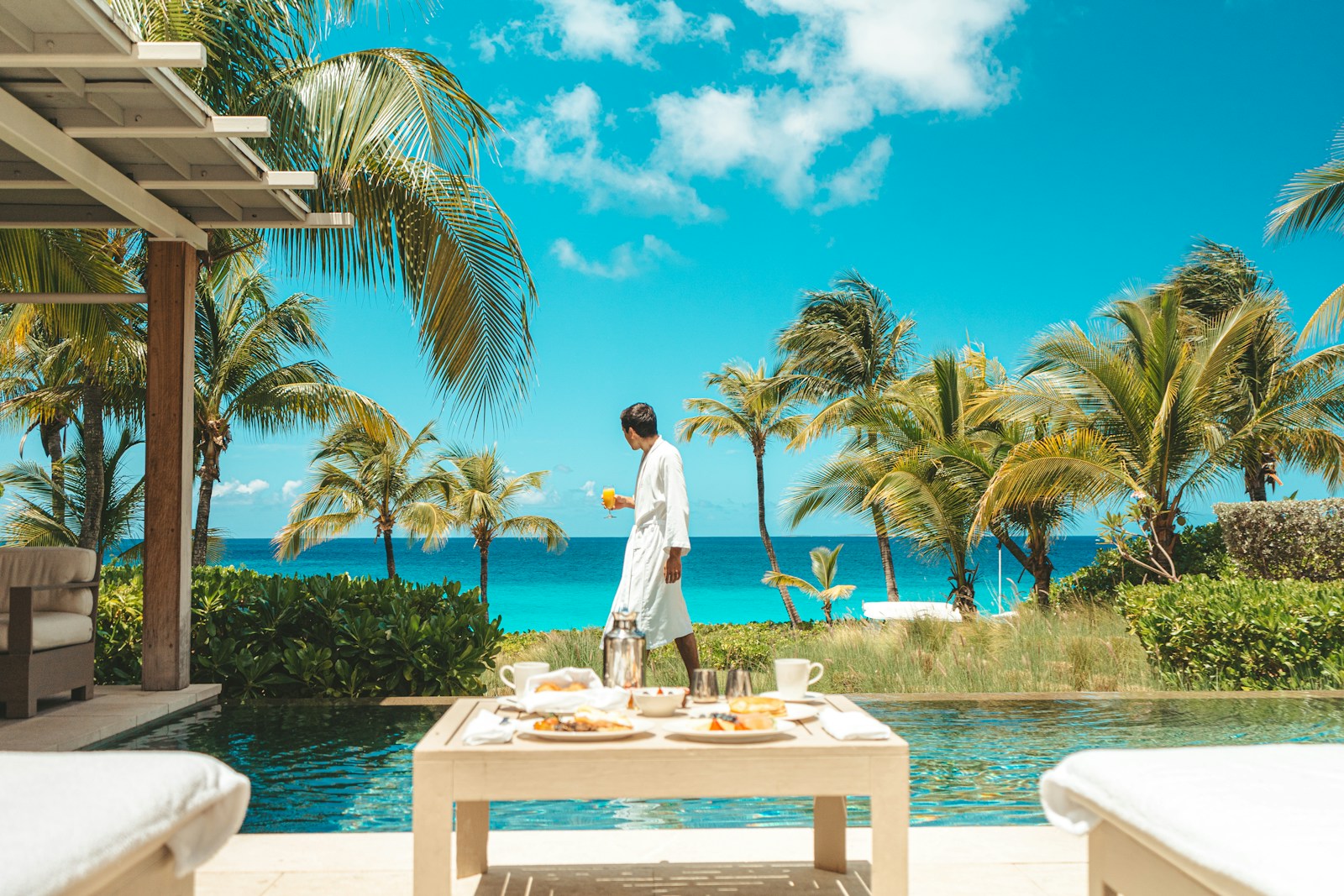
Providenciales, the hub of Turks and Caicos, is hardly undiscovered. Grace Bay Beach, regularly cited as one of the world’s best, is lined with high-end resorts that define the islands’ reputation for easy, reliable luxury. Amanyara delivers the classic Aman style on a remote northwest shore with minimalist pavilions and a standout spa. COMO Parrot Cay, set on its own private island, leans into wellness and seclusion. Grace Bay Club has a more social atmosphere without compromising standards.
Beyond Provo, the wider archipelago offers a different pace. Salt Cay feels suspended in the 19th century, its Bermudian buildings and wandering donkeys recalling the old salt-raking era. In winter, humpback whales pass close enough to spot from shore. Grand Turk, the quiet capital, provides excellent diving along dramatic drop-offs just offshore.
A short flight connects Provo with the Dominican Republic, where the experience shifts entirely. Santo Domingo’s Zona Colonial, a UNESCO World Heritage site, holds the oldest European buildings in the Americas, now surrounded by boutique hotels, contemporary restaurants and bars that showcase Dominican rum.
Casas del XVI spreads across several restored colonial homes, blending period architecture with modern art. Hodelpa Nicolas de Ovando, in the former governor’s residence, offers a grander, more traditional experience.
North of the capital, the Samaná Peninsula remains one of the country’s most compelling regions: palm-backed beaches, inland waterfalls and seasonal humpback migrations give it a sense of adventure absent from the resort corridors. Sublime Samana overlooks Coson Beach with contemporary casitas, while The Peninsula House offers a more intimate hillside retreat.
Ten to fourteen days suits this route, allowing time to unwind in Turks and Caicos before exploring the Dominican Republic’s richer cultural and natural landscapes.
Jamaica remains the Caribbean’s cultural powerhouse, its global influence rooted in music, food and unmistakable character. Kingston rewards travellers who engage with it on its own terms. The Bob Marley Museum offers essential context, while the city’s restaurants serve jerk, curry goat and ackee and saltfish that make most overseas versions feel like approximations. Nightlife ranges from sound system parties to uptown clubs, each tied to traditions that shaped modern music.
On the north coast, GoldenEye captures Jamaica’s mid-century glamour. Ian Fleming wrote the James Bond novels here, and the property blends original buildings with newer lagoon cottages under Chris Blackwell’s unfussy, reggae-inflected aesthetic. Round Hill, near Montego Bay, offers a quieter alternative, favored by long-time loyalists who return for its refined service and timeless style.
The Blue Mountains provide an entirely different Jamaica. Cooler air, coffee estates and cloud forest hiking define the region. Strawberry Hill, set at 3,100 feet, offers Georgian-style cottages and sweeping views over Kingston and the coast.
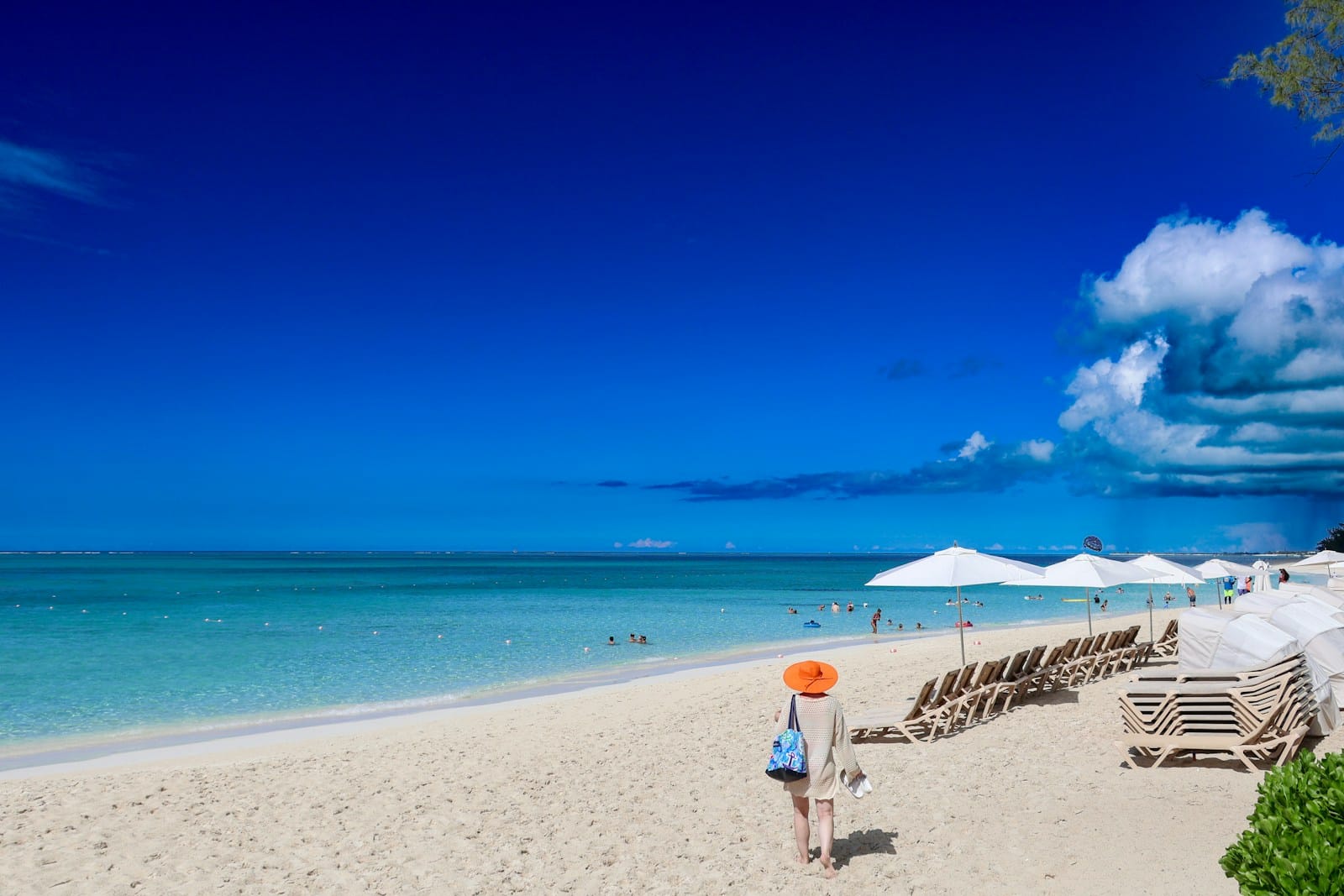
Grand Cayman delivers the counterpoint: organized, efficient and reliably luxurious. Seven Mile Beach is the island’s showcase, with calm water, excellent diving and service standards that rarely slip. Cayman is not a cultural capital, but it excels at consistency.
The Ritz-Carlton, Grand Cayman anchors the luxury scene with 375 rooms, a Greg Norman golf course and Jean-Michel Cousteau–led diving programs. Kimpton Seafire brings boutique design to a larger resort, while the quieter Kaibo and Rum Point area appeals to travellers seeking calm.
Cayman’s dining has improved significantly. The Brasserie serves refined French-Caribbean dishes in a restored house. Blue by Eric Ripert brings Le Bernardin’s seafood philosophy to the islands. Agua offers modern Italian at Camana Bay.
Daily flights link Kingston and George Town, making the combination easy. A week works well: four nights in Jamaica for immersion, three in Cayman for beach time and recovery.
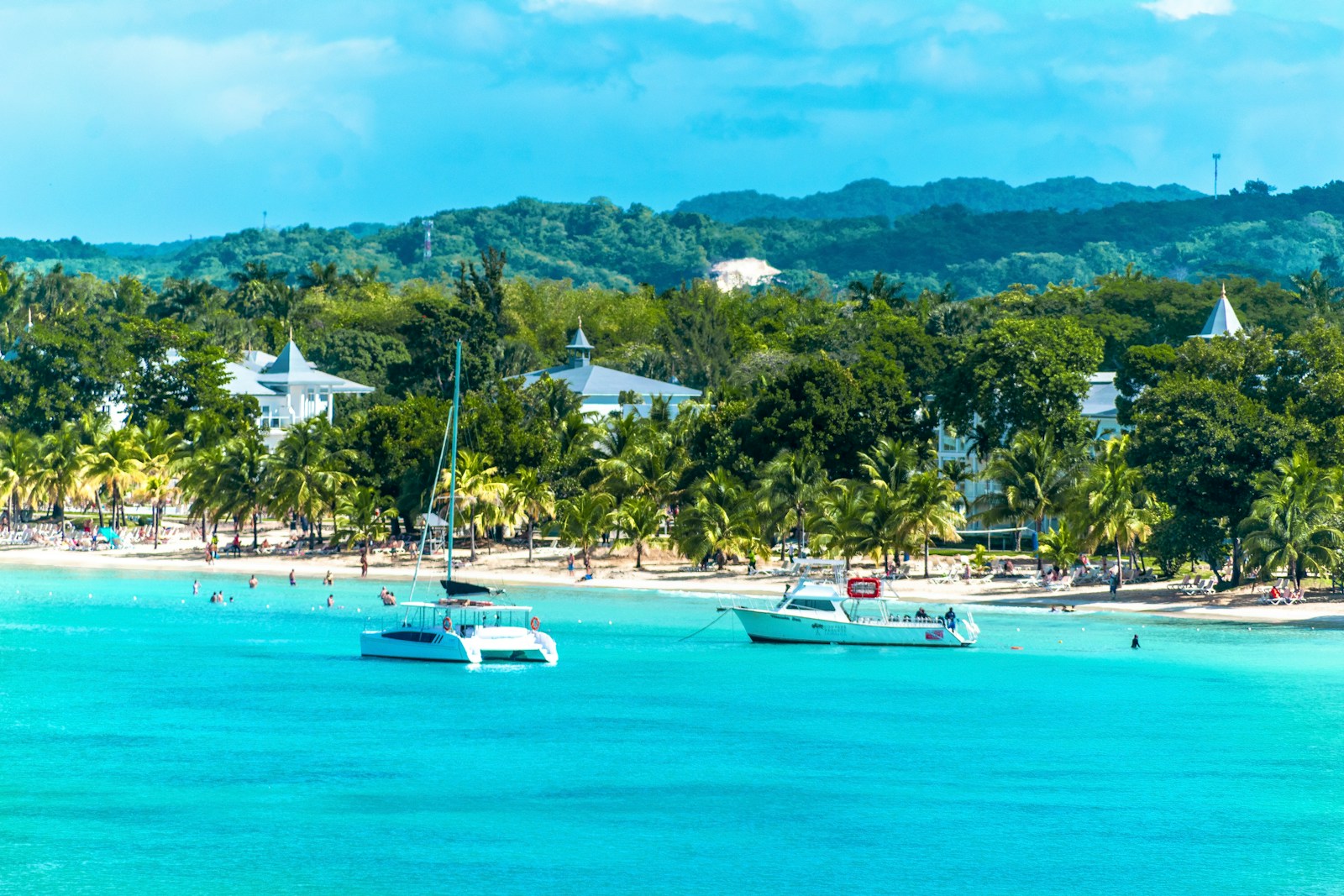
Island-hopping in the Caribbean takes more coordination than in regions with dense ferry networks. Inter-island flights exist but schedules can be limited, and ferries operate only on certain routes. Private yacht or plane charters simplify movement but increase costs.
Seasonality matters. Hurricane season runs from June to November, with September and October carrying the highest risk. Christmas and New Year sell out months in advance. Early December and late April to May offer excellent weather and fewer crowds.
Pack for variety. Resort casual suits most evenings, although St. Barth leans smarter. Days revolve around the beach, and light layers help with flights and strong air conditioning.
Budgets vary widely. St. Barth, Anguilla and the Grenadines sit at the top end. Turks and Caicos and Grand Cayman fall in the middle. Jamaica and the Dominican Republic offer strong luxury options at more accessible rates.
Ready to plan your Caribbean island-hopping escape? Speak with Do Not Disturb and we will design a route that suits your style, your pace and the islands that speak to you most.
Suggested articles


Tell us how you want to feel, we’ll take it from there.
“Our trip was truly magical and full of core memories that will last us a lifetime.”
Michael • Bora Bora Honeymoon

“We just returned from an incredible journey through Ireland, and we couldn’t have had a better experience”
Brad • Ireland Adventure
“This was a flawless experience right from the beginning, we had so many thoughts and ideas flowing around and they took all of them and perfectly curated the most beautiful honeymoon for us.”
Kris • Sicily Honeymoon
See more reviews on Trustpilot
 12 min read
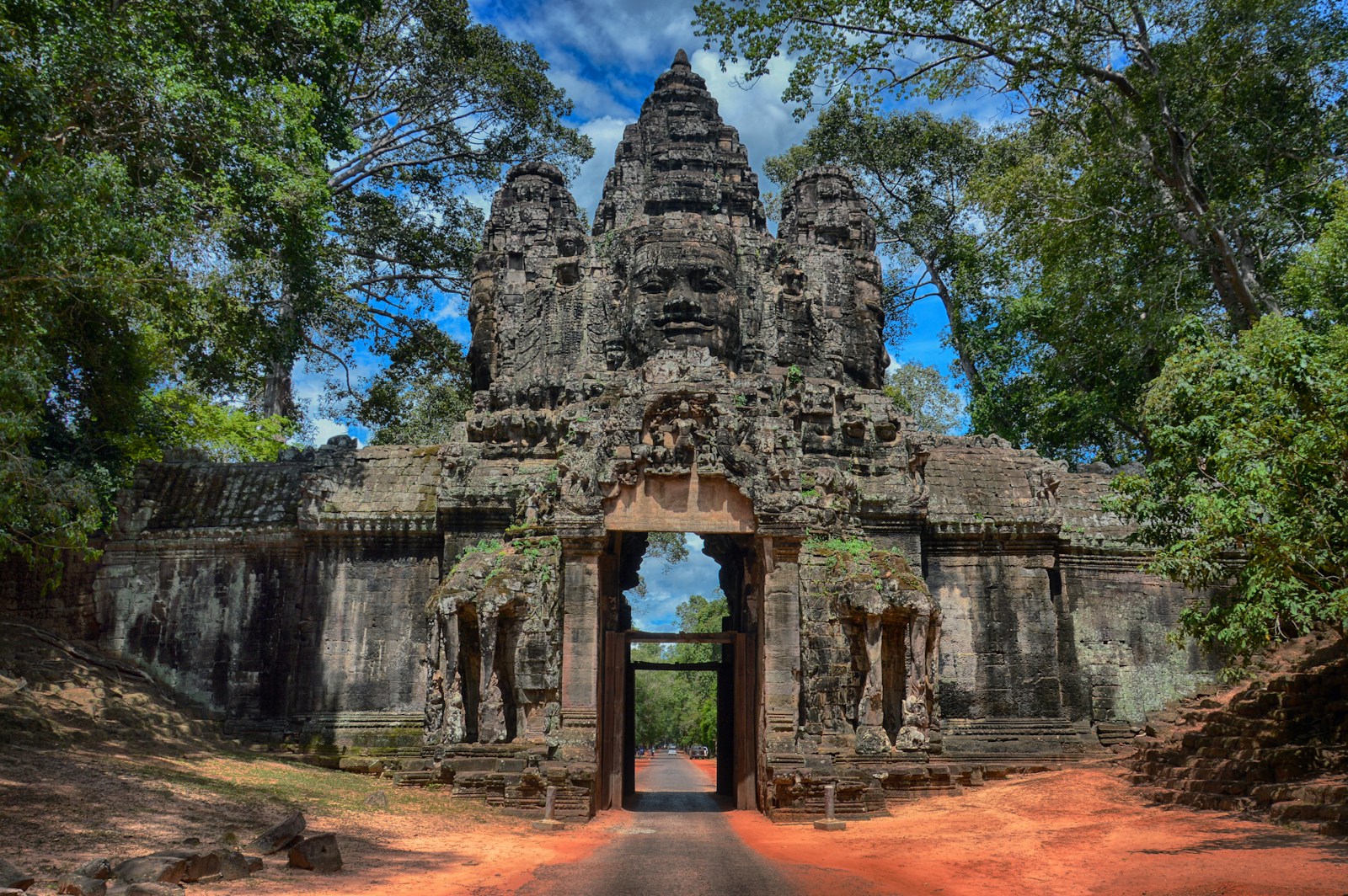
Angkor Wat is one of the world’s most extraordinary temple complexes, but experiencing it well comes down to timing, pacing and where you choose to stay. This is how to plan the perfect luxury trip.
 11 min read
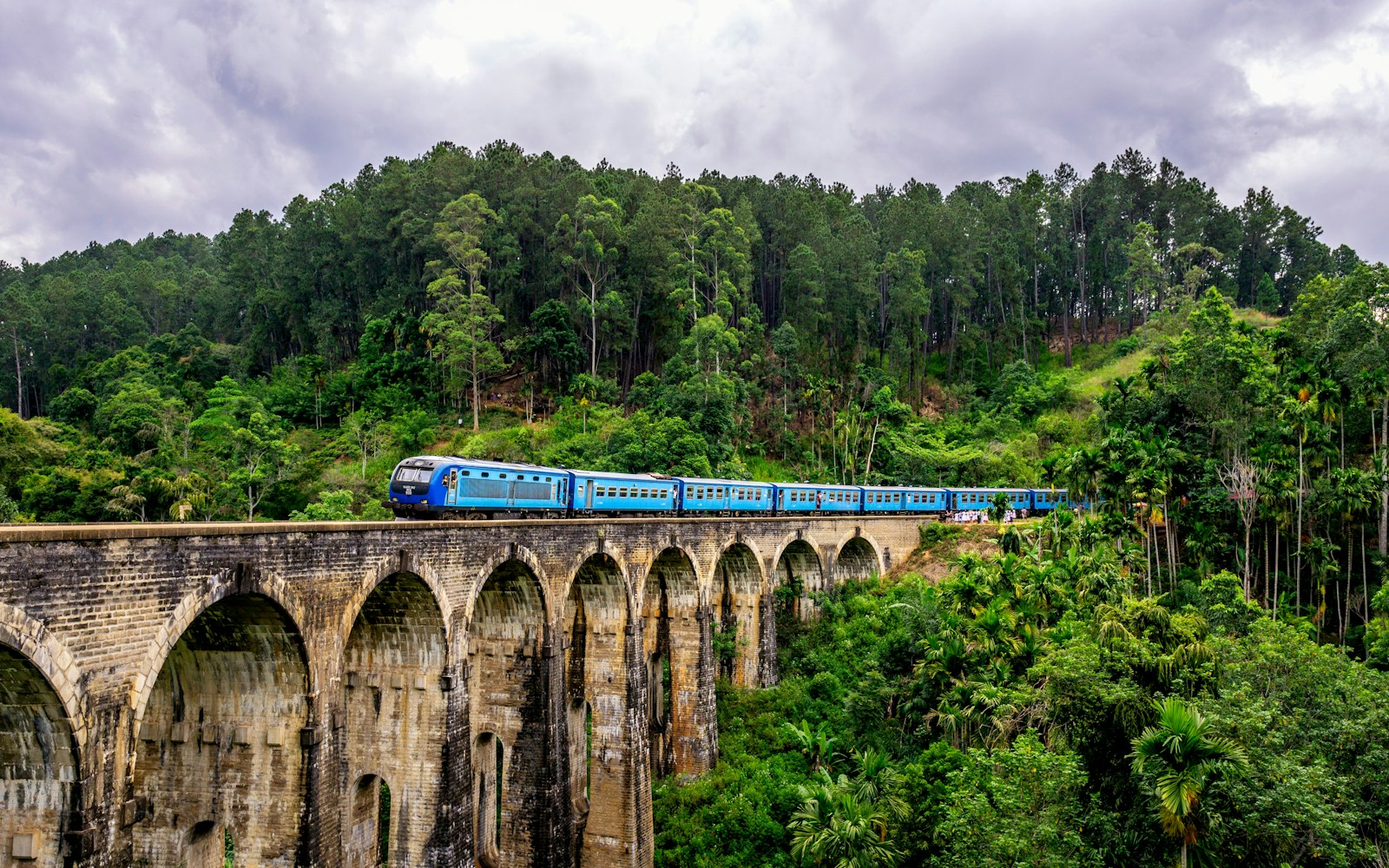
Sri Lanka’s tea country is a place where production and landscape are inseparable. From hand-plucked leaves to historic bungalows, this guide walks you through how the region looks, works and feels.
 10 min read
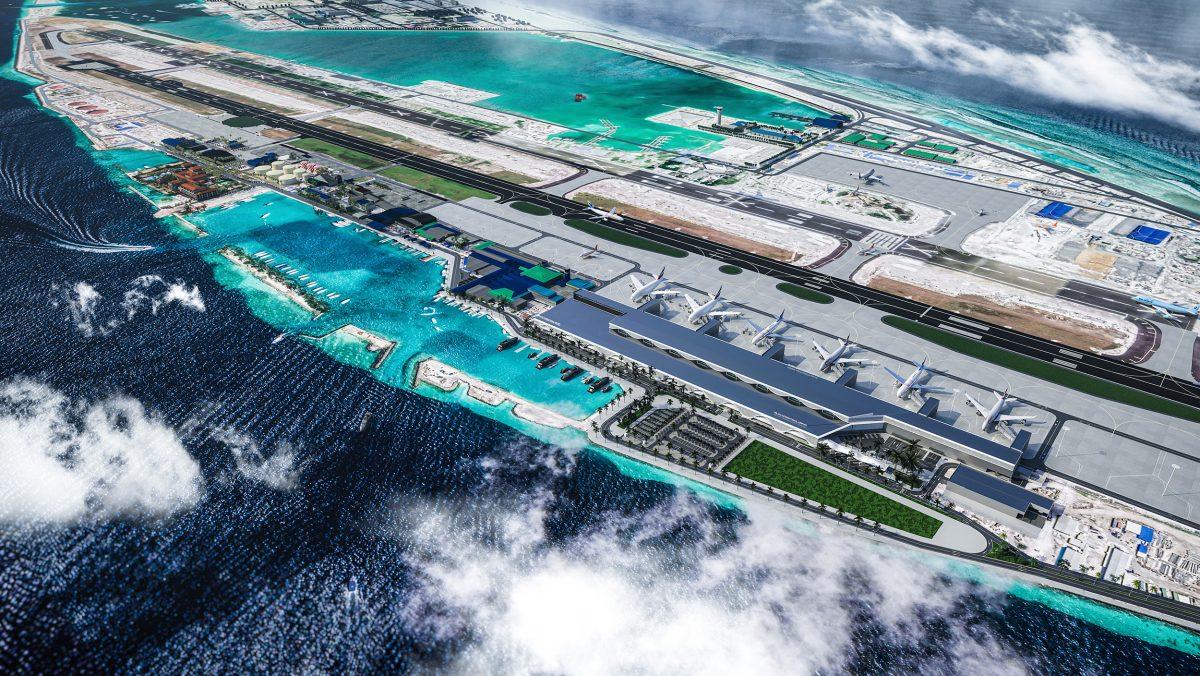
The Maldives has quietly solved its biggest travel flaw. With the new Velana International Airport, the long, chaotic arrival is replaced by speed, space and a seaplane transfer that finally feels worthy of the destination.
 13 min read
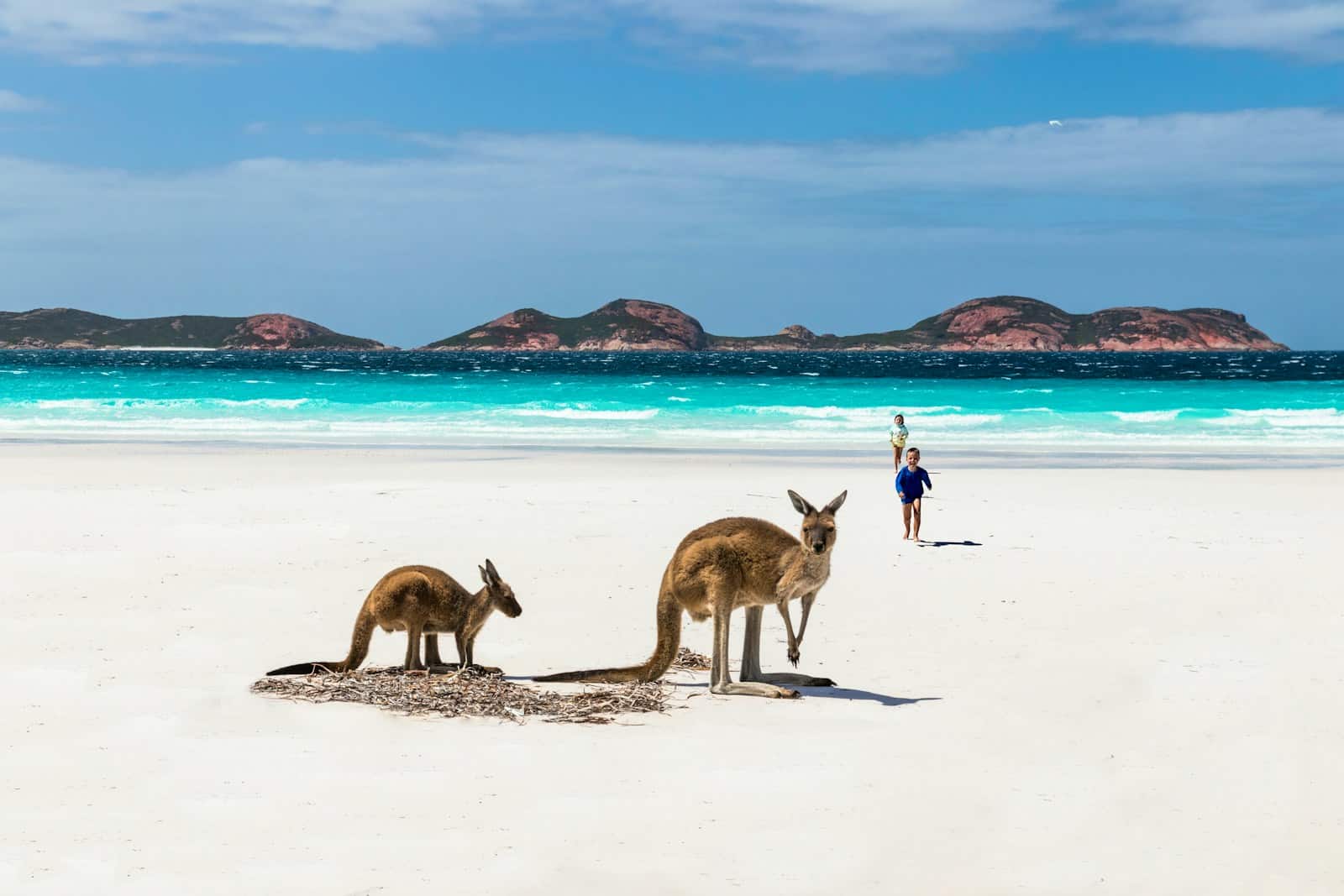
Australia’s coastline stretches for 34,000 kilometers, and scattered along its length lie islands that range from tropical reef cays to temperate wilderness sanctuaries. The country has been slower than the Maldives or French Polynesia to develop its island luxury potential, but that’s changing.

Ask us anything.
