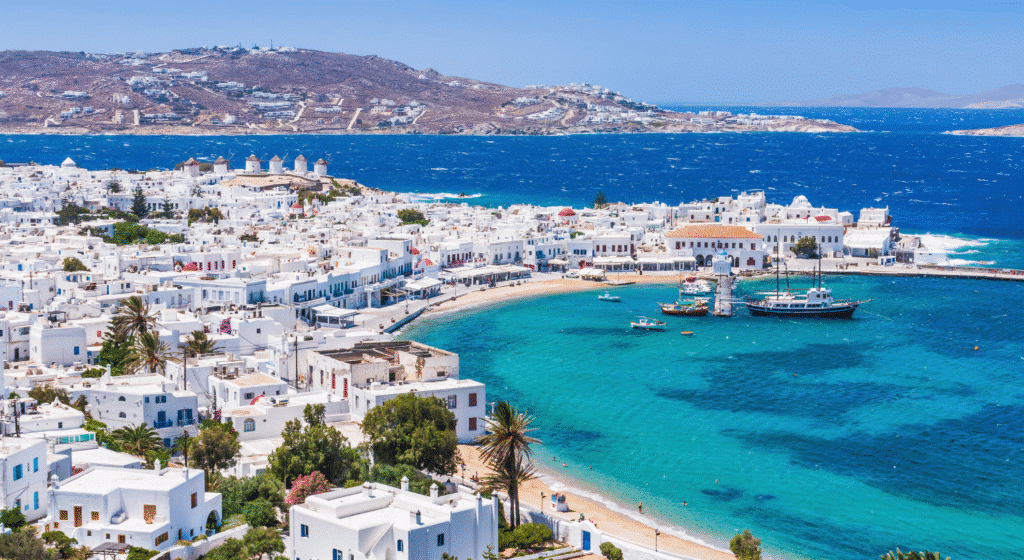
Mykonos rose to prominence in the 1960s and 1970s as a destination that combined natural Mediterranean beauty with a progressive, liberated atmosphere that appealed to artists, bohemians, and travellers seeking an escape from conventional tourism. Mykonos may have changed since then, but its light, rhythm, and quiet beauty remain for those who know where to look.
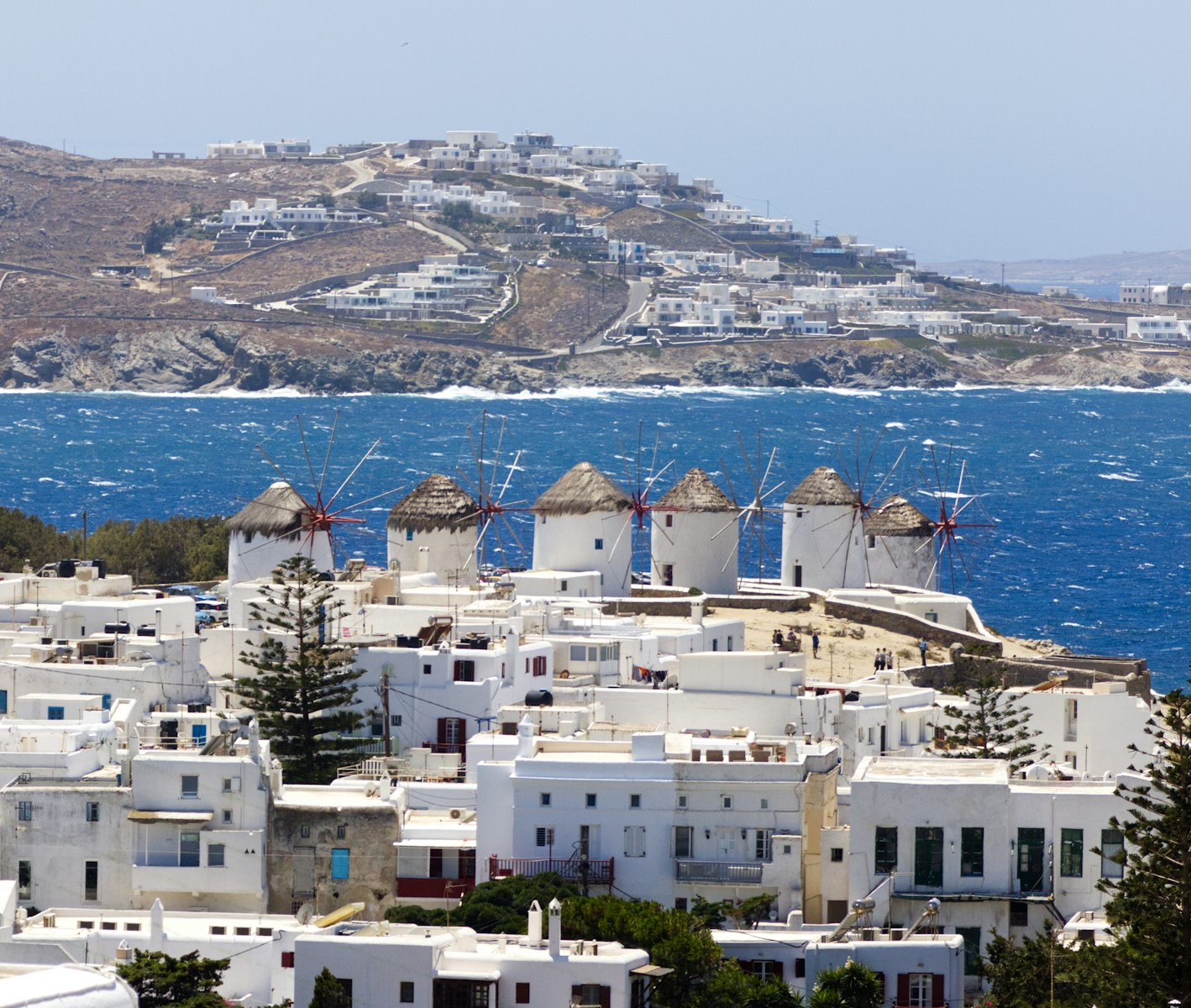
Let’s be honest: Mykonos has a problem. What was once a bohemian island retreat where Jackie O and Le Corbusier came to escape has morphed into a glittering circus of superyachts, eighty-euro cocktails, and influencers doing choreographed photo shoots in front of the windmills. The August crowds are biblical. The prices are Dubai-level absurd. And yes, there’s a depressing amount of bottle service, designer shopping bags, and people who seem more interested in being seen in Mykonos than actually seeing Mykonos.
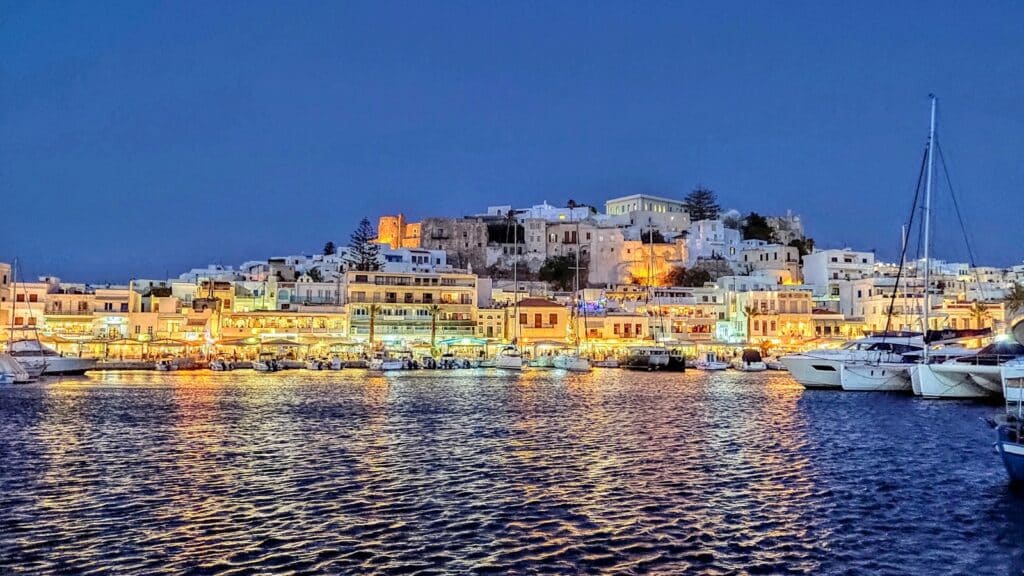
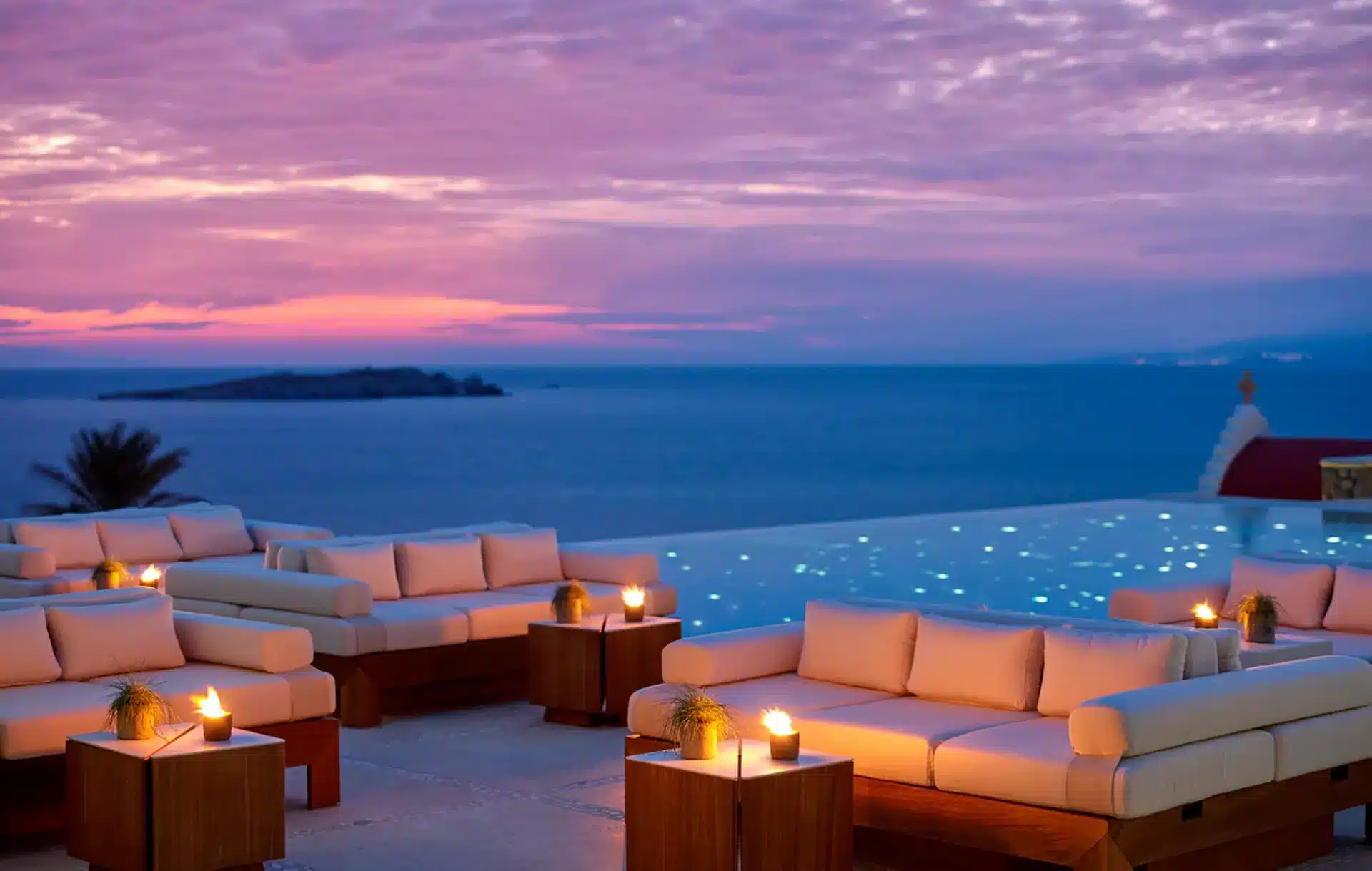
And yet, beneath the Instagram veneer and the Champagne-spraying beach clubs, the island that captivated everyone in the first place is still there. The Cycladic light still does that thing where it makes whitewashed walls glow like they’re lit from within. The Aegean is still that impossible blue. The maze of Little Venice alleyways still ends in perfect surprises. You just have to know how to find it.
The Golden Rule: Timing is Everything
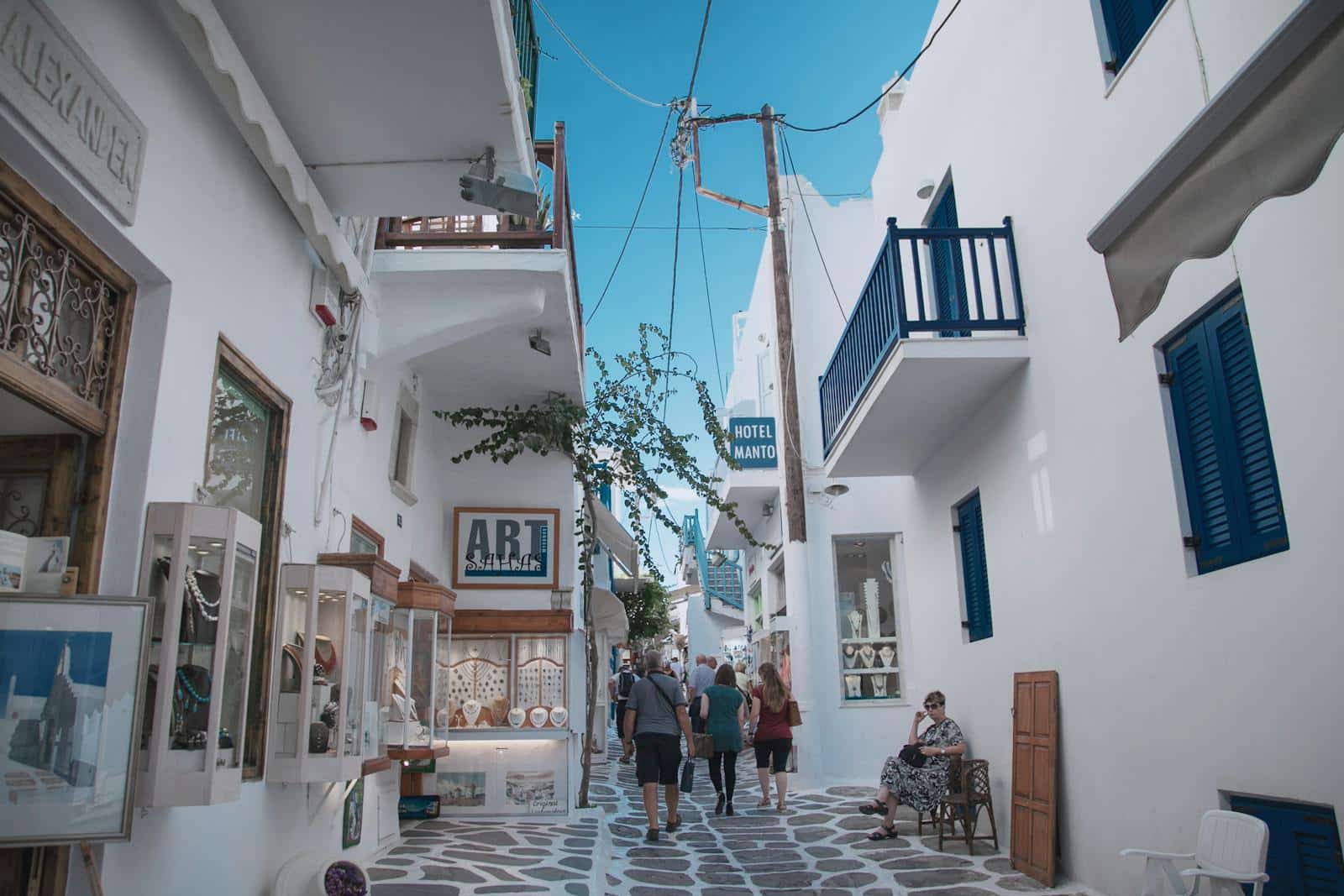
If you visit Mykonos in August, you deserve what you get. The island transforms into an open-air nightclub, prices triple, and you’ll spend more time queuing than swimming. The secret to salvaging Mykonos is simple: do not go in summer.
Late May or early June gives you warm enough weather for swimming, long days, and a fraction of the crowds. September is even better. The sea is at its warmest, most venues are still open, but the Instagram hordes have returned to their day jobs. Even early October can be glorious, though you’re gambling a bit on weather.
If you must go in July or August, at least avoid weekends, when the yacht set descends from Athens and rates skyrocket further. And mentally prepare yourself for a very different experience.
Where to Stay in Mykonos
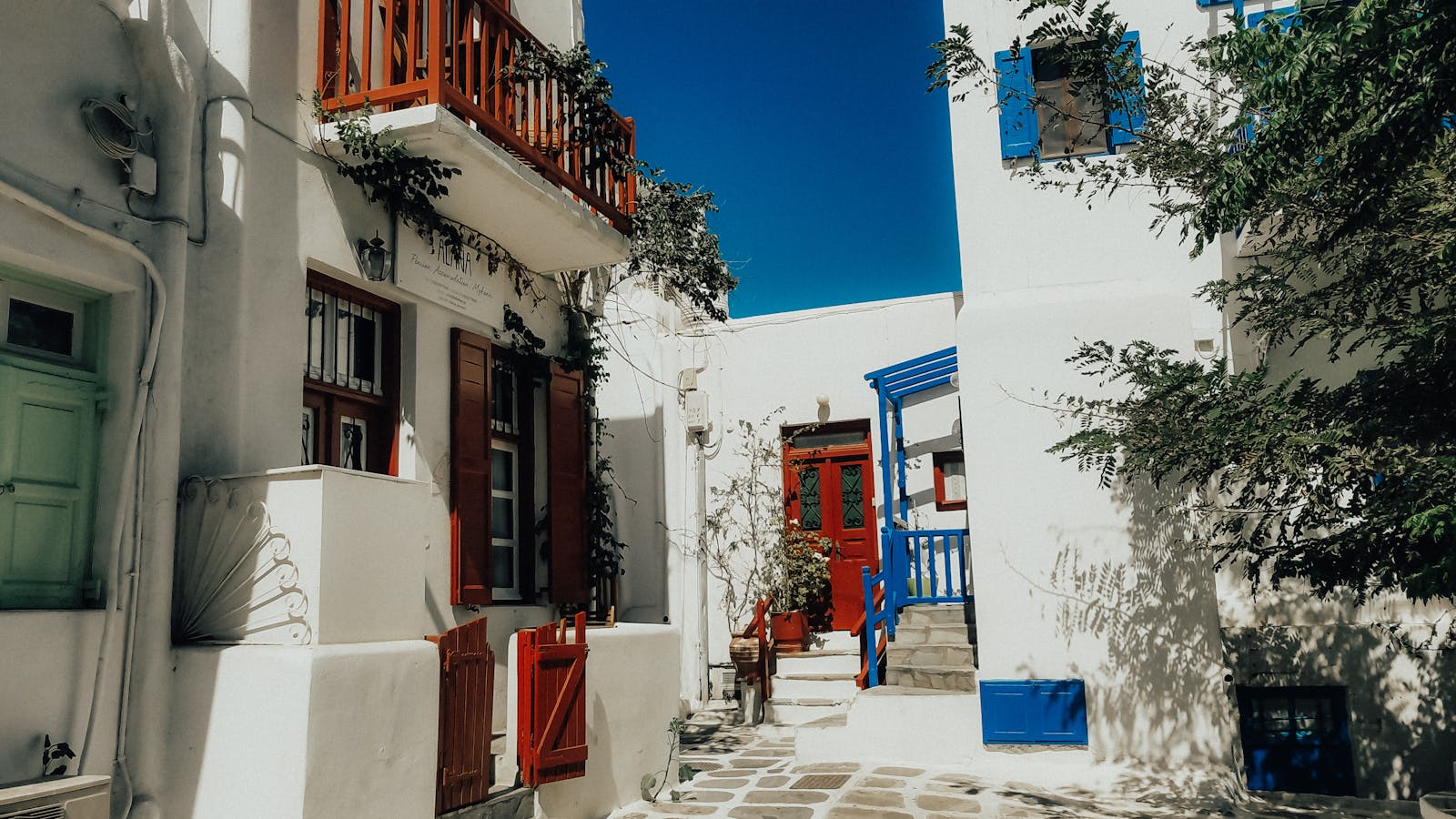
Location is crucial. Mykonos Town (Chora) is the heart of the island, and while it’s undeniably beautiful with its sugar-cube houses and bougainvillea-draped lanes, it’s also ground zero for the party scene. Stay here only if you’re embracing the chaos or can afford one of the boutique hotels with insulated courtyards.
The smarter play is Ornos or Agios Ioannis on the south coast, close enough to town for easy access but far enough to escape the four a.m. club crawlers stumbling home. Better still, consider the northern side entirely. Agios Sostis and Panormos are refreshingly undeveloped, with proper Greek tavernas and beaches where locals actually swim.
The Beach Club Question
Here’s where strategy matters. Yes, the famous beach clubs such as Nammos, Scorpios, and Alemagou are expensive and often a little garish. But they’re also, occasionally, rather brilliant at what they do. If you’re going to visit one, make it count. Book a sunbed for the day, go late afternoon into evening when the scene builds, and treat it like theatre rather than a beach day. Scorpios at sunset, with its tribal house music and Aegean views, can still be transcendent.
But do not make beach clubs your entire Mykonos experience. The island has plenty of stunning beaches that remain blissfully uncommercialized. Fokos on the north coast is wild and windswept with a single excellent taverna. Agios Sostis has golden sand, turquoise water, and absolutely nothing else, so bring supplies. Kapari is tiny and requires a walk down a dusty path, which filters out most visitors.
The trick is to alternate: one day at a sceney beach club to experience peak Mykonos excess, the next at a remote cove that reminds you why the Greeks perfected island life millennia ago.
Eating: Beyond the Two-Hundred-Euro Lobster Pasta
Mykonos’s restaurant scene has become genuinely impressive, but it has also developed a habit of charging triple what the same meal costs in Athens. The art is knowing where to pay up and where to go local.
For special meals, Interni in Mykonos Town deserves its reputation for Mediterranean sophistication in a gorgeous courtyard garden. Remezzo in Ftelia offers refined Greek cuisine with your feet in the sand. Book far ahead for both.
For authentic value, head where locals eat. Kiki’s Tavern at Agios Sostis has no phone, no electricity, just grilled fish and Greek salads at proper prices with a wait that can stretch to hours. Go early or late. Spilia in Agia Anna is literally built into a cave on the beach, serving fresh seafood at fair prices in an unforgettable setting. Nikolas Taverna in Agia Anna has been run by the same family for decades.
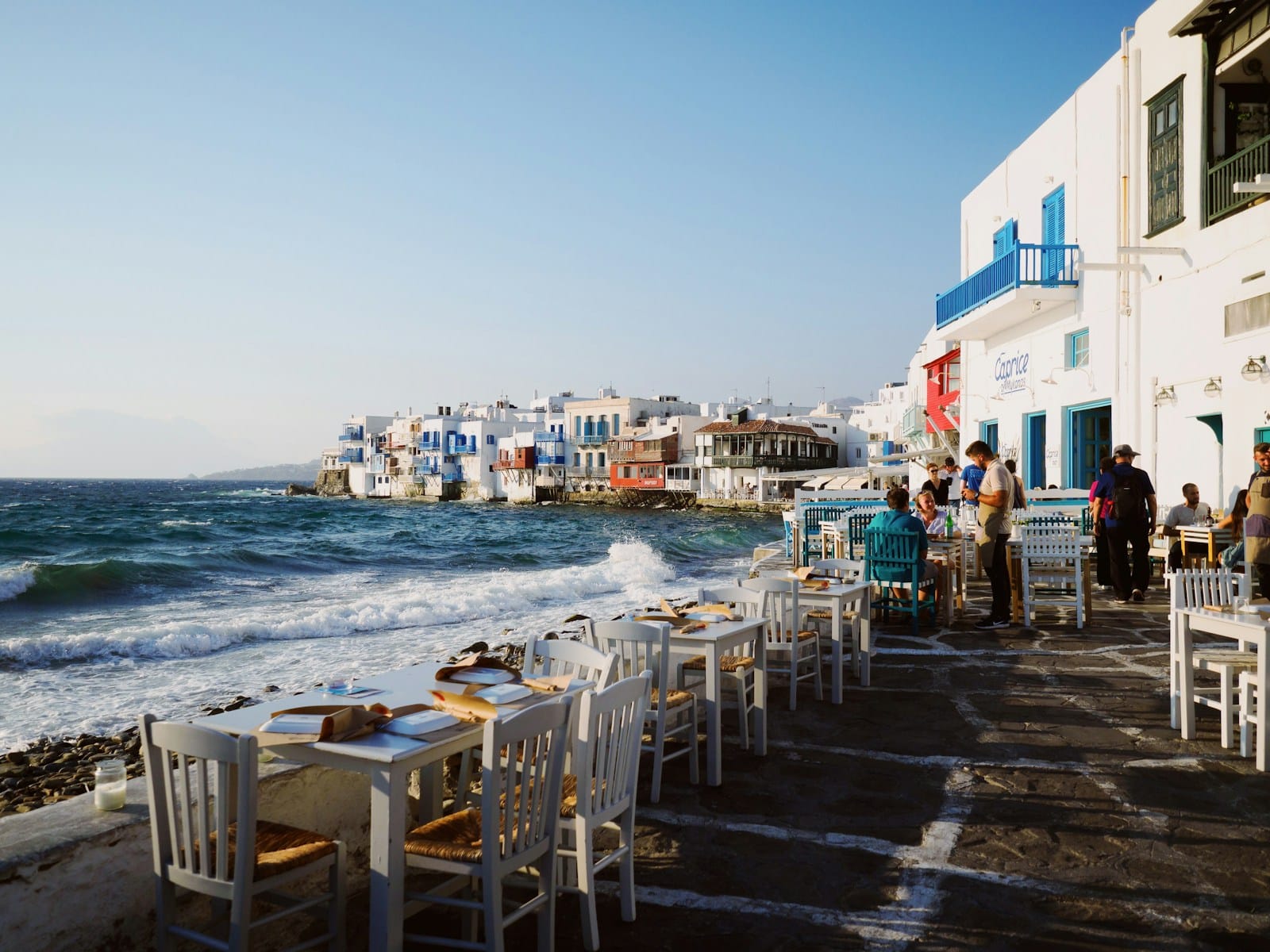
In town, avoid anywhere on the waterfront in Little Venice during peak hours. You’re paying for the view, not the food. Instead, duck into the backstreets. M-eating is beloved by locals for creative small plates, while Avli tou Thodori offers traditional Greek cuisine in a leafy garden.
Reclaiming the Town
Mykonos Town at midday in August is purgatory. Cruise ship passengers block the lanes, shops sell four-hundred-euro kaftans, and there’s barely room to move. But if you adjust your schedule, the magic reappears.
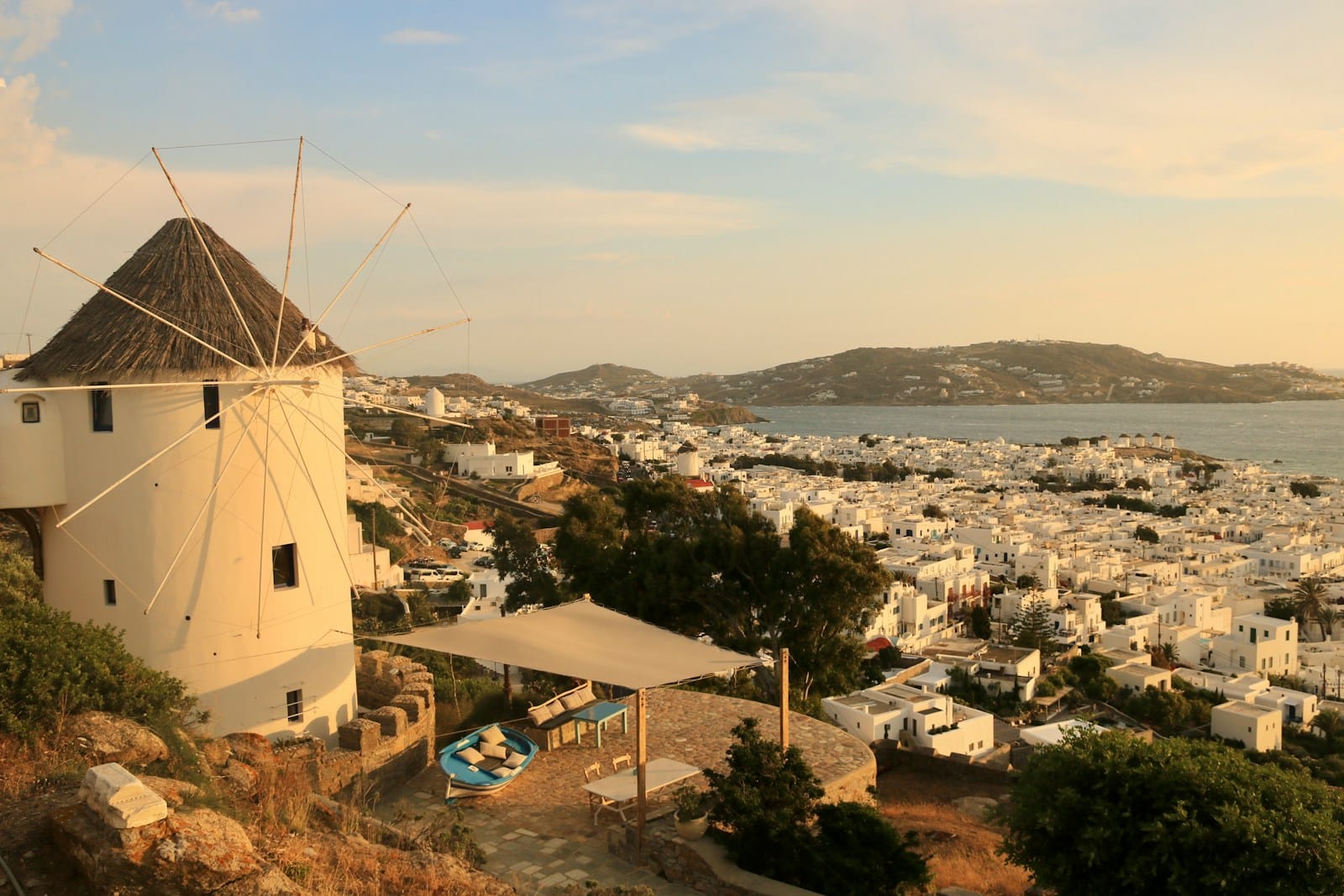
Wake early, six a.m. early. Watch the town come alive as shopkeepers sweep their doorsteps and cats claim their territory. The light is extraordinary, and you’ll have the windmills practically to yourself. Grab coffee at Gioras, a hole-in-the-wall locals’ joint, and wander around.
Return in late afternoon after the cruise ships depart but before the evening crowd arrives. This is the golden hour when you can actually appreciate Little Venice’s waterfront houses without jostling for position. Or come back around midnight, when the town shifts into its nightlife mode. Even if you’re not here for the party scene, it’s fascinating to observe as anthropology.
What Still Works
Despite everything, certain Mykonos experiences remain genuinely special. Watching sunset from the Armenistis Lighthouse at the northern tip feels timeless. The Panagia Paraportiani church, with its asymmetrical white forms like sculptural ice cream, is still breathtaking. Delos island, a short boat ride away, remains one of the Mediterranean’s finest archaeological sites and is criminally under-visited.
And here’s the thing: even now, if you walk ten minutes from any crowded spot, you’ll often find yourself alone. The island is larger than people realize, with hiking trails, farming valleys, and dozens of tiny chapels that never see tourists.
The Verdict
Modern Mykonos demands a different approach than it did twenty years ago. You can no longer just show up and stumble into authentic Greek island life. That has been pushed to the margins. But if you’re strategic about timing, location, and where you spend your money, you can still access what made Mykonos special in the first place. That combination of raw Aegean beauty, sophisticated European taste, and hedonistic possibility exists nowhere else quite like this.
Think of it as a game. The masses do Mykonos one way, expensive, crowded, performative. You’re going to outsmart them by going off-season, staying outside town, eating where locals eat, and swimming at beaches that require a bit of effort to reach. You’ll pay a fraction of the price and have twice the experience.
Mykonos hasn’t been ruined. It’s just been remade as a place that rewards insider knowledge. And that, paradoxically, might make discovering its remaining magic even more satisfying than when it was easy.
Enquire now and let us plan your Mykonos escape.
Related destinations
Suggested articles
How to Plan the Perfect Luxury Trip to Angkor Wat
A Guide to Sri Lanka’s Tea Plantations
The Maldives Fixed Its Arrival Problem: Inside the New Velana Airport
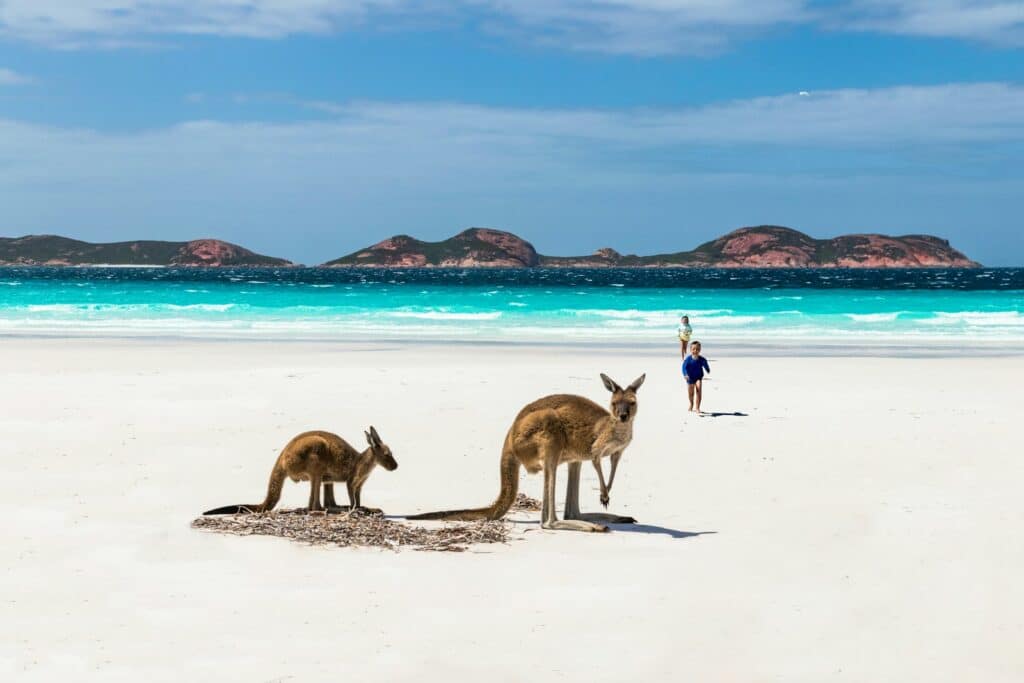
The Best Islands in Australia for a Luxury Beach Holiday
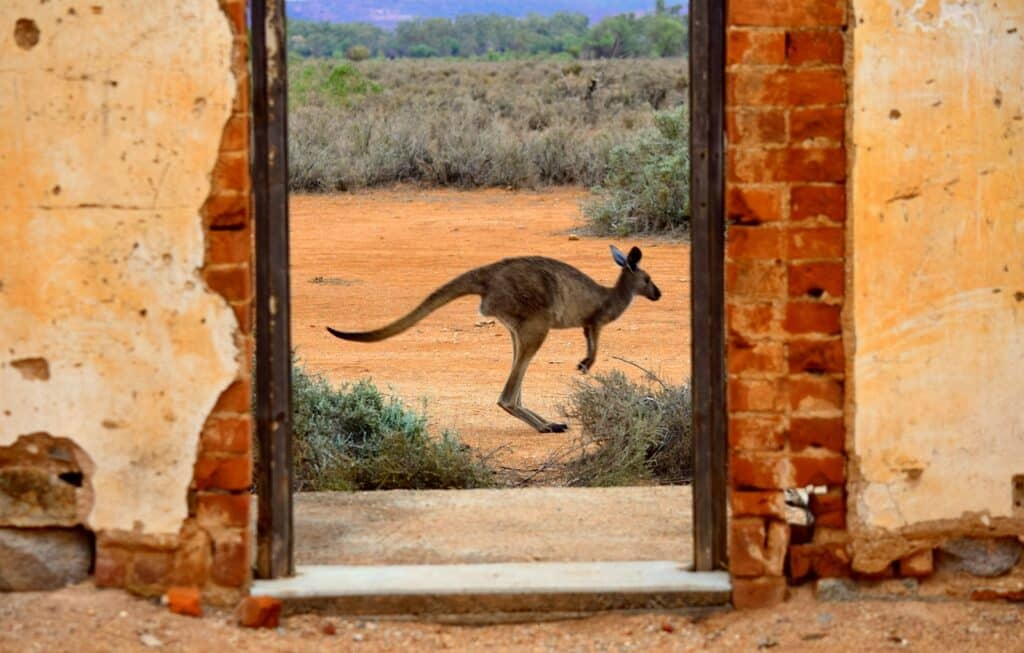
How to Plan a Luxury Australian Outback Experience
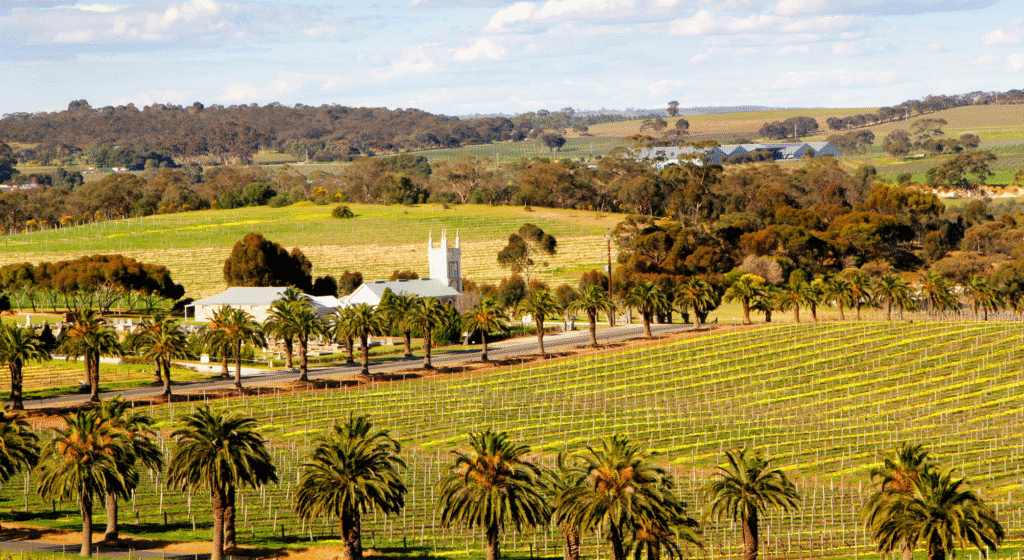
A Luxury Guide to Australia’s Wine Regions
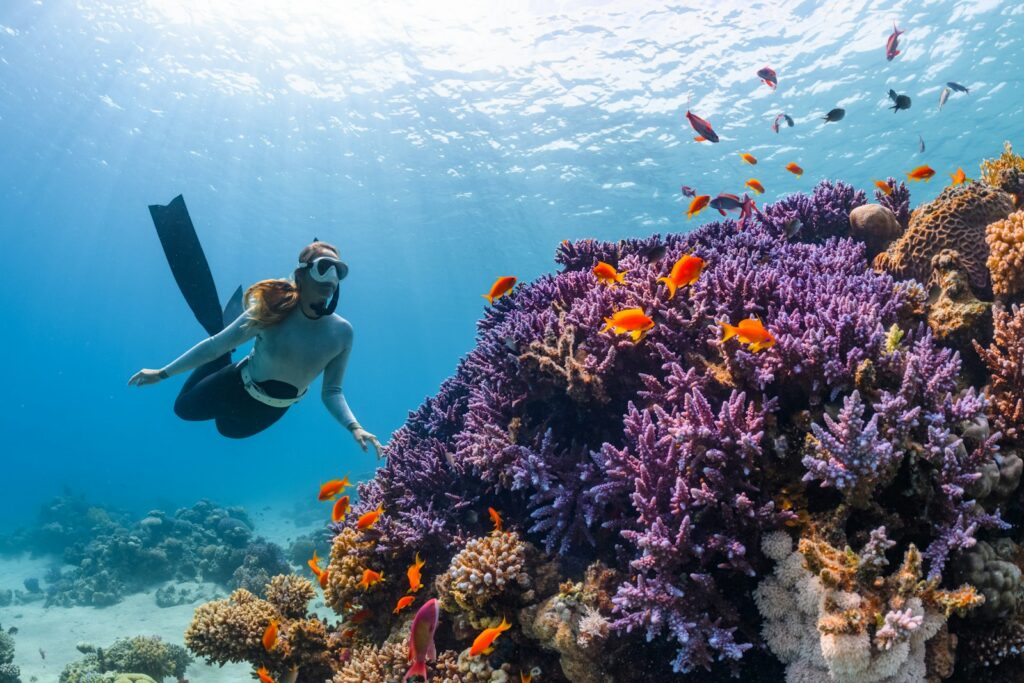
How to Plan a Luxury Trip to Australia’s Great Barrier Reef
The Best Luxury Hotels in Seychelles

Best Caribbean Islands for Private Jet Travellers
Island-Hopping in the Caribbean: The Best Routes for a Luxury Trip
Santorini or Mykonos: How to Choose the Best Greek Island for You
The Athens Riviera: Greece’s Glamorous Coastline Beyond the Islands
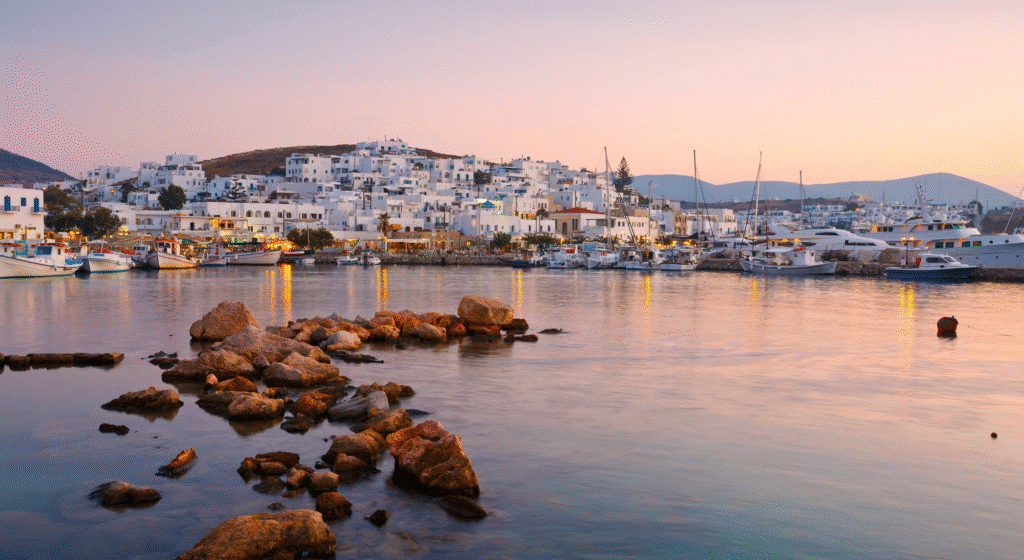
Paros: The Greek Island Stealing Attention from Mykonos and Santorini