Canada Holidays

Canada stretches across coastlines, forests, mountains and cities that feel distinct from one another in history, mood and design. Travel here is shaped by the shifts between regions, from Pacific urbanism to the French spirit of Québec and the vast quiet of the north.

Why Canada?

Canada doesn’t have a single identity the way older countries do. It’s a collection of regions so distinct they barely recognize each other: Vancouver’s Pacific sensibility has nothing to do with Montréal’s French defiance, which has nothing to do with Atlantic fishing culture or Arctic remoteness. People visit Canada for the landscapes first: the Rockies, coastal rainforests, tundra and accessible wilderness. They come for cities with genuine neighborhood character: Montréal’s French culture, Toronto’s authentic multiculturalism, Vancouver’s mountain-meets-water setting. They come for food that’s tied to place rather than trend: seafood in the Maritimes, prairie beef in Alberta, Québec’s agricultural traditions.

Why Canada

Travel Guides

  • Canada Overview

    Most travellers land in Vancouver or Montréal and build outward. A classic route starts on the Pacific coast: spend time in Vancouver moving between neighborhoods, then head north to Tofino for rainforest and coastline, or south through the San Juan Islands and down the Washington coast.

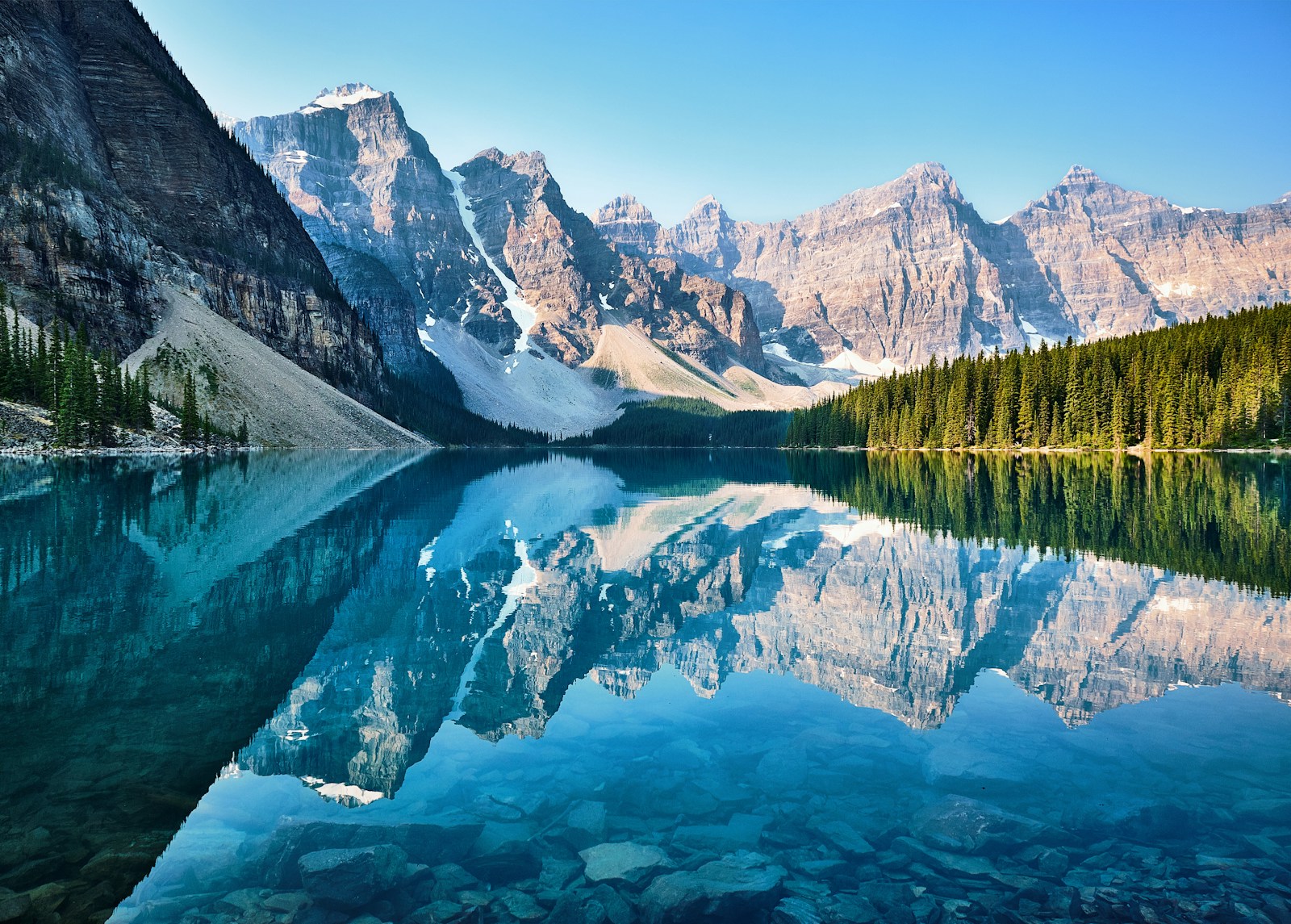
    From the coast, move inland to the Rockies. Banff and Lake Louise are the obvious entry, but consider spending equal time in Jasper or the Kootenay region for less crowded landscape and smaller mountain towns where the experience feels less orchestrated. This corridor works best as a driving route: the scenery justifies the time behind the wheel, and small lodges and towns between the famous lakes offer genuine rest rather than tourist infrastructure.

    From the mountains, most travellers either head east toward Toronto and the Great Lakes region, or north toward Montréal and Québec. Montréal rewards several days minimum. Walk beyond Vieux-Montréal into residential neighborhoods, eat in local bistros, understand the city’s French-language culture as actual daily life. If time allows, push into Québec’s Eastern Townships for small towns, wine country and farm-focused restaurants.

  • Canada things to do

    Culture and Heritage

    Canada’s cultural story begins with its Indigenous nations, whose art, architecture and knowledge remain central to regional identity. You can learn about Haida carving traditions in the Pacific Northwest, explore Inuit printmaking studios in Nunavut or walk through Mohawk and Anishinaabe lands near the Great Lakes.

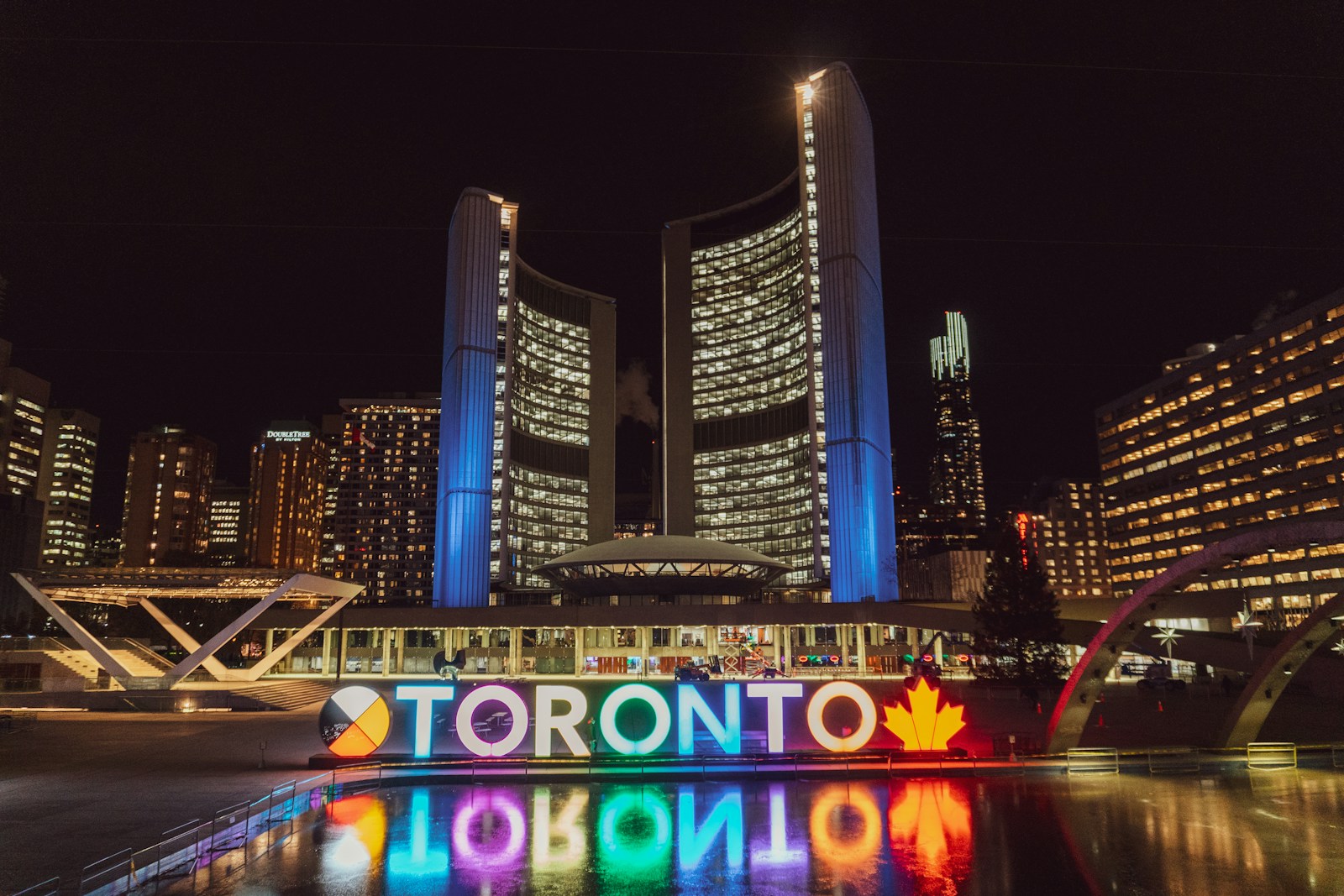
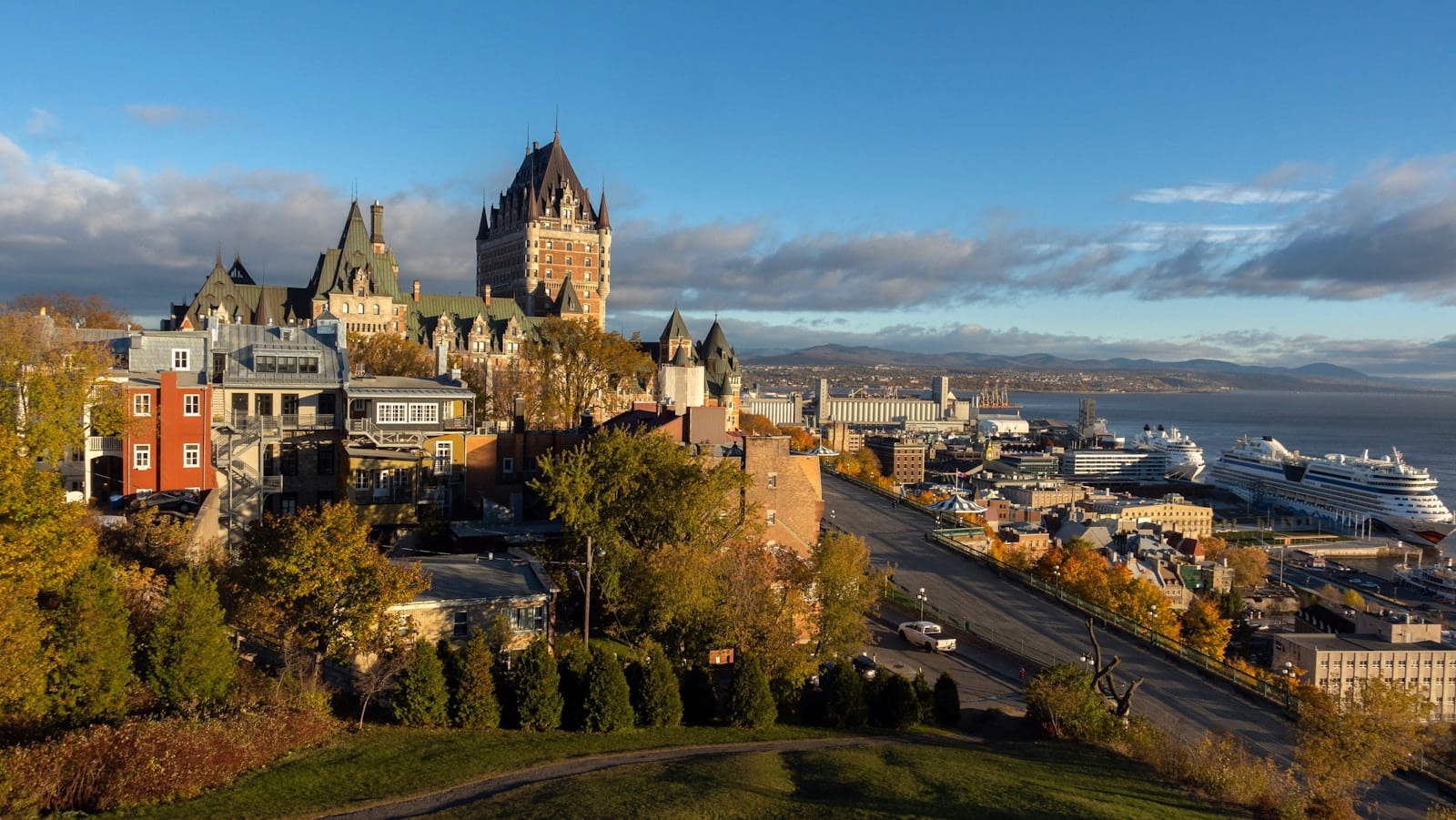
    In Québec, French colonial history shapes both streetscapes and local customs, while cities like Toronto and Vancouver display a contemporary multiculturalism that feels entirely organic. Museums and galleries across the country show a strong curatorial emphasis on Indigenous voices, environmental context and modern design.

    Cuisine and Culinary Traditions

    Canada’s food culture is grounded in geography. British Columbia thrives on seafood and foraged ingredients. Alberta focuses on beef, grains and prairie produce. Québec’s culinary identity is shaped by cheese makers, cider houses, maple groves and farm-focused kitchens that celebrate cold-weather agriculture. The Maritimes offer lobster, scallops, smoked fish and small producers tied closely to the Atlantic.

    Nature and Landscapes

    Canada’s landscapes create some of the most memorable journeys in North America. In the Rockies, turquoise lakes and glacial valleys form a continuous corridor from Banff to Jasper. Vancouver Island’s rainforests hold centuries-old cedar and a coastal ecosystem that supports bears, whales and sea otters.

    On the east coast, Cape Breton’s cliffs meet the Atlantic with sweeping views and quiet hiking routes. In the Arctic, tundra plains and sea ice shape a world defined by stark beauty, shifting light and wildlife such as polar bears and migrating caribou. These regions invite unhurried exploration and reward travellers who enjoy time outdoors.


  • Canada hidden gems

    Haida Gwaii, British Columbia

    An archipelago where Haida culture remains the foundation of daily life. The communities here are small and genuine, the carving studios active with ongoing practice, the ancient poles commanding attention against rainforest and dramatic coastline.

    Îles de la Madeleine, Québec

    A chain of islands separated enough from the mainland that they’ve developed their own Acadian culture, distinct accent and maritime economy. Red cliffs meet the Gulf of Saint Lawrence with genuine working fishing harbors, local seafood traditions, and a creative community that exists here by deliberate choice rather than proximity to tourism circuits. The isolation is the point.

    Fogo Island, Newfoundland and Labrador

    A remote island where contemporary architecture—particularly the striking inn designed by architect Todd Saunders—sits genuinely alongside working fishing heritage rather than displacing it. The community maintains its economy and culture despite the attention the island has drawn.

  • Canada Overview weather

    Spring (March to May)

    Cool and changeable at 5 to 15°C. Blossoms emerge on the Pacific coast, the Rockies thaw slowly and cities shift into market and festival season. A strong time for wildlife watching and quieter travel.

    Summer (June to August)

    Warm, generally 18 to 25°C. Ideal for national parks, coastal drives, island hopping and Arctic expeditions. Long daylight hours create generous windows for hiking and sailing. High demand in major destinations.

    Autumn (September to November)

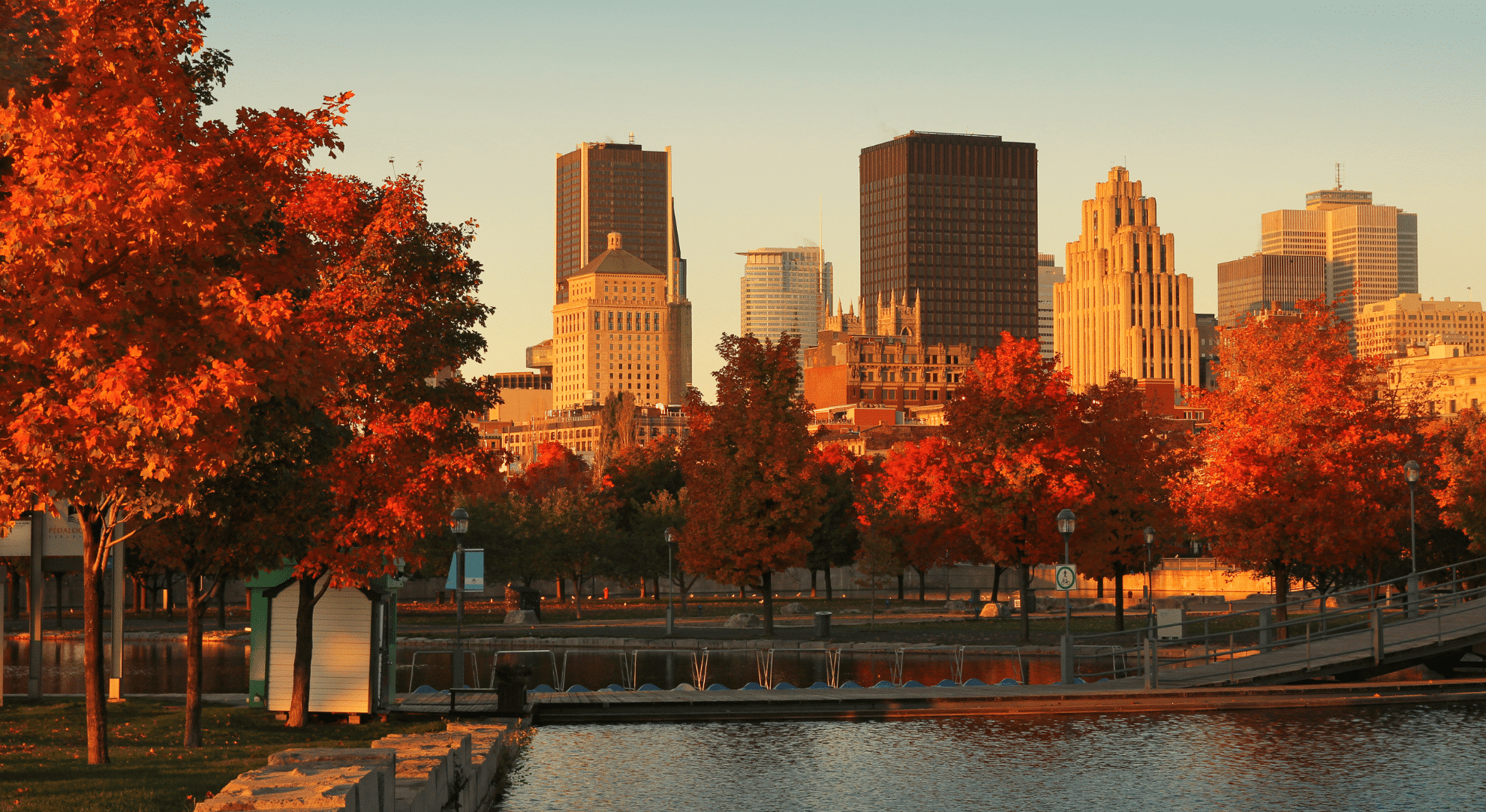
    Crisp air, 5 to 15°C. Fall foliage peaks across Ontario, Québec and the Maritimes. Harvest festivals and wine country trips feel particularly atmospheric. Wildlife sightings often increase as temperatures drop.

    Winter (December to February)

    Ranges from mild on the Pacific coast to deeply cold in the interior and north. Prime season for skiing in Whistler and Banff, aurora viewing in Yukon and cultural breaks in Montréal and Québec City, where winter is both a climate and a ritual.

  • Canada getting there

    Canada’s main international gateways include Toronto Pearson (YYZ), Vancouver International (YVR) and Montréal-Trudeau (YUL). Calgary (YYC) serves the Rockies, while Halifax (YHZ) provides efficient access to the Atlantic provinces. Direct flights from the United States and United Kingdom are frequent, with premium cabins offered by Air Canada, British Airways, Virgin Atlantic and major US carriers. Flight times from London average seven to nine hours, and as little as one to six hours from major US hubs.

    Most travellers from the US, UK, EU, Australia and Canada can enter visa-free for short stays, although some may require an electronic travel authorization. Domestic travel is straightforward, with reliable air networks, scenic rail routes such as VIA Rail’s Québec–Windsor line and the transcontinental Canadian, and ferries that connect coastal and island communities. In rural regions, private drivers and small aircraft offer efficient access to remote landscapes.

Your journey doesn’t start with a booking. It starts with a conversation.

Tell us how you want to feel, we’ll take it from there.

See more reviews on Trustpilot

Editorials

Montreal 18 min read

Montreal is a city that defies easy categorization: part French, part North American, and entirely its own.

27 October 2025

Tell us about your journey