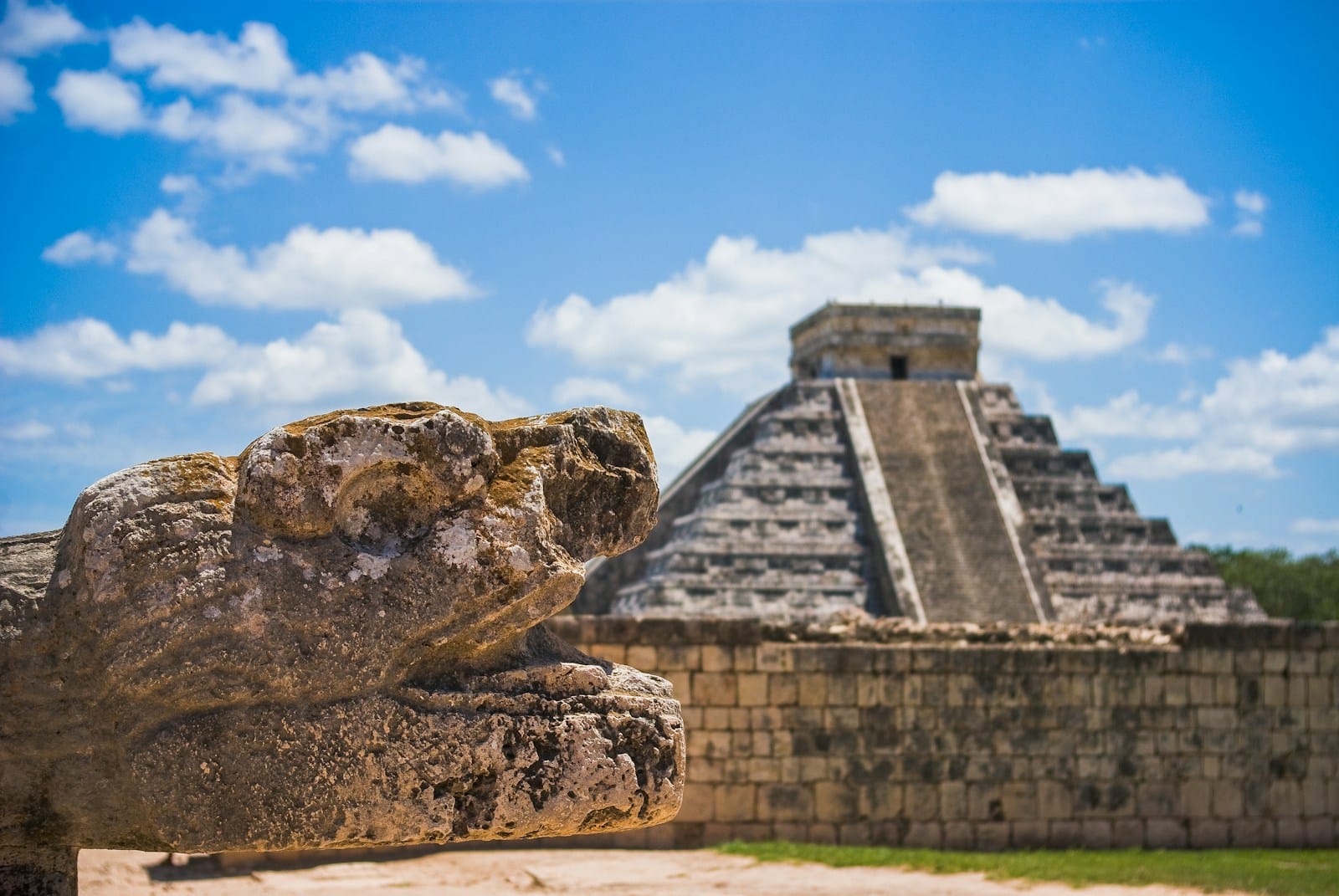
Culture and Heritage
Mexico’s cultural heritage is extensive and visible everywhere. Teotihuacán’s pyramids convey the engineering strength of a civilization that predated the Aztecs by centuries. In Oaxaca, Monte Albán rises above the valley with terraces, plazas and tombs that outline Zapotec sophistication.
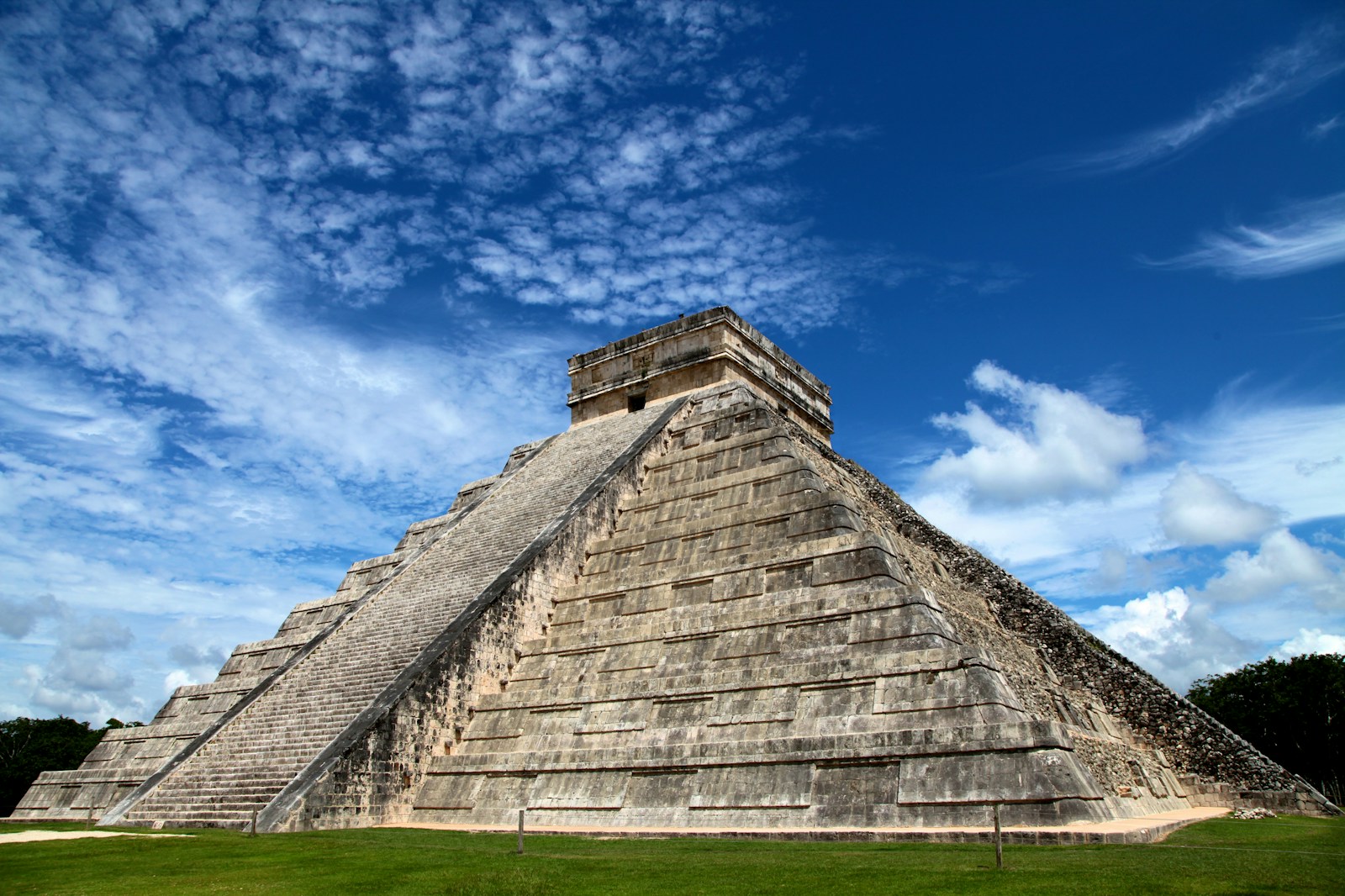
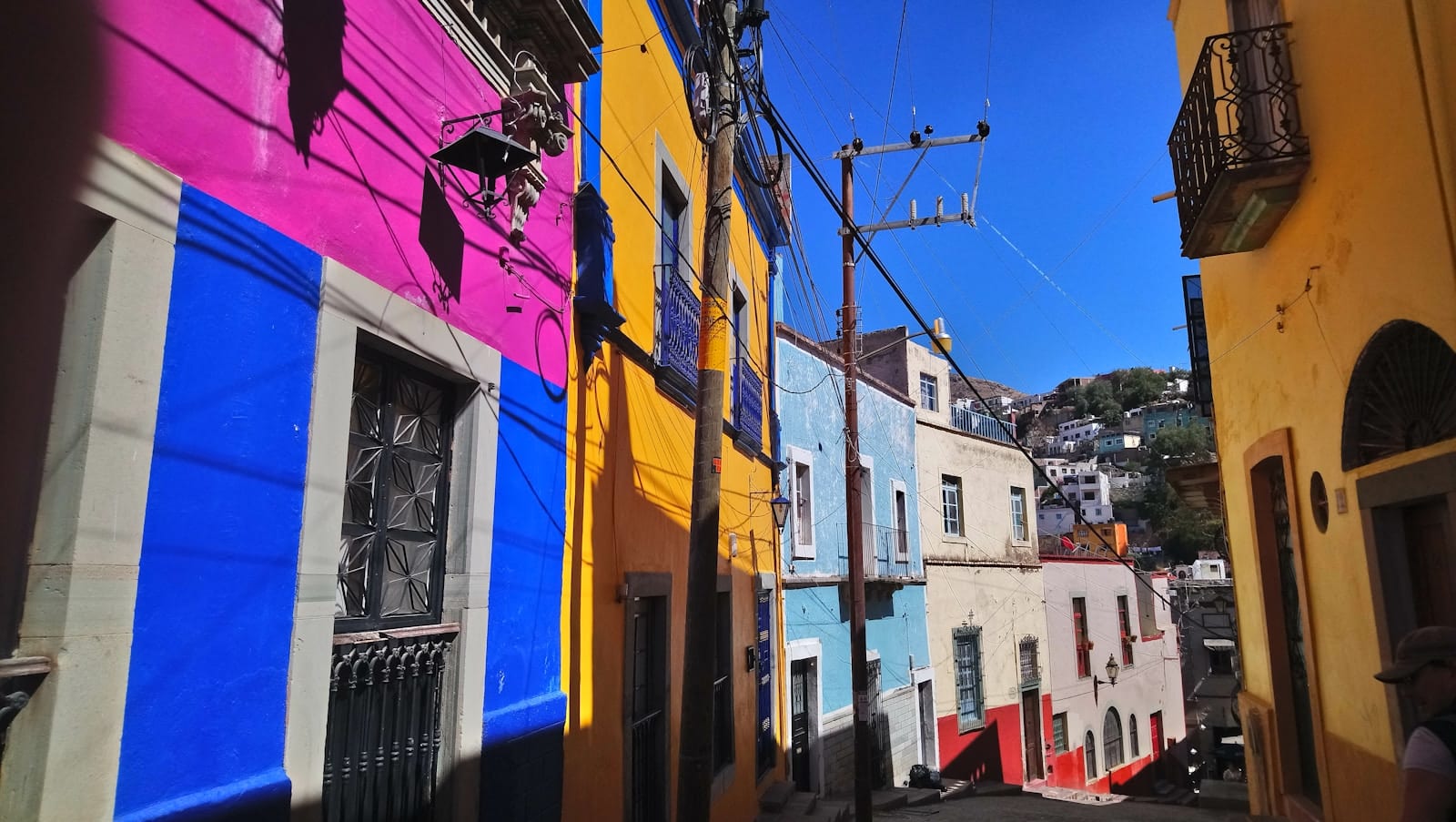
Along the Yucatán Peninsula, Chichén Itzá, Uxmal and Ek Balam reflect the architectural intelligence of the Maya world. Colonial cities such as Puebla, San Miguel de Allende and Morelia display baroque churches, tiled façades and historic centers that remain vibrant and lived in. Museums across Mexico City, including the Museo Nacional de Antropología, hold some of the most important archaeological collections in the Americas.
Cuisine and Culinary Traditions
Mexican cuisine is one of the world’s most rigorous and regionally varied food cultures. In Mexico City, chefs reinterpret traditional techniques into polished tasting menus, but the city’s taquerías and fondas remain central to daily life. Oaxaca is defined by its seven moles, its markets and its mezcal, which is still produced using traditional methods. In Yucatán, cooks rely on sour oranges, recados and slow-roasted pork to create dishes with a flavor profile unlike anything found elsewhere in the country. The seafood of Baja ranges from simple grilled fish to refined, wine-paired menus that draw on local farms and Pacific waters.
Nature and Landscapes
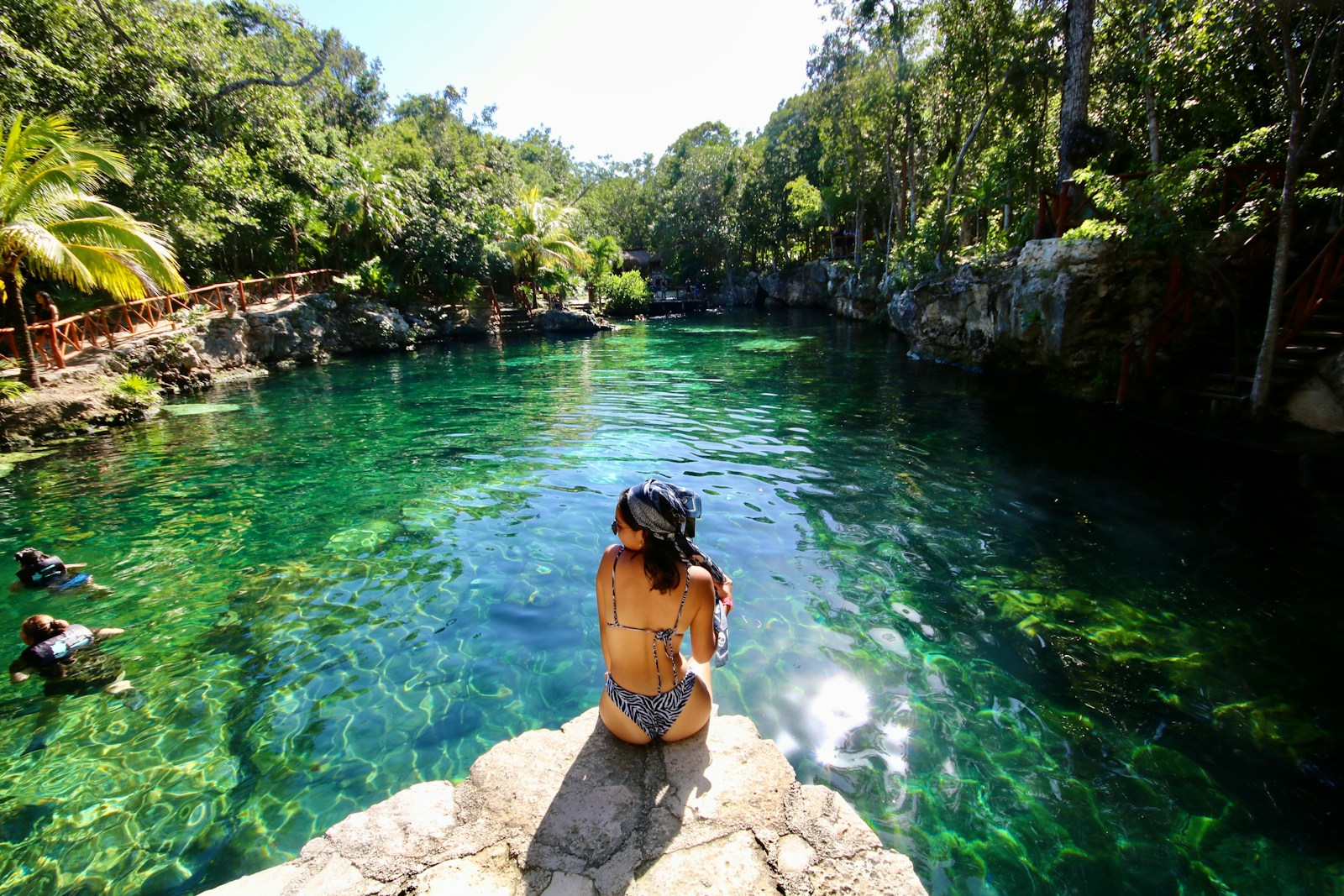
Mexico’s landscapes cover everything from desert to jungle. The Sierra Norte outside Oaxaca offers cloud forests and community-managed trails. Yucatán’s cenotes form an underground network that feels geological and ancient. Baja’s coastline delivers clear water, migrating whales and rugged cliffs that drop into the Sea of Cortez. The central highlands around Mexico City and Puebla are framed by volcanic peaks. Chiapas holds waterfalls, canyons and dense tropical forest around Palenque.