Destination: Australia

Australia compresses what other continents spread across thousands of kilometers. A tropical coral reef ecosystem, a desert interior with 65,000 years of continuous Indigenous culture, temperate coastlines, and established wine regions all function within a single country connected by reliable infrastructure.

Why Australia?

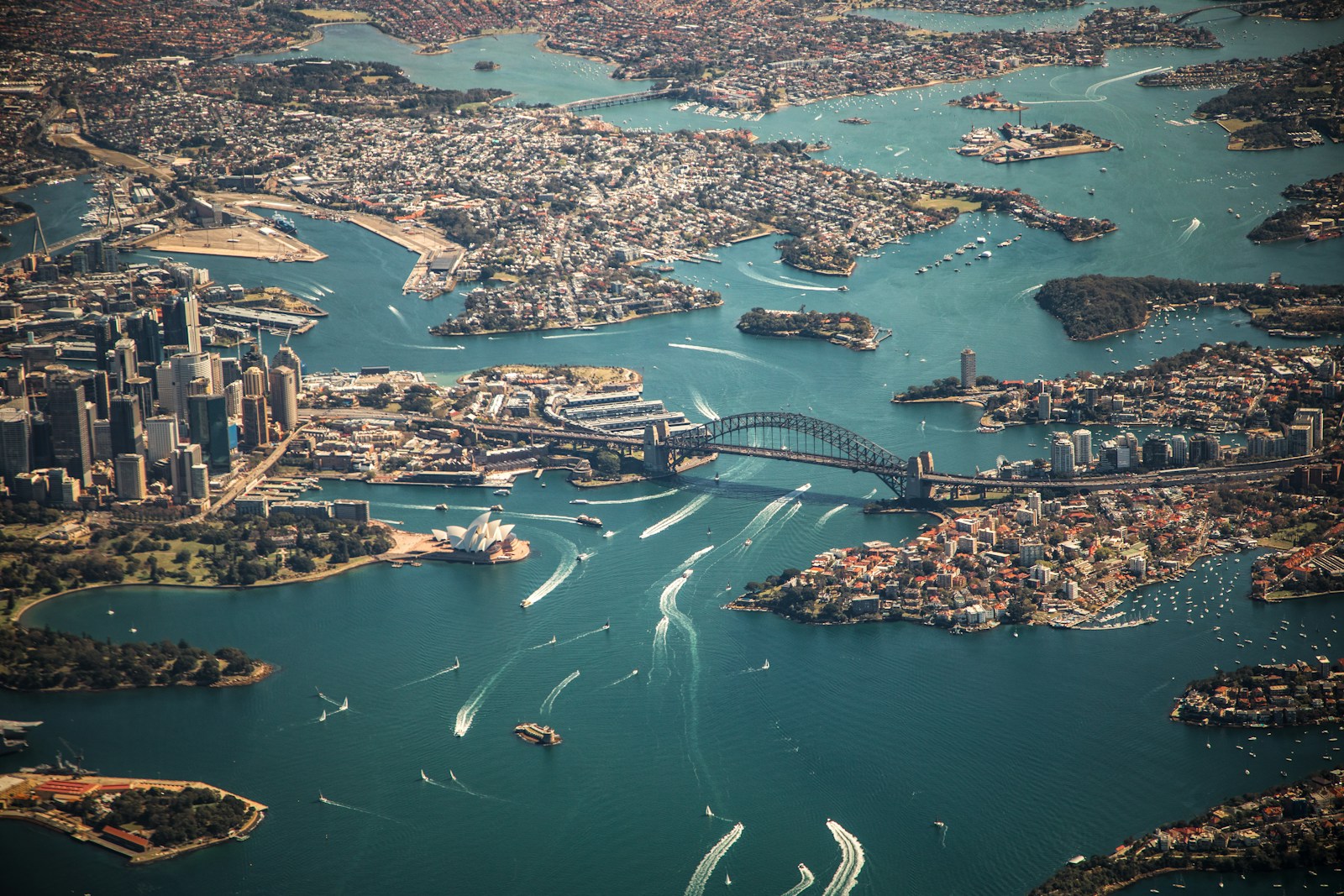
Australia works as a destination because it contains nearly incompatible experiences within navigable distances. You can breakfast in Sydney’s harbor precinct, snorkel above coral ecosystems at the Great Barrier Reef, cross the red monolith of Uluru at sunset, and source wine from cool-climate regions in Tasmania or McLaren Vale, all within a single trip structured across time rather than impossible driving hours.

The appeal lies not in any single attraction but in the scale of available diversity: tropical rainforests that rank among the earth’s oldest ecosystems, beaches where the water temperature allows year-round swimming, wine production that rivals Australian competitors despite relative youth as a region.


Why Australia

Travel Guides

  • Australia Overview

    Most Australia trips land in Sydney for three to four days. You arrive, handle jet lag by walking the harbor, swim at Bondi or Manly, spend a morning at the Art Gallery of NSW or Australian Museum, eat at the restaurants around Barangaroo or Surry Hills. The Opera House and Harbour Bridge exist as geography and architecture, not mood. By day three you’ve covered the city’s functional core. There’s a domestic flight to either Brisbane (Reef connection) or the interior.

    If heading north, Brisbane serves as transit hub. Most people overnight there, move to Cairns the next day, and spend two days on the Great Barrier Reef either via day tours, liveaboard boats, or island-based snorkeling. The Reef functions as singular experience: you go underwater, see coral and fish, assess your comfort level with the logistics. Back to Cairns, overnight, then back to Brisbane or continue south.

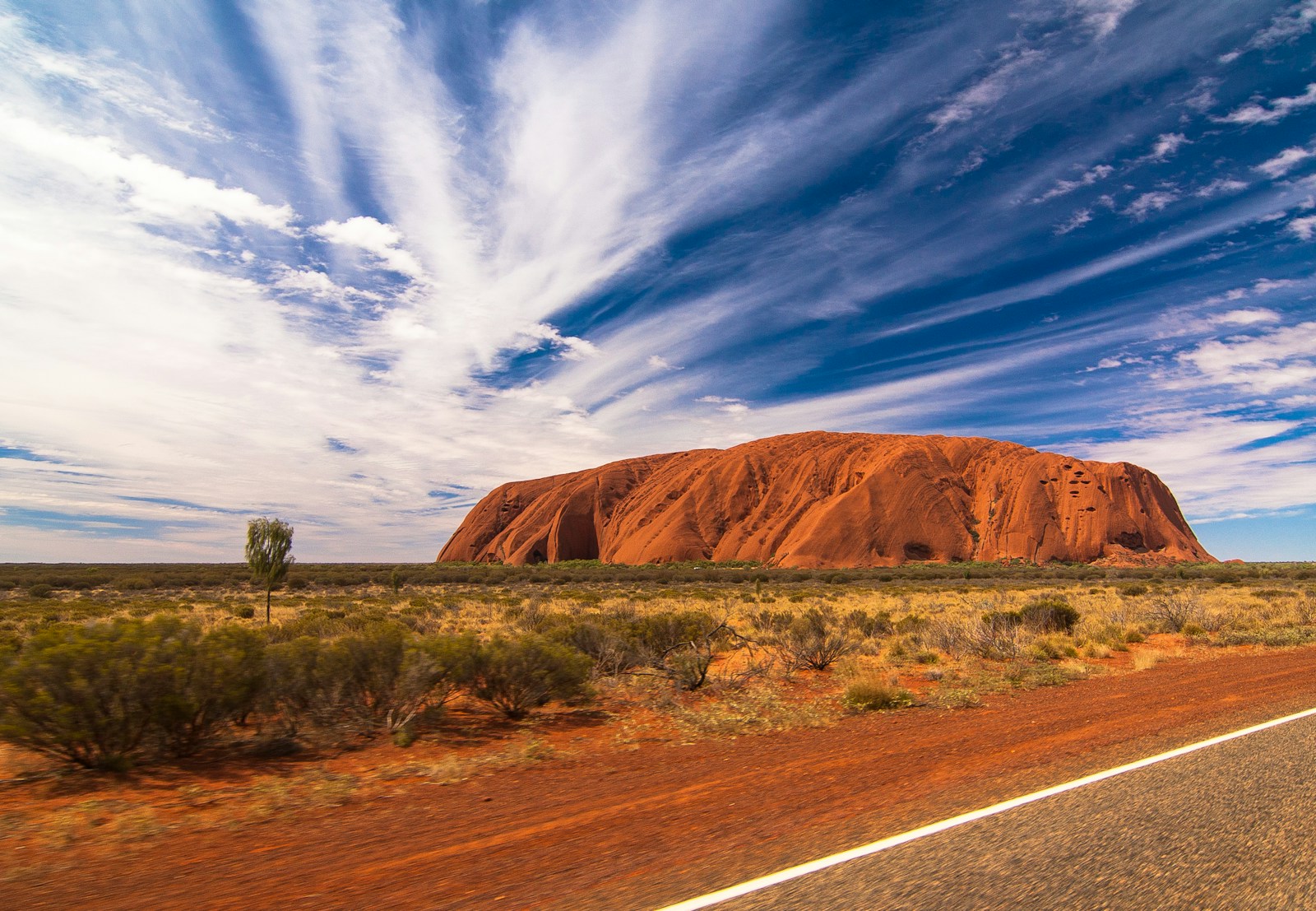
    If heading inland instead, Sydney to Uluru is a flight to Alice Springs, then drive or tour to the rock. You watch the colour shift at sunrise or sunset (depending on which you book), learn the Indigenous history via guide, spend the evening at a resort. One night covers it. Then back to Alice Springs and back to Sydney or divert to another connection.

    The third segment is secondary city or state variation. Melbourne offers galleries, laneways, coffee shops, restaurants. You spend two days there if you’re building in cultural experience. Or you fly to Hobart (Tasmania), spend time on the coast, visit Bruny Island for wildlife, eat at restaurants in the food scene. Adelaide works if wine region access matters. Perth if you want beaches and fewer crowds.


  • Australia things to do

    Culture and Heritage

    Aboriginal history spans at least 65,000 years in continuous culture. Learning this involves specific encounters: guided walks at Uluru with local Anangu guides who explain creation stories tied to specific geological features and seasonal markers. In Sydney, the Art Gallery of NSW holds Aboriginal collections from 1970s onward, documenting the art movement that emerged from remote communities.

    Cuisine and Wine

    Sydney’s restaurant scene anchors around seafood: oysters from Tasmania, barramundi from the Gulf of Carpentaria, rock lobster from South Australia. Quay (fine dining, harbor views) and Ester (casual, wood-fired) represent different price points serving similar source material. Attica focuses on native ingredients and technique.

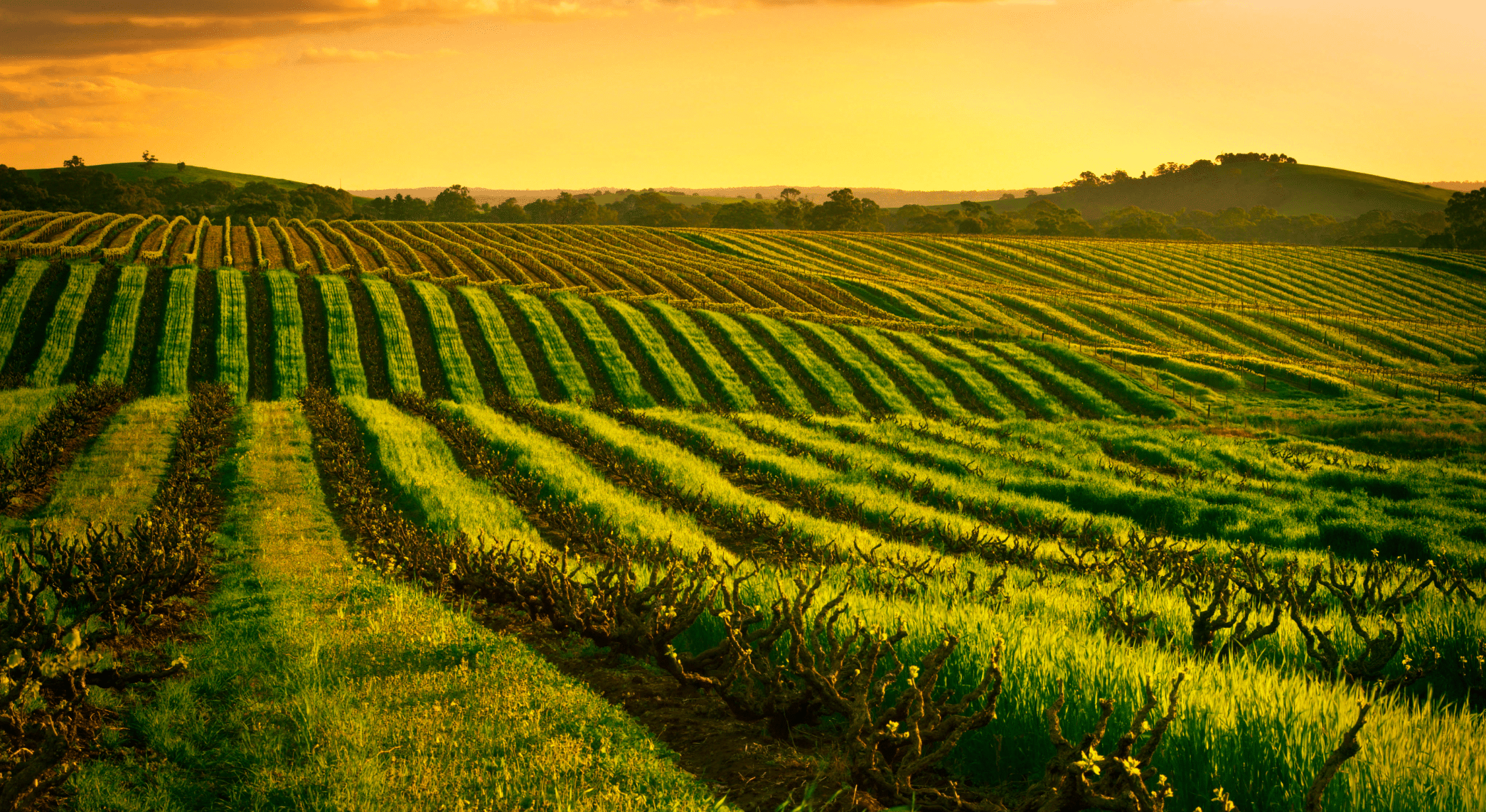
    Both cities have established cafe culture where coffee quality is consistent standard rather than novelty. Wine regions operate on climate and geology. Barossa Valley (South Australia) produces dense Shiraz due to warm temperatures and red soil. Margaret River (Western Australia) grows Cabernet Sauvignon and Chardonnay in cooler maritime conditions.

    Nature and Coastlines

    The Great Barrier Reef stretches 2,300 kilometers along Queensland’s coast. Water temperature averages 24-26 degrees Celsius depending on season. Visibility ranges from 10-60 meters depending on weather and tidal conditions. The reef contains over 1,500 fish species and 400 coral types. You access it via day boats from Cairns (one to three hours offshore), island-based operations (Heron Island, Lizard Island), or liveaboard boats (multi-day trips covering different sections).

    Tasmania’s southern coast features the Twelve Apostles (limestone stacks) along the Great Ocean Road. These formed through erosion of softer rock around harder limestone cores. Inland, Uluru rises 348 meters from the surrounding flat desert in the Northern Territory’s Kata Tjuta National Park. The rock is sandstone, coloured red by iron oxide. At sunrise and sunset, the colour shifts from deep purple to orange to red depending on light angle.

  • Australia hidden gems

    Bay of Fires, Tasmania

    Bay of Fires spans 50 kilometers along Tasmania’s northeast coast from Binalong Bay to Eddystone Point. Named for 2025 as Australia’s best beach. The distinguishing features are white silica sand and orange lichen-covered boulders. Water temperature is cold. Access requires vehicle and walking. It remains less crowded than major tourist beaches because it lacks commercial infrastructure.

    The Kimberley

    The Kimberley (Western Australia) covers 423,000 square kilometers of largely unpopulated landscape. Red sandstone cliffs, freshwater waterfalls, and gorge systems characterize the region. Access is by light aircraft, boat expedition, or 4WD. This isn’t developed tourism infrastructure. It requires specialized operators and substantial time commitment.

    Lord Howe Island

    Lord Howe Island sits 600 kilometers northeast of Sydney. UNESCO World Heritage designation limits visitor numbers to 400 at any time. The island contains Mount Gower and Mount Lidgbird rising directly from ocean. Accommodation is limited to small guest houses and lodges. Access is by plane (two hours from Sydney). The appeal is precisely the constraint: small numbers preserve the landscape and limit commercial pressure.

  • Australia Overview weather

    Spring (September to November)

    Mild and bright, usually 15–25°C. The south is ideal for wine regions and coastal walks. Wildflowers reach their peak in Western Australia.

    Summer (December to February)

    Warm to hot, 20–35°C depending on location. Beaches are at their best and the reef is calm and clear. Expect livelier coastal towns during the holidays.

    Autumn (March to May)

    A beautiful season across the country. Temperatures ease to 15–25°C, vineyards turn golden, and the desert light softens. Travel feels relaxed and balanced.

    Winter (June to August)

    Cool in the south at 8–15°C, warm and dry in the north. Perfect for the outback, the Kimberley, and Queensland’s islands. Southern cities offer crisp air and strong cultural programming.

  • Australia getting there

    Sydney (SYD), Melbourne (MEL), and Brisbane (BNE) are the main international gateways, with Perth (PER) connecting easily to the Middle East, Europe, and Asia. Direct flights operate from Los Angeles, San Francisco, Dallas, Vancouver, and London, with travel times from North America typically 14–17 hours.

    Long-haul cabins on Qantas, Singapore Airlines, Emirates, and Air New Zealand offer a comfortable, seamless experience, especially for overnight routes. Most travellers from the US, UK, Canada, and Australia enter with a straightforward electronic authorization, though requirements should always be confirmed before booking.

    Once inside the country, domestic flights make distances manageable and open the door to remote regions. Coastal drives, private transfers, and short scenic flights complete the picture, allowing the journey to feel smooth and unrushed.

Your journey doesn’t start with a booking. It starts with a conversation.

Tell us how you want to feel, we’ll take it from there.

See more reviews on Trustpilot

Editorials

Tell us about your journey