Sri Lanka Holidays

Sri Lanka packs an improbable amount into an island roughly the size of Ireland. Ancient cities where monkeys scamper across thousand-year-old stupas give way to hill country blanketed in tea plantations, their slopes impossibly green against the morning mist. Leopards prowl the scrublands of the southern parks in densities found nowhere else on Earth. The coastline alternates between palm-fringed surf breaks and colonial-era forts, with a new generation of boutique hotels occupying everything from converted tea factories to clifftop perches above the Indian Ocean.

Why Sri Lanka

Few countries reward a single trip so generously. Within days, travellers can wander the ruins of kingdoms that flourished before Europe’s cathedrals were built, watch wild elephants gather by the hundreds on dusty plains at dusk, wind through tea country aboard a vintage railway carriage as mist rolls through the valleys below, and end on a stretch of Indian Ocean coastline where the most pressing decision is whether to swim before or after lunch.

Why Sri Lanka

Escape to Sri Lanka

Travel Guides

  • Sri Lanka Overview

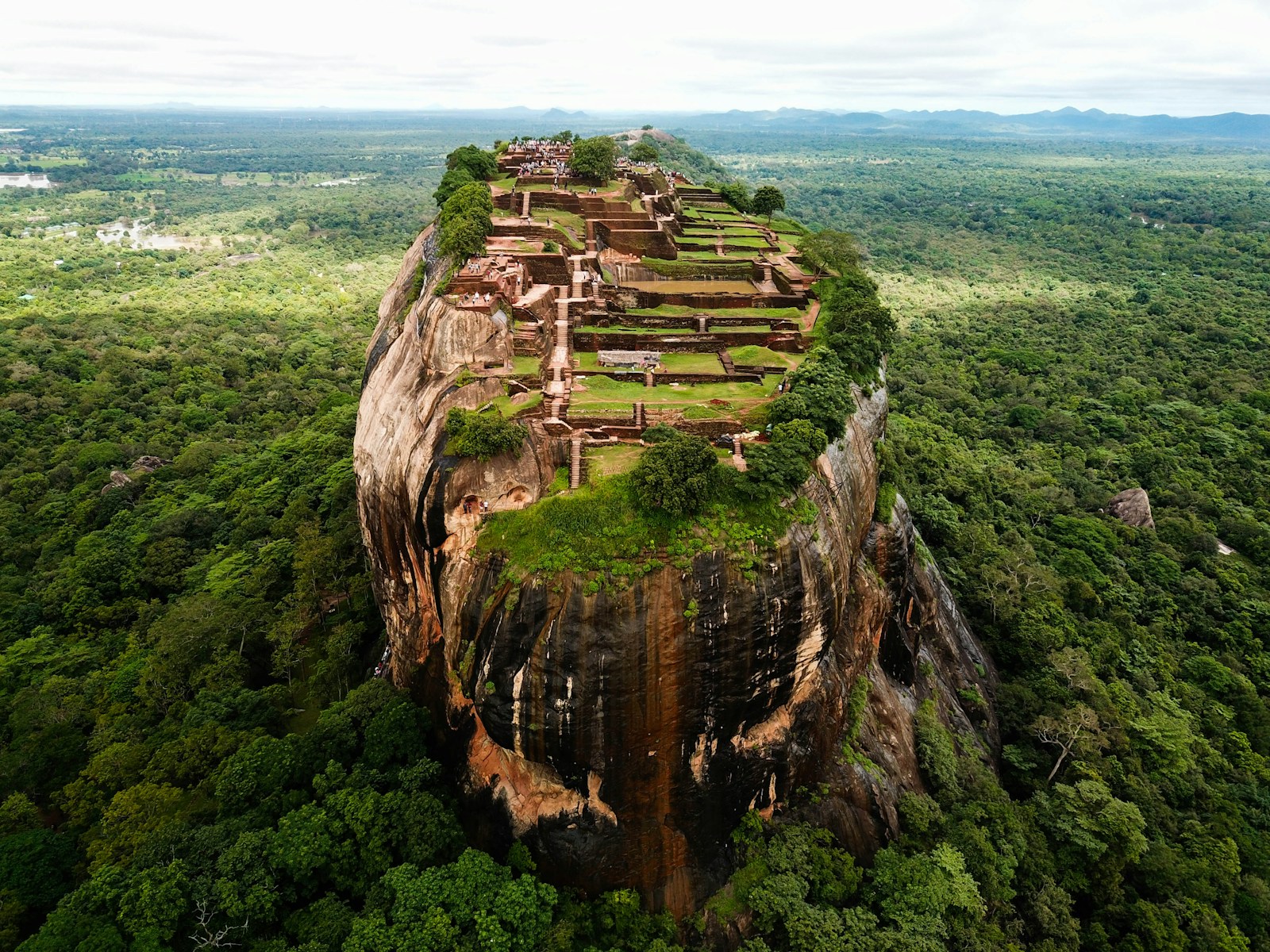
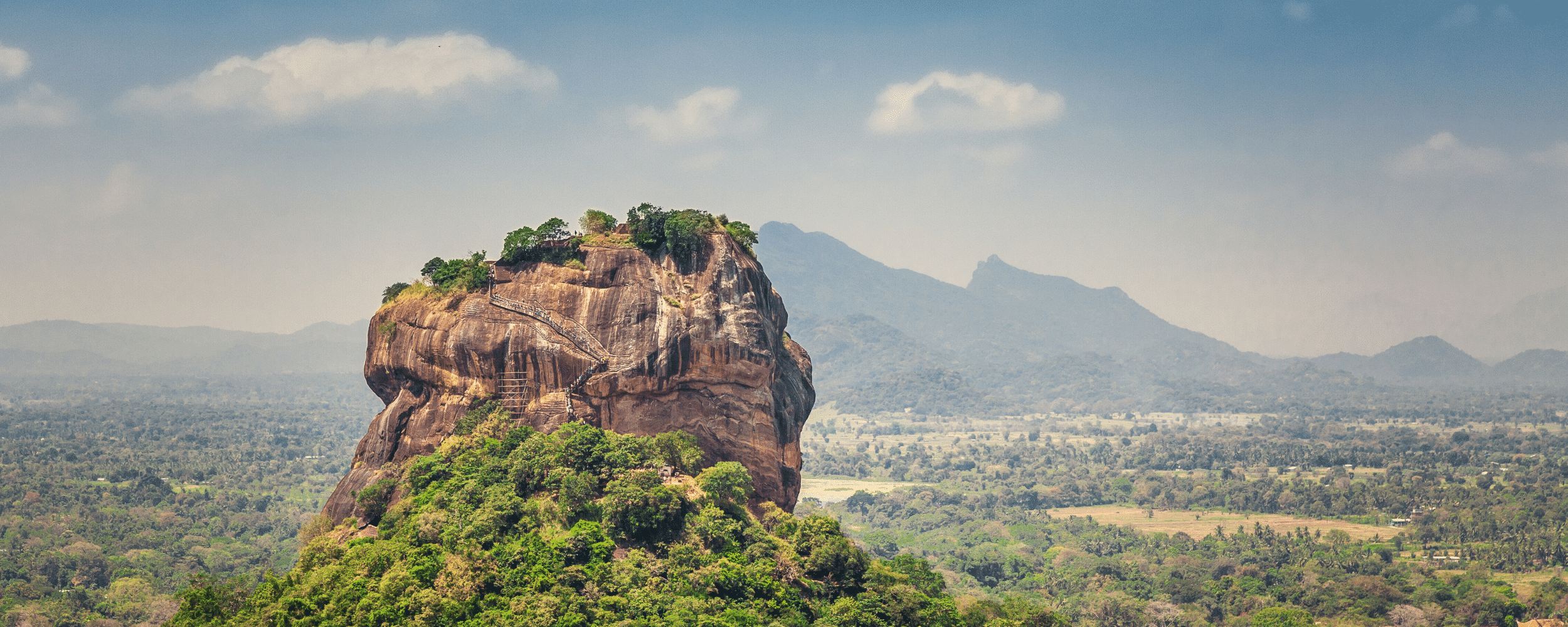
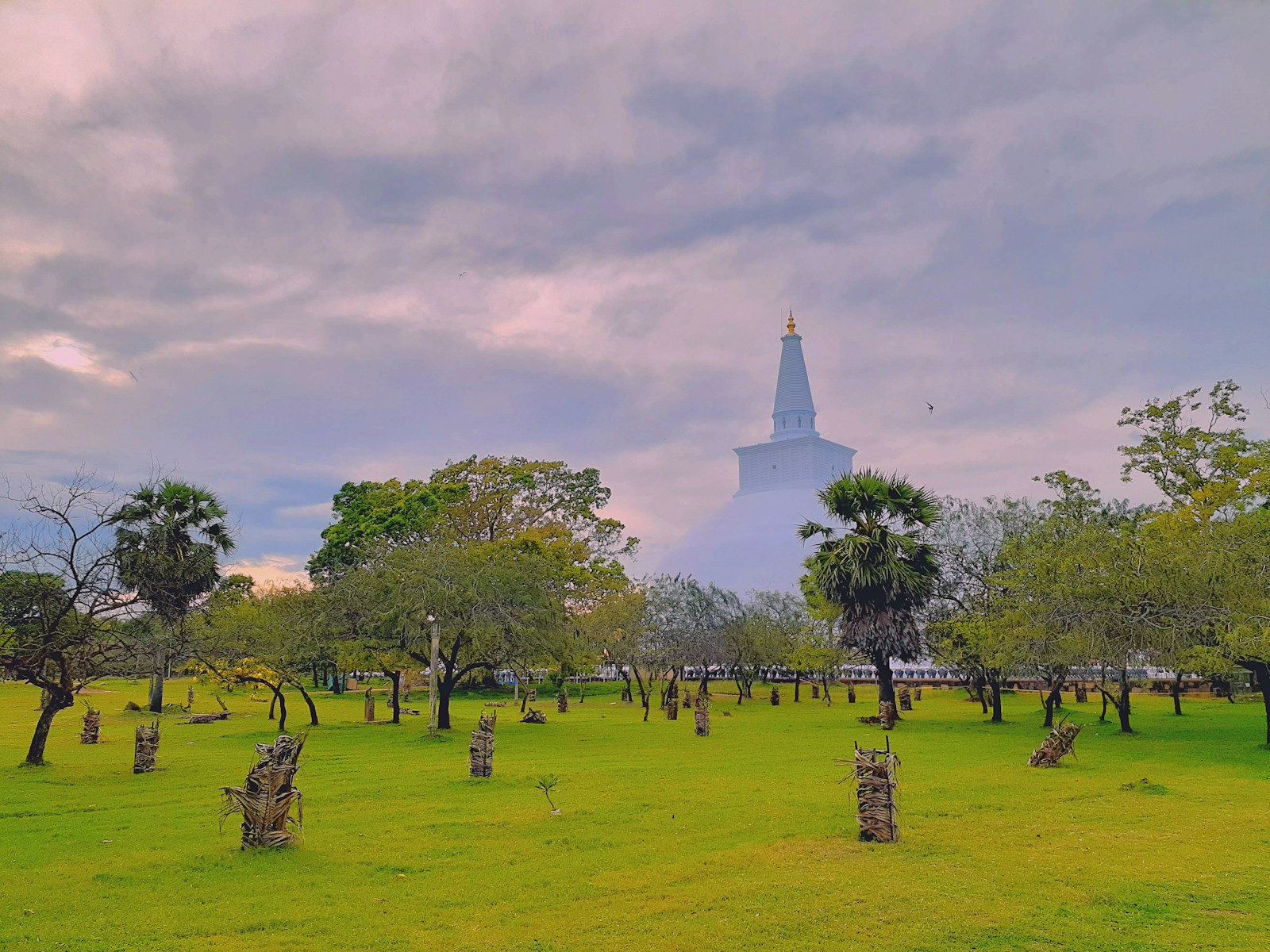
    Most itineraries begin in the Cultural Triangle, the region that holds Sri Lanka’s ancient capitals. Sigiriya’s rock fortress rises above forest and farmland, while nearby Polonnaruwa and Anuradhapura reveal centuries of Buddhist history. Guided visits bring the temples, sculptures and reservoirs into context.

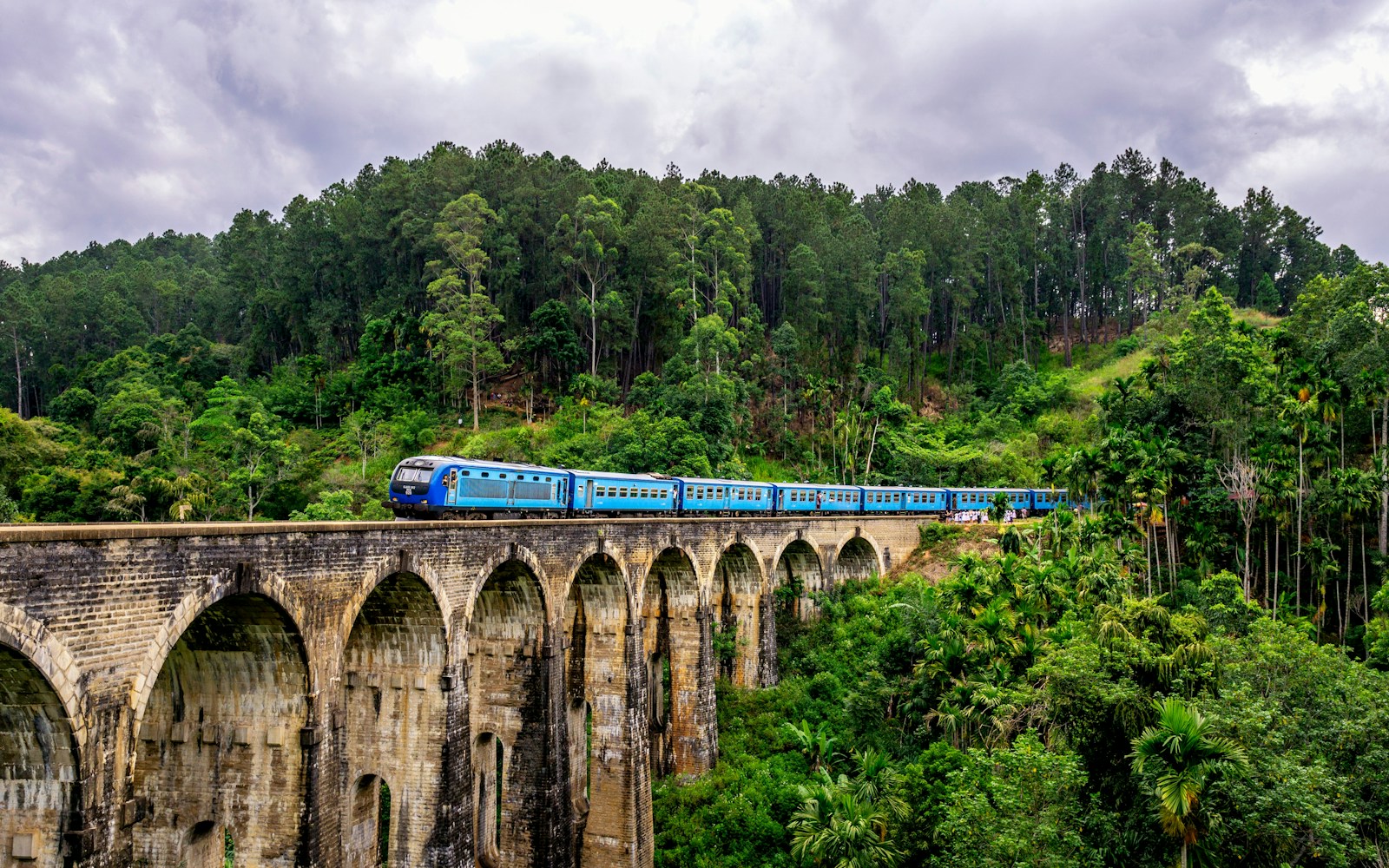
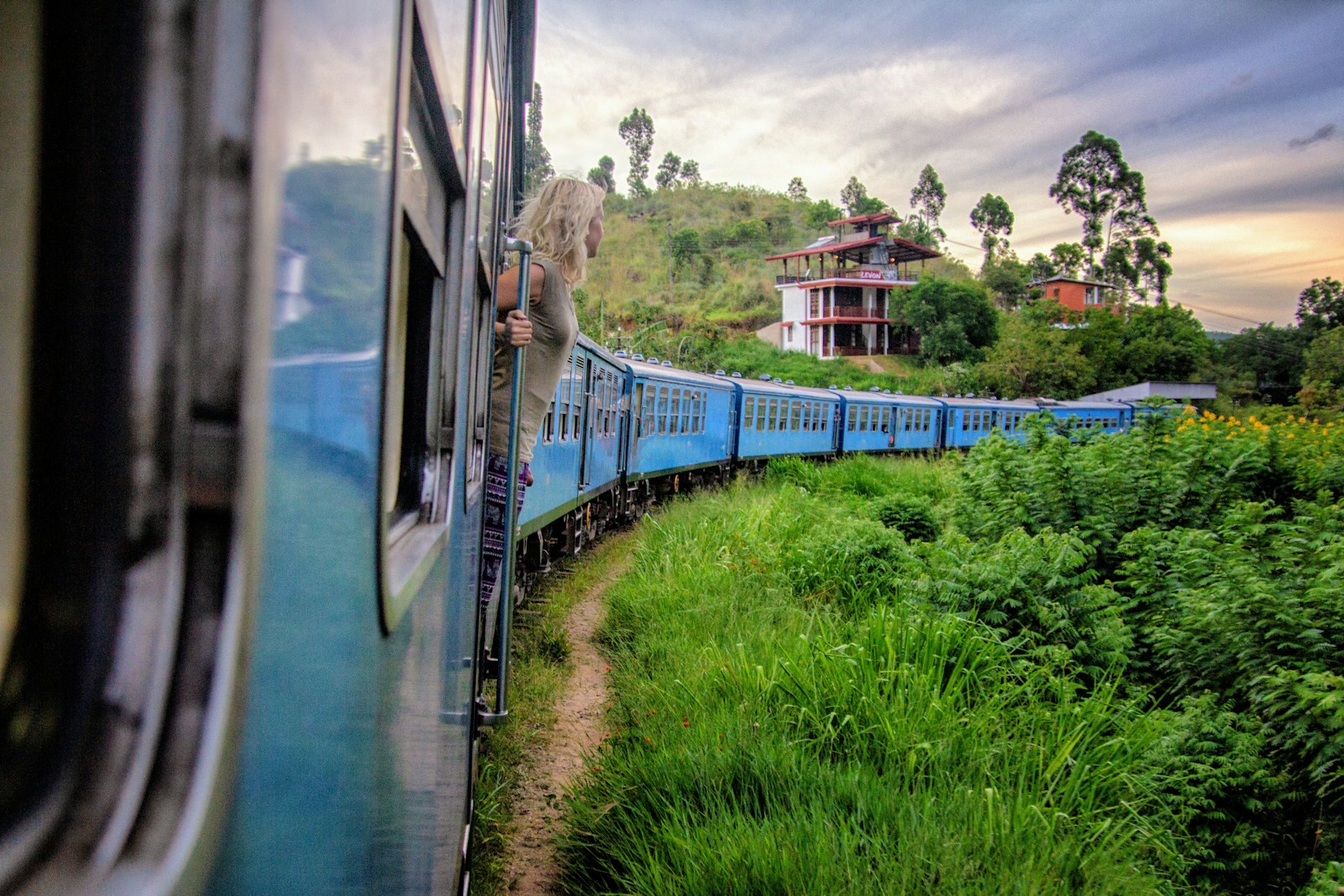
    From here, visitors often continue to Kandy, set around a lake and known for the Temple of the Tooth, one of the country’s most significant religious sites. The train journey from Kandy into the Hill Country is a highlight. It winds through tea plantations, cloud forest and villages that still feel tied to plantation culture.

    The Hill Country itself is cooler and slower. Towns like Hatton, Nuwara Eliya and Ella offer colonial-era bungalows, hiking trails and sweeping views. Luxury tea estate hotels provide some of Sri Lanka’s best service and scenery.

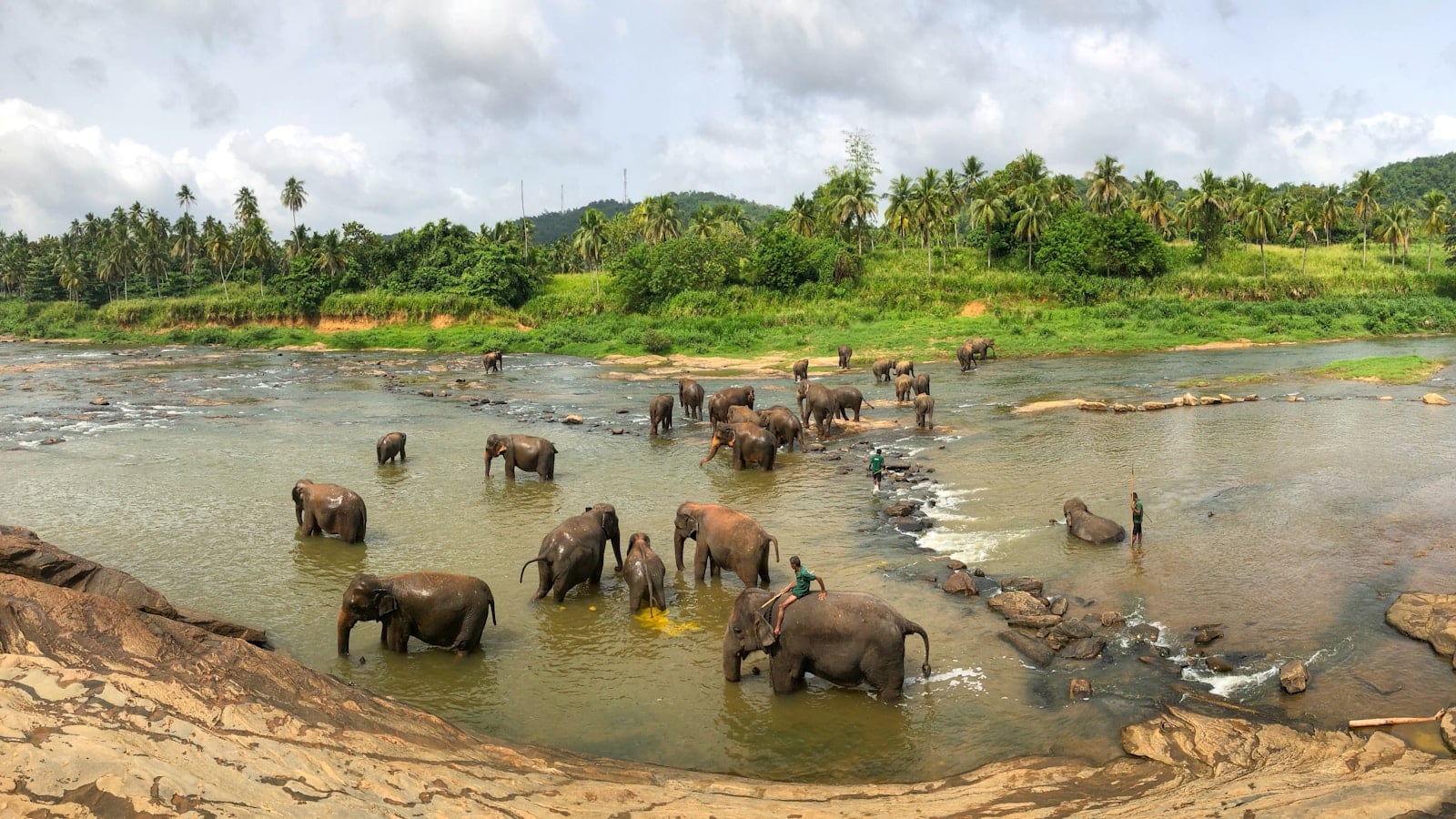
    If you want wildlife, head to the national parks. Yala is famous for leopard sightings, while Udawalawe is known for large elephant herds. Wilpattu, in the north, offers quieter safaris with dense forest and lakes. Whale watching off Mirissa and Kalpitiya is possible at certain times of year.

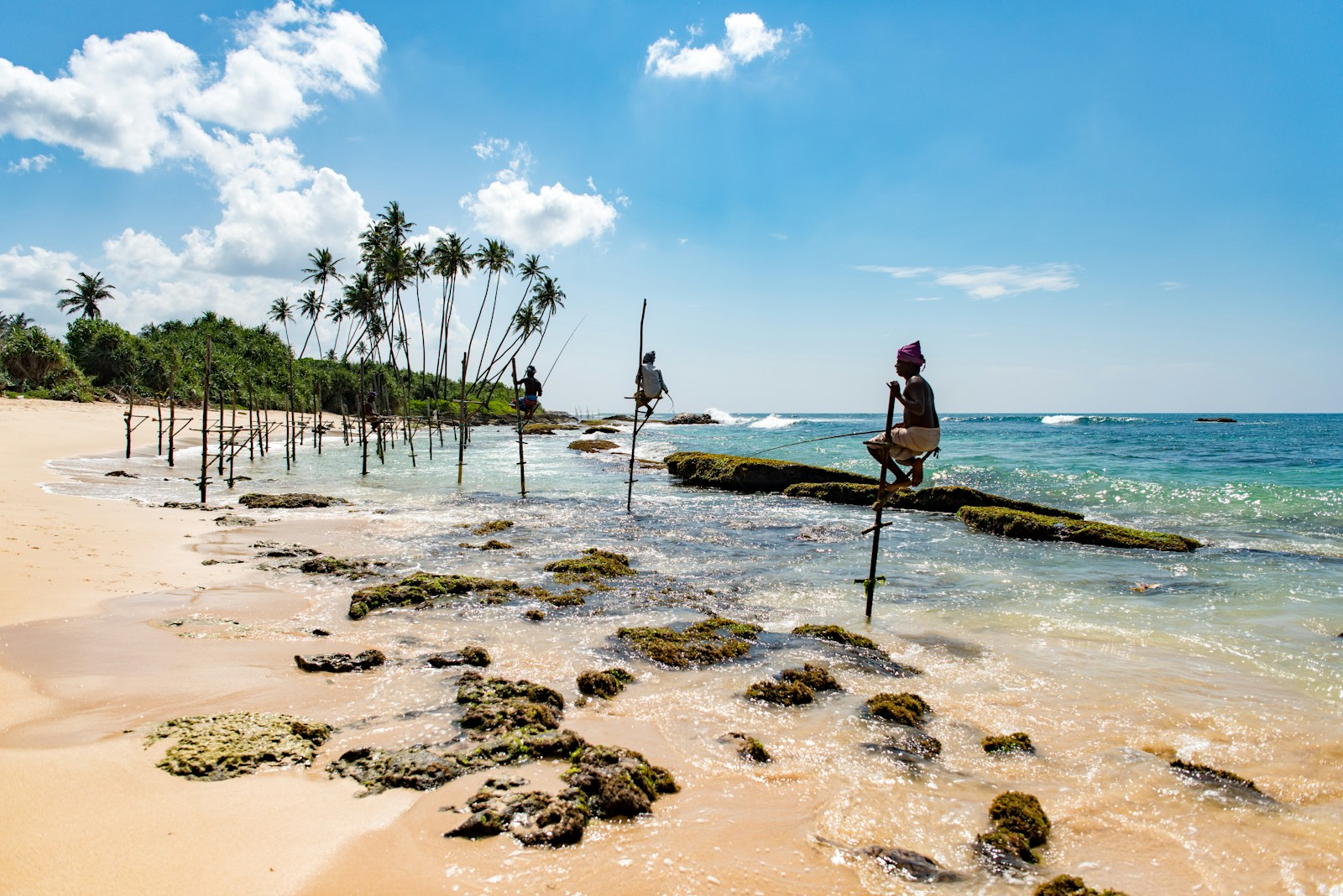
    The southern and western coastlines are ideal for the final days of a trip. Galle Fort remains a standout, with Dutch-era architecture, boutique hotels and strong dining. Further along the coast, beaches like Talalla, Hiriketiya and Bentota offer a range of stays from small luxury villas to contemporary resorts. Surfing, snorkeling and private boat trips are common additions.


  • Sri Lanka things to do

    Culture and Heritage

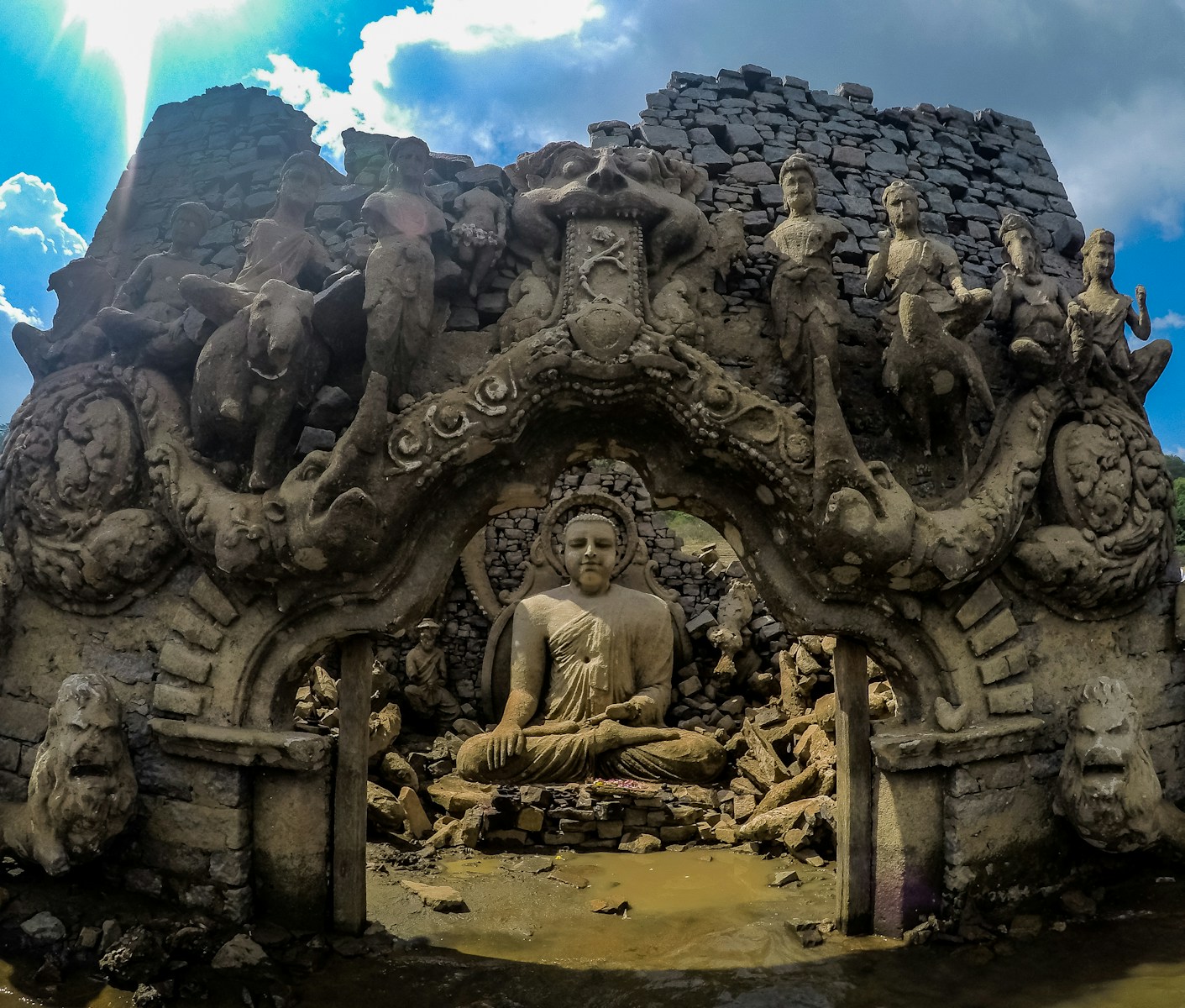
    Sri Lanka’s heritage is rooted in its ancient capitals. Sigiriya’s frescoes and summit ruins are the best known, while Polonnaruwa’s temples and carved Buddha statues show the sophistication of medieval Sinhalese architecture. Anuradhapura’s sacred sites remain active pilgrimage centers. In Kandy, the Temple of the Tooth houses a relic central to Sri Lankan Buddhism.

    Cuisine and Drink

    Sri Lankan food is bold and regional. Expect curries built around coconut, jackfruit and fresh seafood. Hopper breakfasts are essential, as are roadside snacks like egg roti and vegetable cutlets. Colombo has a growing restaurant scene with chefs modernizing local cuisine. Tea tasting in the Hill Country is a highlight, particularly at estates with historical significance.

    Nature and Adventure

    Yala, Udawalawe and Wilpattu offer jeep safaris with chances to see elephants, leopards, deer, crocodiles and birdlife. The Hill Country supports scenic hikes, including Adam’s Peak and trails above Ella. Along the coast, surfing is strong from November to April in the south and from May to September on the east coast.

  • Sri Lanka hidden gems

    Jaffna

    Sri Lanka’s northern capital spent decades cut off by civil war, and its reopening has revealed a city unlike anywhere else on the island. Tamil culture dominates here: Hindu kovils blaze with gopuram towers painted in pinks and blues, the cuisine runs to fiery curries served on banana leaves, and the atmosphere feels closer to Tamil Nadu than to Colombo. The Dutch fort, one of the best preserved in Asia, overlooks a lagoon where fishermen wade at dawn.

    Arugam Bay

    This crescent of sand on Sri Lanka’s east coast operates on surf time: slow, salt-crusted, gloriously unambitious. The wave that breaks at the main point draws riders from April through October, but the town welcomes non-surfers with equal ease. Days drift between beach cafes serving banana pancakes, yoga shalas overlooking the lagoon, and evening beers as the sun drops behind the coconut palms.

    Mannar Island

    Connected to the mainland by a three-kilometer causeway, Mannar feels like the edge of the known world. Baobab trees, thought to have been planted by Arab traders centuries ago, stand improbably against the flat, arid landscape. The island and its surrounding wetlands form one of South Asia’s most important migratory bird corridors: flamingos, spoonbills, and hundreds of other species pause here between August and March.

    Adam’s Bridge, the chain of limestone shoals stretching toward India, begins at the island’s western tip, its mythology stretching back to the Ramayana. Few travellers make it this far, which is precisely the point.

  • Sri Lanka Overview weather

    Spring (March to May)

    Warm and humid across much of the country. Good for the Cultural Triangle and Hill Country. The south and west coasts begin to see seasonal showers.

    Summer (June to August)

    The east coast is at its best, with dry days and calm seas. The Cultural Triangle remains a strong option. The south and west coasts experience monsoon rain.

    Autumn (September to November)

    Inter-monsoon season brings mixed conditions but also fewer crowds. The Hill Country is cool and green.

    Winter (December to February)

    Peak season for the south and west coasts. Dry, sunny days with excellent beach conditions. Good weather for safaris and cultural sightseeing.

  • Sri Lanka getting there

    International flights arrive into Colombo from major hubs including Dubai, Singapore, Doha, London and Kuala Lumpur. From Colombo, domestic flights and private drivers connect travellers to the Cultural Triangle, Hill Country and the south and east coasts. Tourist visas are available online for most nationalities including the US, UK, Canada and Australia.

Your journey doesn’t start with a booking. It starts with a conversation.

Tell us how you want to feel, we’ll take it from there.

See more reviews on Trustpilot

Editorials

Tell us about your journey