Destination: Cambodia

Cambodia is one of Southeast Asia’s most compelling destinations, home to Angkor’s monumental temples, the Mekong’s river culture, and a growing set of luxury lodges and island resorts. It combines major archaeological sites with protected rainforest, and a coastline that still feels pleasantly low-key.

Why Cambodia

Angkor remains one of the world’s great archaeological complexes, yet the country offers far more than its temples. Phnom Penh has emerged as a center of food, design and history. The Cardamom Mountains protect one of Asia’s largest remaining rainforests. Offshore, the islands provide soft-sand beaches and high-end retreats. Cambodia suits both first-timers who want the classics and returning travellers looking for something new.

Why Cambodia

Travel Guides

  • Cambodia Overview

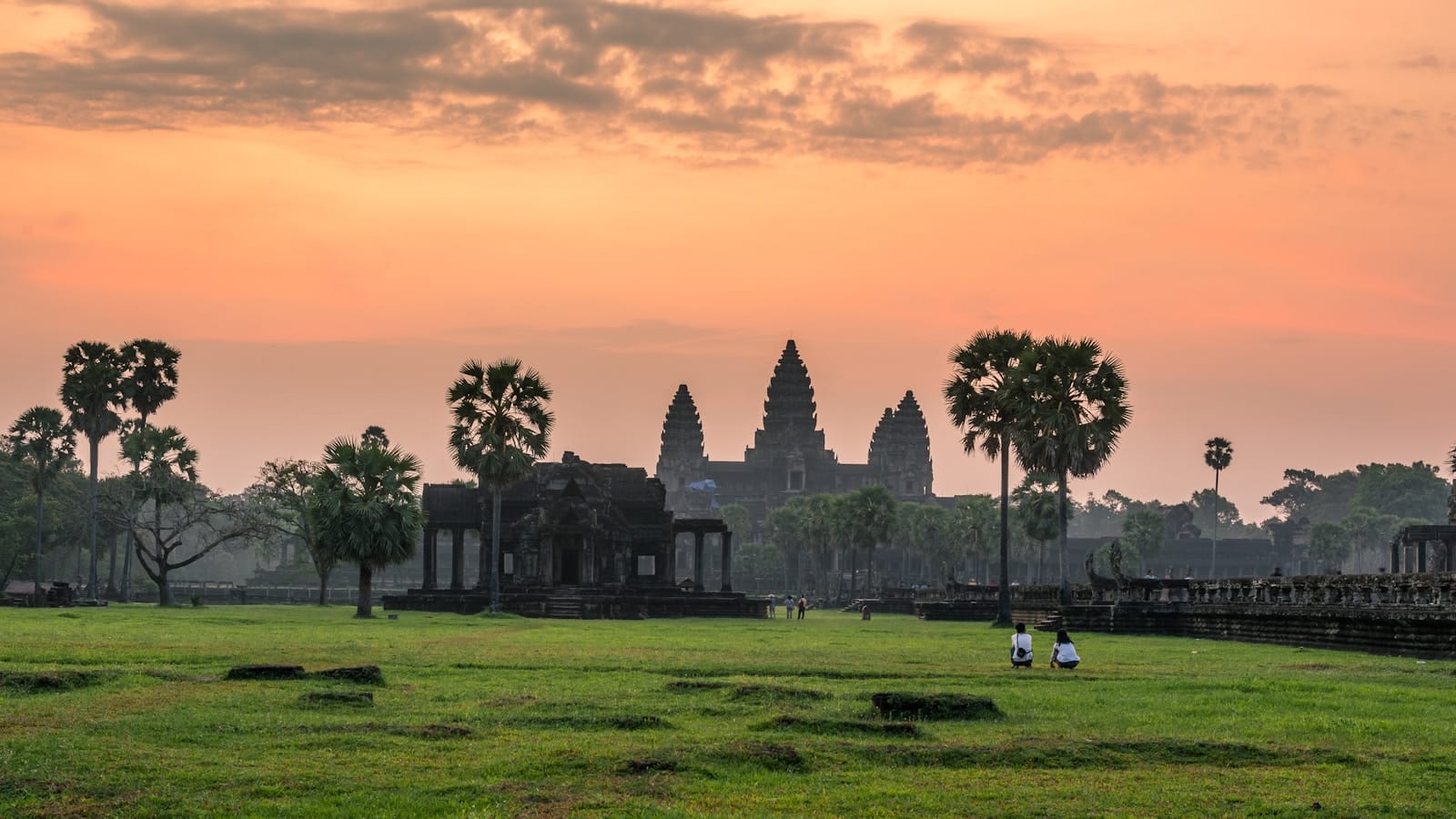
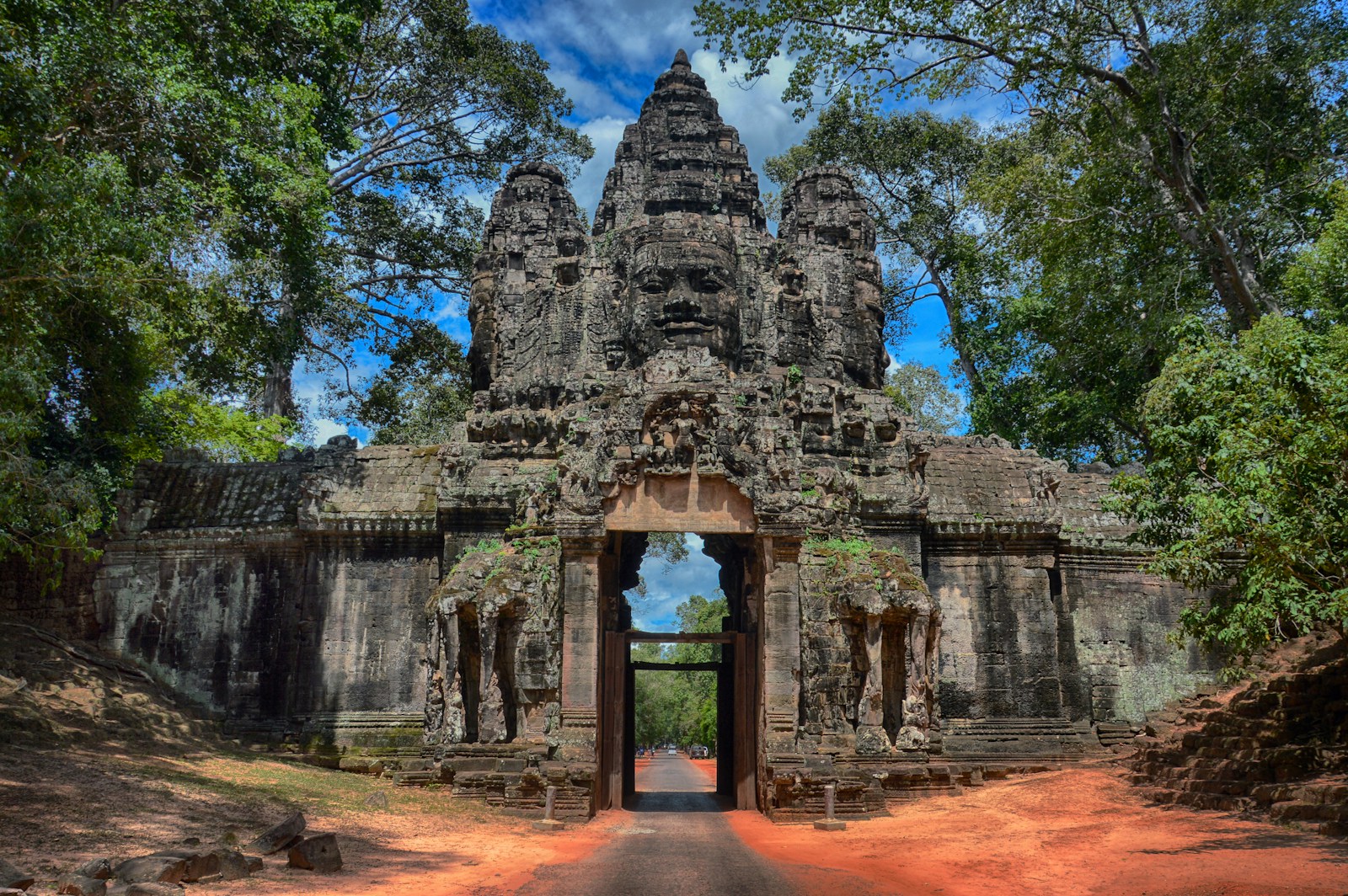
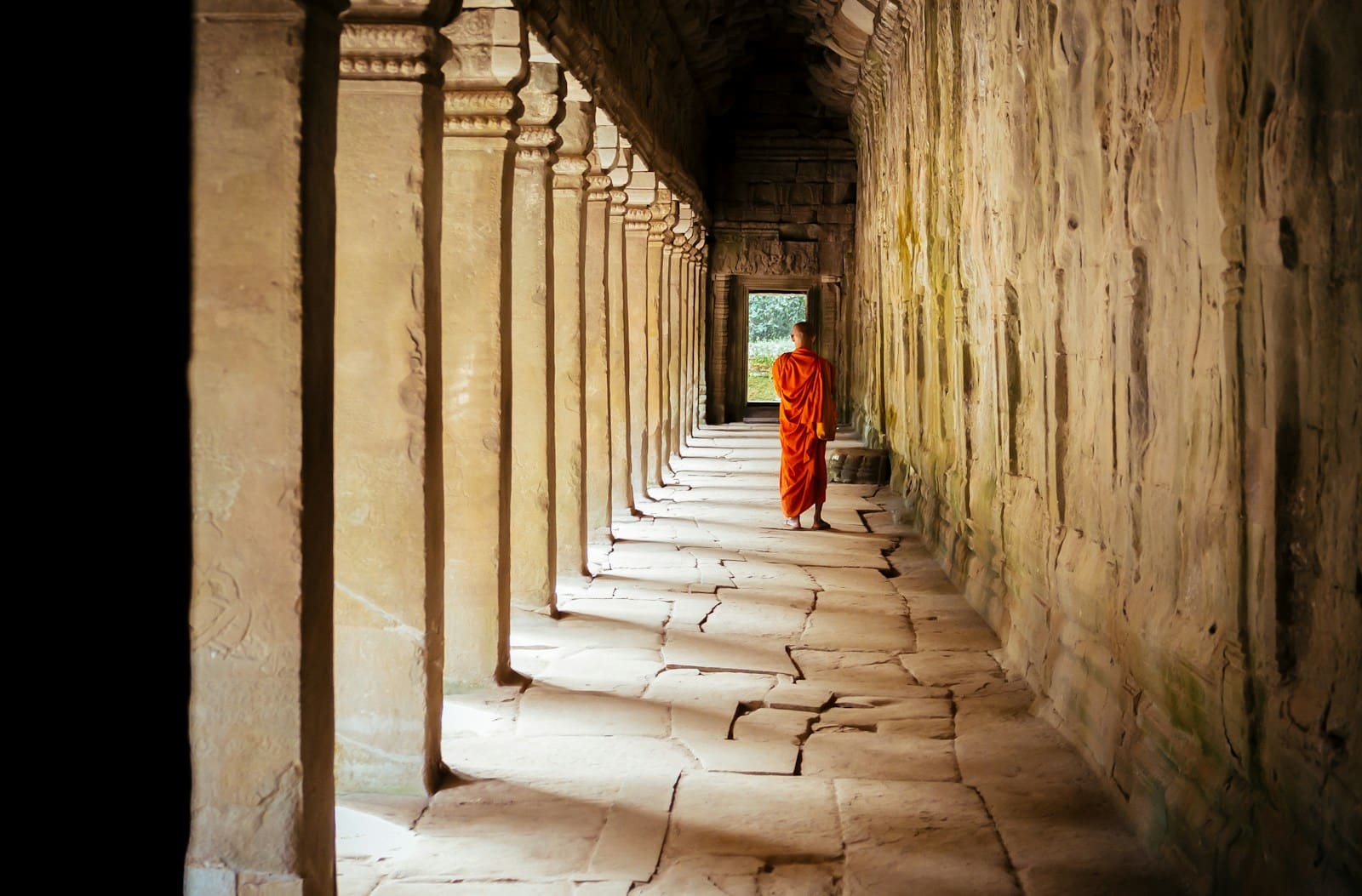
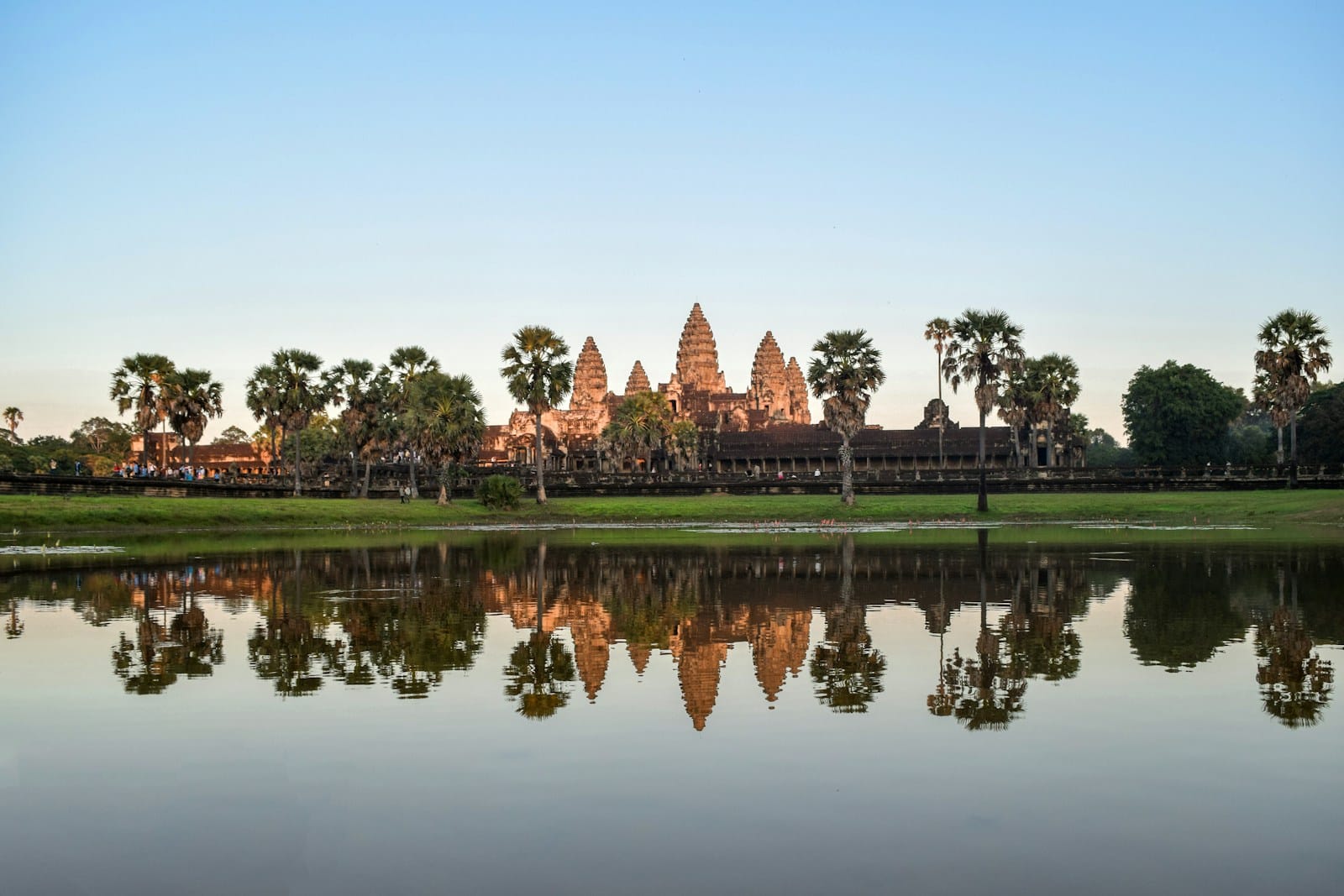
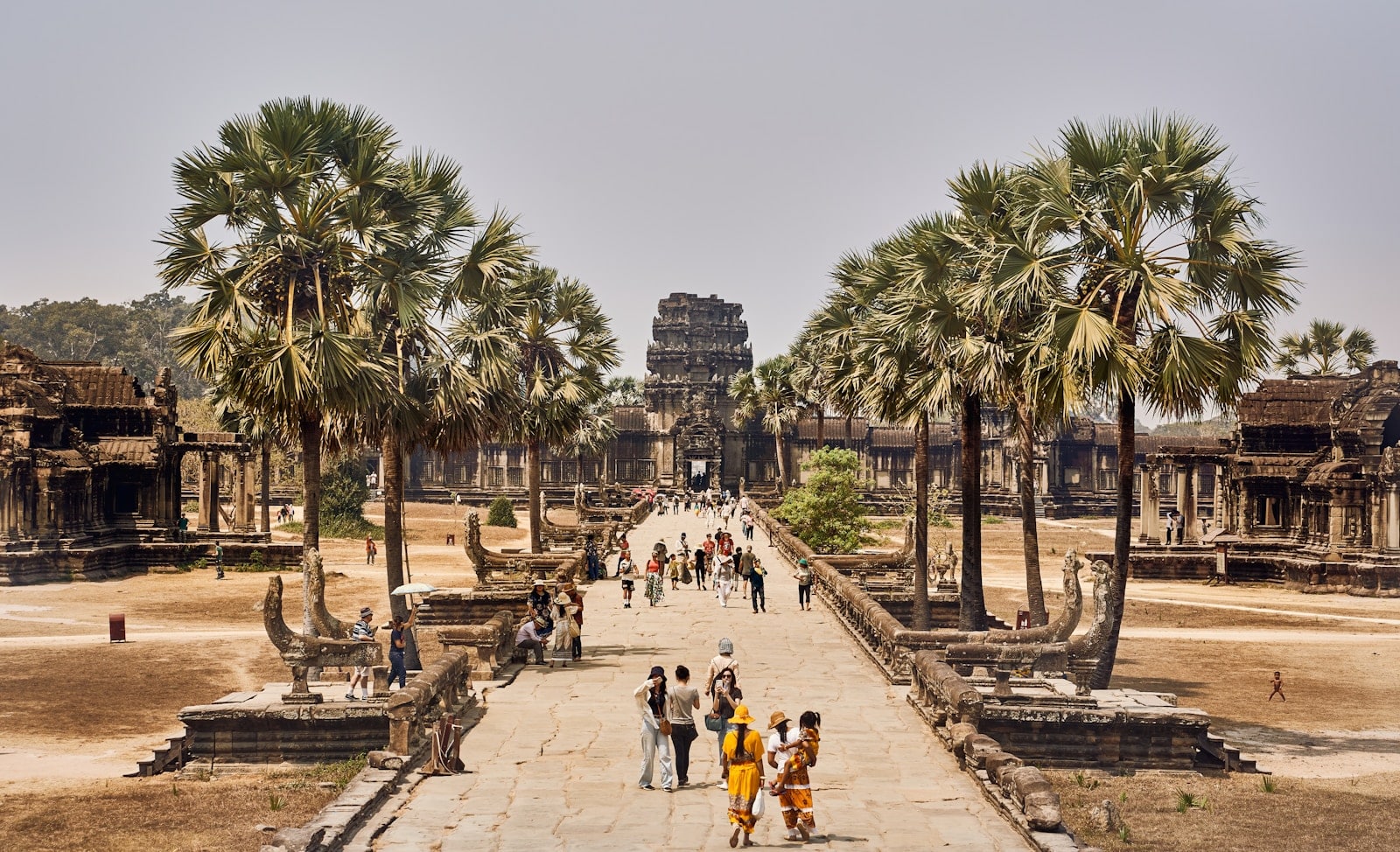
    Most itineraries begin in Siem Reap, the base for exploring Angkor. Days here revolve around sunrise visits to Angkor Wat, the enigmatic faces of Bayon, and the tree-wrapped corridors of Ta Prohm. The city has grown into a polished hub with excellent hotels, strong dining and specialist guides who bring the Khmer Empire’s history into focus.

    Phnom Penh offers a contrasting perspective. The Royal Palace and National Museum sit beside French-era architecture and a growing number of independent galleries and cafes. Visits to the Tuol Sleng Genocide Museum and the Choeung Ek memorial grounds are essential for understanding Cambodia’s recent past and its rapid transformation over the last two decades.

    From the capital, travellers branch out to two main regions. The Cardamom Mountains offer jungle trekking, river kayaking and some of Southeast Asia’s best eco-lodges, set within protected forest. To the south, the coastline near Kep and Kampot leads to offshore islands with clear water and discreet luxury resorts. These islands are still quieter than those in neighboring Thailand, making them ideal for a relaxing experience at the end of a cultural trip.

  • Cambodia things to do

    Culture and Heritage

    Angkor is the headline attraction, with over a thousand years of architecture spread across 150 square miles. Highlights include Angkor Wat’s bas reliefs, the terrace sculptures at Angkor Thom, and the atmospheric ruins of Beng Mealea. In Siem Reap, the Angkor National Museum and local craft studios offer further historical context.

    In Phnom Penh, the Royal Palace complex showcases Khmer royal architecture, while the National Museum holds one of the region’s most important collections of sculpture. Independent galleries and design shops highlight the country’s growing creative community.

    Cuisine and Drink

    Cambodian cuisine is nuanced and regional. Fish amok, banana blossom salads and peppered crab from Kep are staples. Siem Reap has developed a strong restaurant scene with chefs focusing on local produce and contemporary Khmer tasting menus. Phnom Penh’s riverside districts offer a mix of modern Cambodian dining, international restaurants and a rising number of cocktail bars.

    Nature and Adventure

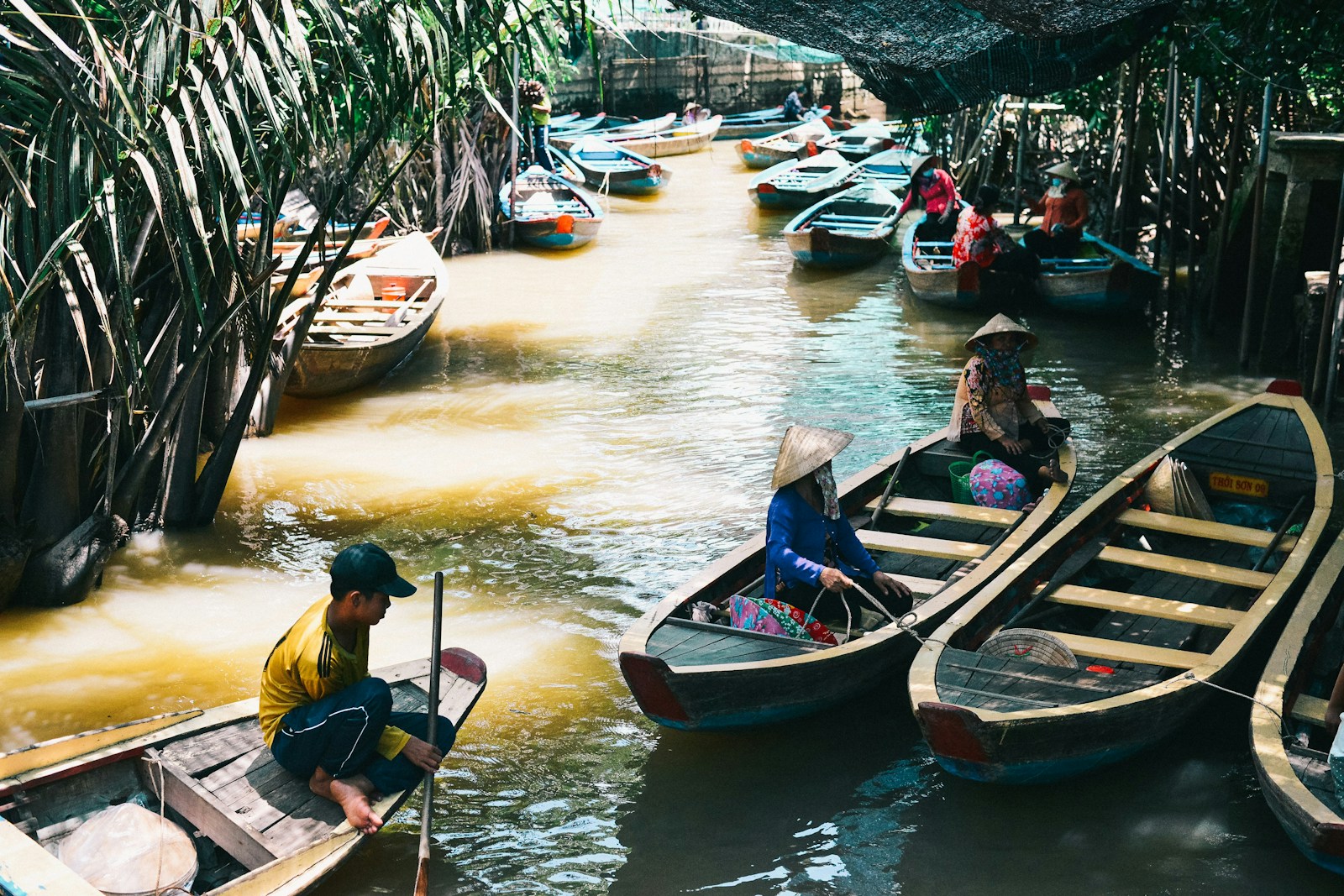
    The Cardamom Mountains support elephants, clouded leopards and rare birdlife. Guided hikes, river safaris and canopy walks are available at several conservation-focused lodges. Tonle Sap Lake, the largest freshwater lake in Southeast Asia, has boat trips to floating villages and bird sanctuaries. On the southern coast, the islands surrounding Koh Rong provide warm, shallow bays for snorkeling, paddleboarding and relaxed beach time.


  • Cambodia hidden gems

    Battambang

    Cambodia’s second city moves at a gentler tempo than Phnom Penh, its French colonial shophouses lining the Sangkae River in faded pastels. The town has emerged as the country’s creative capital, with artist-run studios, contemporary galleries, and a circus school whose nightly performances showcase remarkable local talent. Two nights allows time to explore the surrounding countryside: ancient temples half-consumed by jungle, the bamboo train at O Sra Lav.

    Kampot

    This riverside town near Cambodia’s southern coast trades on atmosphere rather than sights. French colonial buildings in various states of elegant decay line streets where the pace never quickens. Days here unfold slowly: cycling through salt fields, drifting by boat past mangroves, eating crab with fresh peppercorns at wooden tables overlooking the Praek Tuek Chhu River.

    Koh Trong

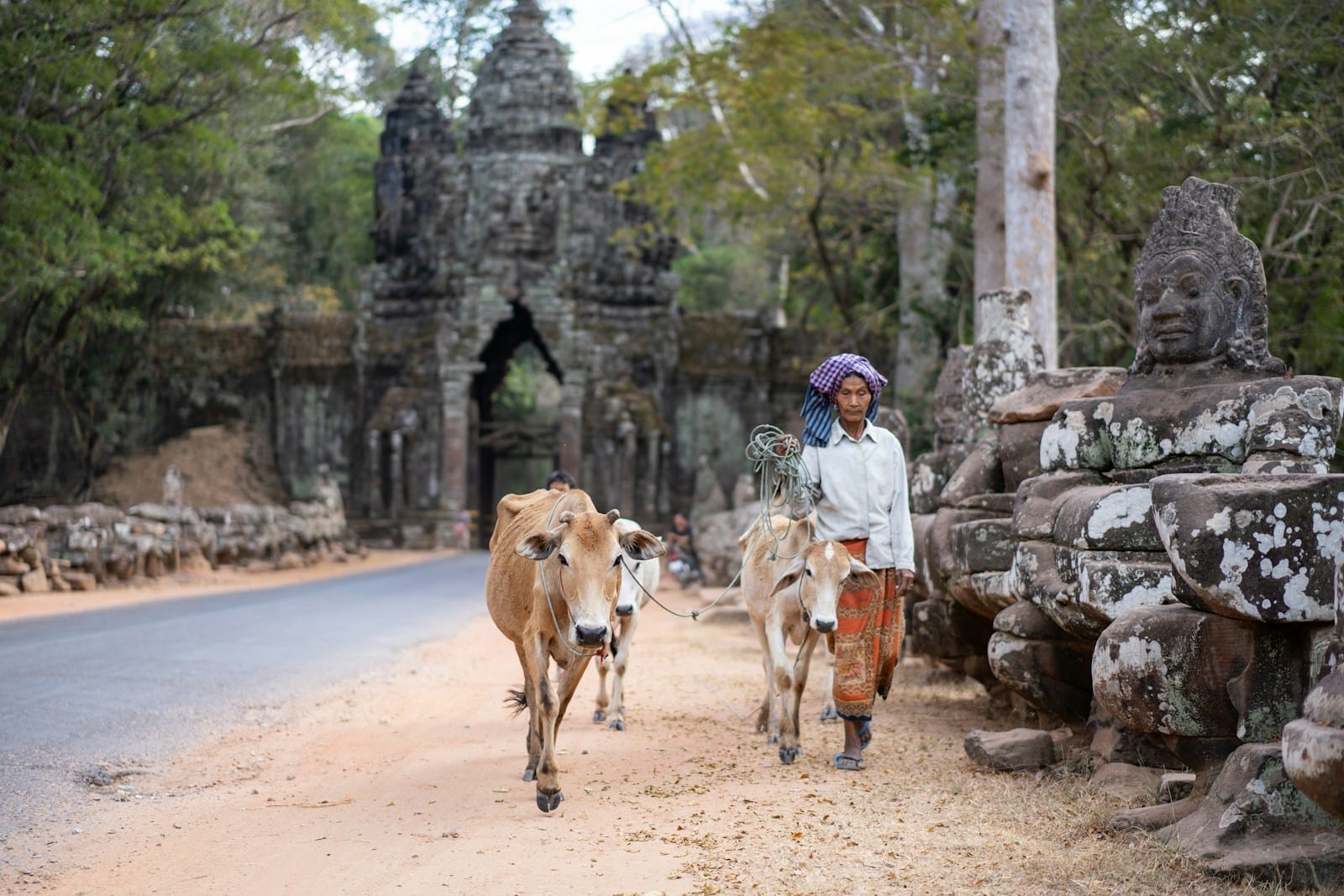
    A slender island in the Mekong accessible only by local ferry, Koh Trong offers a glimpse of Cambodian rural life that elsewhere is rapidly disappearing. Bicycle paths loop past wooden stilt houses, small temples, and pomelo orchards, while the riverbanks provide views of Kratie’s modest waterfront across the water.

  • Cambodia Overview weather

    Spring (March to May)

    Hot and dry with temperatures in the high 80s to mid 90s Fahrenheit. Good for beach time and early-morning temple visits.

    Summer (June to August)

    Green season with short daily showers and cooler temperatures. Rural landscapes are at their most striking.

    Autumn (September to November)

    One of the best times to visit. Rain tapers off, skies clear and temperatures remain comfortable.

    Winter (December to February)

    Peak season with dry conditions, mild heat and ideal weather across the country.

  • Cambodia getting there

    Flights arrive into Siem Reap and Phnom Penh from major Asian hubs including Bangkok, Singapore, Hong Kong and Seoul. Travellers from the US, UK, Canada and Australia typically connect through these cities. Domestic flights link Siem Reap and Phnom Penh in under an hour. Road transfers connect Phnom Penh with the coast, and private drivers are the preferred option. Tourist visas are available on arrival or online for most travellers.

Your journey doesn’t start with a booking. It starts with a conversation.

Tell us how you want to feel, we’ll take it from there.

See more reviews on Trustpilot

Editorials

Tell us about your journey