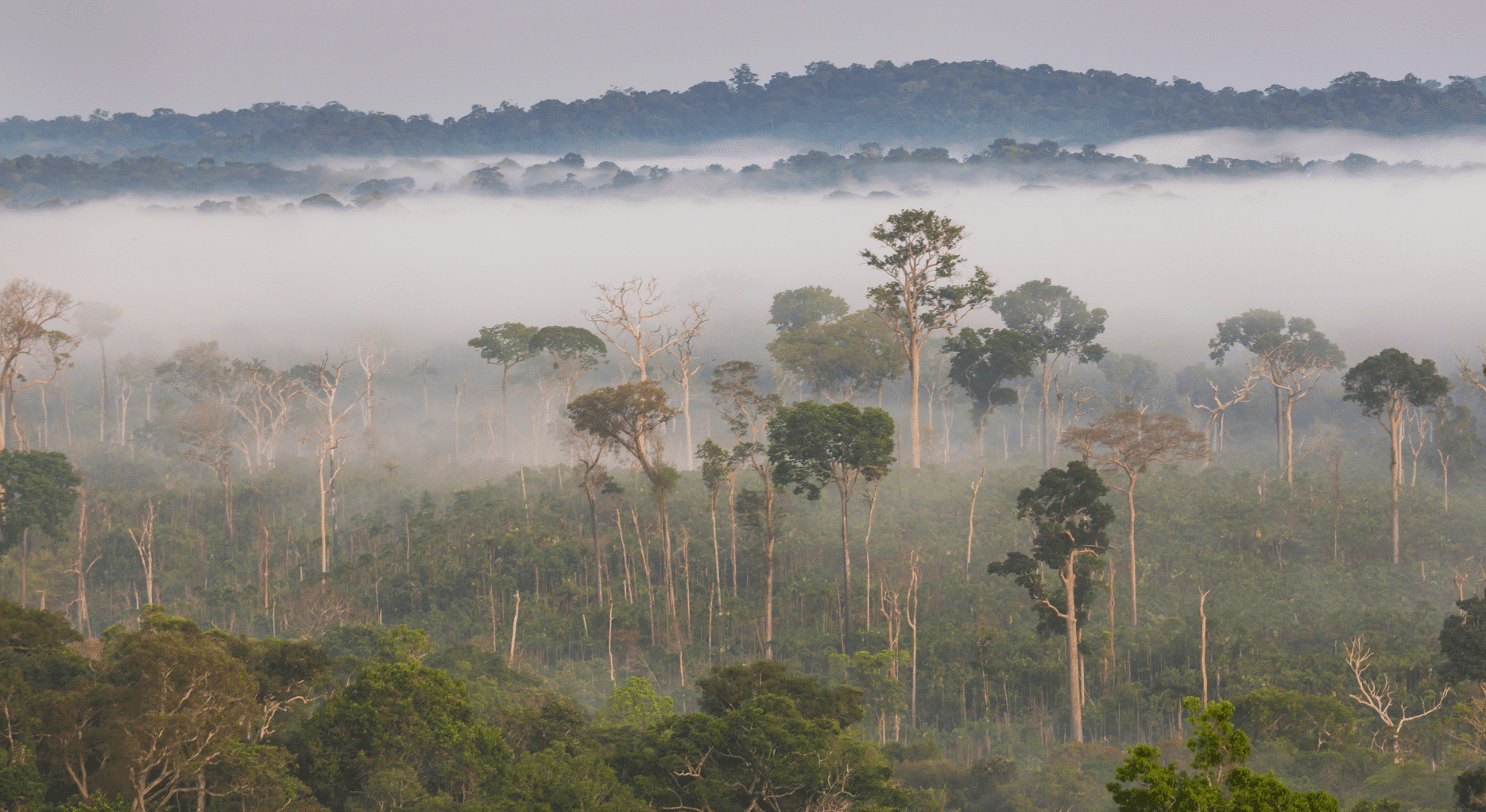
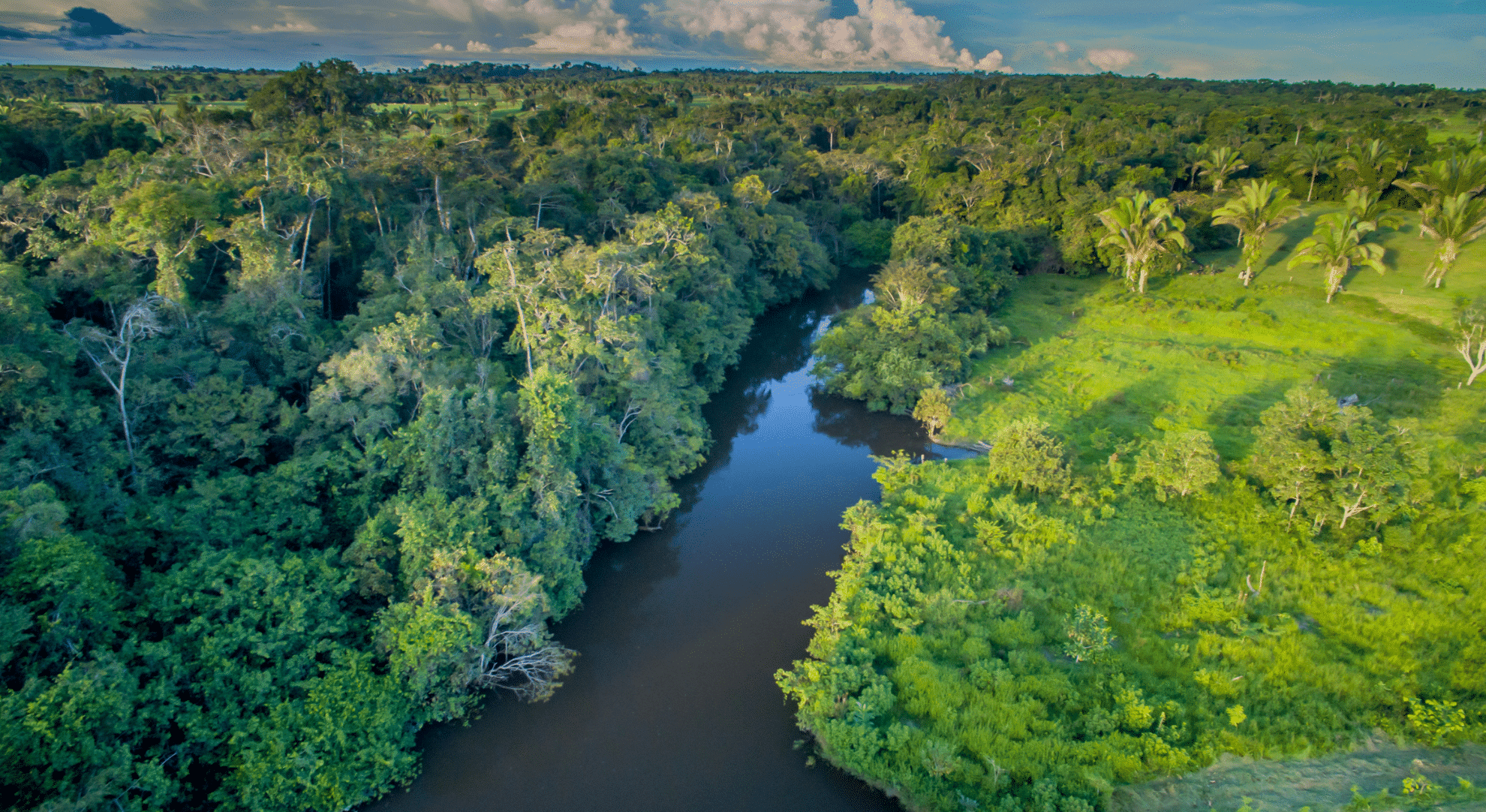
The Amazon is one of the last places on Earth where nature still feels wild, where each moment on the river or under the trees reconnects you with something primal, vast, and breathtakingly alive.
The Amazon isn’t what you imagine. There are no convenient leopards draped over branches, no elephants gathering at waterholes, no sweeping savanna views where wildlife poses for photographs.
The world’s largest rainforest is dense, hot, humid, and requires patience. Animals hide in canopy cover 100 feet above your head. The spectacular wildlife moments happen suddenly and end quickly. You’ll hear far more than you see, and what you see often requires your guide to point it out three times before you finally spot the sloth that was apparently obvious the whole time.
The Amazon delivers something no other ecosystem can: the genuine sensation of being inside Earth’s most biodiverse environment, where 10% of all species on the planet exist within one vast green cathedral. The experience demands adjustment to a different pace, acceptance of discomfort, and willingness to find fascination in smaller details rather than dramatic mega-fauna sightings.
Here’s how to actually experience it properly.
Getting to the Amazon: Manaus vs Other Gateways
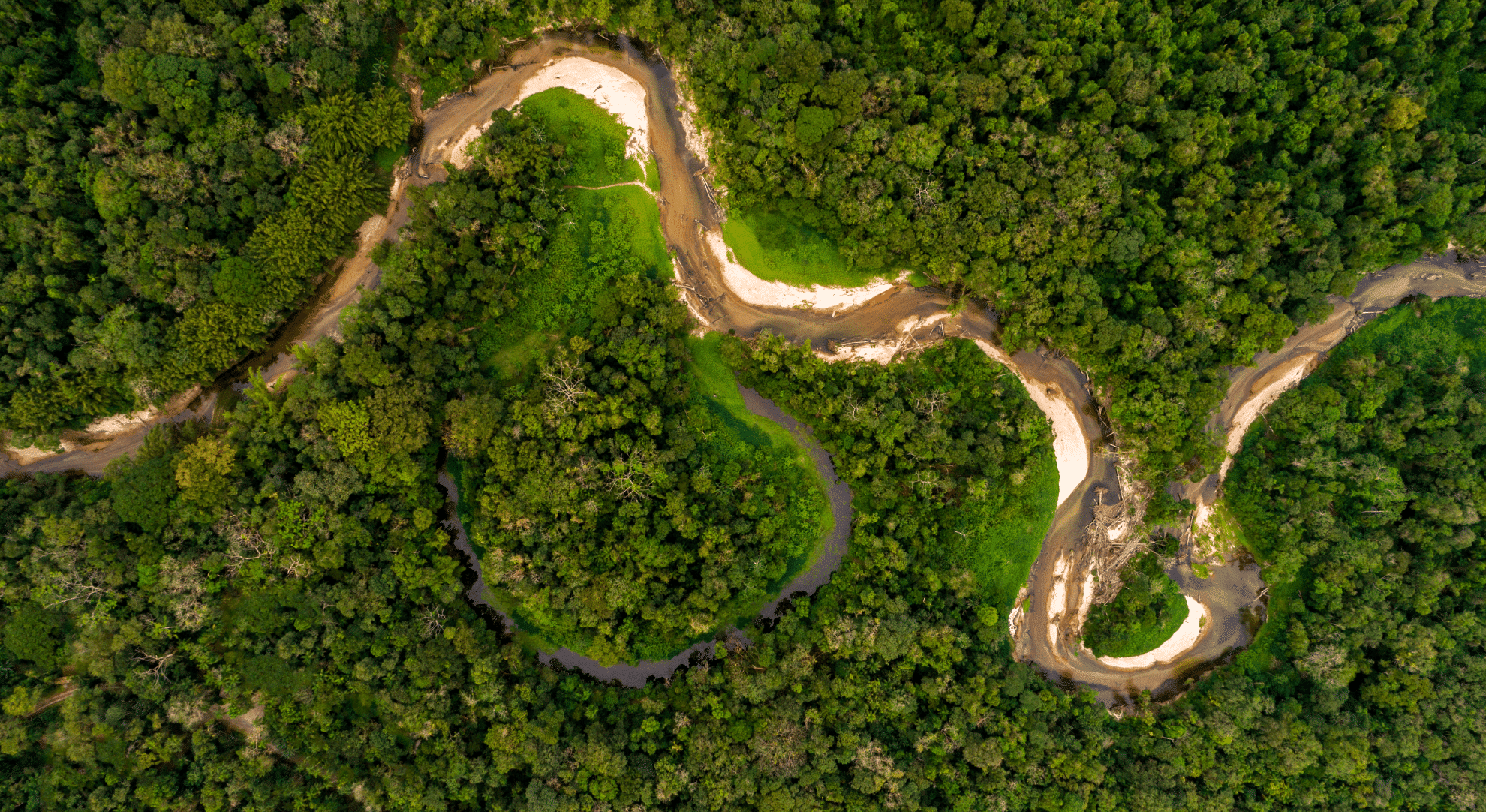
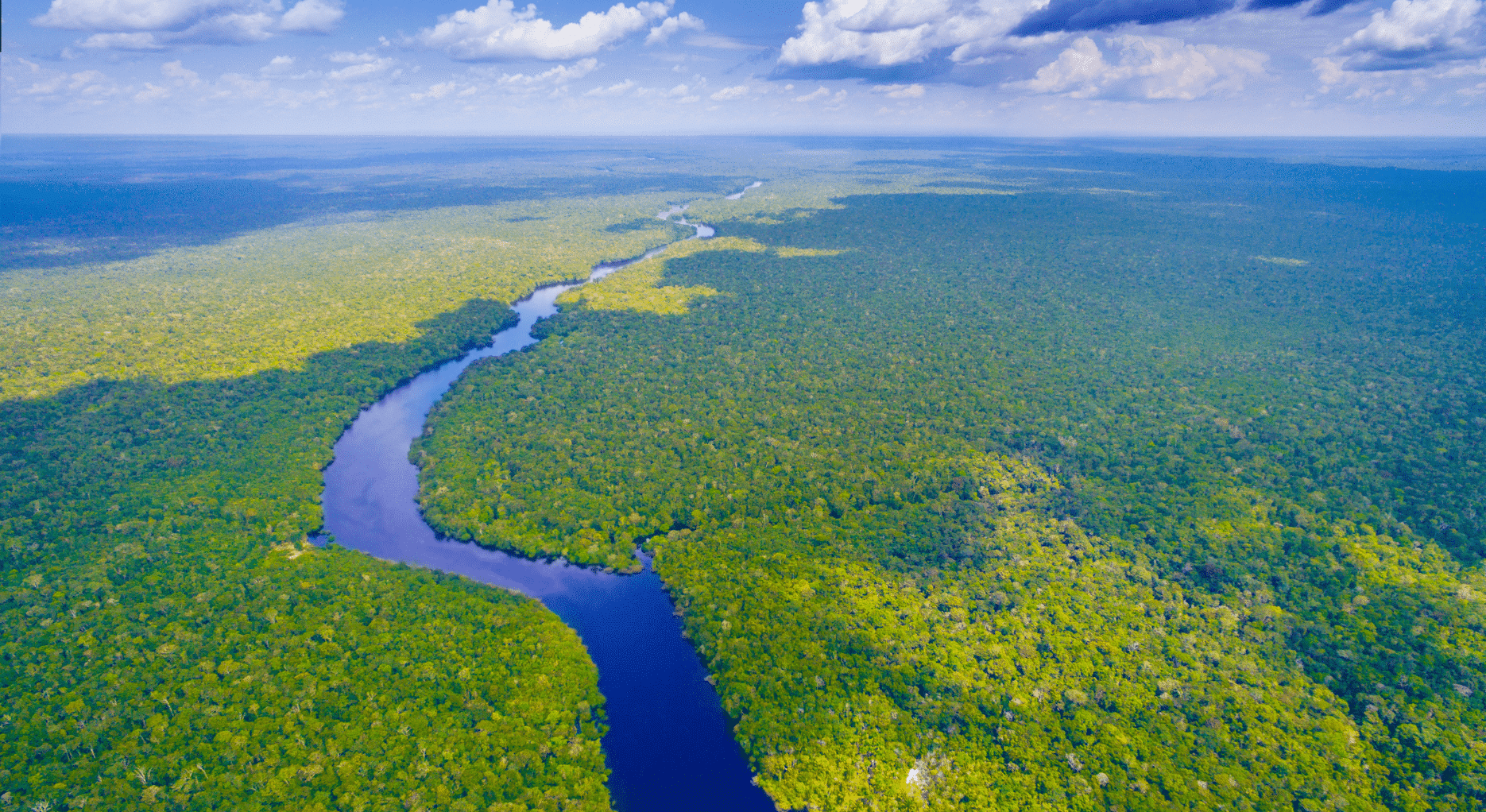
Most Amazon visits start in Manaus, a city of 2.3 million people built improbably in the jungle’s heart during the 19th-century rubber boom. The city sits at the confluence of the Rio Negro and the Solimões River, where black water and brown water flow side by side for miles without mixing due to differences in temperature, speed, and density. It’s visually striking and provides convenient access to numerous lodges.
Manaus receives direct flights from São Paulo (three hours), Rio (four hours), Miami, and several European cities. The airport is modern and efficient by Brazilian standards. From there, lodge transfers involve either road trips plus boat journeys or direct seaplane flights to more remote properties. Budget 90 minutes to three hours for most transfers, longer for deeper jungle locations.
Alternative gateways include Santarém (on the Amazon’s lower reaches, closer to the Atlantic), Tefé (for Mamirauá Reserve), and Alta Floresta (for Cristalino Lodge in the southern Amazon near Mato Grosso). These smaller access points receive fewer flights and require connections through São Paulo or Brasília, but they reach different ecosystems with distinct wildlife and generally fewer tourists.
The northern Amazon near the Guianas remains largely inaccessible to casual tourism, requiring expedition-level logistics. The western Amazon near the Peru-Colombia tri-border area has different species but requires even more complex travel. For most visitors, Manaus is the best starting point.
How Long to Stay
Three nights minimum, four nights ideal, five nights if you’re truly committed. Anything less than three nights means spending as much time traveling as actually experiencing the forest. The first day typically involves arrival, orientation, and an evening boat ride. The final day means departure logistics cutting into activity time. That leaves only one full day if you’re doing a two-night stay, which isn’t enough.
Four nights (five days) allows proper rhythm to develop. You adjust to the heat and humidity, stop freaking out about every insect, and develop enough familiarity with the environment to start noticing details your guide has been pointing out all along. You get multiple chances at different activities, increasing odds of memorable wildlife encounters that depend partly on luck and timing.
Five nights appeals to serious nature enthusiasts or photographers who want sunrise and sunset excursions on multiple days, understand that animal behavior varies, and don’t mind spending considerable time sitting quietly in a boat waiting for something to happen. Most luxury travellers find four nights optimal before restlessness sets in or the heat becomes genuinely wearing.
Anything beyond five nights requires genuine fascination with rainforest ecosystems or you’ll start questioning your life choices while sweating through your fourth shirt of the day.
Accommodation in the Amazon
0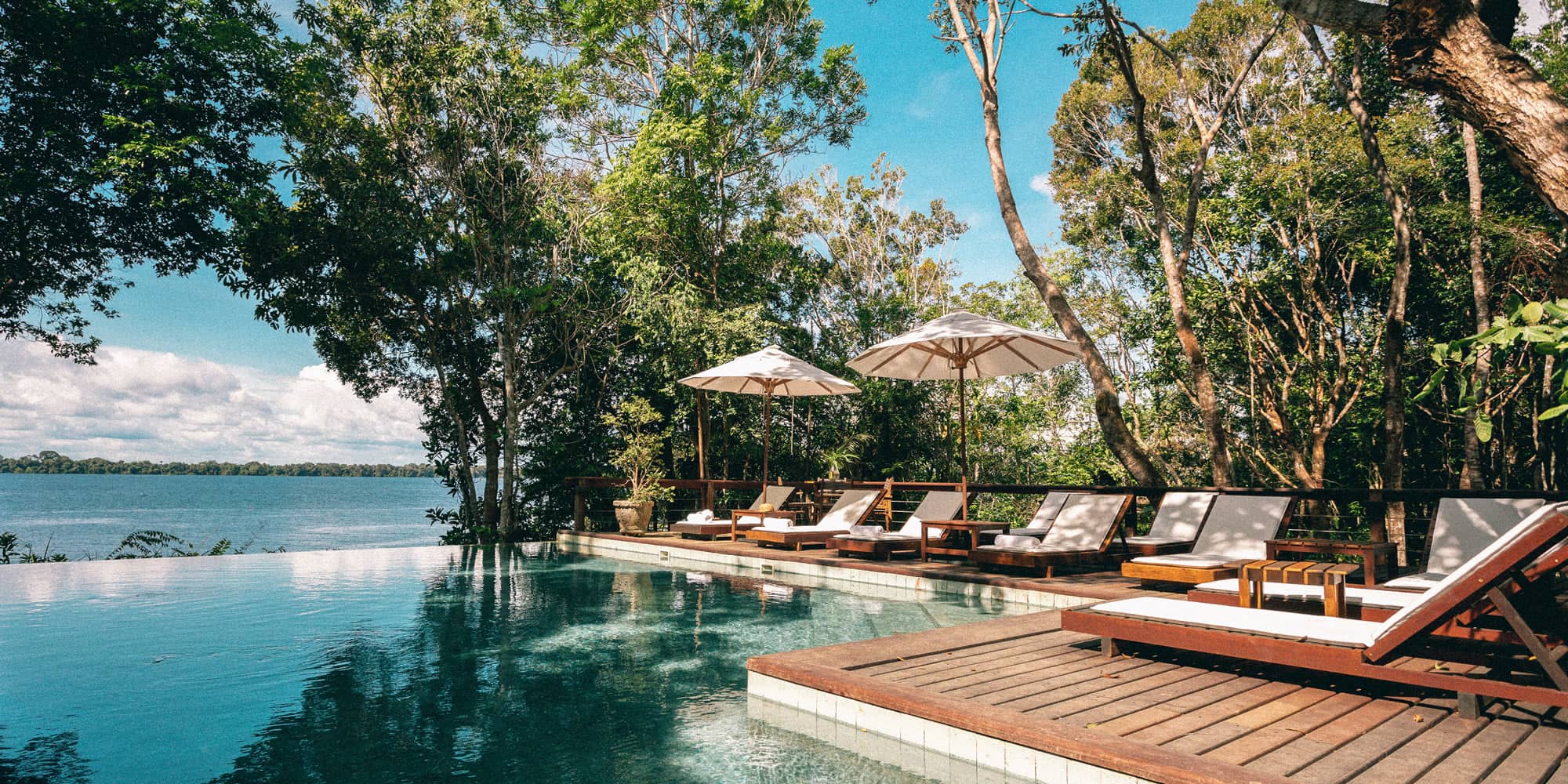
What You Actually See in the Amazon
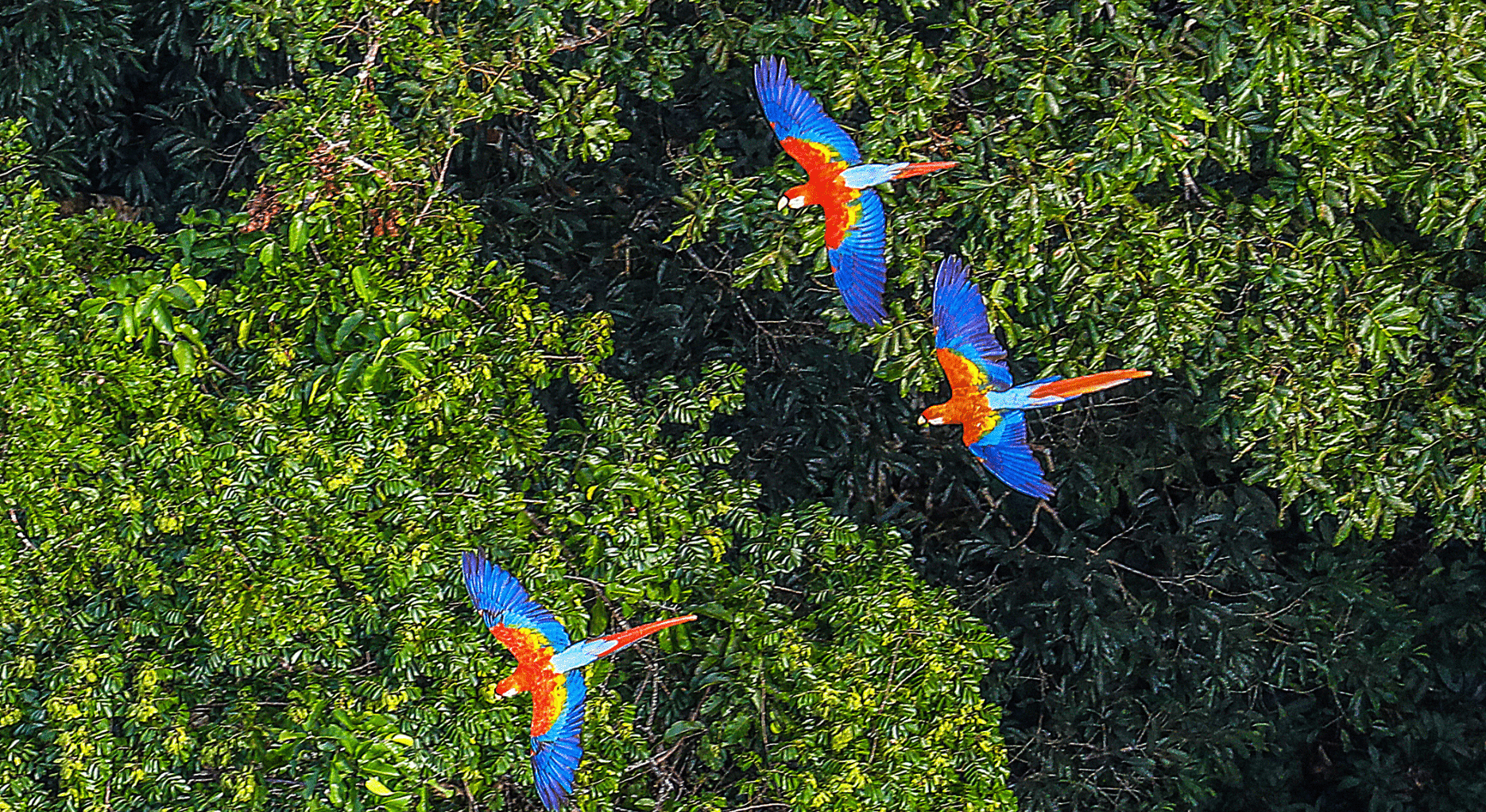
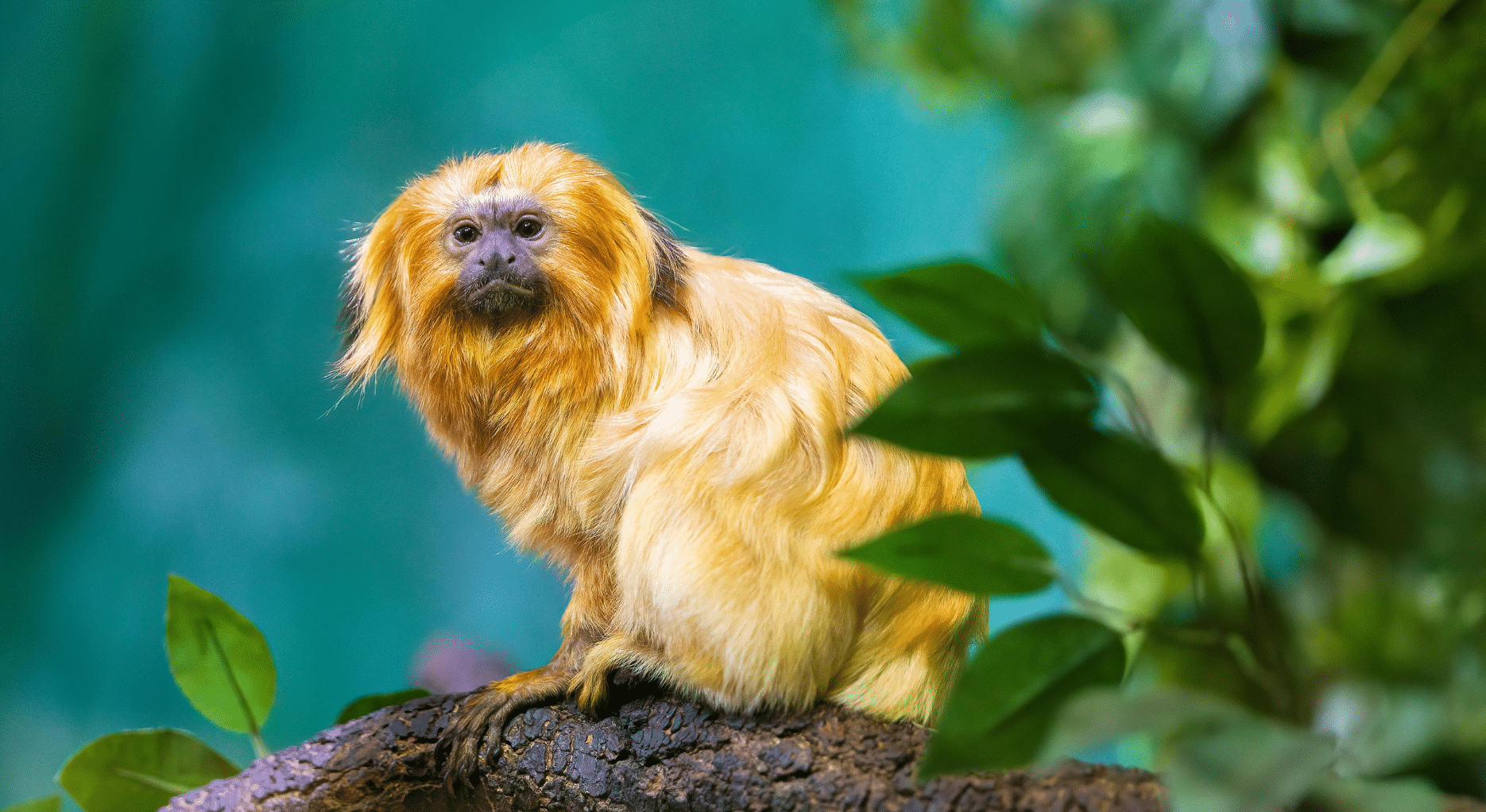
What you’ll likely see: Pink river dolphins (almost guaranteed on boat trips), caimans during night spotting excursions (easy to find with flashlights), sloths (if your guide is competent), various monkey species (howler, squirrel, capuchin depending on location), toucans and macaws (colourful and relatively common), countless smaller birds your guide gets excited about while you pretend to care, fascinating insects including morpho butterflies with electric blue wings, and interesting plants including massive ceiba trees, strangler figs, and medicinal species indigenous people have used for centuries.
What you might see with luck: Jaguars (extremely rare and require specific areas like northern Pantanal, not typical Amazon), tapirs (shy and mostly nocturnal), giant river otters (endangered but present in some areas), anacondas (guides know where to look but sightings are never guaranteed), poison dart frogs in brilliant colours, and harpy eagles (rare apex predators your guide will lose their mind over if spotted).
What sounds great but often disappoints: Piranha fishing (you’ll catch them, they’re underwhelming), swimming with pink dolphins (heavily touristic at “meeting of waters” spots near Manaus), and jungle night walks (interesting but usually just spiders and frogs rather than dramatic wildlife).
The Amazon’s magic lies less in checkboxing charismatic mega-fauna and more in understanding the ecosystem’s complexity. A good guide transforms the experience by explaining symbiotic relationships between plants and insects, demonstrating how indigenous people use forest resources, identifying animals by calls before you see them, and revealing details you’d never notice independently. The difference between mediocre and excellent Amazon experiences often comes down entirely to guide quality.
Activities Beyond Wildlife Spotting
Jungle walks on lodge trails introduce you to forest structure and medicinal plants. These aren’t strenuous hikes but rather slow explorations where you cover maybe two kilometers in two hours while your guide explains everything from termite mounds to rubber trees.
Canoe excursions through flooded forests (during high water season) let you paddle silently beneath canopy cover, improving odds of seeing shy wildlife compared to motorized boats. This is peaceful and atmospheric even when animals don’t cooperate.
Night excursions by boat use spotlights to locate caimans, whose eyes reflect red in flashlight beams. Night walks reveal different species including frogs, insects, and occasionally nocturnal mammals, though these walks involve careful watching where you step.
Fishing for piranha entertains for about 30 minutes using simple pole rigs and raw meat as bait. You’ll catch them easily, take photos, and likely eat them for dinner where they taste fine but not remarkable. This is filler activity more than highlight.
Visits to local communities or indigenous groups range from genuinely educational to uncomfortably touristic depending on the lodge and community relationship. The better lodges maintain long-term partnerships where visits feel more like cultural exchange than human zoo observation.
Canopy towers at properties like Cristalino provide elevated perspectives impossible from ground level, where you spot birds and monkeys moving through the tree crown. Sunrise at 50 meters up while macaws fly past at eye level justifies waking at 5am.
What to Combine the Amazon With
The Amazon works well combined with Rio de Janeiro (three to four nights) for contrasting beach and urban culture against rainforest immersion. Fly São Paulo or Rio to Manaus, spend four nights in the Amazon, then return to Rio for recovery and city exploration. This creates a balanced Brazil itinerary hitting two major highlights without excessive travel time.
The Pantanal combines logically with the Amazon for travellers prioritizing wildlife over beaches or cities. Fly into the Amazon first (harder logistics, more patience required), then transition to the Pantanal (easier wildlife viewing, open landscapes) for a satisfying progression. Budget 10-12 nights total: four in the Amazon, four in the Pantanal, plus travel days.
Salvador or the northeast coast (Fernando de Noronha, Trancoso) pairs Amazon wilderness with beach recovery and Afro-Brazilian culture. After four nights of humidity and insect repellent, collapsing on a beach with a caipirinha feels genuinely earned.
Iguazu Falls combines easily as a southern complement to northern Amazon, creating a highlights route: Rio (three nights), Amazon (four nights), Iguazu (two nights). This requires accepting considerable internal flight time but delivers Brazil’s three most iconic natural wonders in one trip.
Avoid combining the Amazon with too many other destinations. The heat and humidity are genuinely tiring. Build in recovery time at beach or city locations rather than rushing from jungle to colonial town to wine country without pause. The Amazon demands energy that needs replenishing.

Safety and Health Considerations
The Amazon is safe from crime (you’re in the middle of nowhere) but presents health considerations requiring preparation. Yellow fever vaccination is mandatory for entering the region and strongly recommended regardless. Take it at least 10 days before travel and carry your certificate.
Malaria exists in the Amazon but transmission risk varies by location and season. Most lodges operate in areas with low transmission rates, and short visits mean risk remains minimal. Consult a travel medicine doctor about prophylaxis. Some travellers take antimalarials, others accept the minimal risk and rely on prevention through insect repellent and netting.
Dengue, Zika, and chikungunya (all mosquito-borne) present more common risks than malaria. Prevention means DEET-based repellent (20-30% concentration minimum), long sleeves and pants during peak mosquito hours (dawn and dusk), and staying inside screened areas when possible. Lodges provide mosquito netting over beds and screened common areas.
The bigger safety concern is heat-related illness. Dehydration happens fast in 90% humidity and 32°C heat. Drink water constantly, far more than seems necessary. Lodges provide bottled water freely; consume it aggressively. Bring electrolyte tablets if you sweat heavily.
Insect bites are inevitable despite precautions. Bring anti-itch cream, accept that you’ll get bitten, and resist scratching to prevent infection in the humid environment where everything takes longer to heal. The Amazon has impressively large insects that look threatening but generally aren’t. Spiders, beetles, and ants may be enormous but rarely cause problems if you leave them alone.
Snakes exist but bites are extremely rare among tourists sticking to marked trails with guides. Caimans won’t bother you. Piranhas don’t attack people despite their reputation (locals swim in piranha-infested waters constantly). The jungle’s reputation for danger is vastly overstated for travellers following basic precautions and staying with guides.
When to Visit the Amazon: Wet Season vs Dry Season
The Amazon has two distinct seasons creating different experiences. Neither is objectively better; they’re just different.
Dry Season (June-November): Lower water levels, more defined trails, slightly cooler temperatures, better for hiking, easier to spot wildlife concentrated around remaining water sources, and fewer mosquitoes. River travel covers less area as tributaries become too shallow. This is traditionally considered the better season for first-time visitors wanting classic jungle walks.
Wet Season (December-May): Higher water levels flood vast forest areas, creating igapó (flooded forest) accessible by canoe. You paddle through the canopy at tree-trunk level, a surreal experience impossible during dry season. Wildlife spreads across larger areas rather than concentrating, making spotting harder but the flooded forest setting compensates. More rain (usually afternoon thunderstorms rather than all-day downpours), more mosquitoes, and more humidity. River travel reaches deeper into tributaries.
The wettest months (March-May) mean serious rain but also the most dramatic flooded forests. The driest months (August-October) provide the most comfortable conditions but the lowest water levels potentially limiting river access. Shoulder months (June, November-December) split the difference with reasonable water levels and less extreme weather.
For photographers, wet season’s flooded forests create unique opportunities. For wildlife enthusiasts, dry season concentrates animals. For comfort seekers, dry season wins clearly. Choose based on priorities rather than assuming one season is universally superior.
The Honest Assessment
The Amazon is hot, humid, requires patience, and delivers experiences completely unlike anywhere else on Earth. It’s not relaxing. It’s not easy. It won’t give you those postcard wildlife photos that African safaris produce. What it offers is immersion in the world’s most biodiverse ecosystem with the satisfaction of experiencing something genuinely challenging and remote.
Go with curiosity rather than checkboxes. Value your guide’s knowledge over creature counts. Accept that you’ll be uncomfortable and sweaty, that insects will bite you despite precautions, that the most spectacular bird will fly away before you get your camera focused, and that more time is spent watching monkeys far up in trees than having close encounters.
But you’ll paddle through flooded forests where the water is black as coffee and perfectly still. You’ll hear howler monkeys at dawn producing sounds that seem impossible from an animal that size. You’ll watch pink dolphins surface alongside your boat at sunset while macaws fly overhead in pairs. You’ll sleep to a symphony of frogs and insects so loud you can’t believe it’s real. You’ll learn to identify 20 different trees and understand why the forest works the way it does.
The Amazon isn’t a comfortable holiday. It’s an expedition that happens to have nice lodges at the end of each day. Approach it with that mindset, choose your lodge carefully, trust your guide, and you’ll return with experiences impossible to replicate anywhere else on the planet. Just maybe book those beach days afterward. You’ll have earned them.
Speak to our travel experts today and start planning your journey into Earth’s most extraordinary ecosystem.
Suggested articles
A Guide to Sri Lanka’s Tea Plantations

The Maldives Fixed Its Arrival Problem: Inside the New Velana Airport
The Best Islands in Australia for a Luxury Beach Holiday
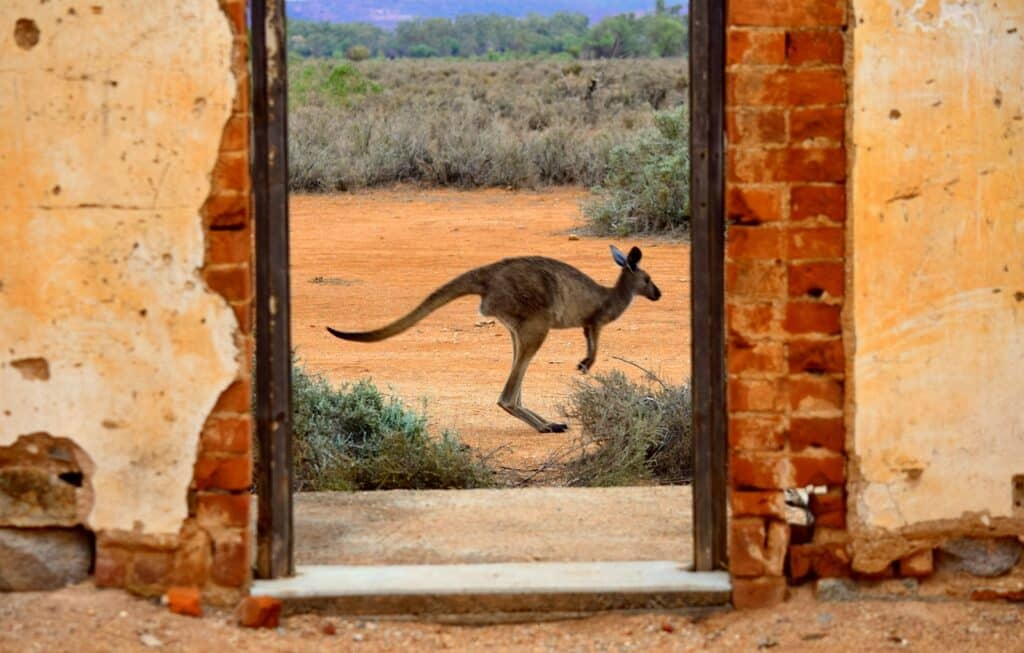
How to Plan a Luxury Australian Outback Experience
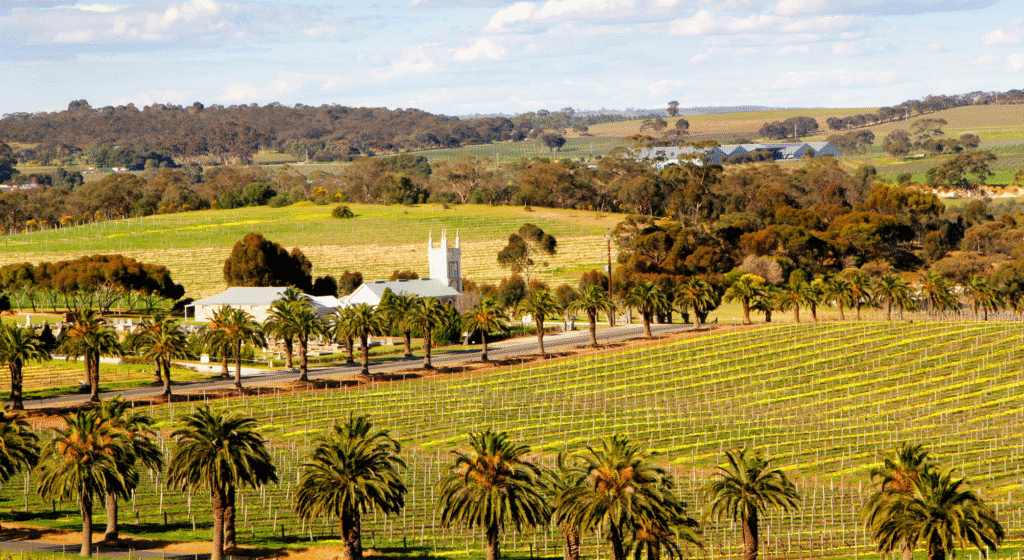
A Luxury Guide to Australia’s Wine Regions
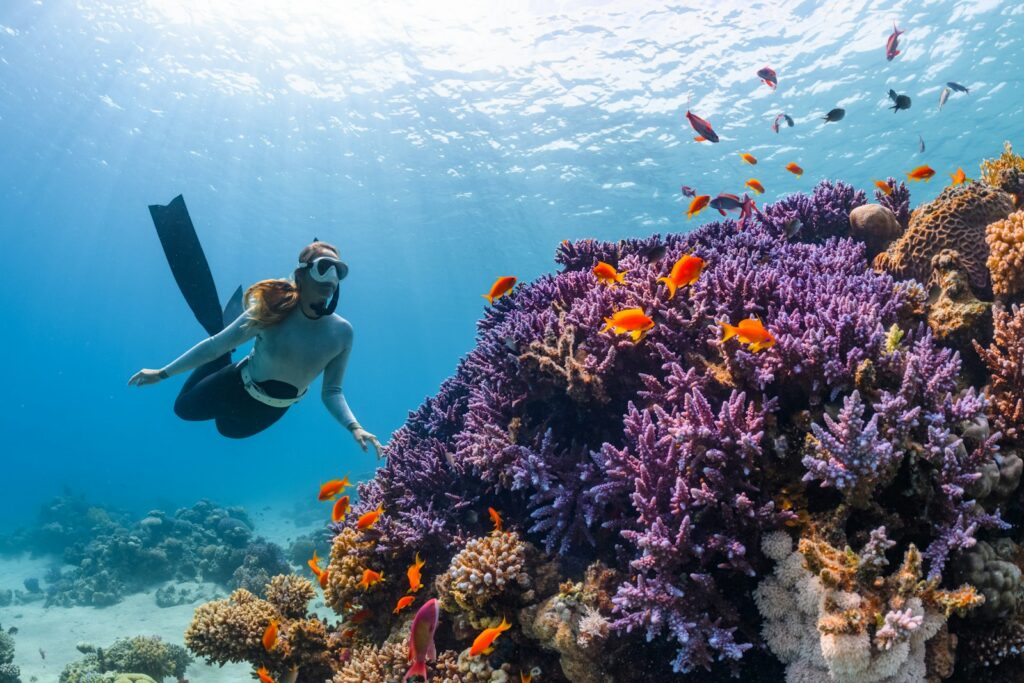
How to Plan a Luxury Trip to Australia’s Great Barrier Reef
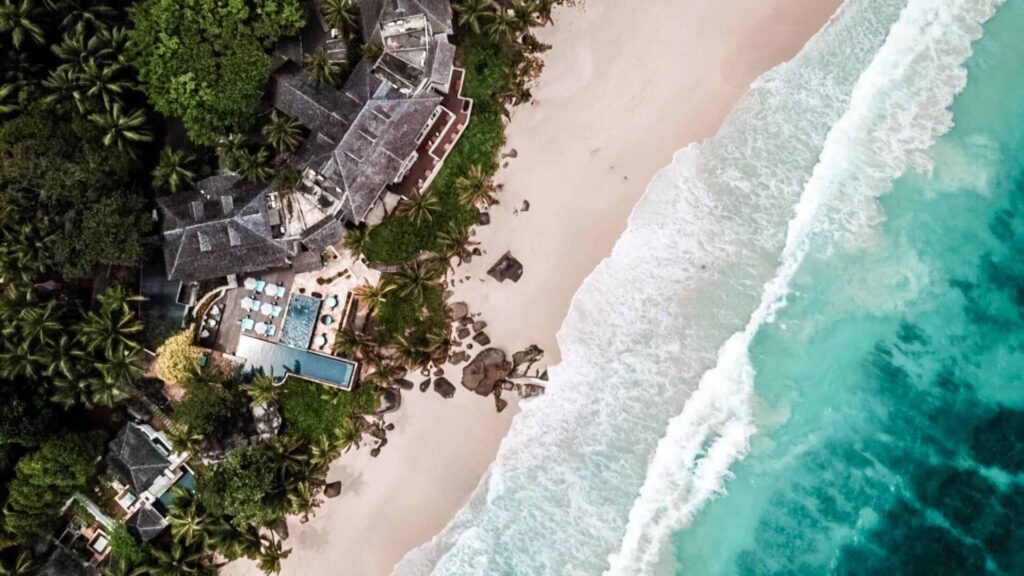
The Best Luxury Hotels in Seychelles

Best Caribbean Islands for Private Jet Travellers
Island-Hopping in the Caribbean: The Best Routes for a Luxury Trip
Santorini or Mykonos: How to Choose the Best Greek Island for You

The Athens Riviera: Greece’s Glamorous Coastline Beyond the Islands
Paros: The Greek Island Stealing Attention from Mykonos and Santorini
The Best Greek Islands for Luxury Travel: How to Choose the Right One