



10 days
|£3,995


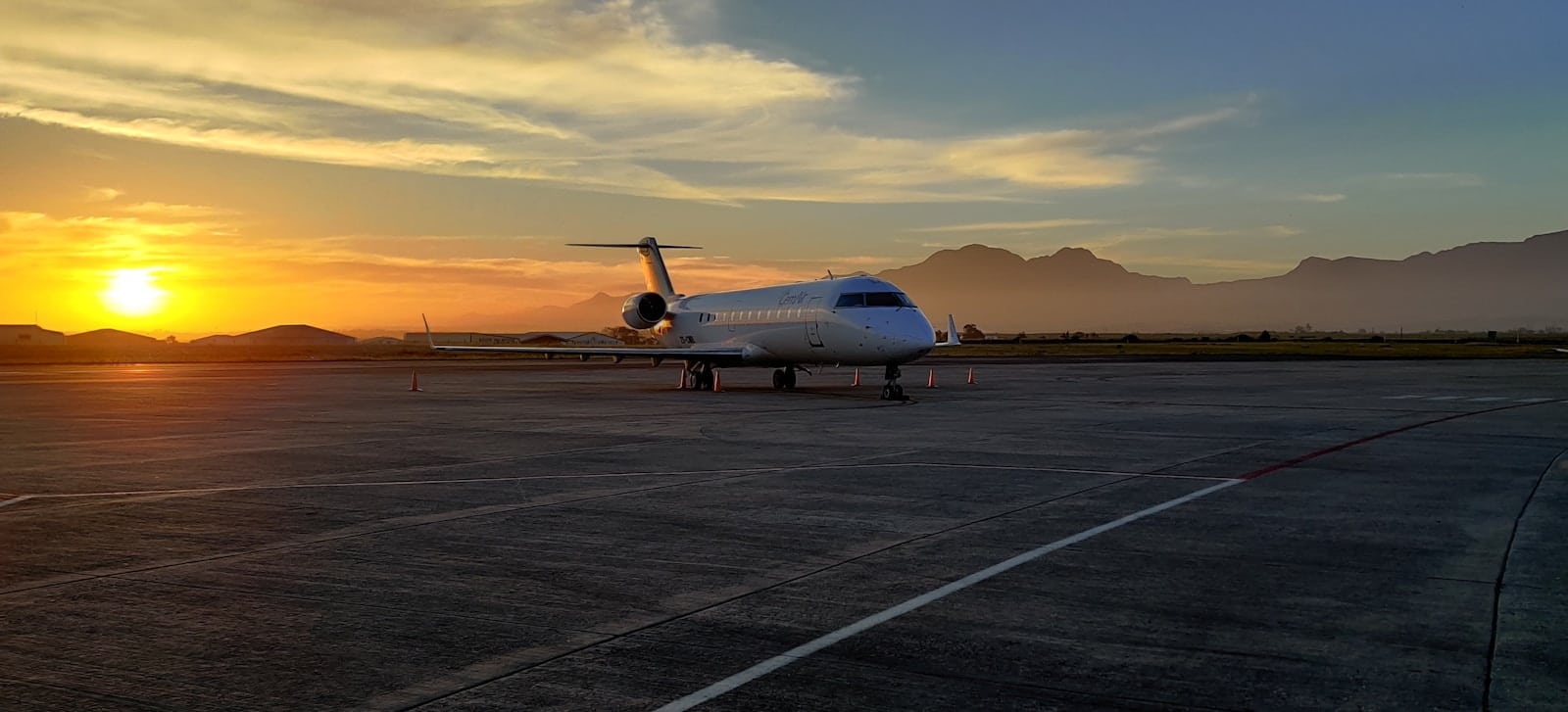
Private aviation changes how you move through the Caribbean. Direct arrivals replace long commercial connections, but not every island is equipped to receive private jets efficiently. Runway length, customs, FBO quality and transfer options vary widely. This guide highlights the islands where the infrastructure supports a smooth landing and the experience on the ground matches the ease of arrival.
The Caribbean was built for private aviation. Distances that seem modest on maps translate to punishing commercial itineraries: connections through Miami or San Juan, interminable waits on regional carriers, the accumulated friction of moving through airports designed for volume rather than experience. Private jets dissolve these obstacles. You leave when you want, arrive directly at your destination, and transition from aircraft to resort in minutes rather than hours.
Yet the region’s 7,000 islands vary dramatically in their ability to receive private traffic. Some maintain sophisticated FBOs with customs pre-clearance, executive lounges, and helicopter transfers to outlying resorts.
Others offer little more than a landing strip and a handshake. The difference matters: nothing undermines the private jet experience quite like deplaning onto cracked tarmac to wait in a corrugated metal shed for paperwork to process.
The islands below represent the Caribbean’s best alignment of aviation infrastructure and destination quality. These are places where the arrival matches the ambition, where the ground experience extends the airborne privilege, and where what awaits justifies the considerable expense of getting there privately.
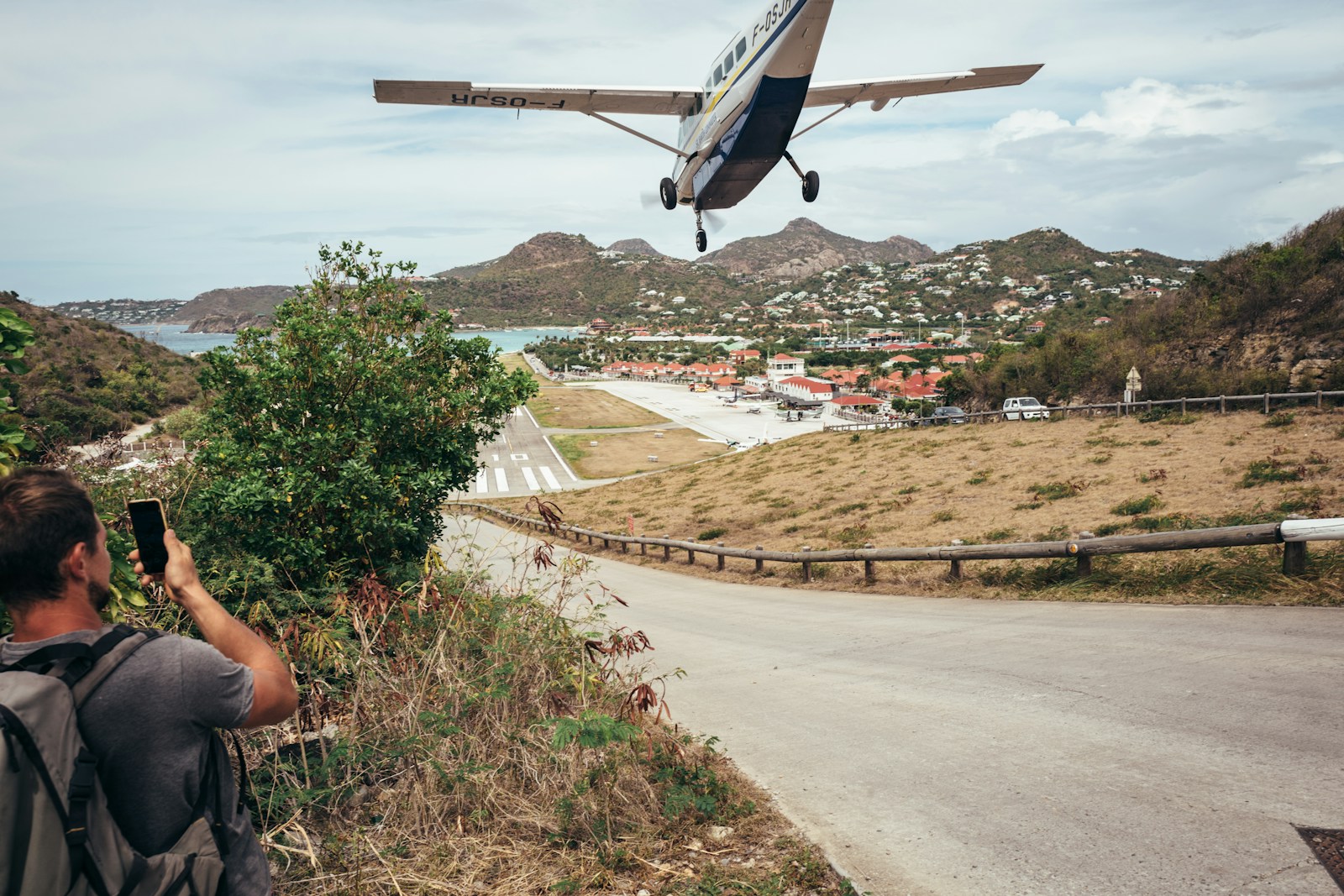
St. Barth’s runway is one of the most demanding in the Caribbean. At just over 2,100 feet and ending at a beach, Gustaf III Airport accepts only small turboprops, flown by crews who know the approach well. Most private jets route into Princess Juliana in St. Maarten, then connect by ten-minute shuttle flight or helicopter.
The access filter has become part of the island’s appeal. You clear FBO formalities in St. Maarten, make the short hop, and arrive into an island that concentrates more luxury per square mile than almost anywhere in the region.
On the ground, Eden Rock and Cheval Blanc St-Barth Isle de France headline the hotel scene, with villas, serious dining and efficient service packed into eight square miles. Evenings in Gustavia, long lunches above St. Jean and quiet hours on Gouverneur make the effort of arrival feel entirely justified.
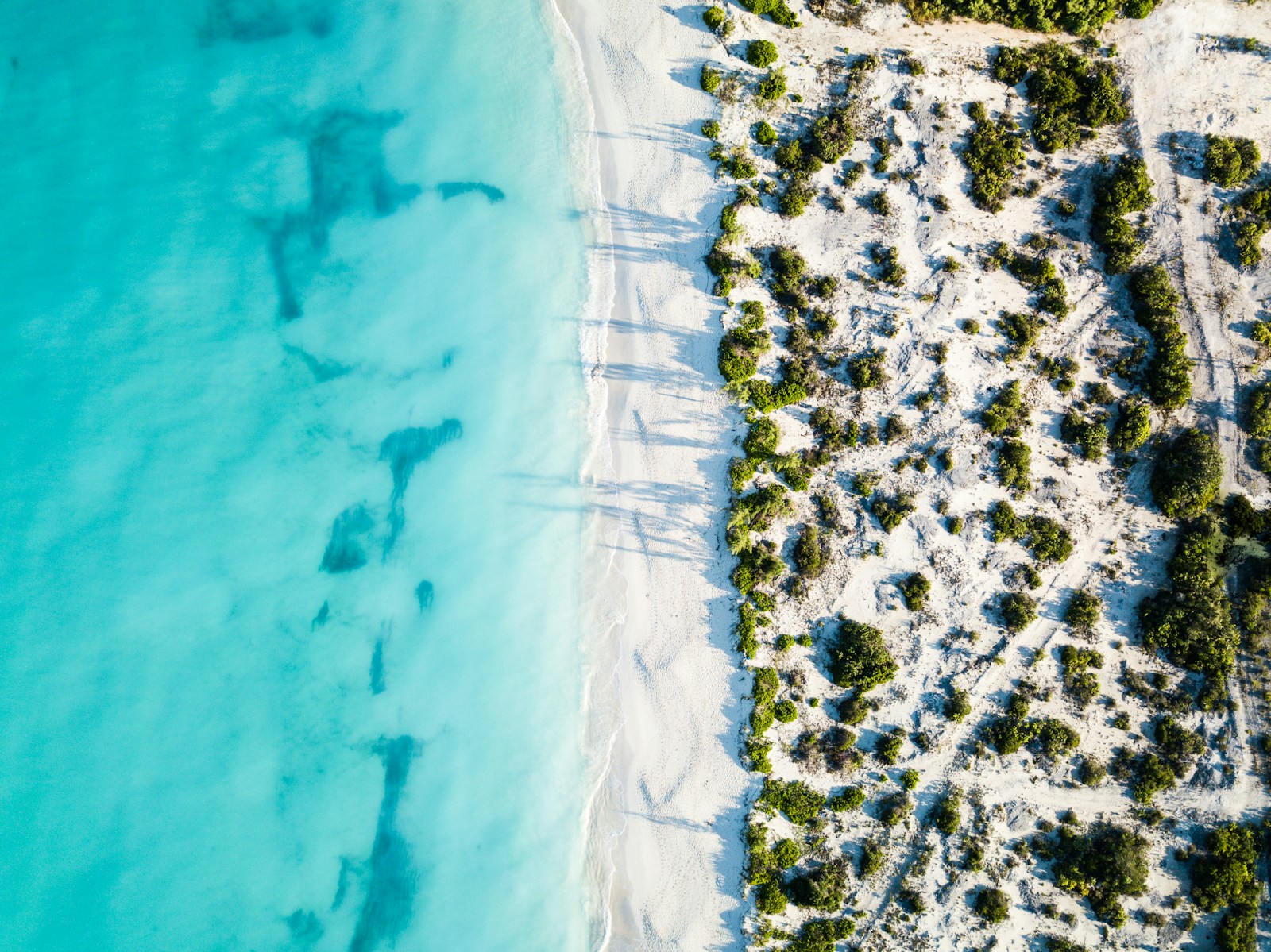
Providenciales International is what Caribbean aviation should be. The Howard Hamilton FBO processes arrivals quickly, the 7,600-foot runway takes heavy jets, and the descent over shallow turquoise water doubles as a preview of the main attraction. Within minutes of landing, guests are in private vehicles heading toward Grace Bay or the quieter northwest coast.
Grace Bay lies about twenty minutes from the airport and has become shorthand for easy Caribbean luxury. Resorts like Grace Bay Club and The Palms sit directly on the sand and deliver a full-service, no-surprises experience that many travellers now default to for winter sun.
At the top end, Amanyara occupies a remote stretch of northwest shoreline, with low-slung pavilions, strong diving and a serious spa. COMO Parrot Cay, reached by boat from Provo, offers further seclusion and a long-running wellness program.
10 days
|£3,995
8 days
|£6,395
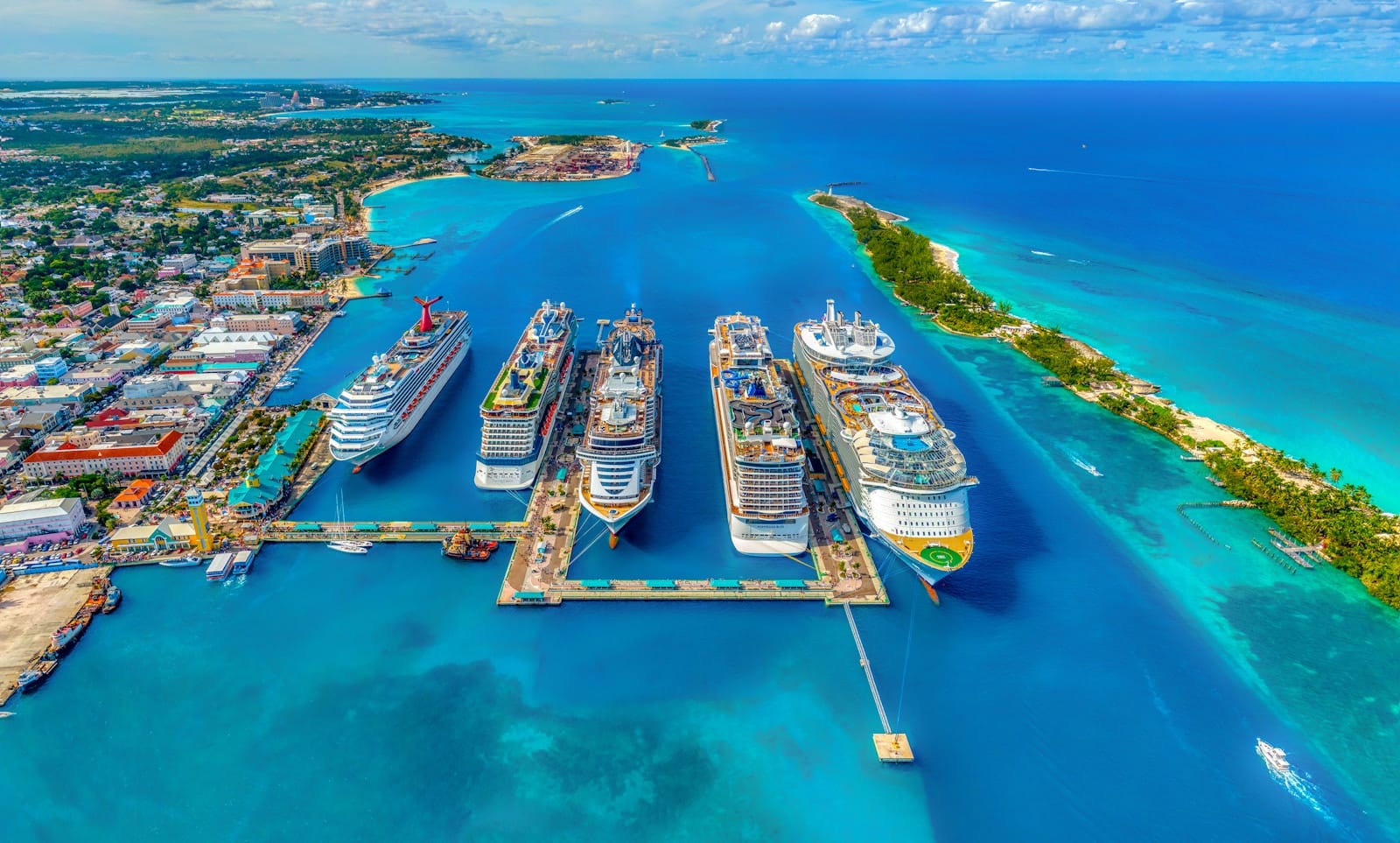
The Bahamas give private jet travellers choice. Nassau’s Lynden Pindling International has a full-service FBO, an 11,000-foot runway and easy onward connections. From here, it is a short drive to Paradise Island and Cable Beach, where The Ocean Club and Rosewood Baha Mar lead the luxury lineup.
Beyond Nassau, North Eleuthera Airport and nearby Harbour Island offer a softer tempo. Private jets land on a 5,500-foot runway, then a quick water taxi delivers guests to pink sand, clapboard houses and discreet, long-established hotels like The Dunmore and Pink Sands. The atmosphere feels refined but relaxed.
Further out, the Exumas and private islands such as Musha Cay and Kamalame Cay appeal to travellers who want serious privacy. Shorter strips and water transfers make logistics more complex, but for those arriving by private jet into Nassau or Exuma and continuing by smaller aircraft or boat, the reward is some of the clearest water and least developed coastline in the region.
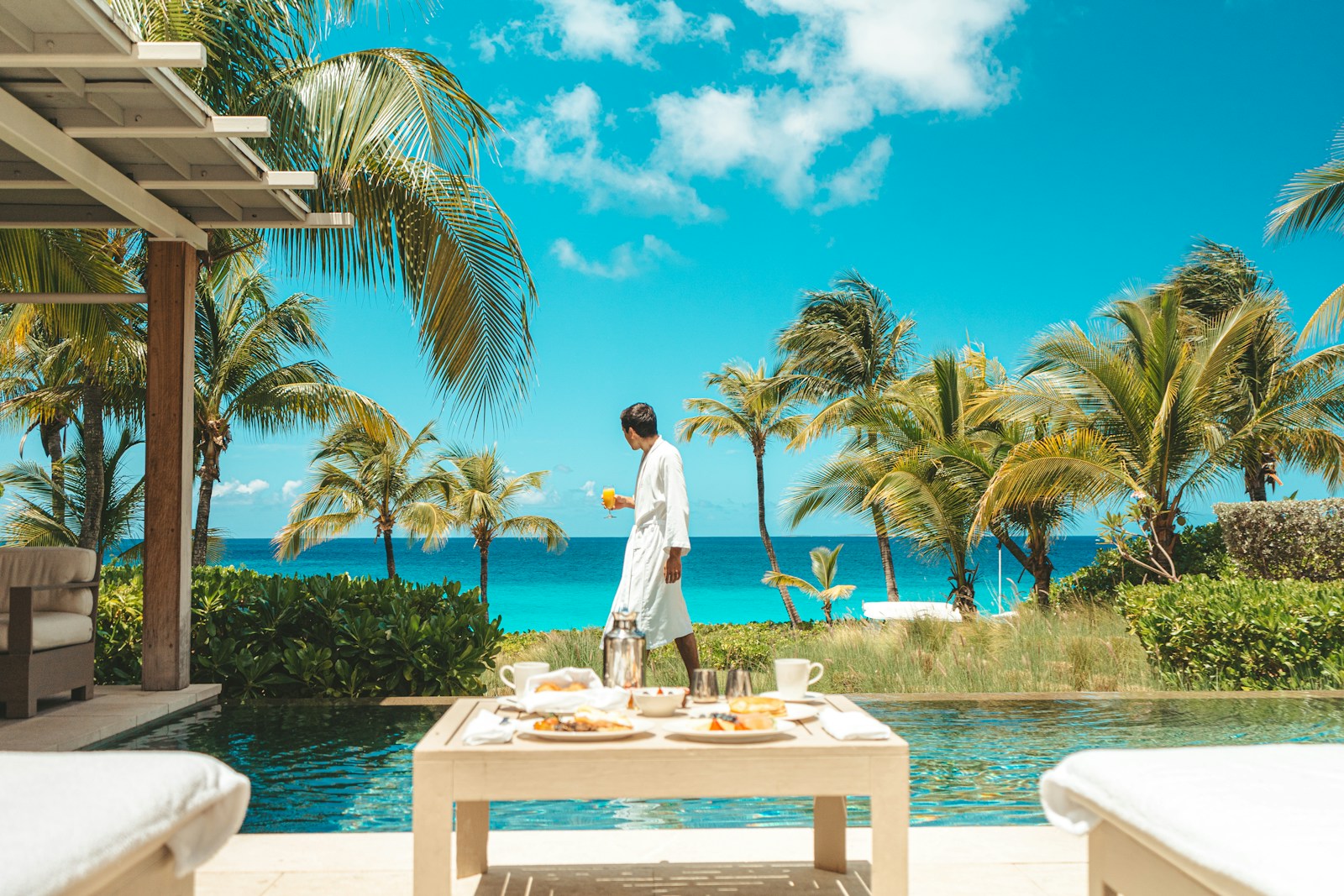
Anguilla’s Clayton J. Lloyd Airport is small but effective. Its runway handles midsize jets, the FBO moves arrivals through customs without fuss, and transfers to the island’s main beaches can take under half an hour. For private travellers who value time as much as comfort, the simplicity is part of the appeal.
What sets Anguilla apart is what it has chosen not to build. There are no cruise ports or high-rises, and long-standing planning rules have kept Shoal Bay, Meads Bay and Rendezvous Bay backed by low-rise resorts rather than towers. The result is a collection of beaches that regularly rank among the Caribbean’s best.
Malliouhana, Cap Juluca and Four Seasons Anguilla cover most luxury preferences, from classic bluff-top glamour to full-service branded reliability. Anguilla also works well in combination with St. Maarten and St. Barth, with ferries and short flights turning three very different islands into a single, efficient itinerary.
Grantley Adams International has long been the southern Caribbean’s key aviation hub. Its long runway accommodates any private jet, and Signature’s FBO makes arrivals and departures straightforward. Barbados sits far enough east to work well as a first stop for transatlantic flights before travellers continue to smaller islands by turboprop or helicopter.
On island, the west coast, often called the Platinum Coast, collects the major luxury names. Sandy Lane remains the flagship, combining serious golf and a large spa with a high-profile guest list. Smaller properties such as Cobblers Cove and The Lone Star offer a more intimate take on west-coast life, with strong food and good access to the sea.
If you’re heading deeper into the southern Caribbean, Barbados is a practical staging point. St. Vincent and the Grenadines, Grenada and Tobago are all within easy charter range. Landing here, clearing customs in comfort and continuing on a smaller aircraft often proves smoother than attempting to take a larger jet directly into more limited airports.
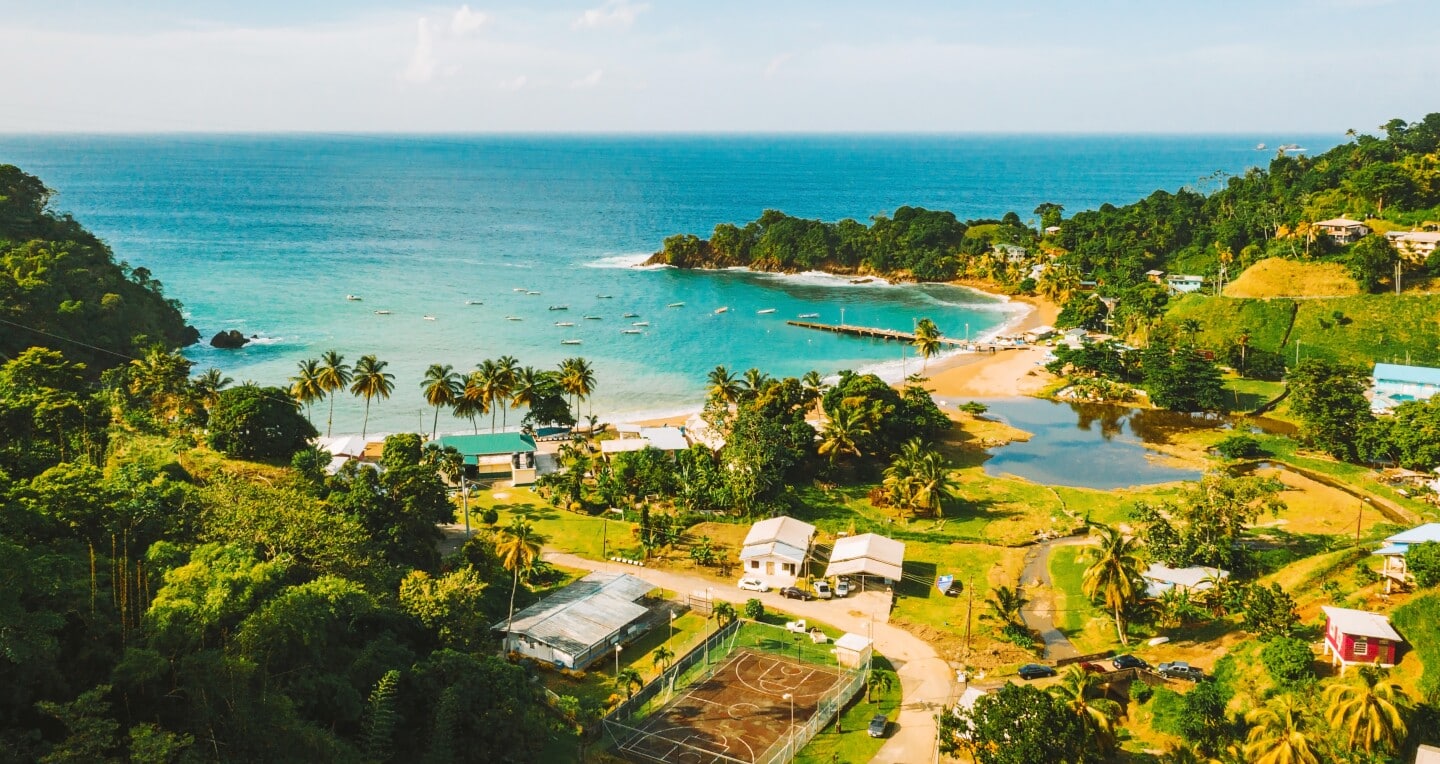
The Grenadines, scattered between St. Vincent and Grenada, are where private aviation shifts from luxury to necessity. Runways are short, airlines limited and resorts deliberately remote. Most visitors arrive by private jet into Barbados or St. Lucia, then continue by turboprop or yacht to their chosen island.
Mustique and Canouan are the main private jet draws. Mustique has its own strip for turboprops and select light jets, along with a tight-knit villa scene and The Cotton House for those not renting a house. Canouan’s longer runway allows midsize jets and gives direct access to Mandarin Oriental and Soho Beach House, two of the region’s most serious high-end options.
Smaller islands such as Petit St. Vincent lean further into seclusion, with cottage-style accommodation and uncomplicated service. For many travellers, the best way to see the Grenadines is still by yacht, using a private jet to reach the gateway and then moving between anchorages under sail.
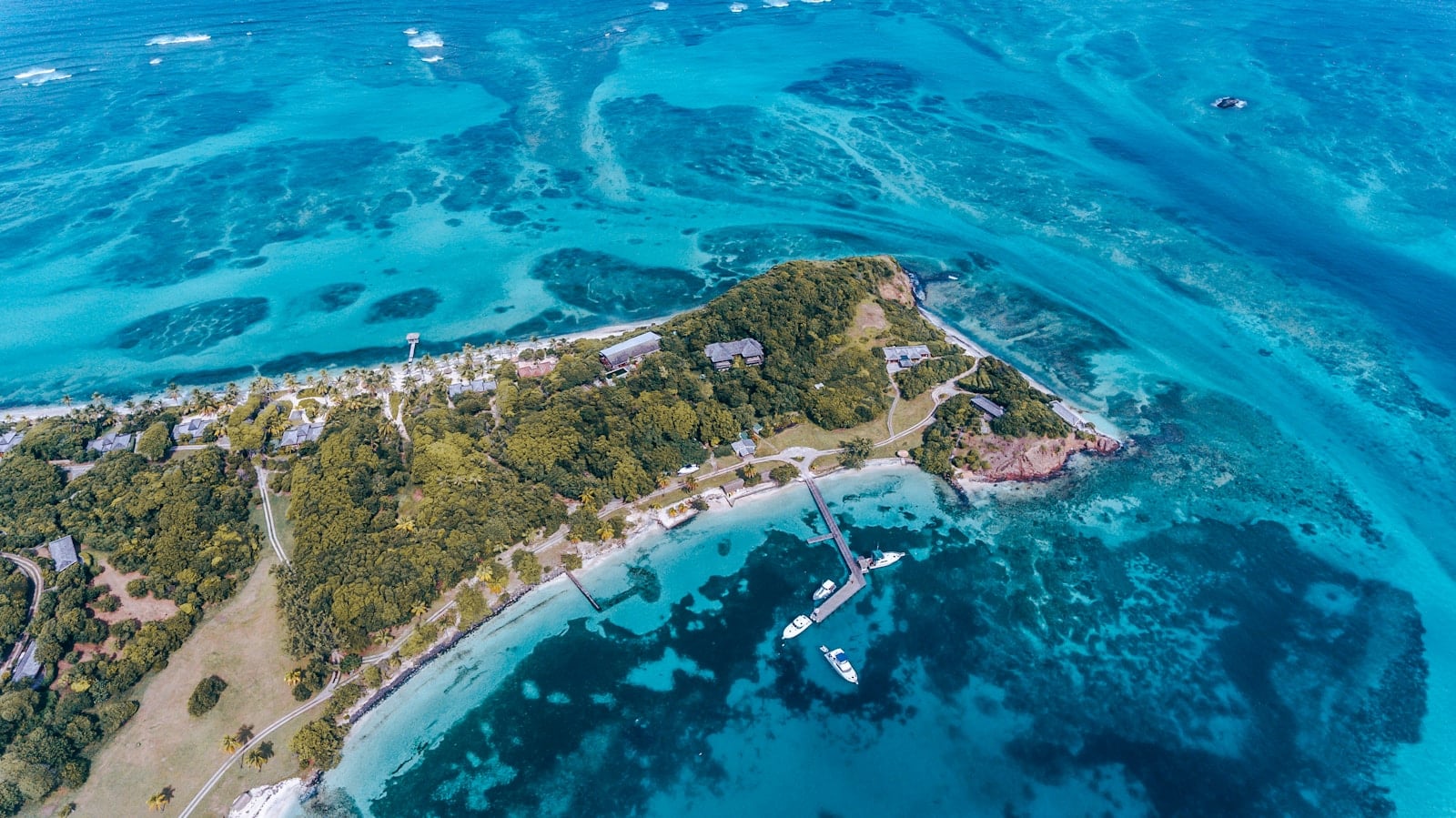
Owen Roberts International Airport operates with a level of efficiency that suits Cayman’s financial-center role. The runway takes heavy jets, private arrivals move through FBO facilities quickly, and flights from Miami and major US cities are short. For travellers looking to minimize friction, the island is an easy choice.
Grand Cayman trades drama for reliability. Seven Mile Beach is consistently good, diving is excellent and the infrastructure is built around smooth, high-end tourism. It is not the most culturally layered island in the region, but it delivers modern comfort with very few surprises.
The Ritz-Carlton and Kimpton Seafire dominate the luxury scene on Seven Mile Beach, while the Kaibo and Rum Point area on the north side offers a quieter alternative for those happy with fewer dining and hotel options. From Grand Cayman, small planes link to Little Cayman and Cayman Brac for travellers whose priority is world-class diving.
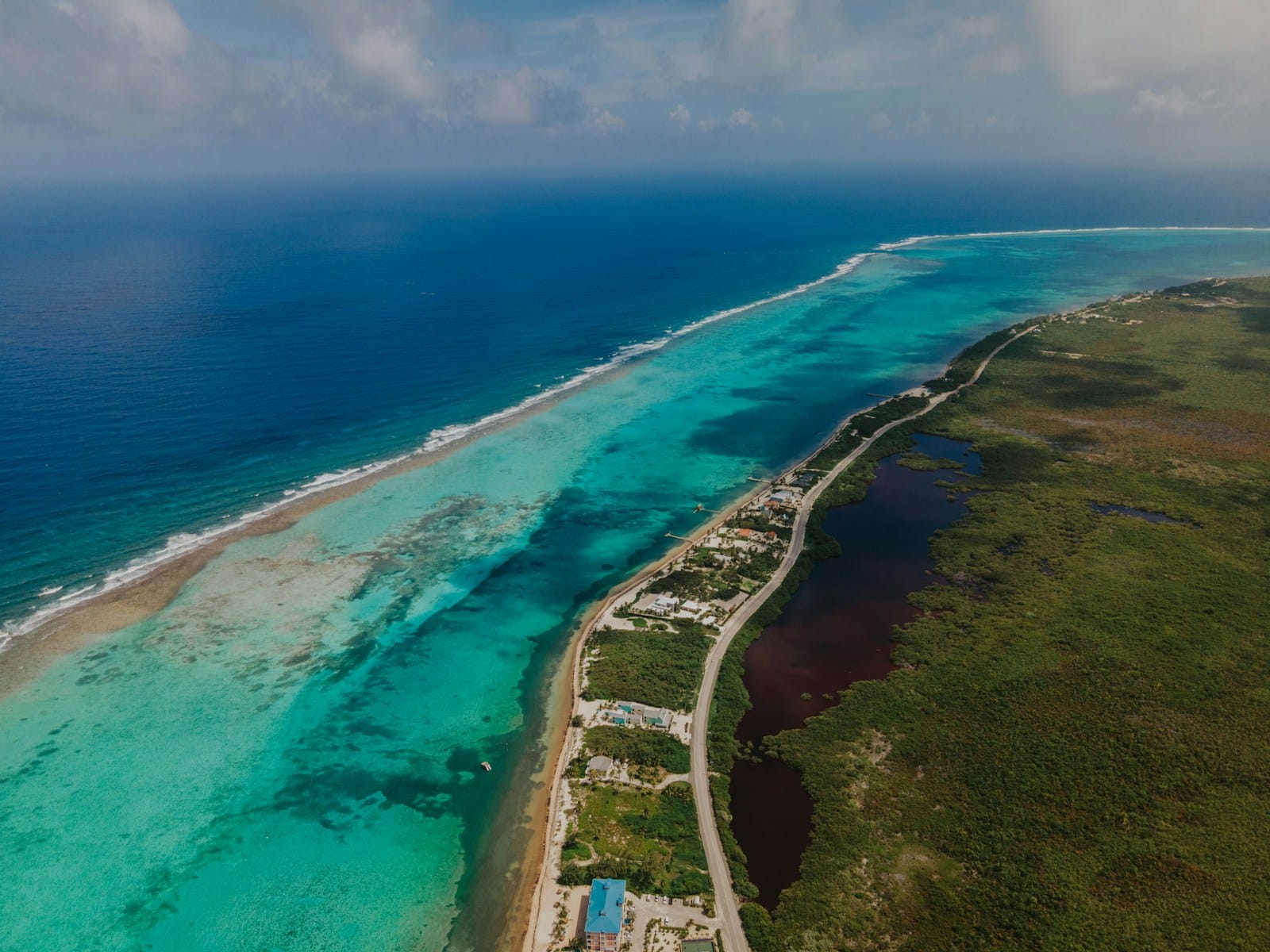
Sangster International in Montego Bay gives private jet travellers direct access to Jamaica’s north coast resorts. The runway handles any aircraft, the FBO has improved significantly in recent years and most major hotels sit within an hour’s drive. For those who know the island, this convenience is a major plus.
Jamaica offers cultural weight that many smaller islands cannot match. This is where reggae began, where jerk cooking was refined and where Kingston still functions as a real Caribbean capital. The Blue Mountains produce coffee that commands serious prices, and the island’s history, both proud and difficult, adds context to any stay.
Round Hill, Half Moon and GoldenEye remain the key luxury names, each with a different personality and loyal following.
Jamaica’s challenges are real: security concerns that require sensible precautions, infrastructure outside resort areas that can disappoint, a tourism industry that sometimes prioritizes volume over experience. But for travellers willing to engage, the island delivers rewards unavailable elsewhere in the Caribbean. Private aviation makes Jamaica’s north coast as accessible as any regional destination, while sparing visitors the particularly challenging experience of navigating Sangster’s commercial terminal.
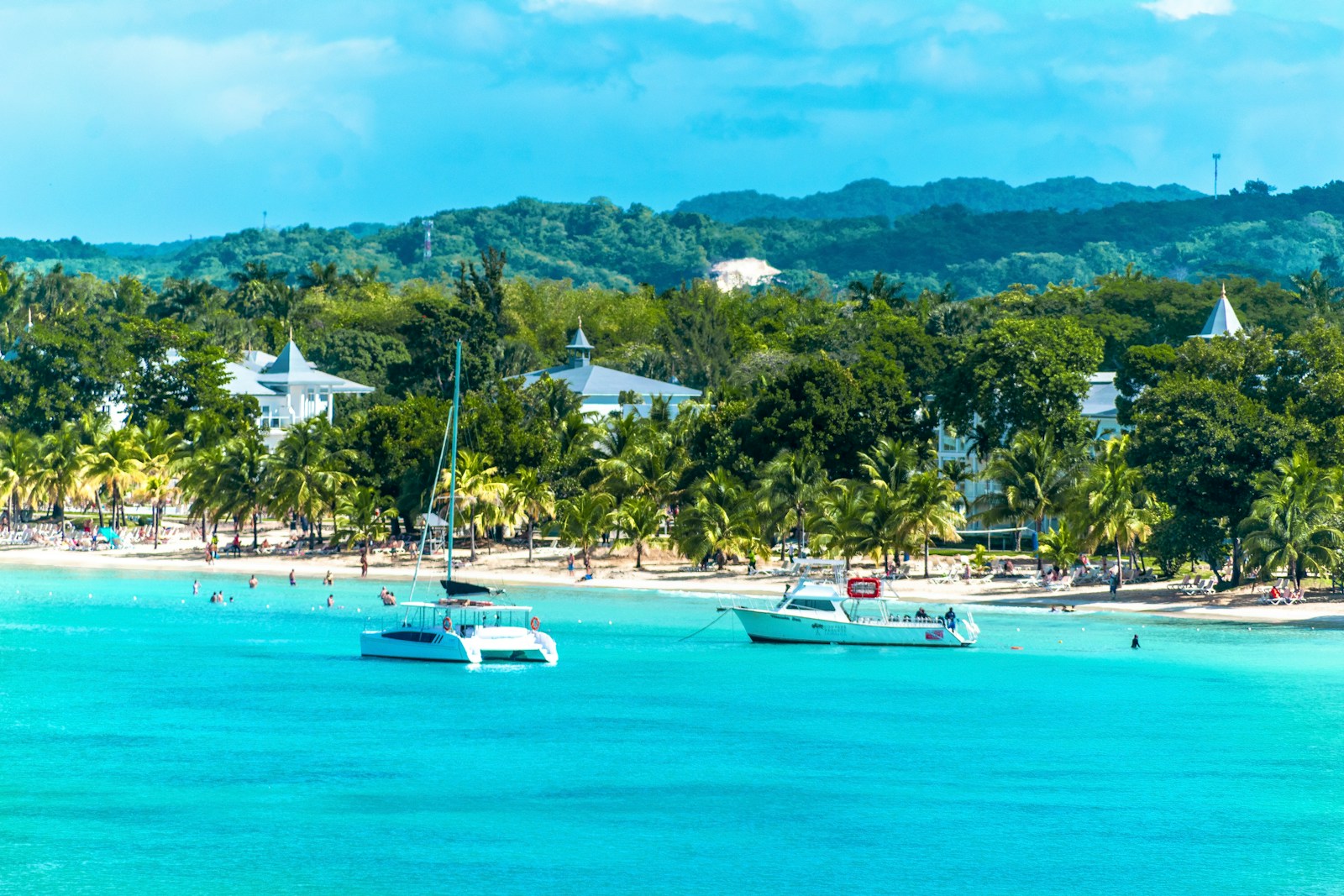
Caribbean private aviation works on slightly different rules than domestic flying. Customs procedures vary widely, fuel availability can shape routing, and hurricane season from June to November adds another layer of planning. Using operators experienced in the region is essential.
Costs are higher than many travellers expect, thanks to handling fees, permits and international operations. The trade-off is time saved, flexibility gained and the ability to reach islands that are poorly served by commercial routes.
For the right traveler, private aviation changes the Caribbean from a network of awkward connections into a set of direct, efficient journeys. The destinations above combine capable airports with experiences that justify the investment, turning arrival into part of the pleasure rather than an obstacle to endure.
Ready to plan a Caribbean journey that moves as smoothly as it feels? Speak with Do Not Disturb and we will design a private-friendly itinerary that aligns your aircraft, your islands and your time.
Suggested articles


Tell us how you want to feel, we’ll take it from there.
“Our trip was truly magical and full of core memories that will last us a lifetime.”
Michael • Bora Bora Honeymoon

“We just returned from an incredible journey through Ireland, and we couldn’t have had a better experience”
Brad • Ireland Adventure
“This was a flawless experience right from the beginning, we had so many thoughts and ideas flowing around and they took all of them and perfectly curated the most beautiful honeymoon for us.”
Kris • Sicily Honeymoon
See more reviews on Trustpilot
 12 min read
Angkor Wat is one of the world’s most extraordinary temple complexes, but experiencing it well comes down to timing, pacing and where you choose to stay. This is how to plan the perfect luxury trip.
 11 min read
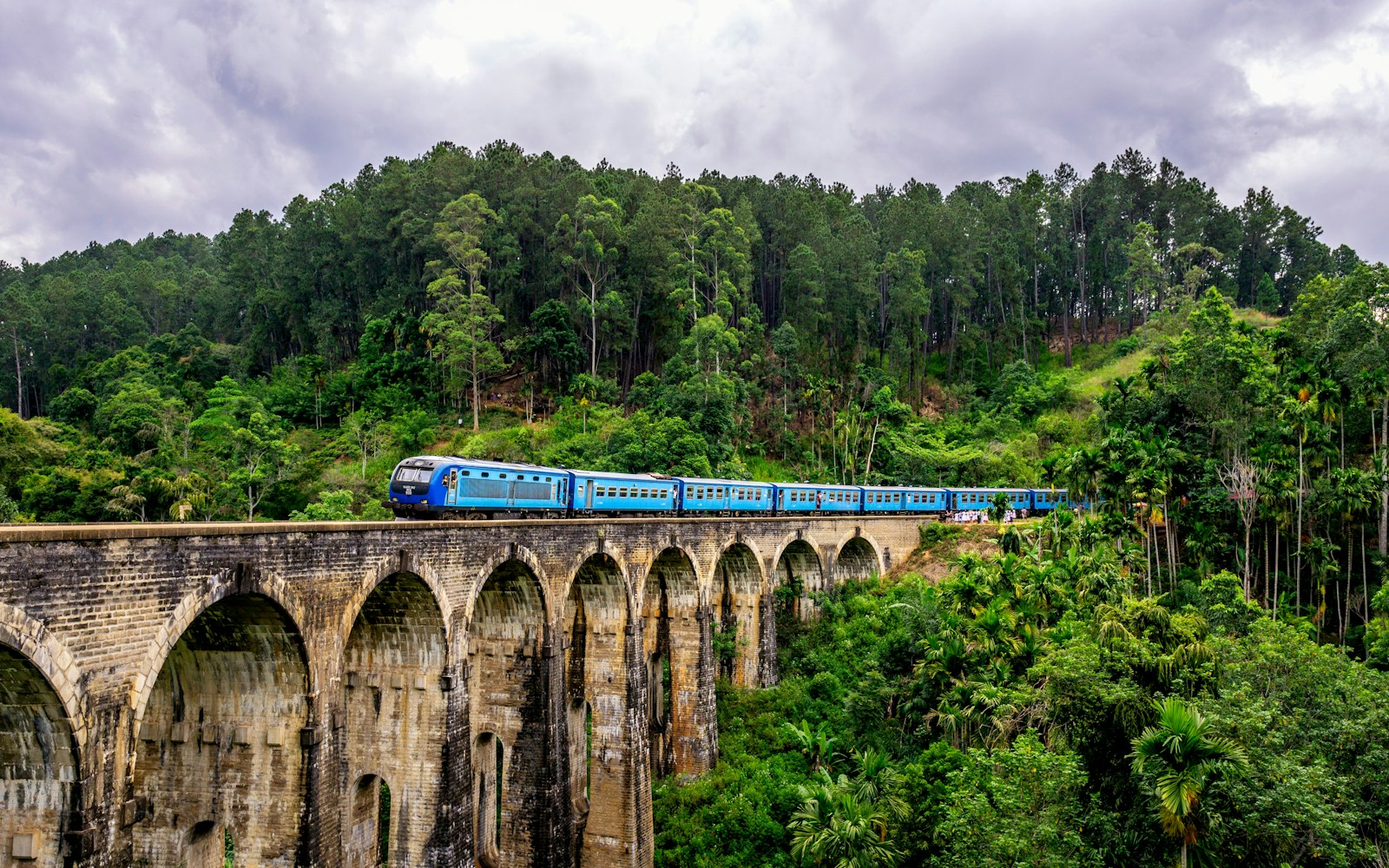
Sri Lanka’s tea country is a place where production and landscape are inseparable. From hand-plucked leaves to historic bungalows, this guide walks you through how the region looks, works and feels.
 10 min read
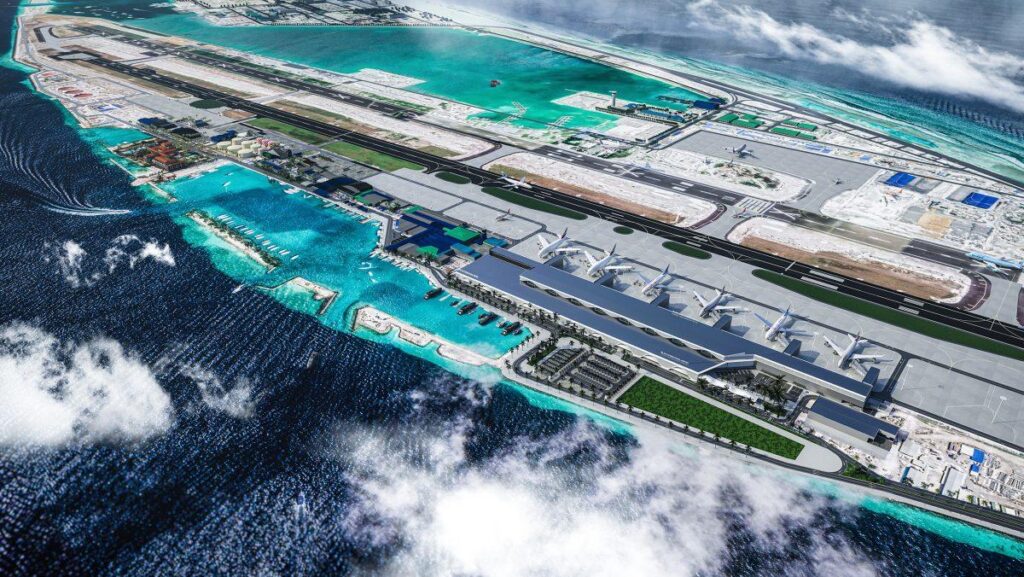
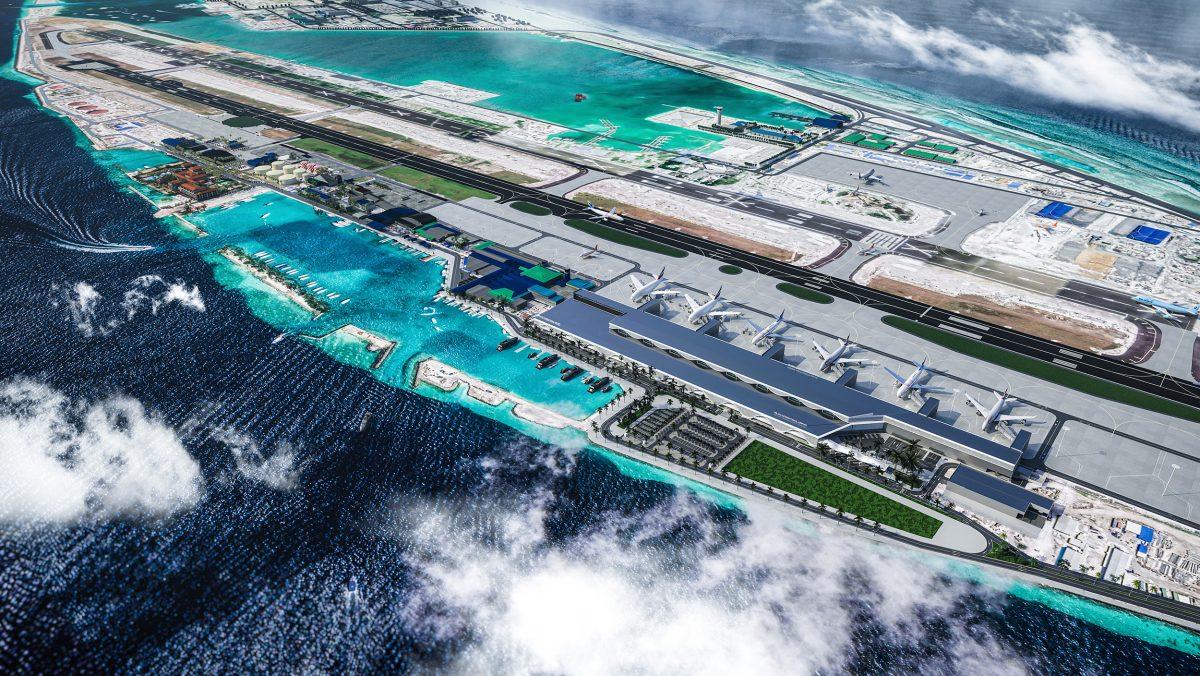
The Maldives has quietly solved its biggest travel flaw. With the new Velana International Airport, the long, chaotic arrival is replaced by speed, space and a seaplane transfer that finally feels worthy of the destination.
 13 min read
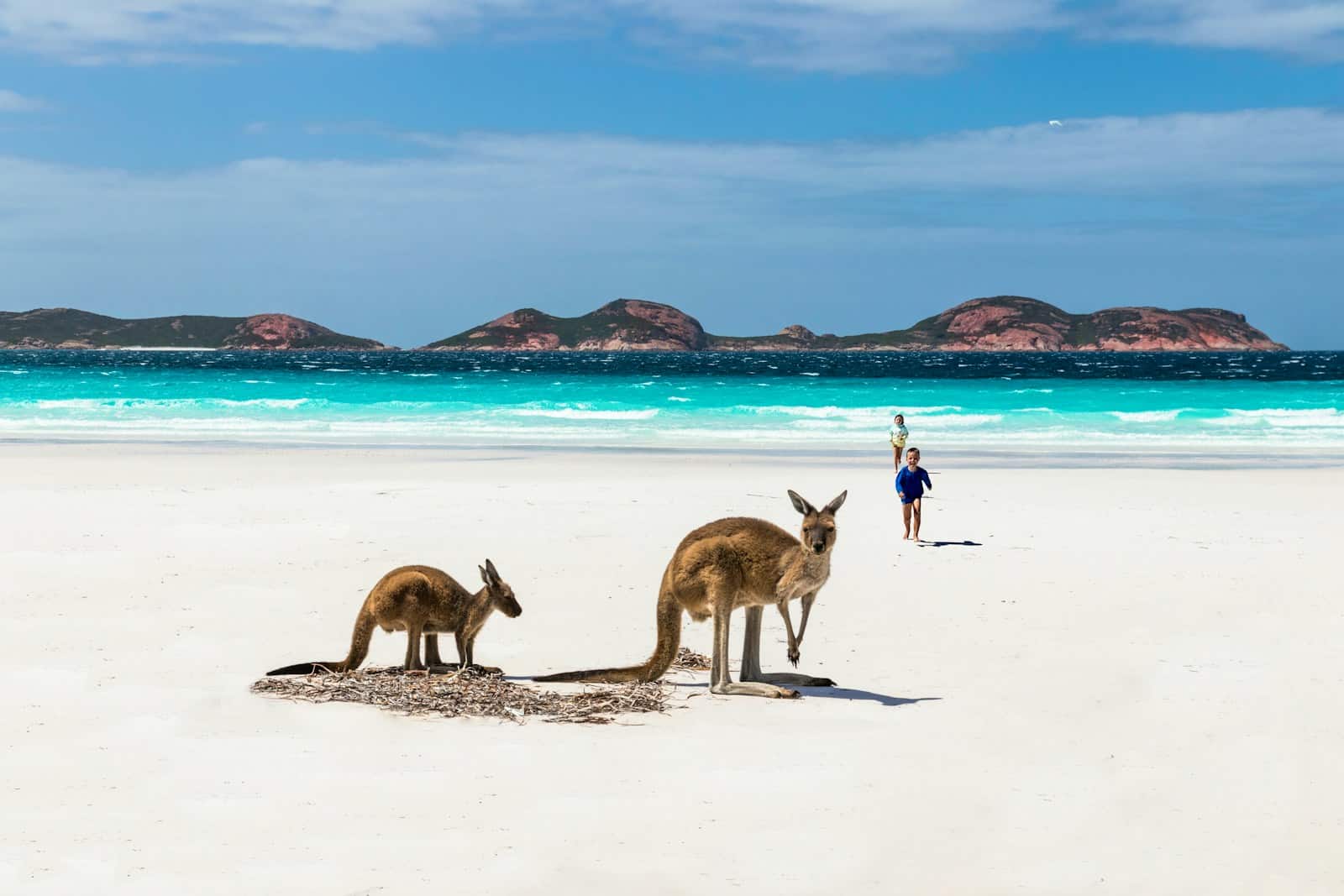
Australia’s coastline stretches for 34,000 kilometers, and scattered along its length lie islands that range from tropical reef cays to temperate wilderness sanctuaries. The country has been slower than the Maldives or French Polynesia to develop its island luxury potential, but that’s changing.

Ask us anything.
