Australia’s best producers now craft wines that compete with Burgundy and Bordeaux at the highest levels, their vineyards tended with the care of European grand crus. The wine tourism infrastructure has evolved accordingly.
Australian wine has entered a new era. The country that once flooded export markets with supermarket-friendly bottles now produces wines that stand beside the best of Europe and the Americas. That evolution has reshaped the regions themselves. Cellar doors have become architectural showcases.
Restaurants now serve produce-driven menus designed around specific vintages. Hotels are no longer simple vineyard cottages but luxury retreats where guests wake to the sight of vines that might appear, years later, on a bottle they buy at auction.
For travellers, this means Australia’s wine regions are no longer quick day trips. They are destinations worthy of long weekends, multi-stop itineraries and journeys that combine vineyard culture with beaches, forests and country towns.
Among the country’s many regions, three offer the strongest sense of identity: the Barossa Valley in South Australia, Margaret River in Western Australia and the Hunter Valley in New South Wales.
Each region produces wines shaped by its landscape and history. Each has built a hospitality scene that understands modern luxury. And each offers enough depth to justify the hours it takes to reach them.
Barossa Valley, South Australia
Historic vineyards, bold shiraz, and a landscape shaped by European heritage.
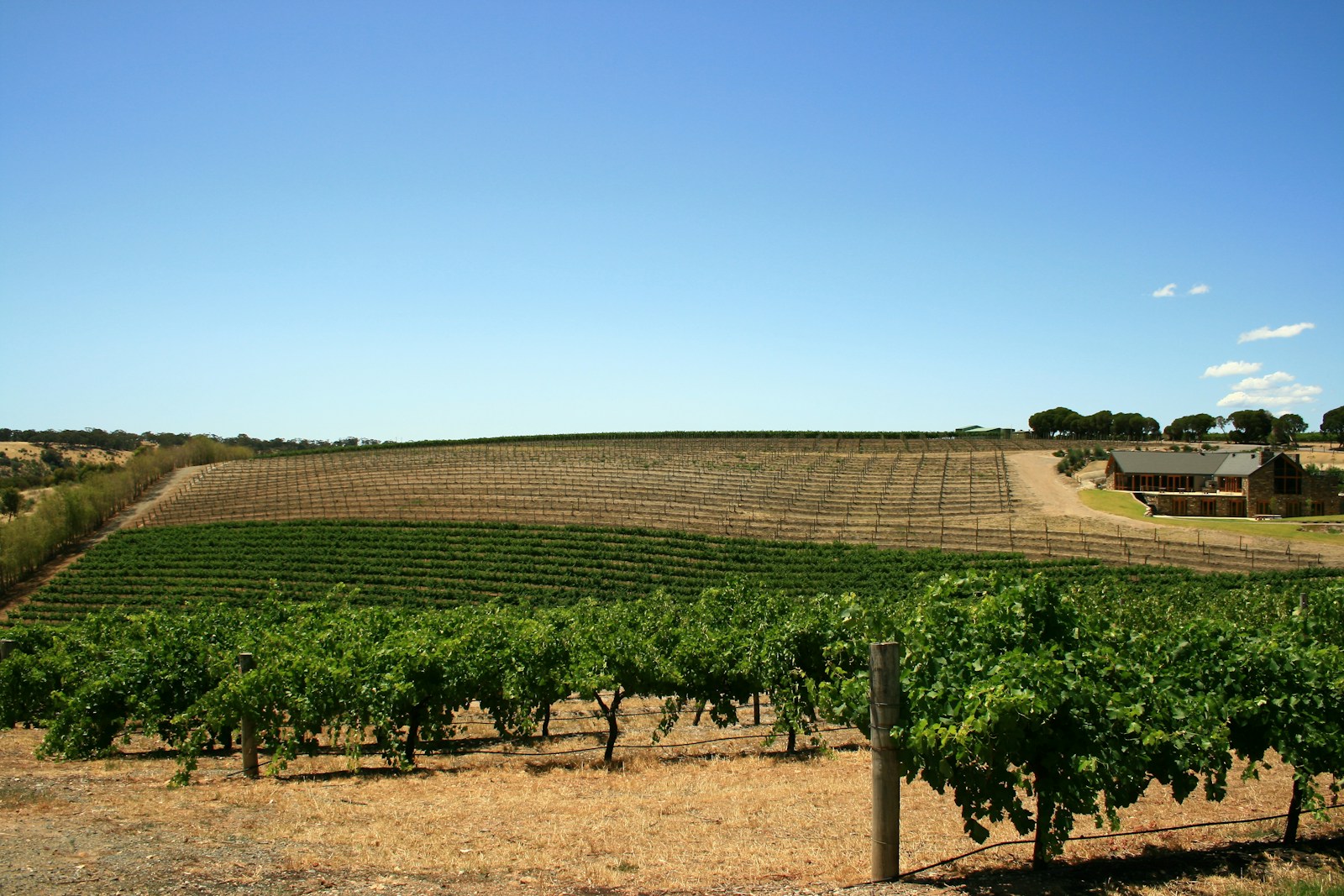
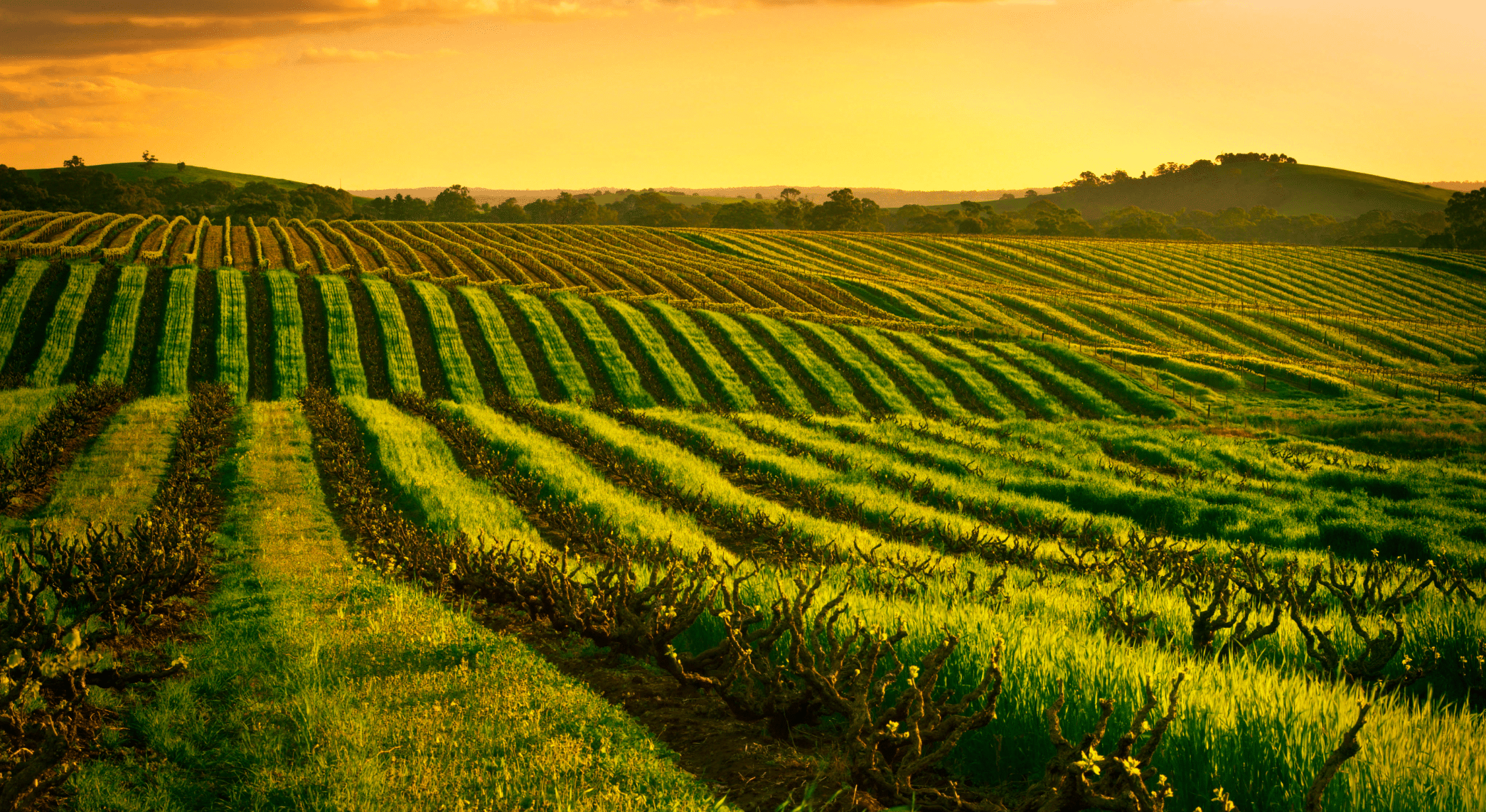
The Barossa Valley has the deepest roots of any major Australian wine region. German Lutheran settlers planted vines here in the 1840s, and many of those vineyards still exist today. Some shiraz blocks contain vines more than 150 years old, producing wines with incredible density and longevity.
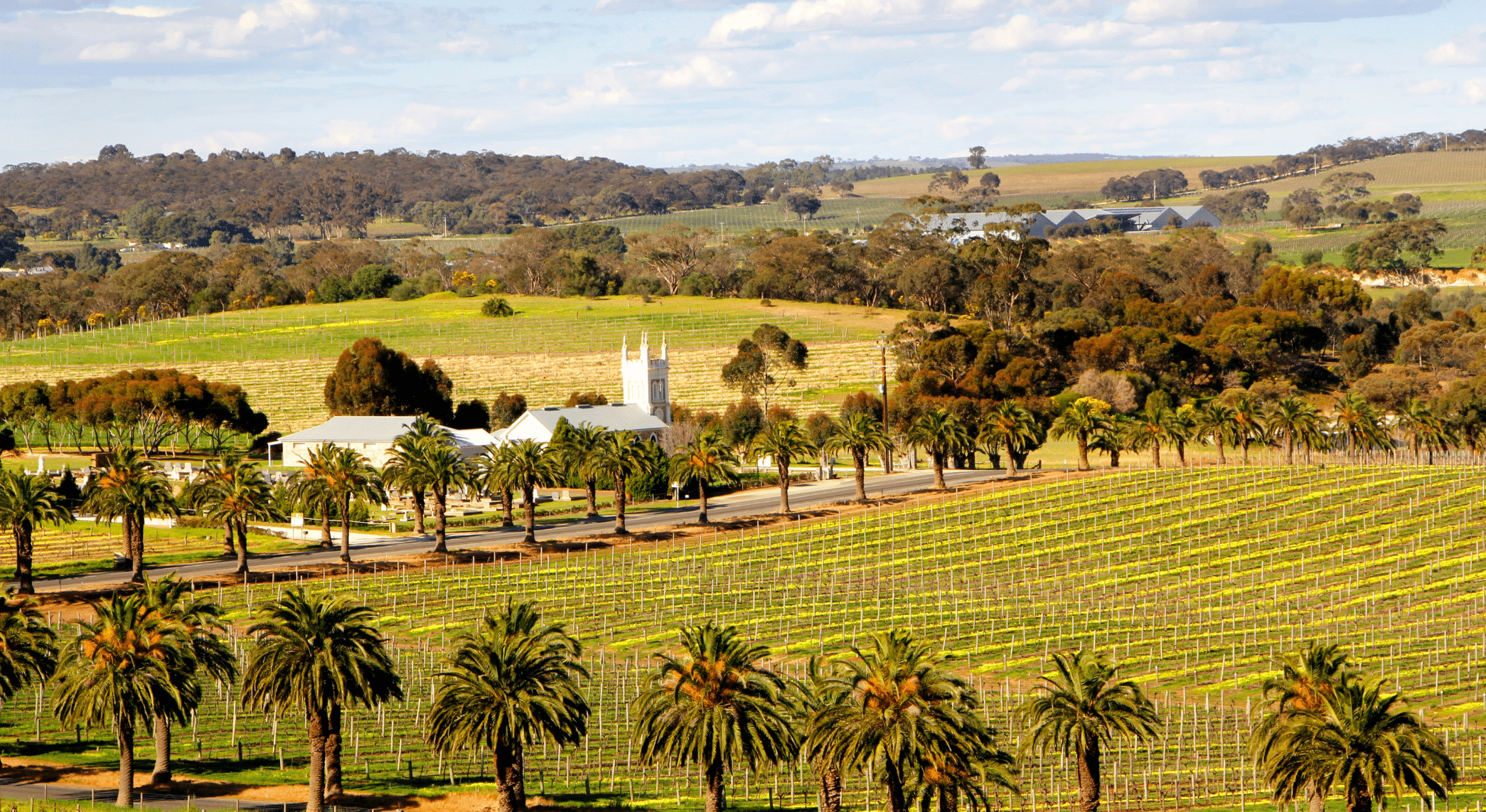
The valley has a European feel, with stone churches, old farmhouses, and small towns like Tanunda and Angaston that reflect their German ancestry. Roads curve through gum trees and vineyards, and the region feels lived-in and agricultural rather than polished or staged.
Where to Stay
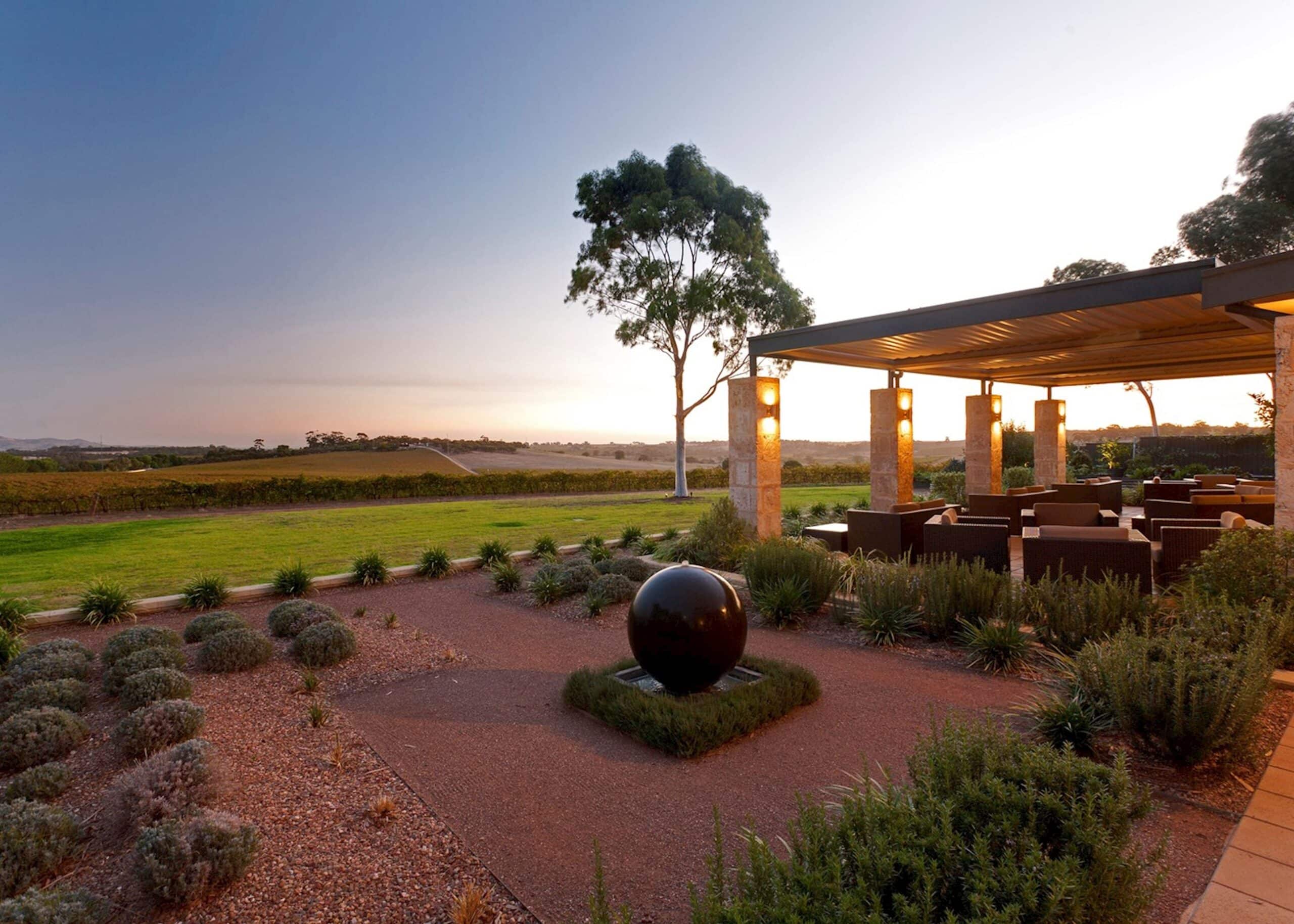
The Louise is the Barossa’s top luxury hotel. Suites are spacious and contemporary, with terraces overlooking the vines and bathrooms designed for long baths. The on-site restaurant, Appellation, is one of the country’s best regional dining rooms, using produce from local farms and its own garden.
Sequoia Lodge offers a more intimate alternative. With only a handful of suites, it suits couples who want privacy, wellness, and vineyard views at every turn.
If you prefer historic architecture, Kingsford The Barossa and The Marble Lodge provide beautiful heritage experiences without compromising comfort.
Where to Taste
With more than 150 wineries, the Barossa offers depth that can be overwhelming. The best approach is selective.
Henschke, located in nearby Eden Valley, pours some of Australia’s most iconic wines. The Hill of Grace vineyard, with vines planted in the 1860s, produces wines that collectors chase globally.
Torbreck focuses on old-vine fruit and Rhône-influenced blends. RunRig and The Laird are cult favorites, but the entry wines are also excellent.
Seppeltsfield is a full-day destination. You can taste fortified wines dating back more than a century and explore a property that includes dining, art studios, and beautifully restored historic buildings.
Guests who want boutique encounters book appointments at Standish, Turkey Flat, or Cirillo Estate, where tastings often take place with the winemakers themselves.
Dining Beyond the Winery
The Barossa dining scene has matured considerably, with restaurants now competing for attention rather than simply servicing visitor traffic.
Fermentasian, in Tanunda, brings Southeast Asian influences to regional ingredients, its contemporary approach providing welcome contrast to the meat-and-red-wine orthodoxy that dominates local menus.
Hentley Farm, on a historic property outside Seppeltsfield, offers tasting menus that have earned national recognition, their multiple courses designed for full evening immersion. FIN at Seppeltsfield focuses on seafood, a surprising choice for a landlocked wine region but executed with skill that justifies the divergence.
For simpler pleasures, Maggie Beer’s Farm Shop provides the region’s most celebrated cook at her most accessible, with tastings of the products that made her name and a cafe serving dishes that demonstrate their application. Apex Bakery in Tanunda maintains Germanic traditions, its pretzels, breads, and pastries fueling morning vineyard explorations.
Margaret River, Western Australia
Wines of finesse, dramatic coastline, and a lifestyle shaped by surf, forest, and sea.
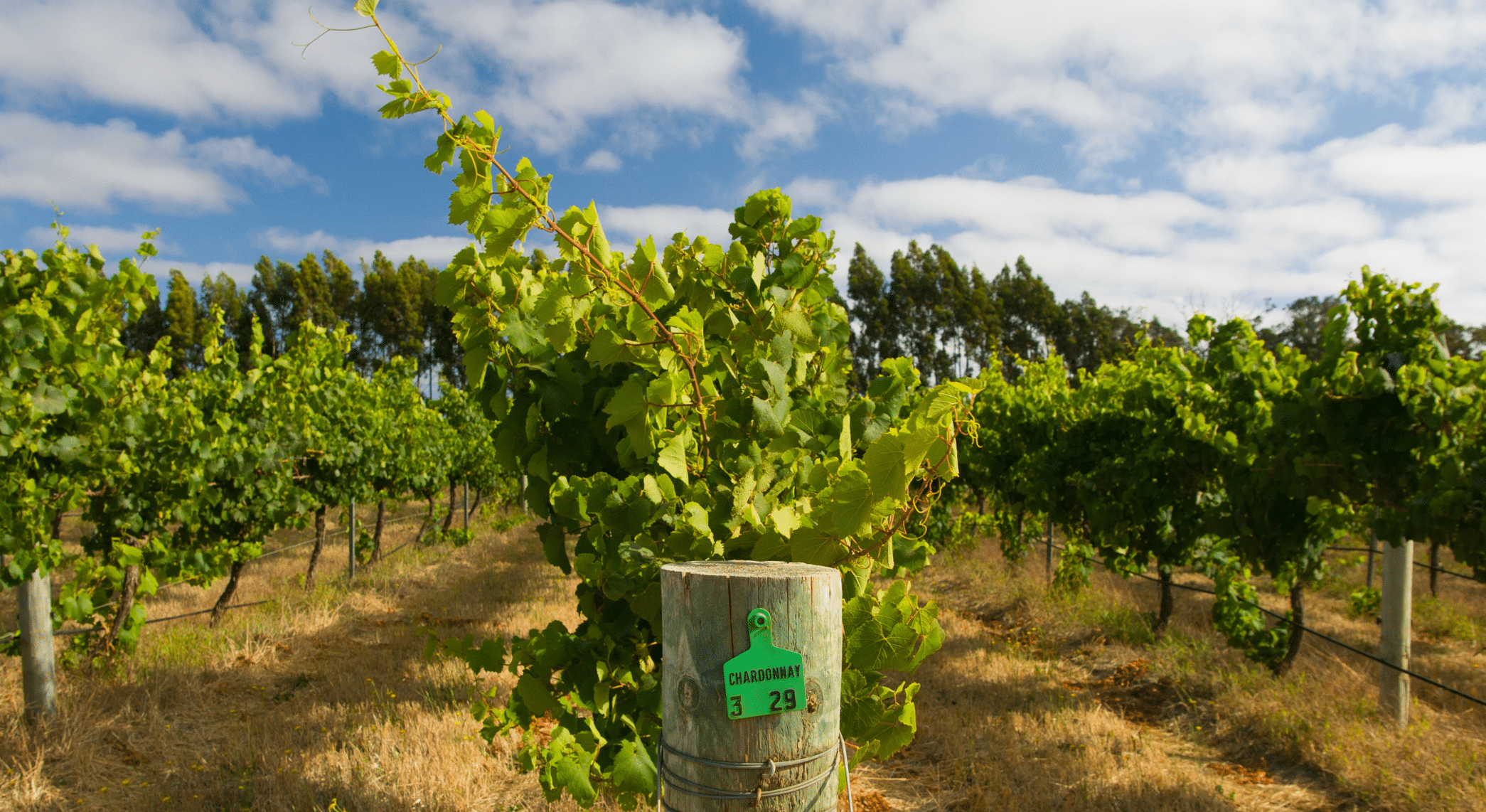
Margaret River sits three hours south of Perth on a peninsula bordered by the Indian and Southern Oceans. With a maritime climate, tall forests, and limestone cliffs, the region feels both agricultural and coastal. It is younger than the Barossa, with commercial winemaking beginning in the 1960s, but now produces some of Australia’s most elegant wines. Cabernet and chardonnay lead the way, though many estates excel with sauvignon blanc, semillon, syrah, and more experimental varieties.
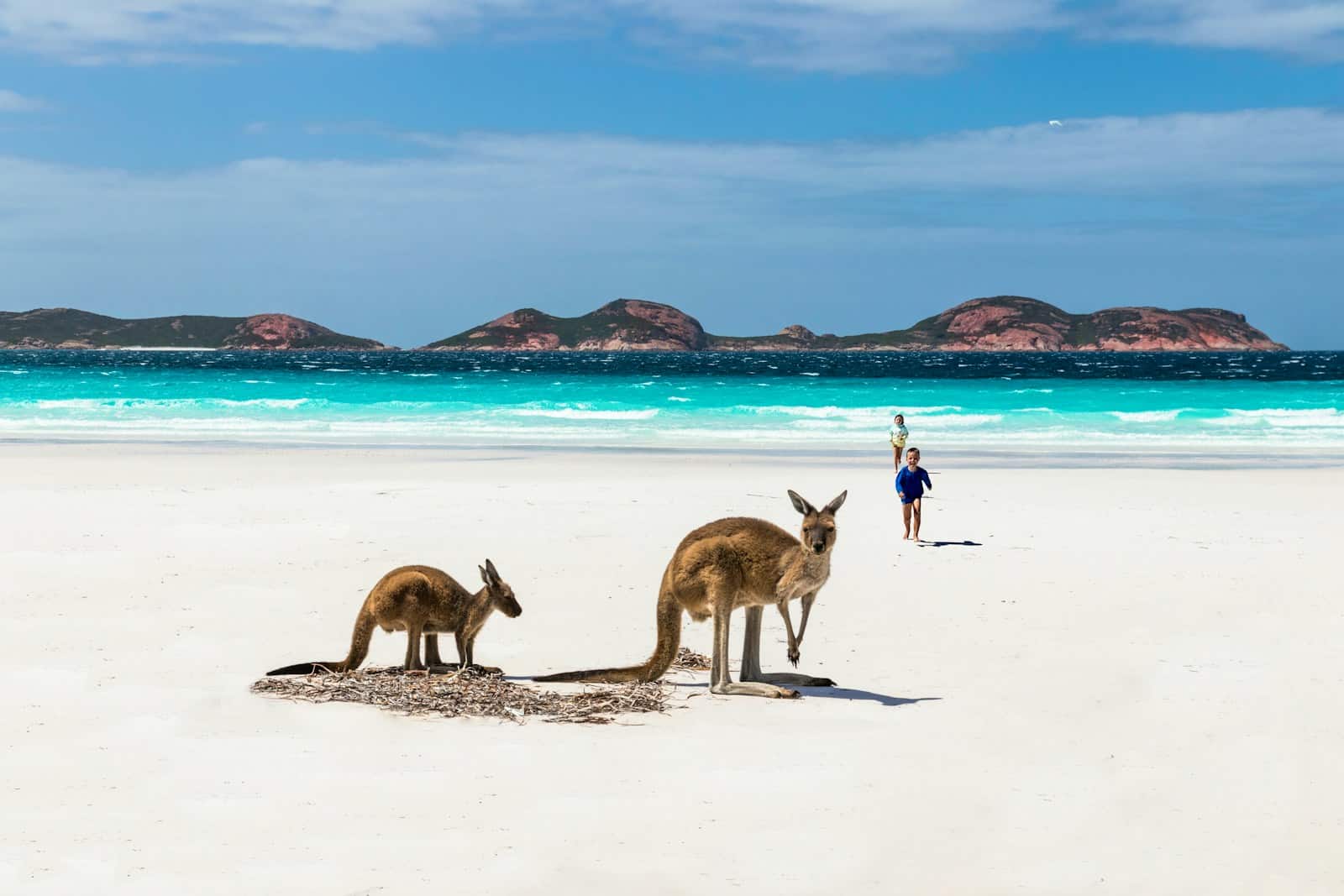
The region’s appeal lies in the combination of wine and landscape. Visitors can spend a morning tasting chardonnay, an afternoon at a white-sand beach, and an evening watching the sun drop into the Indian Ocean.
Where to Stay
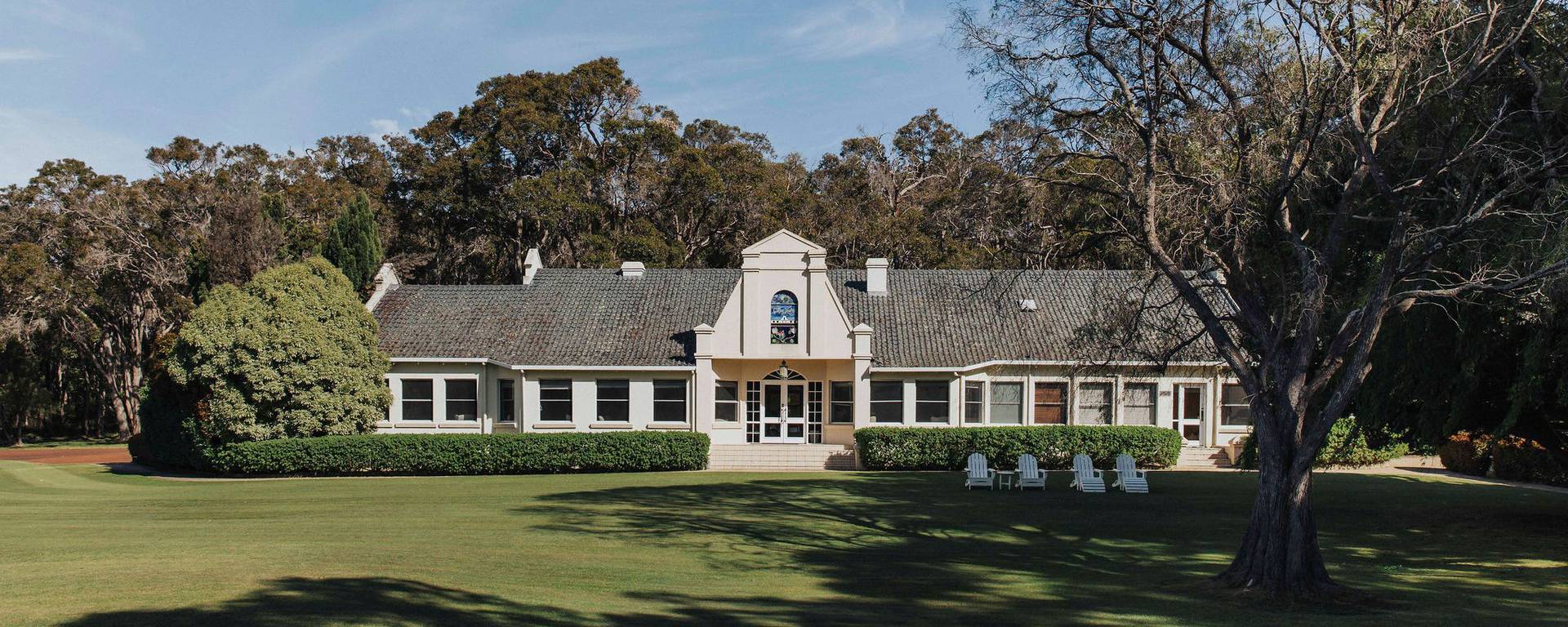
Cape Lodge anchors the region’s luxury scene. Set on its own vineyard, the lodge offers refined rooms and a restaurant that consistently ranks among Australia’s best.
Pullman Bunker Bay suits travellers who want a beachfront resort atmosphere with spacious villas, a spa, and direct access to one of the region’s most beautiful coves.
Empire Retreat and Spa offers contemporary suites surrounded by native bushland, perfect for if you want a wellness-focused stay.
For fully private ocean views, Injidup Spa Retreat delivers a collection of clifftop villas with plunge pools and panoramic Indian Ocean views.
Where to Taste
Margaret River’s cellar doors are close together, making it easy to visit several in a day.
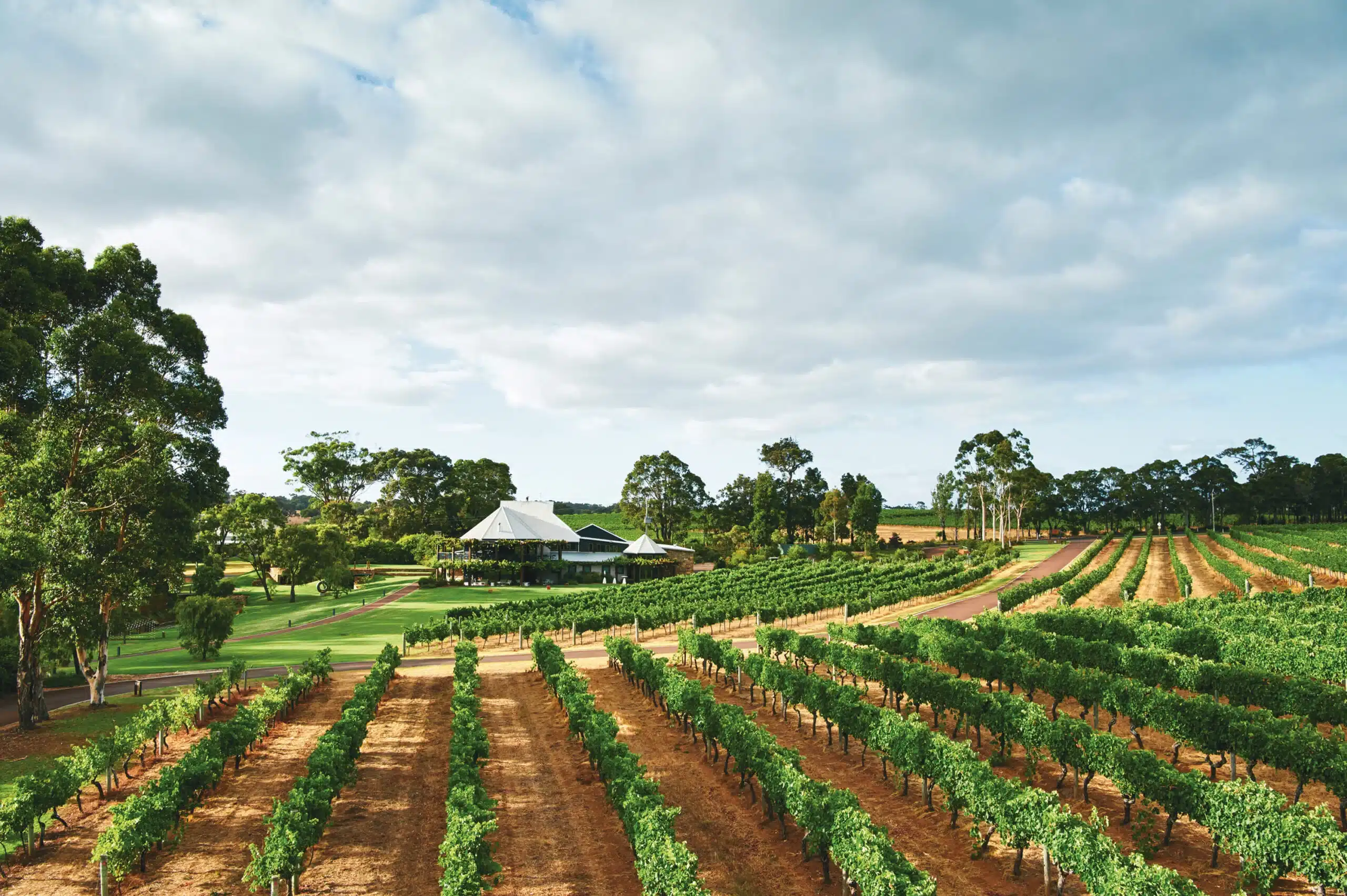
Vasse Felix, the region’s founding estate, mixes serious architecture, an impressive art gallery, a top-tier restaurant, and excellent wines led by Heytesbury Chardonnay and Tom Cullity Cabernet.
Leeuwin Estate is equally celebrated, known for Art Series wines, a performance amphitheater, and a restaurant with sweeping views.
Cullen Wines follows biodynamic principles and produces some of the region’s most distinctive bottles. The estate restaurant uses vegetables and herbs grown on-site.
Voyager Estate offers guided tastings, paired menus, and beautifully maintained grounds that elevate the experience.
More intimate appointments at Woodlands, Moss Wood, or Pierro allow you to taste through limited-production cabernets and chardonnays poured by the people who make them.
Beyond the Vines
Margaret River’s coastal setting provides diversions unavailable in landlocked wine regions. The surf breaks here attracted wave riders long before wine tourists arrived, and the beaches remain central to local culture. Surfers Point, The Box, and Main Break draw experienced surfers, while calmer waters at Bunker Bay and Meelup provide swimming suitable for all abilities.
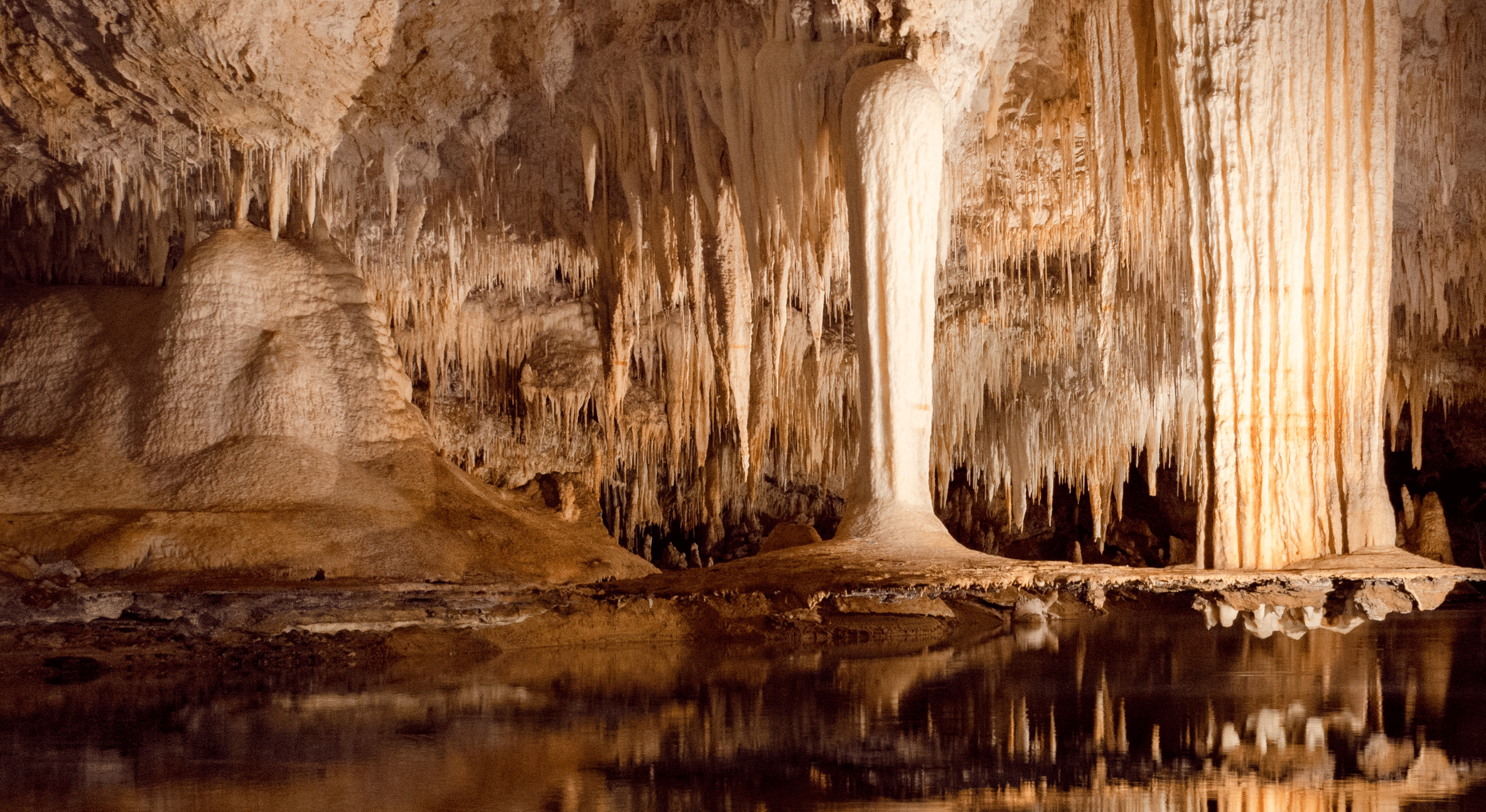
The limestone caves beneath the peninsula offer geological counterpoint to viticultural pleasures. Mammoth Cave, Lake Cave, and Jewel Cave provide guided tours through formations that have developed over millions of years, their stalactites and stalagmites creating underground cathedrals that reward the short diversions from wine-focused itineraries.
Hunter Valley, New South Wales
Heritage estates, semillon, and the easiest access of any major Australian wine region.
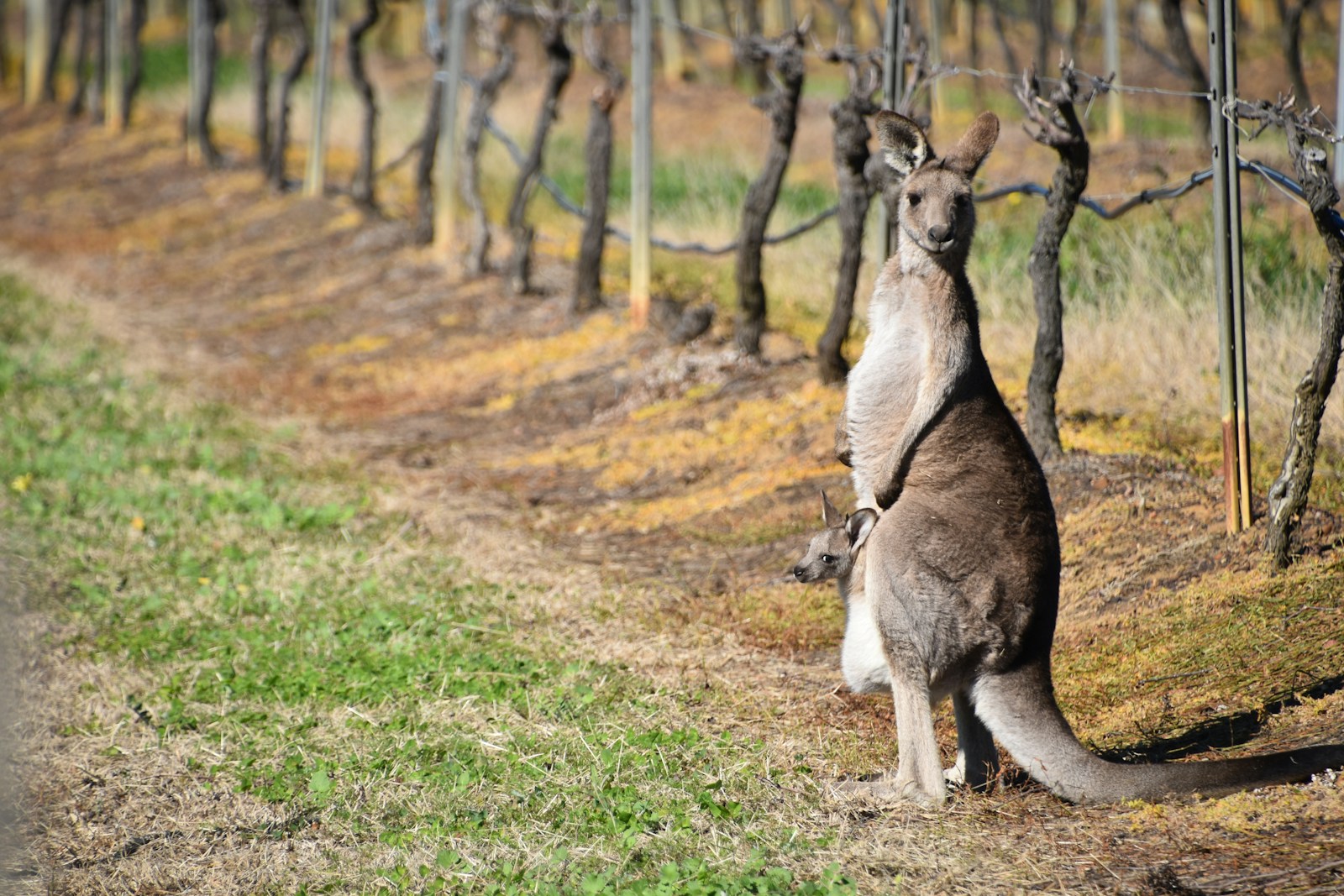
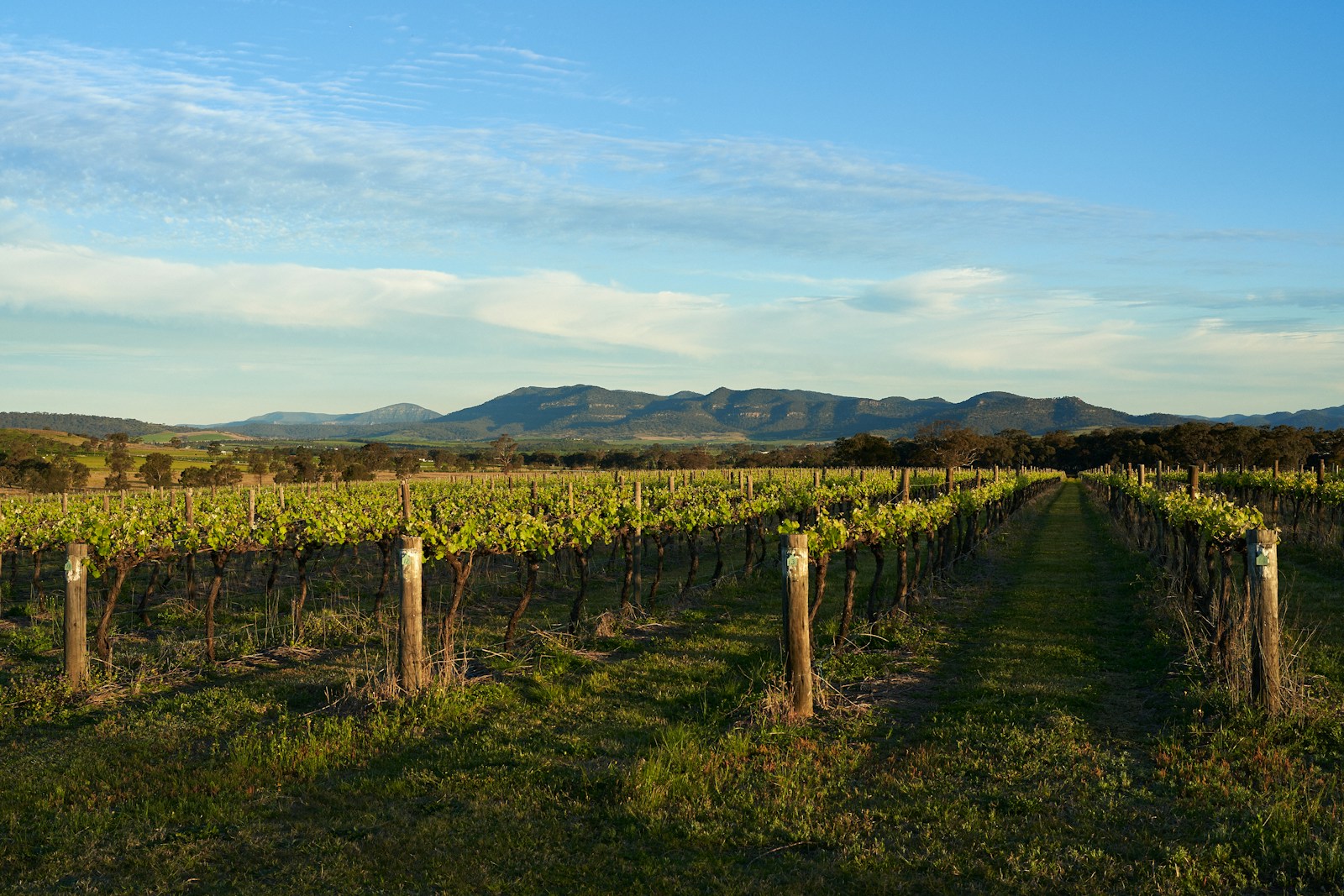
The Hunter Valley is the country’s oldest commercial wine region and lies just two hours from Sydney. That proximity has shaped its culture. It feels like a weekend region, designed for people who want to escape the city but expect high-quality dining and lodging.
The Hunter is defined by semillon, a white wine that starts lean and citrus-driven but transforms with age into something honeyed, complex, and incredibly long-lived. Shiraz here is medium-bodied and savory, quite different from richer South Australian styles.
Where to Stay
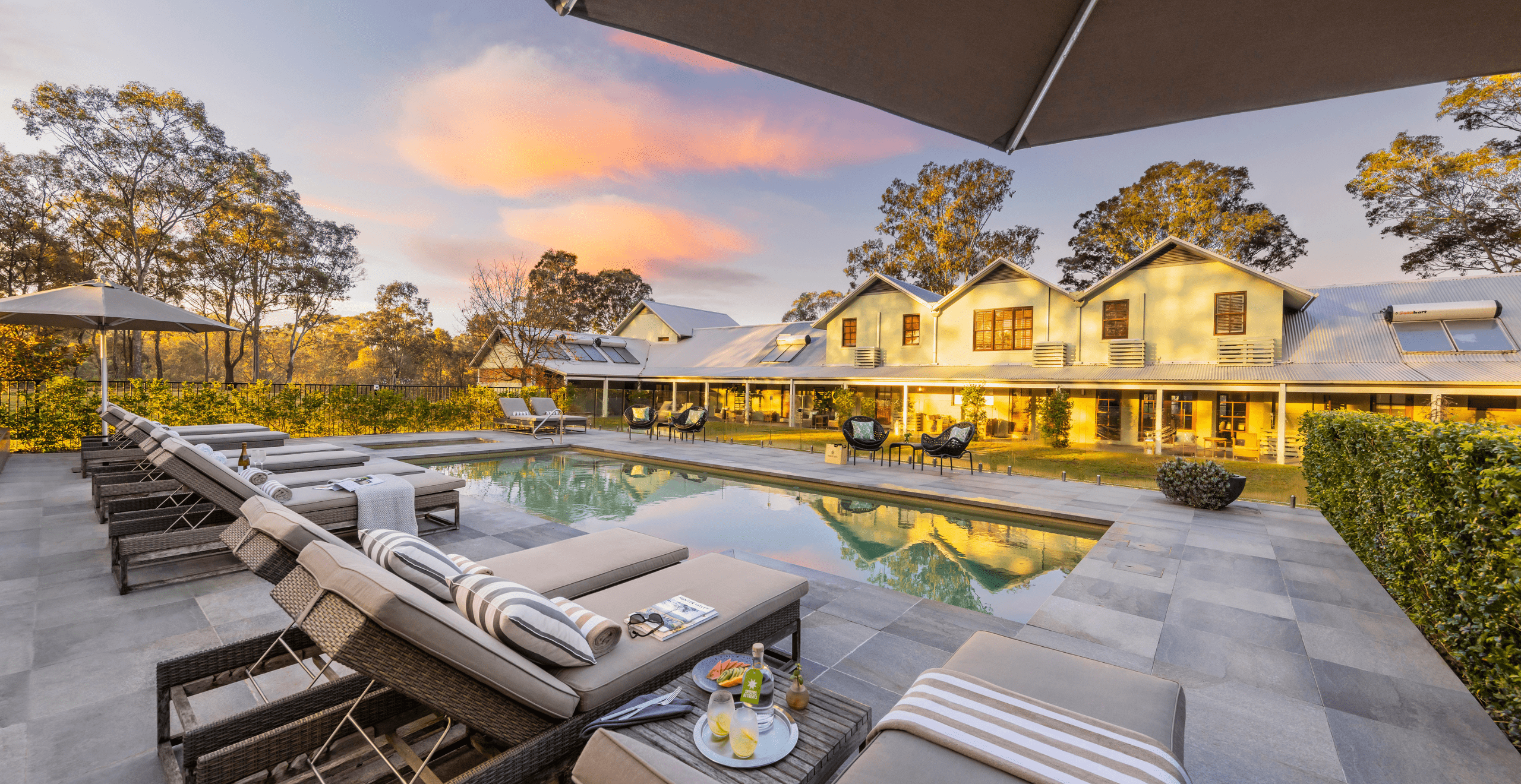
Spicers Vineyards Estate leads the luxury category, with suites surrounded by vines, in-room fireplaces, generous soaking tubs, and a restaurant, Botanica, known for its produce-focused menus.
The Convent Hunter Valley blends historic character with refined hospitality and sits next to Muse Restaurant, one of the region’s best.
Tower Estate offers boutique comfort surrounded by its own vineyards.
Private villas and cottages across the region suit families or groups, but quality varies widely.
Where to Taste
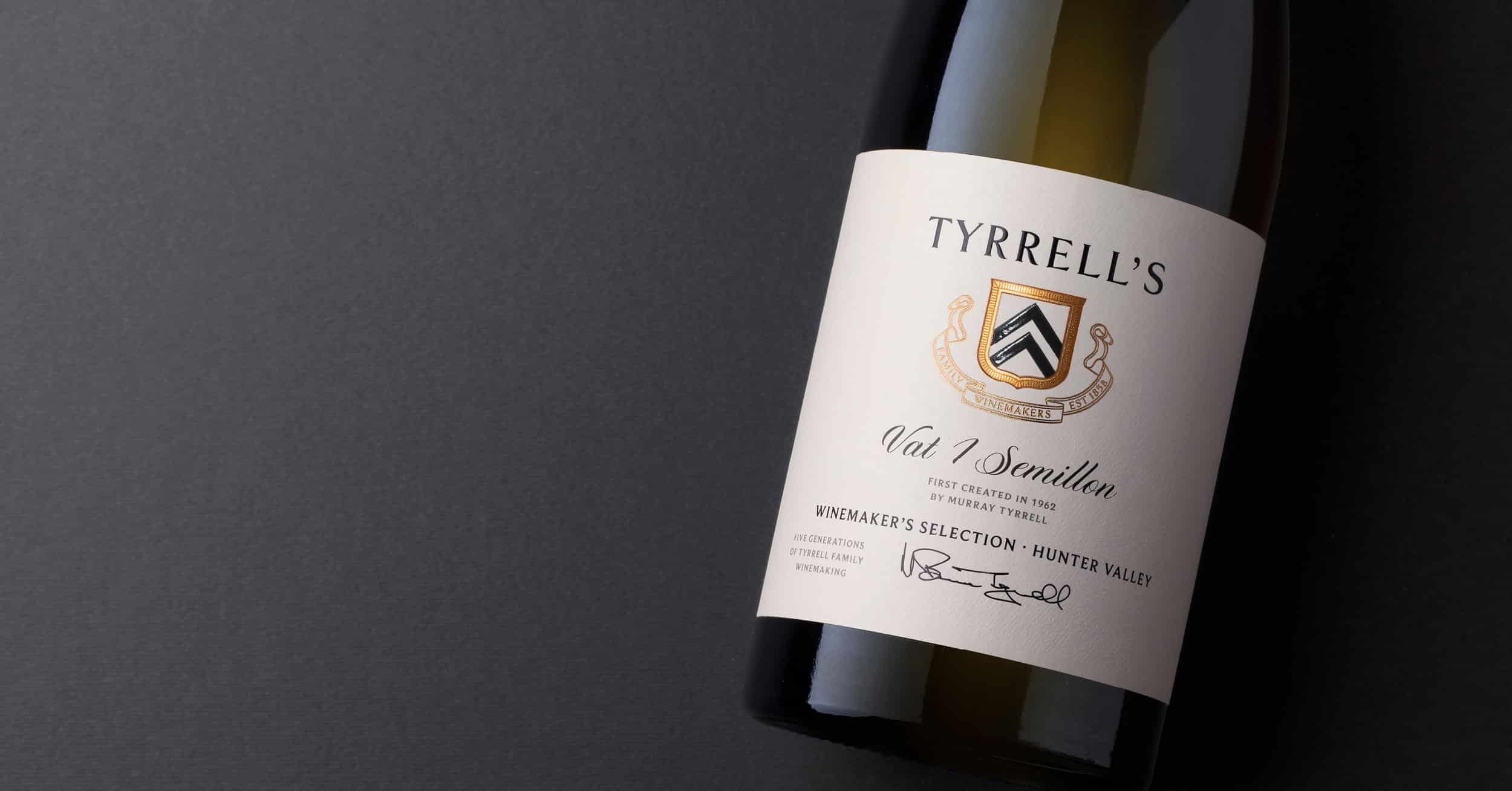
Tyrrell’s is essential. Family-owned since 1858, the estate offers deep vertical tastings of Vat 1 Semillon, one of Australia’s finest white wines.
Brokenwood provides a polished tasting experience that includes The Graveyard Vineyard Shiraz, a collector’s icon.
Mount Pleasant showcases heritage vineyards and classic Hunter styles and has recently undergone a strong quality revival.
For modern cellar doors, visit Margan, Hungerford Hill, or First Creek.
Dining and Experiences
Muse Restaurant, at The Convent, delivers the region’s most accomplished fine dining, with tasting menus that have earned national recognition. Bistro Molines, in a setting that channels French provincial charm, provides more relaxed excellence, its duck and charcuterie specialties drawing on the owner’s heritage. EXP. Restaurant at Keith Tulloch Wines brings contemporary Australian cuisine to a cellar door setting, while Margan Restaurant emphasizes estate-grown produce in a vineyard context.
Beyond wine and dining, the Hunter offers hot air ballooning at dawn, when the cool air and clear skies provide conditions for memorable flights over the vineyards. Golf courses, day spas, and cooking schools round out the diversions, their presence reflecting the weekend-escape market that drives much Hunter visitation.
How to Combine the Regions
One Week from Sydney
Start with two nights in the Hunter Valley. Fly to Adelaide for three nights in the Barossa. Add a final night in Adelaide to explore its growing food scene.
A Western Journey
Fly into Perth and spend one night exploring the city. Continue to Margaret River for four or five nights of beaches, wine, and coastal drives.
The Full Australian Wine Circuit
Allow twelve to fourteen days. Begin in the Barossa, continue to Sydney and the Hunter Valley, then fly across the country for four nights in Margaret River. This route delivers a complete understanding of Australia’s most important regions.
Plan your Australian wine journey with Do Not Disturb. Whether you are drawn to Barossa’s heritage, Margaret River’s coastline, or the full cross-country experience, our travel experts create journeys tailored to your style. Get in touch to start planning.
Suggested articles
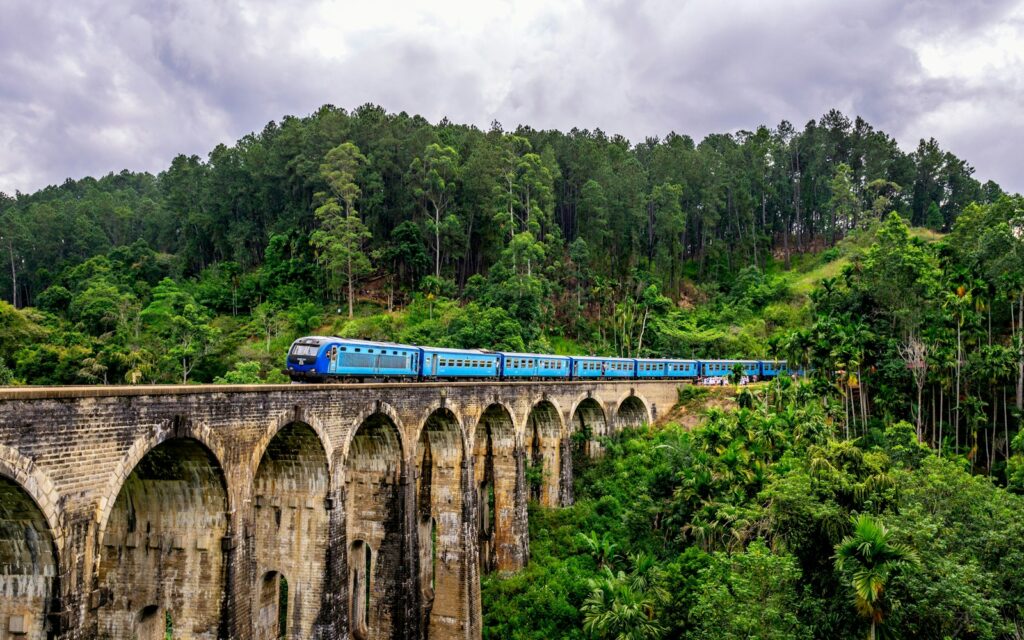
A Guide to Sri Lanka’s Tea Plantations

The Maldives Fixed Its Arrival Problem: Inside the New Velana Airport
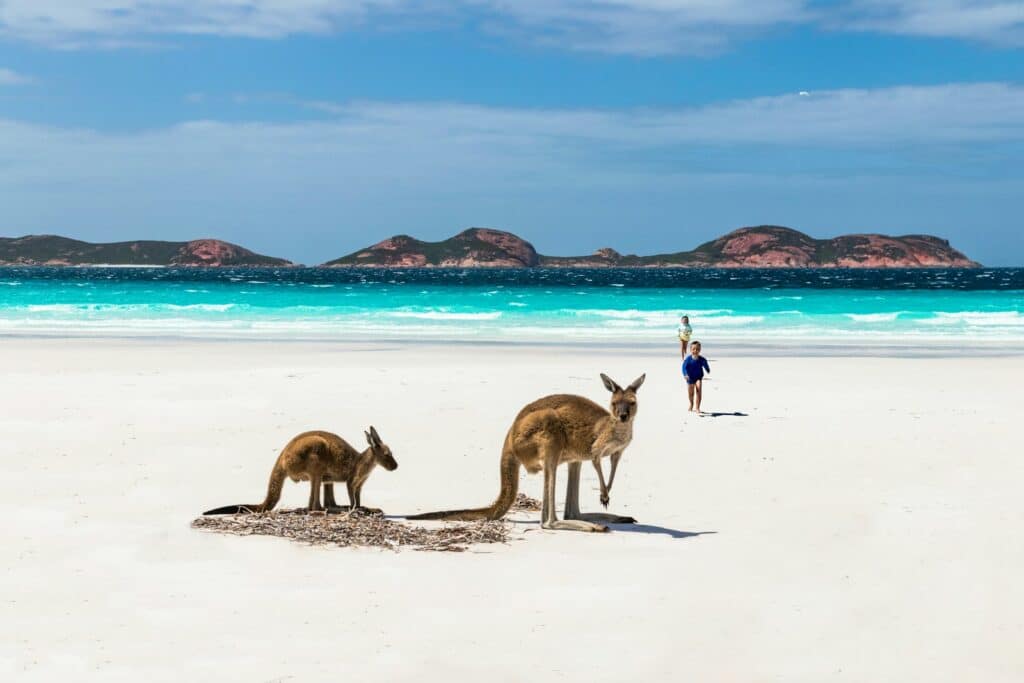
The Best Islands in Australia for a Luxury Beach Holiday
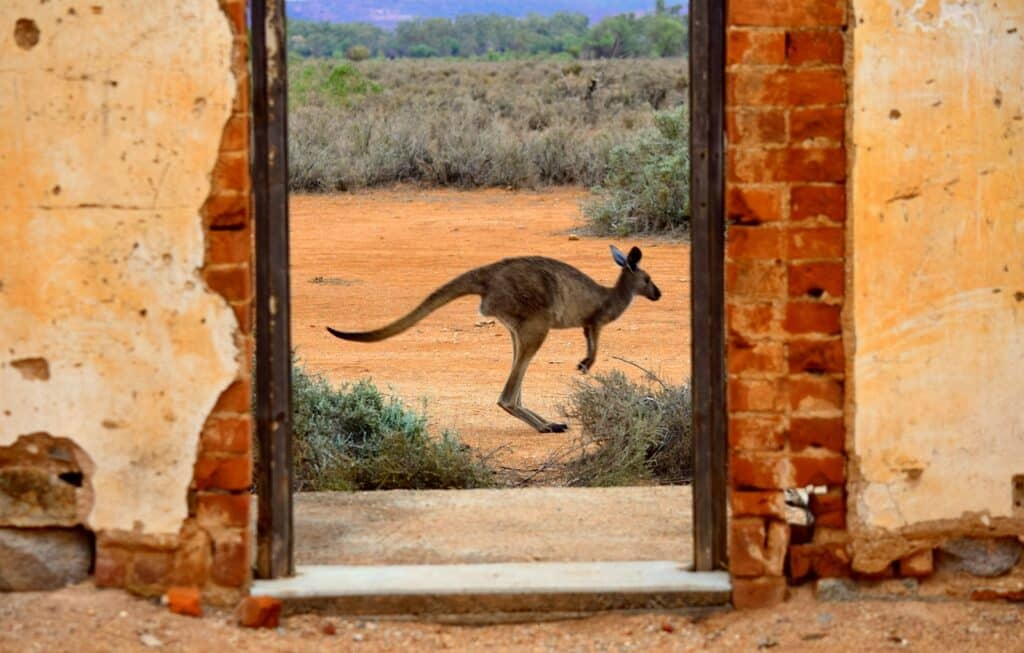
How to Plan a Luxury Australian Outback Experience

How to Plan a Luxury Trip to Australia’s Great Barrier Reef
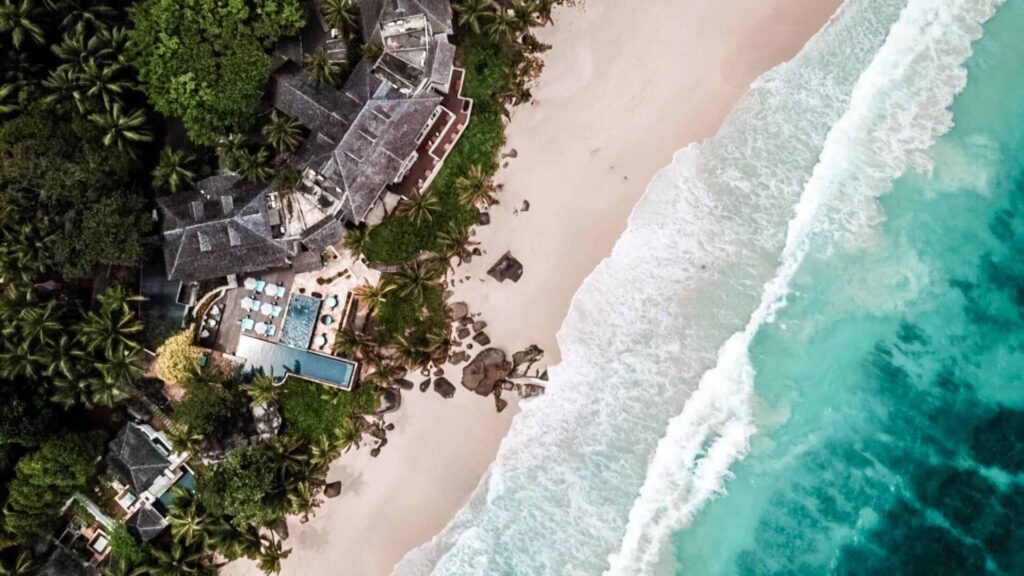
The Best Luxury Hotels in Seychelles

Best Caribbean Islands for Private Jet Travellers
Island-Hopping in the Caribbean: The Best Routes for a Luxury Trip
Santorini or Mykonos: How to Choose the Best Greek Island for You

The Athens Riviera: Greece’s Glamorous Coastline Beyond the Islands
Paros: The Greek Island Stealing Attention from Mykonos and Santorini
The Best Greek Islands for Luxury Travel: How to Choose the Right One

Exploring Mayan Culture in the Riviera Maya: From Chichen Itza to Tulum