



12 days
|£4,075

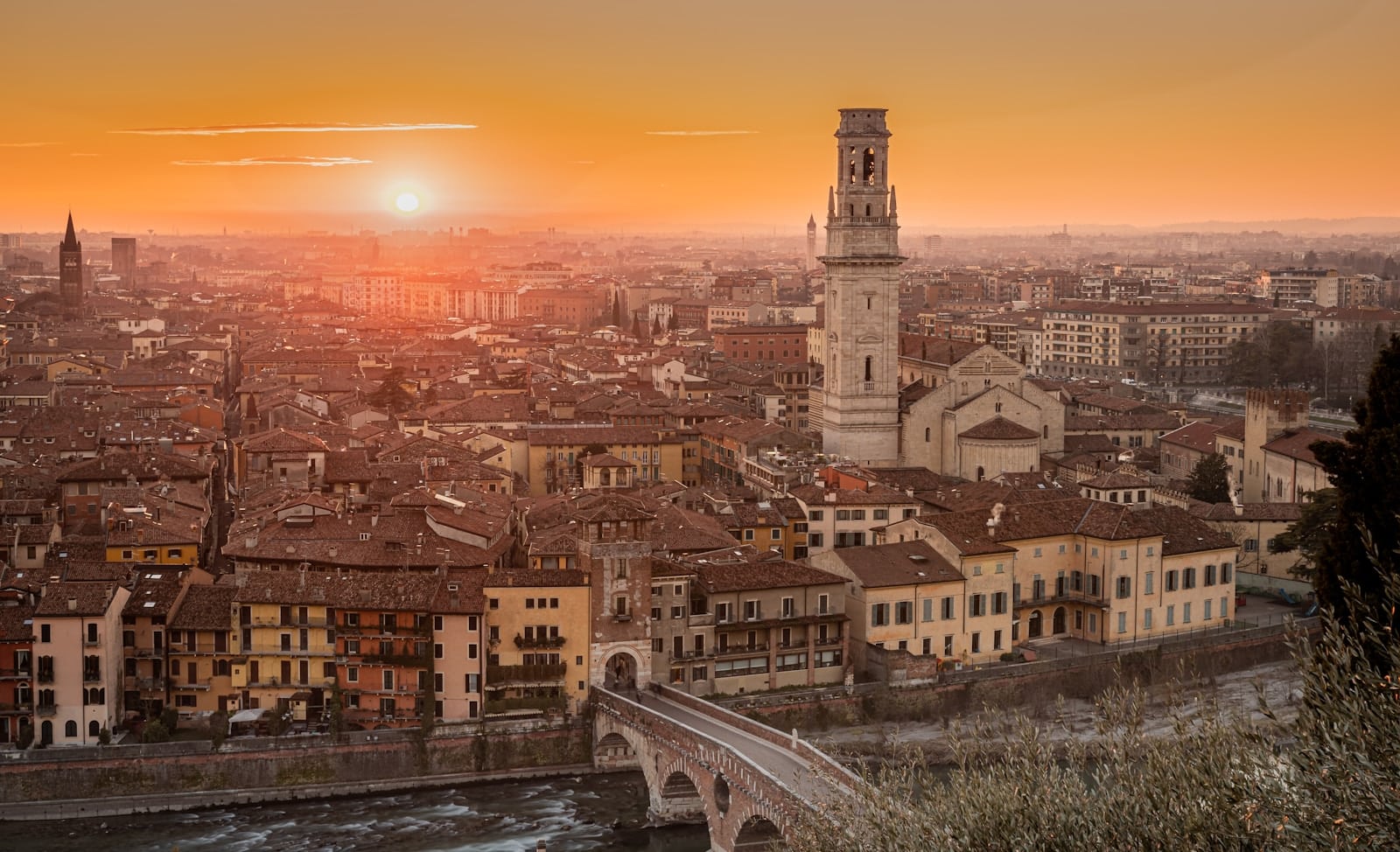
Discover how to spend a perfect day in Verona, from Roman amphitheaters and riverside walks to wine bars and opera under the stars.
Verona has managed to preserve two thousand years of history without turning into a museum. A Roman amphitheater still hosts 30,000 people for summer opera. Medieval towers rise above Renaissance palaces. Thirteenth-century bridges span the Adige. The architecture isn’t roped off behind barriers; it’s where people live, work, eat dinner. You’ll find an Aperol bar occupying a building that’s older than most countries, locals completely unbothered by the fact they’re drinking in a fresco-covered medieval hall.
People visit for Romeo and Juliet, then stay for everything else. The opera season draws serious music lovers who understand that hearing Aida in a 2,000-year-old amphitheater under the stars is incomparable. Wine enthusiasts come for Valpolicella and Amarone, produced in valleys just outside the city.
But mostly, people come because Verona offers what Venice and Florence can’t anymore: genuine Italian life happening naturally in an extraordinarily beautiful setting. You can wander without crowds, eat without reservations, and experience a prosperous northern Italian city that tourism hasn’t consumed. It’s accessible, livable, and utterly itself.

Begin in Piazza delle Erbe, the old Roman forum. Slip into Caffè Borsari on Corso Porta Borsari, a tiny jewel box of a bar with polished wood counters and antique perfume bottles lining the shelves. Order an espresso and a cornetto (as in the pastry, not the ice cream!).
From here, it’s a short stroll to Piazza dei Signori, a more formal, symmetrical square once known as Verona’s “drawing room.” Look for the statue of Dante, brooding elegantly at its center. Around the corner lie the Arche Scaligere, gothic tombs of Verona’s medieval rulers, guarded by ironwork.
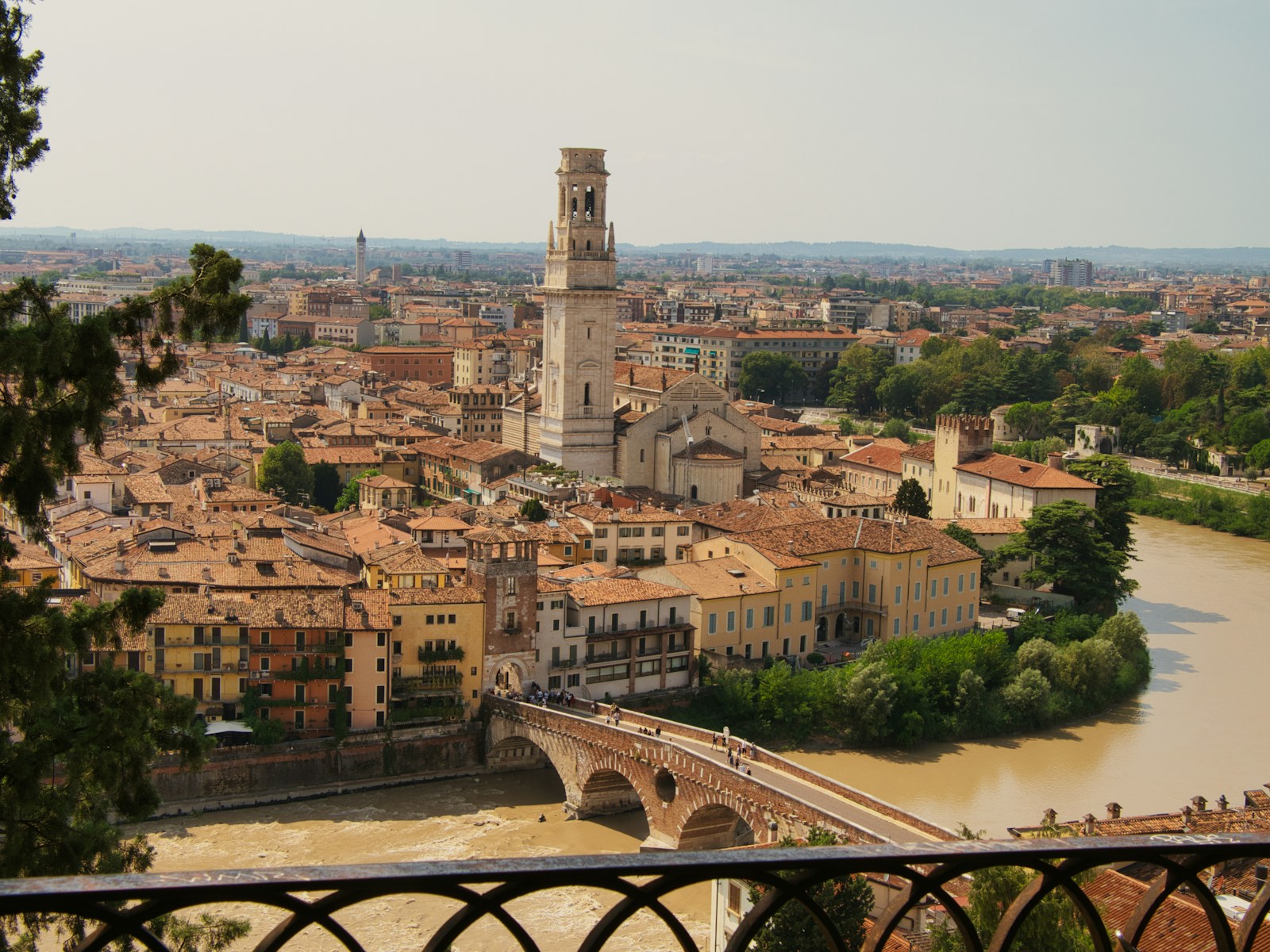
If you want a different view of the city, climb the Torre dei Lamberti. The lift takes you most of the way, but the last few steps are worth the effort. From the top, Verona unfurls beneath you: terracotta rooftops, church towers, and the slow curve of the river.

12 days
|£4,075
8 days days
|£3,115
9 days days
|£3,995
Verona’s compact size makes it perfect for exploration on foot. From the tower, head toward the Arena di Verona, one of Italy’s best-preserved Roman amphitheaters. When the opera season is in full swing, the city feels transformed — candlelight flickering on ancient stone, Puccini playing into the night.
From the Arena, turn down Via Mazzini, Verona’s sleek shopping artery. Among the glossy storefronts you’ll find Borsalino, Max Mara, and Falconeri, alongside smaller artisan boutiques that feel more personal.
Step into Antica Farmacia Santa Maria Novella, where scents of iris and bergamot fill the air — a Florentine apothecary brand that feels timeless. For a more local find, explore Antica Bottega del Vino nearby, a storied wine bar that doubles as a boutique cellar; the shelves tell their own history of the Veneto through bottles and labels.
If you’re looking for something quieter, detour through the Quartiere Filippini area — a neighborhood of small galleries, linen shops, and ateliers that sell handmade leather goods without the need for signage.
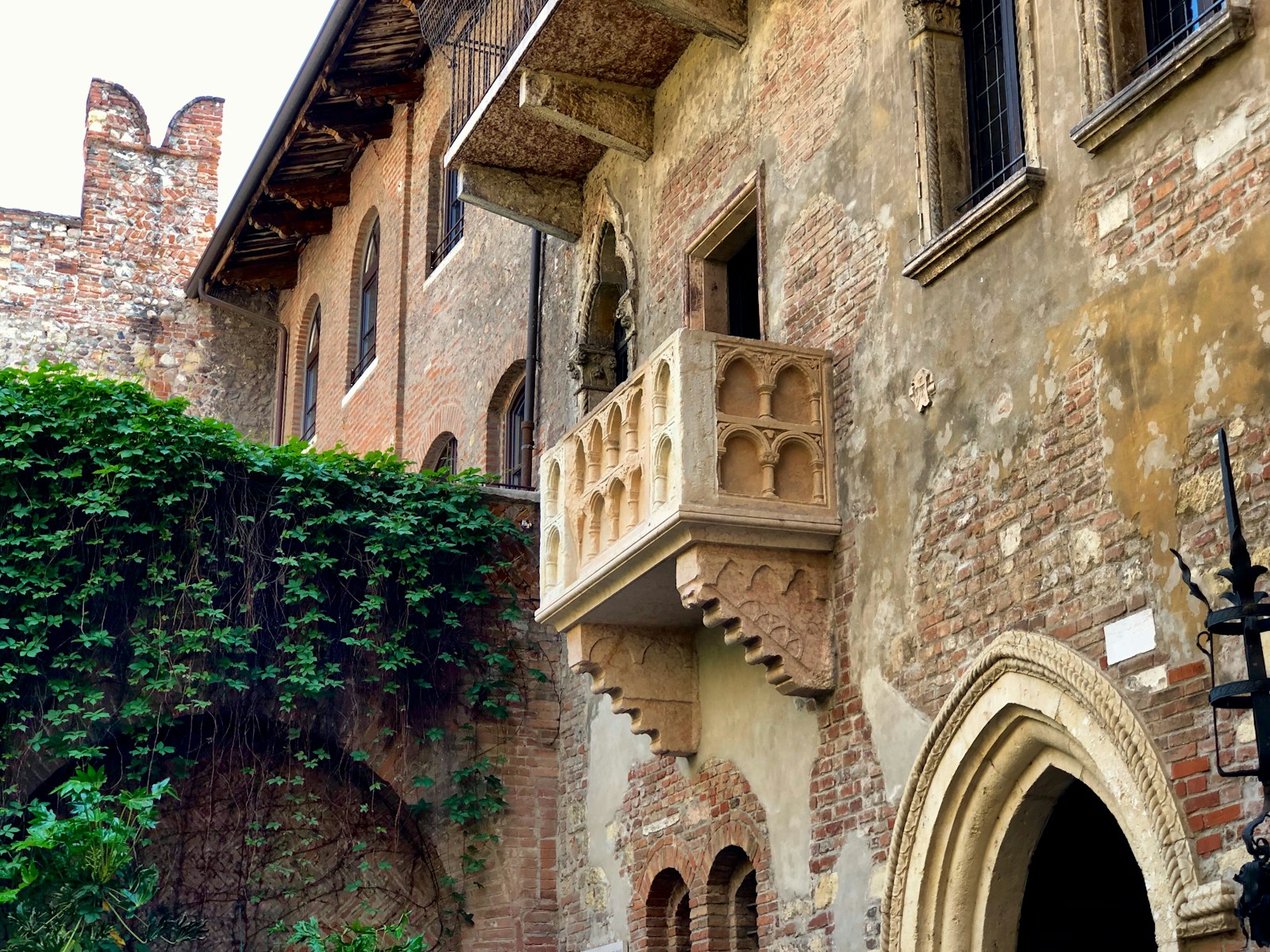
For lunch, Verona offers two kinds of experience: a leisurely table with wine, or something quick and local. Both are equally satisfying.
If you have time, book Locanda 4 Cuochi, where the open kitchen buzzes with energy and the menu changes with the market. The dishes are simple but deeply expressive — risotto with Amarone, pasta with duck ragù, grilled vegetables dressed in olive oil from Lake Garda. Pair it with a chilled glass of Soave or Lugana and allow yourself an hour to sit and watch the room.
For something more casual, Osteria del Bugiardo near Piazza delle Erbe offers cicchetti-style plates and regional wines by the glass. You can perch at the counter and still feel part of the city’s flow.
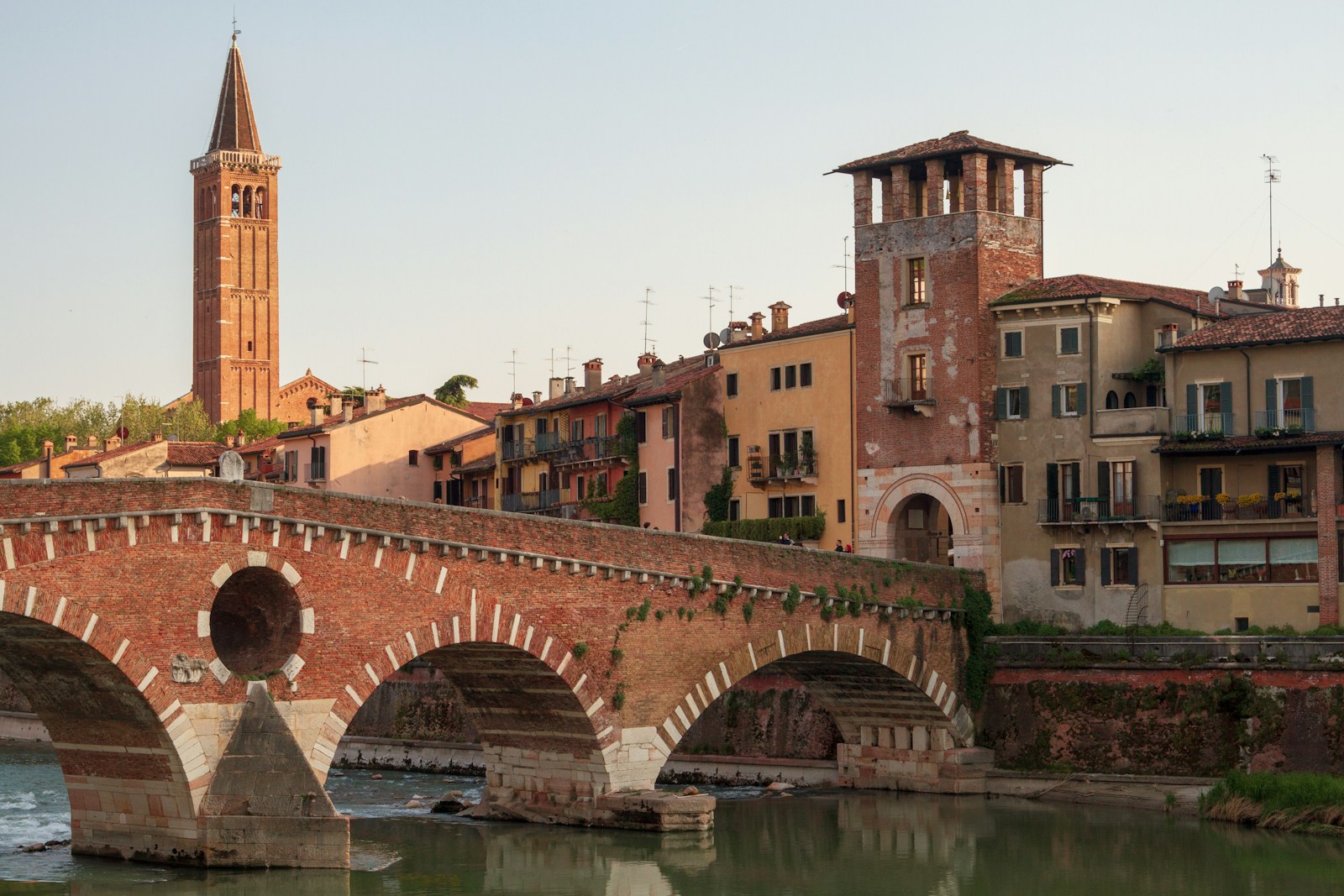
After lunch, cross the Ponte Pietra, Verona’s oldest bridge, its stones smoothed by time. On the other side, the Roman Theater and Archaeological Museum offer a quieter, more introspective look at the city’s ancient past. Climb the steps for a panoramic view of Verona.
Mid-afternoon in Verona is made for rest. The city enjoys a siesta; shutters close, and the streets become quieter. It’s the perfect time to retreat for a few hours.
If the weather is warm, take a slow walk along the Adige’s northern bank. The path curves under plane trees and gives you glimpses of bell towers through the leaves. Stop at Giardino Giusti, a Renaissance garden tucked behind high walls on the city’s eastern edge. Climb to the top terrace and you’ll find one of Verona’s finest, most serene views.
Alternatively, if you prefer air conditioning and art, spend an hour at Castelvecchio, the fortress-turned-gallery that houses works by Pisanello, Bellini, and Veronese. The building itself, restored by architect Carlo Scarpa, is reason enough to visit.
When the city begins to stir again, follow the locals to Gelateria Savoia, serving traditional gelato since 1939. Pistachio or hazelnut are the right choices here.
As the light begins to soften, Verona’s energy shifts. The day’s heat fades, the streets fill again, and the city takes on a new glow.
Start at Piazza Bra, where café tables spill onto the wide pavements. Order a spritz or a local Negroni. If you listen closely, you might hear the distant tuning of instruments from the Arena.
For dinner, Verona has many excellent options for you to choose from. Ristorante Greppia, hidden in a small courtyard, serves traditional Veronese dishes with grace — think handmade tortelli with ricotta and herbs, or slow-cooked veal cheeks with polenta. If you prefer something lighter and more contemporary, Il Desco is an elegant choice.
Afterward, take one last walk through Via Sottoriva, an arcade of old stone arches that runs parallel to the river. It’s beautifully atmospheric at night, the lamplight soft, the sound of footsteps echoing just enough to feel cinematic. End at the Ponte Pietra again and look across the water — the reflections of towers and domes flickering on the surface.
Verona’s nightlife is fairly subdued. This isn’t Milan’s aperitivo scene or Rome’s bar-hopping chaos. The city after dark is relaxed, local, and surprisingly social once you know where to look.
Start around Piazza Erbe and the side streets threading off it. Osteria del Bugiardo packs out with Veronese twenty-somethings drinking natural wines by the glass and eating cicchetti (Venetian-style bar snacks). The vibe is loud, unpretentious, standing-room-only by 10 p.m. Around the corner, Enoteca Segreta offers the opposite: intimate tables, a serious wine list, and staff who actually want to talk about what you’re drinking.
Via Sottoriva, under the medieval porticos near the river, fills with university students and young professionals. Caffè Coloniale does well-made cocktails. Al Carro Armato is a historic osteria that transitions from dinner to drinks seamlessly.
Verona doesn’t do nightclubs particularly well. The energy is bars, wine, conversation, maybe gelato at midnight.
From Roman amphitheaters to Juliet’s Balcony and riverside evenings, get in touch and we’ll craft the perfect Verona itinerary for you.
Related destinations
Suggested articles


Tell us how you want to feel, we’ll take it from there.
“Our trip was truly magical and full of core memories that will last us a lifetime.”
Michael • Bora Bora Honeymoon

“We just returned from an incredible journey through Ireland, and we couldn’t have had a better experience”
Brad • Ireland Adventure
“This was a flawless experience right from the beginning, we had so many thoughts and ideas flowing around and they took all of them and perfectly curated the most beautiful honeymoon for us.”
Kris • Sicily Honeymoon
See more reviews on Trustpilot
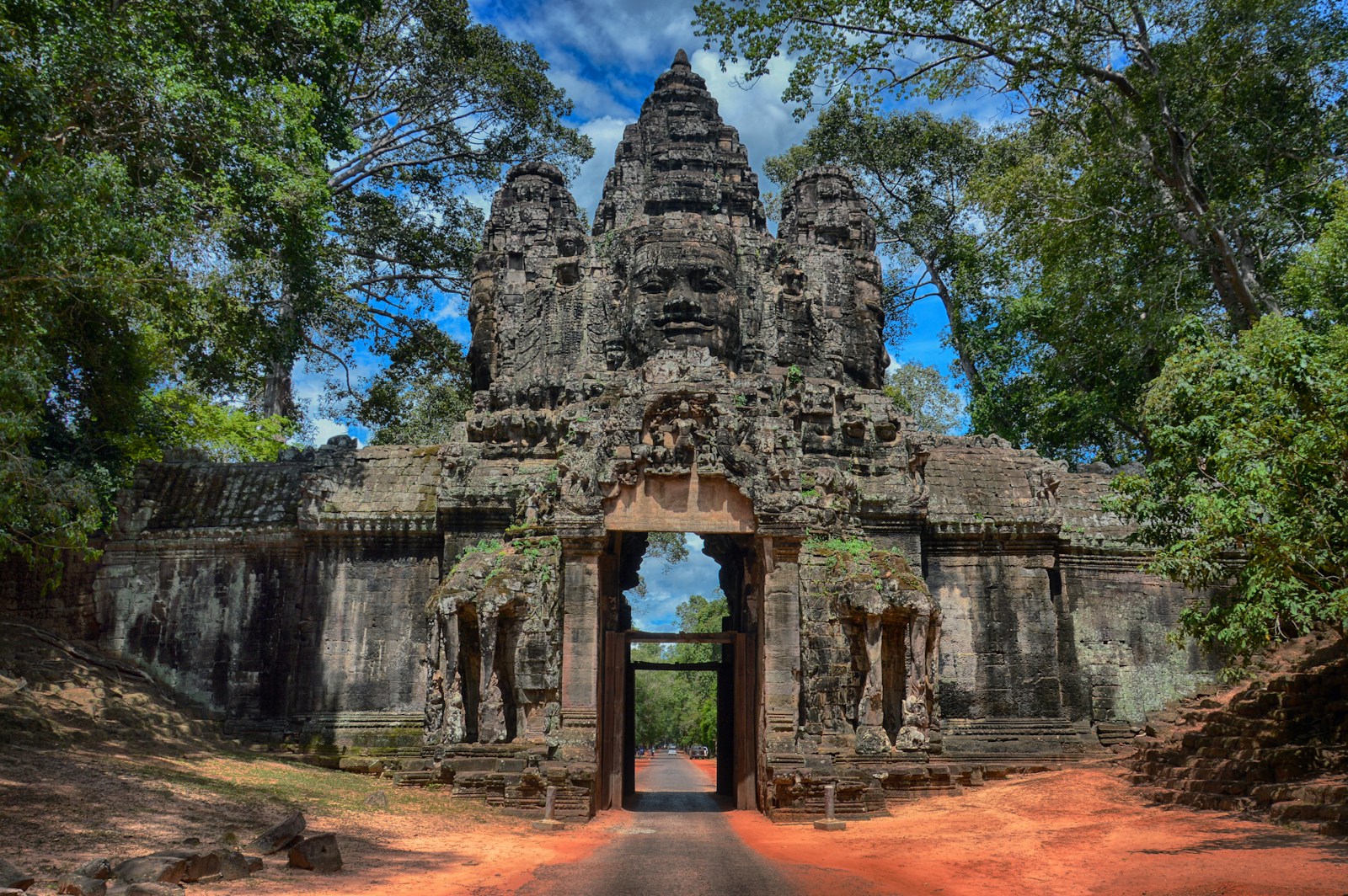 12 min read
Angkor Wat is one of the world’s most extraordinary temple complexes, but experiencing it well comes down to timing, pacing and where you choose to stay. This is how to plan the perfect luxury trip.
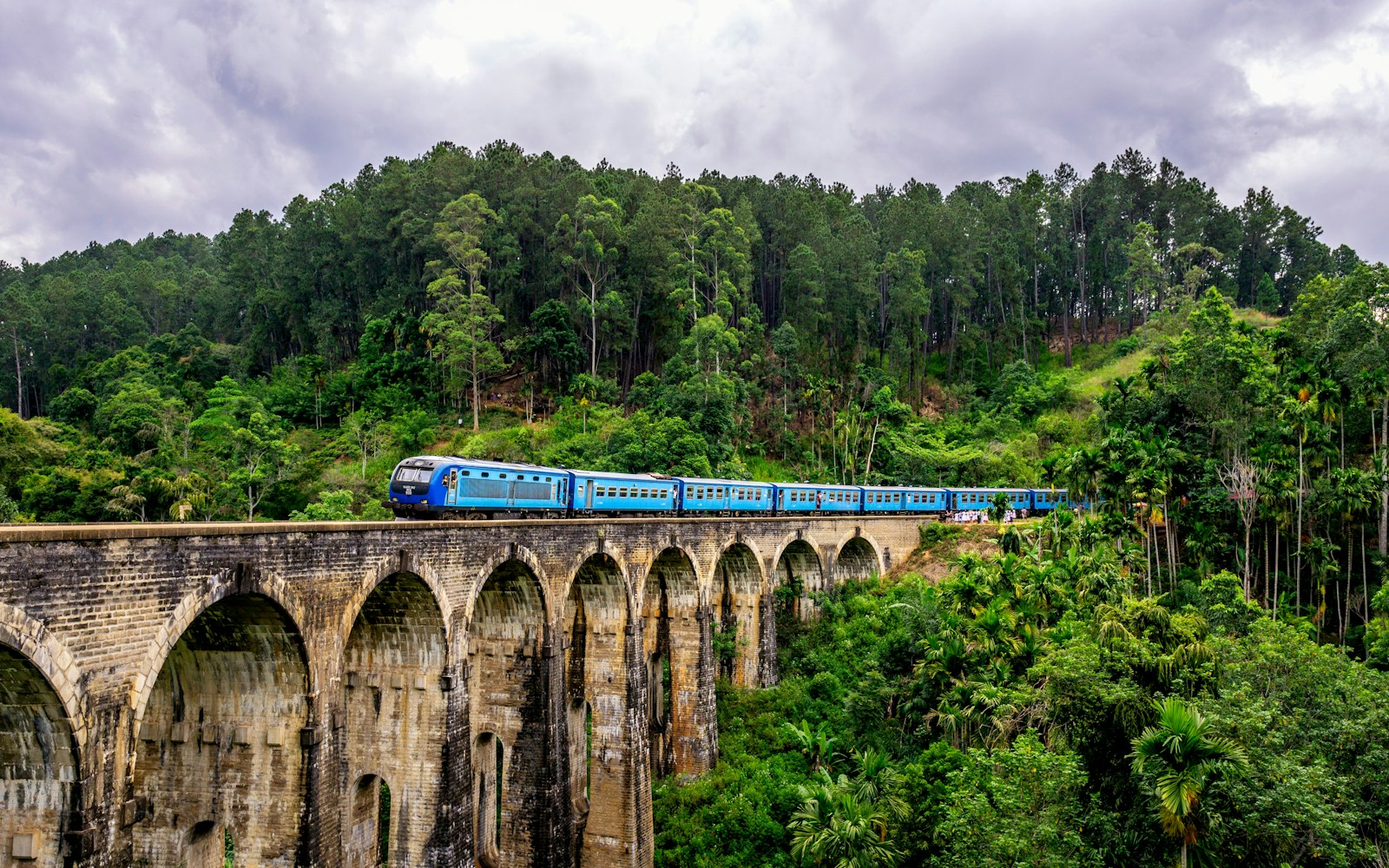 11 min read
Sri Lanka’s tea country is a place where production and landscape are inseparable. From hand-plucked leaves to historic bungalows, this guide walks you through how the region looks, works and feels.
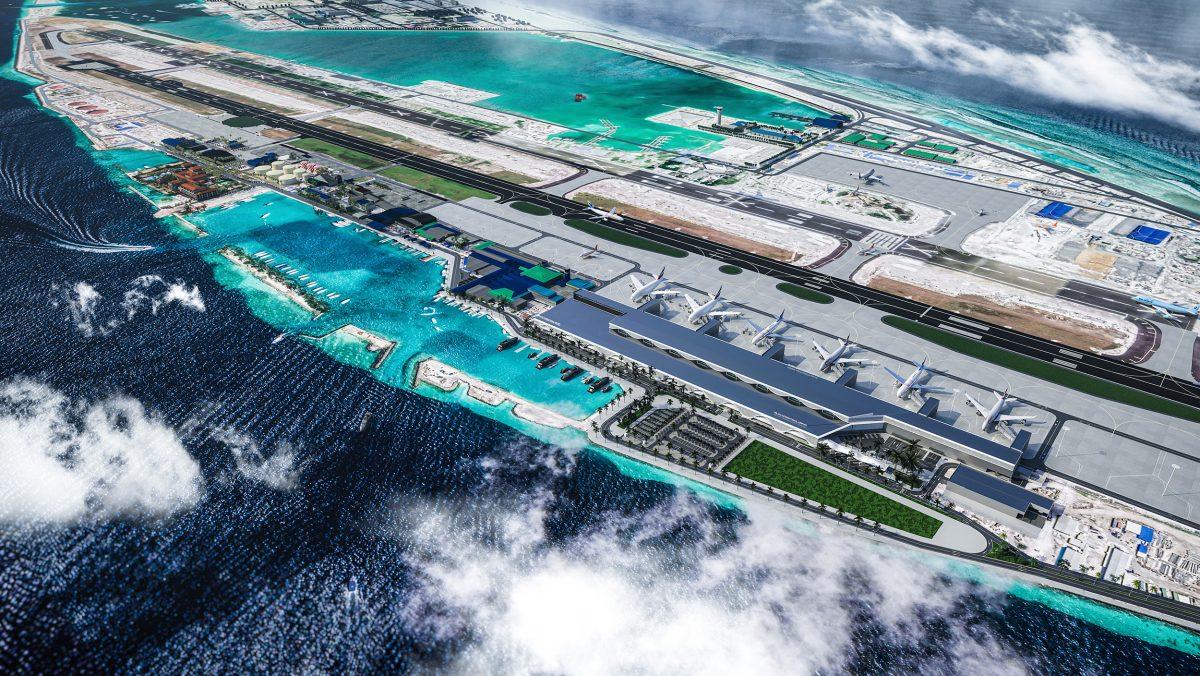 10 min read
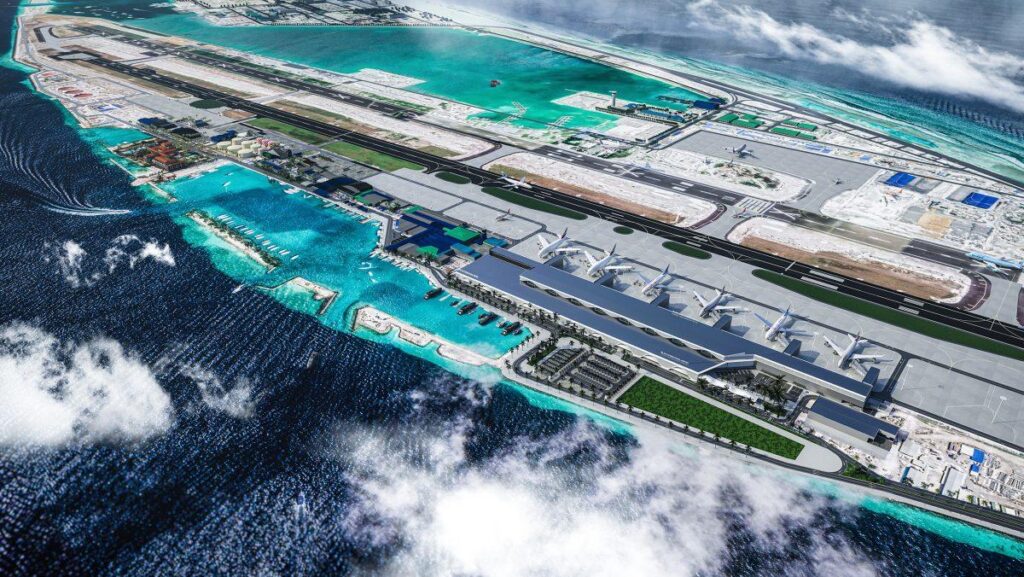
The Maldives has quietly solved its biggest travel flaw. With the new Velana International Airport, the long, chaotic arrival is replaced by speed, space and a seaplane transfer that finally feels worthy of the destination.
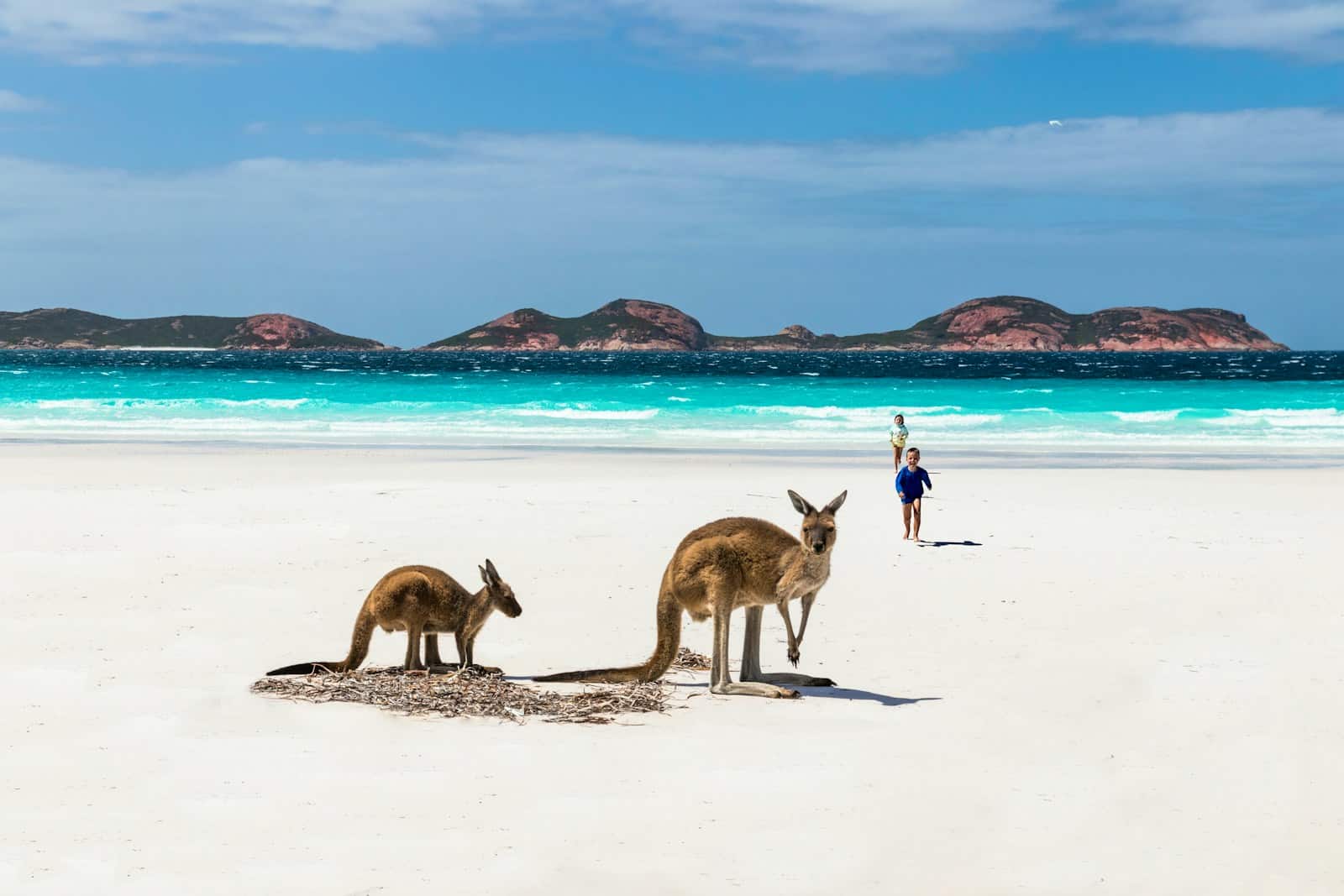 13 min read
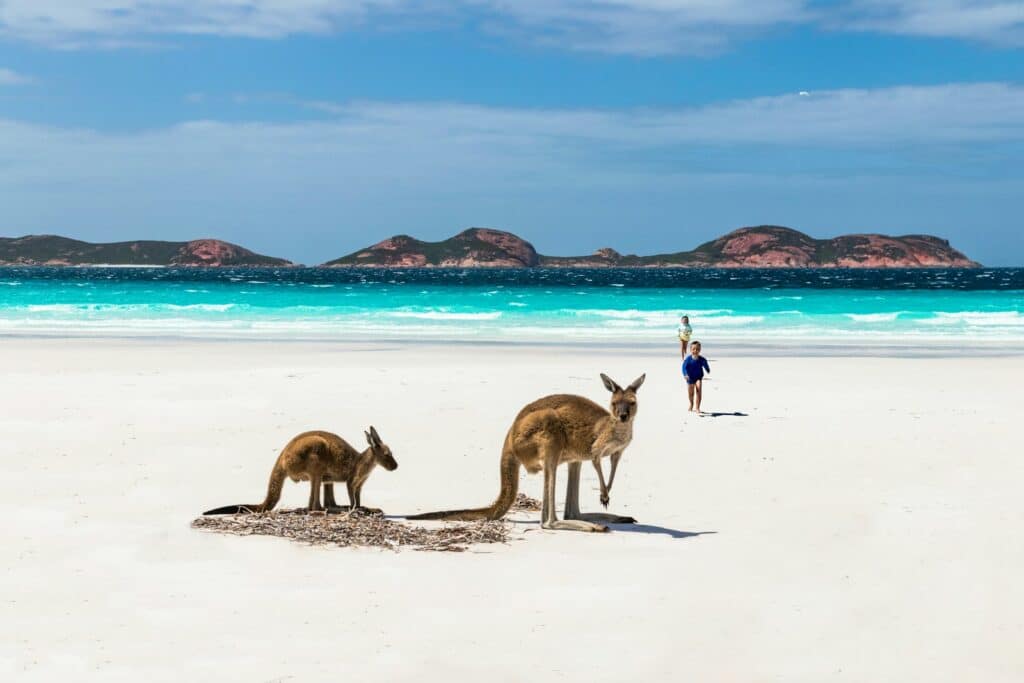
Australia’s coastline stretches for 34,000 kilometers, and scattered along its length lie islands that range from tropical reef cays to temperate wilderness sanctuaries. The country has been slower than the Maldives or French Polynesia to develop its island luxury potential, but that’s changing.

Ask us anything.
