



9 days
|£3,515


Marseille tells its story without polish. A working port before it was ever a destination, it hums with energy — fishermen, spice markets, sea spray, and sun on stone. This is France in its rawest form: alive, imperfect, and entirely its own.
Marseille delivers what sanitized resort towns cannot: the electric energy of a 2,600-year-old working port where fishermen still hawk sardines at dawn, where North African spice markets perfume entire neighborhoods, and where the Mediterranean crashes against limestone cliffs.
You have to meet Marseille on its own terms, but if you do, it rewards you with something rare: a major European city that still feels like it belongs to its people rather than to tourists or investors.

Begin at Le Bar à Pain (18 Cours Joseph Thierry) where organic sourdough and exceptional coffee await. The torsades (twisted pastries) are always a popular choice.
By 9:00, the Vieux Port fish market reaches peak animation. Local fishermen sell overnight catch directly from traditional boats moored at Quai de la Fraternité, their singing Provençal accents hawking scorpion fish (essential for proper bouillabaisse), red mullet, sardines, and sole. The Norman Foster mirrored canopy reflects the port’s activity in dizzying multiplication. The smell is intensely maritime; the atmosphere purely Marseillais.
After the market, walk 15 minutes to Le Panier, climbing steep pedestrian alleys into Marseille’s oldest neighborhood. Founded by Greek colonists in 600 BC, Le Panier today combines gentrification with working-class life, artist studios with aging apartments. The district functions as an open-air street art gallery, with works by C215 and other international artists covering walls.
Place de Lenche occupies the ancient Greek agora site, now a sunny square perfect for coffee. Undartground at 16 Rue du Panier operates as concept store and gallery, showcasing local artists and “Made in Marseille” objects. Nearby shops sell Marseille soap, the olive oil-based cube representing Provence’s oldest artisanal tradition.

Marseille’s signature dish demands commitment: two to three hours, €50-plus per person, submission to ceremonial French service that cannot be rushed. Chez Fonfon at 140 Rue du Vallon des Auffes occupies ideal setting, a picturesque fishing cove clinging to cliffs south of Vieux Port, where colourful boats bob beside seafood restaurants. Arrive by 12:30 without reservation and secure a terrace table overlooking water.
Proper bouillabaisse arrives in two services. First, the saffron-perfumed broth, deep orange and aromatic, made with at least four fish varieties plus tomatoes, garlic, fennel. Second, the fish themselves, served whole and bony. Accompany with rouille (garlicky saffron mayonnaise) spread on grilled bread and floated in soup.
Alternative lunch for the less committed: La Boîte à Panisse serves excellent fish utilizing panisse (chickpea flour fritters), a local specialty.

9 days
|£3,515

10 days
|£4,235

8 days
|£6,315
Walk or metro to MuCEM (Museum of European and Mediterranean Civilizations). Rudy Ricciotti’s architecture (concrete lattice cube filtering Mediterranean light) succeeds as artwork before you encounter exhibits.
The rooftop terrace offers 360-degree views: city, sea, Notre-Dame de la Garde, offshore islands, and latticework architecture creating perpetually shifting shadow patterns. Fort Saint-Jean, dating to 13th century, provides historical counterpoint with hanging gardens and spectacular viewpoints.
Two hours suffice for highlights if you avoid deep diving into every exhibition. Exit via Fort Saint-Jean gardens, descending gradually toward Vieux Port through photogenic ramparts.
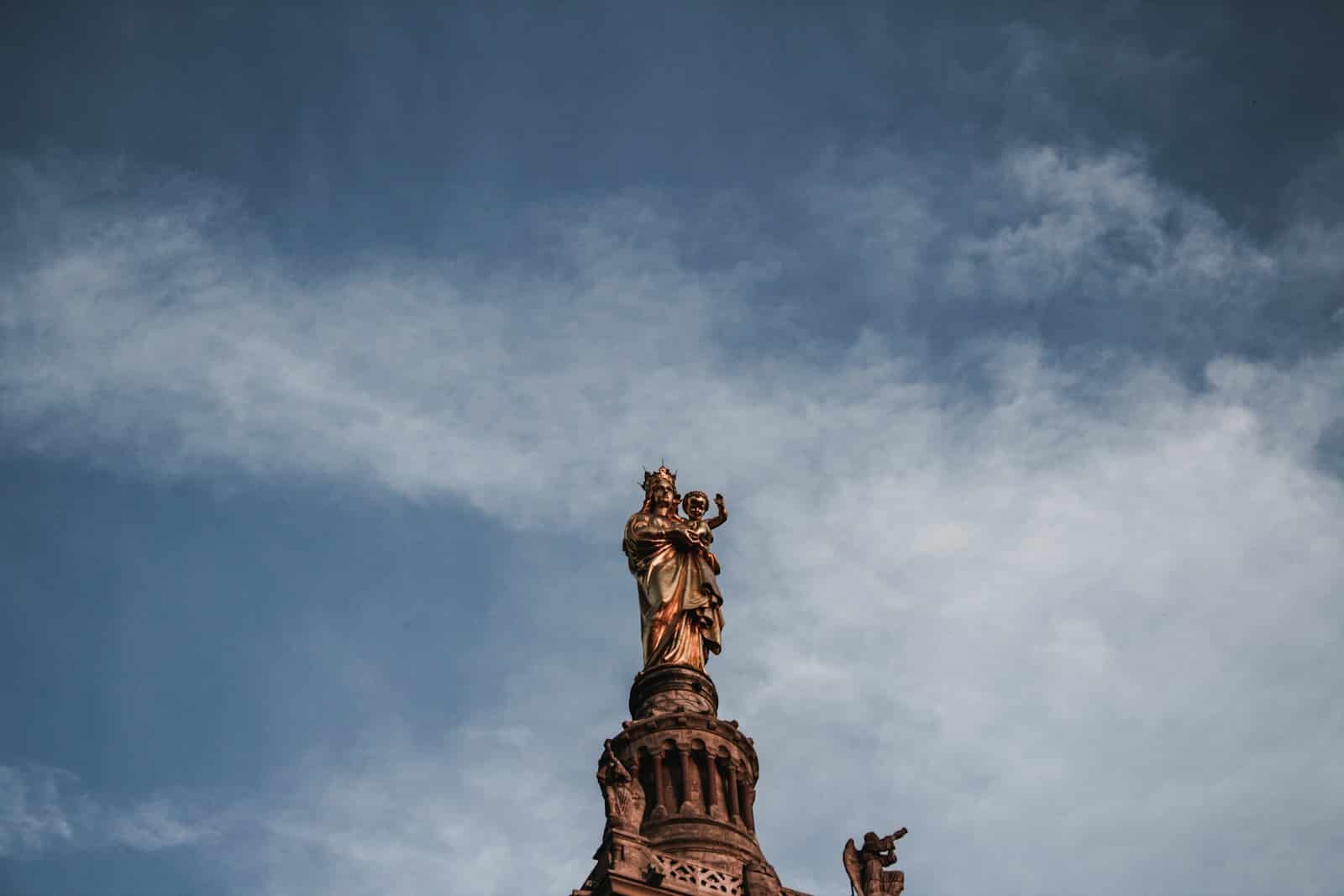
The Basilique Notre-Dame de la Garde, affectionately called “La Bonne Mère,” crowns the city’s highest point at 157 meters above sea level. The Romano-Byzantine basilica features white Carrara marble, red marble, and Byzantine mosaics. The 11-meter golden Virgin Mary statue weighs nearly 10 tons.
Entry is free. The interior dazzles with ex-votos from sailors and Marseillais offering thanks. But the real attraction is stepping onto the terrace for panoramic views in every direction: the entire city sprawls below, Vieux Port resembles a model, the Mediterranean extends to horizon, islands float offshore.
Arrive around 17:30-18:00 for golden hour light. Avoid midday when tour buses bring crowds and heat becomes oppressive. Allow 45 minutes for bus ride, basilica exploration, and return.
Return to Vallon des Auffes but bypass Chez Fonfon for Viaghji di Fonfon, perched above the fishing port with sunset views. Order pastis (the anise liqueur synonymous with Marseille) or creative cocktails while watching light fade over the Mediterranean. This is a Provençal ritual: the evening aperitif, the transition from day’s labor to evening’s pleasures.
Alternative locations include La Caravelle at Vieux Port, its balcony overlooking harbor with Notre-Dame glowing gold above. For creative cocktails, Copper Bay near Vauban crafts unexpected combinations.

By eight o’clock, French dinner hour begins. Tuba in Les Goudes (30 minutes from center) serves fish grilled over coals with harissa and panisse, overlooking sea from retro cabin setting. Splendido delivers Italian cuisine with circus-like (but very chic) décor, requiring advance reservations.
For traditional Marseille cuisine, Café de l’Abbaye in Saint-Victor specializes in local dishes including panisses. Le Baletti does excellent tapas.
The key is eating well but not so heavily you cannot contemplate post-dinner drinks. Marseille’s nightlife awakens around 22:00-23:00, particularly in Cours Julien district where bars, live music venues, and cafés create a classic French, al fresco atmosphere.

Walking distances are manageable: Vieux Port to Le Panier takes 15 minutes, Vieux Port to MuCEM 10 minutes. But Marseille is hilly. Le Panier’s steep alleys require reasonable fitness. Comfortable shoes are non-negotiable.
Book restaurants in advance, particularly for bouillabaisse. Photography opportunities concentrate at morning fish market, Le Panier street art, MuCEM architecture, Notre-Dame views, and Vallon des Auffes fishing port.
Marseille will never rival Nice’s polished elegance. It smells of fish and spices. Its beauty is gritty rather than refined, best appreciated from Notre-Dame looking down at the tumultuous 2,600-year accumulation that created France’s oldest and most fascinating city. Twenty-four hours suffice to understand why some travellers dismiss Marseille while others fall permanently under its spell.
Discover the real Marseille with Do Not Disturb and travel at your own pace.
Related destinations
Suggested articles





Tell us how you want to feel, we’ll take it from there.
“Our trip was truly magical and full of core memories that will last us a lifetime.”
Michael • Bora Bora Honeymoon

“We just returned from an incredible journey through Ireland, and we couldn’t have had a better experience”
Brad • Ireland Adventure
“This was a flawless experience right from the beginning, we had so many thoughts and ideas flowing around and they took all of them and perfectly curated the most beautiful honeymoon for us.”
Kris • Sicily Honeymoon
See more reviews on Trustpilot
 12 min read
Angkor Wat is one of the world’s most extraordinary temple complexes, but experiencing it well comes down to timing, pacing and where you choose to stay. This is how to plan the perfect luxury trip.
 11 min read
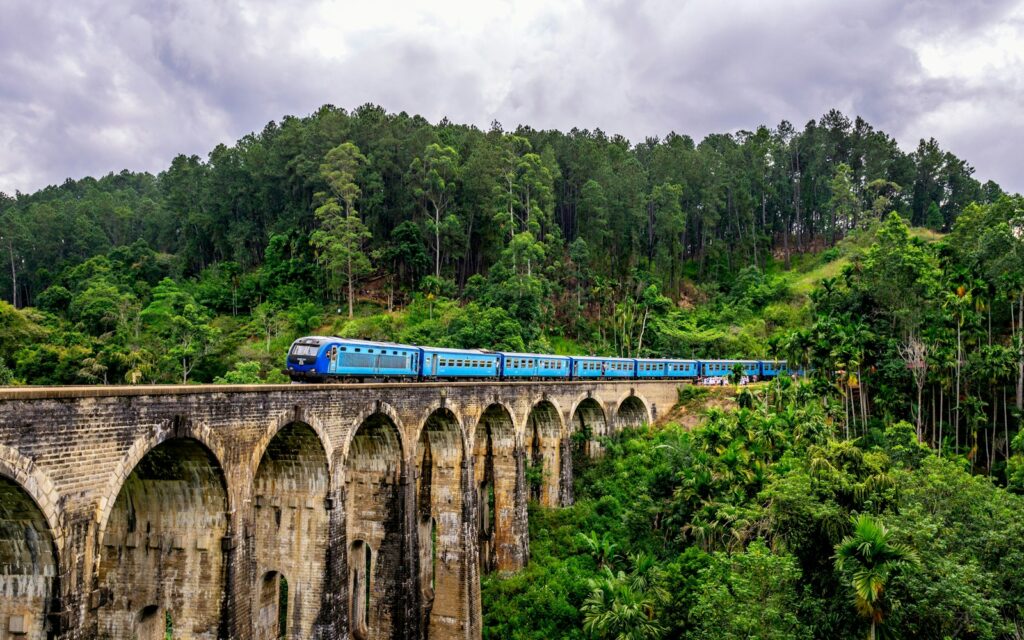
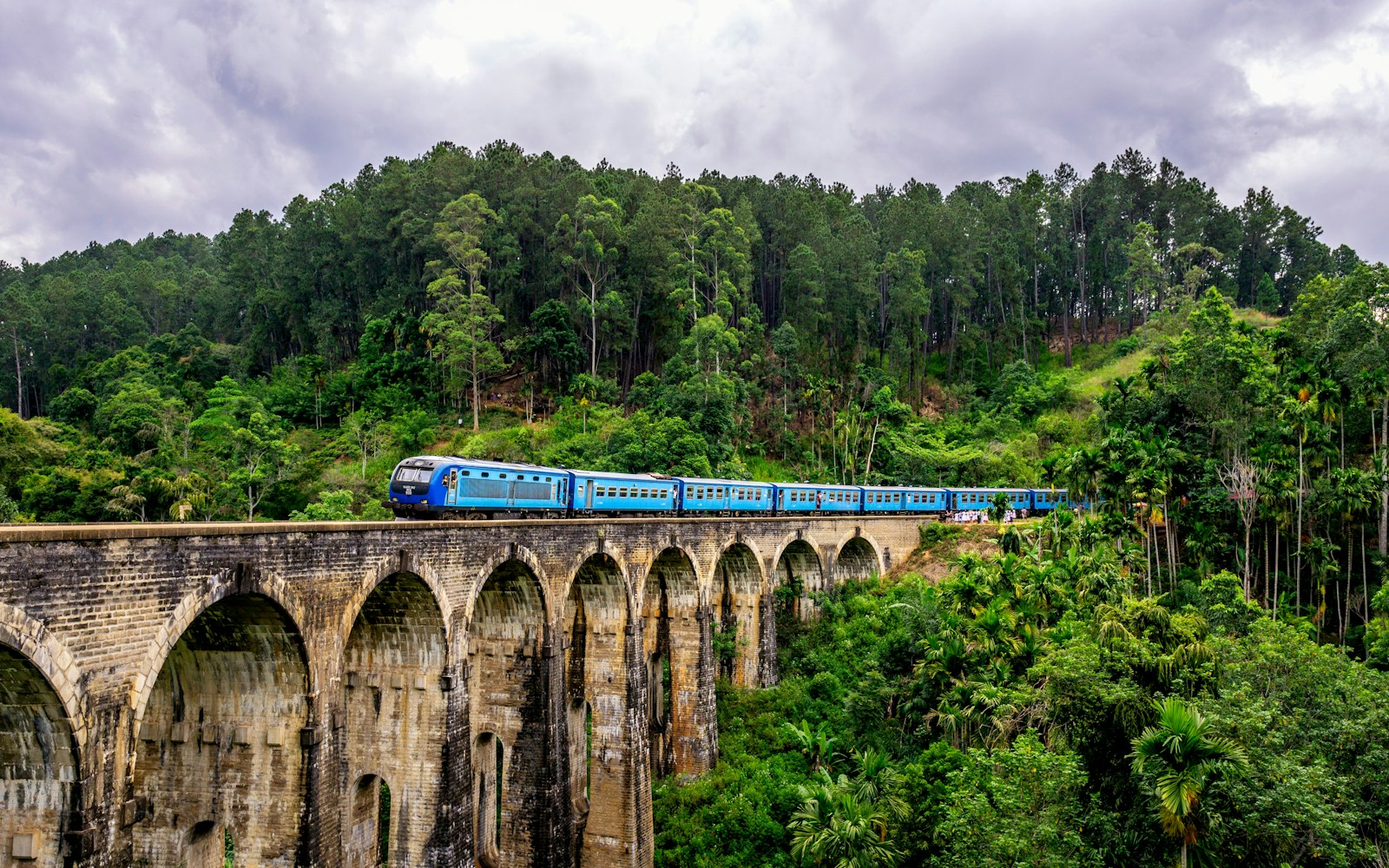
Sri Lanka’s tea country is a place where production and landscape are inseparable. From hand-plucked leaves to historic bungalows, this guide walks you through how the region looks, works and feels.
 10 min read
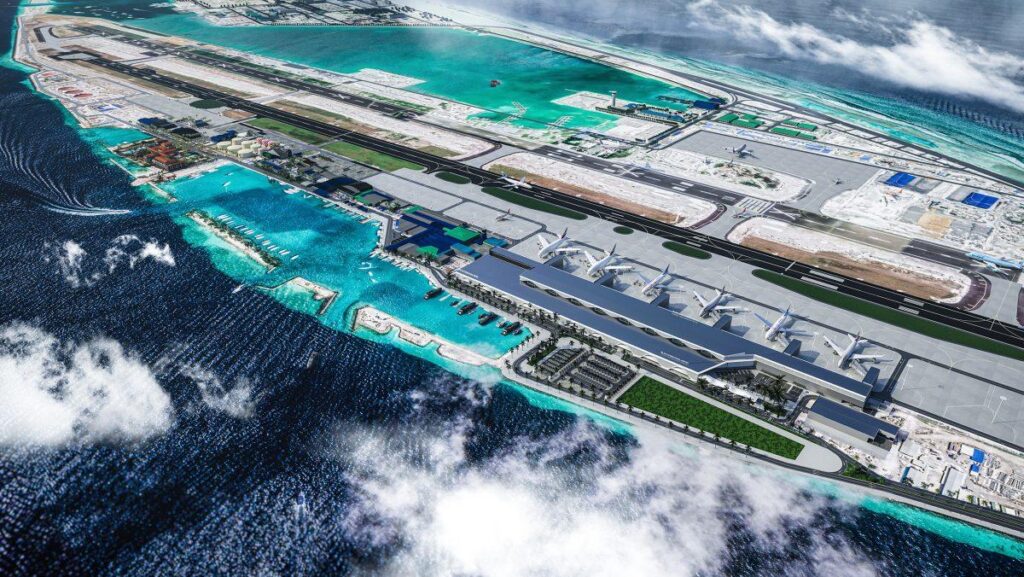
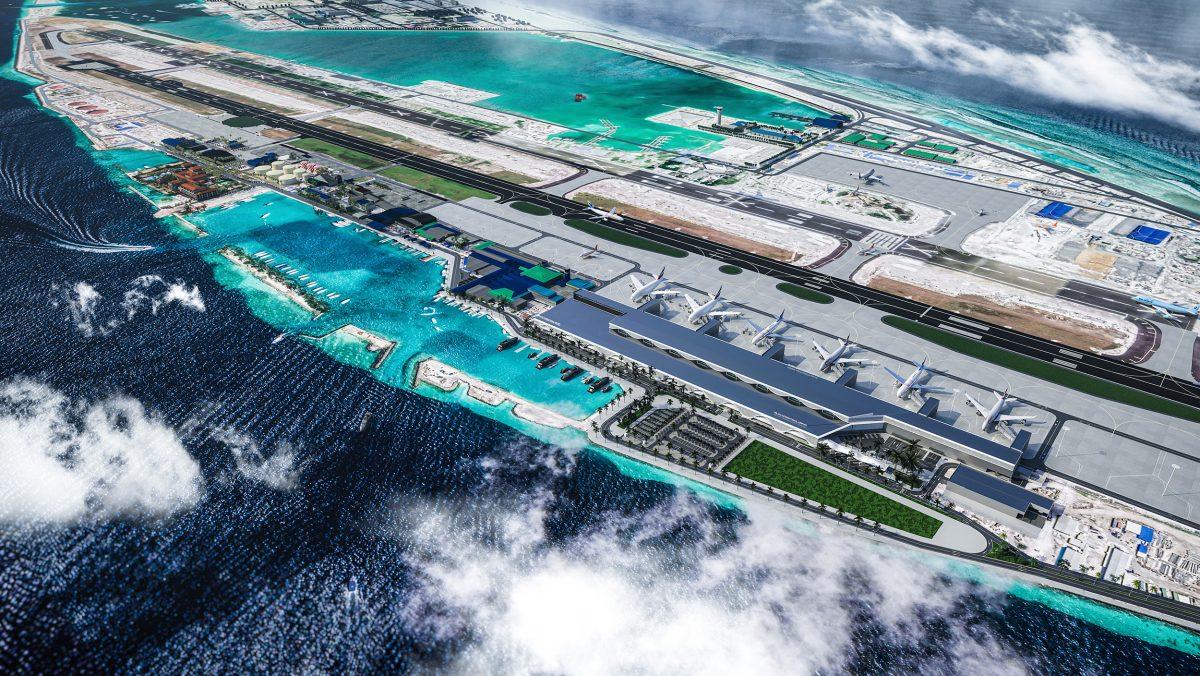
The Maldives has quietly solved its biggest travel flaw. With the new Velana International Airport, the long, chaotic arrival is replaced by speed, space and a seaplane transfer that finally feels worthy of the destination.
 13 min read
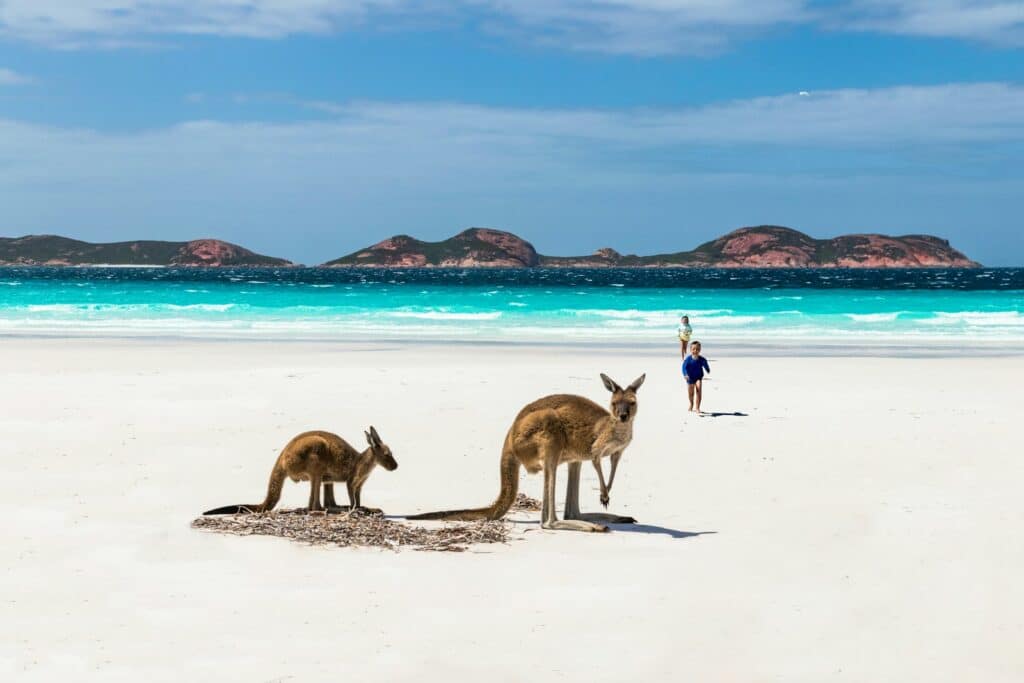
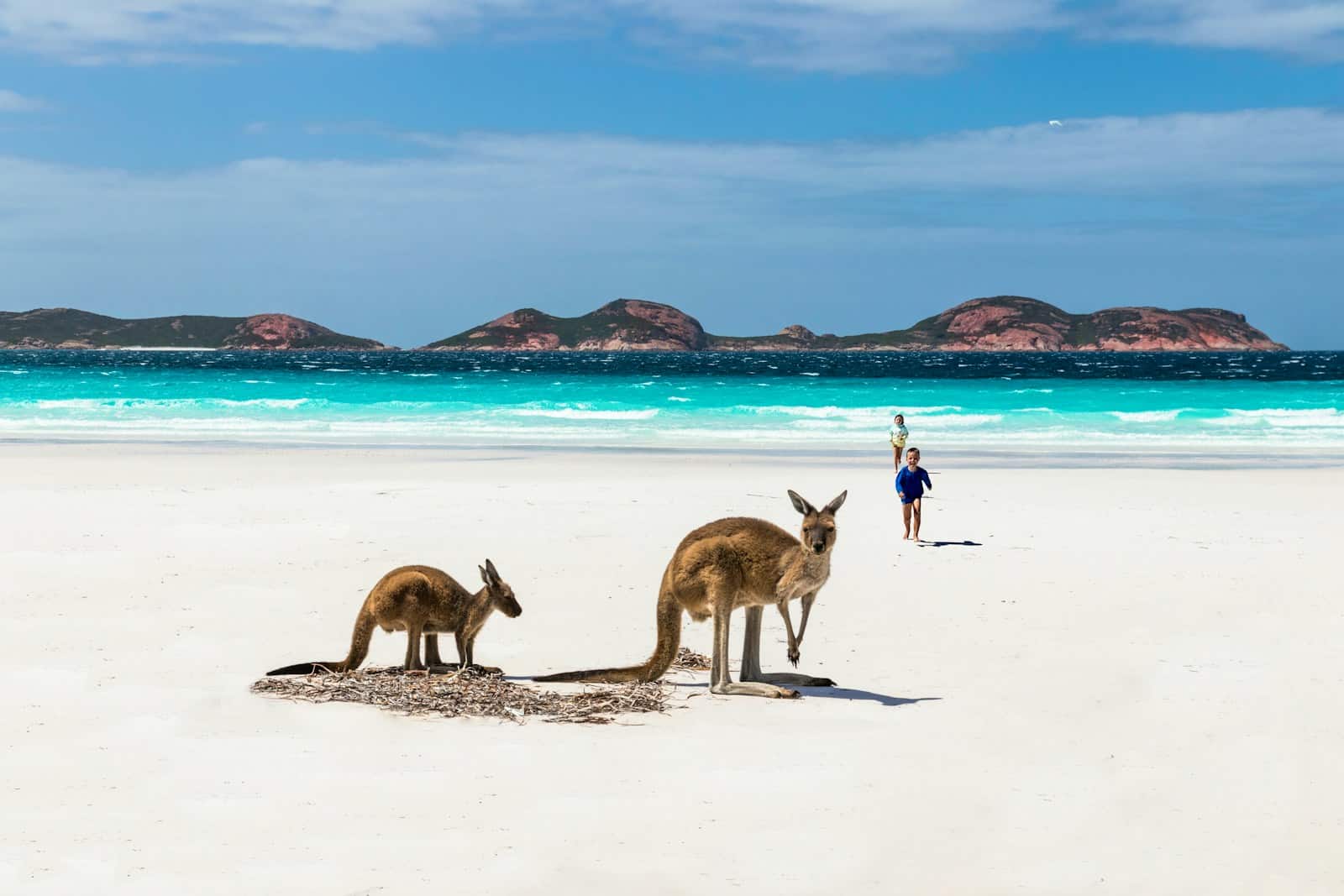
Australia’s coastline stretches for 34,000 kilometers, and scattered along its length lie islands that range from tropical reef cays to temperate wilderness sanctuaries. The country has been slower than the Maldives or French Polynesia to develop its island luxury potential, but that’s changing.

Ask us anything.
