




Delwyn Hughes
Luxury Travel Expert
Not sure yet? Talk to an expert · 020 7551 7230
Not sure yet? Talk to an expert · 020 7551 7230
Or talk to us 020 7551 7230
Tailor-made trips for 2027 & 2028
Private tours, bespoke itineraries and curated journeys across Mauritius.
Tailor-made, always
Every itinerary shaped around your dates, pace and preferences.
One dedicated expert
The same person from the first conversation until you return.
Decades of experience
Over 35 years shaping bespoke journeys for discerning travellers.
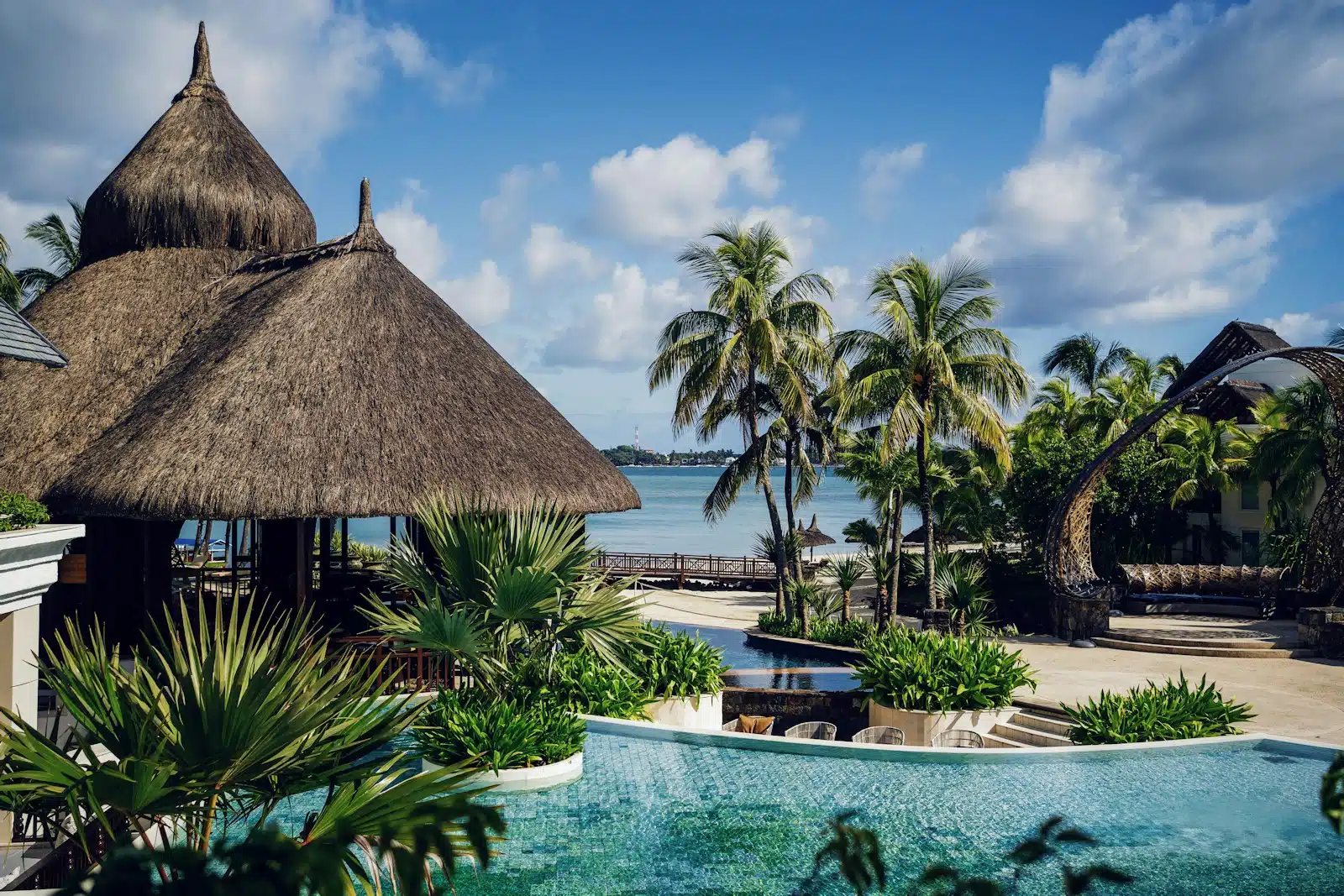
Mauritius’ appeals as a destination include beaches; lagoons on the west and north coasts, which have calmer waters than the exposed south and east; snorkelling and diving amid coral reefs, reef fish, and occasional larger marine life; and specific activities such as tea estate tours, visits to conservation reserves, and hiking. It offers a large island feel with great internal diversity and robust resort infrastructure. You can structure a trip as a single-island base (stay in one location, day trip everywhere) or move between regions.
At Do Not Disturb, we match you with one of our dedicated Mauritius luxury travel experts who designs a tailor-made itinerary around how you want your time away to feel. With deep destination knowledge and meticulous planning behind the scenes, we transform complex travel into something effortless and entirely your own.
The world without distraction.
Request a quote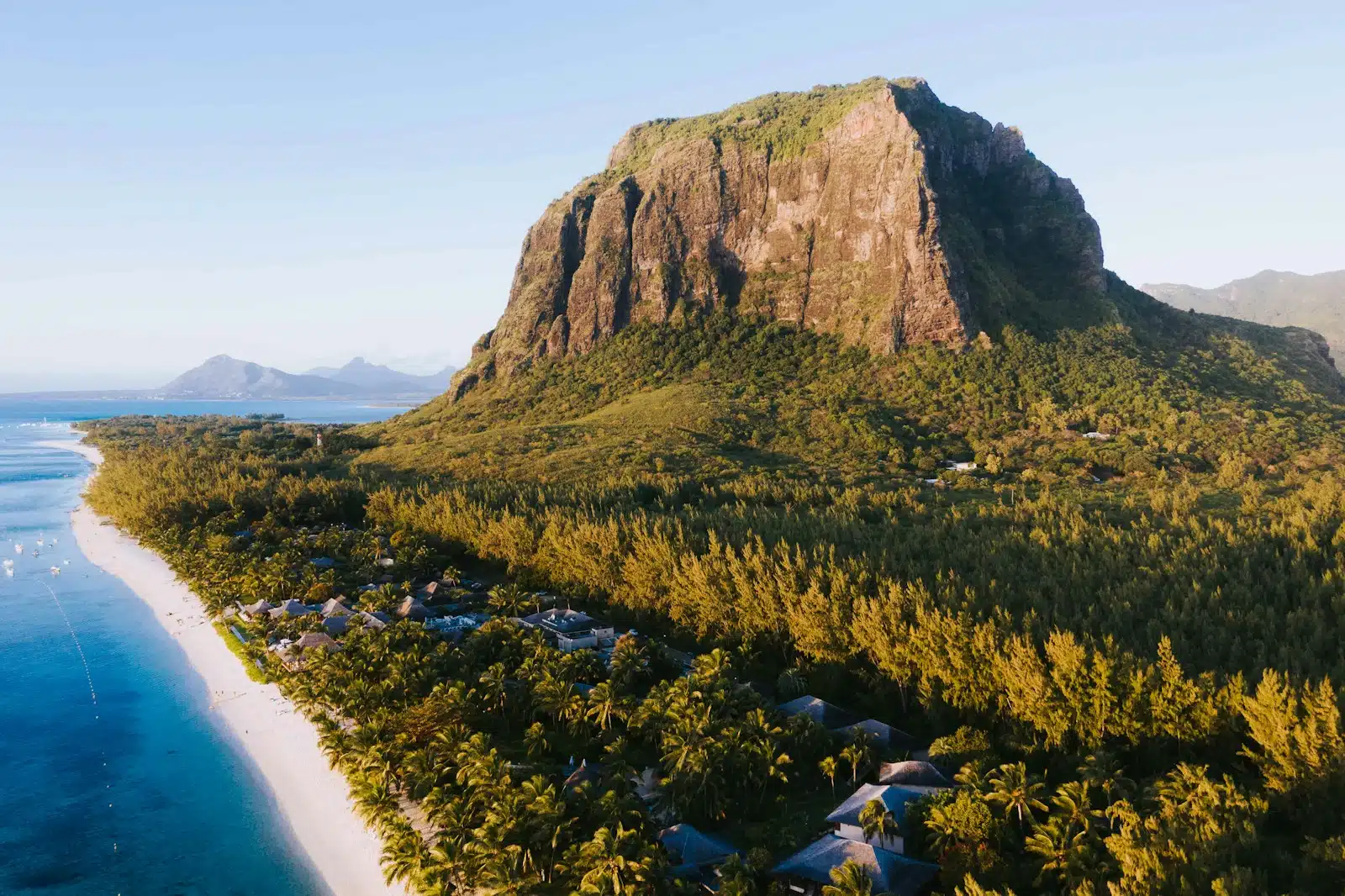


Every itinerary is a starting point. Your expert reshapes the places, hotels and pace around you.
Request a quote Sunrise on Le Morne Beach Before the Island Wakes
Watch sunrise over Le Morne Brabant from the beach or the summit of this UNESCO World Heritage Site, one of the most culturally significant and visually dramatic experiences in Mauritius.
Sunrise on Le Morne Beach Before the Island Wakes
Watch sunrise over Le Morne Brabant from the beach or the summit of this UNESCO World Heritage Site, one of the most culturally significant and visually dramatic experiences in Mauritius.
 Tea Plantation Walks and Tasting at Bois Chéri
Mauritius' oldest tea estate in the southern highlands, offering factory tours, plantation walks, and a lakeside tasting at a working plantation founded in 1892.
Tea Plantation Walks and Tasting at Bois Chéri
Mauritius' oldest tea estate in the southern highlands, offering factory tours, plantation walks, and a lakeside tasting at a working plantation founded in 1892.
 A Catamaran Day to Île aux Cerfs
A full-day catamaran cruise from Trou d'Eau Douce to Île aux Cerfs, taking in a river waterfall, coral reef snorkelling, and a BBQ lunch on one of Mauritius' finest beaches.
A Catamaran Day to Île aux Cerfs
A full-day catamaran cruise from Trou d'Eau Douce to Île aux Cerfs, taking in a river waterfall, coral reef snorkelling, and a BBQ lunch on one of Mauritius' finest beaches.
Travel guide
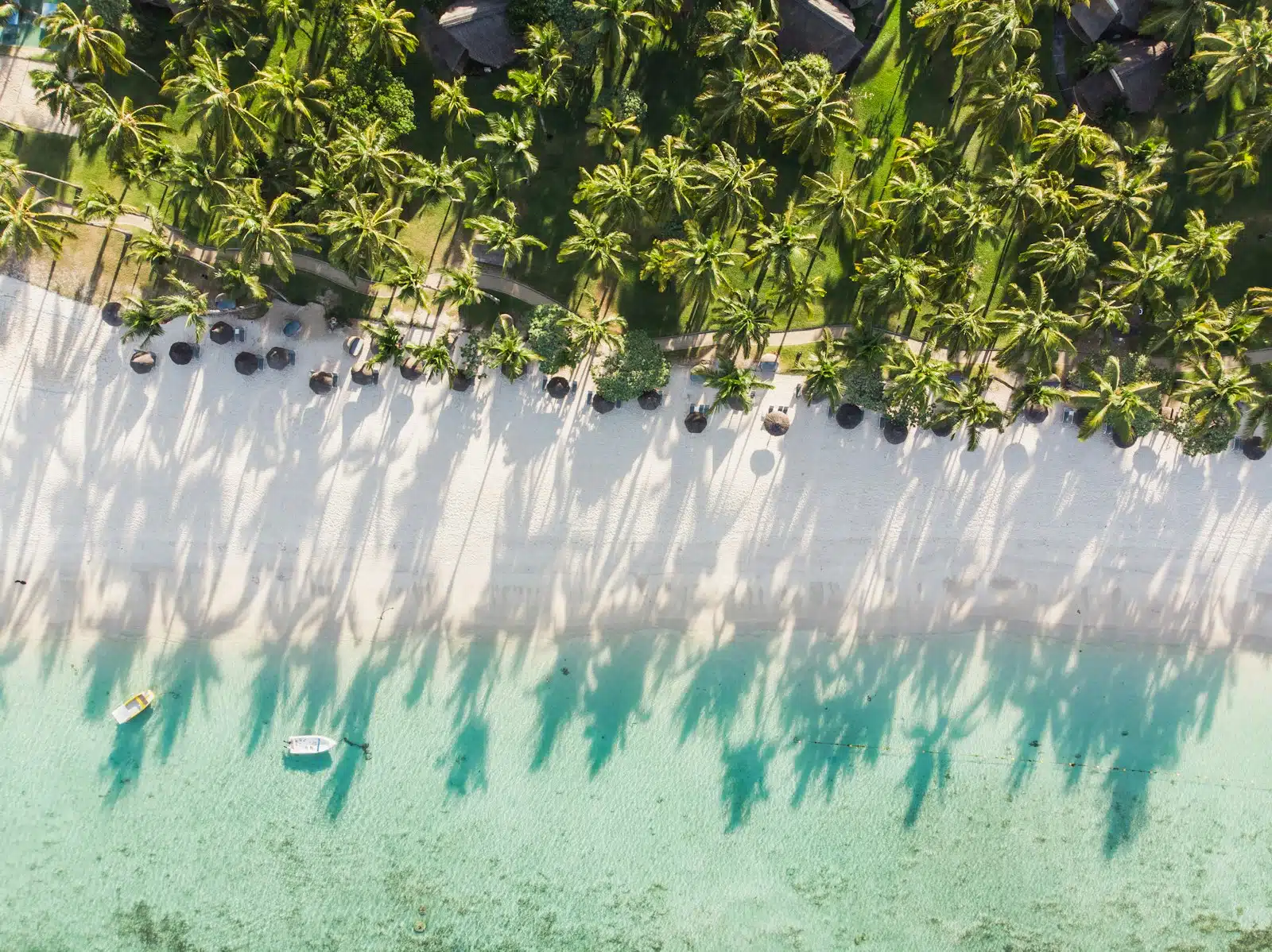
Most people stay along the coasts, where beaches are clean, access is straightforward, and resorts cluster in discreet pockets. The north is home to lively restaurants and easy boat trips to small offshore islands. The west coast is calm and warm, perfect for families and long swims. The east feels quieter, with breezier conditions and wide stretches of sand. The south delivers a wilder backdrop with cliffs, strong surf on the outer side, and some of the island’s most contemporary luxury properties.
Inland, Mauritius rises into a green plateau with national parks, tea estates, and volcanic remnants. Drives are short, and even full-day excursions rarely feel demanding. Compared to other islands in the region, Mauritius has efficient infrastructure: excellent roads, organised activities, and excellent luxury accommodation.
Mauritius has been shaped by many cultural influences, reflected in its temples, colonial-era estates, and compact museums. Visits to Aapravasi Ghat or the sugar estates provide clear context to the island’s history. Local markets in Port Louis and Flacq offer a snapshot of daily life without requiring lengthy detours.
Food is a highlight. Indian, Creole, French, and Chinese traditions shape menus across the island. Fresh fish, curries, and grilled dishes are common, often paired with local rum or light wines suited to the climate. High-end resorts showcase this diversity through tasting menus, beachside grills, and private chef experiences.
Mauritius is built for gentle adventure. The lagoons are ideal for kayaking, paddleboarding, and sailing, with reefs that offer accessible snorkelling. Inland, Black River Gorges National Park provides hiking routes through forested valleys. Chamarel’s geological formations and viewpoints give a sense of scale without strenuous effort. Whale watching and dolphin encounters are available in season, managed by operators who understand the marine environment well.
Île aux Aigrettes is a 26-hectare islet 800 meters off Mahé in Mauritius. It’s a protected nature reserve managed by the Mauritian Wildlife Foundation. Access is by guided boat tour only (30 minutes from Mahé harbour). Tours last approximately 90 minutes and cover the island’s restoration project: replanting of native forest species and reintroduction of endemic birds (Mauritius kestrel, pink pigeon).
Le Morne Peninsula is a 556-meter basalt mountain on Mauritius’s southwest coast. The base contains beaches and resort infrastructure. Lower slopes have established hiking trails (varying difficulty, marked routes). A climb to the summit takes 2 to 3 hours depending on fitness. Not hidden, but still under-visited beyond the beach. Walks on the lower slopes offer excellent views without committing to the full summit hike.
The Tea Route refers to tea estates concentrated in the Bois Chéri region (south-central Mauritius, approximately 80 kilometres from the capital Port Louis). Several estates offer factory tours showing tea processing from leaf to finished product (typically 1 to 2 hours).
Mauritius is warm all year, but September to November is a particular pleasure: dry, settled weather, calm clear water and days of 22–28°C. March to May is warm and still, a favourite with honeymooners, December to February is hot and humid with tropical showers, and June to August is milder and breezier, ideal for hiking, golf and wellness.
Dry, warm, and settled at 22–28°C. Clear water and calm conditions make this one of the best seasons for outdoor activities.
Hot and humid at 26–32°C, with tropical showers. The sea is warm, and evenings stay lively. Ideal for travellers who prioritise resort time.
Still and warm, 24–30°C. Good visibility offshore and comfortable temperatures inland. A strong choice for couples and honeymooners.
Mild at 19–25°C with breezier days, especially on the east coast. Excellent for hiking, golf, and wellness-focused trips.
Mauritius is served by Sir Seewoosagur Ramgoolam International Airport (MRU), with direct or one-stop flights from Dubai, Doha, London, Paris, Johannesburg, and major Indian hubs. Premium cabins on Emirates, Qatar Airways, Air Mauritius, and British Airways offer smooth long-haul connections.
Entry for US, UK, EU, Canadian, and Australian travellers is generally visa-free for short stays, though conditions should be confirmed before departure. Transfers across the island are straightforward: journeys rarely exceed 90 minutes, and private drivers are the norm for resort arrivals. Helicopter transfers are available for select properties, offering quick access and strong aerial views.
Planning a trip to Mauritius? We will match you with an expert who knows it well.
Plan your Mauritius journeyYou are matched with an expert who knows Mauritius, and the same expert looks after you from the first conversation until you return.
Luxury Travel Expert

Luxury Travel Expert

Luxury Travel Expert
Our team brings over 35 years of experience in luxury travel, shaping bespoke journeys for discerning clients worldwide.
Our trip was truly magical and full of core memories that will last us a lifetime.
“We just returned from an incredible journey through Ireland, and we couldn’t have had a better experience”
“This was a flawless experience right from the beginning, we had so many thoughts and ideas flowing around and they took all of them and perfectly curated the most beautiful honeymoon for us.”
Have another question? Your Mauritius expert will answer it.
Ask an expertYes. Every Mauritius itinerary is a starting point: your Mauritius travel expert shapes each journey around your dates, pace and preferences.
Mauritius is warm all year, but September to November is a particular pleasure: dry, settled weather, calm clear water and days of 22–28°C. March to May is warm and still, a favourite with honeymooners, December to February is hot and humid with tropical showers, and June to August is milder and breezier, ideal for hiking, golf and wellness.
Our Mauritius itineraries run from 10 to 16 days. Your expert can shorten or extend any of them around your plans.
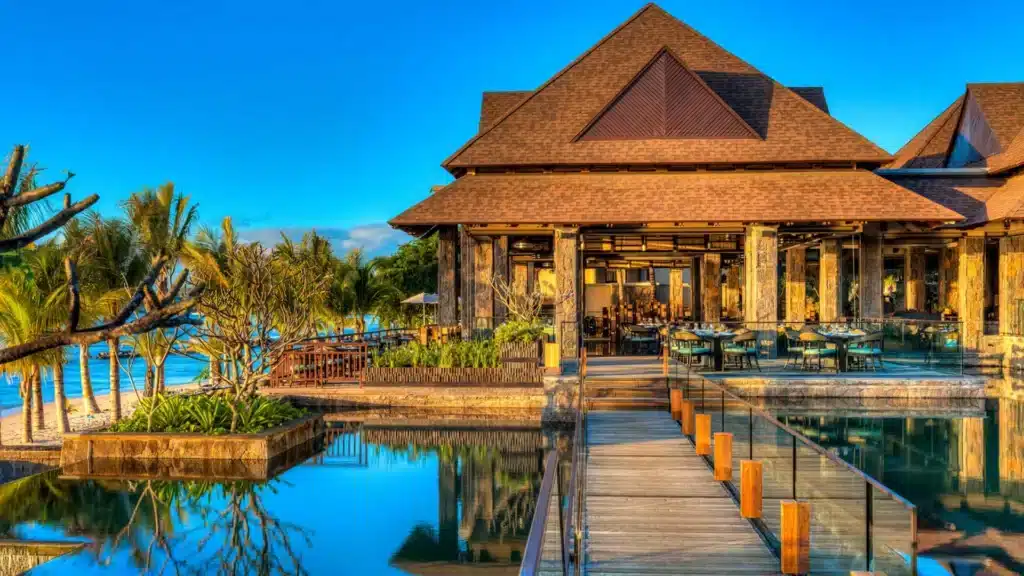
Among the hotels our experts recommend most are Sugar Beach, Shanti Maurice and Radisson Blu Azuri Resort and Spa. See all our hotels in Mauritius.
Highlights include Sunrise on Le Morne Beach Before the Island Wakes, Tea Plantation Walks and Tasting at Bois Chéri and A Catamaran Day to Île aux Cerfs, and your expert will build the experiences that matter most to you into your itinerary.
Yes. Our journeys pair Mauritius with South Africa, and your expert can link it with almost anywhere we travel.
We design tailor-made luxury journeys. You tell us what you have in mind, whether a destination, a feeling or a celebration, and a dedicated travel expert shapes a private itinerary around you, then takes care of every detail before, during and after your trip.
Yes. Every itinerary on our site is a starting point. Your expert shapes the places, hotels, pace and length around your dates and preferences, or begins with a blank page.
In three steps. We listen: you share your dates, ideas and budget by phone or through our enquiry form. We curate: your expert designs a private itinerary and refines it with you until it feels right. You travel: every detail is handled, with support throughout your journey.
Our team brings over 35 years of experience in luxury travel. You are matched with an expert who knows your destination, and the same expert looks after you from the first conversation until you return.
It depends on your dates, hotels and length of stay. Each suggested itinerary shows a "from" price per person, and your expert prepares a detailed proposal for the journey you have in mind.
Tell us how you want to feel, we’ll take it from there.
Or talk to us 020 7551 7230
Planning your trip should feel effortless.
You share what matters, whether it is a destination, a feeling, or a moment worth celebrating.
Your dedicated expert shapes a thoughtful, private itinerary tailored entirely around you.
Every detail handled. Every moment considered. Support before, during, and after your journey.
Begin your journey
Tell us how you want your time away to feel. Your dedicated expert will be in touch to begin shaping it around you.
Or speak with us
020 7551 7230




Your enquiry goes straight to one of our travel experts, who will reply to you personally.
Rich, Delwyn, Jemima and the team