Destination: Brazil

Brazil stretches across rainforests, highlands, wetlands and coastlines that feel entirely different from one another. Its cities mix sharp modernism with deep Afro-Brazilian, Indigenous and European traditions.

Why Brazil?

Culturally, Brazil is shaped by Portuguese colonization plus African diaspora plus Indigenous populations, which created something entirely different from Spanish-speaking South America. That African influence is foundational to Brazilian identity in a way it isn’t elsewhere: it’s in the music (Samba, Bossa Nova weren’t exports, they were how people lived), the food (seafood traditions rooted in West African technique), the religious practices (Candomblé alongside Catholicism), and the racial and social dynamics that are still actively playing out. The beaches are integrated into how Brazilians live their lives rather than being tourist destinations first. And there’s an energy that comes from a young country still in process, culturally productive in real-time rather than heritage.

Why Brazil

Travel Guides

  • Brazil Overview

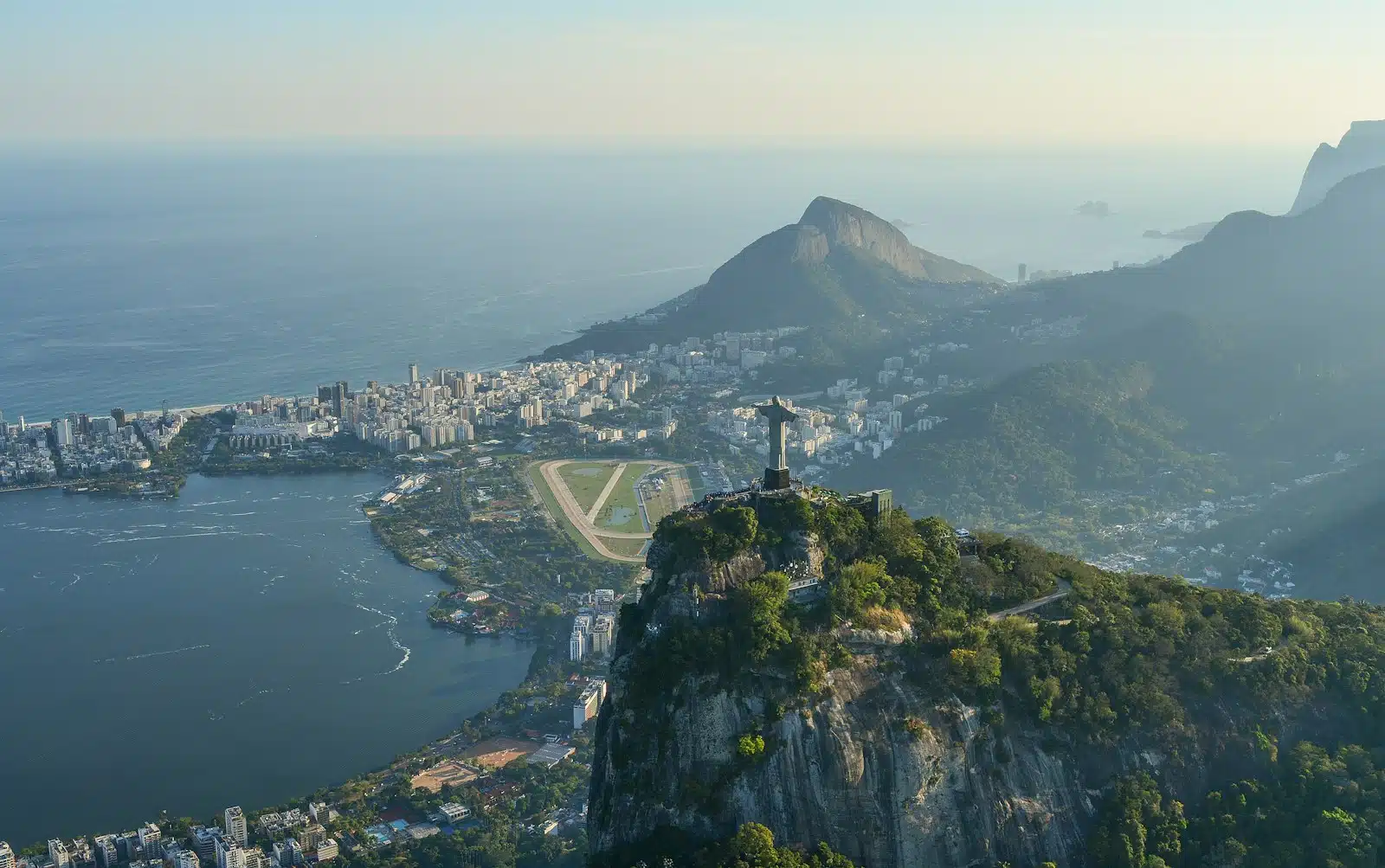
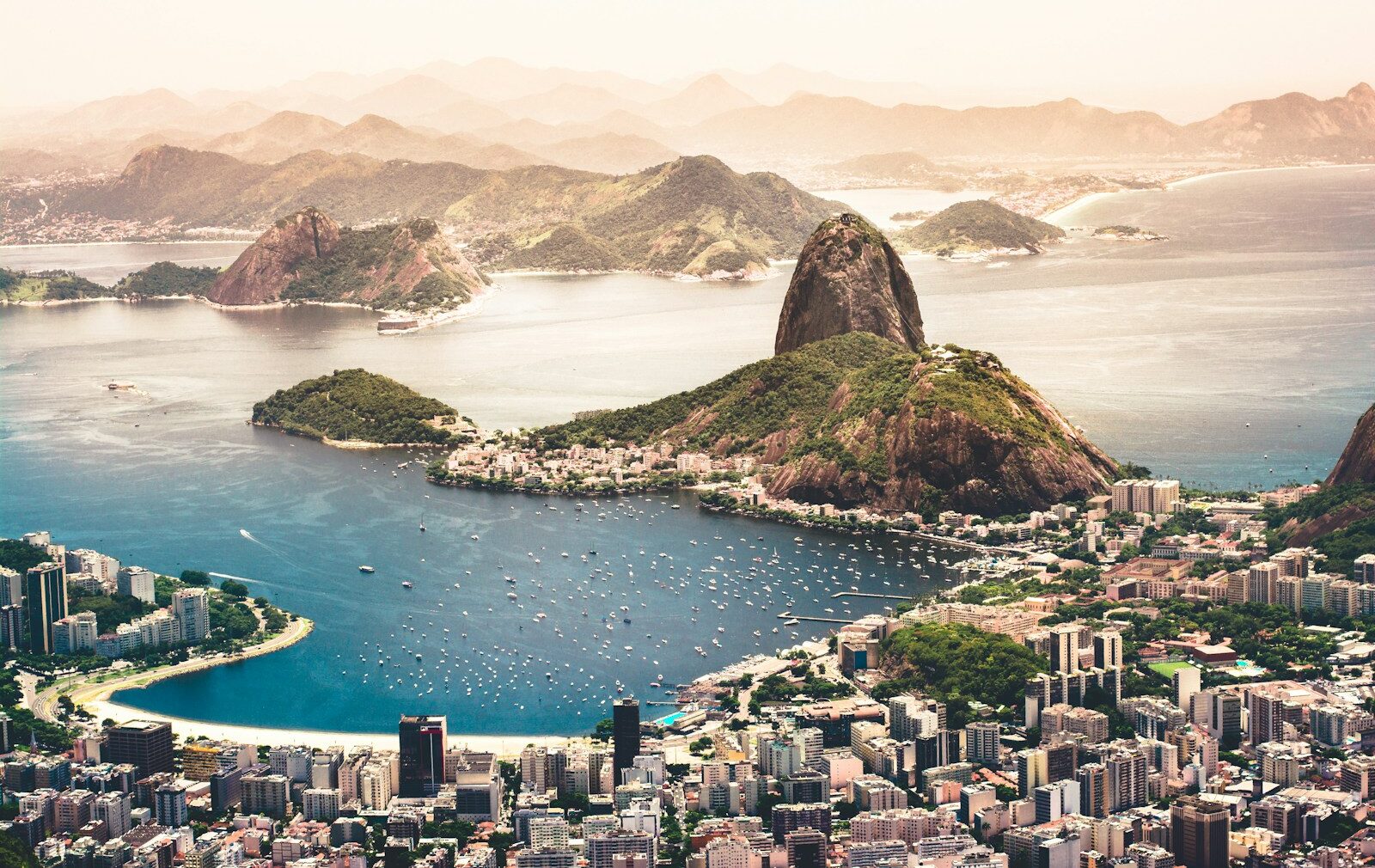
    Most journeys begin in Rio de Janeiro or São Paulo. Rio’s geography is quite theatrical. Mountains rise straight from the ocean, neighborhoods hug curves of sand, and much of daily social life occurs on the beach.

    São Paulo delivers a different impression. The skyline stretches for miles, anchored by restaurants, galleries, bookstores and architectural landmarks that reflect its status as Brazil’s financial and cultural engine. It is a city built on migration, where Japanese, Italian, Lebanese and northeastern Brazilian communities have created distinct neighborhoods and exceptional food.

    Head northeast and the country shifts tone again. Salvador, once the capital of Portuguese Brazil, remains the cultural heart of the Afro-Brazilian world. Candomblé temples, percussion schools and Bahian cuisine are integral to daily life. The Pelourinho district holds pastel-coloured colonial buildings and a rhythm that moves from daytime processions to night-time music.

    Further north, the coastline between Recife and Fortaleza blends dunes, lagoons and fishing villages with cities that balance modern growth and tradition. In the central highlands, Brasília stands out with its Niemeyer-Planner urban vision, a rare architectural experiment at national scale.

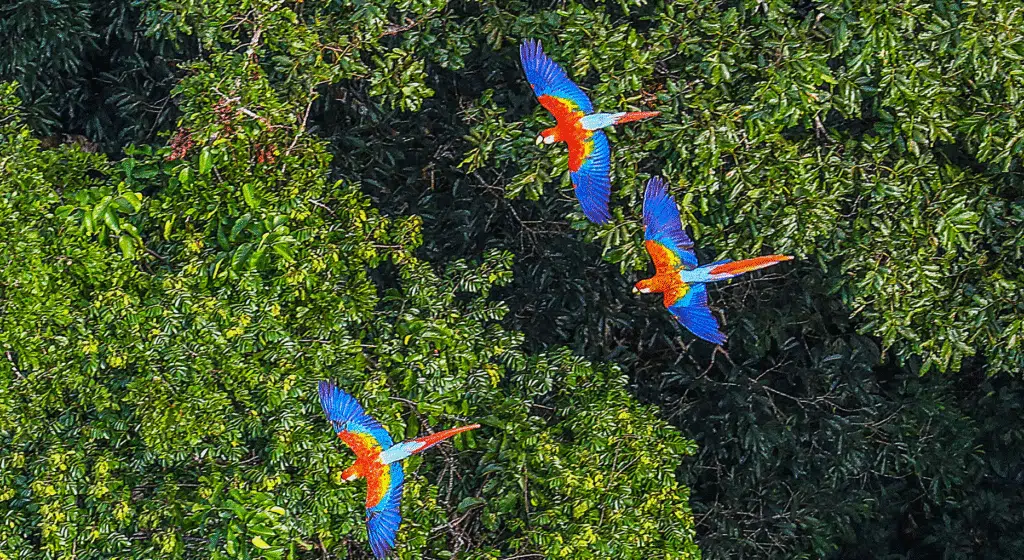
    To the west lie Brazil’s great ecosystems. The Pantanal is one of the most important wildlife regions on the planet, known for jaguar sightings, wetland safaris and birdlife. The Amazon, both river and rainforest, is vast enough to hold its own cultures, dialects and ecological systems, best explored through small lodges and river journeys.

  • Brazil things to do

    Culture and Heritage

    In Salvador, capoeira rodas take place in courtyards and squares, while local markets sell dendê oil, ceramics and regional instruments. Rio’s Museu do Amanhã and MAR Museum showcase contemporary perspectives on science, art and identity. Ouro Preto and Tiradentes preserve colonial baroque architecture in Minas Gerais, each carved into hills that feel unchanged for centuries.

    Cuisine and Culinary Traditions

    Brazil’s food landscape is deeply regional. Bahia cooks with African influence: moquecas enriched with coconut milk and dendê oil, acarajé fried to order and served streetside. The Amazon relies on river fish, fruits like cupuaçu and techniques drawn from Indigenous communities. São Paulo’s food culture blends global and Brazilian traditions, from Japanese-Brazilian menus to modern tasting rooms.

    Nature and Landscapes

    Brazil’s ecosystems are among the most varied on earth. The Amazon covers an expanse of river channels, dense forest and small communities accessible only by boat or plane. The Pantanal, the world’s largest wetland, offers some of the closest big-cat wildlife viewing anywhere, with lodges and guides who track jaguars, caimans and giant otters. The Atlantic Forest provides a quieter, more intimate environment with lush reserves and coastal mountain ranges.

  • Brazil hidden gems

    Paraty, Rio de Janeiro State

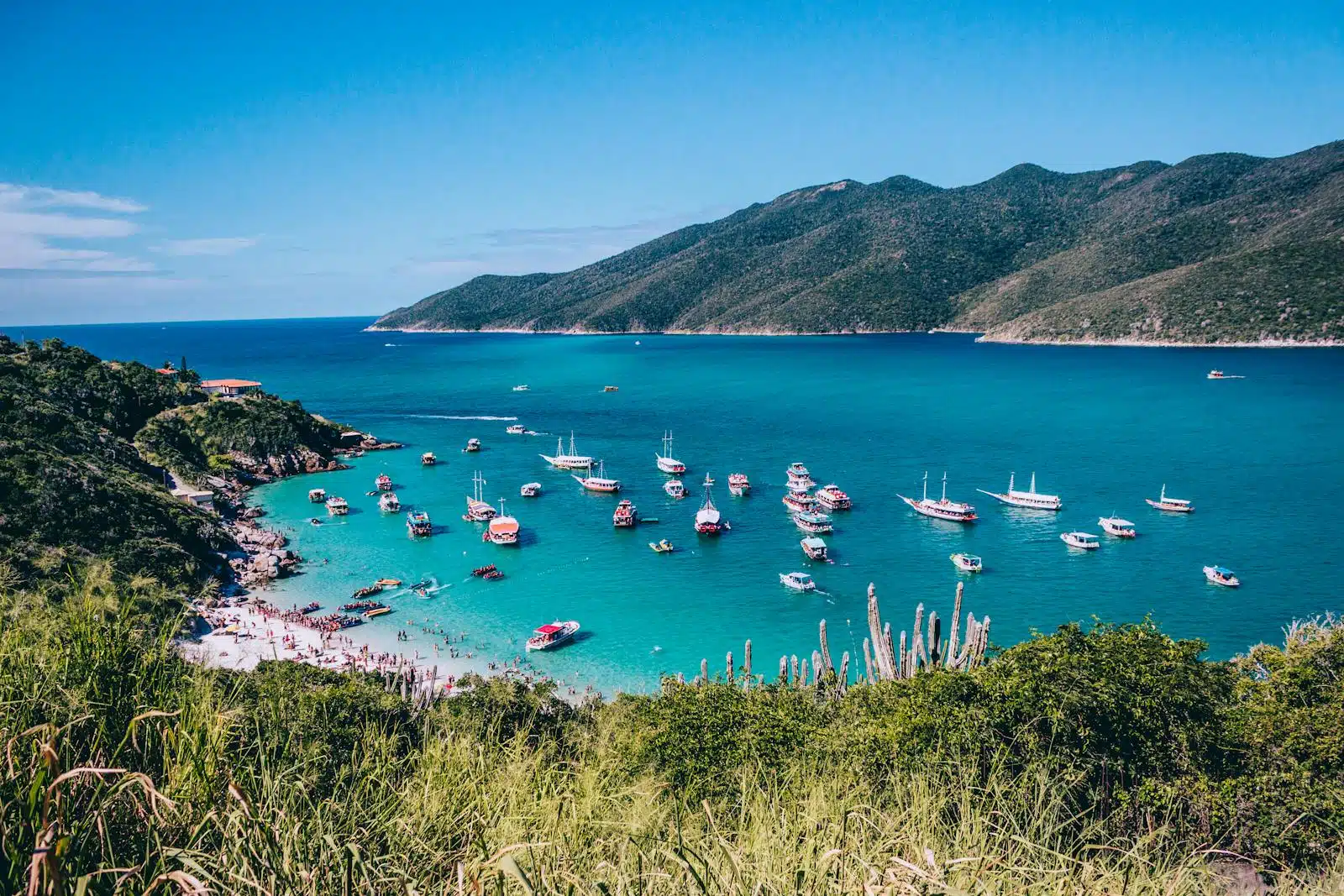
    Paraty sits between steep Atlantic Forest mountains and a sheltered bay dotted with small islands. The historic center is car-free, which lets the geometry of its colonial houses and uneven cobblestones speak for themselves. The town works at a quiet pace, with cafés opening onto whitewashed streets and boats leaving early for calm inlets where the water stays clear and shallow.

    Alter do Chão, Pará

    Often described as the Amazon’s answer to a beach town, Alter do Chão is more interesting than that. It sits along the Tapajós River, where the water is so clear and pale it unsettles assumptions about the Amazon’s scale and mood. During the dry season, white-sand river beaches appear and boats carry travellers between floating restaurants, forest paths and quiet swimming spots. The pace is relaxed, but the cultural layer is strong, with Indigenous and caboclo traditions shaping local food, crafts and festivals.

    Inhotim, Minas Gerais

    Inhotim is a contemporary art complex on a scale rarely matched anywhere. Set in rolling hills near Brumadinho, it combines open-air installations, large-scale sculpture and standalone pavilions designed by some of Brazil’s leading architects. Works by artists such as Tunga, Adriana Varejão and Doug Aitken sit within botanical gardens that hold rare species from across the tropics.

  • Brazil Overview weather

    Spring (September to November)

    Warm and consistent at 22 to 30°C. A strong time for Rio, São Paulo, Minas Gerais and the northeast. Coastal winds remain pleasant and humidity moderate.

    Summer (December to February)

    Hot, often 26 to 35°C. Peak season in Rio and Bahia. Rainfall increases in the Amazon and São Paulo. Strong for beach travel and festivals.

    Autumn (March to May)

    Comfortable at 20 to 28°C. Clear skies in the southeast and northeast. The Pantanal begins transitioning into dry season, improving wildlife opportunities.

    Winter (June to August)

    Varies widely. The south can cool to near 10°C, while the northeast remains warm around 24 to 28°C. Dry season in the Pantanal and Amazon makes this a prime wildlife window.

  • Brazil getting there

    Brazil’s main gateways include São Paulo Guarulhos (GRU), Rio de Janeiro Galeão (GIG) and Brasília International (BSB). Direct flights from the United States and Europe are frequent, with premium cabins offered by LATAM, Azul, American Airlines, United, British Airways and Lufthansa. Flight times range from nine to twelve hours from London and generally eight to ten from major US hubs.

    Most travellers from the US, UK, EU, Canada and Australia do not require a visa for short stays. Domestic flights link major regions efficiently, essential given Brazil’s size. For rural or wilderness destinations, private drivers, charter flights and lodge-arranged transfers streamline movement across long distances.

Your journey doesn’t start with a booking. It starts with a conversation.

Tell us how you want to feel, we’ll take it from there.

See more reviews on Trustpilot

Editorials

17 min read

The Amazon is one of the last places on Earth where nature still feels wild, where each moment on the river or under the trees reconnects you with something primal, vast, and breathtakingly alive.

27 October 2025

Tell us about your journey