Destination: Spain

In Spain, Roman amphitheaters still ring its coastlines, Moorish palaces shimmer beneath Andalusian light, and modern cities rise with a confidence earned through centuries of reinvention. From the Gothic quarters of Catalonia to vineyards rolling across La Rioja and fishing villages curled along the northern coast, Spain is a place where history feels present and pleasure is taken seriously.

Why Spain?

Few destinations offer such a concentrated blend of culture, beauty, and rhythm. Spain’s cities are fueled by art and architecture that changed the course of Europe, while its rural regions protect traditions honed over generations. Travellers come for masterpieces by Velázquez and Picasso, but they stay for late dinners that stretch past midnight, for festivals that sweep whole neighborhoods into celebration, and for landscapes that shift from Mediterranean coves to volcanic islands in a single country.

Why Spain

Travel Guides

  • Spain Overview

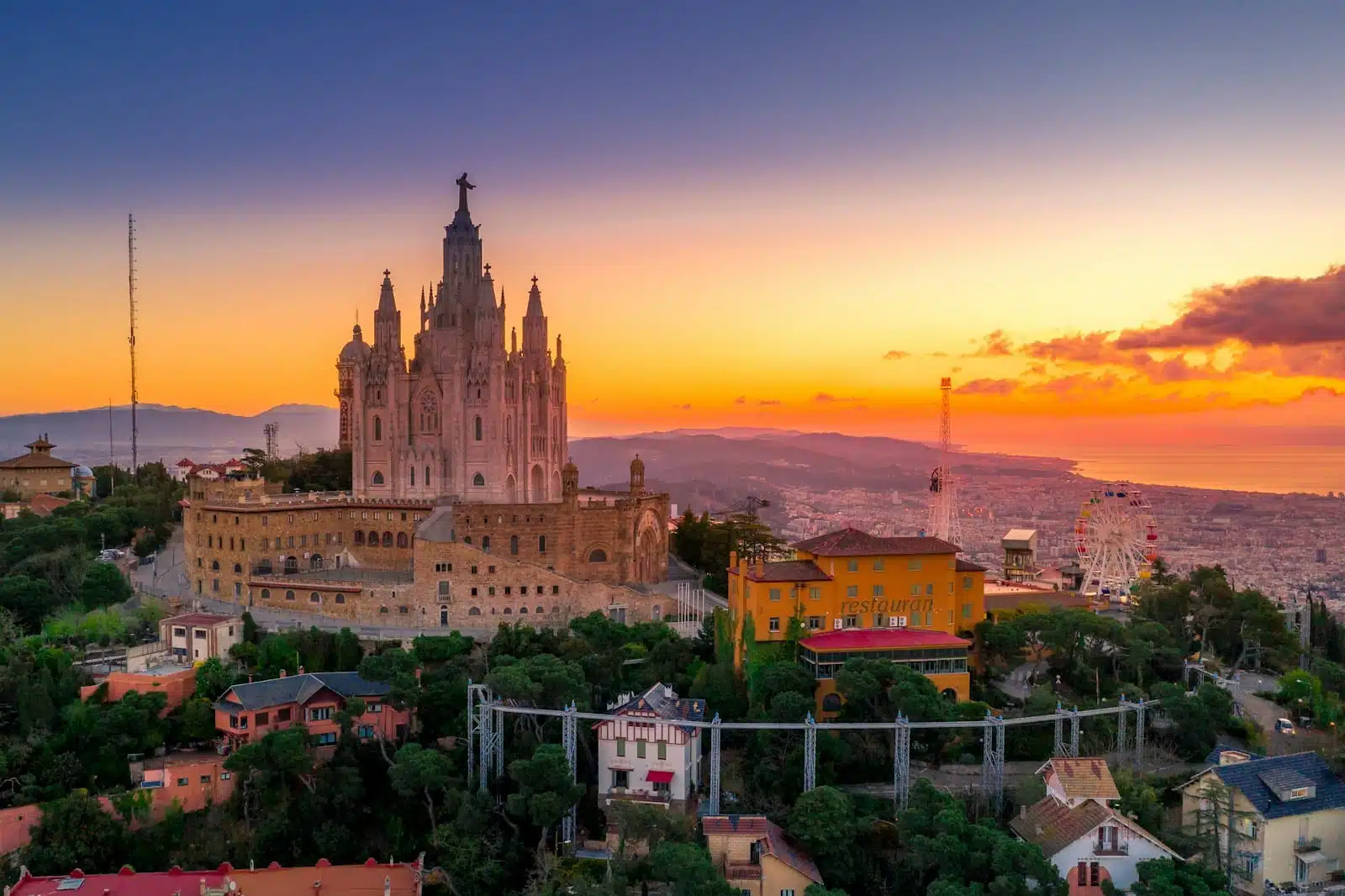
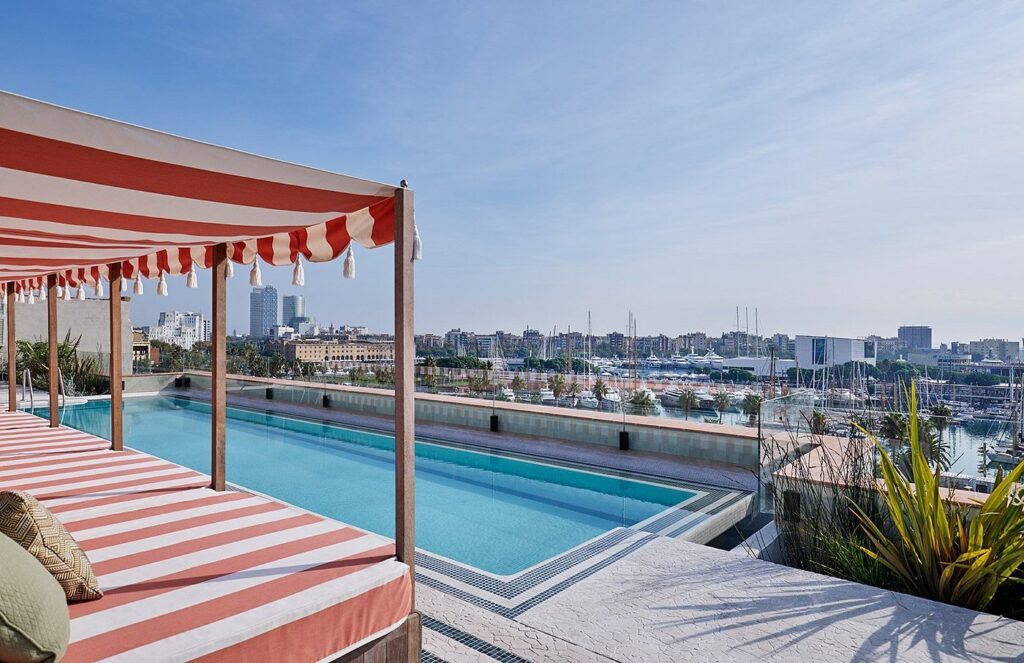
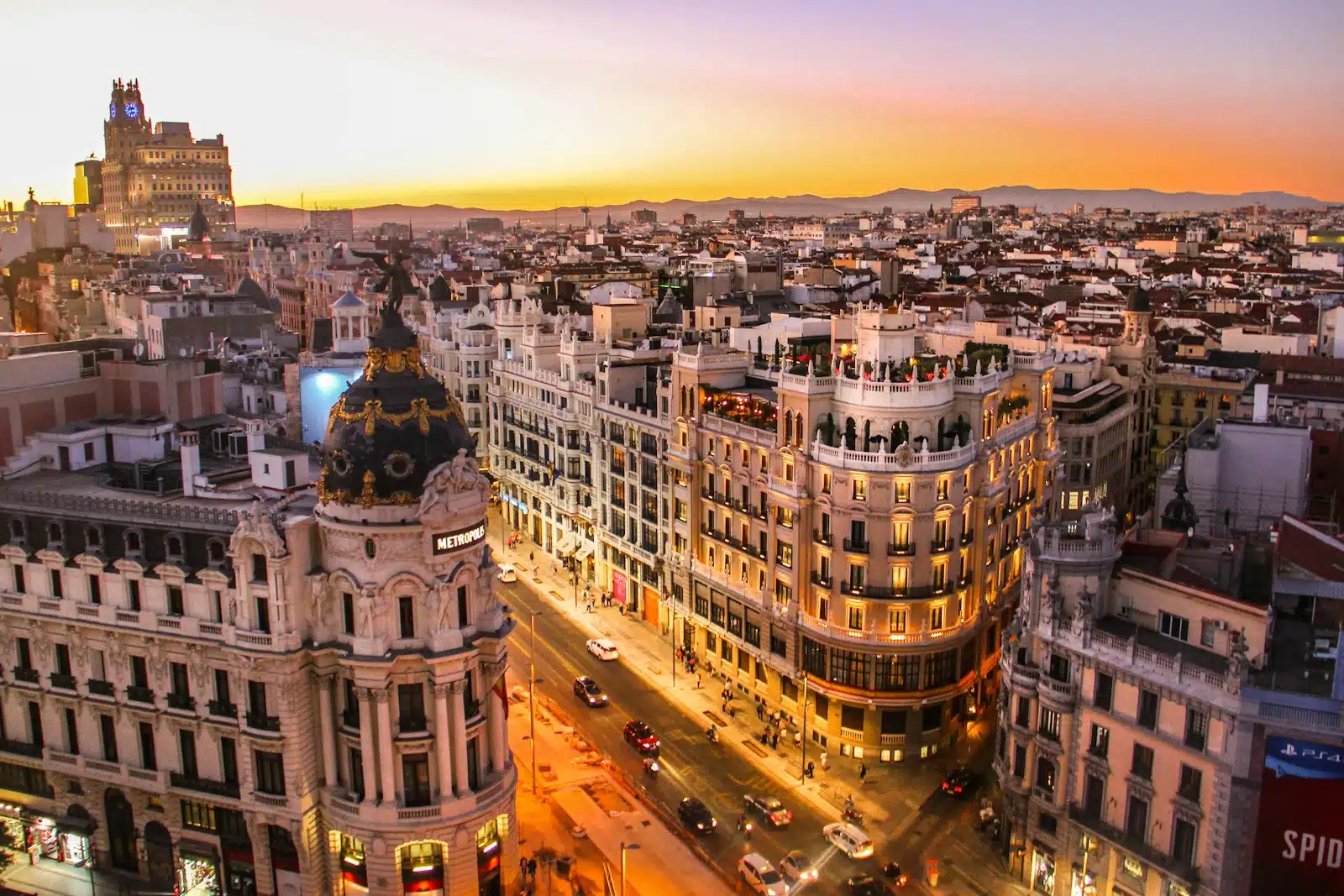
    Spain unfolds region by region, each one distinct in character. Madrid, set at the country’s center, is steeped in royal heritage and world-class galleries. Its boulevards lead from stately museums to tapas bars that hum well into the night. Barcelona offers a different tempo: a coastal city shaped by Catalan culture, where Gaudí’s surreal architecture defines the skyline.

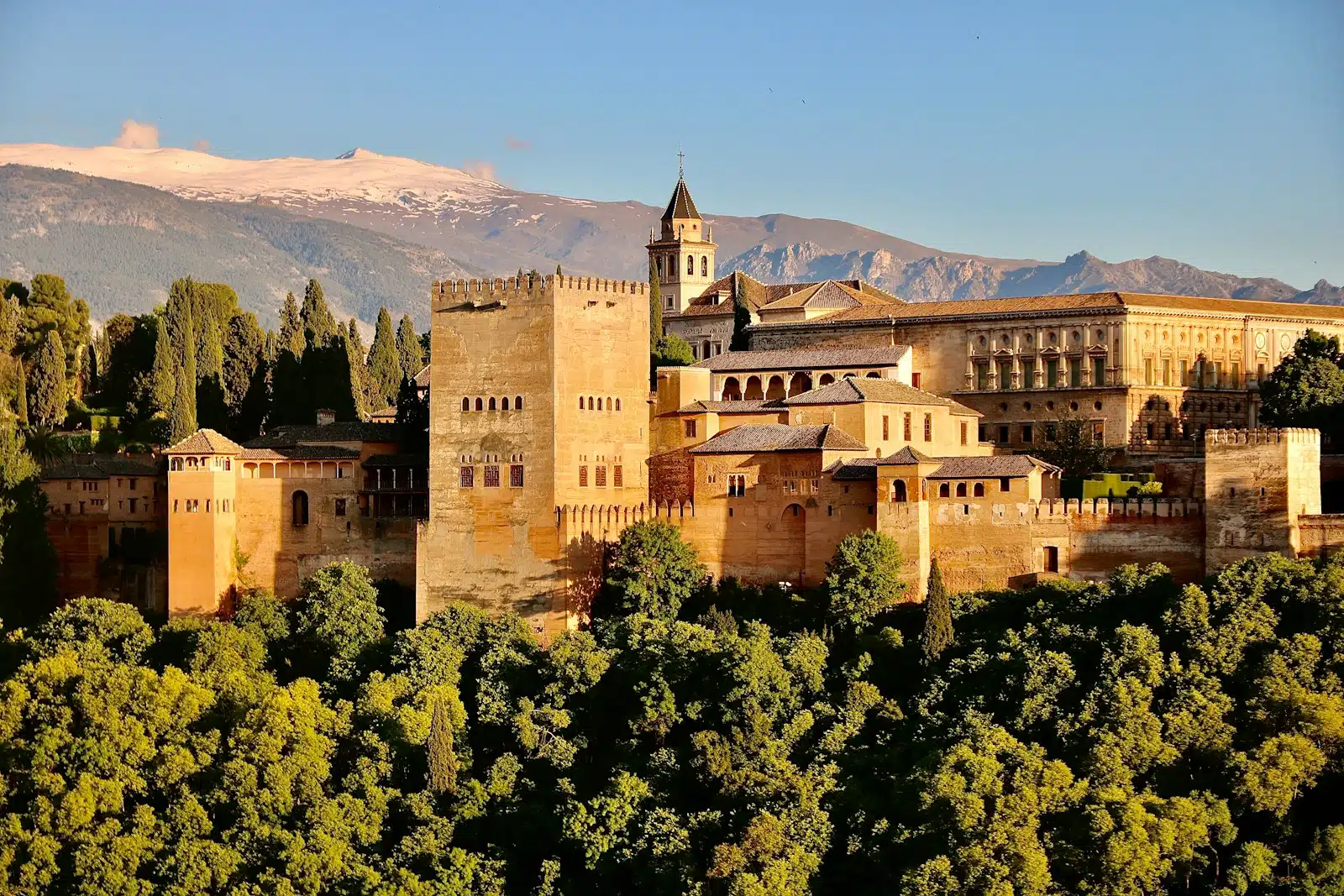
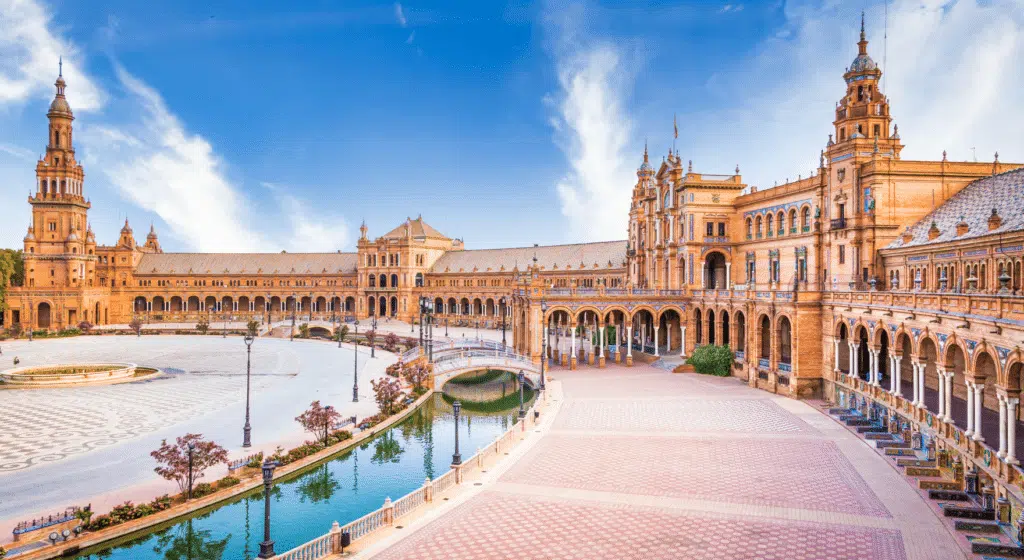
    Southward, Andalusia speaks to Spain’s Moorish past with remarkable clarity. The Alhambra’s intricate stonework, Córdoba’s great mosque, and Seville’s orange-scented courtyards all reflect a period when art, science, and poetry flourished under Islamic rule. To the north, the Basque Country reveals a sharper landscape and an elevated food culture renowned across the world. Inland, La Rioja and Ribera del Duero provide some of Europe’s most beautiful wine routes.

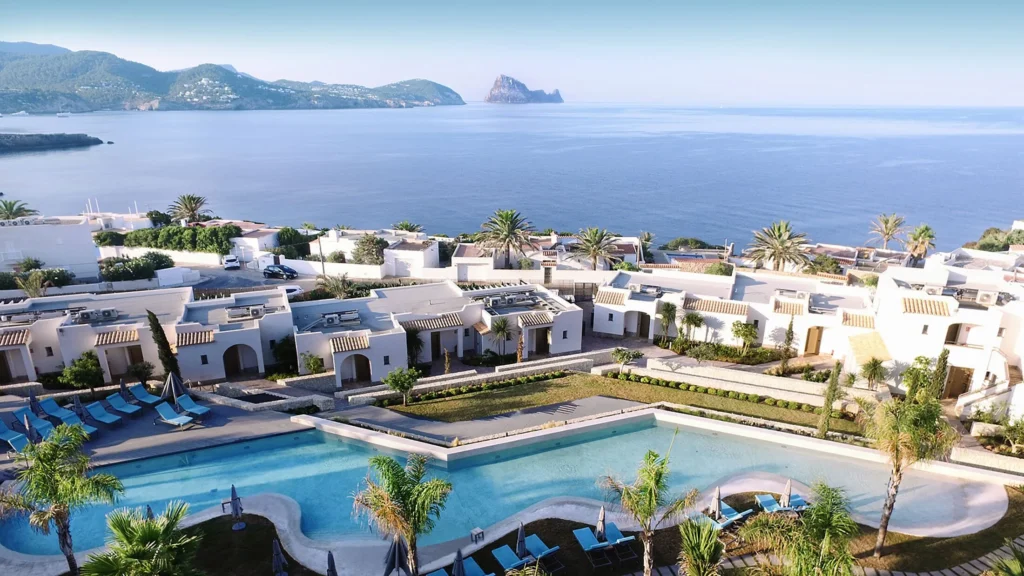
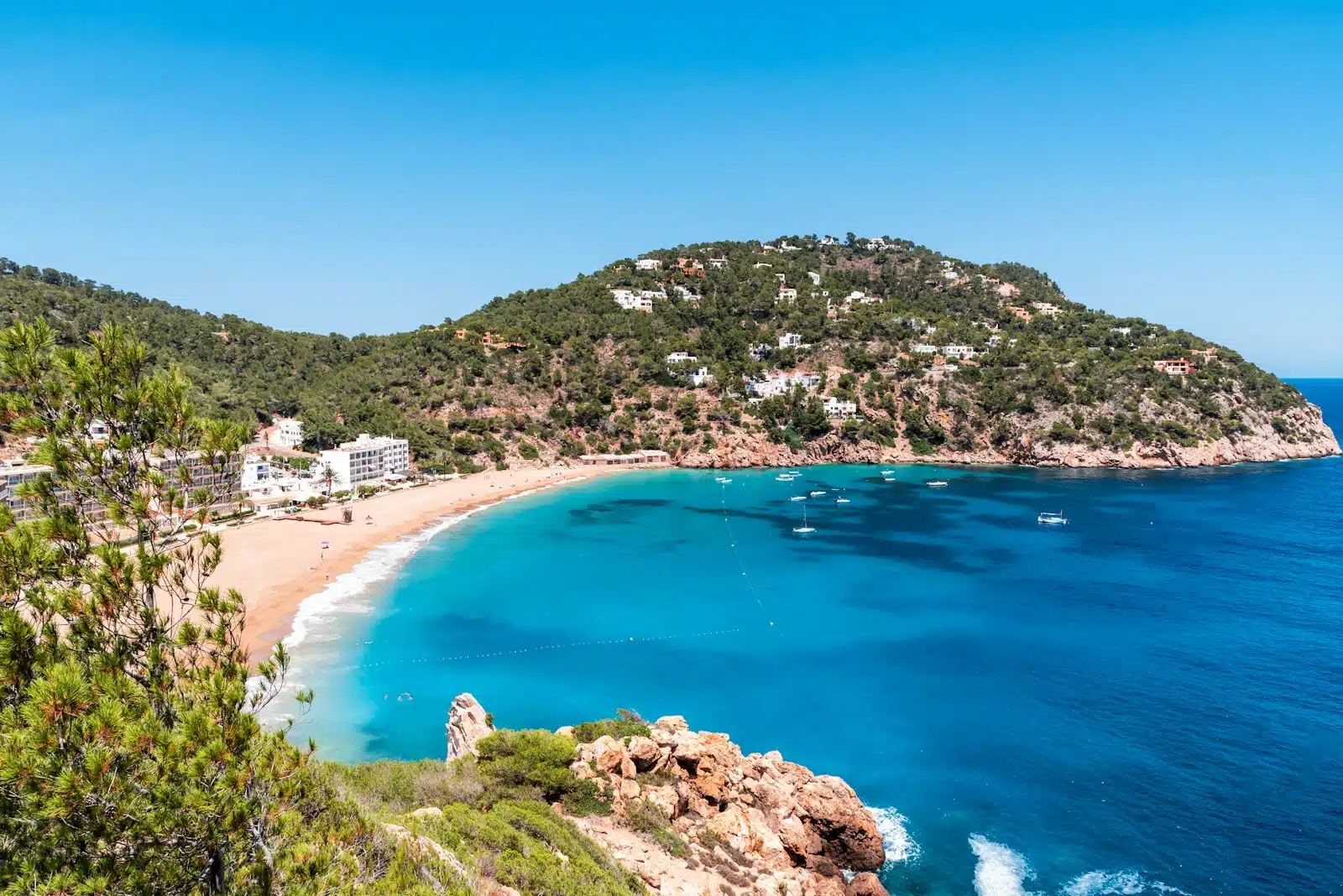
    Beyond the mainland, Spain’s islands offer entirely different geographies. The Balearics blend refined coastal living with centuries-old towns and crystalline coves reachable only by boat. The Canary Islands, closer to Africa than Europe, present a rugged volcanic terrain, black-sand beaches, and a climate that stays warm even in winter.

  • Spain things to do

    Culture and Heritage

    Spain’s artistic legacy spans millennia. The Prado houses royal collections that shaped European painting, while the Reina Sofía preserves Picasso’s defiant Guernica. In Andalusia, Islamic architecture reaches its height in palaces and gardens designed with geometric harmony. Medieval pilgrimage routes, Roman ruins, Gothic cathedrals, and Renaissance plazas reveal how deeply Spain’s story is etched into its cities and landscapes.

    Cuisine and Wine

    Barcelona’s markets brim with Mediterranean produce, while Madrid champions slow-cooked stews and traditional taverns. The Basque Country remains one of the world’s great gastronomic centers, home to pintxos bars, experimental restaurants, and chefs who shaped modern fine dining. Inland, vineyard estates in La Rioja and Priorat welcome travellers for tastings among hills lined with centuries-old vines. Coastal regions deliver exceptional seafood, often paired with olive oils and wines that speak to their specific landscapes.

    Nature and Coastlines

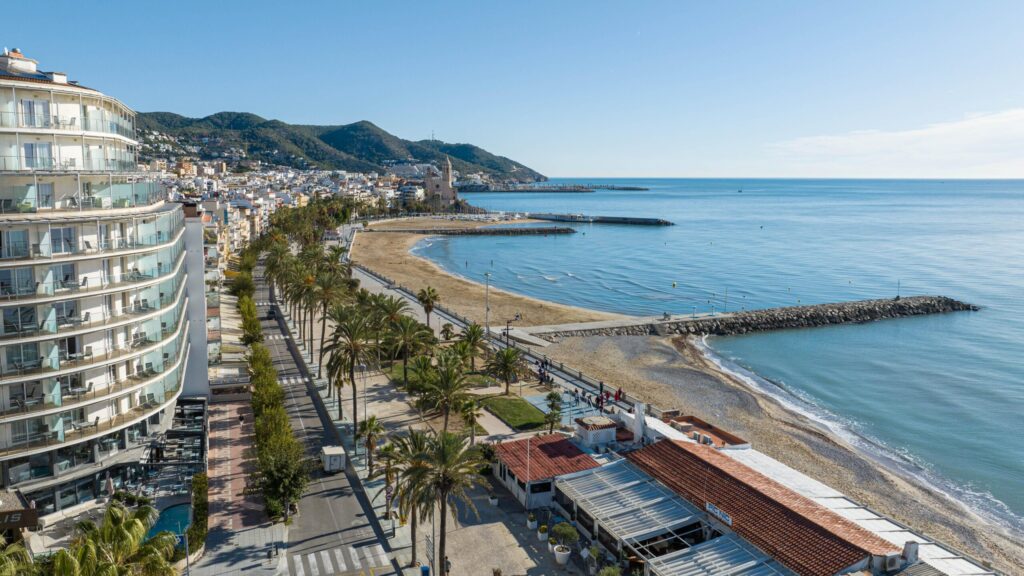
    Spain’s geography is remarkably varied. The Costa Brava offers pine-framed coves and turquoise water perfect for kayaking and coastal hikes. The Pyrenees deliver dramatic vistas, alpine lakes, and quiet stone villages surrounded by meadows. On the Canary Islands, volcanic craters, lunar ridges, and ancient laurel forests create hiking routes unlike anywhere else in Europe. Sailors are drawn to the Balearics for their sheltered bays, while surfers head north to the wild Atlantic breaks of Cantabria and the Basque coast.


  • Spain hidden gems

    Cadaqués

    A fishing village on the Costa Brava where Salvador Dalí established his artistic practice. The whitewashed houses and Mediterranean light that attracted him remain largely unchanged, though the village now occupies an unusual position between pilgrimage site and functioning community. The beaches are genuinely secluded if you venture beyond the central cove.

    Cáceres

    A walled medieval city in Extremadura that represents a specific moment in Spanish history: the transition from Islamic to Christian rule. The stone towers and narrow lanes were not designed as picturesque backdrop. They document how a successful medieval city actually organized itself: defensible, compact, with plazas functioning as genuine civic space. The Old Town remains a UNESCO site not through preservation efforts but because the city simply moved outward, leaving the medieval center functioning as it always has.

    La Palma

    The greenest and least developed of the Canary Islands, shaped by volcanic terrain that remains geologically active. Dense laurel forests cover the interior in ways that seem incongruous for an island this close to Africa. The volcanic ridges create dramatic elevation changes within short distances. The night skies rank among Europe’s clearest for reasons of geography and deliberate light pollution ordinances.

  • Spain Overview weather

    Spring

    A gentle season with temperatures from 55 to 70°F ideal for city exploration, hiking, and early coastal escapes. Blossoms fill courtyards in Andalusia and vineyard landscapes begin to stir.

    Summer

    Warm and lively at 75 to 95°F. The coasts and islands are at their best, with long daylight hours for sailing, beach days, and evening festivals.

    Autumn

    Often the most rewarding season, 60 to 80°F, with wine harvests, cultural calendars resuming, and comfortable conditions across both mainland and islands.

    Winter

    Northern cities cool to 40 to 55°F, but Andalusia, Valencia, and the Canary Islands remain mild and inviting. A strong season for museum visits, food-focused trips, and quiet island stays.

  • Spain getting there

    Spain’s main international gateways include Madrid Barajas and Barcelona El Prat, supported by Málaga, Bilbao, Valencia, and Palma de Mallorca. Direct flights operate from major US, UK, Canadian, and Australian cities with roughly seven to eight hours from the US East Coast. High-speed AVE trains connect Madrid, Barcelona, Seville, Málaga, Valencia, and Zaragoza with ease. Ferries link the mainland to the Balearics, and inter-island flights connect the Canaries. US, UK, Canadian, and Australian travellers typically enjoy visa-free entry for short stays.
Your journey doesn’t start with a booking. It starts with a conversation.

Tell us how you want to feel, we’ll take it from there.

See more reviews on Trustpilot

Editorials

Tell us about your journey