



8 days
|£3,160

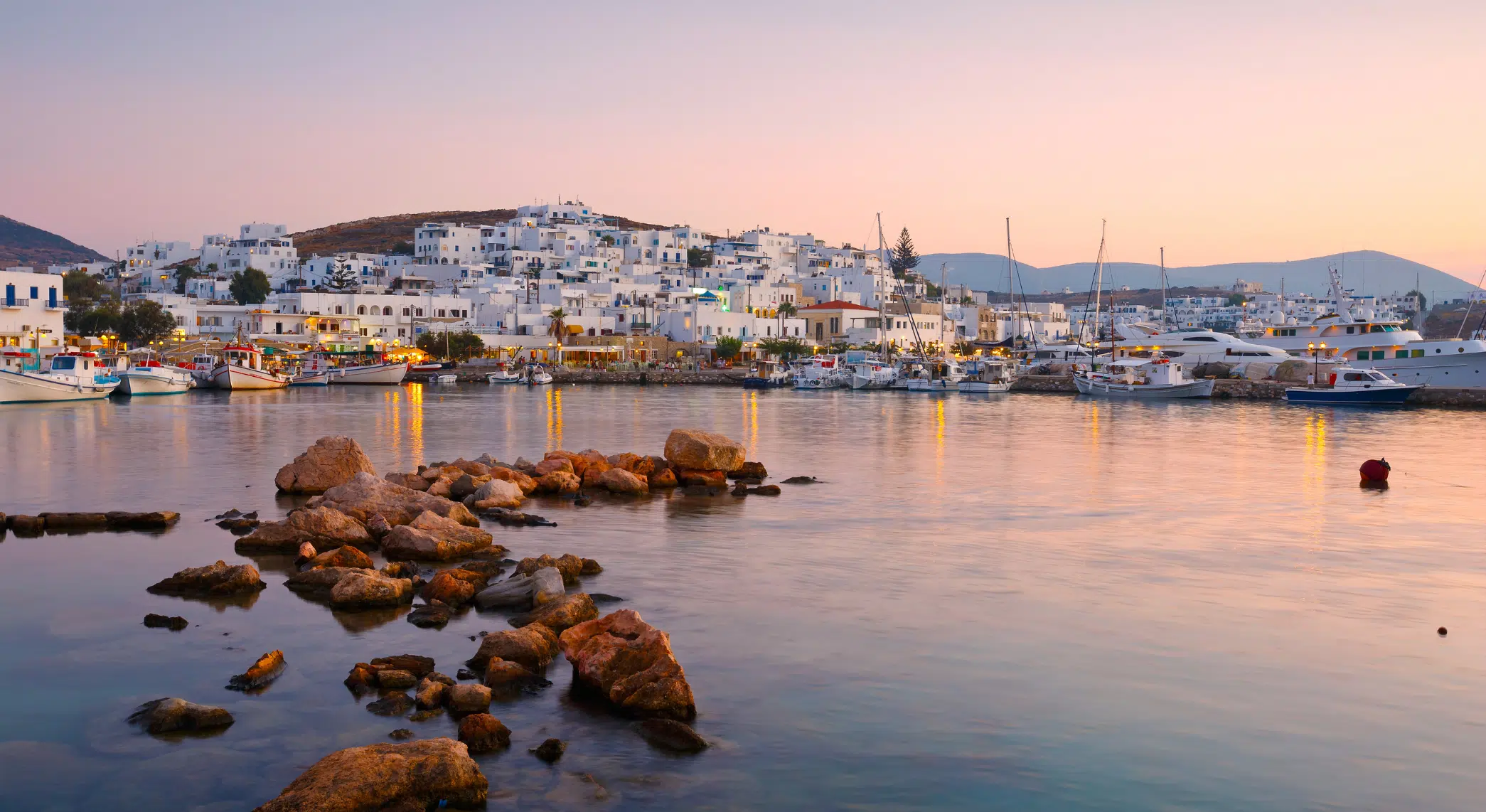
The ferry from Athens takes around four hours. As Paros materialises on the horizon, you’ll see low hills terraced with dry stone walls, a coastline punctuated by coves rather than cliffs, and a harbour town. This is Greece’s up and coming island.
For much of the late 20th century, Paros occupied a curious middle ground in the Greek island imagination. Too developed to attract the hardcore island-hoppers seeking unspoilt authenticity, yet lacking the glamour that pulled jet-setters to its neighbours, it became a destination for Greeks themselves: families from Athens with summer houses in Naoussa, windsurfers drawn to the meltemi winds at Golden Beach, the occasional sculptor or ceramicist seduced by the island’s famous marble quarries. This demographic, it turns out, was laying the groundwork for something more interesting than another party island.
The shift began perhaps a decade ago, when a handful of Athenian entrepreneurs started opening the kind of establishments that wouldn’t look out of place in London or Copenhagen: natural wine bars in converted stables, farm-to-table restaurants sourcing from the island’s interior, boutique hotels that rejected the whitewashed-everything aesthetic in favour of something earthier and more considered.
Word spread through the channels that matter to a certain type of traveller: design blogs, chef recommendations, the quiet endorsements of those who’d grown disillusioned with Mykonos’s velvet ropes and Santorini’s cruise ship crowds.
Do Not Disturb is a luxury travel company specializing in carefully designed journeys and considered experiences. Each itinerary we build for our clients is informed by real destination knowledge, offering insight into places, cultures, and moments that shape how a trip comes together.
If this destination has sparked ideas, the itinerary can be developed into a private journey tailored to your interests and travel style, with hand-picked stays, thoughtful routing, and experiences curated around what matters most to you.
Paros’s accommodation scene has evolved rapidly, though it retains a human scale that larger islands have sacrificed. There are no mega-resorts here, no vast compounds requiring golf carts for navigation.
Parīlio has become something of a reference point for the island’s new direction. Set in a valley near Naoussa, the hotel comprises a series of whitewashed buildings arranged around courtyards and a striking cross-shaped pool. The design, by Interior Design Laboratorium, draws on monastic and agricultural vernacular: vaulted ceilings, local stone, a palette of whites and creams punctuated by rough-hewn wood.
Suites are deliberately pared back, their luxury expressed through proportion and light rather than gilded excess. The restaurant, Mr E, has quietly become one of the island’s best dining destinations, its menu rooted in Cycladic ingredients.
Cosme, from the team behind Mykonos’s Branco, brings a more polished sensibility to the Paros market. Perched above Santa Maria beach, the hotel offers the amenities that luxury travellers expect (spa, curated excursions, impeccable service) while maintaining the restraint that distinguishes Paros from its neighbours. The infinity pool, cantilevered over the hillside with views across the bay, has become one of the island’s most photographed spots, though somehow manages to avoid feeling overexposed.
8 days
|£3,160
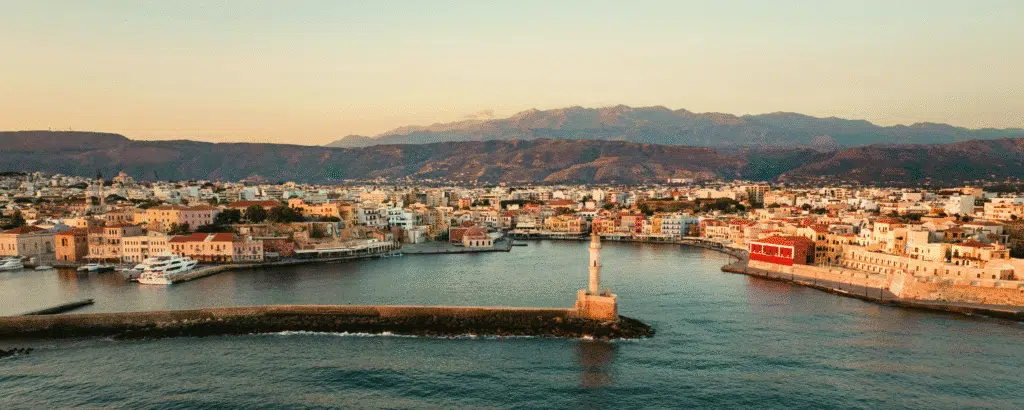
7 days
|£3,405
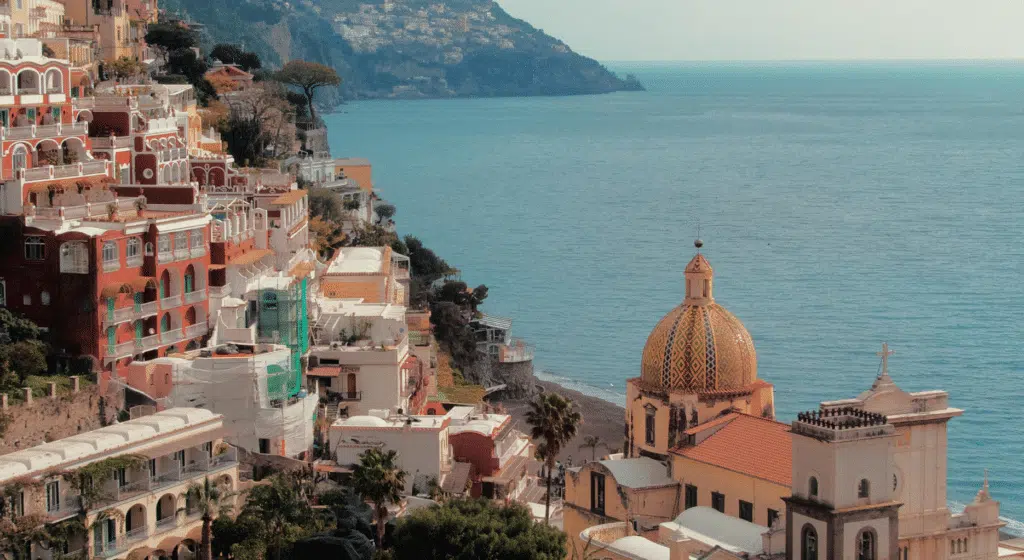
12 days
|£3,750
Paros operates on a dual axis. Parikia, the capital and main port, retains a working-town authenticity that its tourism economy hasn’t entirely erased. The backstreets behind the waterfront wind past bakeries selling bougatsa at dawn, hardware shops stocked with fishing supplies, and the extraordinary Panagia Ekatontapiliani, one of the oldest and best-preserved Byzantine churches in Greece.
Founded, according to tradition, by Saint Helen in the 4th century, the church complex rewards patient exploration: its chapels and courtyards reveal layers of construction spanning over a millennium, while the baptistry contains a cruciform font carved from Parian marble.
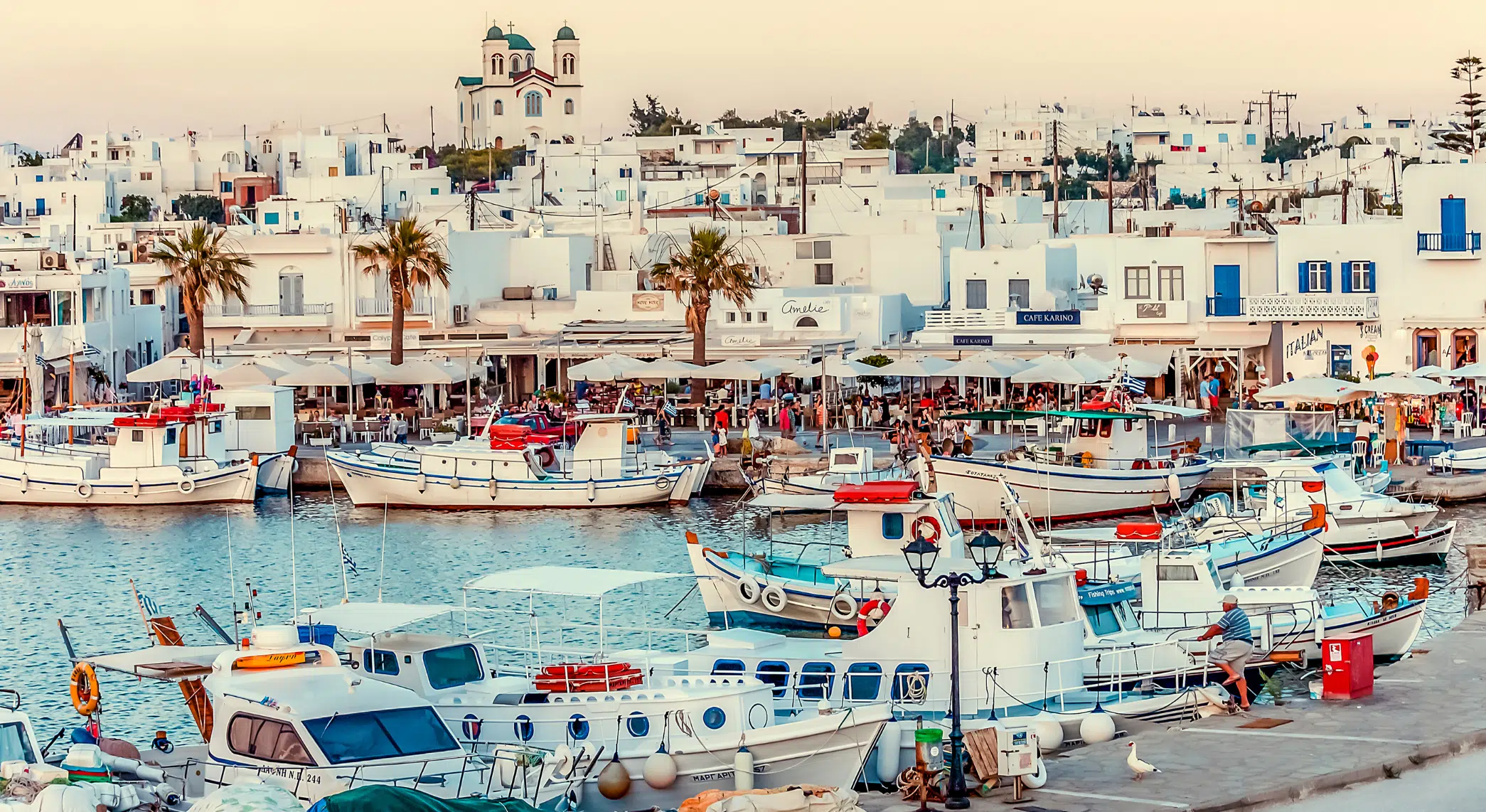
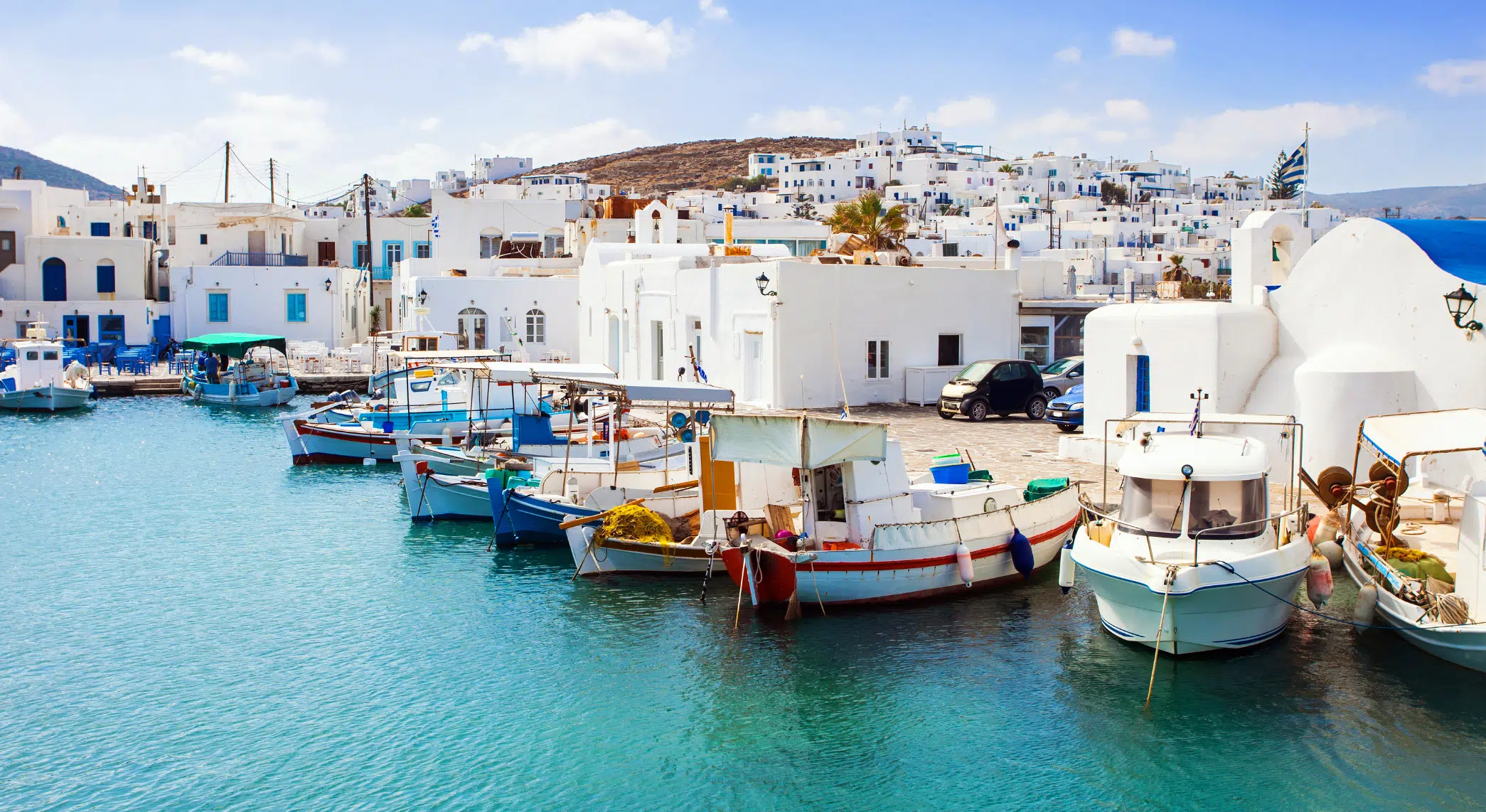
Naoussa, twenty minutes north, plays the more obvious role in Paros’s luxury positioning. Once a fishing village, its harbour still hosts a working fleet, their catch supplying the restaurants that line the waterfront. But the town has undeniably gentrified, its narrow lanes now threading between boutiques, cocktail bars, and galleries. The transformation hasn’t been entirely seamless: high season brings crowds that test the village’s intimate scale.
Yet even at its busiest, Naoussa operates at a different register than Mykonos Town. There are no bouncers, no bottle service, no sense that you’re being evaluated for entry. The prevailing mood is one of relaxed prosperity, couples lingering over seafood as fishing boats return with the evening’s haul.
Paros’s coastline receives the attention, but the island’s interior offers something arguably more valuable: a sense of the Greece that existed before tourism reshaped everything. The marble quarries of Marathi, source of the translucent stone that built the Venus de Milo and Napoleon’s tomb, can still be visited, their ancient tunnels extending deep into the hillside. The village of Lefkes, the island’s medieval capital, sits at the highest point of the interior, its car-free streets and shaded squares feeling genuinely removed from the coastal bustle.
The island has also become an unlikely player in Greece’s natural wine renaissance. Moraitis Winery, a fourth-generation producer, works with indigenous grape varieties (Monemvasia, Aidani, Mandilaria) to create wines that taste unmistakably of place.
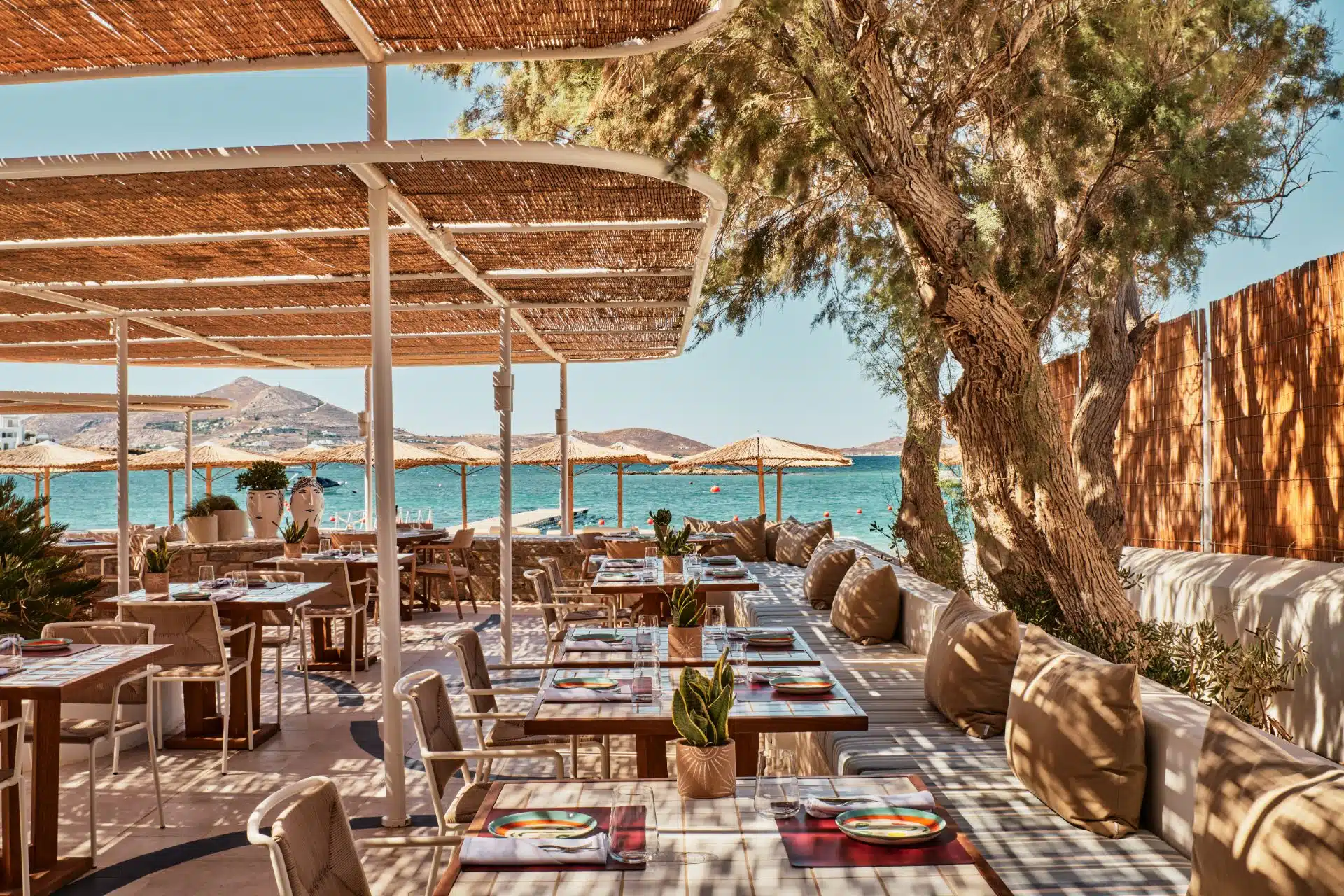
The dining scene has matured beyond taverna clichés without abandoning them entirely. Siparos, in Naoussa, has earned a reputation for elevated Greek cuisine: expect dishes like slow-cooked lamb with yogurt and wild herbs, or octopus carpaccio dressed with caper leaves and sea fennel. The setting, a series of terraces climbing a hillside, catches the sunset with theatrical precision.
Mario occupies the opposite end of the spectrum, a waterfront fish taverna in Naoussa where the menu depends entirely on the day’s catch. There’s no pretension here, just grilled fish, horta, and cold Mythos, eaten with your feet practically in the harbour. It’s the kind of meal that reminds you why Greek islands became desirable in the first place, before the consultants and influencers arrived.
For drinking, Sante has become the island’s unofficial aperitivo headquarters, its terrace facing the old harbour as locals and visitors converge for sunset spritzes. Later, Barbarossa provides the closest thing Naoussa has to a club, though even here the atmosphere remains distinctly un-Mykonos: more dancing on tables than waiting behind velvet ropes.
Paros benefits from geography that Santorini, with its dramatic but largely unswimmable coastline, simply can’t match. The island offers variety: the organised beaches of the north coast (Santa Maria, Kolymbithres with its strange sculpted rocks) contrast with the wilder stretches to the southeast, where Glyfada and Faragas require a bit more effort to reach but reward with relative solitude.~
Golden Beach and New Golden Beach, on the eastern shore, remain the domain of windsurfers and kitesurfers, their reliable afternoon winds creating conditions that draw serious practitioners from across Europe. Even if you’ve no intention of getting on a board, there’s something mesmerising about watching the sails arc and pivot against a backdrop of blue.
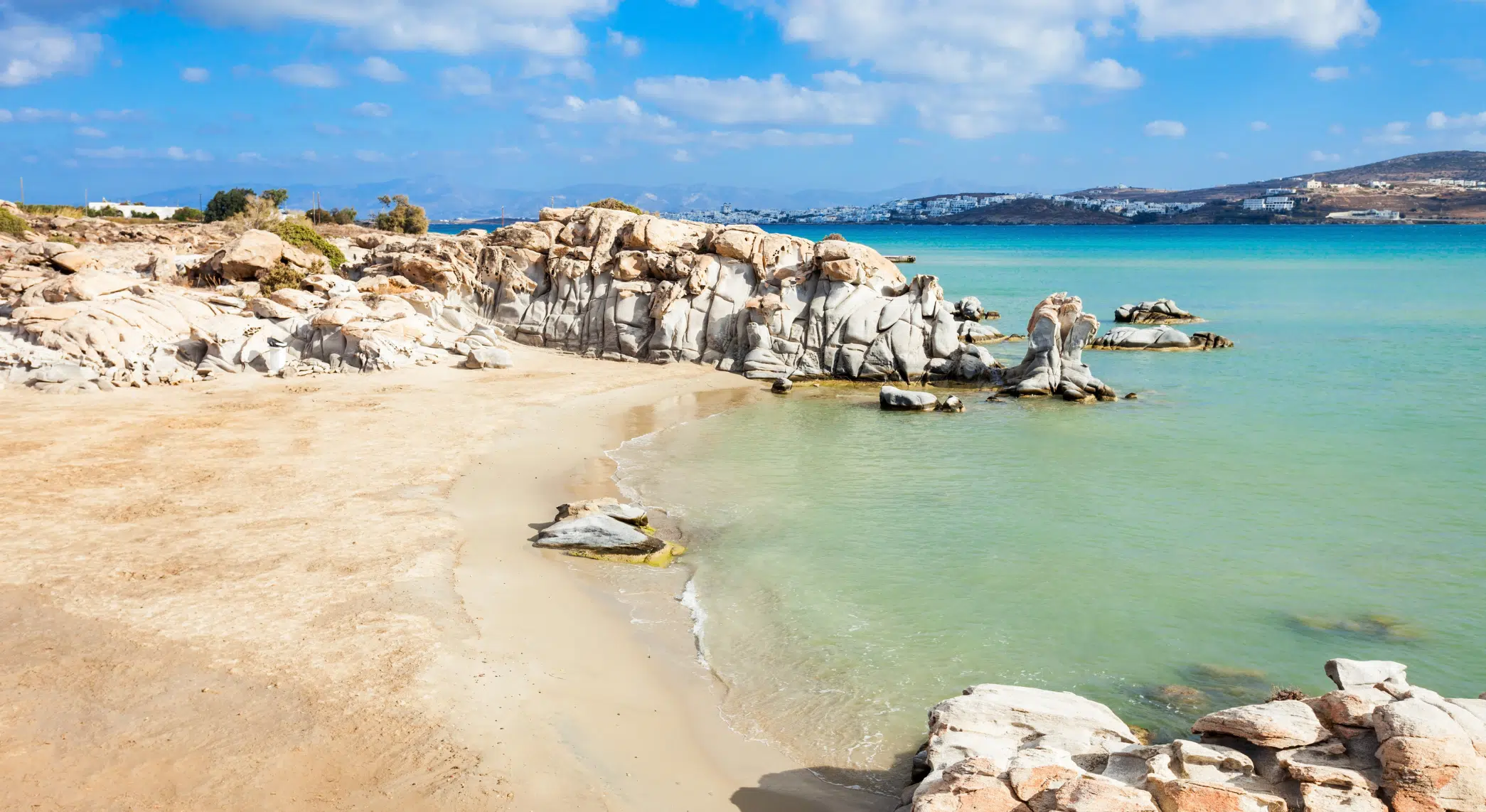
Paros’s emergence hasn’t gone unnoticed by those tracking the shifting geography of Greek island tourism. Mykonos, for all its enduring appeal, has begun to feel like a victim of its own success: prices that rival the Côte d’Azur, beaches requiring reservations weeks in advance, a general sense that the island exists primarily for content creation rather than genuine experience.
Santorini faces similar pressures, its famous caldera views now shared with thousands of daily cruise passengers, its Oia sunsets requiring strategic positioning hours in advance.
Paros offers an alternative that doesn’t require sacrificing comfort for authenticity. The hotels here rival their Mykonian counterparts; the restaurants would hold their own in any European capital; the natural beauty is unquestionable. What’s different is the pace, the pretension level, and the sense that the island hasn’t yet been fully optimised for maximum extraction. How long this equilibrium holds is anyone’s guess.
Direct flights from European capitals are increasing, development applications are multiplying, and the very coverage that celebrates Paros’s emergence inevitably accelerates its transformation.
For now, though, the island occupies a sweet spot: sophisticated enough to satisfy those who expect a certain standard, unspoilt enough to reward those who wander. It’s the Greek island that people who know Greece have been quietly visiting for years, finally getting its moment without, so far, losing what made it worth visiting in the first place.
Thinking about Paros for your next trip? Speak with our specialists and we will curate a seamless Greek islands itinerary.
Speak to Do Not Disturb’s luxury travel experts and turn this moment into something personal.
Suggested articles




Tell us how you want to feel, we’ll take it from there.
“Our trip was truly magical and full of core memories that will last us a lifetime.”
Michael • Bora Bora Honeymoon

“We just returned from an incredible journey through Ireland, and we couldn’t have had a better experience”
Brad • Ireland Adventure
“This was a flawless experience right from the beginning, we had so many thoughts and ideas flowing around and they took all of them and perfectly curated the most beautiful honeymoon for us.”
Kris • Sicily Honeymoon
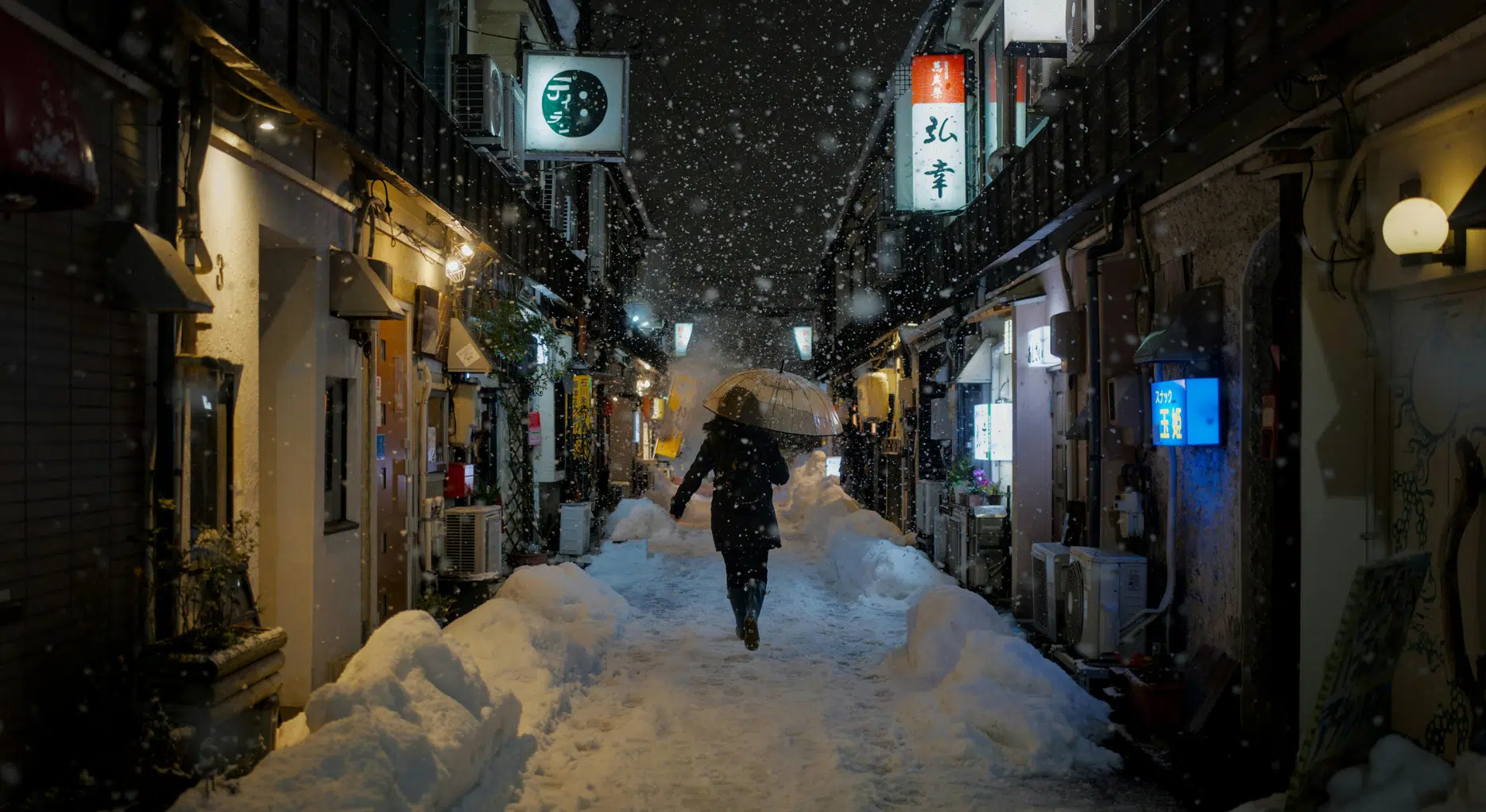 7 min read
Ask someone who’s been to Kanazawa what they remember, and they rarely lead with a single landmark. They talk about the whole place, how it fit together, how little effort it took to feel like they’d actually seen it rather than rushed through it. That’s unusual for a Japanese city with this much history packed […]
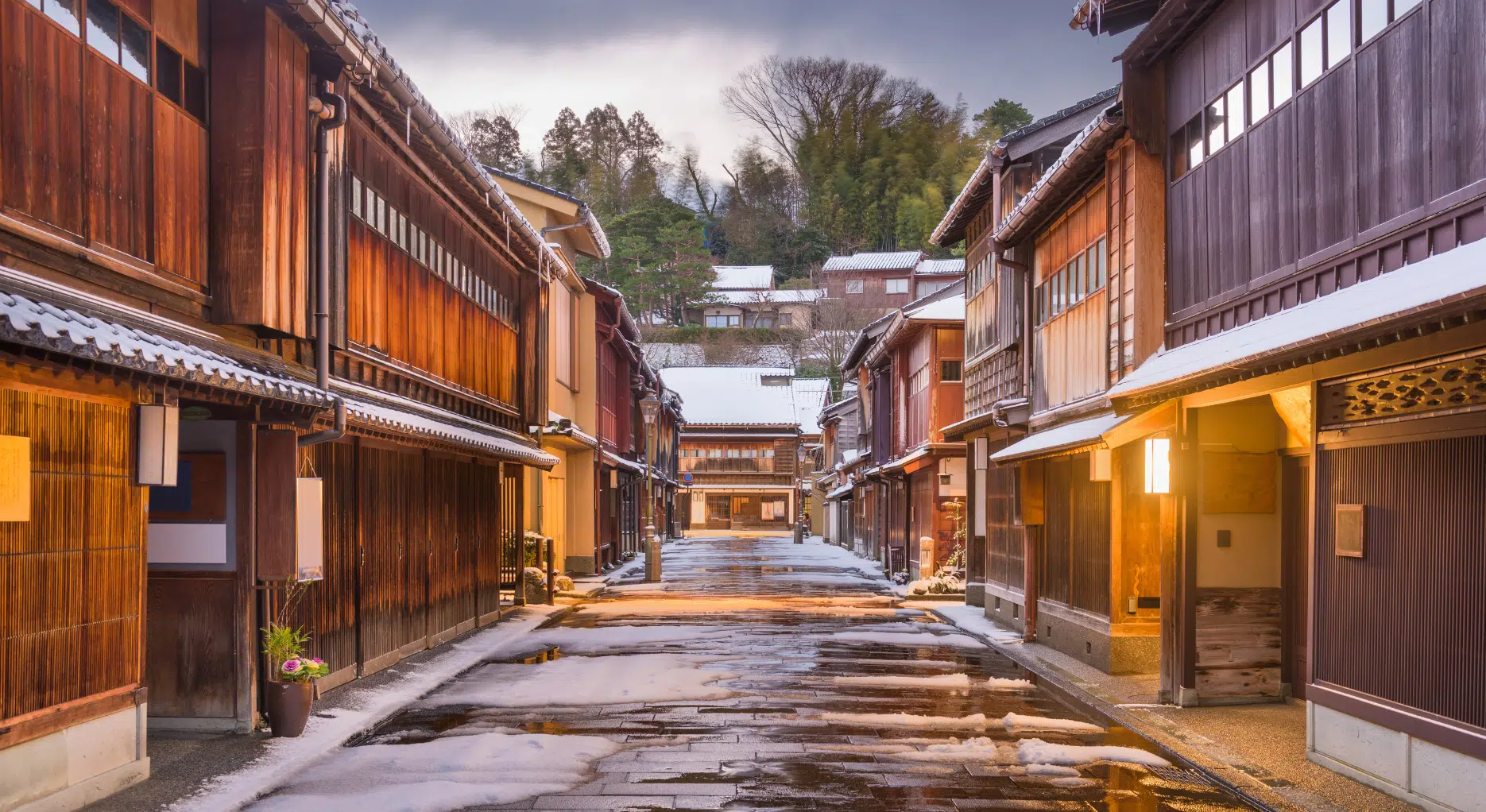 6 min read
Kyoto is the Japan of emperors, temples and centuries of tradition; Kanazawa is the Japan of preserved Edo streets, samurai homes and untouched neighbourhoods.
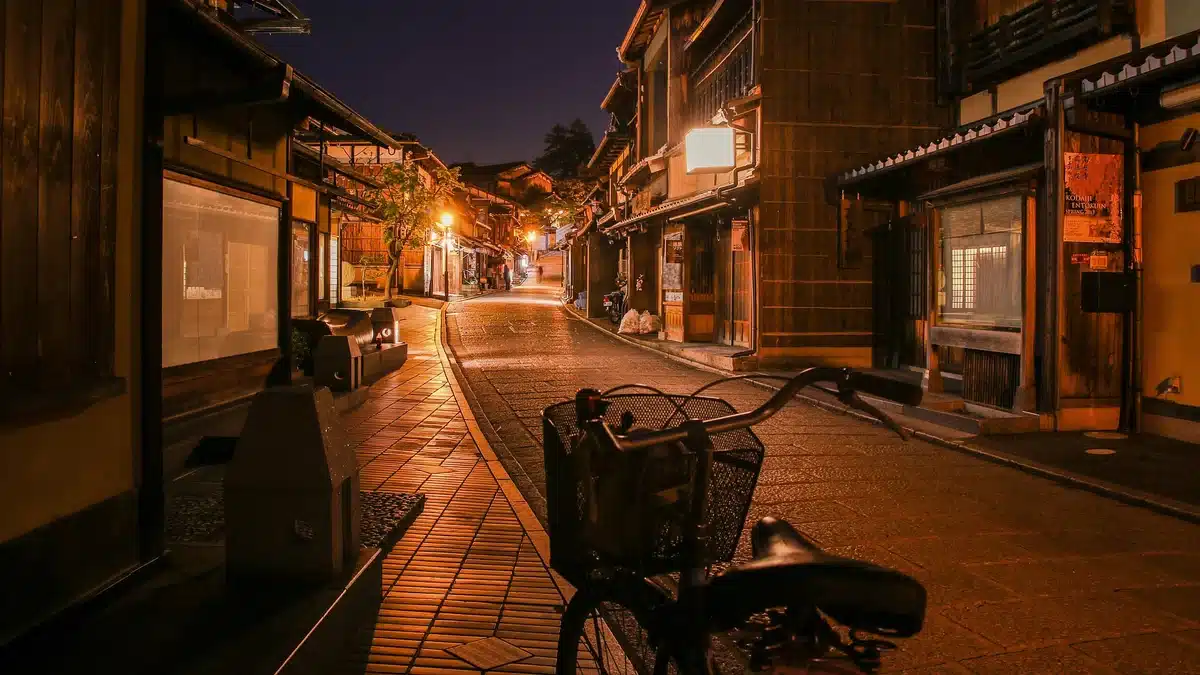 6 min read
A kissaten is not a cafe in the way that word gets used everywhere else. It is a Japanese-style coffee house, usually small, usually dim, often unchanged since the decade it opened. Finding one, sitting down, and staying for an hour is a great way to catch a glimpse of a more traditional Japan.
 4 min read
Greater Kruger is often discussed as a single destination, but it is really two different safari experiences sharing one ecosystem. Kruger National Park and the private reserves along its western boundary sit on unfenced land, so wildlife moves freely between them, yet the rules, the pace, and the feel of a stay differ considerably depending […]
Planning your trip should feel effortless.
You share what matters, whether it’s a destination, a feeling, or a moment worth celebrating.
Your dedicated expert shapes a thoughtful, private itinerary tailored entirely around you.
Every detail handled. Every moment considered. Support before, during, and after your journey.

Answer a few quick questions and we’ll craft a journey as unique as your state of mind.
Ask us anything.
It looks like you're visiting from outside the United Kingdom.
Switch to our US site to view prices in dollars and browse the US version of this page.
