Destination: Switzerland

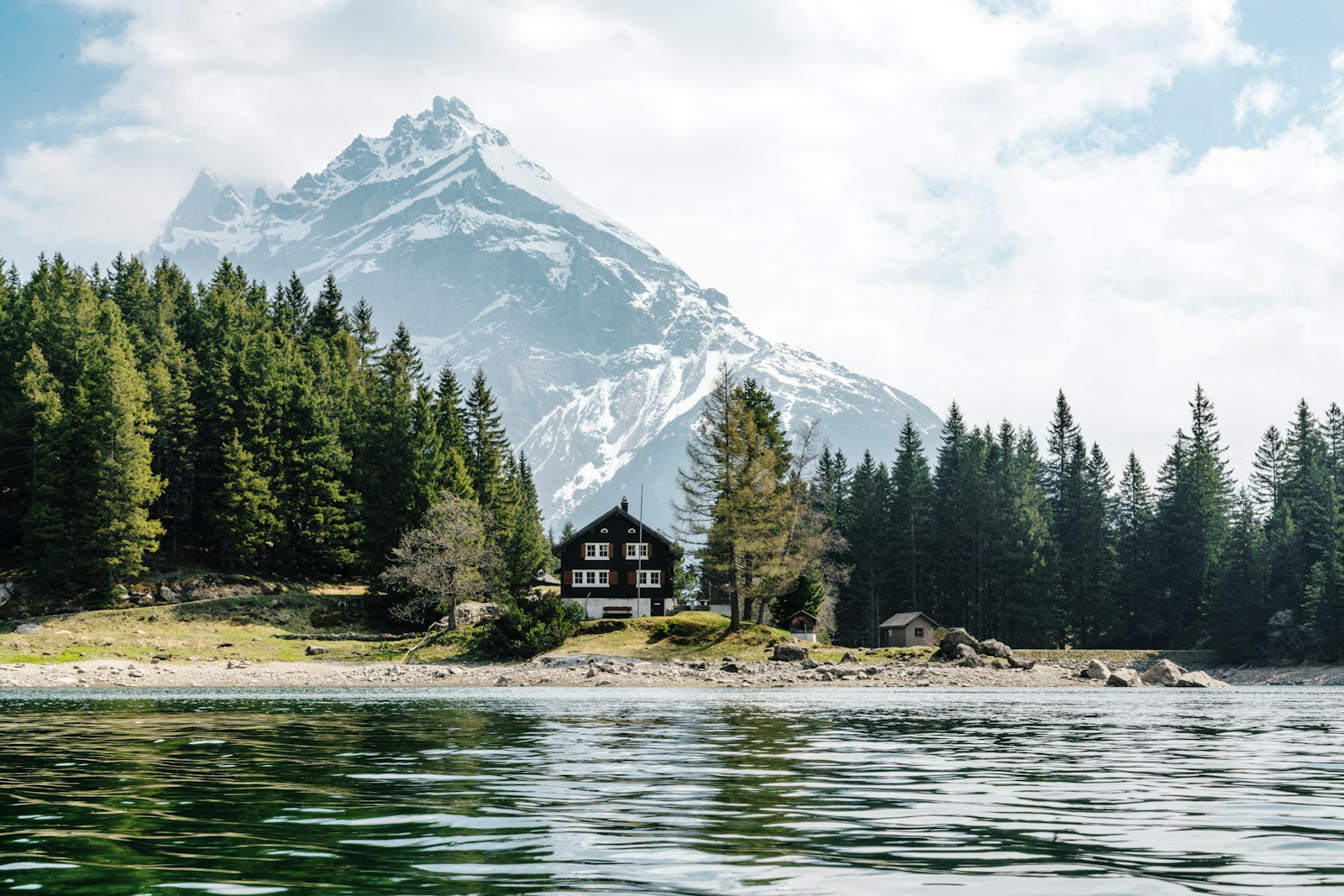
Switzerland’s geography is dramatic: mountain peaks, pristine lakes, valleys that shift between Italian, French and German cultural sensibilities. But what distinguishes Switzerland isn’t the landscape alone, it’s how the country operates. The luxury infrastructure in Switzerland is unrivalled, so you can expect a level of service you won’t find anywhere else.

Why Switzerland

In Switzerland, you can move effortlessly between cultures and landscapes in a single day, from French-speaking lakeside promenades to Germanic timbered villages and Italianate piazzas pressed against the mountains.  History and modern life sit comfortably side by side. Medieval guild houses host Michelin starred restaurants. Belle Époque grand dames have serene, contemporary spas. The trains run to the minute, which means you can surrender completely, knowing the logistics are handled and your only task is to enjoy the view.

Why Switzerland

Escape to Switzerland

Travel Guides

  • Switzerland Overview

    Most journeys begin in Zurich or Geneva, cosmopolitan cities that feel calm rather than chaotic. Zurich offers waterfront strolling, contemporary art, and luxury shopping. Geneva looks toward the Alps and the lake, with diplomatic polish and a softer, Francophone charm. Both are easy to slip in and out of, perfect bookends to a longer trip.

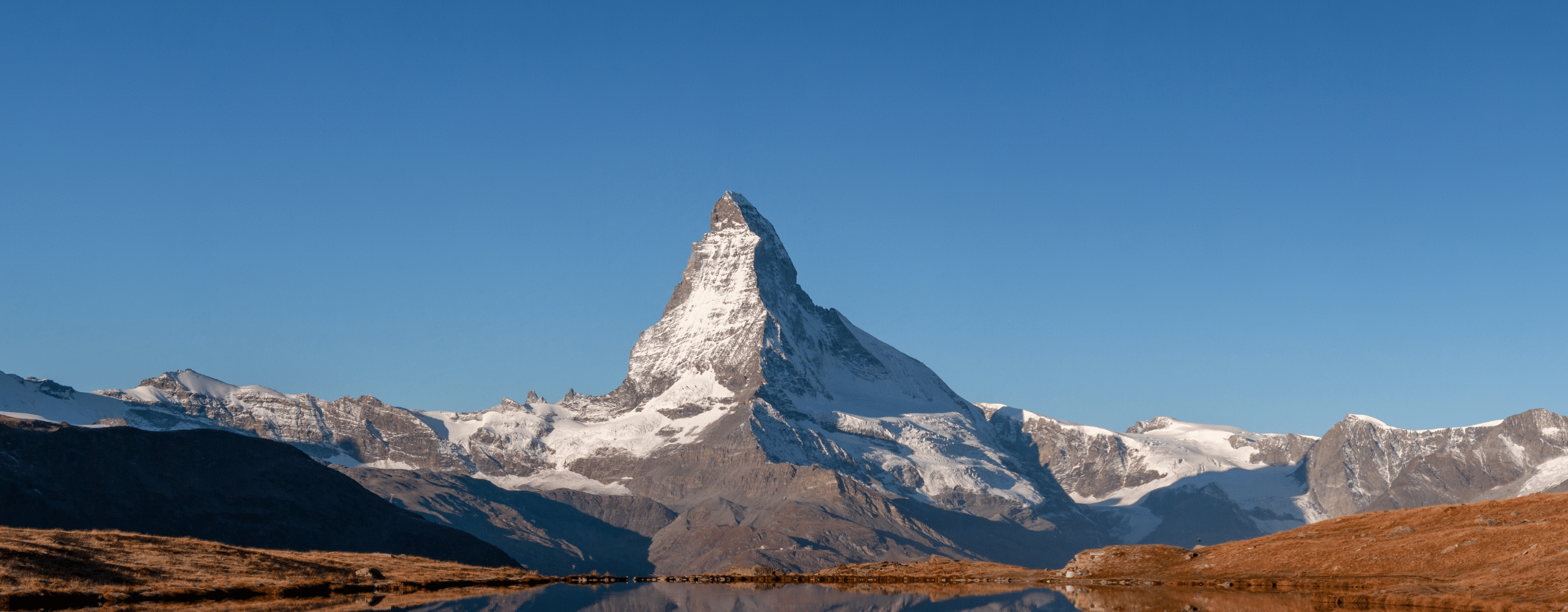
    The Bernese Oberland is all drama and romance, a sweep of peaks and valleys around Interlaken, Wengen, and Mürren, where cogwheel trains climb through clouds and hiking paths start almost at your hotel door. The Valais feels wilder, home to Zermatt and the Matterhorn, with chic chalets, glacier views, and some of Europe’s finest skiing.

    To the south, Ticino turns the dial toward la dolce vita. Palms line the lakeshore, menus flip to risotto and Barolo, and days stretch easily between Lugano, Ascona, and the quieter corners of Lake Maggiore. To the west, the vineyards of Lavaux terrace down to Lake Geneva, their stone walls holding residual warmth late into the evening. In the northeast, St. Moritz and the Engadin valley offer vintage glamour and sun-drenched winters, along with hiking and lake swims when the snow recedes.

    What unites it all is the way you move through it. Scenic trains, lake boats, and immaculate mountain railways mean you rarely need to drive. Luggage can be forwarded ahead. Connections are simple. Switzerland has exceptional luxury infrastructure.

  • Switzerland things to do

    Culture and Heritage

    In Zurich, mornings begin in the Kunsthaus or the Rietberg before drifting toward the river for coffee and through cobbled lanes lined with guild houses and contemporary galleries. Basel feels shaped by art, with a dense network of museums and a calendar built around Art Basel.

    Bern offers a quieter rhythm, with arcaded streets, rose gardens, and river bends where locals float on summer afternoons. Ticino brings a southern warmth, where village squares and centuries-old churches sit comfortably beside a modern, unhurried way of life. Across the country, monasteries, castles, and lakeside chateaux anchor a sense of continuity.

    Cuisine and Wine

    Fondue, raclette, and lakeside perch remain classics, but Swiss cuisine stretches far beyond them. In the French-speaking west you find delicate lake fish, refined pastries, and thoughtful wine lists highlighting Lavaux and the Valais. In Ticino, rustic grotto restaurants sit under chestnut trees, serving slow-cooked stews, local merlot, and simple dishes shaped by the hillside.

    Nature, Lakes, and Alpine Adventure

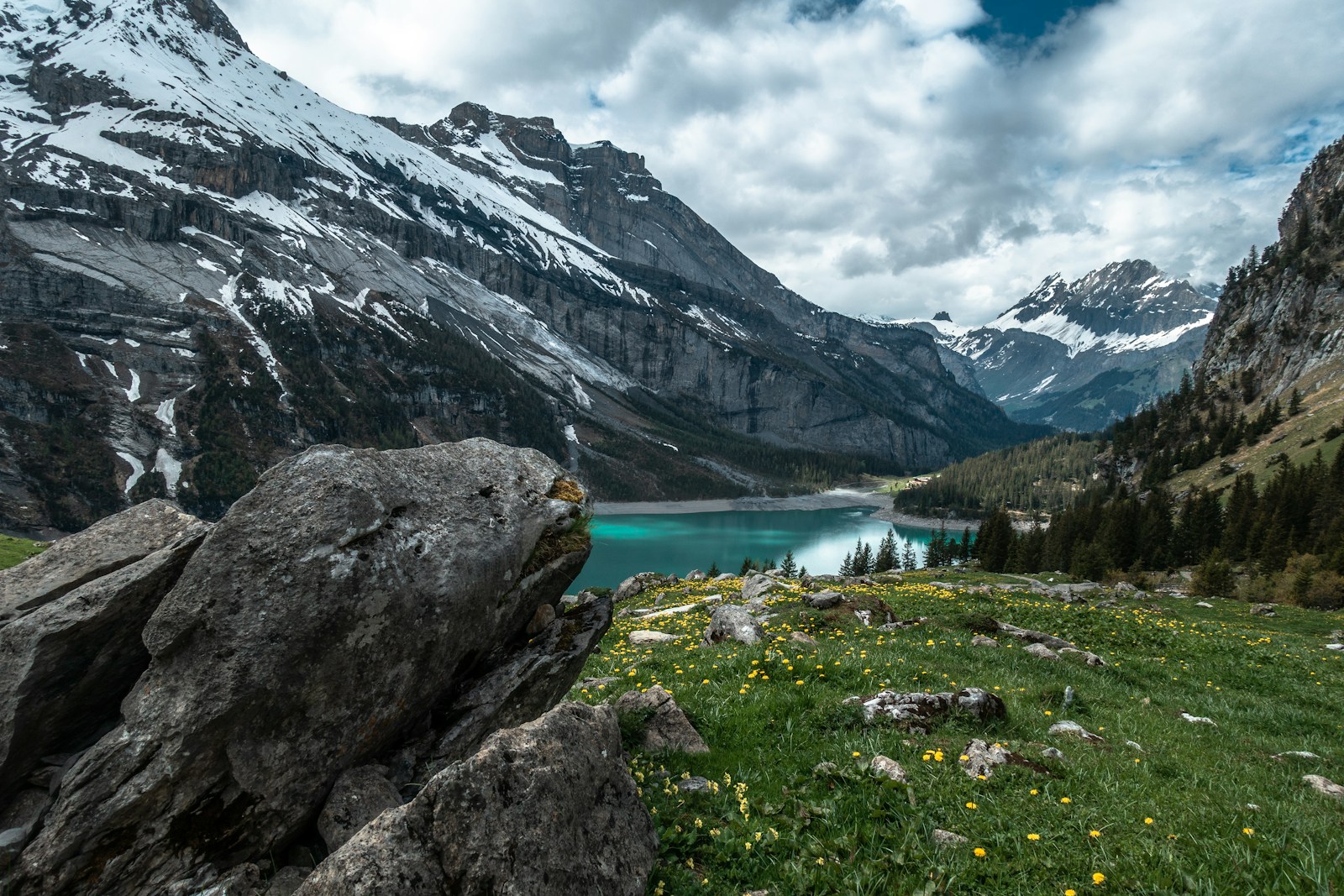
    Switzerland’s mountains are close and easy to reach, with well-marked trails and welcoming hotels or huts at day’s end. Summer brings meadow walks with cowbells in the distance and ridge paths that open to panoramic views.

    The lakes carry their own appeal. Lucerne, Geneva, Thun, Brienz, and the Italian facing lakes in Ticino offer clear water, vintage steamers, and quiet coves for afternoon swims. Days unfold gently by boat and train as the light softens.

    Style, Design, and Shopping

    Zurich’s Bahnhofstrasse and the surrounding streets blend luxury labels with contemporary concept stores in the old town and Zurich West. Geneva focuses its boutiques around the lake and Rue du Rhône, with a refined mix of fashion, accessories, and timepieces.


  • Switzerland hidden gems

    Soglio, Graubünden

    Located on a sunny terrace above the Bregaglia valley, Soglio feels like a village painted into the mountains. Narrow stone lanes, arcaded houses, and chestnut groves create a timeless atmosphere. The views stretch toward jagged peaks, yet the pace is utterly unhurried. It is a place for long walks, simple dinners, and the sense of being tucked away from the world.

    Ascona’s Old Town, Lake Maggiore

    Ascona is known, but its old town can still surprise. Colourful facades line the waterfront, palm trees frame the promenade, and the light has a Mediterranean softness that feels almost cinematic. Step a street or two back and you find intimate courtyards, small galleries, and cafes where the day slips by with gentle ease.

    Jura Mountains and Watch Country

    In the Jura, along the border with France, the landscape becomes rolling, forested. This is watch country, home to small towns where timekeeping is an art passed down across generations. For travellers, it offers beautiful walking, cross-country skiing in winter, and the chance to glimpse a side of Switzerland where luxury is built behind unassuming facades.

  • Switzerland Overview weather

    Spring (March to May)

    Spring arrives gradually, first in the lowlands and around the lakes, then in the higher valleys. In cities like Zurich and Geneva, temperatures often sit between 50°F and 64°F (10 to 18°C) by April and May, with blossom in the parks and terraces reopening. In the mountains, snow lingers, which makes this a lovely time for late season skiing at higher elevations and quiet hikes lower down as trails clear.

    Summer (June to August)

    Summer is luminous rather than harsh. Daytime temperatures in most regions range from 68°F to 82°F (20 to 28°C), warmer in Ticino, cooler at altitude. Lakes are at their best, inviting swims and long boat days. Hiking paths are fully open, mountain railways run frequent schedules, and outdoor dining stretches late into the evening. It is also the most popular time to visit, so thoughtful planning allows you to experience the beauty with more space.

    Autumn (September to November)

    Autumn might be the most elegant season in Switzerland. Vineyards in Lavaux and the Valais glow gold, forests turn amber, and the air feels clear and calm. September often remains pleasantly warm, especially around the lakes. By October and November, cooler days and quieter towns create a hushed atmosphere that suits travellers who prefer less bustle. It is an excellent time for wine tasting, cultural travel, and spa retreats.

    Winter (December to February)

    Winter is classic and comforting. Temperatures in the cities hover around freezing, while mountain resorts receive reliable snow. Skiers and snowboarders enjoy well-groomed pistes and efficient lift systems. Non-skiers find charm in Christmas markets, festive lights, and cozy hotel lounges.

  • Switzerland getting there

    International travellers typically arrive via Zurich Airport or Geneva Airport, both well-connected to major hubs in North America, the UK, and across Europe. Smaller airports such as Basel and Bern also serve select routes.

    From the airport, the transition into your journey is exceptionally smooth. Trains run directly from the terminals, connecting you to Zurich’s city center in roughly 10 minutes and to major destinations like Lucerne, Bern, Interlaken, and Lausanne in a matter of hours. Private transfers and chauffeured cars can be arranged when you prefer door-to-door ease, particularly for reaching resorts such as Gstaad, Zermatt, or St. Moritz.

    Within Switzerland, the rail network is a highlight in itself. Scenic routes like the Glacier Express, Bernina Express, and GoldenPass line make the travel day part of the experience, with panoramic windows and relaxed service. Many lakes offer regular boat services that link towns and hotels, while mountain railways and cable cars extend your reach effortlessly into higher landscapes.

    For most travellers from the US, UK, Canada, and Australia, short stays in Switzerland for tourism do not require a visa, provided entry conditions for the Schengen Area are met.

Your journey doesn’t start with a booking. It starts with a conversation.

Tell us how you want to feel, we’ll take it from there.

See more reviews on Trustpilot

Editorials

Tell us about your journey