On this page
The Caribbean has split into distinct tiers of luxury travel. The obvious destinations (St. Lucia, Turks and Caicos, the US Virgin Islands) have become increasingly crowded and resort-heavy. The islands worth visiting now are those that have deliberately resisted mass tourism while developing sophisticated infrastructure. Here are five islands that have managed this balance properly.
Anguilla
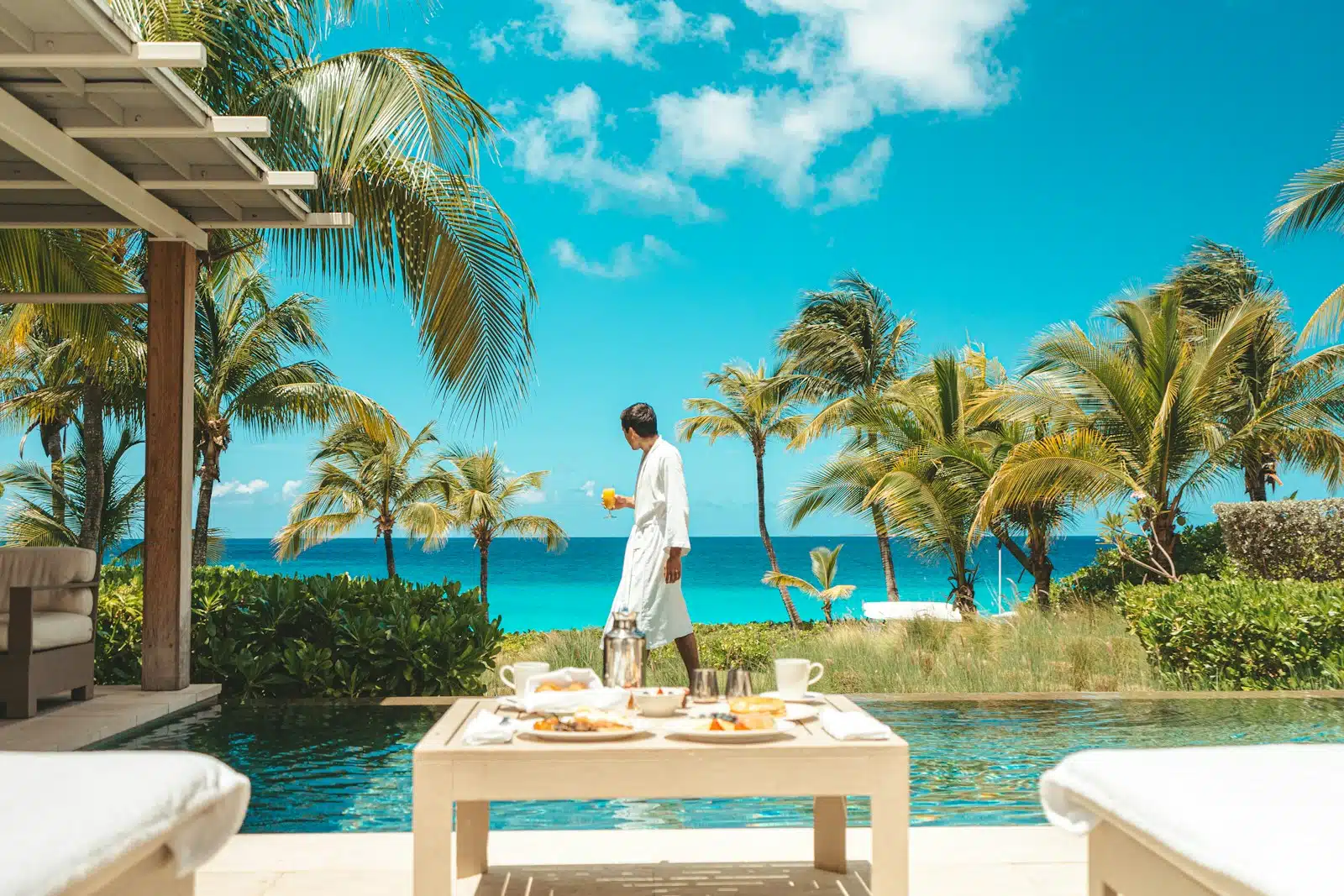
Anguilla works because it has deliberately stayed small. The island is flat, coral-based, and ringed by 33 beaches, which means sand is abundant and rarely crowded. The tourism infrastructure is minimal by design. There are no resorts (no Hiltons, no chains of any kind), which means everything is independently operated. The vibe is genuinely quiet and understated.
The beaches on Anguilla are exceptional. Shoal Bay East has calm water and white sand that justifies the reputation. Meads Bay offers a slightly moodier feel with good restaurants along the sand. Rendezvous Bay has spectacular sunsets. The appeal is simply that you can walk these beaches in relative solitude, which has become genuinely rare in Caribbean tourism.
The restaurant scene has evolved significantly over the past five years. Hibernia (French-influenced, subtle cooking) is exceptional and worth planning around. Anguillan Grill does excellent seafood simply prepared. Scilly Cay (accessible only by boat, serves lunch on the beach) is the kind of specific Caribbean experience that justifies the effort. Gouania (creative Caribbean cooking) is worth finding if you want something more ambitious.
Where to stay: Anguilla’s accommodation is exclusively independent properties, ranging from intimate beachfront guesthouses to small luxury boutique hotels positioned on the island’s best beaches. The focus is on design restraint and genuine seclusion rather than resort amenities. Properties tend towards personal service and attention to detail.
The island is small enough to feel like you’re in on a secret.
Mustique
Mustique is small (three and a half square kilometres) and deliberately exclusive. It’s a privately owned island with strict development controls, which means it has remained essentially unchanged for decades while neighbouring islands developed resort infrastructure.
Most visitors stay in private villa rentals rather than hotels, which shapes the entire experience. The island has one restaurant (Basil’s Bar and Restaurant), a small grocery store, and essentially nothing else that resembles commercial tourism infrastructure. You rent a villa, arrange a cook (widely available through rental companies), and essentially live on your own terms rather than following a predetermined tourism script.
The beaches are exceptional and rarely crowded. Britannia Bay is the main beach but feels quiet. Lagoon Bay offers a different aesthetic. The whole point is that you’re never fighting crowds even though the island is developed enough to have excellent villas and infrastructure.
Getting to Mustique is slightly complicated (ferry from St. Vincent, helicopter, or private boat) but that’s precisely why it remains exclusive. The effort of getting there filters out casual tourists.
Where to stay: Mustique’s accommodation is exclusively private villa rentals ranging from intimate four-bedroom properties to serious estates with staff, wine cellars, and full amenities. This is the island for travellers prioritising complete privacy and self-determined experience rather than hotel service. Villas are managed through the official island company and offer varying price points and positioning.
Mustique is the former stomping ground of Princess Margaret, David Bowie and Mick Jagger. It’s established itself the the most exclusive Caribbean island.
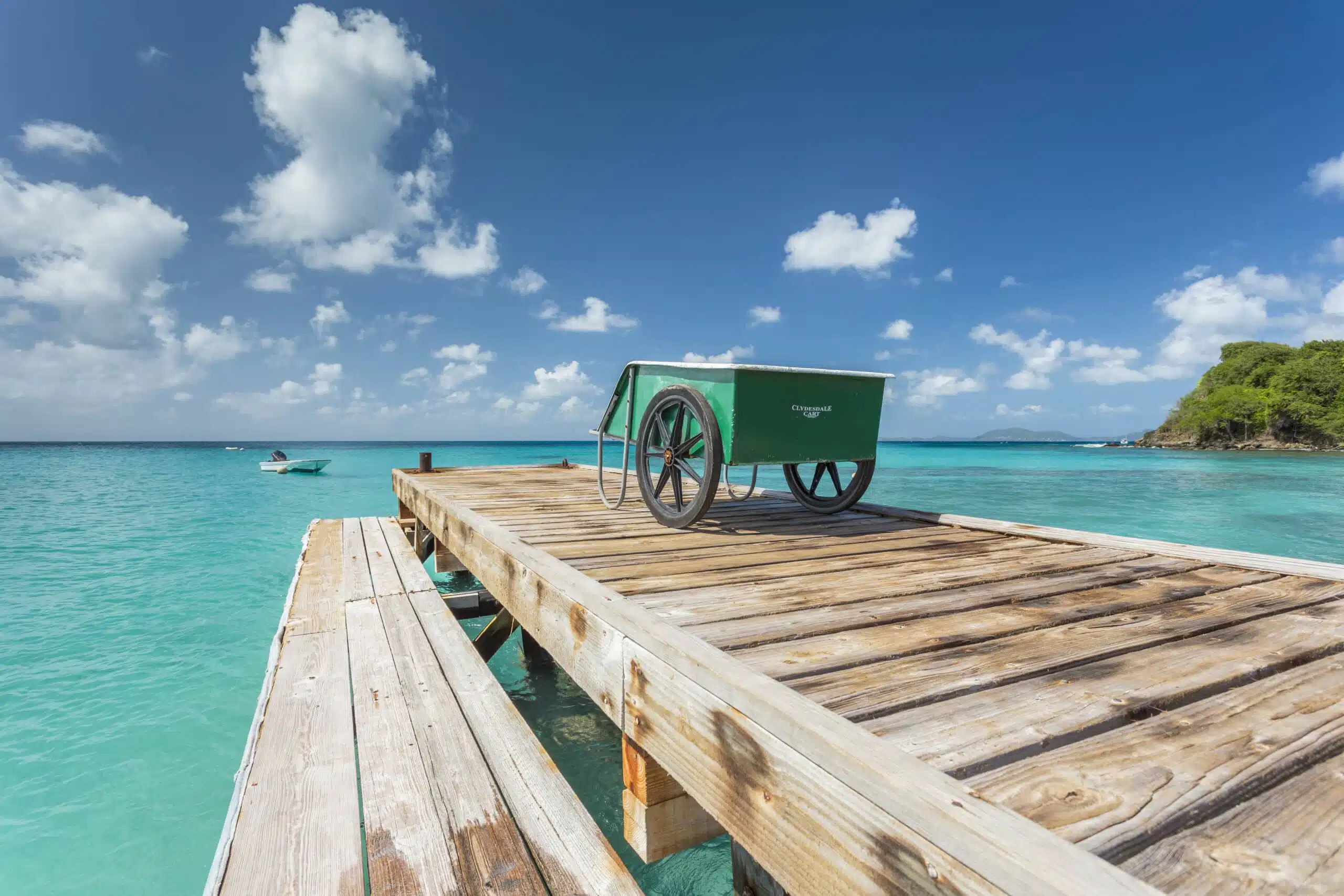
Barbados
Barbados is distinct from other Caribbean islands precisely because it hasn’t surrendered entirely to tourism. It’s the most easterly of the Caribbean islands, which means it operates differently geographically and culturally. The island has infrastructure because Barbados developed as a functioning society independent of tourism, not because it was engineered to accept tourists. That distinction matters enormously.
The economy was built on sugar and rum for centuries, which created a real cultural foundation. Mount Gay distillery is the oldest continuously operating rum distillery in the world, and the rum culture is genuinely embedded in how the island functions rather than marketed as tourism experience. Oistins Bay on Friday nights isn’t a manufactured attraction; it’s locals buying grilled fish directly from fishermen on the beach. You’re observing actual island life rather than a curated version of it.
Bridgetown is an actual city rather than a colonial theme park. It has real commerce, real history, colonial architecture that’s genuinely lived-in, and neighbourhoods where people actually live their lives rather than perform for visitors. The plantation heritage is acknowledged honestly rather than sanitised, which creates a more mature and authentic cultural experience than islands that treat their history as tourism backdrop.
The landscape is diverse. The west coast (St. James) offers calm turquoise water and the standard Caribbean postcard. The south coast (Carlisle Bay) is busier and more developed. But the east coast around Bathsheba is genuinely wild, with dramatic Atlantic cliffs, rough waves, and landscape that contradicts the typical Caribbean aesthetic. One island, multiple personalities.
The food scene reflects this authenticity. Fish cakes and cutter sandwiches are genuinely excellent and local rather than tourist-targeted. The restaurants have evolved significantly but remain rooted in actual Caribbean cooking rather than resort interpretations. You’re eating what Barbadians actually cook rather than what resort chefs think tourists want.
The island is small enough to explore easily but developed enough to have excellent infrastructure without feeling sterile. You get comfort without losing character. The people are notably relaxed and genuinely welcoming to visitors without the performative hospitality that characterises purely tourism-dependent islands.
Barbados works for travellers who want genuine Caribbean culture, excellent food, real history, and infrastructure that supports comfort without sacrificing authenticity. It’s the island where you understand why people actually live in the Caribbean rather than just visiting it.
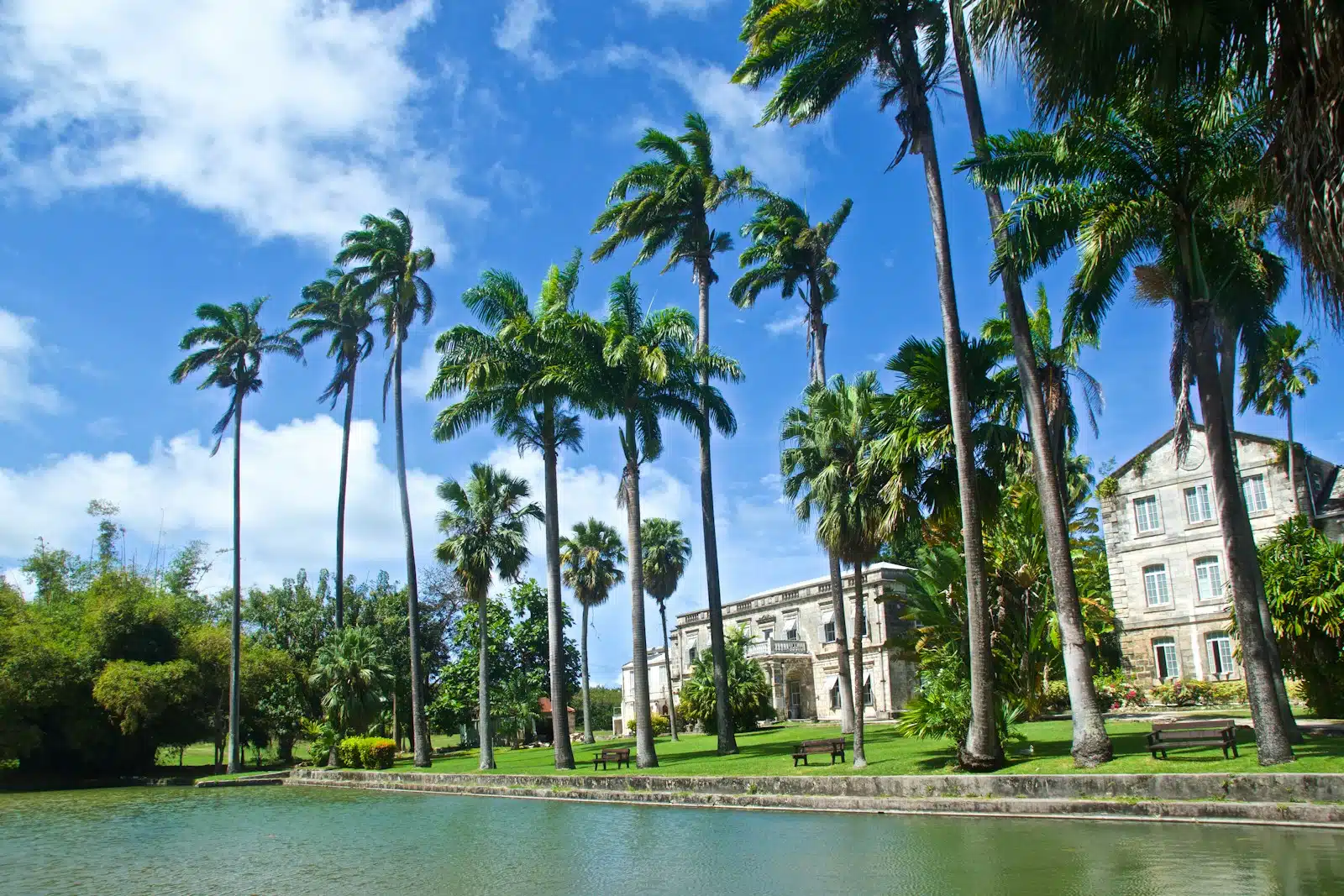
St. Barths
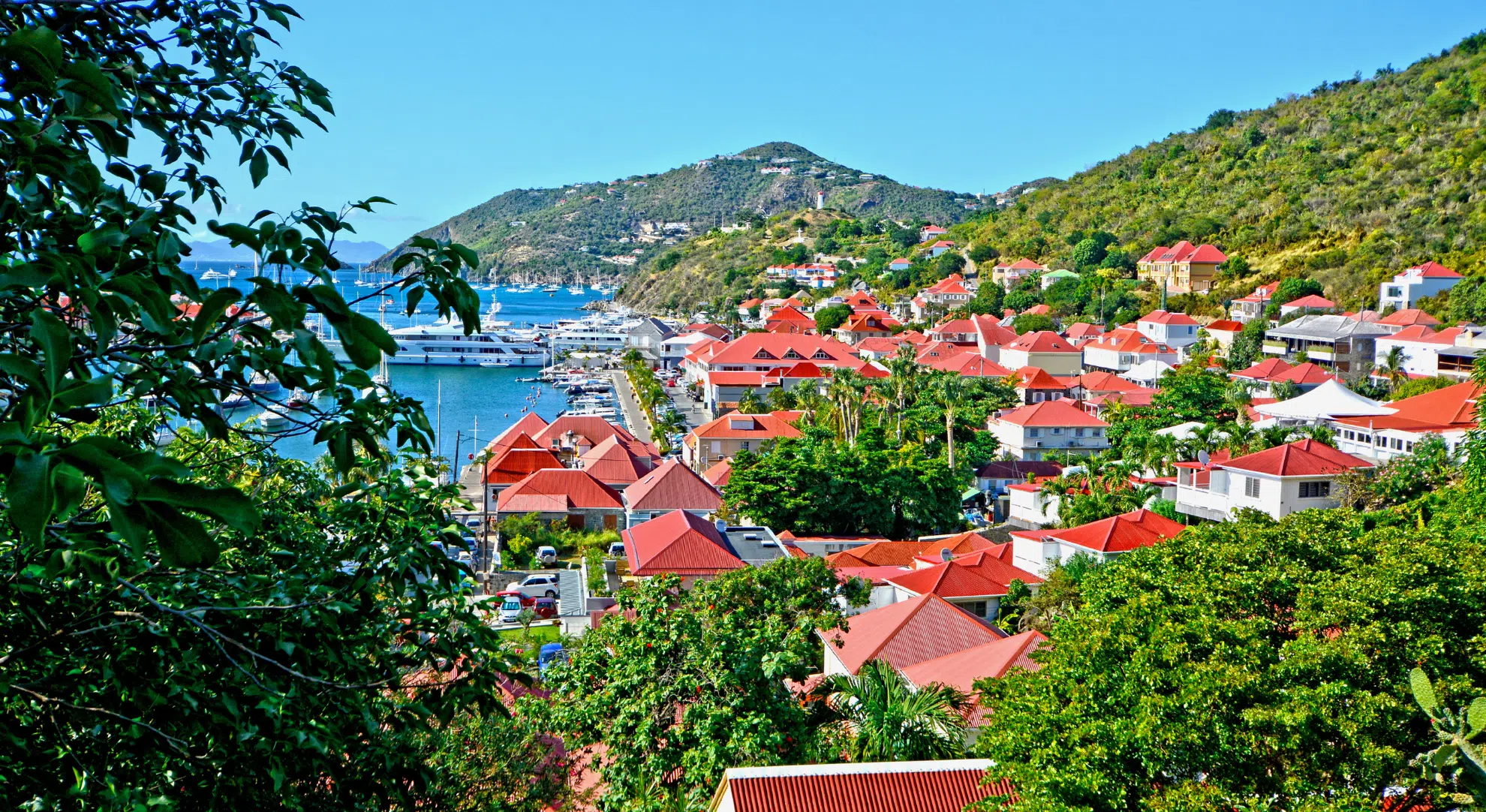
St. Barths is small (just 24 square kilometres) and deliberately exclusive through expensive real estate rather than access difficulty. The island attracts serious money and people who care about discretion. The vibe is refined without being stuffy, and the island has maintained French sensibility even though it’s not technically French anymore.
The food culture is exceptional. Gustavia (the main town) has restaurants that would be taken seriously in Paris, the former colonial capital. Fine dining options showcase French technique applied to Caribbean ingredients.
The beaches are excellent and notably quiet (Shell Beach, Flamands). The shopping in Gustavia is genuinely good if that’s your thing (French luxury brands, boutiques).
St. Barths is expensive (very expensive). Real estate costs mean everything reflects that premium. Hotel options are limited (many visitors rent villas), and what exists is genuinely high-end. The island works if you want concentrated luxury and don’t mind paying significantly for it.
Where to stay: St. Barths accommodation skews heavily towards private villa rentals in the island’s most exclusive areas, though a limited number of luxury boutique hotels exist positioned on cliff edges or within Gustavia itself. This is the highest-price-point accommodation in the Caribbean, and the expectation is sophisticated design, exceptional service, and genuine privacy rather than resort activities or amenities.
St. Barths is for travellers who want sophistication and refinement. It’s the most European of the Caribbean islands.
Turks and Caicos
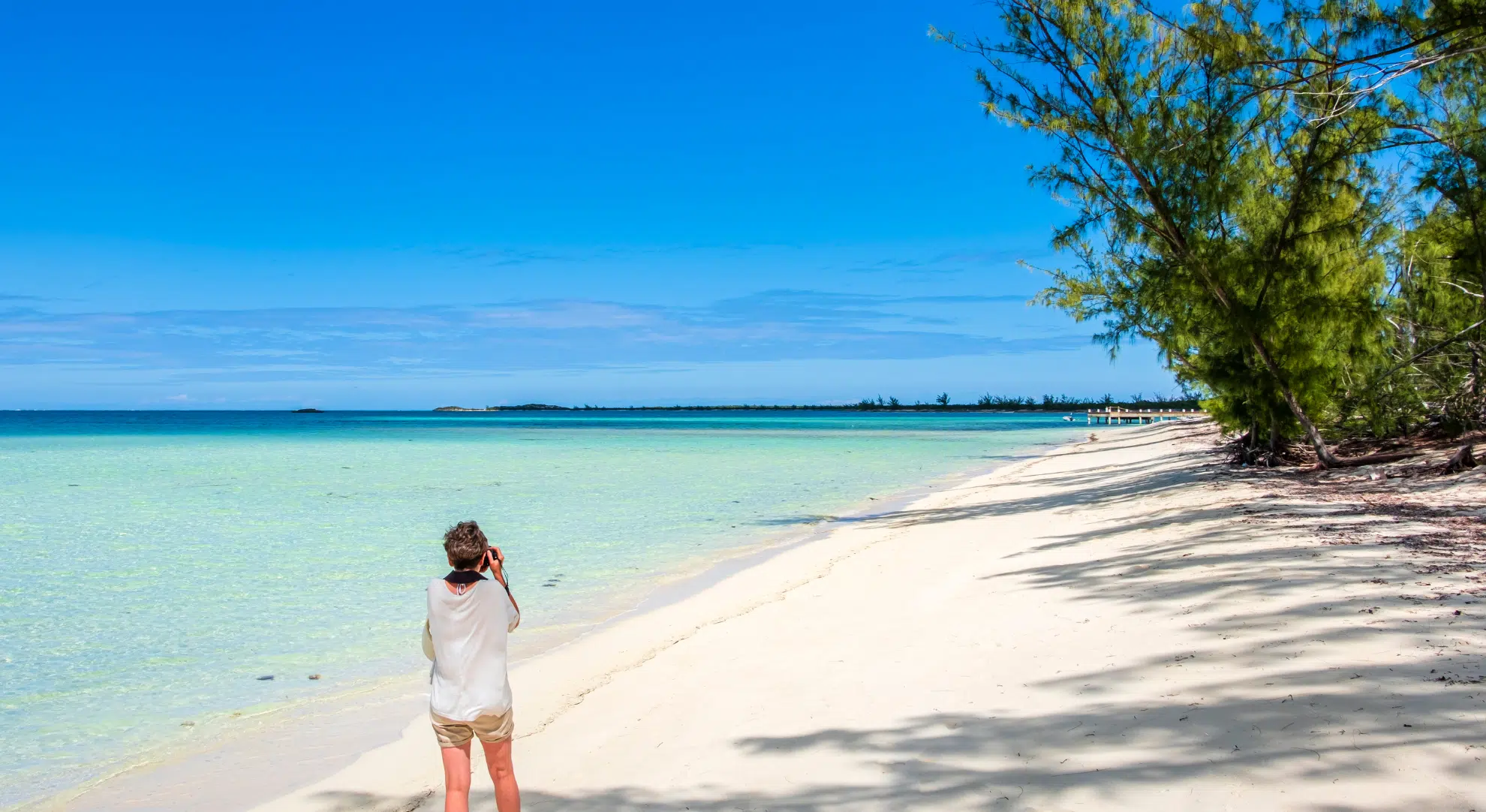
Turks and Caicos has become the Caribbean destination for travellers who prioritise absolute privacy and luxury comfort without compromise. The island sits south of the Bahamas and remains deliberately less developed than many Caribbean alternatives, which means the beaches maintain their exceptional status. The water is crystalline turquoise. The sand is powder-fine. And the island’s exclusivity has become precisely its draw for high-net-worth travellers and celebrities seeking seclusion.
Providenciales is the main island, positioned carefully to feel remote while maintaining world-class infrastructure. Grace Bay Beach is exceptional and remains uncrowded outside peak season, which matters for travellers willing to time their visits strategically. Smith’s Reef offers exceptional snorkelling with healthy reefs accessible directly from the beach. But the real appeal is the combination of pristine natural landscape with ultra-luxury resort experiences.
The ultra-luxury properties on Turks and Caicos have become serious draws for wealthy international travellers. These aren’t standard resorts but curated experiences designed around privacy, personalised service, and exceptional amenities. Many properties are positioned on private islands or extremely limited-access beachfront, with architecture and design that reflects international standards of exclusivity. The restaurants operate at high levels, with Michelin-trained chefs preparing sophisticated cuisine in intimate settings. Service is discreet and attentive without intrusiveness, reflecting an understanding of what serious wealth actually wants.
Where to stay: Turks and Caicos ultra-luxury accommodation is positioned across exclusive beachfront properties on the main island and private island positioning that guarantees complete seclusion. These properties emphasise personalised service, private beach access, high-end dining experiences, and design that reflects contemporary luxury standards. Options range from all-inclusive ultra-luxury resorts with serious amenity bases to boutique island properties offering absolute exclusivity. Kitchen facilities are available for travellers wanting flexibility within their privacy.
Ready to Plan Your Caribbean Escape?
The Caribbean rewards specificity. Choosing the right island matters far more than simply picking the one you’ve heard about most. Each of these islands attracts different travellers for different reasons, and the experience is genuinely shaped by where you choose to go.
The right accommodation, timing, and positioning can transform a Caribbean trip from generic beach experience into something genuinely memorable. We work with specialists on each island and understand which properties match different travel priorities, which seasons offer the best balance of weather and solitude, and how to coordinate experiences that go beyond standard tourism.
Whether you want a week focused on a single island or a multi-island journey exploring different rhythms and vibes, we build Caribbean experiences that reward intentionality.
Enquire with us to discuss which island matches your priorities and how we can position your Caribbean journey properly.