


On this page
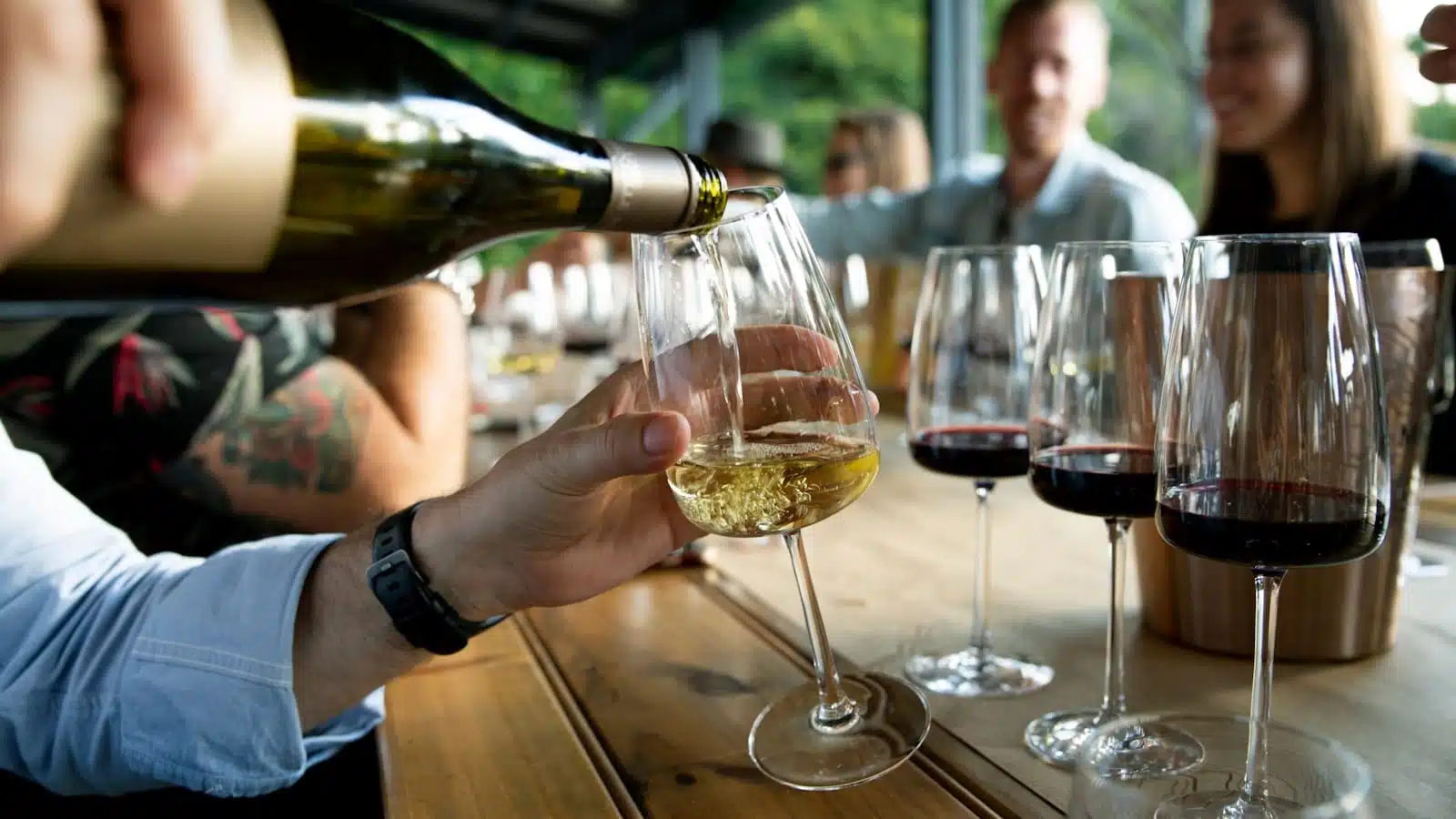
At Do Not Disturb, we work directly with winemakers, cellar door managers, and producers throughout New Zealand’s regions to arrange private tastings, behind-the-scenes cellar visits, and dinners that connect you with the actual people shaping the country’s wine culture.
New Zealand’s wine regions have become some of the world’s most compelling, partly because they operate at a completely different scale than Napa or Bordeaux. The country produces exceptional Sauvignon Blancs, Pinot Noirs, and Rieslings across distinct regions that are geographically compact but stylistically distinct.
A serious wine tour means hitting three or four regions in a single trip, which is actually feasible because everything is relatively close by New Zealand standards. Here’s how to do it properly.
Why New Zealand Wine Matters Now
New Zealand wines became popular internationally in the 1980s. Marlborough Sauvignon Blanc essentially created the market for that style globally, and the country has spent the last two decades proving it can do complexity and nuance beyond that initial success.
Through the 1990s and 2000s, New Zealand proved it could do more than Sauvignon Blanc. Pinot Noir emerged as the serious red wine, particularly from Central Otago and Wairarapa. The early 2000s saw producers deliberately choosing quality over volume, establishing small family operations rather than corporate vineyards.
This cultural choice meant the wine industry never became industrialised in the way that parts of California or Australia did. Producers remain small enough that they actually know their customers, and many are still run by the families that planted the original vineyards.
The wine culture is deliberately unpretentious. You’ll find world-class producers working in converted farm buildings, and winemakers who answer their own cellar doors. Prices remain reasonable compared to European equivalents, and the terroir differences between regions are extreme enough that you can taste three completely different expressions of Pinot Noir in a single day.

Marlborough
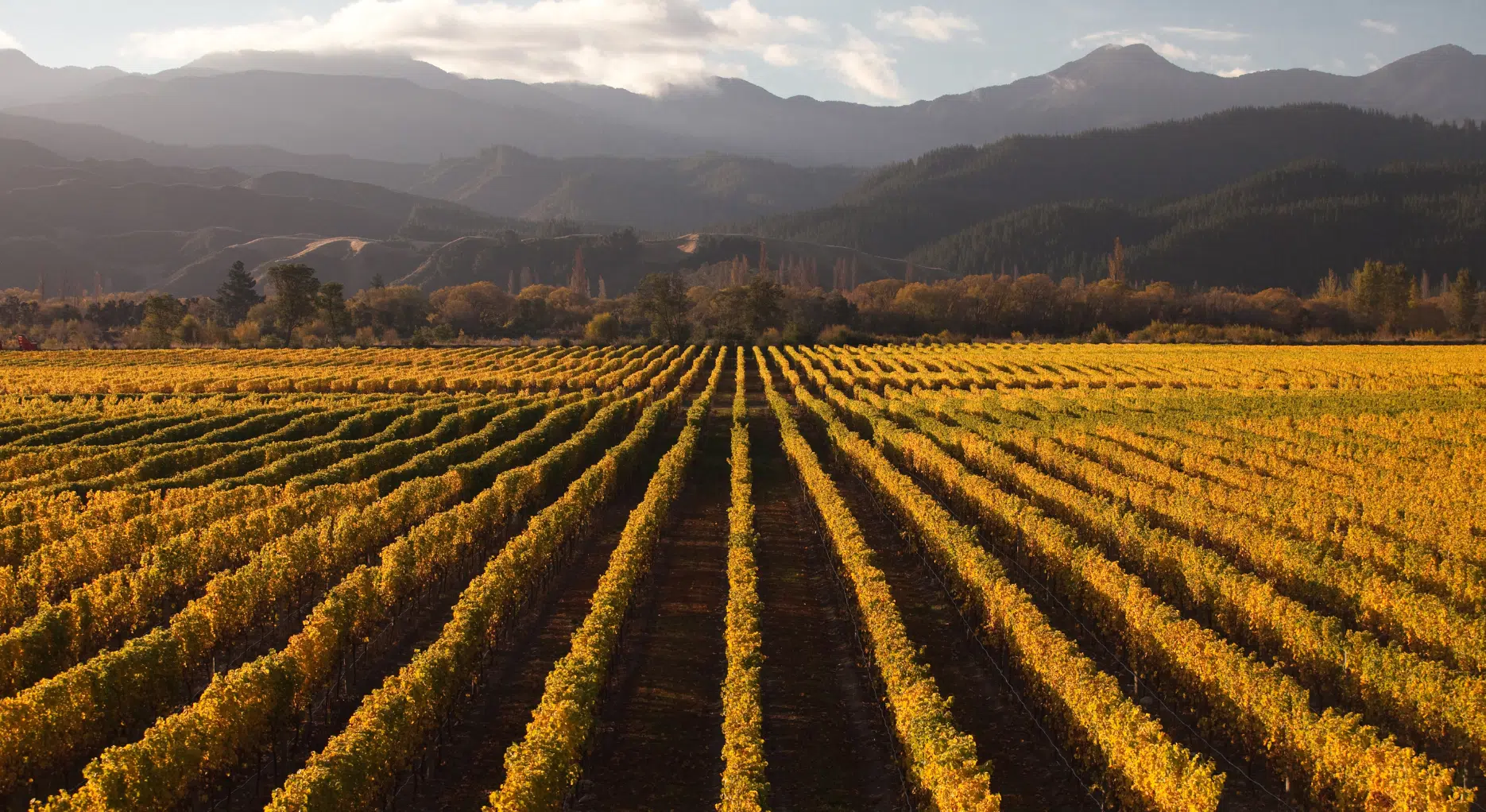
Marlborough is where most wine tourism begins, partly because it’s adjacent to the ferry from the North Island and partly because it’s genuinely exceptional. The region produces roughly 60 percent of New Zealand’s wine and dominates in Sauvignon Blanc, but the real conversation is happening around Pinot Noir and increasingly ambitious blends.
The landscape is dry, schist-based, and visually spectacular. Unlike wine regions that cluster wineries in small areas, Marlborough is geographically spread out, which means you need a car or driver to move between producers.
The essential stops include Cloudy Bay (the producer that put Marlborough on the global map, and their Sauvignon Blanc still sets benchmarks), Greywacke (smaller, focused on site-specific expressions and wild yeast fermentations), Dog Point (known for Sauvignon and increasingly serious Pinot), and Saint Clair (a larger producer with good restaurant and views).
Plan for three or four wineries per day maximum, with lunch at one of them. The region has several good restaurants beyond winery dining; Herzog is the standout for serious cooking and an extensive wine list. Stay in Blenheim (the main town) or better yet, the smaller town of Renwick, which feels less touristy and is more central to the vineyards.
Central Otago
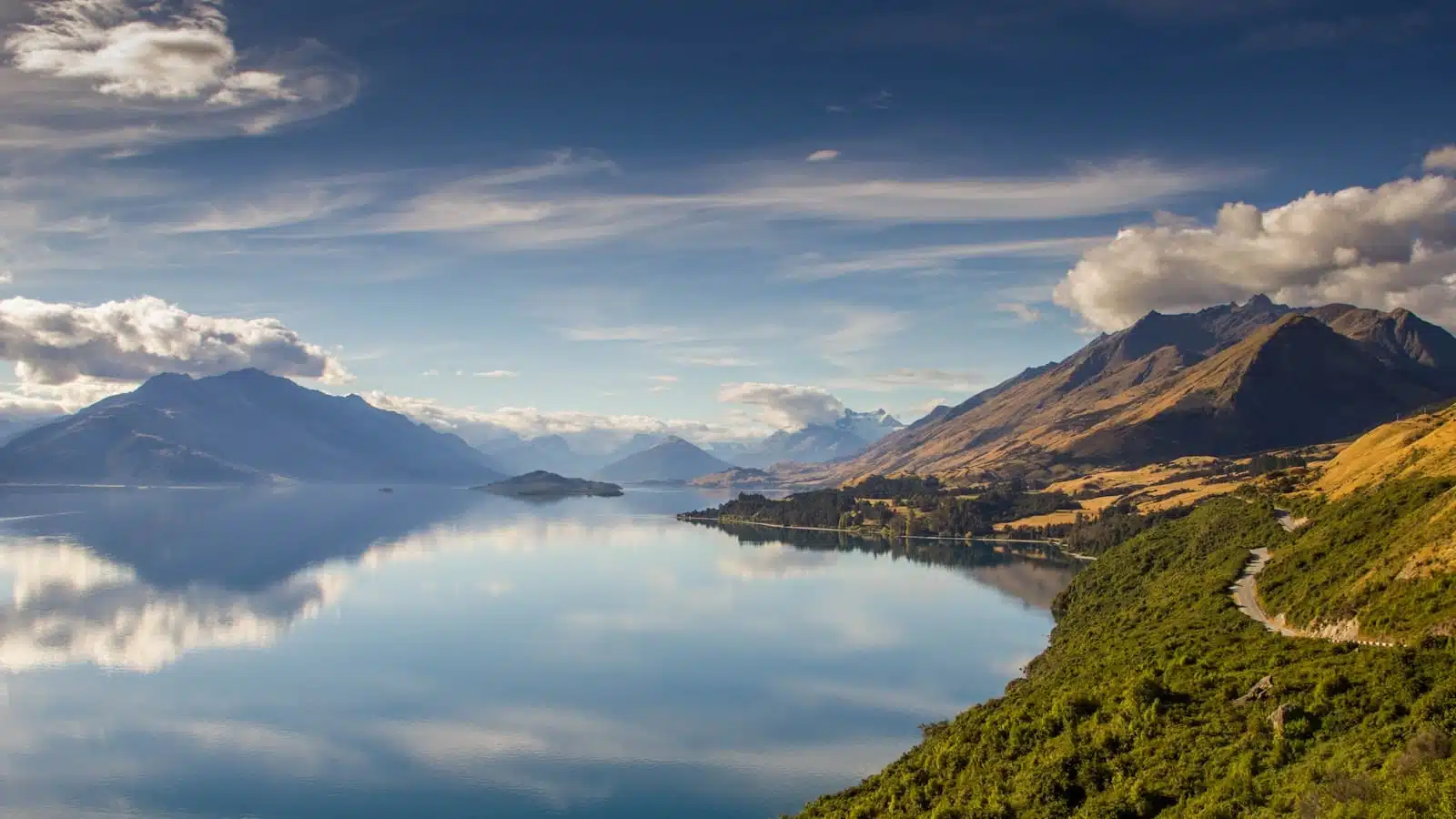
Central Otago is a three-hour drive from Marlborough, and the shift is immediate. The region is high altitude, continental, and produces Pinot Noir that’s lean and mineral-driven compared to other New Zealand regions. The landscape is dramatic: mountains, river valleys, and vineyards planted on terraced slopes.
The region is built around Queenstown and Arrowtown, which means the infrastructure is excellent but also more touristy. If you’re serious about wine, base yourself in Arrowtown instead – it’s a small town with good restaurants and proximity to the best producers without the Queenstown chaos.
Producers worth seeking out include Quartz Reef (owned by a former physicist and focused on precision and specificity), Chard Farm (sits on a cliff edge overlooking the Kawarau River and produces excellent Pinot and Riesling), and Felton Road (arguably the most respected producer in the region, known for elegant, age-worthy wines).
The wineries here are smaller and less reliant on tourism, which means you get genuine winemaker conversations if you ask. The restaurant scene is better than you’d expect for a remote region; Arrowtown has several excellent options. The drive from Marlborough is scenic, following rivers through wine country.
Wairarapa
Wairarapa sits inland from Wellington on the North Island, making it slightly more complicated logistically but genuinely rewarding if you’re interested in serious Pinot Noir and experimental winemaking.
The region is smaller and less established than Marlborough or Central Otago, which means producers are still taking risks and pushing boundaries. The landscape is rolling farmland, and the vibe is definitively artisanal. Many of the best producers are small enough that they don’t have polished tasting rooms; you’ll be tasting in working cellars or converted farm buildings.
Martinborough is the main town and worth a day exploring. Ata Rangi is the benchmark producer, known for elegant Pinot Noir and thoughtful winemaking. Craighall and Palliser Estate are worth visiting for experimental work and genuine engagement with winemakers.
The region has a farmers market atmosphere; many producers don’t have formal tasting rooms, which means you navigate by word-of-mouth or by driving down rural roads and knocking on cellar doors. It feels more like wine tourism as it existed before the industry became professionalized, which is exactly the appeal.
Hawke's Bay
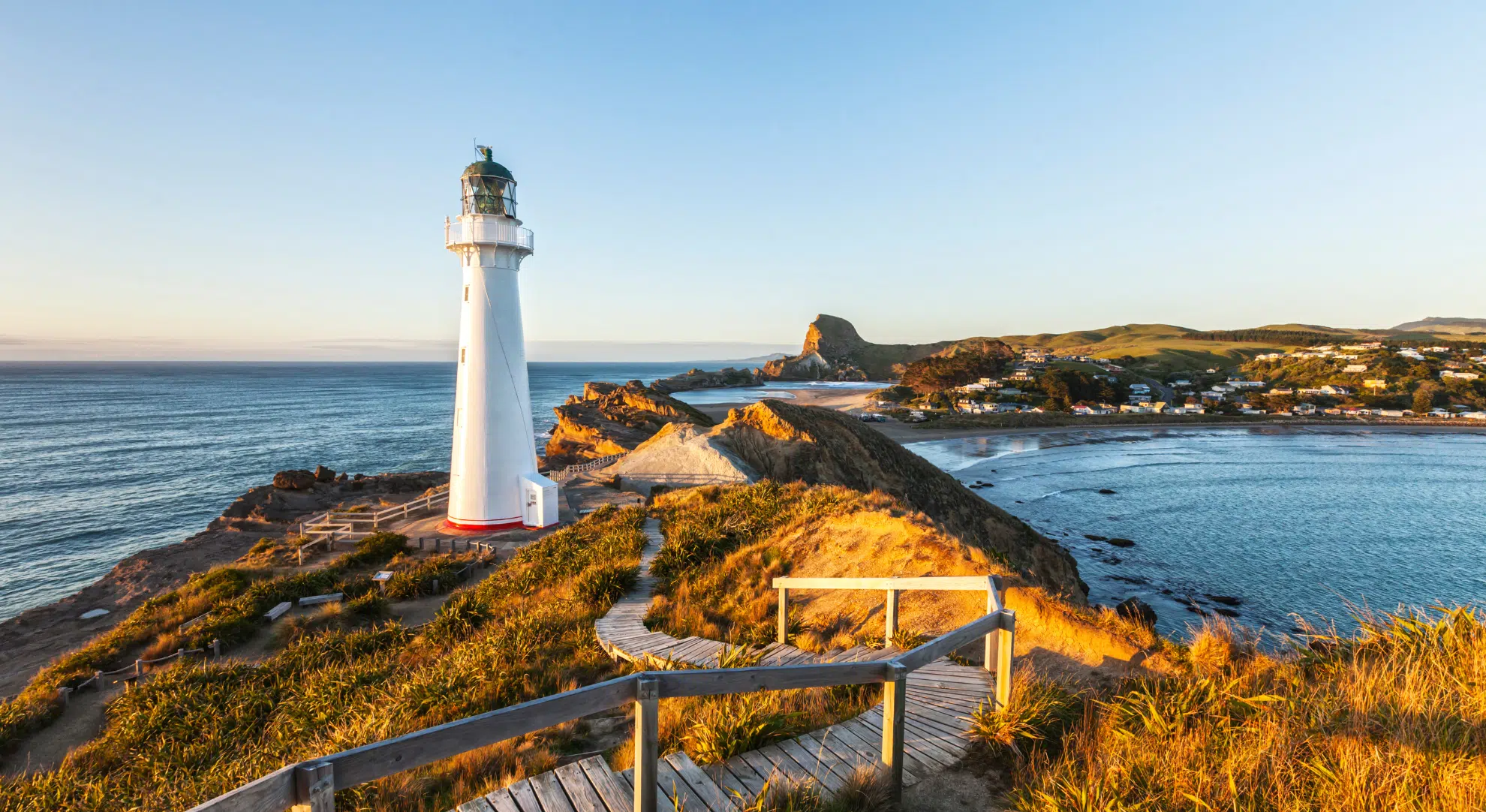
Hawke’s Bay is the warmest wine region in New Zealand and produces Bordeaux varieties alongside Pinot Noir and Chardonnay. The landscape is coastal (you’re 20 minutes from the sea) and visually impressive. The region is less famous internationally than Marlborough or Central Otago, which means it’s less crowded but equally sophisticated.
The main towns are Napier and Havelock North, with Havelock North being the more pleasant base.
Te Mata Estate is the landmark producer, known for Coleraine (a Bordeaux blend) and impressive Chardonnay. Sileni Estates and Black Barn Vineyards are worth visiting for different expressions. The restaurants and hotels are excellent; Napier has art deco architecture and a surprisingly good food scene.
The region feels more integrated into the landscape rather than separated from it, and you’re close to other attractions (Tongariro National Park, hot springs, hiking) if wine fatigue sets in.
Planning the Itinerary
The ideal wine tour balances geography with timing. Most people fly into Auckland, spend a day there (it’s worth it for restaurants and galleries), then head south via ferry to Picton (ferry takes 3.5 hours and is genuinely beautiful). From there: three to four days in Marlborough, drive three hours to Central Otago and spend three to four days there, then either fly back to Auckland from Queenstown or drive north to Wairarapa (5-6 hours) and Hawke’s Bay (another 3-4 hours).
Alternatively, skip Central Otago, focus on Marlborough and Wairarapa on the North Island (more compact), and add Hawke’s Bay. Two weeks is ideal; ten days forces tight choices; three weeks lets you slow down and actually get to know producers.
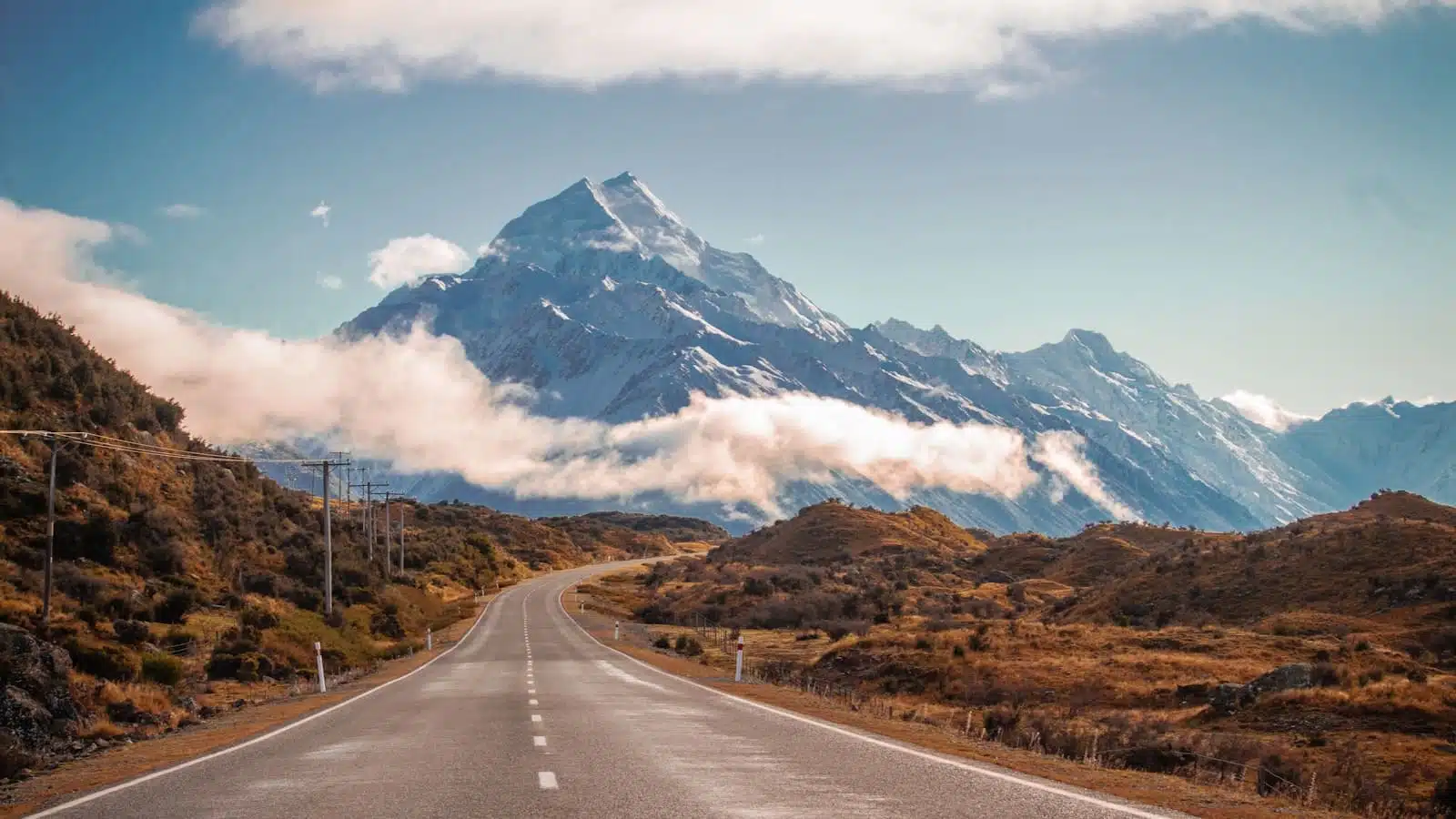
The drive between regions is genuinely scenic, so don’t view it as wasted time. New Zealand’s landscape shifts dramatically as you move through regions, and the drives are legitimate experiences rather than logistical necessities.
When to Visit
March to May (Autumn)
This is the optimal window. The harvest is happening, wineries are active and animated, temperatures are still warm (18-22 degrees Celsius), and the scenery is excellent. Marlborough and Central Otago are particularly good because you catch the tail end of harvest activity. Expect slightly higher prices and some tourist crowds, but it’s manageable outside of major holidays.
September to November (Spring)
Spring is beautiful – wildflowers, pleasant weather (15-20 degrees Celsius), fewer tourists – but wineries are dormant and post-harvest. You’ll do tastings and tour cellar doors, but you miss the energy of harvest season. Accommodation is cheaper, which matters for two-week stays.
December to February (Summer)
Too hot inland (25-28 degrees Celsius), and tourist infrastructure is strained. Unless you specifically want summer hiking with wine touring on the side, avoid this window.
June to August (Winter)
Winter is quiet and cold (especially in Central Otago, which can dip below freezing). Wineries are still operating and welcoming, but the experience is less immersive. Skip unless you’re combining wine touring with skiing.
March to May is genuinely the sweet spot.
How to Move Around
Rent a car or hire a driver. New Zealand’s wine regions are spread out, and driving yourself gives you flexibility to stop at unmarked producers and explore rural roads. The roads are good but occasionally narrow and winding, particularly in Central Otago.
If you’re uncomfortable driving, hire a driver for the duration (roughly USD 100-150 per day for a vehicle and driver through hotel concierges). This removes stress, ensures you can taste properly at each stop, and usually comes with local knowledge.
The distance between regions can be deceiving. Marlborough to Central Otago is technically three hours, but you’ll want a full day for the drive to enjoy the landscape and stop for lunch.
Where to Stay
Marlborough
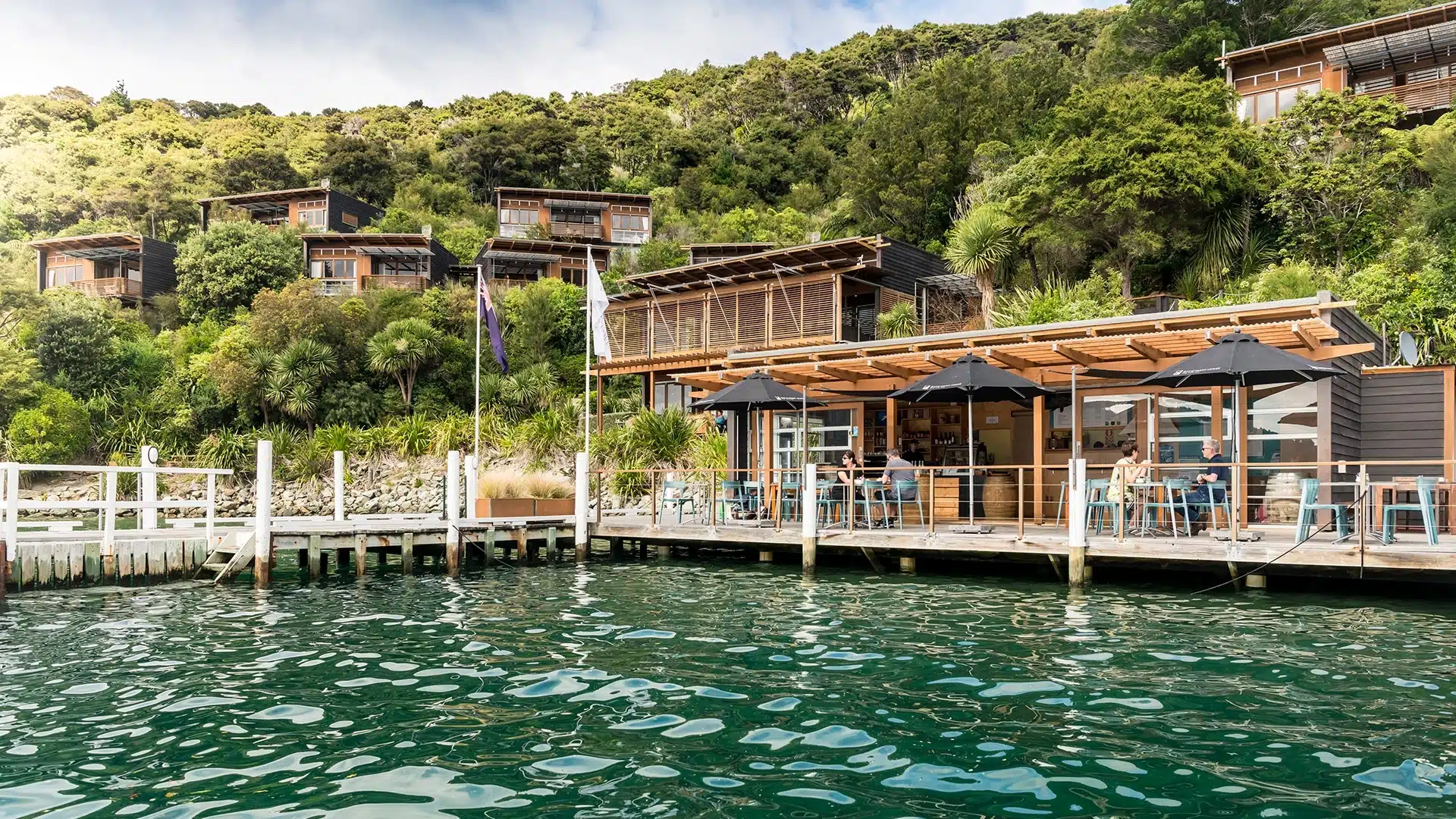
Renwick is quieter than Blenheim and more central to vineyards. Wither Hills is a serious estate with winery, restaurant, and accommodation. For something smaller, Timara Lodge offers boutique luxury with direct winery connections.
Central Otago
Arrowtown is the best base (Queenstown is too touristy). The Millbrook Resort combines luxury with direct vineyard access. For something smaller, Cardrona Hotel is quirky, historic, and close to producers.
Wairarapa
Martinborough Lodge is the standout option for serious wine touring, with knowledgeable staff and direct producer relationships. Smaller options like Scribe’s Landing offer character without the resort formality.
Hawke’s Bay
Havelock North is your base. Sileni Estates has on-site accommodation overlooking vineyards. For separate hotels, The Terraces or Mission Estate Resort offer good positioning for winery visits.
Ready to Plan Your New Zealand Wine Journey?
The best wine tours aren’t rushed itineraries or checkbox experiences. They’re built around genuine producer relationships, timing that respects the rhythms of wine regions, and the kind of access that comes from working with specialists who understand the landscape and the people making the wine.
We handle logistics, transportation, accommodation, and restaurant planning so you can focus on the wine and the landscape.
Whether you want three focused days in Marlborough or a comprehensive two-week tour across four regions, we build itineraries that match your pace and interests. Let’s discuss what a serious New Zealand wine journey looks like for you.