On this page
Linked forever to Romeo’s exile, Mantua reveals a gentler side of northern Italy: refined streets, still waters, and Renaissance frescoes.
Mantua sits 40 kilometres south of Verona, close enough for a day trip but compelling enough to warrant staying overnight.
The two cities complete each other in unexpected ways. Verona is where Romeo and Juliet’s story begins and ends in tragedy. Mantua is where Romeo flees during his exile, the place Shakespeare describes as Romeo’s lonely refuge. Walking Mantua’s arcaded streets, you understand the melancholy of the play’s third act. This is a beautiful city to be banished to, which somehow makes the separation worse.
But Mantua’s appeal extends far beyond literary connections. This is one of northern Italy’s most astonishing Renaissance cities, shaped by the Gonzaga dynasty over 400 years of rule. The result: palazzo after palazzo filled with Mantegna frescoes, churches designed by Alberti, and a lakeside setting that shimmers in evening light.
Why Mantua Matters
UNESCO recognised the importance of Mantua, awarding it World Heritage status for its Renaissance urban planning and architecture. Yet it remains remarkably under-visited compared to nearby Verona or Venice. You’ll have breathing room here, space to appreciate things without crowds pressing in. It’s a great Italian destination for a Do Not Disturb moment of quiet and reflection.
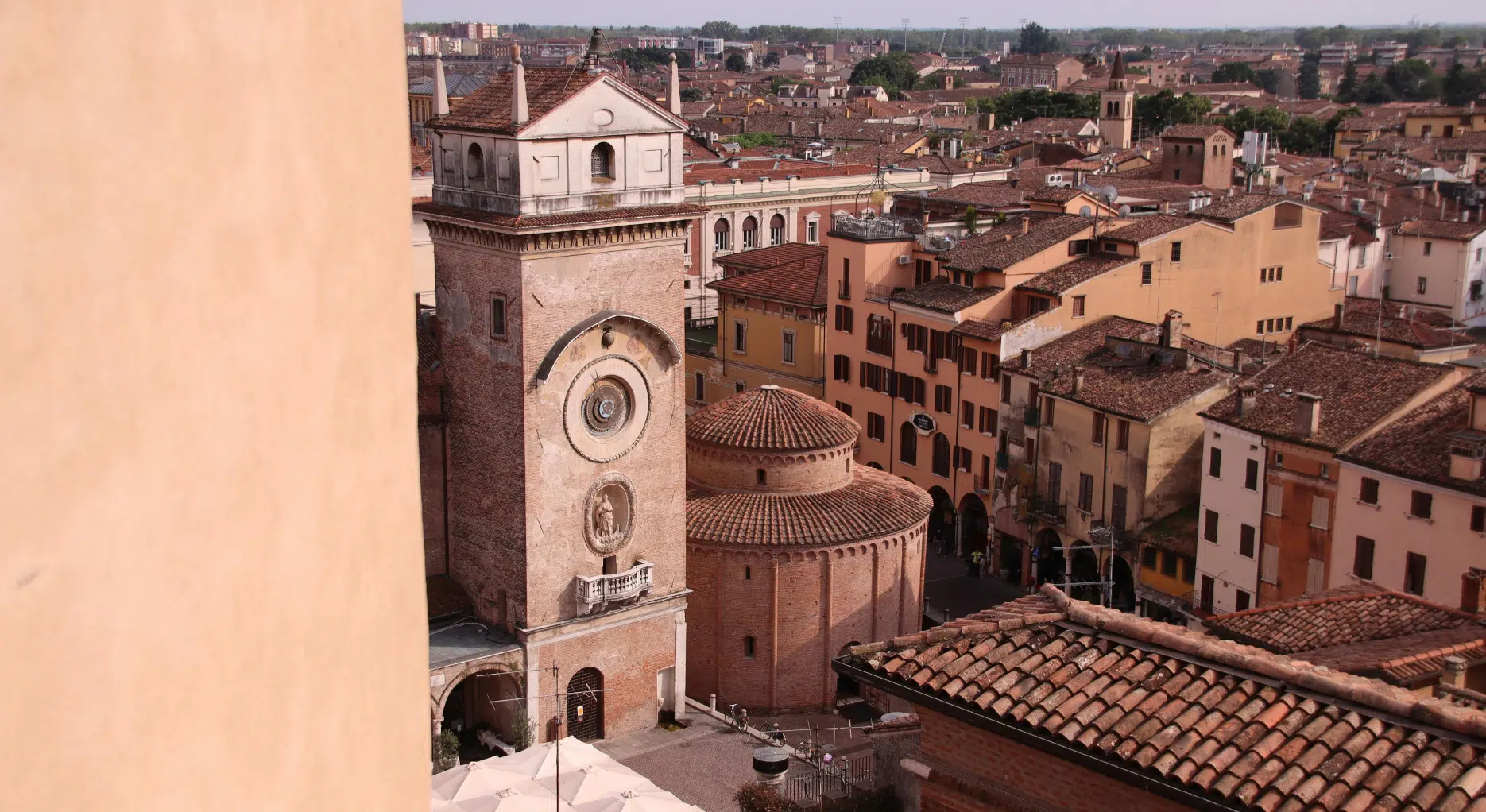
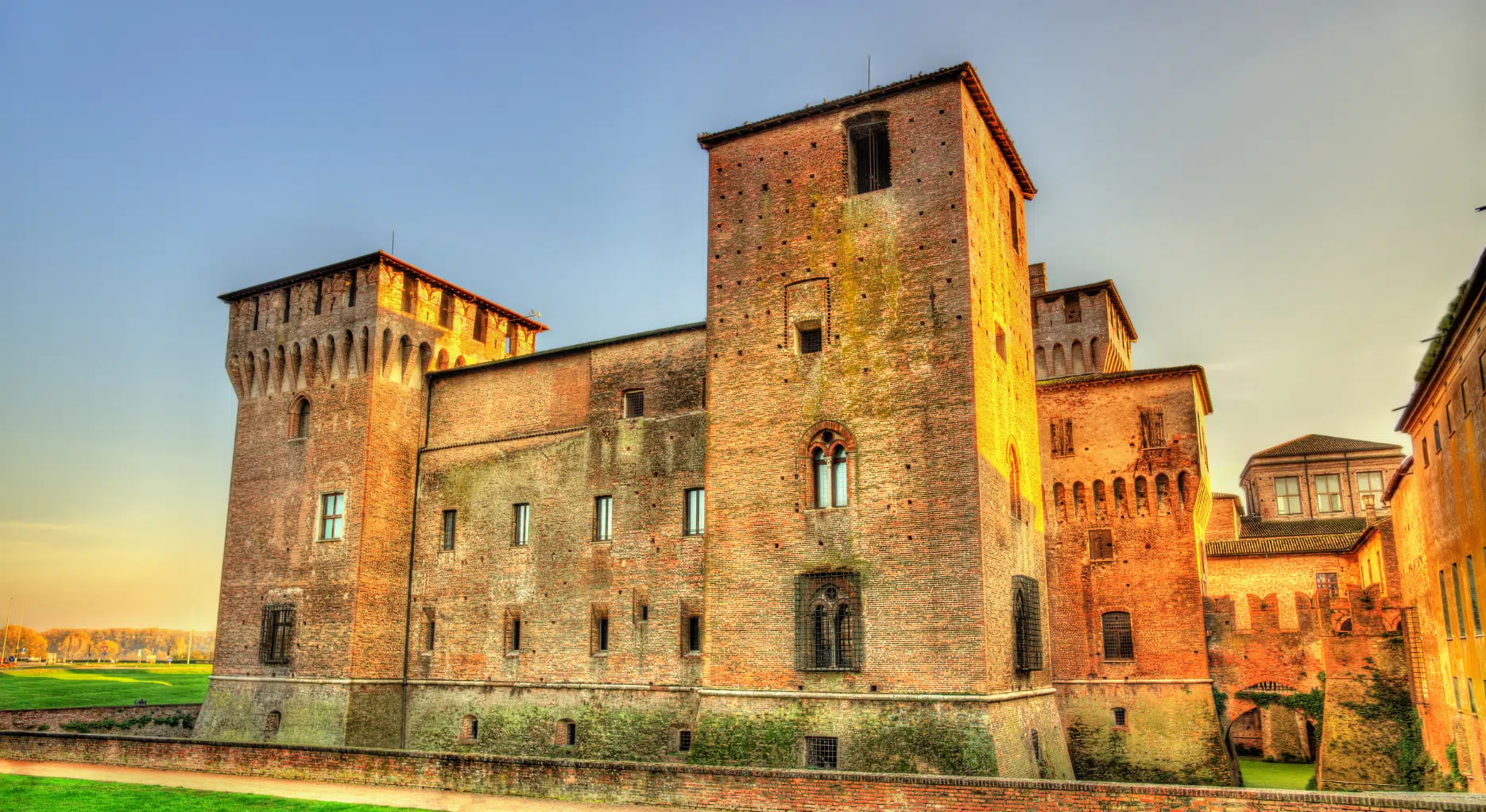
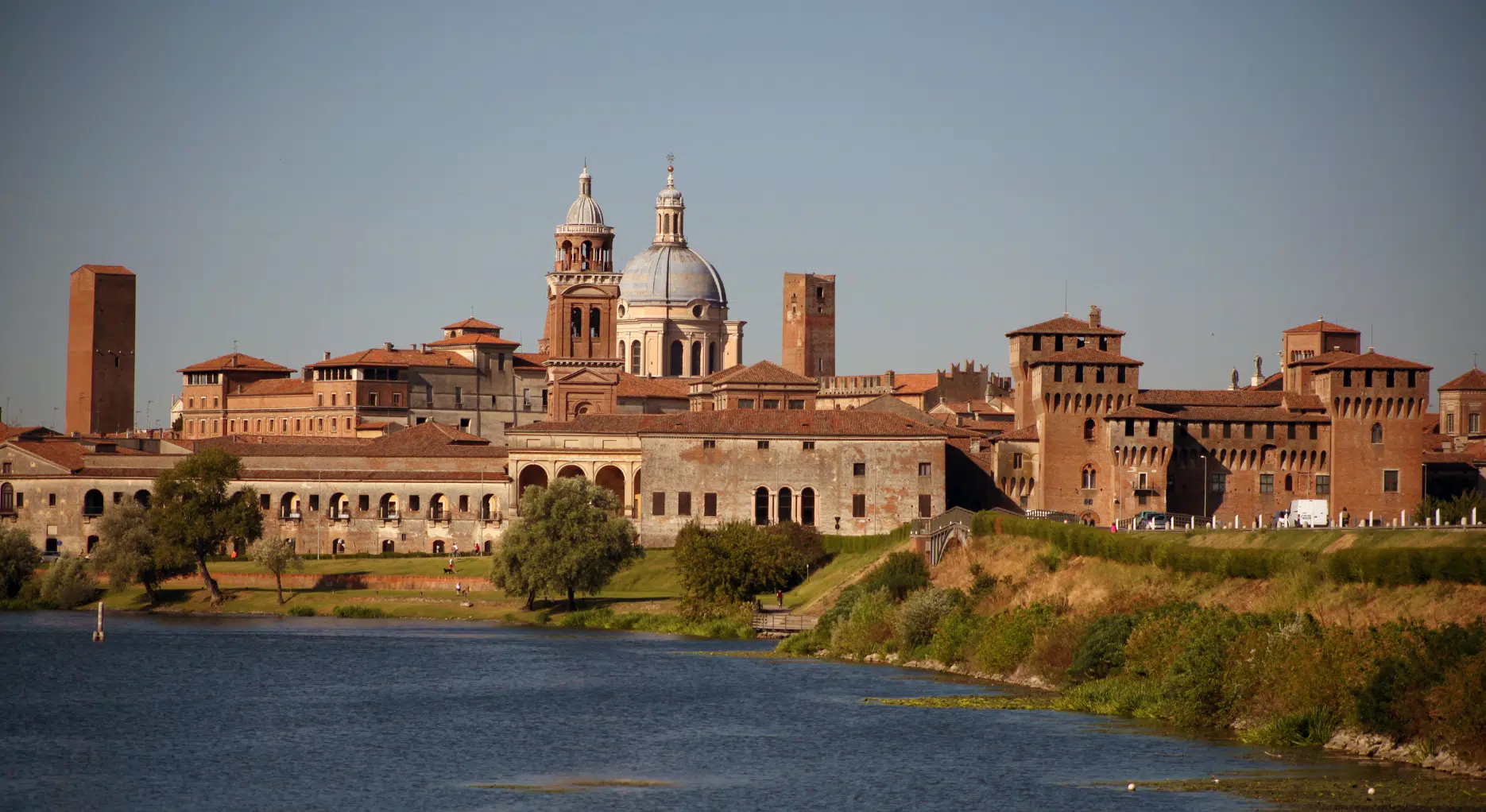
The city sits on a peninsula surrounded by three artificial lakes created in the 12th century. This geography gives Mantua an island-like quality. You approach across water, the skyline reflecting in the Mincio River, creating that slightly otherworldly first impression.
The historic centre is compact and extraordinarily preserved. Medieval towers, Renaissance palaces, and baroque churches are layered onto Roman foundations and still function as part of a living city. Around 50,000 people live here, enough to sustain genuine local life without depending entirely on tourism.
The Gonzaga Legacy
Understanding Mantua means understanding the Gonzaga family. They ruled from 1328 to 1708, transforming a medieval fortress town into one of Europe’s great Renaissance courts. They employed Mantegna, commissioned Giulio Romano, collected art voraciously, and built palaces that still astound.
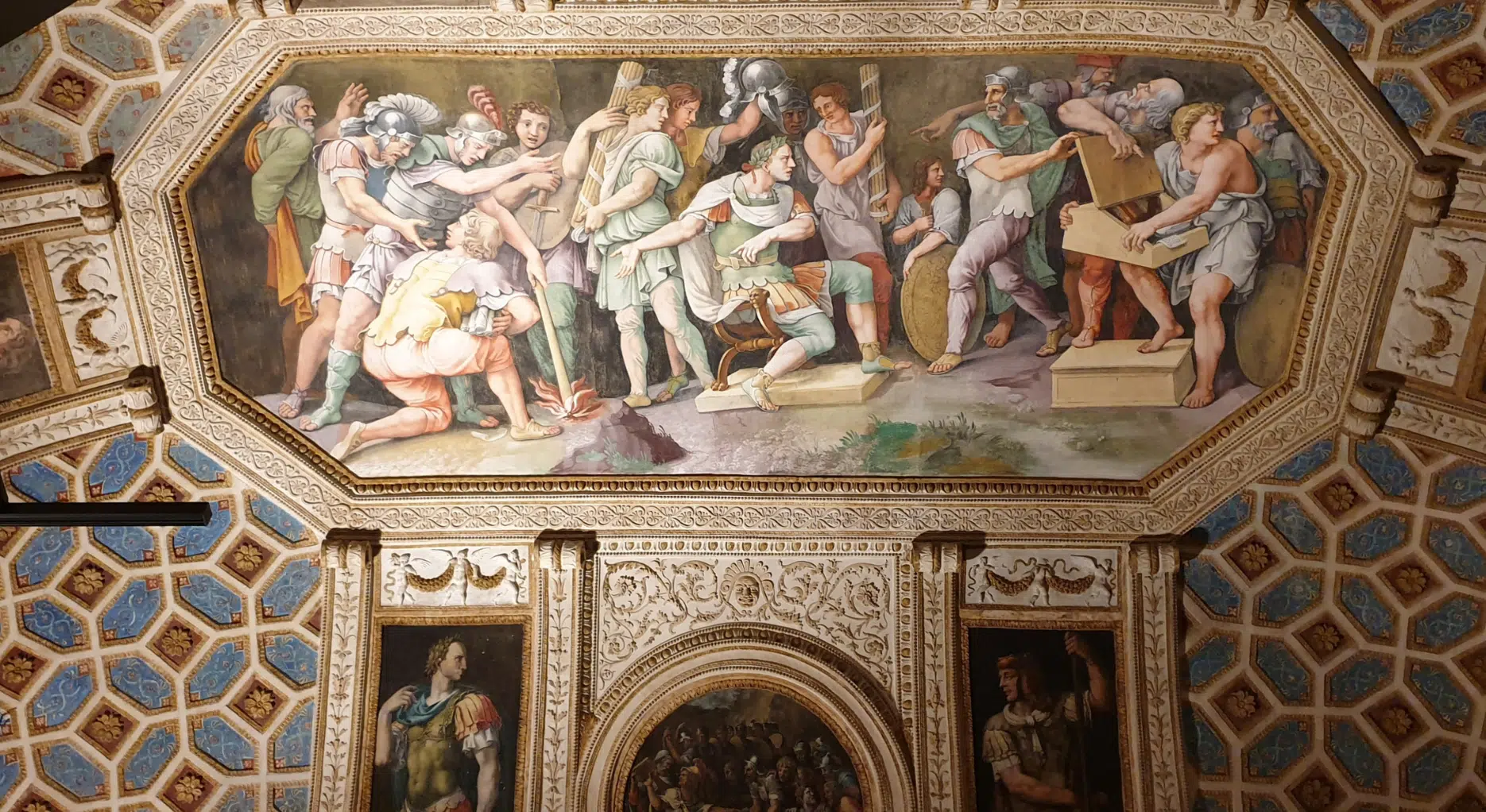
The Palazzo Ducale, the Gonzaga’s primary residence, is among Italy’s largest palace complexes. Five hundred rooms, courtyards, gardens, galleries. You could spend days exploring. The highlight: Mantegna’s Camera degli Sposi (Wedding Chamber), with frescoes that pioneered illusionistic ceiling painting. Looking up at those clouds and cherubs breaking through painted architecture, you’re seeing techniques that influenced centuries of European art.
Nearby, the Palazzo Te shows the Gonzaga at their most indulgent. This was their pleasure palace, built for entertaining and escaping court formality. Giulio Romano designed every room as a theatrical experience. The Sala dei Giganti depicts Zeus destroying the giants with such dramatic perspective that visitors in the 1530s reportedly felt the walls collapsing around them.
A Day in Mantua
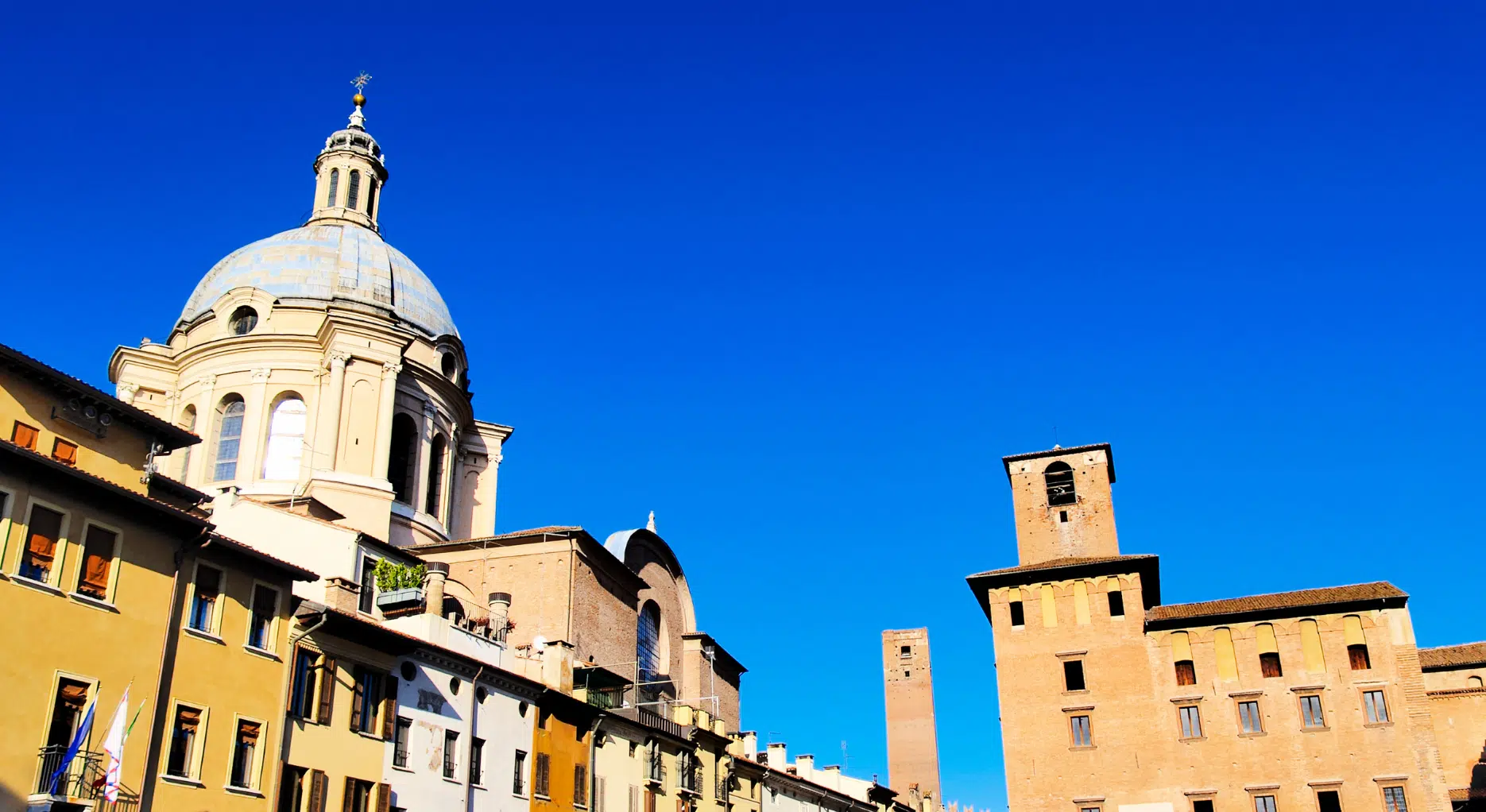
Arrive mid-morning. The train from Verona takes 40 minutes and deposits you ten minutes’ walk from the centre. Start with coffee in Piazza delle Erbe, Mantua’s market square since medieval times. The proportions are perfect, being neither too grand nor too intimate. The Rotonda di San Lorenzo, an 11th-century church, sits almost shyly at one end, its round brick form pre-dating everything around it.
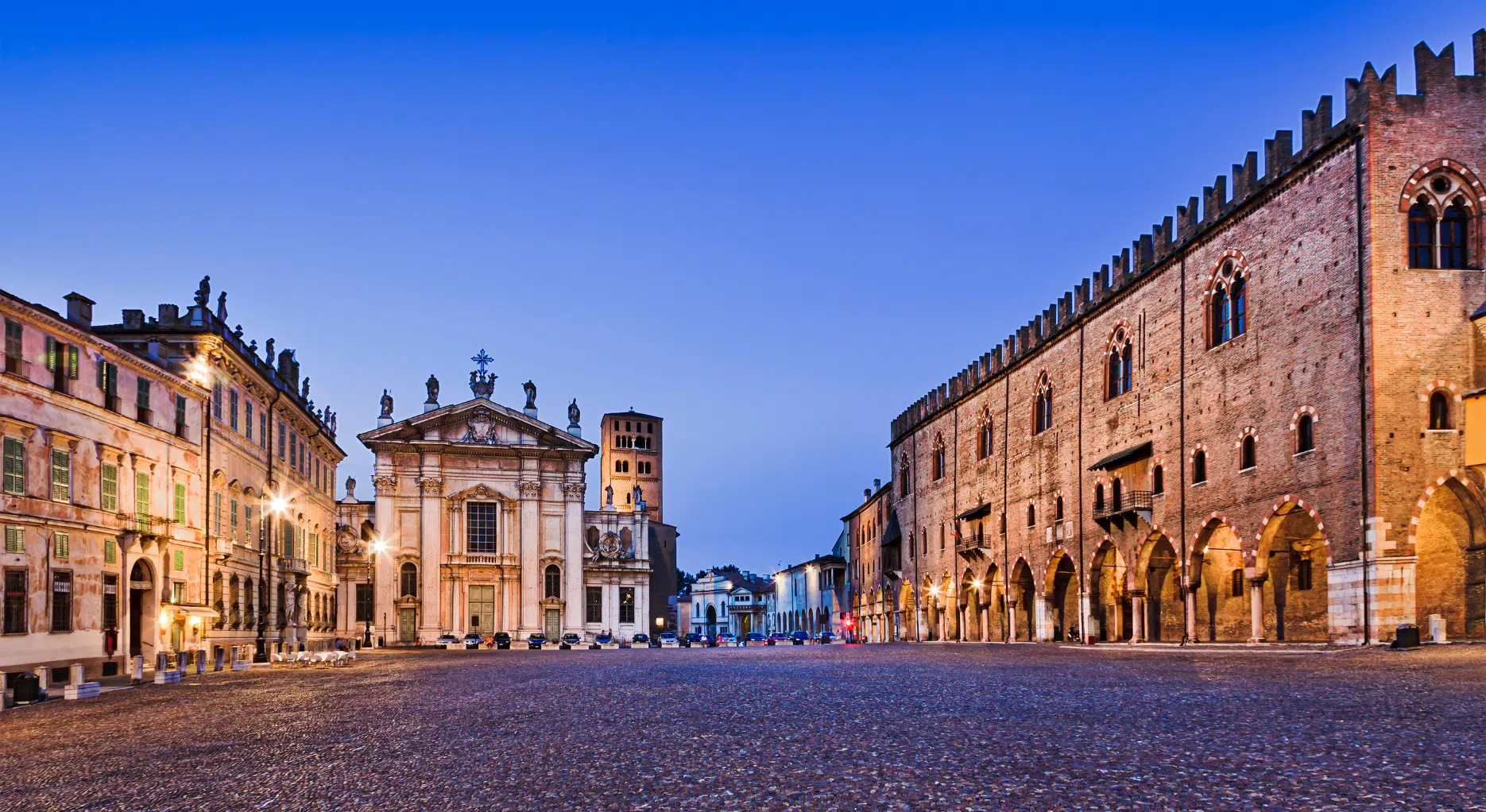
Walk through to Piazza Sordello, the city’s ceremonial heart. The Palazzo Ducale dominates one entire side. Enter here but be sure to book tickets online ahead to avoid lines. Allow three hours minimum. The palace overwhelms with its scale and artistic richness. Don’t miss the Appartamento degli Arazzi (Tapestry Apartments) or the Galleria degli Specchi (Hall of Mirrors).
Lunch at Osteria dell’Oca on Via Trieste. The menu celebrates Mantuan specialties: tortelli di zucca (pasta filled with pumpkin, amaretti, and mostarda), risotto alla pilota (minimal-intervention risotto with sausage), and pike from the lakes.
Afternoon means Palazzo Te. It’s a 20-minute walk south from the centre, crossing one of the lakes via Ponte dei Mulini. The palace sits in its own gardens, built on what was then an island. The architecture alone justifies the visit, a masterpiece of Mannerist style. But the frescoed rooms are extraordinary. Stand in the Sala dei Giganti and look up, around, everywhere. Romano created total environmental immersion 500 years before anyone coined the phrase.
Return to the centre via Via Principe Amedeo for aperitivo. Caffè Modi has outdoor tables on Piazza Virgiliana (named for Virgil, who was born near Mantua). Order a Spritz and some local salumi. Watch the light change on the lake.
Staying Overnight: Quiet Luxury
Here’s where Mantua reveals its particular magic. Day-trippers depart by evening. Staying overnight means experiencing Mantua at its most serene and sleeping in accommodations that make you feel like a Gonzaga guest.
Palazzo Bianchi Luxury Rooms occupies a restored 16th-century palazzo near Piazza Sordello. The five suites feature original frescoes, antique furnishings, marble bathrooms, and that particular atmosphere of faded grandeur done right. Nothing feels like a museum reconstruction. These are rooms where you can imagine Gonzaga courtiers actually living.
Casa Poli offers a more intimate experience with just five rooms in an 18th-century townhouse. The owner, an architect, restored the building herself, preserving original details while adding contemporary comfort. The rooftop terrace overlooks the city’s towers and domes. Breakfast features local pastries and proper coffee. It feels like staying with a particularly stylish Italian friend.
For pure opulence, L’Orsetto su Mantova delivers. This boutique hotel in a Renaissance palazzo combines period architecture with contemporary design. Rooms feature designer furniture, statement lighting, and rich colour. The restaurant focuses on creative Mantuan cuisine.
Tours we recommend
Evening in Mantua
With day-trippers gone, Mantua belongs to residents and the few overnight visitors. The atmosphere is relaxed, unhurried.
Dinner at Antica Osteria ai Ranari near the lakes. The setting is simple, with wooden tables, brick vaults, and no frills. The food is exceptional: traditional Mantuan cooking executed with obvious care and quality ingredients. The pumpkin tortelli are reason enough to visit. The stracotto d’asino (slow-braised donkey) sounds challenging but tastes like the best beef stew you’ve ever had, only richer. Sbrisolona, Mantua’s crumbly almond cake, arrives with sweet wine for dipping.
Walk along the lakeside after dinner. Lungolago dei Gonzaga curves along Lago di Mezzo, offering views back towards the illuminated city. The palazzi glow warm against the dark water. Swans glide silently.
Stop at Gelateria Bianchi for gelato; the nocciola uses IGP hazelnuts from Piedmont and tastes genuinely of nuts, not sugar. Or head to Pasticceria Aida on Piazza Martiri for a slice of torta paradiso (Mantua’s signature sponge cake) with a digestivo.
The streets are nearly empty by 11 p.m. Church bells mark the hour. Medieval towers loom against the night sky. You’ll hear your footsteps echoing on the cobblestones, passing beneath darkened arcades, crossing silent piazzas.
Why Mantua Complements Verona
These cities show you two expressions of northern Italian culture: the Roman military city turned medieval trading centre (Verona) versus the Renaissance court city (Mantua). Accessibility versus exclusivity. The famous versus the overlooked.
And there’s that Romeo and Juliet thread connecting them. Stand in Mantua’s Piazza Sordello at dusk and imagine Romeo receiving news of Juliet’s death, desperate to return to Verona. The distance between the cities, 40 kilometres that would have taken hours on horseback, adds weight to his exile. The beauty of where he’s stranded makes his longing more acute.
The Mantua Difference
Mantua rewards a different kind of attention than Verona. Where Verona lets you move quickly, hitting highlights efficiently, Mantua asks you to slow down. To spend an hour in one frescoed room. To linger over lunch. To notice details.
The city’s quiet luxury isn’t about designer boutiques or Michelin stars, though the food is excellent. It’s about sleeping in a 16th-century palazzo where everything works beautifully. Having an entire lakeside promenade nearly to yourself at sunset.
You’ll return to Verona refreshed, carrying memories of frescoed ceilings and lamplight on still water, of empty arcaded streets and perfect pumpkin pasta.