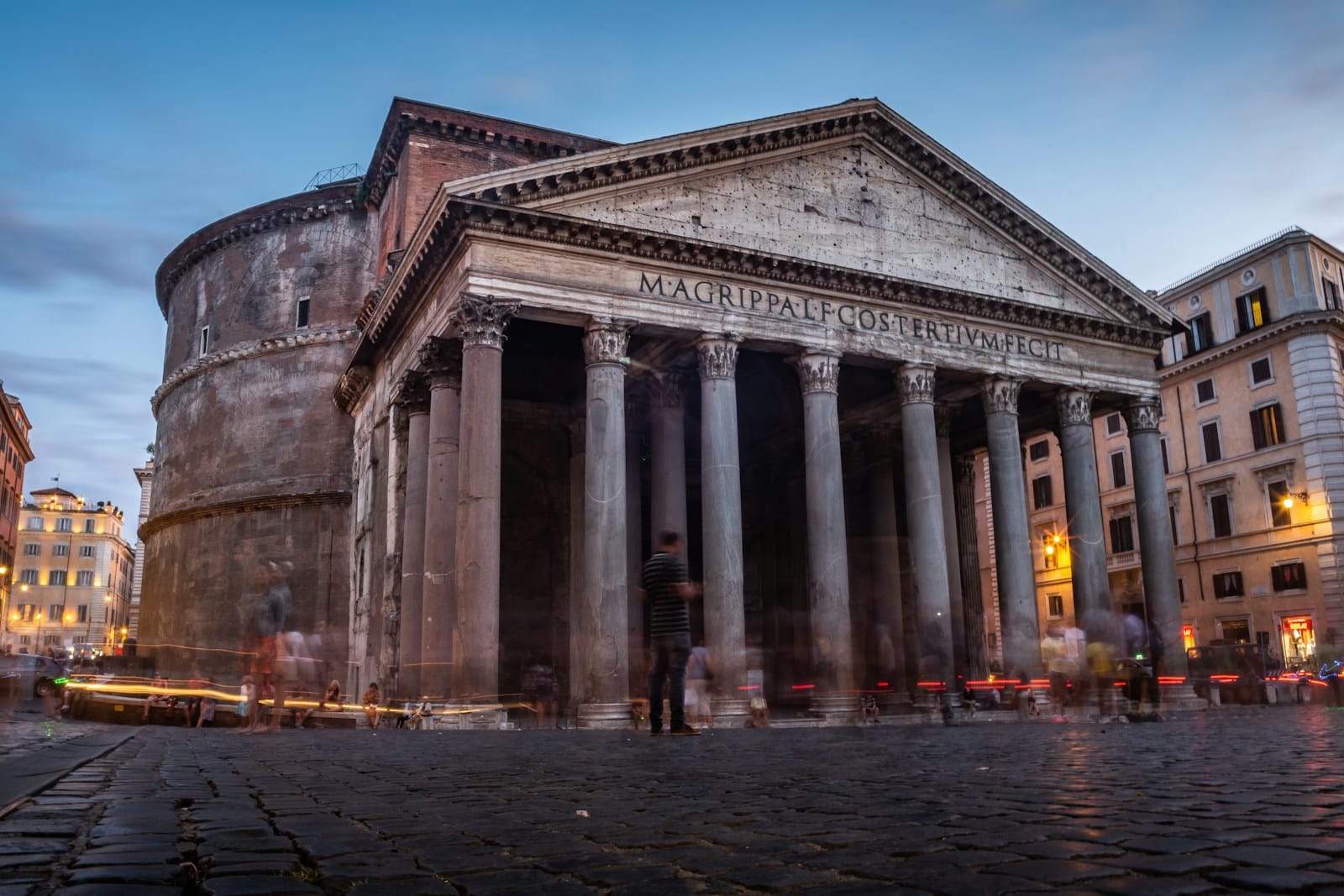

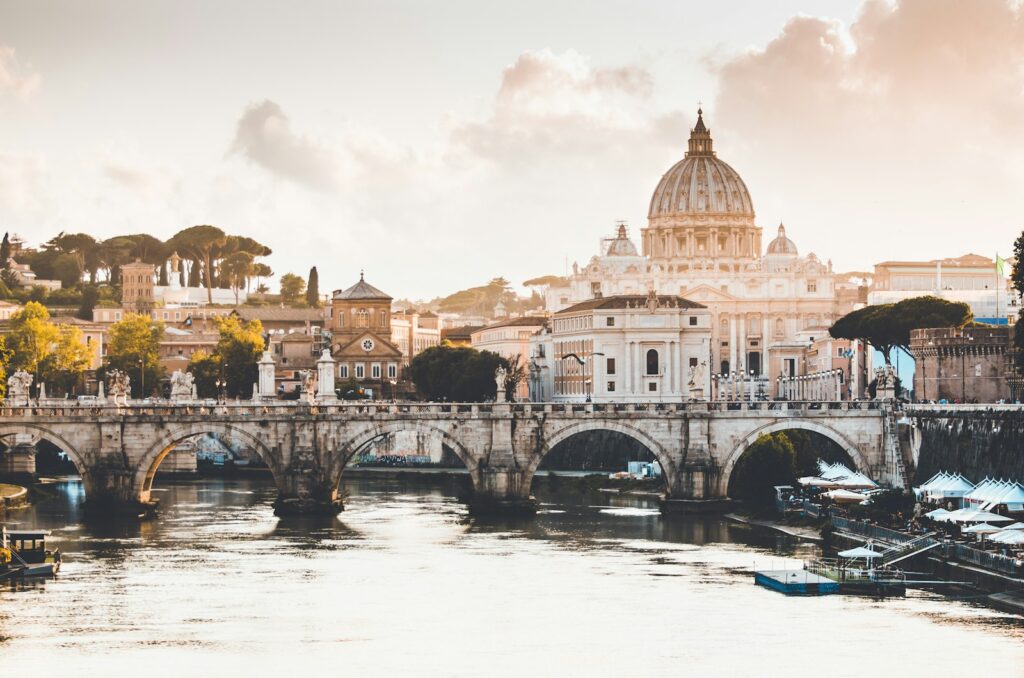
A perfect circle of light, geometry, and faith.
There are few buildings that command silence the way the Pantheon does.
Even in the midst of Rome’s rhythm — scooters, footsteps, conversation — the moment you cross its threshold, the city seems to dissolve. What remains is a column of air and light, suspended beneath the world’s most perfect dome.
Built nearly two thousand years ago, the Pantheon endures not because of its scale, but because of its clarity. It is pure intention — geometry translated into stone, mathematics shaped into meaning.
Through Do Not Disturb, this space is experienced in its truest form: unhurried, privately guided, and deeply personal. The visit reveals how light and structure merge to express something eternal — an architecture that belongs to every age.
The Mastery of Design
From the outside, the Pantheon appears almost understated. Its columns rise in quiet symmetry; its bronze doors open to an interior that defies logic. Inside, the air cools instantly. The floor curves slightly, draining rainwater that falls through the great circular opening above — the oculus, the building’s single window to the sky.
At 142 feet across and 142 feet high, the dome is a perfect sphere sliced in half — an act of geometry that was ahead of its time. Light pours through the oculus and drifts across the walls like a living sundial. Every hour reshapes the room; every day redraws it.
The effect is both scientific and spiritual. Engineers still debate how it was built. Artists still travel here for perspective. But standing at its center, all that matters is balance — the feeling of being held, precisely, within harmony.
It’s this fusion of art and physics, of reason and reverence, that makes the Pantheon more than a monument. It is the embodiment of civilization’s pursuit of perfection.
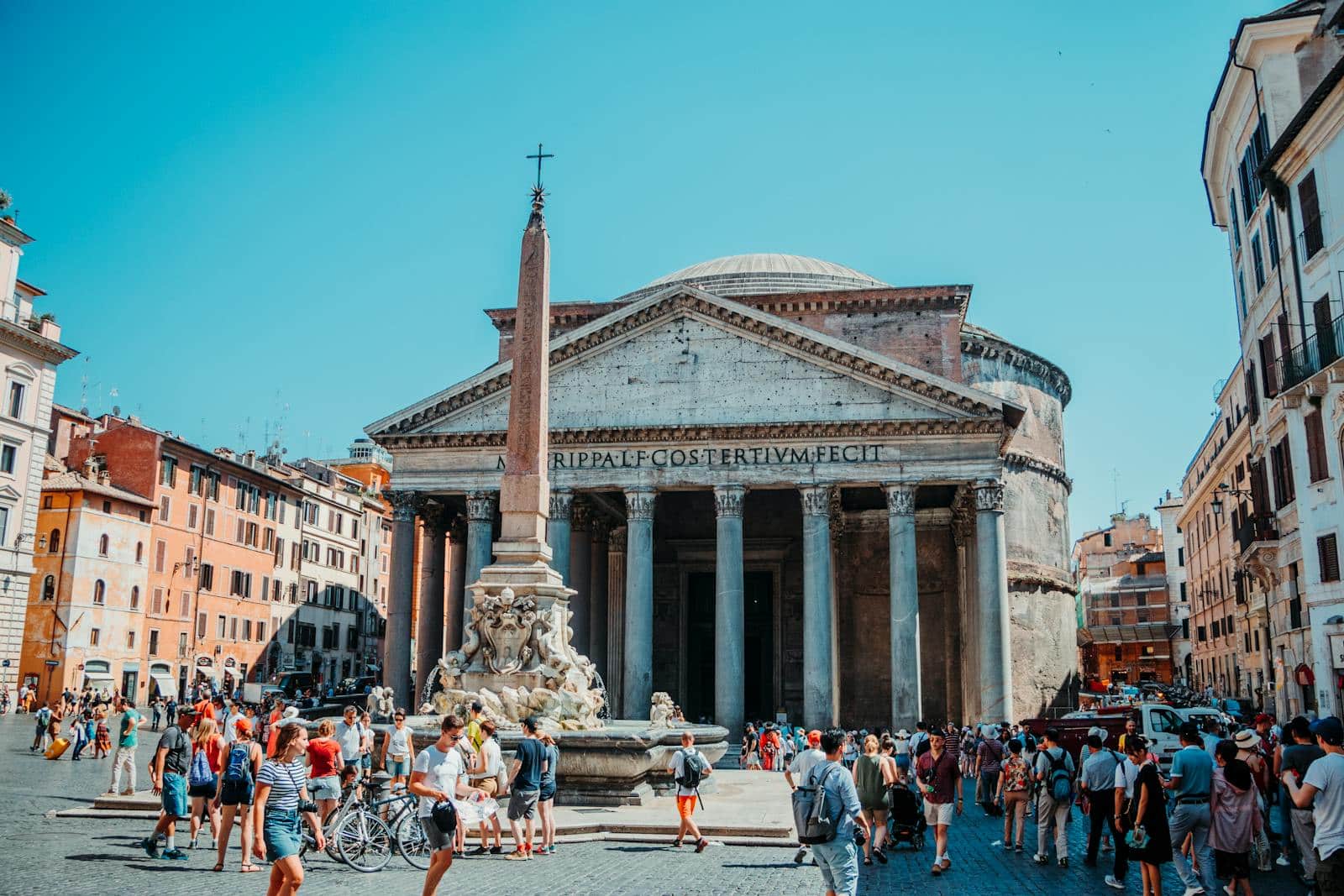
Light as Language
Morning light enters like a promise, tracing the curve of the dome in gold. By afternoon, it cuts diagonally across the marble floor. At sunset, it gathers in the apse, soft and diffuse, before fading to shadow.
Every moment within the Pantheon is defined by this movement — light as the architecture’s final, essential material. What was once designed for the gods now seems devoted to time itself.
Through Do Not Disturb, guests often visit when the doors are closed to the public: at dawn, when the first beam pierces the air, or after dusk, when candlelight replaces sunlight and the space feels almost weightless. The silence then is extraordinary — not absence, but presence.
It’s this contrast between day and night, between the divine and the human, that defines the Pantheon’s enduring power.
The Continuity of Faith
The Pantheon has outlived empires, religions, and centuries of change — yet it has never ceased to be a house of worship. Originally built to honor all gods, it later became a Christian church dedicated to St. Mary and the Martyrs. Its transformation was seamless because its language — symmetry, proportion, light — speaks to every form of belief.
Inside, Renaissance artists found inspiration for perspective; architects studied its dome to understand perfection; philosophers came seeking proof that beauty can be eternal.
What remains remarkable is not its endurance, but its adaptability. The Pantheon is proof that civilization’s greatest works survive by evolving — by making space for what’s next while honoring what came before.
A Different Kind of Access
Experiencing the Pantheon through Do Not Disturb is not about exclusivity — it’s about intimacy.
Through Do Not Disturb, guests can experience the Pantheon in rare quiet — arranged at times when the crowds are gone and the light feels almost private. Guided by scholars and custodians who understand its rhythm, the visit offers perspective, not privilege — a moment of presence inside one of the world’s most enduring designs. Just the rhythm of light and the quiet realization that perfection was achieved long ago.
A historian traces the building’s lineage from Agrippa’s original temple to Hadrian’s reimagining in the 2nd century AD. They explain how the concrete was mixed with pumice to lighten the dome, how the coffered ceiling both strengthens and beautifies it. But the magic isn’t in the facts; it’s in the feeling of proximity — to genius, to craftsmanship, to continuity.
Here, history is not observed. It’s absorbed.
The Pantheon After Dark
When night falls, the Pantheon becomes something else entirely. The last visitors leave; the doors close; the city beyond quiets. Candlelight glows against the marble, and the dome — now black and infinite — feels like a mirror to the universe.
This is the hour when sound travels differently, when footsteps echo like memory. The oculus above no longer frames the sun but the stars, and the light that once defined the building yields to reflection.
Do Not Disturb’s curated evening access offers this rare perspective — not spectacle, but stillness. It’s an experience that feels closer to meditation than sightseeing: a dialogue between shadow, space, and time.
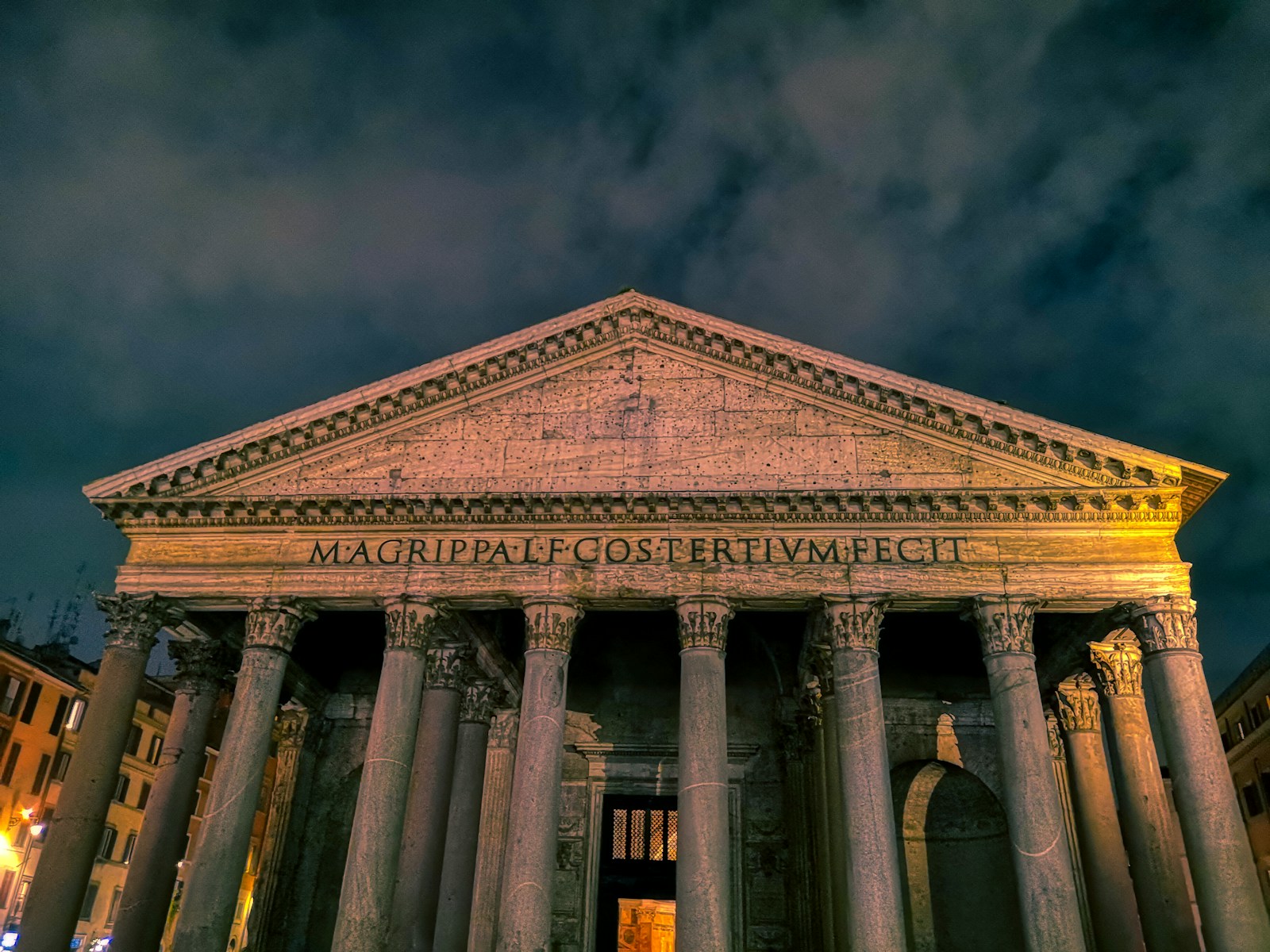
Why This Moment Matters
The Pantheon is proof that perfection doesn’t demand excess — only intention.
It endures because it speaks to something essential in human nature: the need for proportion, the search for meaning, the instinct to connect heaven and earth through design.
Do Not Disturb distills that experience into its purest form. No distractions. No performance. Just architecture at its most eloquent — a building that doesn’t simply house history, but explains it.
The Pantheon is part of Do Not Disturb’s collection of curated Roman experiences — created for travellers who appreciate art, history, and architecture in their purest form.
Speak with one of our travel experts to arrange private access to the Pantheon — at dawn, dusk, or by candlelight — and see one of the world’s greatest works of design as it was meant to be seen: in peace, in proportion, and in presence.
Related destinations
Suggested articles

How to Plan the Perfect Luxury Trip to Angkor Wat
A Guide to Sri Lanka’s Tea Plantations

The Maldives Fixed Its Arrival Problem: Inside the New Velana Airport

The Best Islands in Australia for a Luxury Beach Holiday

How to Plan a Luxury Australian Outback Experience
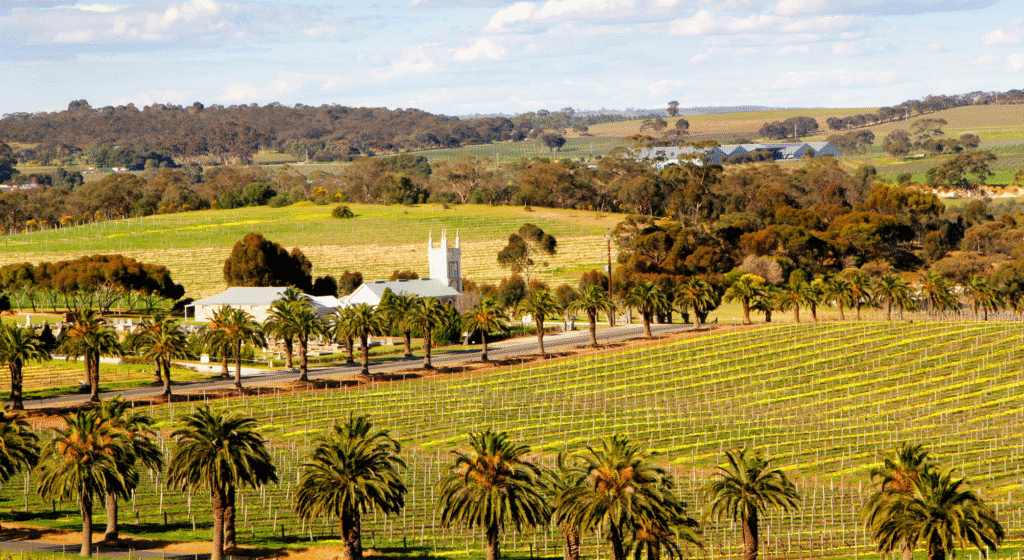
A Luxury Guide to Australia’s Wine Regions

How to Plan a Luxury Trip to Australia’s Great Barrier Reef

The Best Luxury Hotels in Seychelles

Best Caribbean Islands for Private Jet Travellers

Island-Hopping in the Caribbean: The Best Routes for a Luxury Trip
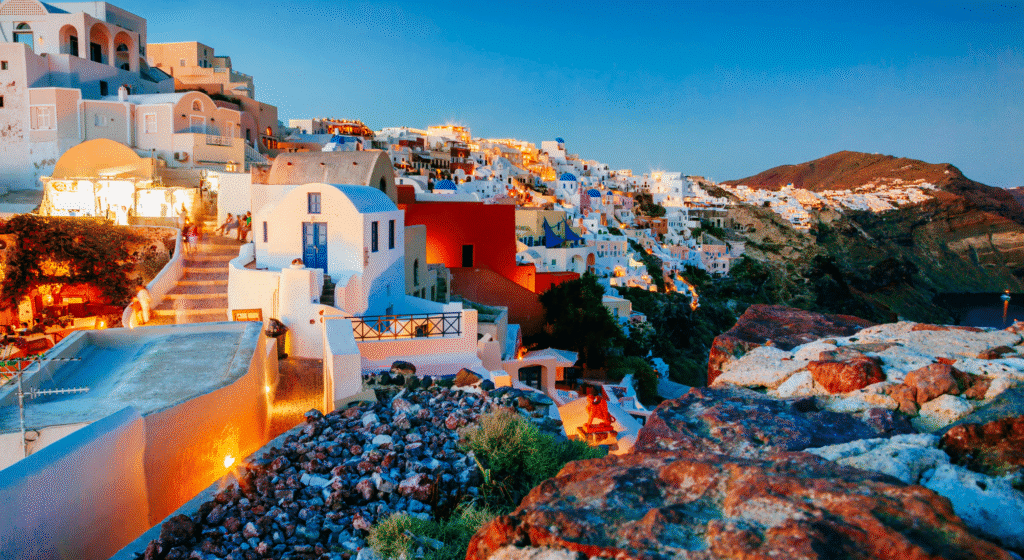
Santorini or Mykonos: How to Choose the Best Greek Island for You
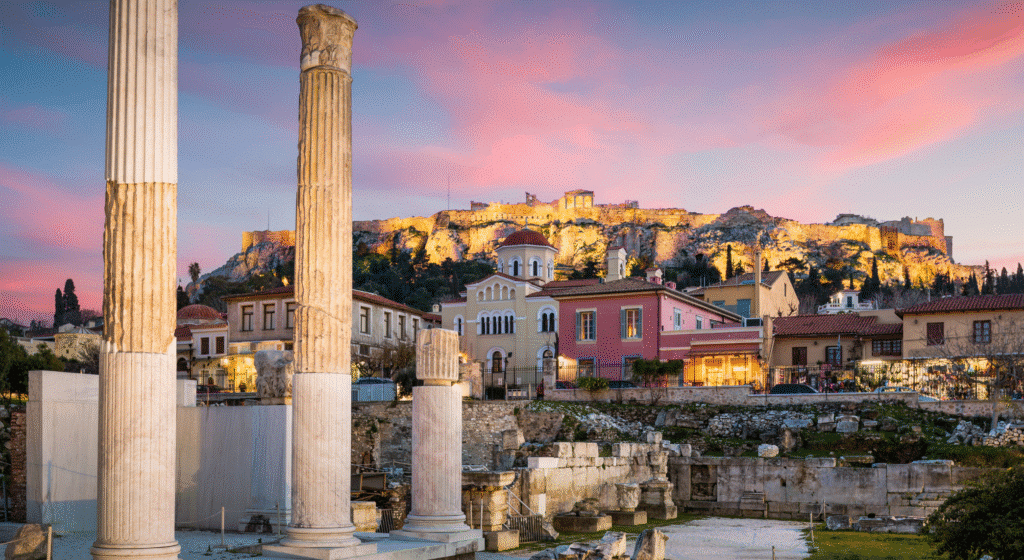
The Athens Riviera: Greece’s Glamorous Coastline Beyond the Islands
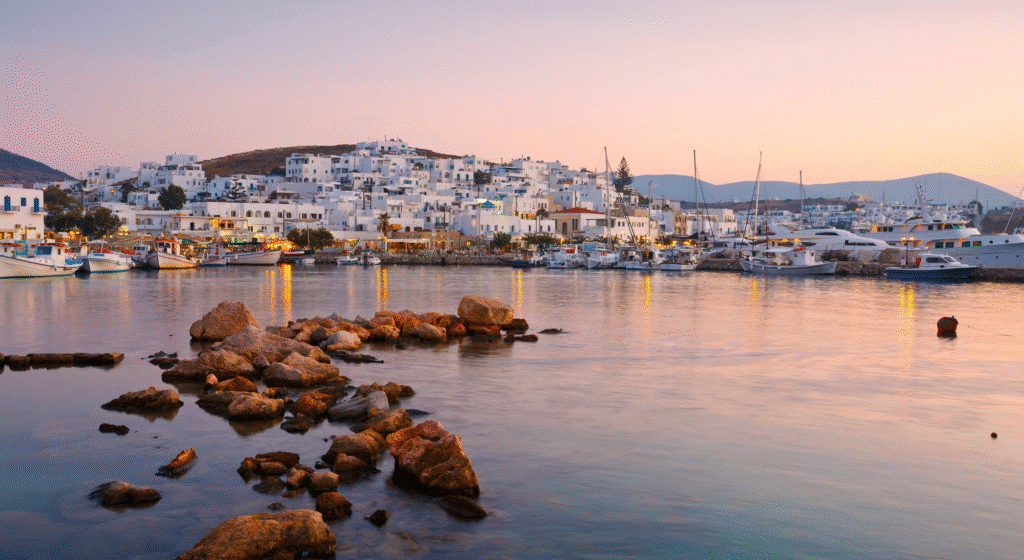
Paros: The Greek Island Stealing Attention from Mykonos and Santorini