The Eternal City moves to an ancient rhythm. Beneath the hum of scooters and the murmur of fountains, there is a slower current that holds the city together. Streets curve around forums where democracy first found its voice, and marble and glass coexist in easy conversation. Rome endures not as a relic but as a reminder that modern life can move gently through history.

Rome, at your pace

Rome Without the Rush is the way Do Not Disturb experiences the city: intentionally, intimately, and without distraction. It’s an invitation to inhabit Rome rather than consume it — to move through its spaces with ease, guided by insight and access that remove the noise without erasing the energy.

This is Rome reimagined for the discerning traveler: a city of quiet entrances and open doors, of art experienced in stillness and meals that unfold like stories. A journey where meaning replaces motion, where time is not lost but beautifully spent.

Beneath the movement lies a pulse that’s slower, older, infinitely patient. It’s this rhythm that defines Rome — a city that has survived by pacing itself, that reveals its beauty only to those willing to wait.

The art of being in Rome isn’t about doing more; it’s about feeling more. Watching morning light turn marble gold on the Piazza della Rotonda. Hearing church bells drift across rooftops. Taking an espresso not as caffeine, but as ceremony. Every gesture here — from conversation to cuisine — carries a sense of continuity, a reminder that presence is the real luxury.

A City Made for Presence

To travel through Rome is to move through layers — time, belief, design, and daily life, each resting softly on the other. Beneath every modern street lies another story; beneath every façade, another century. You feel it in the air — that quiet accumulation of memory that gives Rome its depth.

Most visitors skim the surface: they rush between piazzas, capture façades, count museums. But Rome doesn’t respond to speed. It’s a city that must be absorbed, not achieved. To understand it, you need stillness — the kind that comes when you pause in a courtyard as sunlight filters through wisteria, or when you wait by the Tiber and realize that the sound of running water has echoed here for two thousand years.

Rome rewards patience — the willingness to linger, to look twice, to let beauty unfold rather than announce itself. The details reveal themselves slowly: the chipped paint of a palazzo that glows pink at sunset; the way a local greengrocer arranges artichokes like sculpture; the perfect symmetry of a shadow stretching across travertine.

That’s where Do Not Disturb begins: by giving time back its texture.

Your days here unfold with intention, curated around access, intimacy, and flow. Private entry where others wait in line. Conversations with archaeologists who speak of emperors as if they were old friends. Lunches that last the length of an afternoon. Art viewed in silence, rather than in sequence.

This is slow travel, not as restraint, but as refinement — a way of discovering the city in harmony with its natural rhythm. Because in Rome, the smallest moments — a breeze through a cloister, the reflection of light on marble — often become the most lasting.

It’s not about doing everything. It’s about doing something — beautifully.

Art and Faith: A City of Light and Shadow

Every story of Rome begins with art — and with the enduring belief that beauty is its own kind of devotion. Here, creativity and faith are intertwined: brushstrokes as prayer, marble as testament, architecture as revelation.

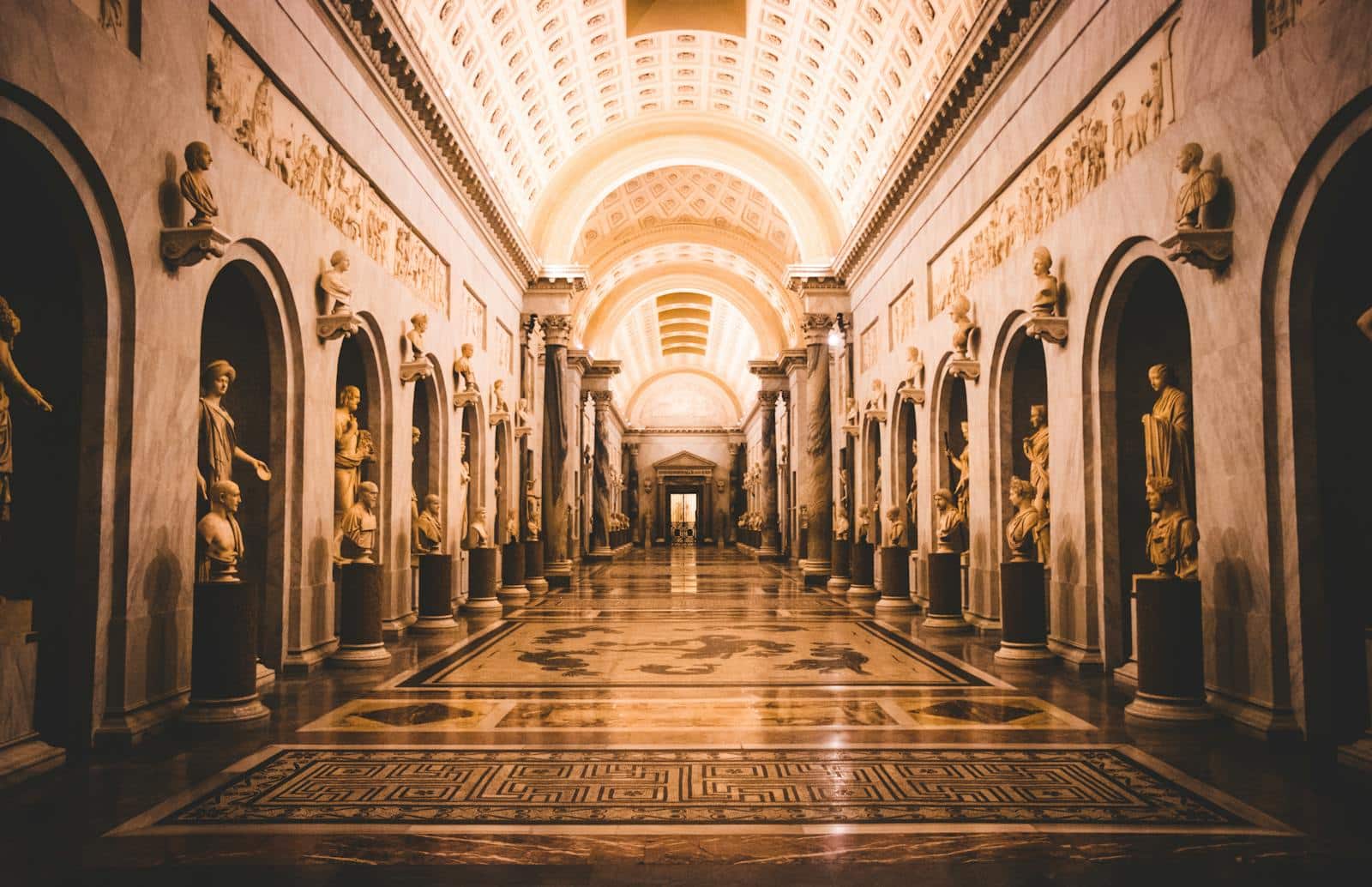
Nowhere is that more evident than in the Vatican. Most visitors see it in fragments — a blur of movement and whispers, flashes of gold beneath the world’s most photographed ceiling. But step inside in silence, the corridors empty, the air cool and expectant, and something remarkable happens.

This is the essence of The Vatican, After Hours — a private encounter with faith and genius, curated through Do Not Disturb’s quiet partnerships and privileged access. The lights soften; the echo of footsteps fades. The Sistine Chapel becomes what it was meant to be: not a spectacle, but a sanctuary.

Under evening light, Michelangelo’s frescoes seem less monumental, more human — the veins in an outstretched arm, the exhaustion in a prophet’s gaze. You begin to notice what daytime crowds conceal: the tiny imperfections that make the divine feel reachable.

Moving through the galleries without the usual noise is like passing through time itself. Tapestries breathe faintly, their colours deepened by shadow. Marble gleams as if lit from within. Even the air seems reverent, heavy with history and the scent of polished stone.

What makes this moment extraordinary isn’t its exclusivity, but its intimacy. You aren’t simply visiting the Vatican; you’re experiencing it as a living space of contemplation. Here, art and architecture merge into meditation — a reminder that spirituality, at its core, is the act of paying attention.

The privilege lies not in being alone, but in being fully present. Seeing the sacred not as spectacle, but as serenity.

A moment we recommend...

The Vatican, After Hours

Experience the Vatican as few ever do — in the calm of evening, guided by those who know its secrets best. This exclusive after-hours visit reveals the artistry and emotion behind the world’s most famous collection, offering time to pause, reflect, and truly see.

Caravaggio’s Rome

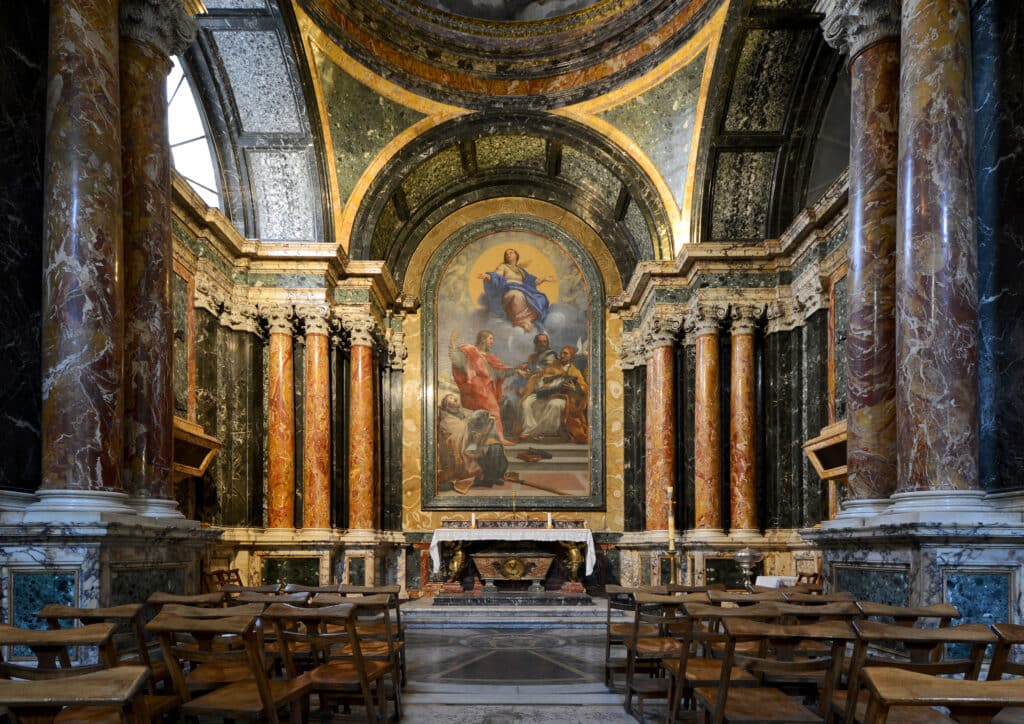
From the sacred to the secular, Rome’s artistic heartbeat continues in quieter corners. Step into the side chapels where Caravaggio still casts his spell, and you feel his genius not as history, but as pulse.

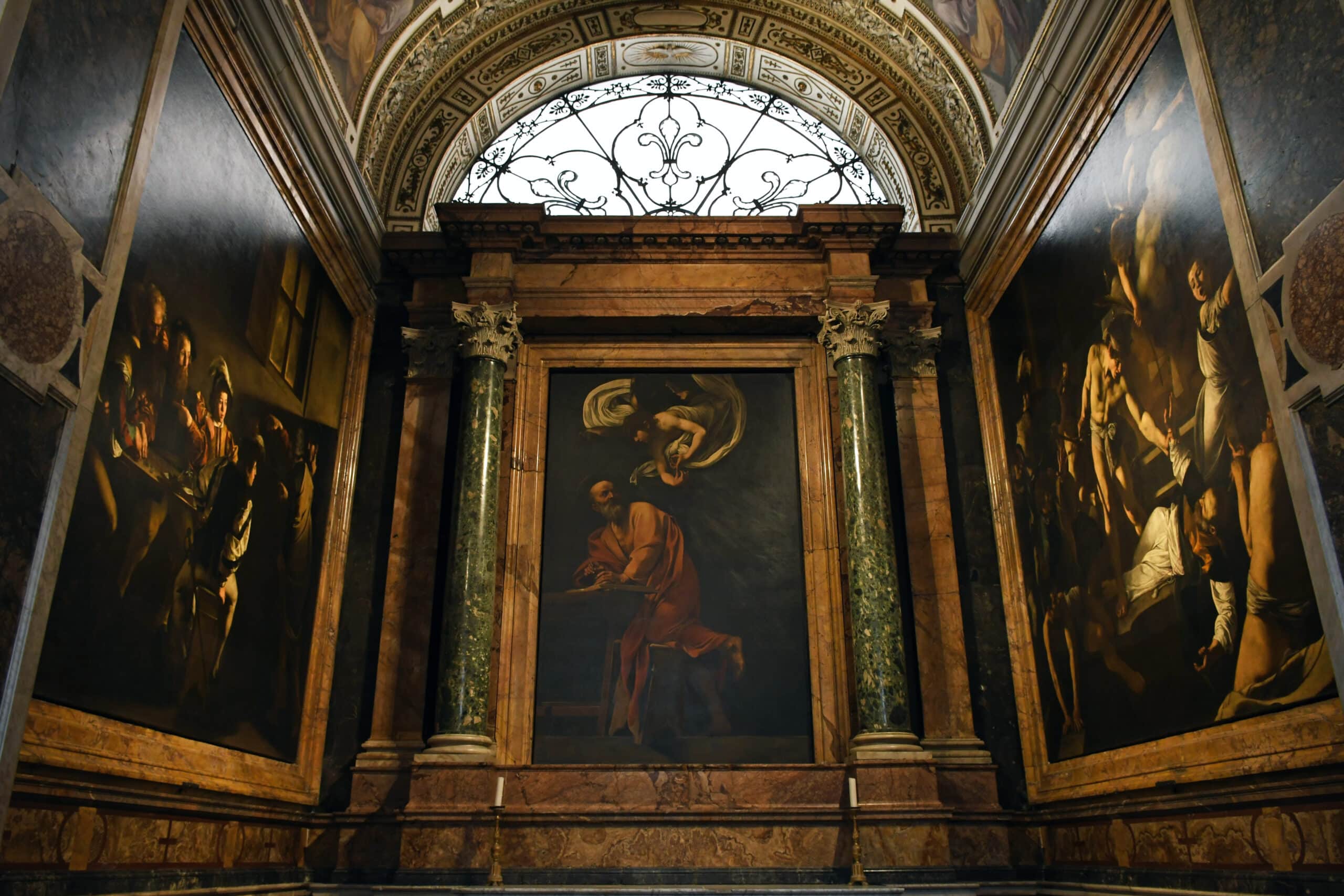
Here, light becomes language. In San Luigi dei Francesi, the beam that falls across The Calling of Saint Matthew feels deliberate, eternal – the moment divinity meets doubt. In Sant’Agostino, the Madonna di Loreto greets weary pilgrims with the tenderness of recognition. And in Santa Maria del Popolo, The Conversion of Saint Paul and The Crucifixion of Saint Peter face one another in perfect balance: revelation and resignation, faith and fear.

Seeing these works in situ – in the dim, echoing churches for which they were painted – reveals not just a painter, but a philosophy. Caravaggio transformed religion from abstraction into experience. His saints are barefoot, his angels imperfect, his light unflinching.

To witness them in near silence, the air still and scented with candle wax, is to understand the tension that defined both the artist and his city: devotion intertwined with defiance. You begin to feel the contrast that shaped Rome itself – grandeur and grit, grace and imperfection, forever entwined.

Through Do Not Disturb, these spaces are entered as they were meant to be – unhurried, unobserved. A quiet hour when the pews are empty, when the sun filters through dust rather than crowd. With time to linger, you start to notice what many miss: the way paint catches light, the raw humanity in every expression.

In Caravaggio’s Rome, faith is illuminated through doubt, beauty through imperfection. His canvases are not scenes to admire, but moments to inhabit – proof that light matters only because of shadow.

And even in the world’s most photographed city, intimacy still exists – if you know where, and when, to look.

A moment we recommend...

Caravaggio’s Rome

Step into the light and shadow of Caravaggio’s Rome. From hidden chapels to private collections, Caravaggio’s Rome is a Do Not Disturb experience that reveals the artist’s genius as it was meant to be seen — intimately, quietly, and in place.

Stones That Speak

Rome is not a museum. It’s an ongoing conversation — between centuries, between civilizations, between what was built and what endures.

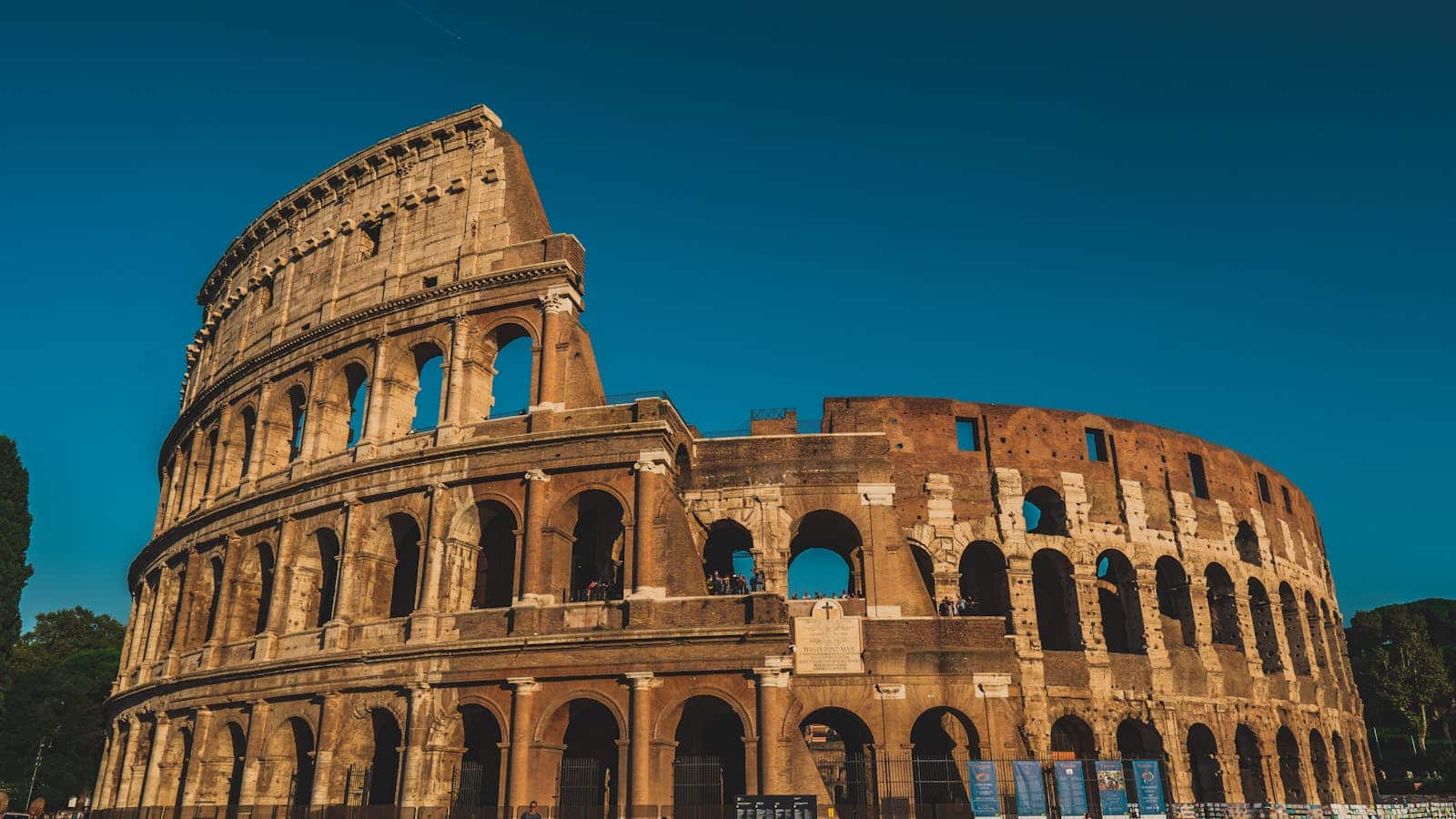
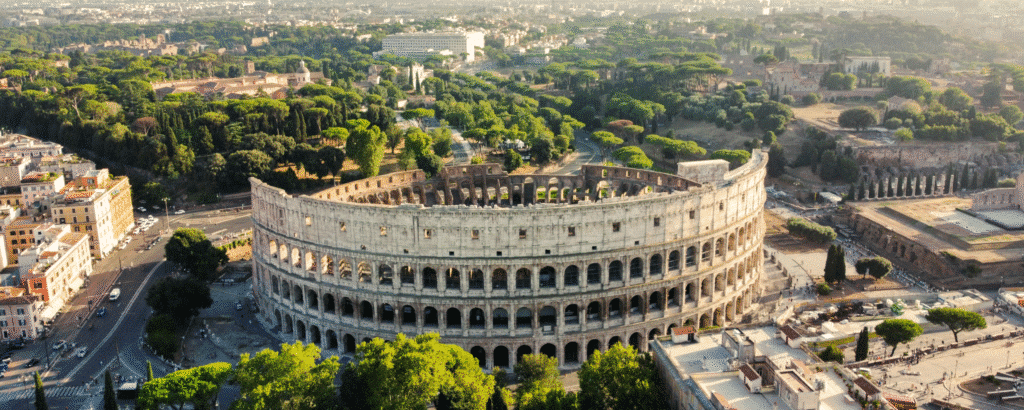
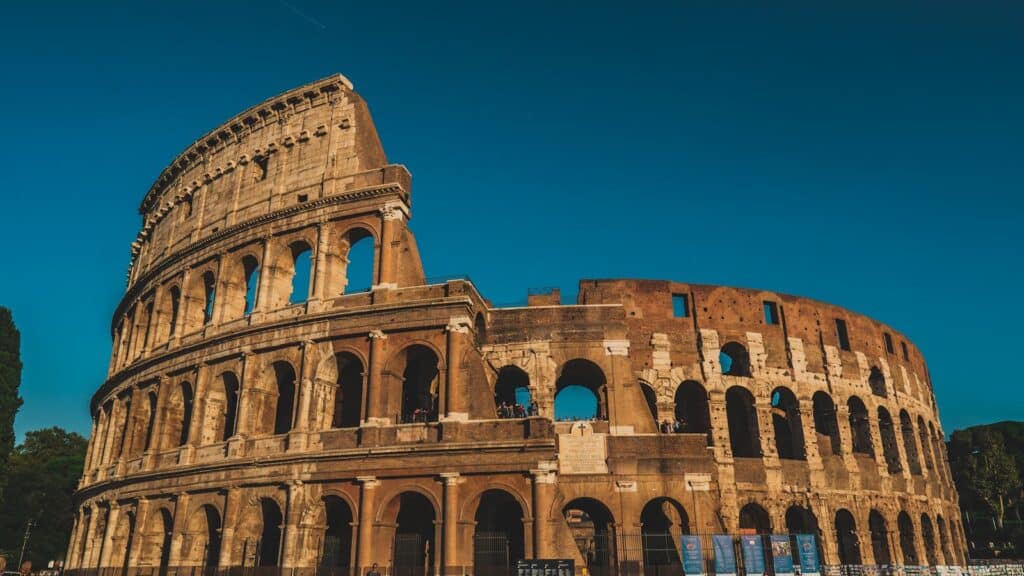
Nowhere does that dialogue feel more alive than in the Colosseum. Standing inside before the crowds arrive, the air still cool from night, you sense it immediately. The silence is textured: the faint echo of your footsteps, the rustle of wind through arches that have stood for two millennia. The structure itself seems to breathe.

From the outside, it’s a symbol of grandeur — an icon etched into postcards and memory. But inside, especially in quiet, you start to feel the humanity behind the history. The scale overwhelms, yet every detail speaks of design: the precision of the stone vaults, the mathematics of crowd movement, the choreography of anticipation.

The Colosseum reveals this duality — grandeur and vulnerability, noise and silence. Guided by an archaeologist who understands not only how it was built but why, you begin to see it less as a ruin and more as an idea. The tiers and tunnels, the wooden elevators and underground chambers — all engineered to control emotion, to turn spectacle into art.

Descending below ground, lantern in hand, the temperature drops. Here, where gladiators once waited in darkness, the air feels thick with memory. You imagine the moment before they emerged into the light, the roar of the crowd above like the sound of the sea. Yet in the stillness, that noise becomes something else — an echo of human ambition, and the quiet truth that all power eventually fades.

To walk these passages in solitude is to experience awe in its purest form: not shouted, but whispered.

A few steps away...

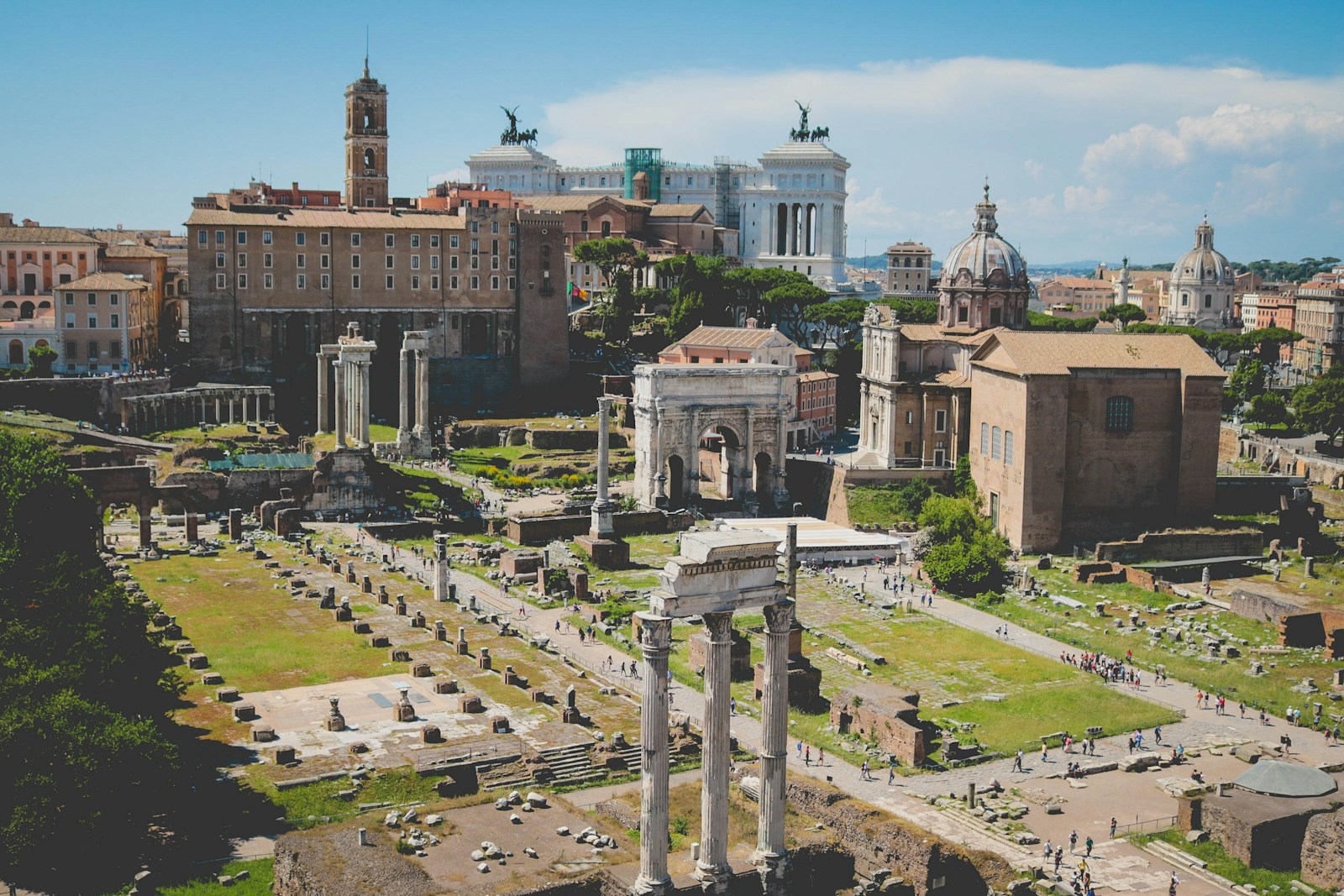
A few steps from the Colosseum, the story continues in the Roman Forum, where broken columns and fragments of marble still hold the shape of civilization. Here, between wildflowers and worn pathways, lie the foundations of ideas that built the modern world.

This expanse of stone becomes more than an archaeological site – it becomes a conversation between past and present. This is where senators debated law beneath open sky, where triumphs were celebrated, where rhetoric evolved into democracy.

At the Temple of Julius Caesar, a small altar marks the spot where his body was burned, and where Romans gathered to mourn a leader turned legend. Nearby, the Arch of Septimius Severus still casts its shadow across the square, its carvings softened but not erased.

The experience is intimate, reflective. Guided quietly, you begin to see how these ruins map the architecture of thought – how civic life was performed in public, how beauty and power intertwined, how every stone once served both purpose and philosophy.

As the sun rises over the Palatine Hill, light pools across the ancient stones. You start to understand that the Forum isn’t a relic of what’s gone, but evidence of what remains – proof that civilization, in all its complexity, began here.

And if you listen closely, you can still hear its rhythm: not the sound of empire, but the quiet persistence of human aspiration.

Moments we recommend...

The Colosseum

Step inside Rome’s greatest monument in rare quiet. The Colosseum, Unveiled is a Do Not Disturb experience that reveals the arena’s hidden layers — from its underground chambers to its silent grandeur — guided by those who know its stories best.

The Roman Forum

Step through the ruins that shaped the modern world. Walking Through Time: The Roman Forum Reimagined is a Do Not Disturb experience revealing where power, philosophy, and architecture first met — and how the story of civilization still echoes between these stones.

Geometry and Grace

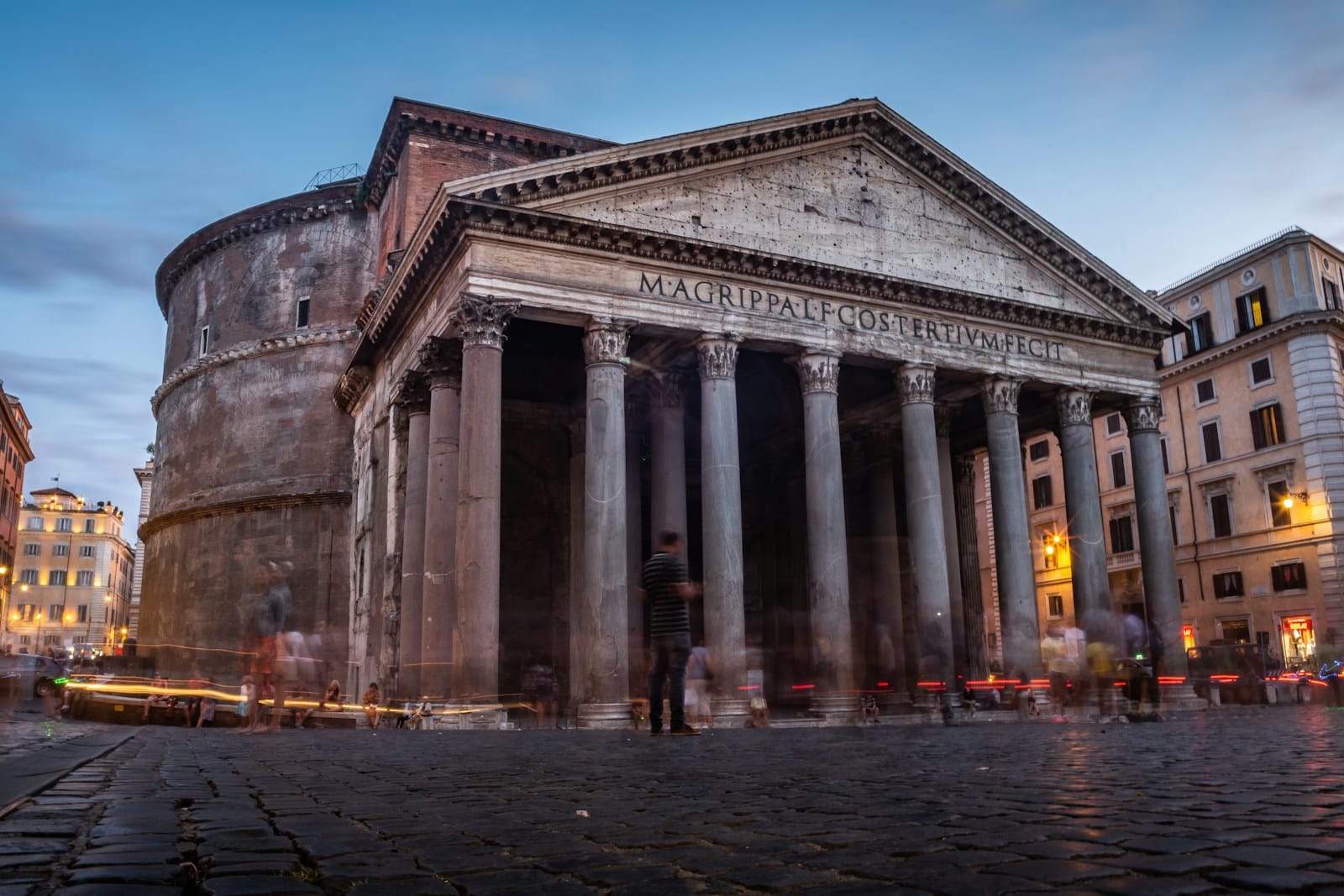
If the Forum is the conversation, the Pantheon is the conclusion – a building that captures everything Rome learned about harmony, proportion, and eternity. It stands as both an architectural masterpiece and a philosophical statement: proof that perfection doesn’t need embellishment.

From the outside, the Pantheon is deceptively simple – a portico of Corinthian columns rising from the cobblestones, its façade weathered to a gentle patina. But step through those bronze doors, and the air changes. Sound softens. The scent of cool marble and candle wax mingles with the faint echo of footsteps.

Then, the light.

It falls through the oculus — a perfect circle cut into the heart of the dome — moving across the walls like time itself. In the morning, it glides along the floor in gold. By afternoon, it drifts higher, illuminating the coffers carved into the concrete. At sunset, it hovers near the entrance, a final benediction before darkness.

Inside, the geometry feels alive. The dome’s diameter and height mirror one another exactly – a perfect sphere suspended within stone. No visible supports, no ornamentation beyond what structure itself provides. Even after two thousand years, engineers still marvel at how it stands; poets still search for words to describe how it feels.

The Pantheon is more than a building. It’s an experience – one that transforms light into meaning and mathematics into emotion. Through Do Not Disturb, guests often enter at dawn or dusk, when the crowds have faded and the light is most articulate. In that stillness, the architecture becomes meditation.

You begin to understand that the Pantheon doesn’t ask to be admired; it asks to be understood. Every line, every ratio, every ray of light exists in perfect balance – proof that beauty, at its most profound, is an act of precision.

Here, you realize what the ancients already knew: perfection isn’t loud. It’s calm.

A moment we recommend...

The Pantheon

Step into Rome’s most enduring masterpiece. The Pantheon is a Do Not Disturb experience revealing the harmony between light, structure, and spirit — an encounter with timeless design that continues to define the modern world.

Moments of Stillness

Beyond the monuments, Rome offers another kind of grandeur: the quiet, private, profoundly human kind.

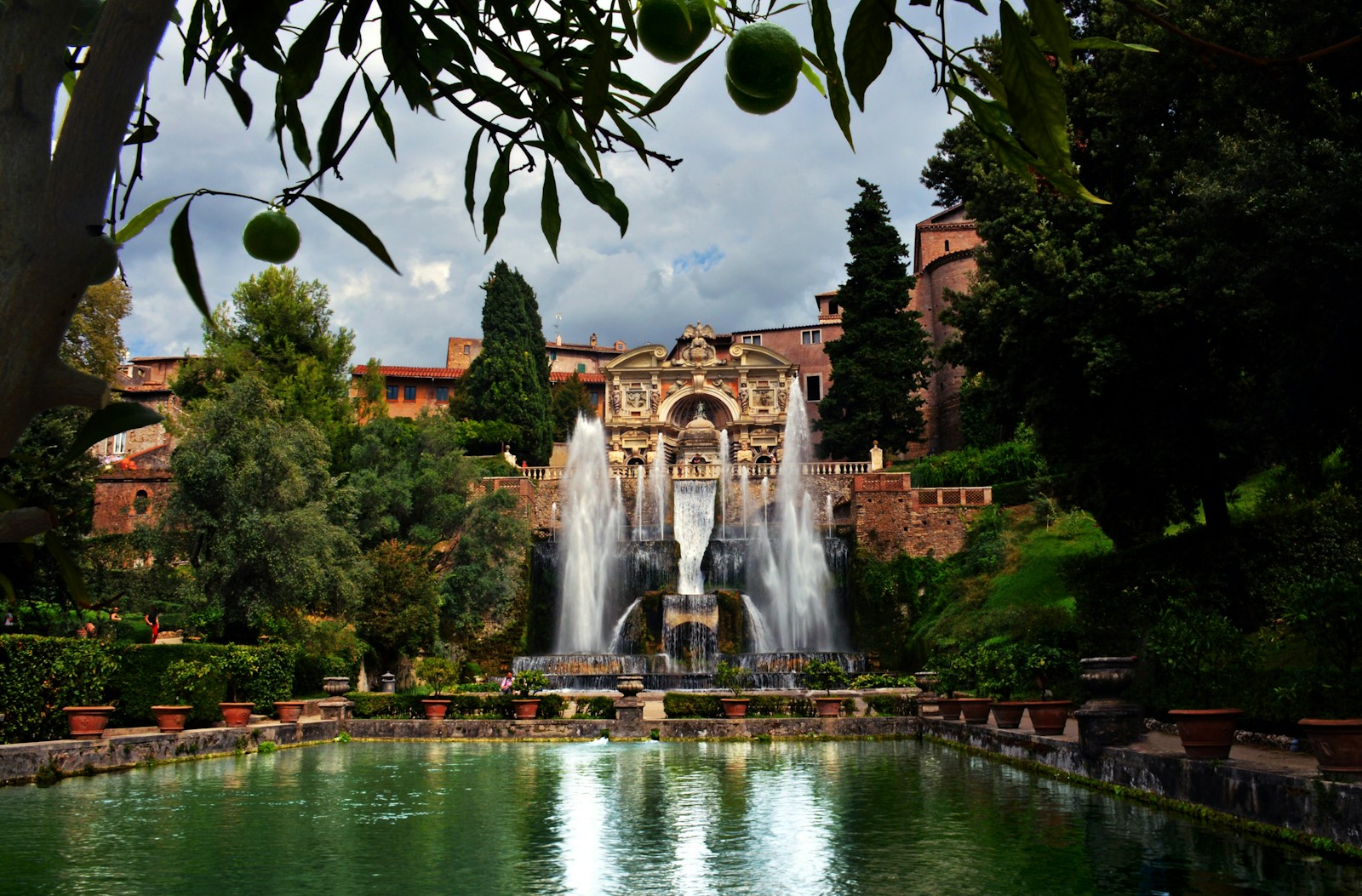
In Roman gardens across the city, courtyards and villas replace crowds and chaos. You wander through shaded arcades, pause beside fountains, and feel the hum of the city soften into birdsong. The air seems to hold its breath.

On the Aventine Hill, ivy spills down ancient walls and orange trees scent the breeze. In Tivoli, terraces open to waterfalls that have inspired painters for centuries. Hidden behind monastery doors, cloisters bloom in silence, their symmetry echoing prayer. Each space feels like a secret the city keeps for those who look slowly.

The rhythm here is different. Footsteps fall softer. Voices fade. The marble warms beneath the sun, and even the breeze seems to move with intention. These gardens are more than beauty; they are memory, layered and living.

It is in these places that Rome exhales. Time stretches, conversation drifts, and stillness becomes the most eloquent form of connection. The kind of silence that feels full, not empty.

A moment we recommend...

Roman Gardens

Step beyond Rome’s busy streets into its quietest spaces. From Trastevere’s hidden courtyards to the grand gardens of Tivoli, The Roman Garden Escape is a Do Not Disturb experience designed for stillness, beauty, and time shared with those who matter most.

Rome for the Tastebuds

Rome’s relationship with food is less about indulgence than intimacy. Meals here are acts of attention: to ingredients, to company, to the moment itself. The city doesn’t eat to fill time; it eats to honor it.

Across the city, tables are set not for spectacle but for connection. In quiet courtyards, candles flicker against terracotta walls. On hilltop terraces, the air carries the scent of rosemary and citrus. A chef leans over a simple white plate, finishing a dish the way his grandmother once did, using recipes that have never been written down.

Every meal becomes a portrait of place. The sweetness of ripe tomatoes echoes the afternoon sun; the salt of pecorino recalls the sea just beyond the city. Here, flavor and setting exist in quiet dialogue. The rhythm of dining follows the rhythm of Rome itself: slow, deliberate, generous.

To eat this way is to be reminded that luxury is not abundance, but awareness. A perfect bowl of cacio e pepe, a glass of Frascati poured by someone who knows the vineyard, the easy laughter of a companion across the table. It is not performance; it is presence.

In Rome, food isn’t a break from discovery. It is discovery, one course, one conversation, one lingering moment at a time.

A moment we recommend...

Roman Dining in Style

Experience Rome’s culinary artistry in complete ease. From private gardens to hidden terraces, Roman Dining in Style is a Do Not Disturb moment where food, setting, and connection come together in perfect harmony.

Rome's Neighborhoods of Character

If the Forum teaches perspective and the Pantheon teaches proportion, then Trastevere teaches connection.

Once home to artisans, poets, and philosophers, Trastevere still hums with authenticity. Ivy spills from faded ochre balconies, washing lines stretch between windows, and cobblestones shimmer in the evening light. The neighborhood feels lived-in, layered, real.

Here, the rhythm of life slows to a conversational pace. Locals greet each other across piazzas, musicians tune their guitars beside the church steps, and the scent of espresso mingles with freshly baked bread from corner bakeries. The day unfolds naturally, from the first coffee to the last glass of wine.

In Trastevere, craft is still a language. Small workshops glow with lamplight as goldsmiths, shoemakers, and framers continue work their families began generations ago. Behind heavy wooden doors, courtyards open to tables set for ten; laughter rises, echoing softly off the stone.

This is the Rome that locals keep for themselves, where strangers become familiar faces after a single evening. To walk here is to feel part of a story that hasn’t stopped being written. You find yourself less an observer, more a participant — immersed in a community that lives by presence, not performance.

A moment we recommend...

Trastevere

Step into Trastevere — the Rome locals keep for themselves. Wander ivy-lined streets with a private historian, meet artisans still shaping the city by hand, and pause for an unhurried meal in a hidden courtyard. A Do Not Disturb experience revealing the soul of Rome through ease and access.

Design for the Present

Rome may be ancient, but it has never been static. Creativity here is continuous, reshaping the past into the present and turning craftsmanship into conversation. The same impulse that once carved marble now molds metal, glass, and light.

Across the city, a quieter current of innovation runs through restored studios and reimagined palazzi. In Monti, artisans sculpt clay into minimalist forms inspired by ancient amphorae. In Testaccio, industrial warehouses have become galleries where contemporary artists play with shadow and scale. Even a café countertop can feel like design philosophy, its curves echoing the city’s geometry.

In these spaces, the conversation between old and new feels effortless. A chair’s silhouette recalls a Bernini column; a wall of travertine glows like the stones of the Forum at dusk. Design here isn’t decoration, it’s dialogue — a continuation of Rome’s eternal pursuit of balance and beauty.

As the day fades, creativity finds its social rhythm. Rooftop terraces open for aperitivo, glass in hand, the skyline stretching across terracotta domes and church towers. The city below glows softly, timeless yet alive.

The experience unfolds like a slow crescendo. Art, architecture, and atmosphere blend seamlessly until one truth remains: Rome is still creating.

A moment we recommend...

Rome, Reimagined

See Rome through a modern lens. Modern Rome: Art, Design & Aperitivo is a Do Not Disturb experience revealing the city’s evolving creative spirit — from hidden studios and private galleries to an aperitivo shared above the skyline.

The Rhythm of the River

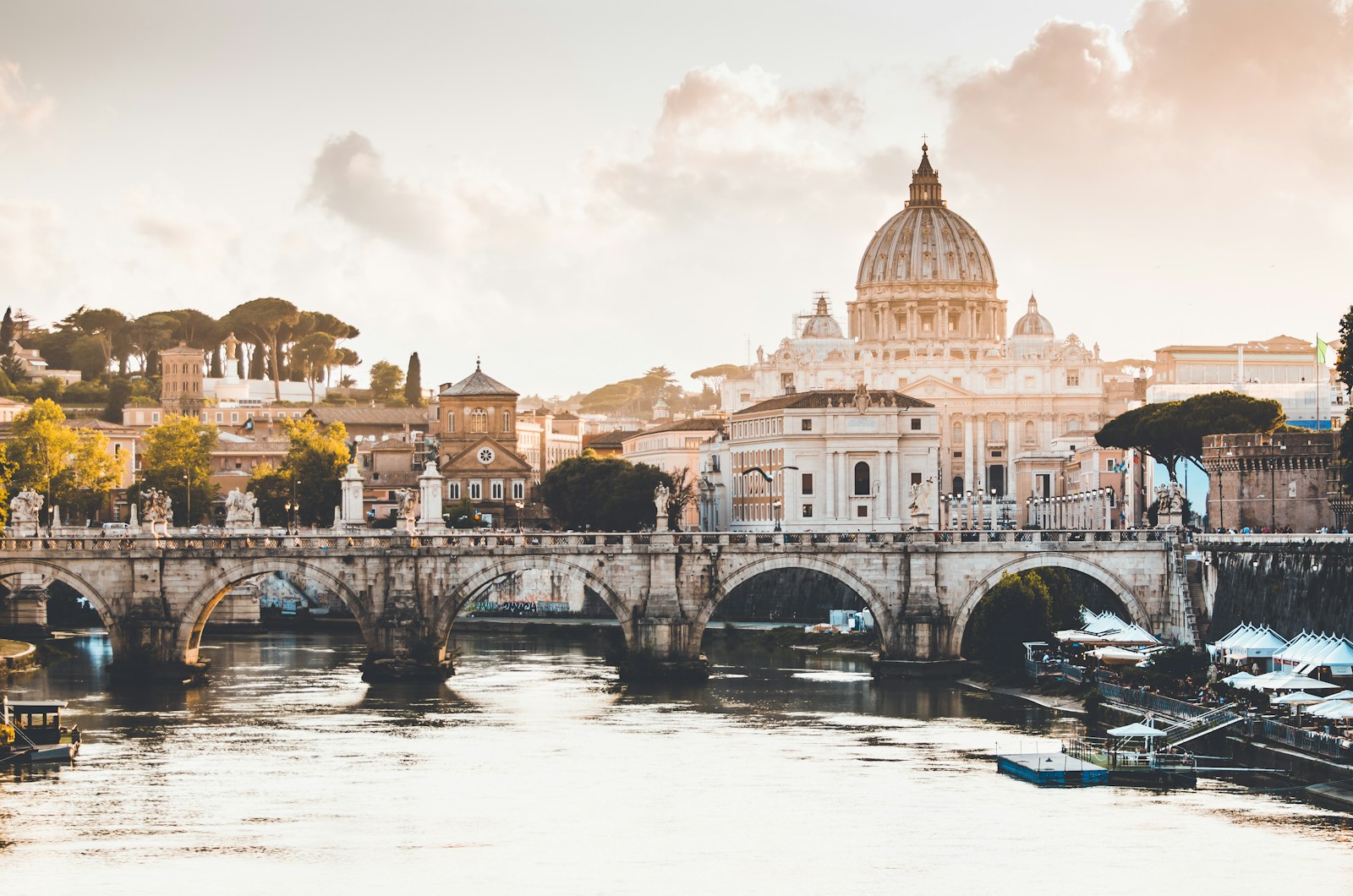
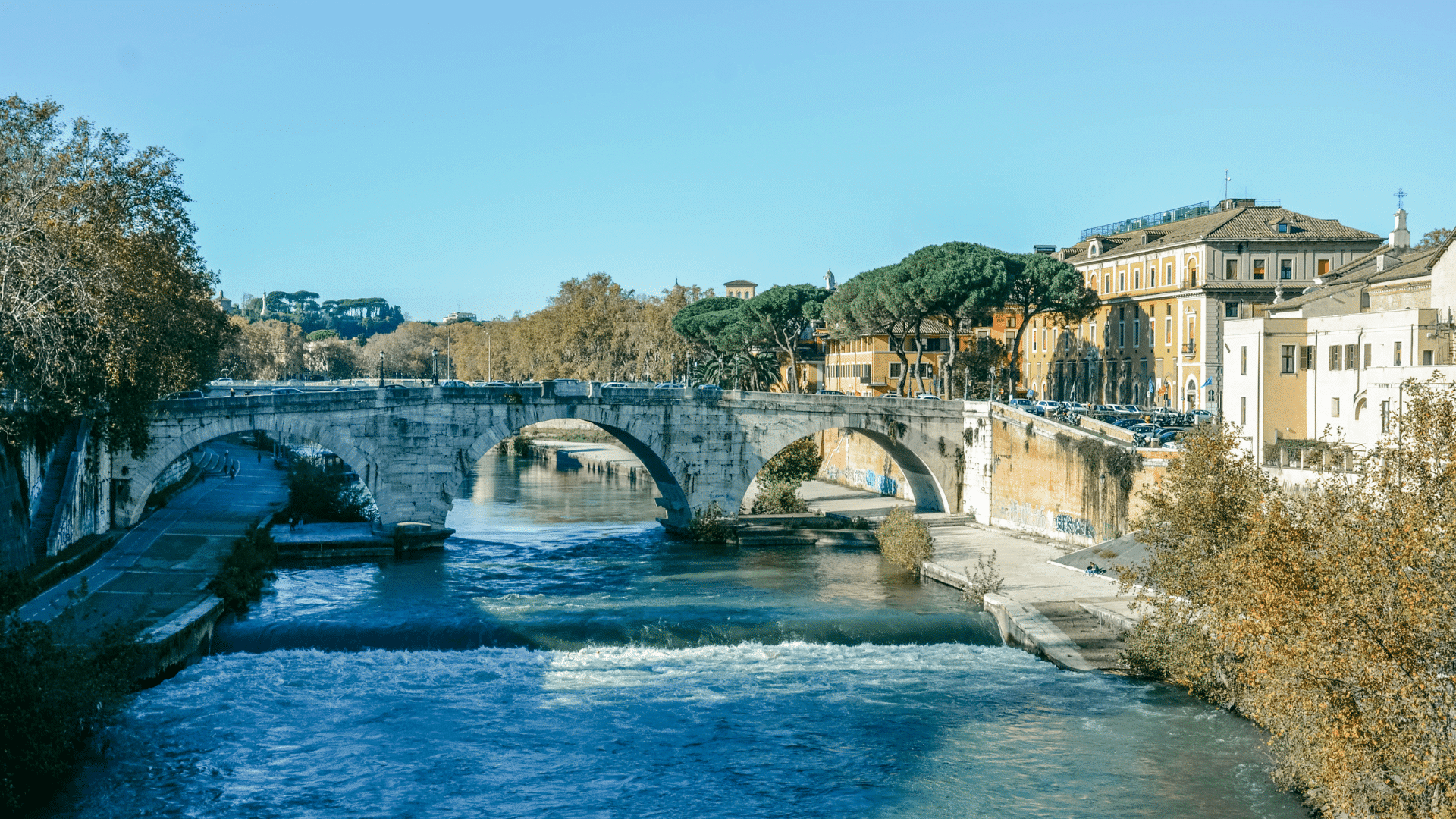
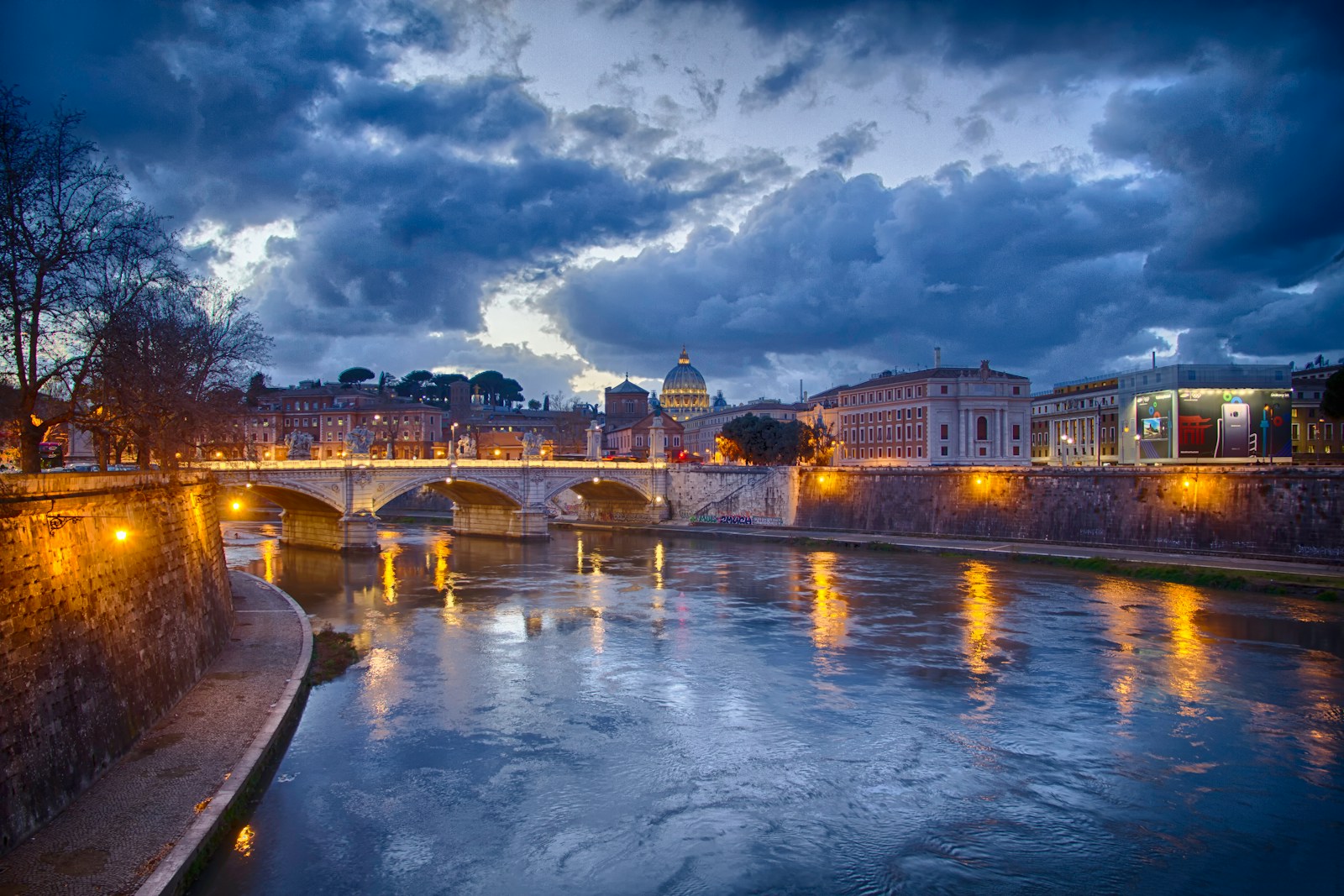
If there’s one constant in Rome, it’s flow — of water, of people, of time. To watch the city from the Tiber is to understand it anew.

Evening descends, and the river becomes a mirror. Bridges shimmer gold; conversations drift like current. On its banks, life feels suspended between centuries.

Do Not Disturb can curate a quiet table above the water, or a boat gliding past the illuminated facades. Aperitivo in hand, you realize this is what Rome has always been: a balance between movement and stillness, between chaos and calm.

A City Without Hurry

By now, you’ve seen Rome differently — not as a checklist, but as a conversation between light, space, and soul. The city’s beauty reveals itself most clearly when you slow down enough to listen.

Each experience here — from private visits to the Vatican to the stillness of hidden gardens — has its own rhythm. But beyond those curated moments lies another layer, one that can only be felt through presence.

In the quiet halls of lesser-known galleries, a curator unlocks the door just for you. A single spotlight warms a painting few others notice, its colours deepening in the hush. You learn that Rome’s art doesn’t live only in its masterpieces, but in the intimacy of discovery — a fresco glimpsed in a forgotten chapel, a sculptor’s studio open for one evening, a collection of modern works displayed in a palazzo where the scent of wood polish lingers in the air.

This is how Do Not Disturb reimagines even Rome’s most famous landmarks. The Colosseum visited at dawn, the Pantheon seen by candlelight, the Forum walked in silence with a scholar who tells its story as if remembering rather than teaching. Nothing staged, nothing rushed. Just space to experience meaning instead of movement.

And between those grander moments, there are smaller ones that feel just as vital. A morning espresso taken standing among locals who read the same paper every day. A conversation with a jeweler in the back room of a shop that has no sign. A drive through the Janiculum Hill at sunset, when the city glows and the air smells faintly of pine.

These are the scenes that define Rome without the rush — moments too delicate for itineraries, too personal to reproduce. They are what happen when travel becomes observation, when luxury means freedom from hurry.

Each Do Not Disturb journey through Rome is designed with that same intention: to give travellers not only access, but understanding. The kind of connection that lingers — through texture, through taste, through the quiet knowledge that you’ve experienced a city not by seeing it all, but by feeling it fully.

To experience Rome without the rush is to remember why we travel at all: not to collect, but to connect. Not to escape the world, but to return to it changed — calmer, fuller, more present.


Plan Your Journey

Rome without the rush is part of Do Not Disturb’s curated editorial series, created for travellers who value meaning over movement and presence over pace.
Speak with one of our travel experts to shape your own Roman escape — whether that means candlelight beneath the Pantheon, art by Caravaggio seen in solitude, or an afternoon spent in a hidden garden that feels entirely your own.

Each journey is designed to unfold with ease, crafted for those who understand that true luxury isn’t about seeing everything. It’s about taking the time to feel something.

Trips we recommend...