Ireland Holidays

Discover the Emerald Isle in style, from candlelit castle suites to wild Atlantic cliffs, ancient ruins, and fireside trad sessions in pubs.

Why Ireland

Ireland hits different. You get dramatic landscapes that look photoshopped, villages frozen in time, and cities buzzing with creative energy. Pubs aren’t just bars; they’re living rooms where musicians jam until 3 AM and strangers bond over a Guinness. History is alive here, from Bronze Age tombs to medieval castles to revolutionary sites. Whether you’re storm-chasing on the Wild Atlantic Way, dancing in Temple Bar, exploring ancient monastic sites, or simply sitting in a cottage by a turf fire, Ireland has to be experienced at least once in a lifetime.

Why Ireland

Escape to Ireland

Travel Guides

  • Ireland Overview

    Overview

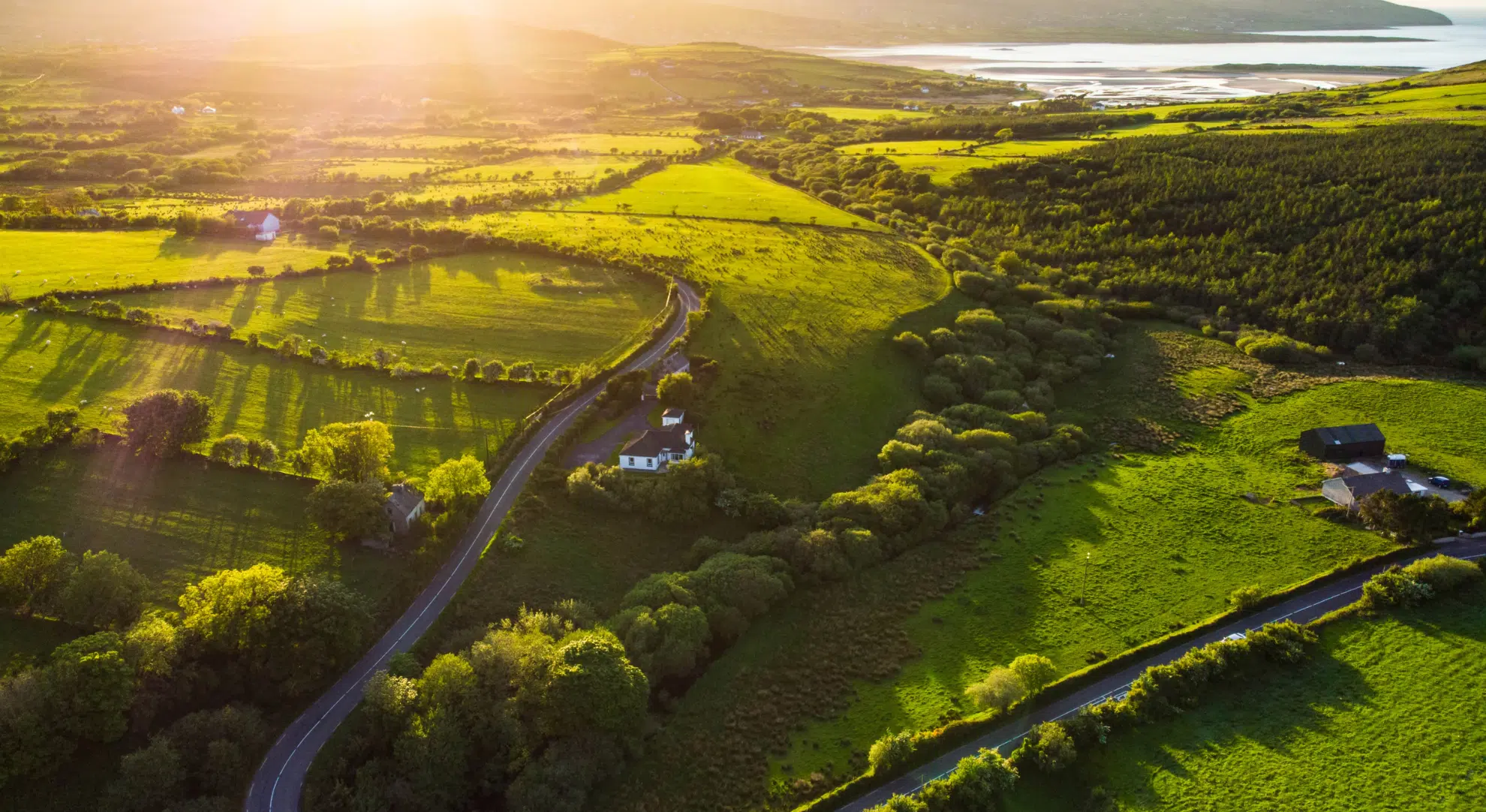
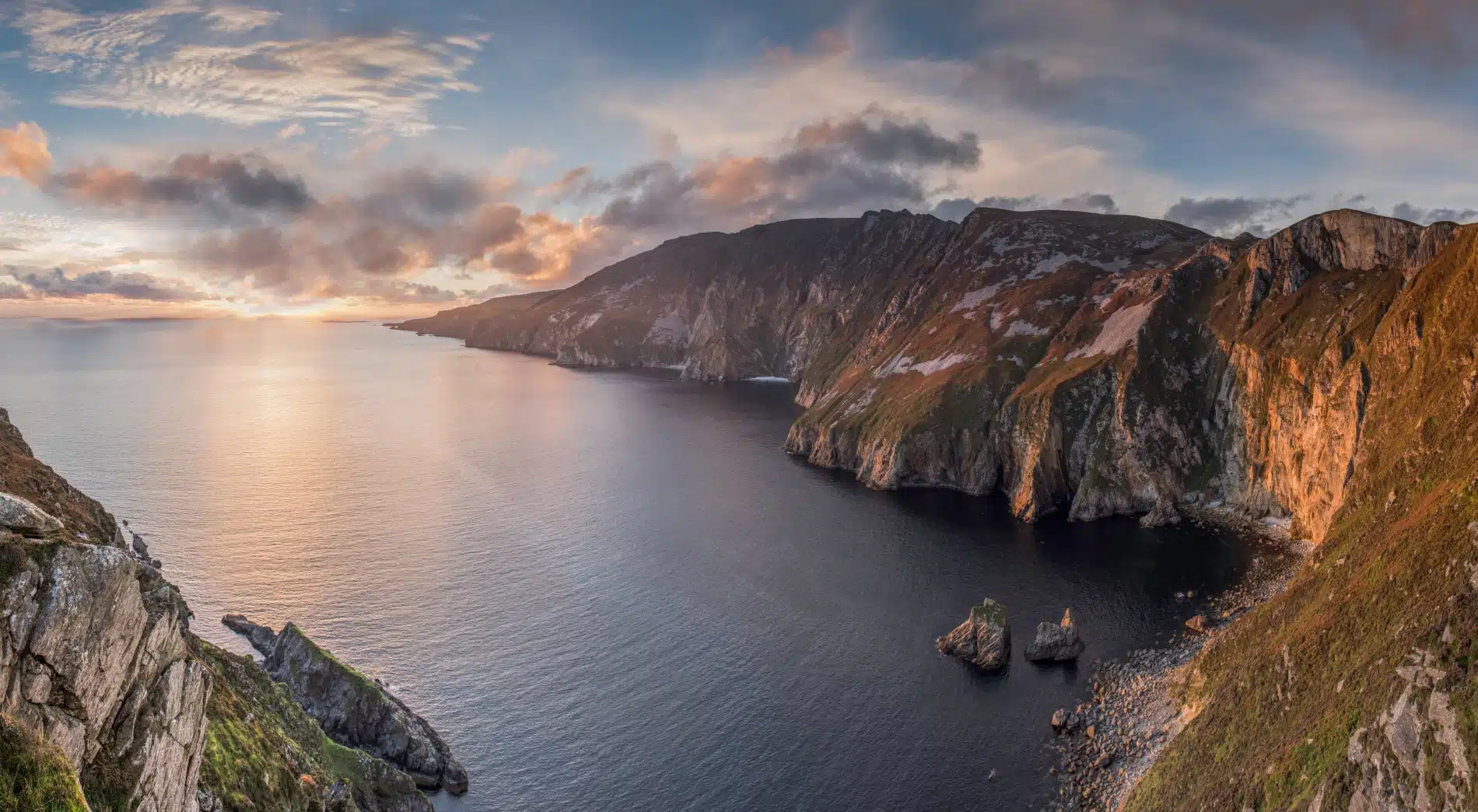
    Ireland’s landscape shifts dramatically, from rocky Connemara mountains, Wicklow valleys, golden Donegal coastlines, boglands that stretch impossibly far.

    Dublin serves as the beating heart: Georgian architecture, Viking origins, literary greats, world-class museums. But the real magic happens outside the capital. Tiny villages have outsized personalities. Cork has its own identity separate from Dublin. The West Coast feels timeless. County Kerry’s Ring of Kerry loop is one of Europe’s greatest drives. The population is just 5 million, but Ireland has played an outsized role in global culture.

  • Ireland things to do

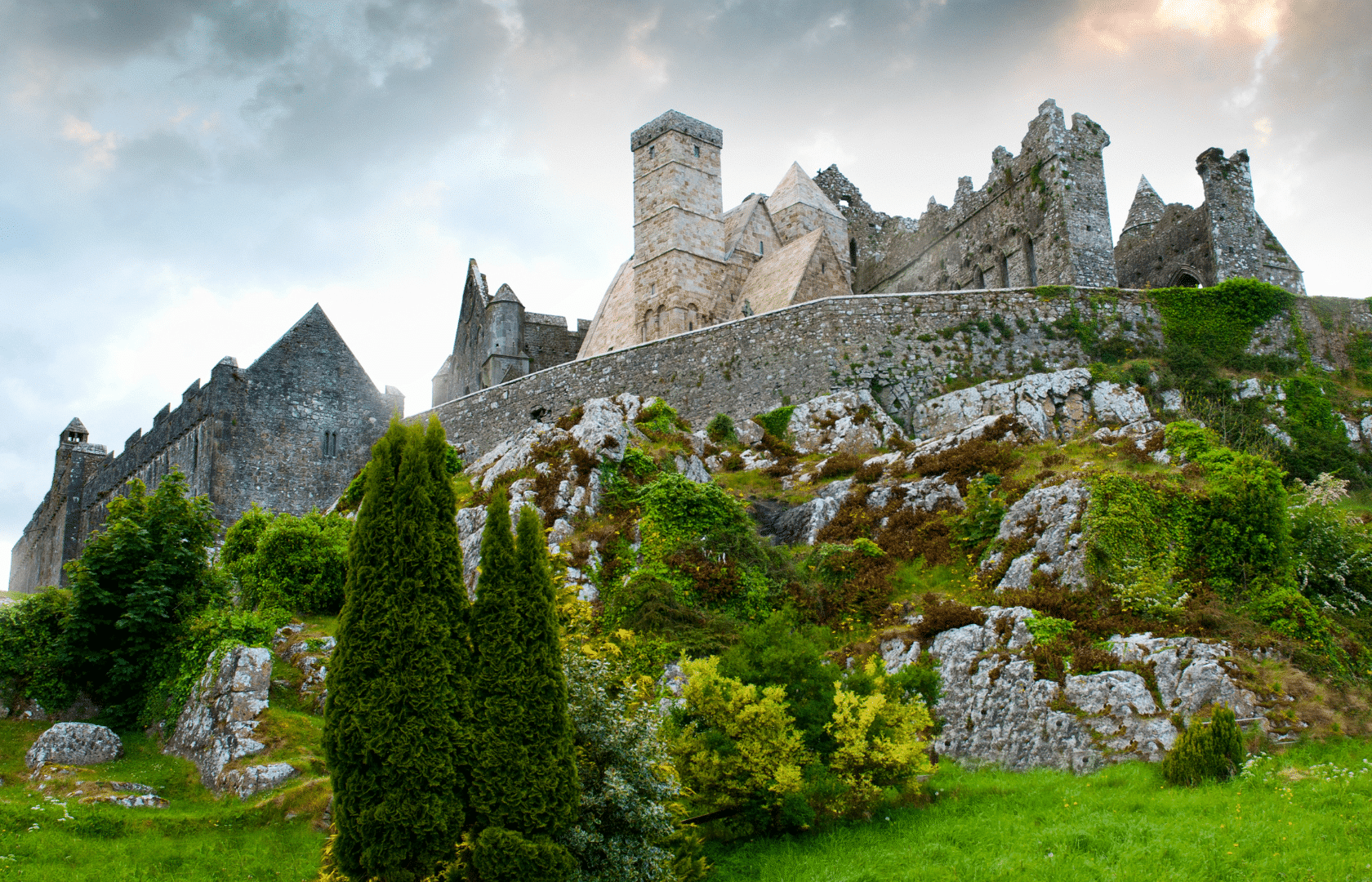
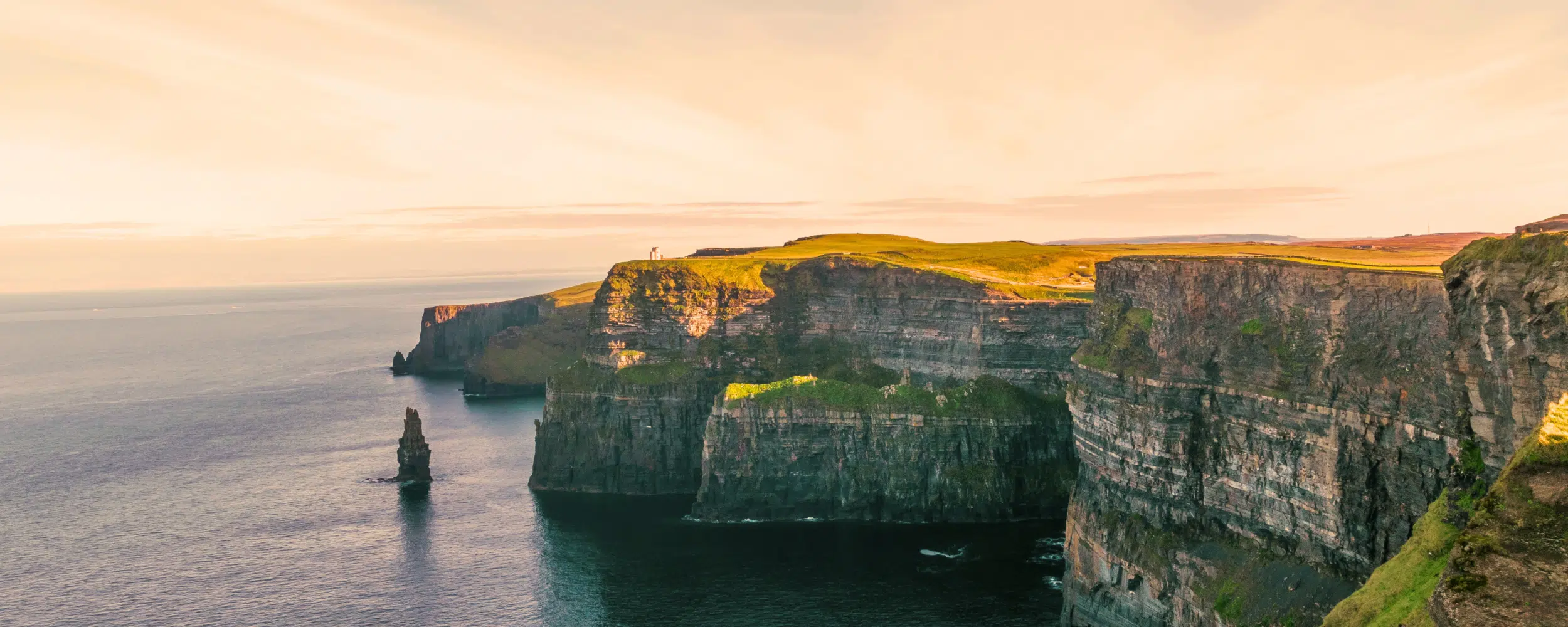
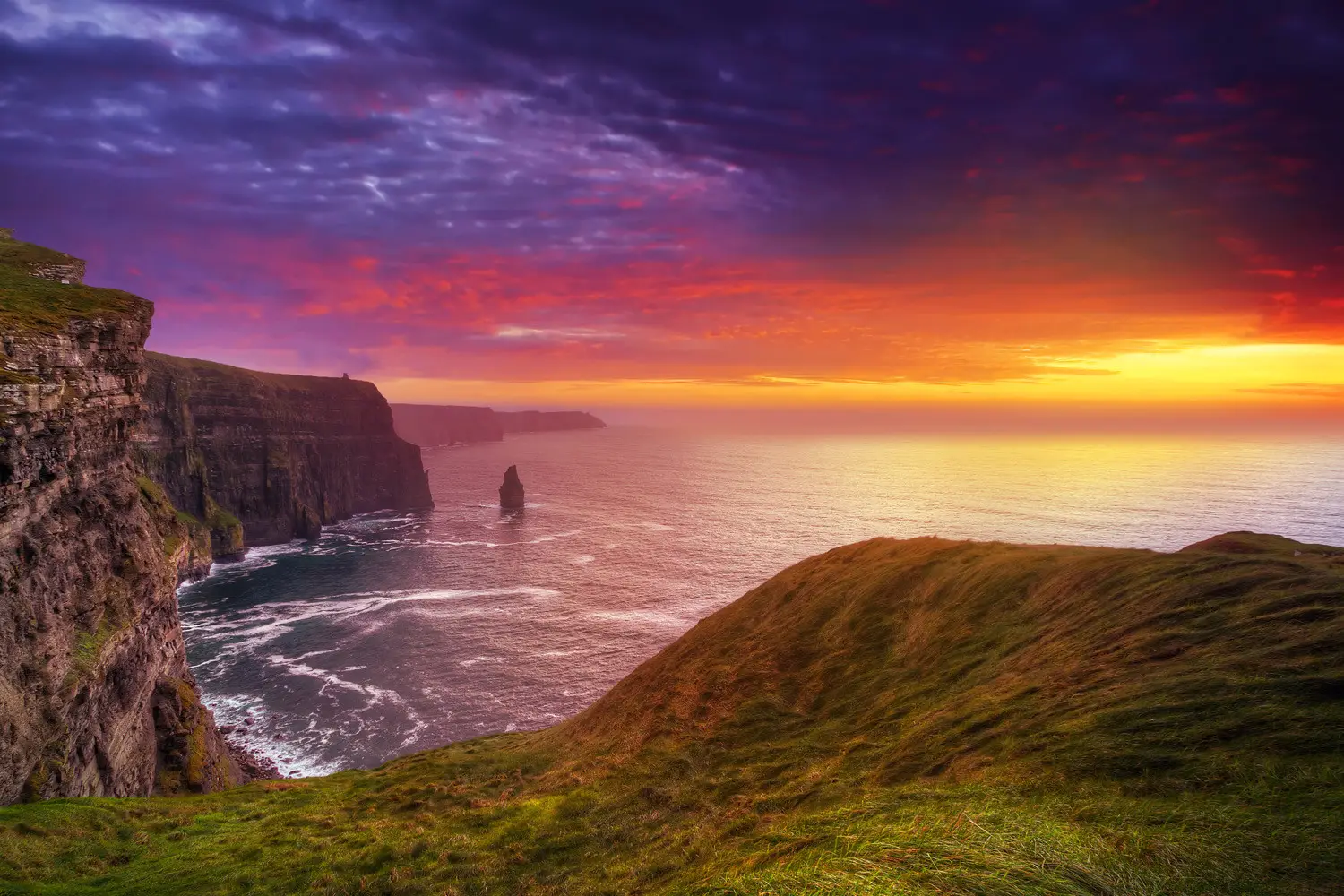
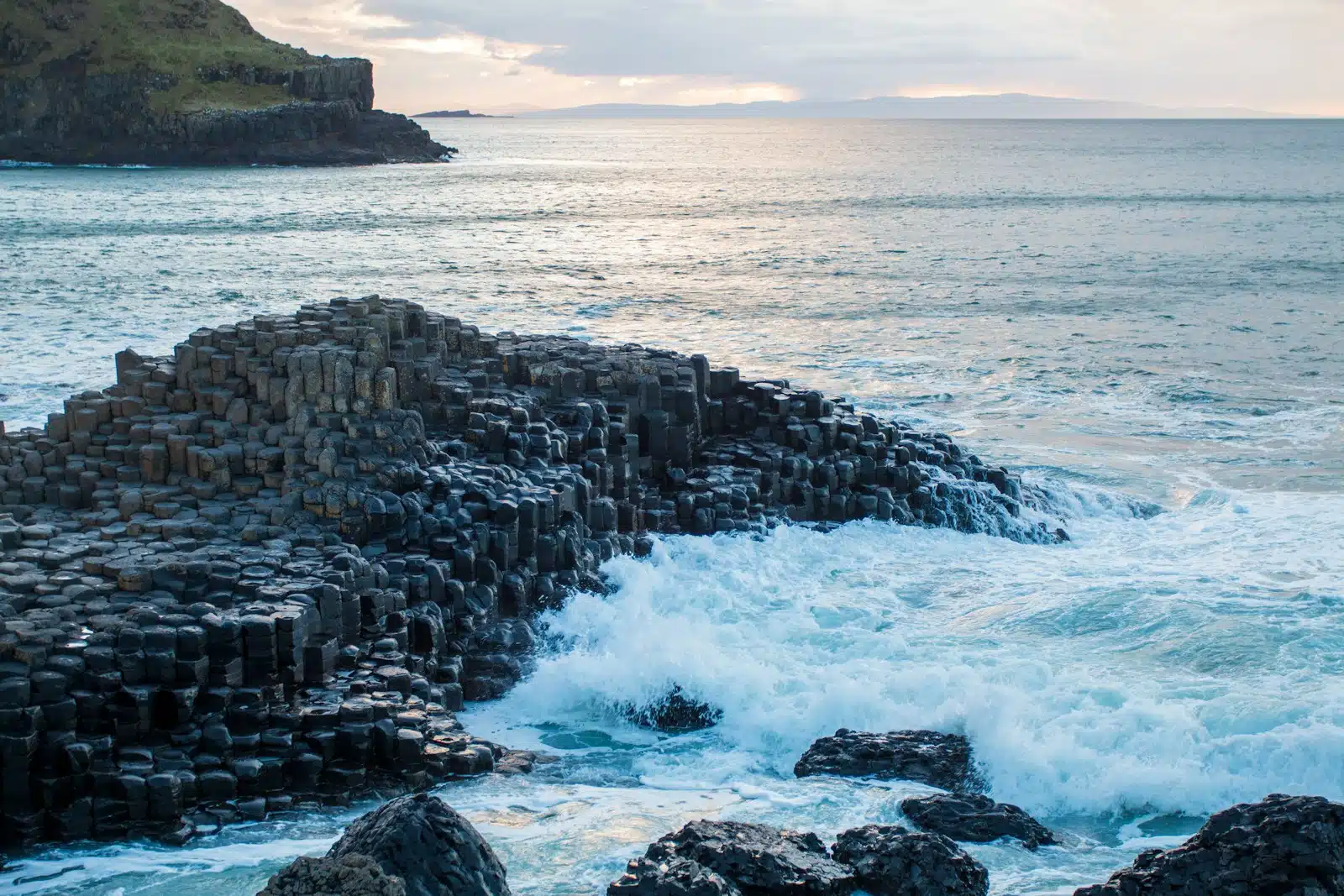
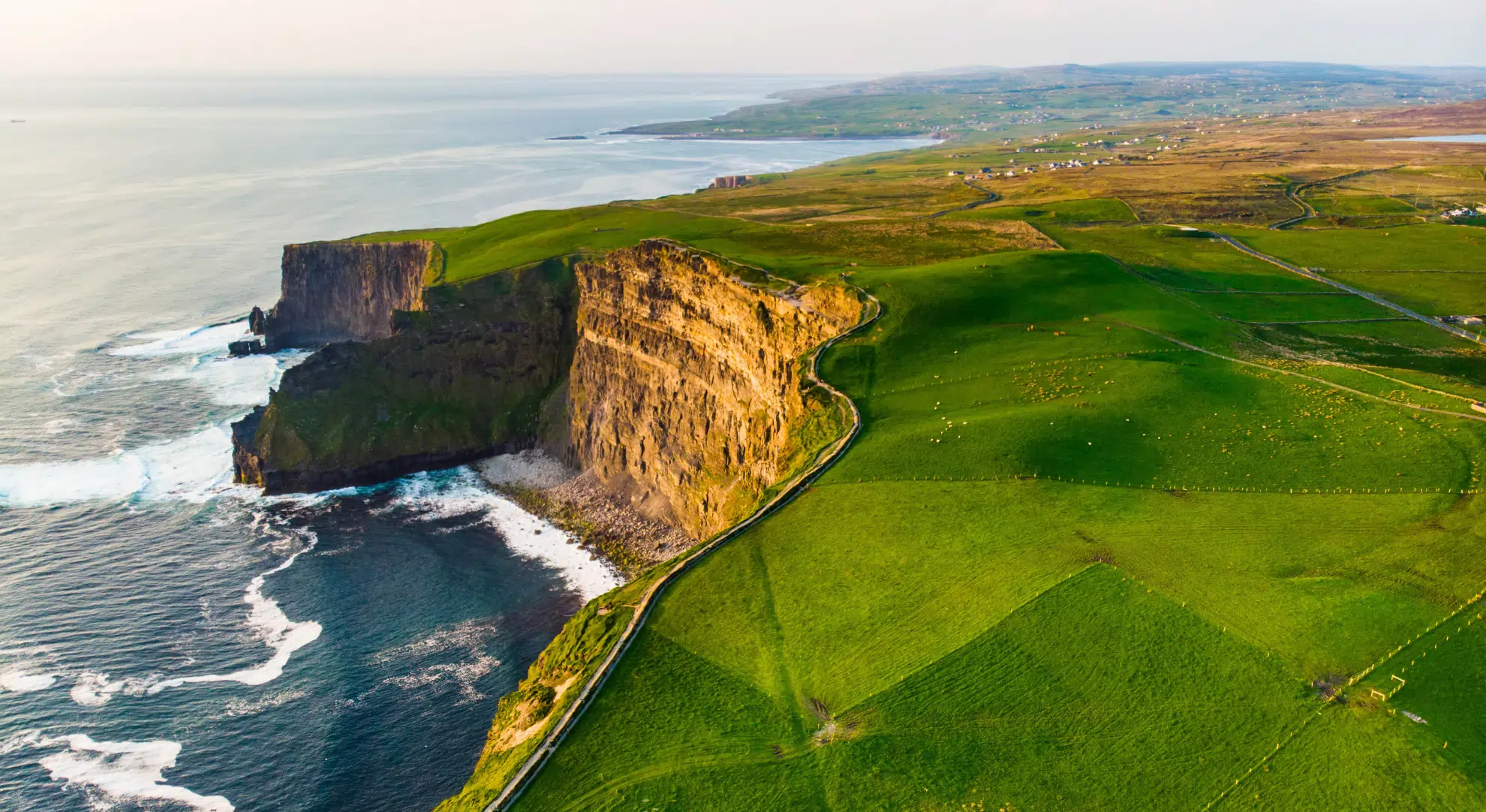
    Start with the big hitters. The Cliffs of Moher, rising 700 feet above the Atlantic, deliver coastal drama on a cinematic scale. Head north to the Giant’s Causeway, where volcanic geology and ancient myth collide in a surreal mosaic of hexagonal rock formations. Then there’s Newgrange, a 5,000-year-old passage tomb older than Stonehenge, perfectly aligned with the winter solstice.

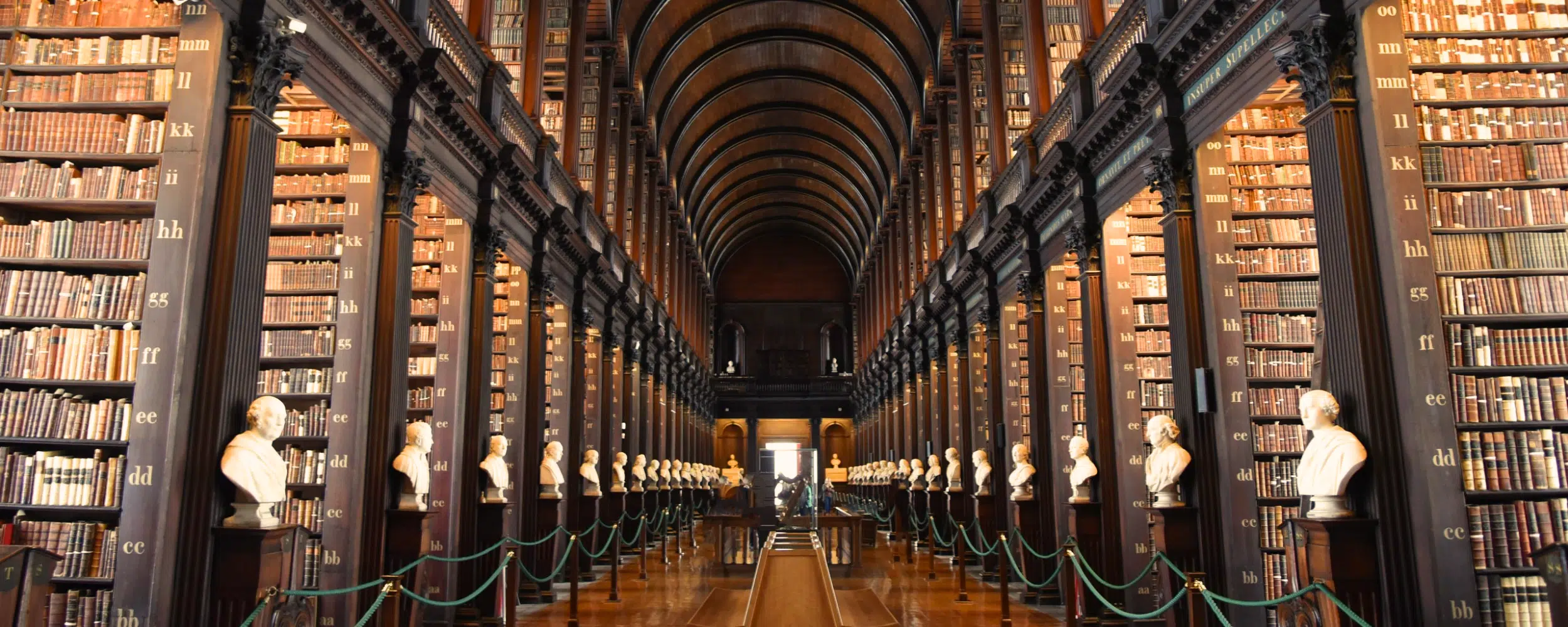
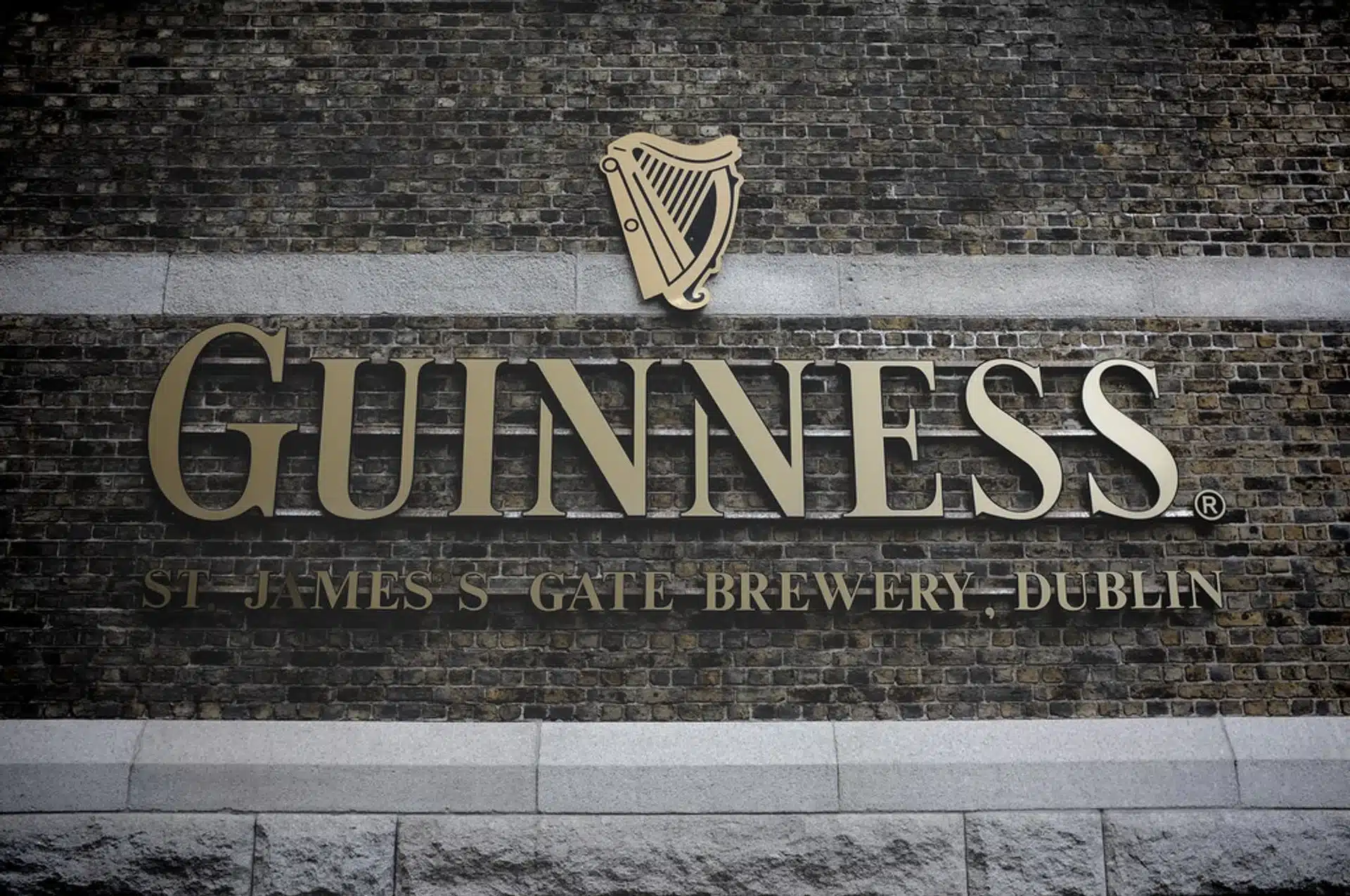
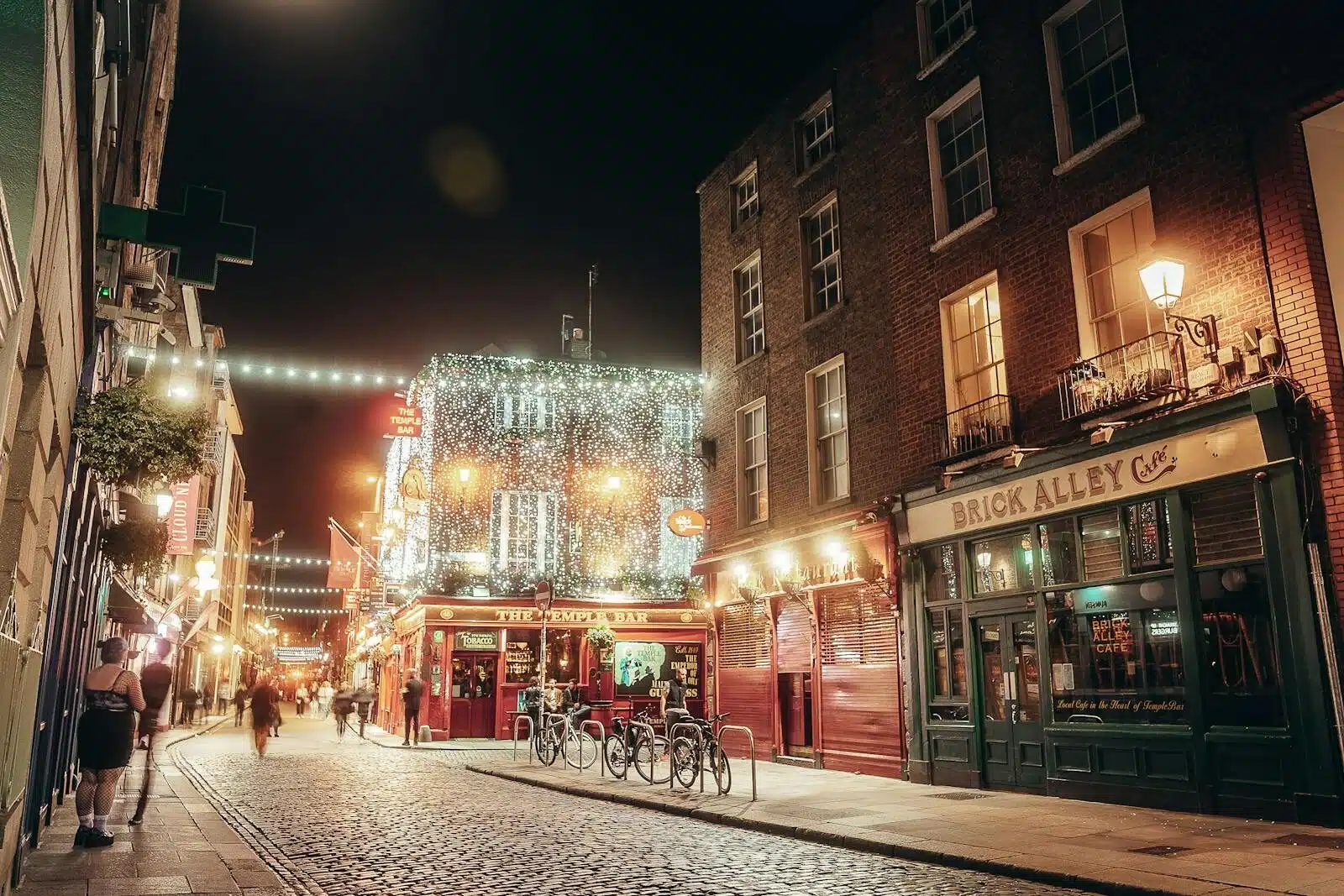
    Dublin deserves your time. Temple Bar may be touristy, but there’s still something magnetic about it. Trinity College Library hosts many of the treasures of Irish history, especially when you reach the illuminated pages of the Book of Kells. And then there’s the Guinness at St. James’s Gate — colder, creamier, somehow richer. The cliché is true. It just tastes better here.

    Beyond the capital, the rhythm slows and the country opens up. Drive the Ring of Kerry, where every bend in the road unveils another painterly scene of mountains, lakes and weathered stone cottages. If you want something quieter but just as beautiful, try the Ring of Beara in neighboring Cork. Hike the Wicklow Mountains.

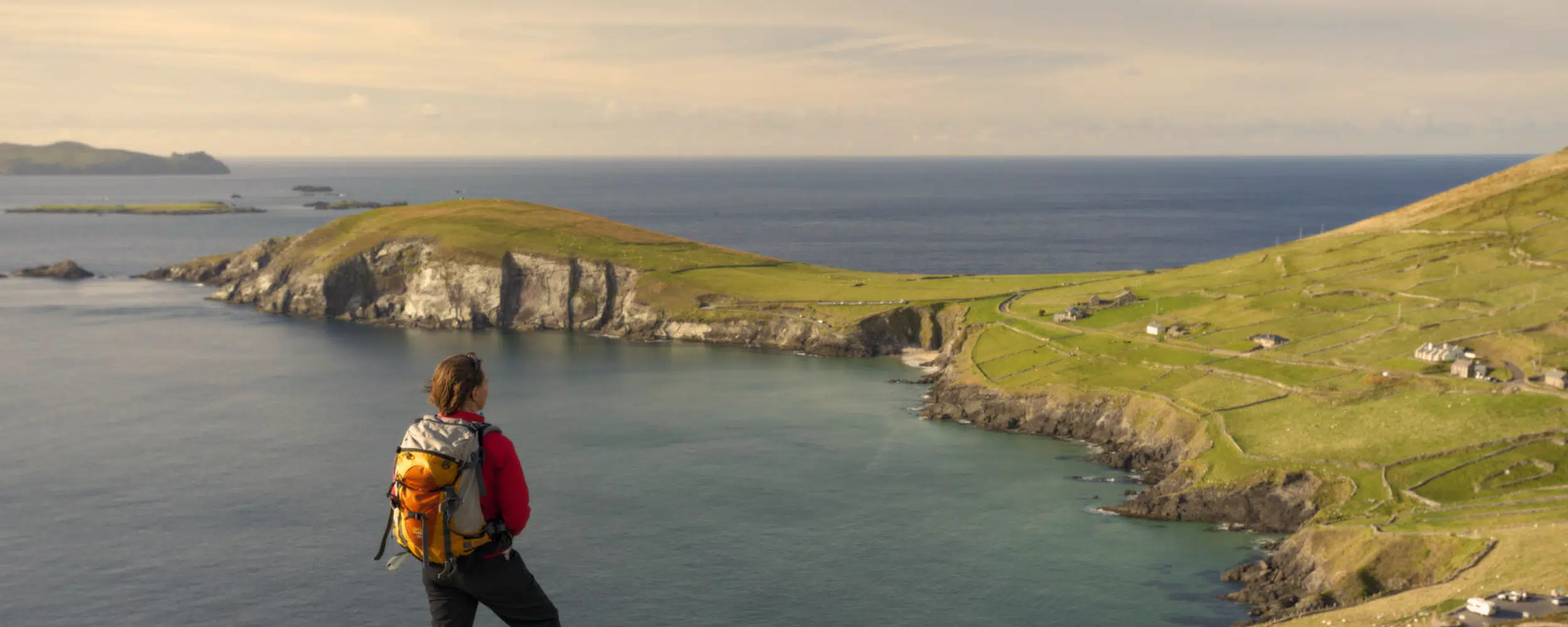
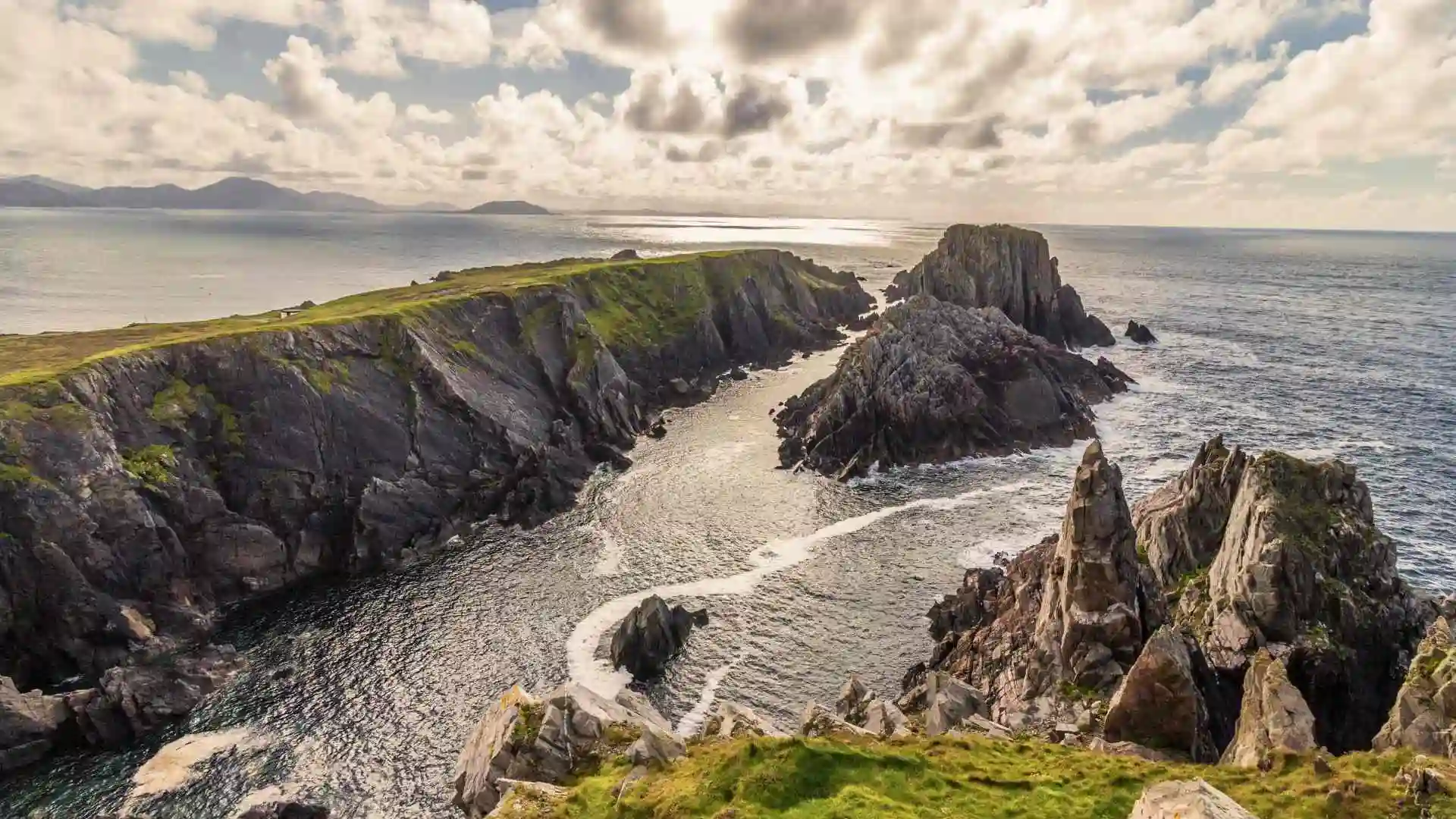
    Then there’s the Wild Atlantic Way, a 1,600-kilometre coastal route that offers some of the most striking scenery in Europe. Stop whenever you feel like it. In Dingle, for music and perfect pints. In Kenmare, for charm and calm. In Killarney, for lakes steeped in legend.

    If you’re feeling adventurous, take the choppy boat ride to Skellig Michael — a monastic outpost perched on a cliff edge in the middle of the sea, otherworldly and unforgettable.


  • Ireland hidden gems

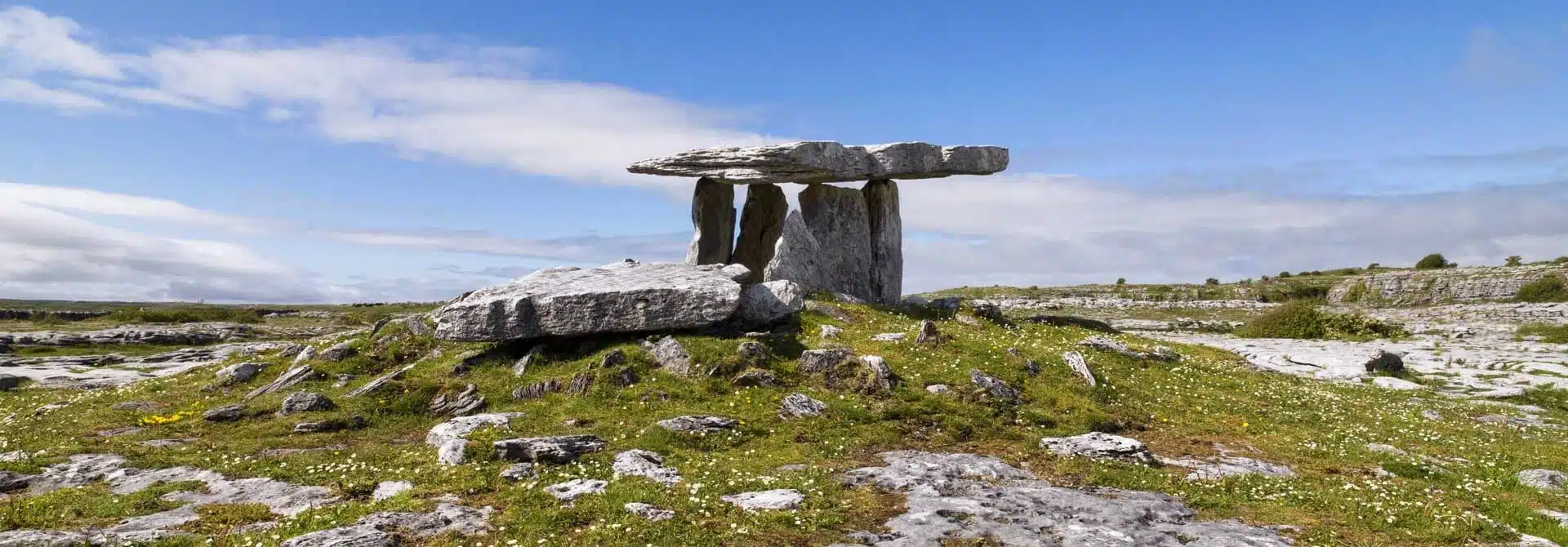
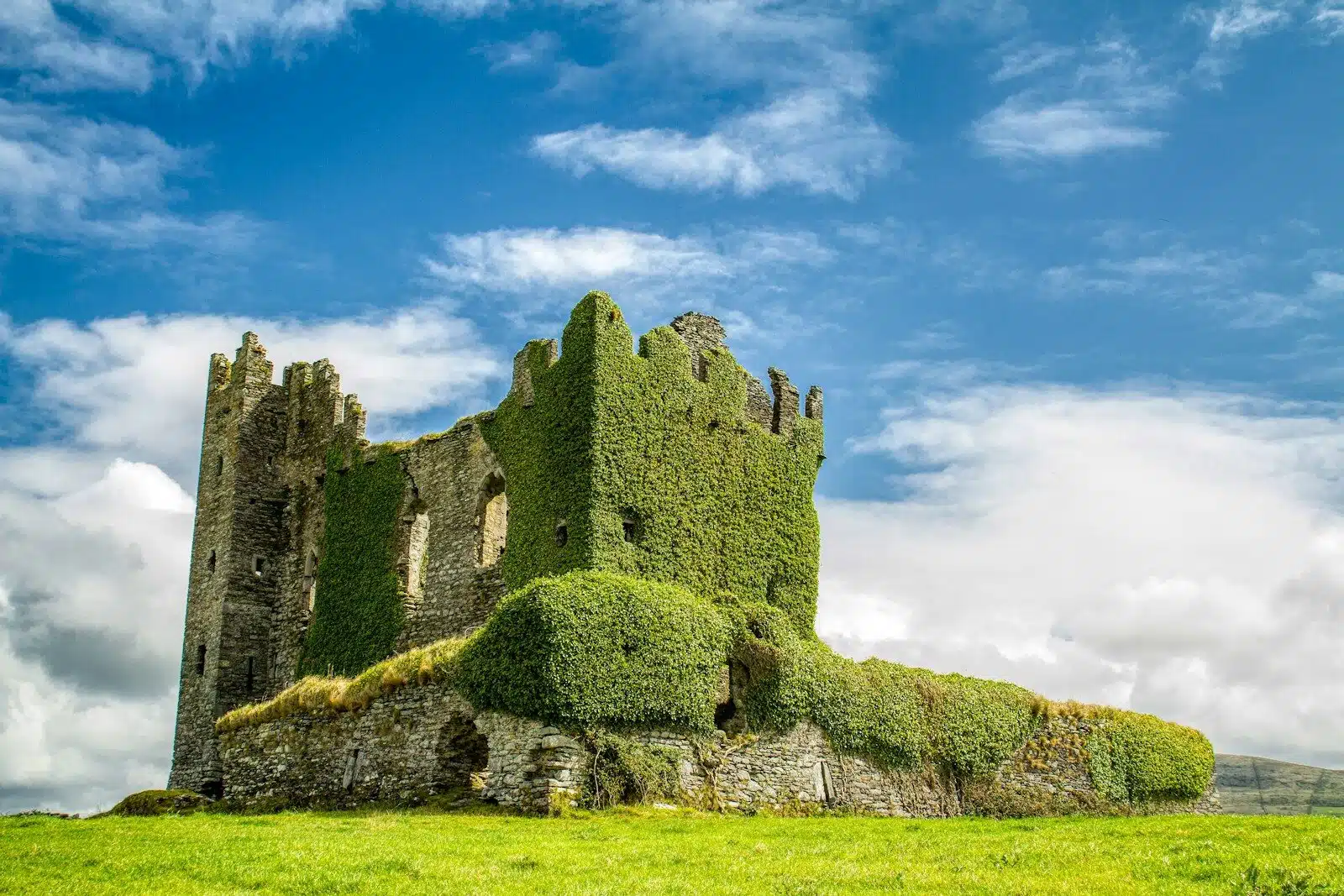
    Skip the crowds and find the real Ireland. Skellig Michael (Skellig Islands) is a rocky island monastery with jaw-dropping views—accessible by boat from Portmagee. Dunmore East is a working fishing village with personality that hasn’t been flattened by tourism. The Burren in County Clare is a moon-like limestone landscape with rare flowers and cave systems.

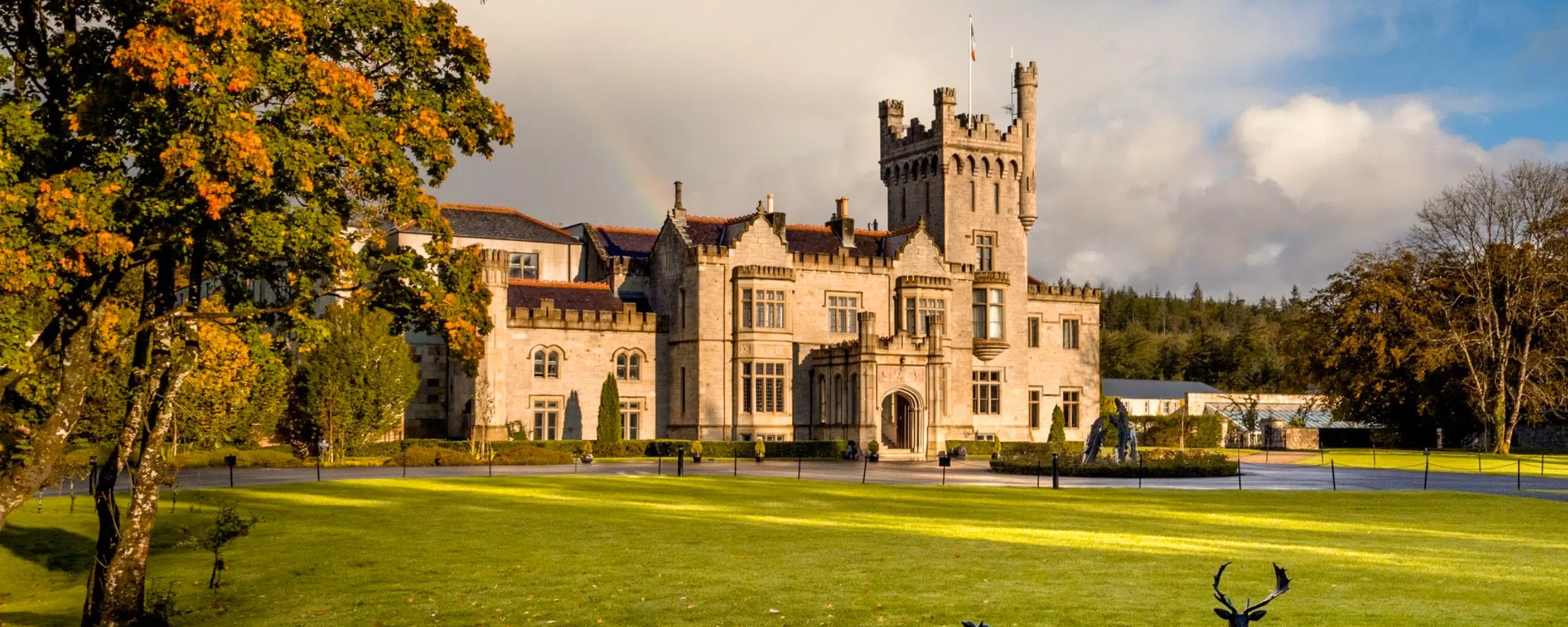
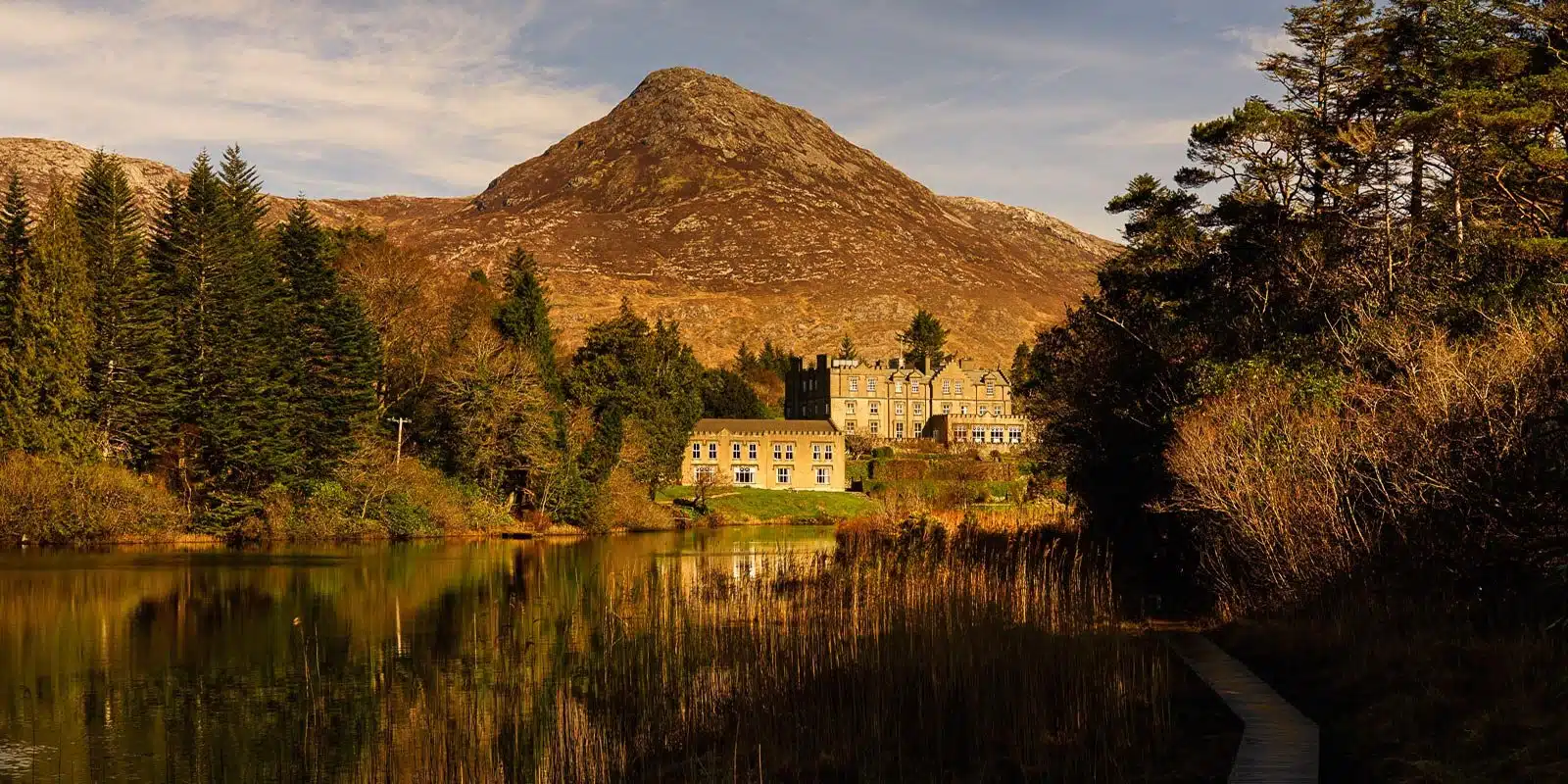
    Loop Head’s clifftop walks rival Moher with zero crowds. Glenveagh National Park in Donegal has mountains, lakes, and a stunning castle without the Tour Bus throngs. Inistioge village in Kilkenny is genuinely picturesque. Achill Island off County Mayo offers rugged coastal beauty and real community feel.

    Dunguaire Castle near Galway is intimate and theatrical. The Flaggy Shore near Kinvara is a hidden pebble beach. Visit during shoulder season (April-May or September-October) to avoid July-August madness while keeping weather reasonable. County Leitrim is genuinely undiscovered—waterways, forests, no crowds.

  • Ireland Overview weather

    Irish weather is a punchline for a reason: it’s changeable, often wet, rarely predictable. Pack layers and a good rain jacket even in summer. Summer (June-August) averages 15-18°C (59-64°F) with long daylight until 9 PM, which is perfect for exploring but also peak tourist season and higher prices.
    Rain comes frequently but rarely all-day; showers are more common than downpours. Winter (December-February) brings 2-8°C (36-46°F), darkness by 4 PM, but fewer tourists and dramatic moody skies. Shoulder seasons (April-May, September-October) offer the best balance—15°C, manageable crowds, blooming flowers in spring, autumnal colours in fall. Snow is rare outside the mountains.

    The Atlantic coast is windier and wetter than inland regions. Don’t let weather deter you; it’s part of the experience. Some of the most magical moments happen during rain or mist. Locals say “there’s no bad weather, only bad clothing.” Pack accordingly and embrace it.
  • Ireland getting there

    Most international visitors fly into Dublin (served by major airlines from North America, Europe, Australia). Shannon Airport is a strong alternative for western access. Cork and Belfast have smaller international services. Ryanair dominates European routes with cheap flights.

    Flight times from US East Coast are typically 7-8 hours; from West Coast around 13-15 hours; from UK roughly 1 hour. No visa required for US, UK, Canadian, or Australian citizens (check your specific nationality). Car rental is essential for exploring outside Dublin—left-side driving, small cars are cheaper and practical. Buses (Bus Éireann, GoBus) connect towns affordably but take longer.

    Trains serve major routes but are pricier. Dublin has excellent public transport (Luas trams, buses). Irish roads can be narrow and winding. Once there, distances are manageable—the whole island is drivable in a few hours. Consider flying into Dublin, picking up a car, and doing a circular route. Ferry from Wales (Holyhead) to Dublin takes 3+ hours but is atmospheric.

Your journey doesn’t start with a booking. It starts with a conversation.

Tell us how you want to feel, we’ll take it from there.

See more reviews on Trustpilot

Editorials

Tell us about your journey