

Montreal is a city that defies easy categorization: part French, part North American, and entirely its own.
Montreal operates under different rules from the rest of North America. The city speaks French first and English when it feels like it. Dinner reservations start at 8pm rather than 6pm. Bars stay open until 3am on weeknights because why wouldn’t they. The architecture looks European, the energy feels North American, and the result is a city that doesn’t quite fit either category but works better than it should.
Built on an island in the St. Lawrence River, Montreal combines 375 years of French colonial history with contemporary culture that rivals any major city. It’s cheaper than Toronto, more interesting than Vancouver, and maintains a creative energy that fled New York and San Francisco decades ago when rents made artist neighborhoods impossible. Two days captures the highlights while leaving you wanting more.
Day One: Morning in Old Montreal and the Port
Start at Olive et Gourmando in Old Montreal around 8am, assuming you booked ahead or are willing to wait. This bakery-cafe occupies a stone building from the 1800s and serves breakfast that justifies whatever line has formed outside. The pressed cubano sandwich works any time of day. The pastries are legitimately excellent. The coffee is strong enough to offset jet lag or previous night’s overindulgence.
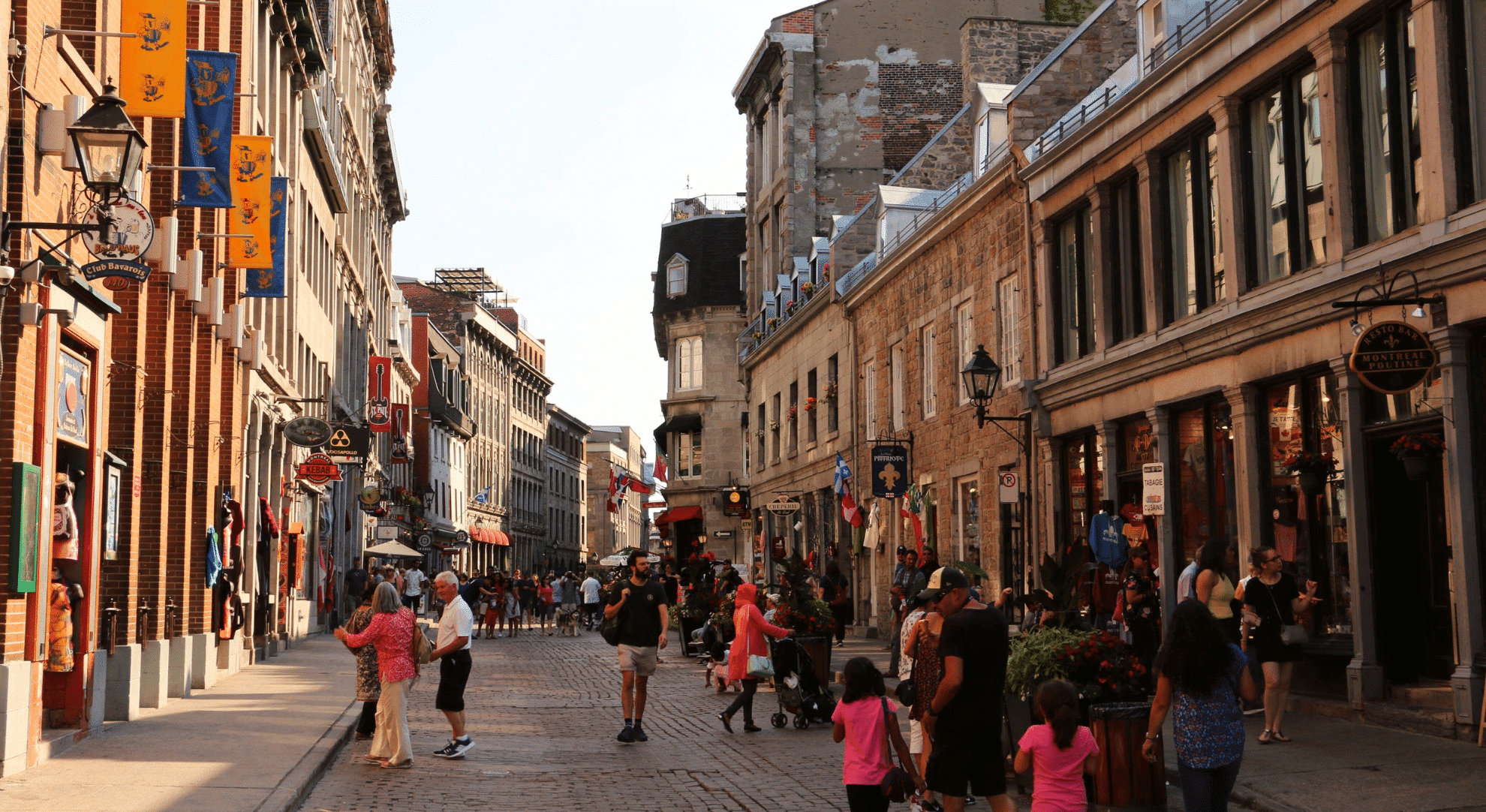
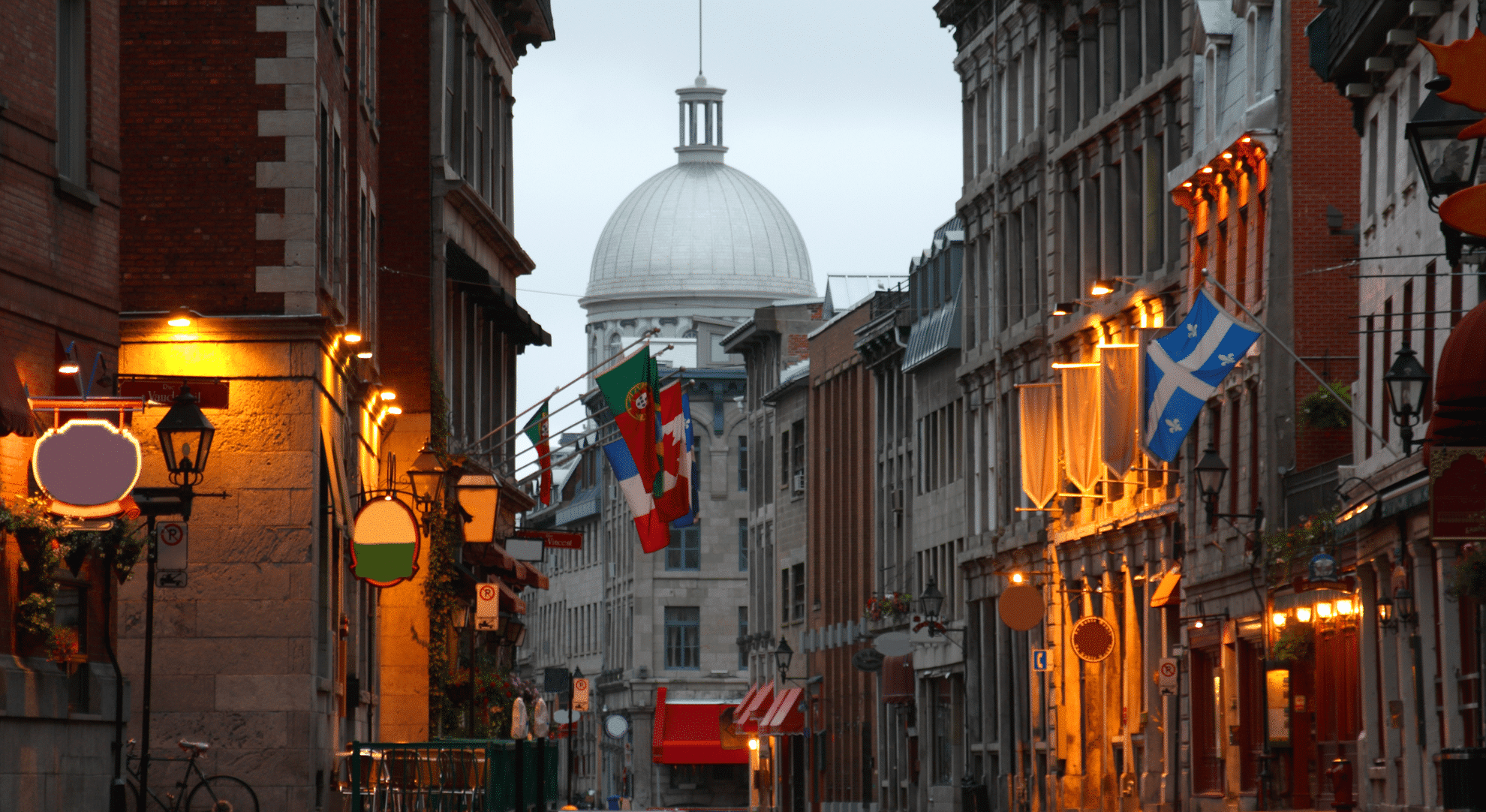
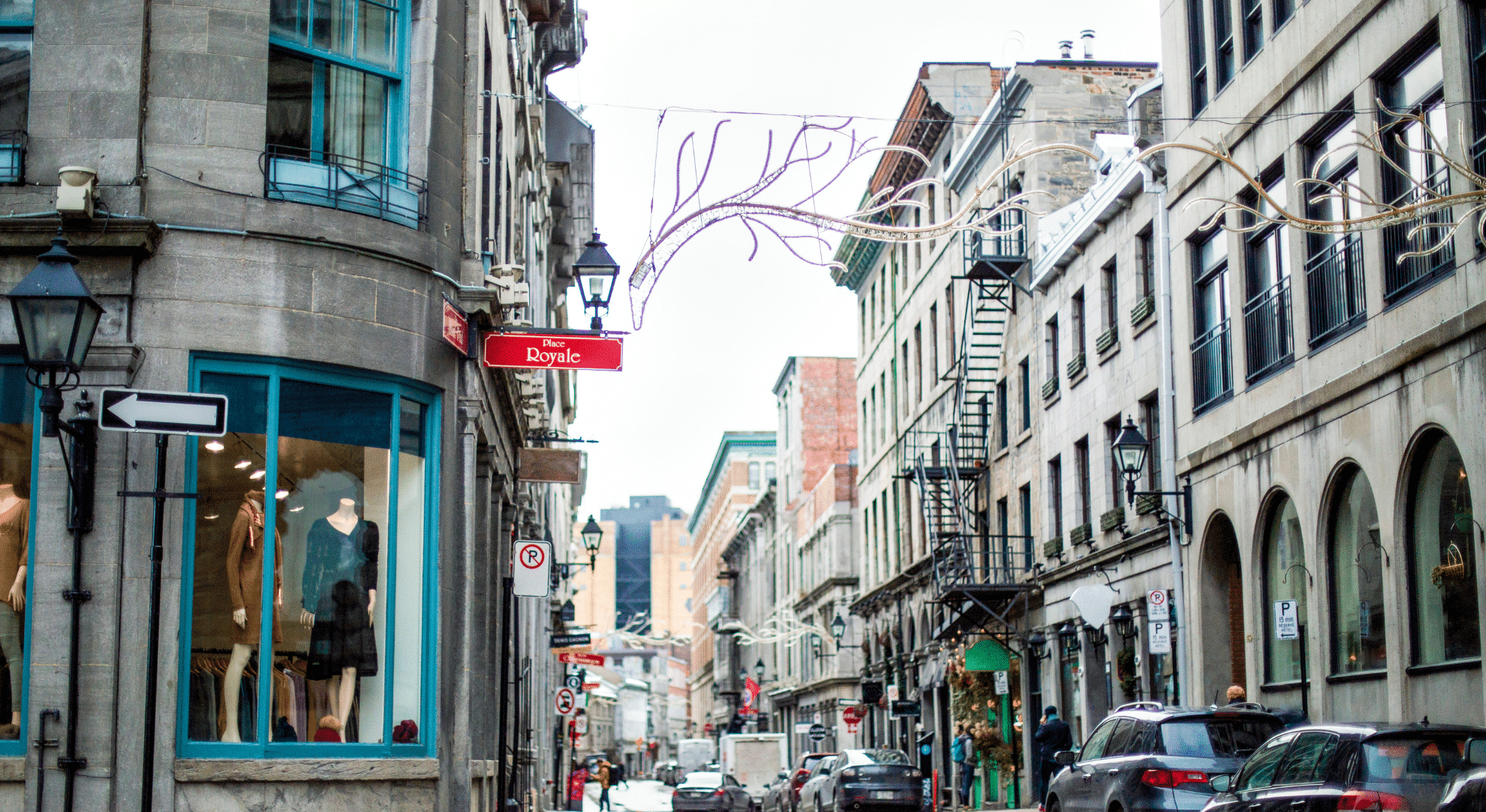
Old Montreal (Vieux-Montreal) is the city’s tourist core and actually worth the attention despite that fact. Unlike many “historic districts” that feel like outdoor museums, this neighborhood maintains working businesses, residents, and genuine character alongside the tour groups. The cobblestone streets and 18th-century buildings survived because Montreal’s economy collapsed in the mid-1900s when Toronto overtook it as Canada’s financial capital. Economic decline meant no money for redevelopment, inadvertently preserving what would have been demolished elsewhere.
Walk down to the Old Port after breakfast, where the St. Lawrence River flows wide and industrial. The port transformed from working waterfront to public space in the 1990s, creating kilometers of riverside paths, plazas, and green space. It’s pleasant without being precious, functional rather than decorator-designed. Locals actually use it for running, biking, and sitting by the water instead of just tourists taking photos.
Circle back through Place Jacques-Cartier, the square that has anchored Old Montreal since 1804. Street performers work the space, cafes line the edges, and horse-drawn calèches wait for tourists willing to pay for the experience. It’s touristy but historically significant, and on summer mornings before crowds arrive, you can see why this square has functioned as the neighborhood’s heart for two centuries.
Visit Notre-Dame Basilica if you’re into churches. This Gothic Revival cathedral from 1829 features deep blue vaulted ceilings, gold leaf everywhere, and stained glass depicting Montreal’s history rather than biblical scenes.
Day One: Lunch in the Plateau
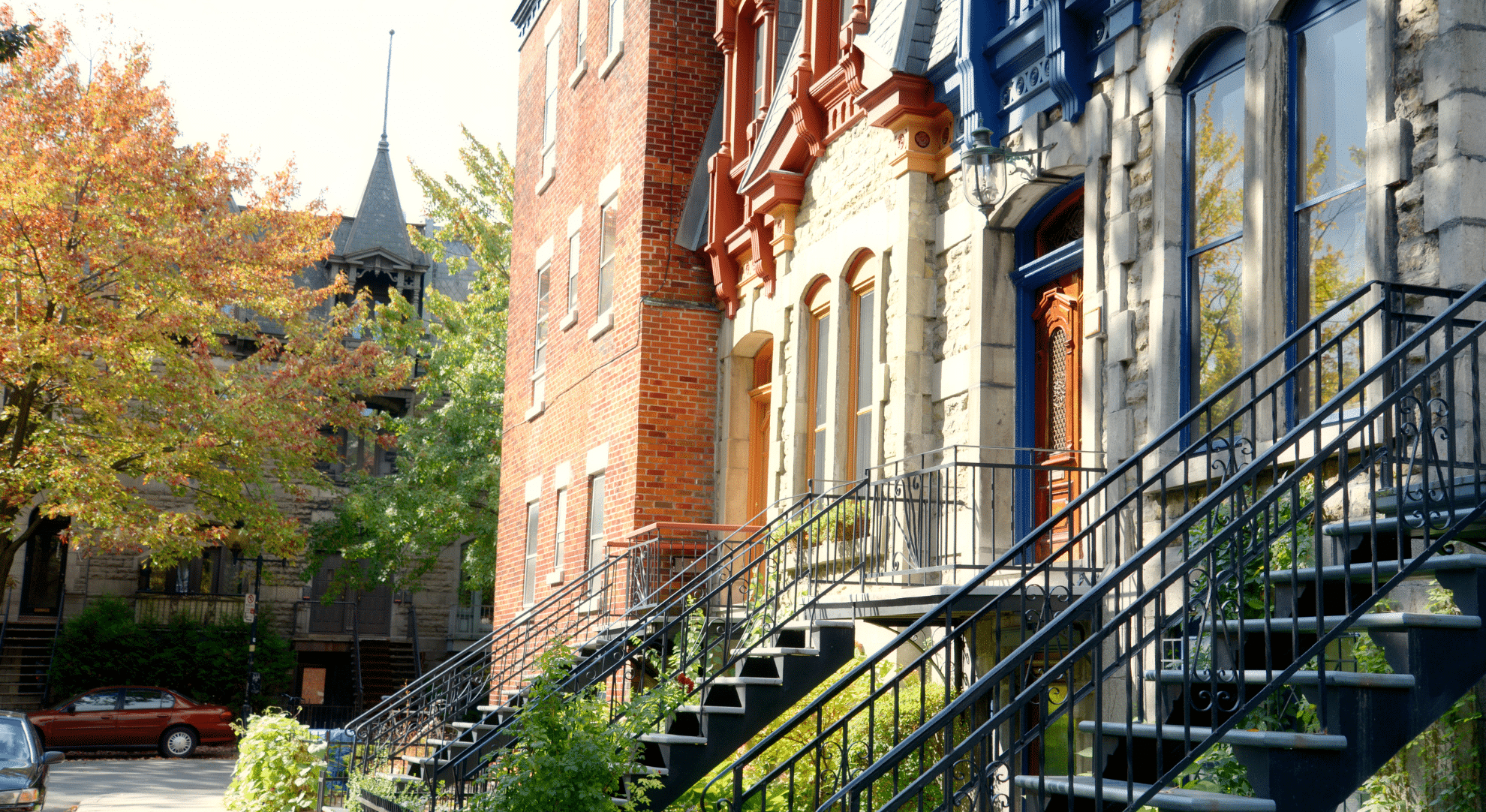
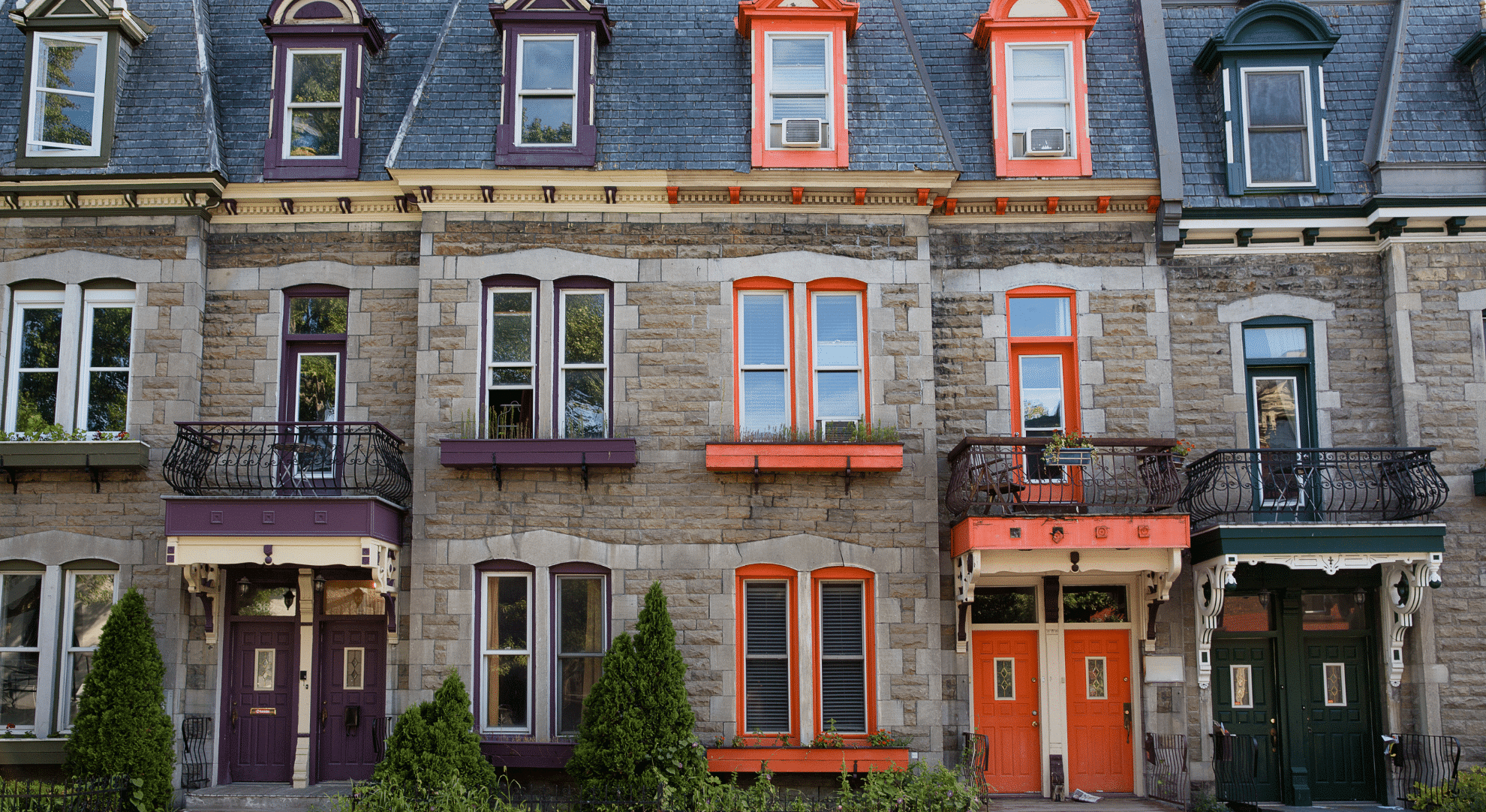
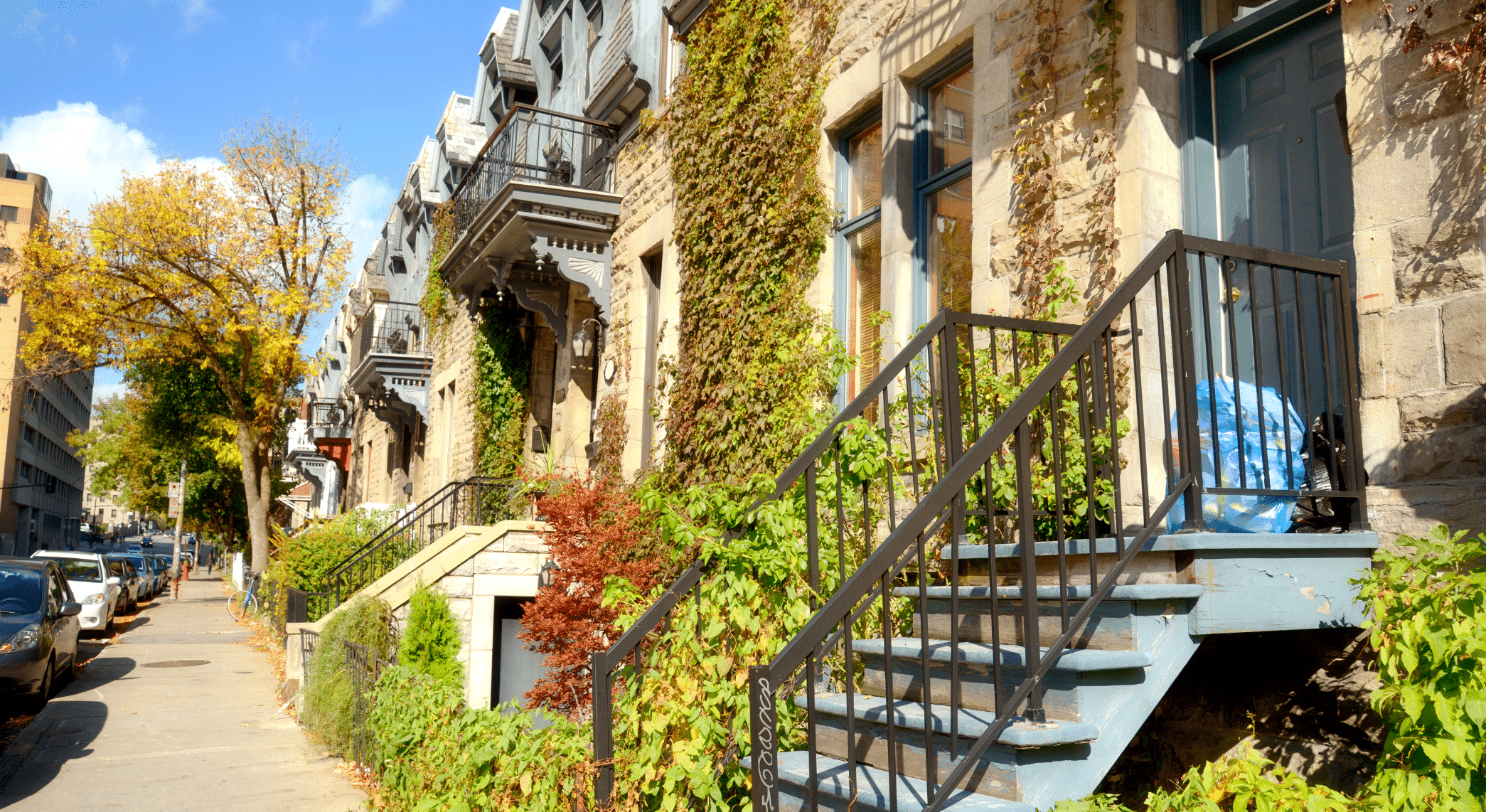
Take the metro (Orange Line to Sherbrooke) or a 15-minute taxi to the Plateau Mont-Royal, Montreal’s most characteristic neighborhood. The Plateau is where the city’s creative energy concentrates, visible in street art, vintage shops, cafes that take coffee seriously, and restaurants operating in converted row houses with mismatched furniture and excellent food.
Grab lunch at Lawrence, a British-influenced restaurant on St. Laurent Boulevard that serves exceptional brunch (until 3pm) and lunch in a space that feels like someone’s particularly stylish living room.
Alternatively, if you want something quintessentially Montreal, go to La Banquise for poutine. This 24-hour spot serves 30+ varieties of Quebec’s signature dish: fries, cheese curds, and gravy. The classic version is perfect, but they’ll also put smoked meat, foie gras, or various other toppings on there if you want. It’s not refined. It’s not supposed to be. Poutine exists to absorb alcohol and provide comfort, and La Banquise executes the mission with enthusiasm.
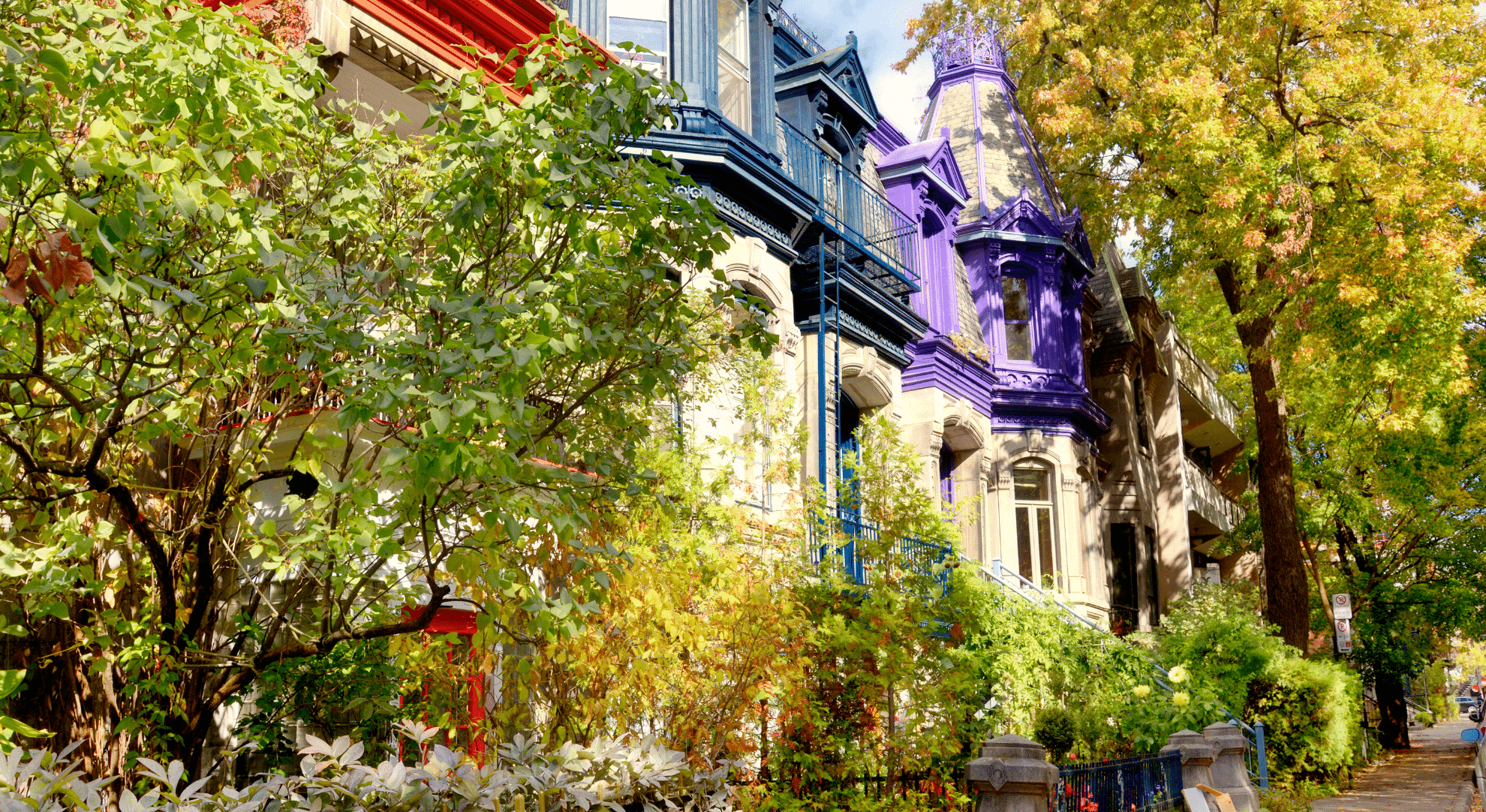
Day One: Afternoon in Mile End and Mount Royal
Walk north through the Plateau toward Mile End, Montreal’s hipster-intellectual neighborhood where writers, artists, and people who work in tech but dress like they don’t congregate. The walk takes 20 minutes up St. Laurent or St. Denis, both streets lined with cafes, bookshops, and the kind of places that sell either vintage furniture or artisanal something.
Mile End demands a bagel stop. Montreal bagels are smaller, sweeter, and denser than New York bagels, hand-rolled and baked in wood-fired ovens. St. Viateur Bagel and Fairmount Bagel have competed since the 1940s, located two blocks apart on opposite sides of the bagel quality debate. Both are excellent. St. Viateur has slight edge for sesame bagels. Fairmount edges ahead on poppy seed. Order a half-dozen warm from the oven and eat at least two immediately while walking.
Browse the shops on St. Laurent and St. Viateur. Drawn & Quarterly bookstore specializes in graphic novels and literary fiction. Mile End’s vintage clothing stores curate better than most cities’ high-end boutiques. The neighborhood also holds Café Olimpico, where Italian immigrants have pulled espresso shots since 1970, long before “third wave coffee” became a phrase.
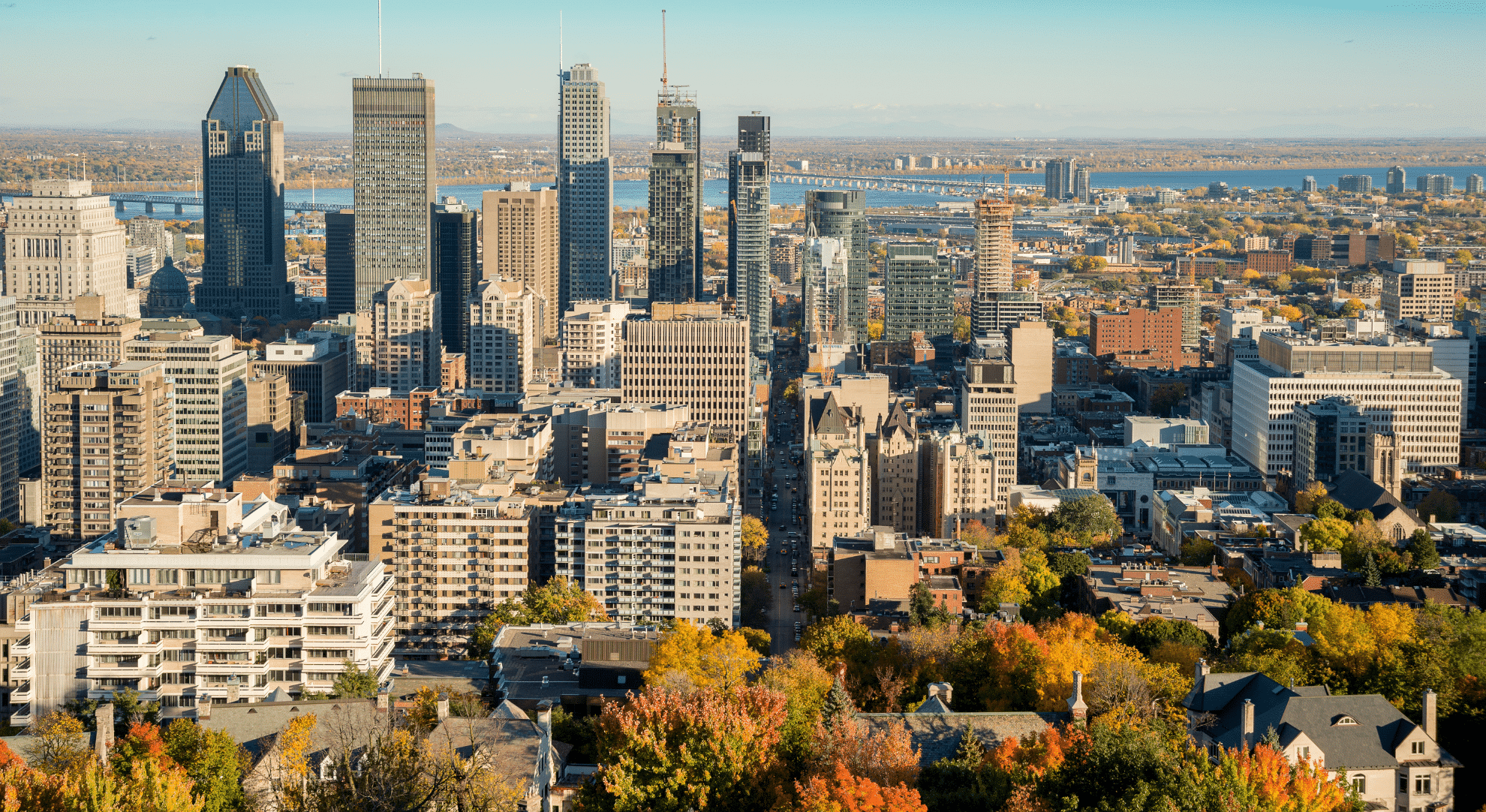
By 4pm, walk or take a short taxi to Mount Royal Park, the 470-acre green space designed by Frederick Law Olmsted (who also did Central Park) in 1876. The summit offers views across downtown, the St. Lawrence, and on clear days, the Adirondacks to the south. The climb takes 30 minutes from the eastern access point, or you can cheat and take a taxi most of the way up.
Sunday afternoons in summer bring tam-tam drummers to the monument near the summit, a weekly gathering that has happened for decades. Drummers set up, people dance, others sell crafts or just hang out.
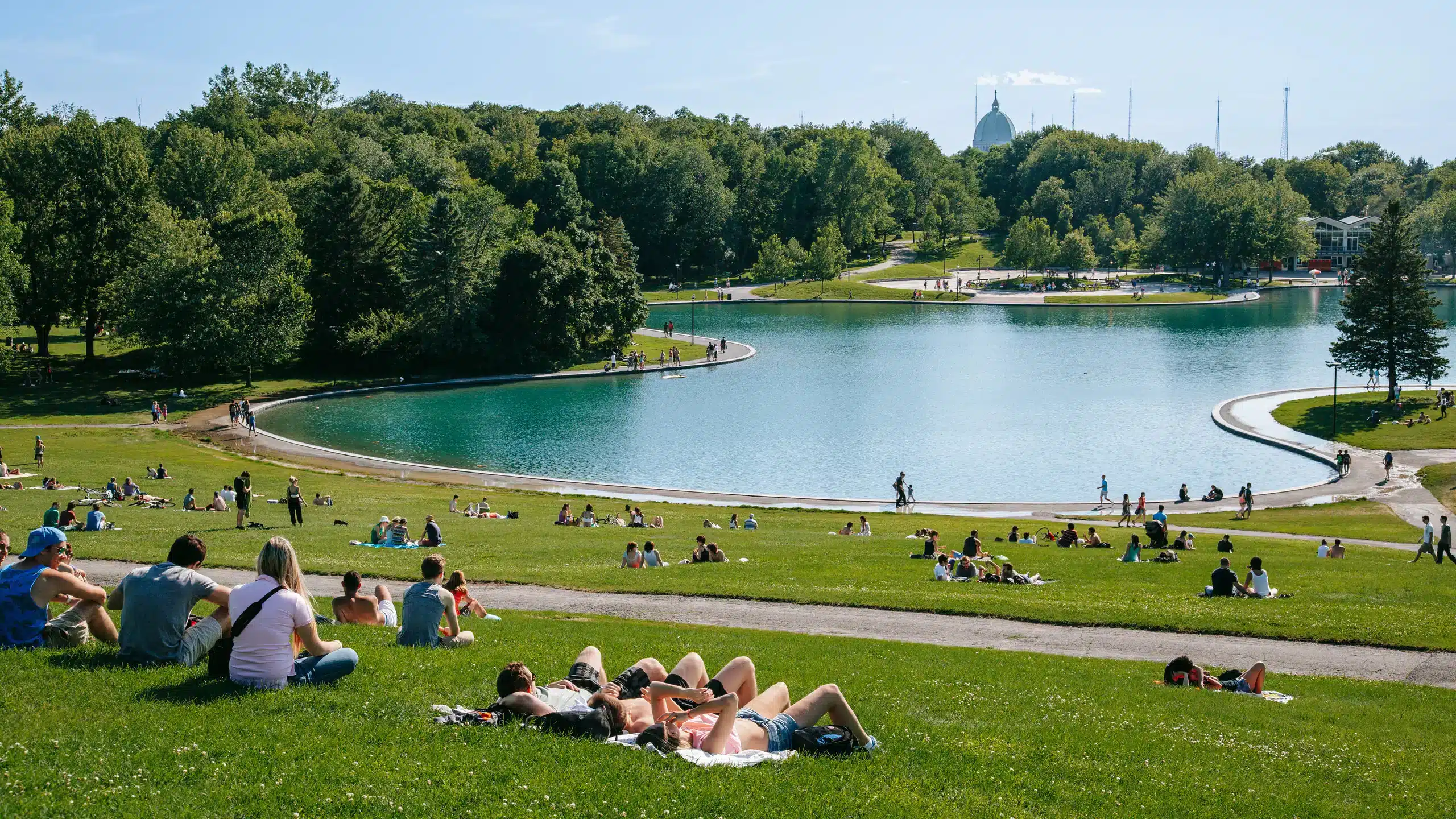
Day One: Dinner and Drinks
Head back downtown or to the Plateau for dinner. Montreal’s restaurant scene operates at a level that surprises people expecting poutine and bagels.
Joe Beef in Little Burgundy represents Montreal’s approach to fine dining: exceptional ingredients, skilled technique, zero pretension. Chef David McMillan serves things like foie gras parfait, oysters, lobster spaghetti, and whatever else looked good at the market, in a space that seats maybe 60 and requires reservations weeks ahead. If you can’t get in, try Liverpool House or Vin Papillon, owned by the same group with similar quality and slightly better availability.
For something more casual but equally good, Montée de Lait in the Plateau does modern bistro food in a narrow space where the kitchen is basically the dining room. The menu changes constantly. The wine list focuses on natural wines.
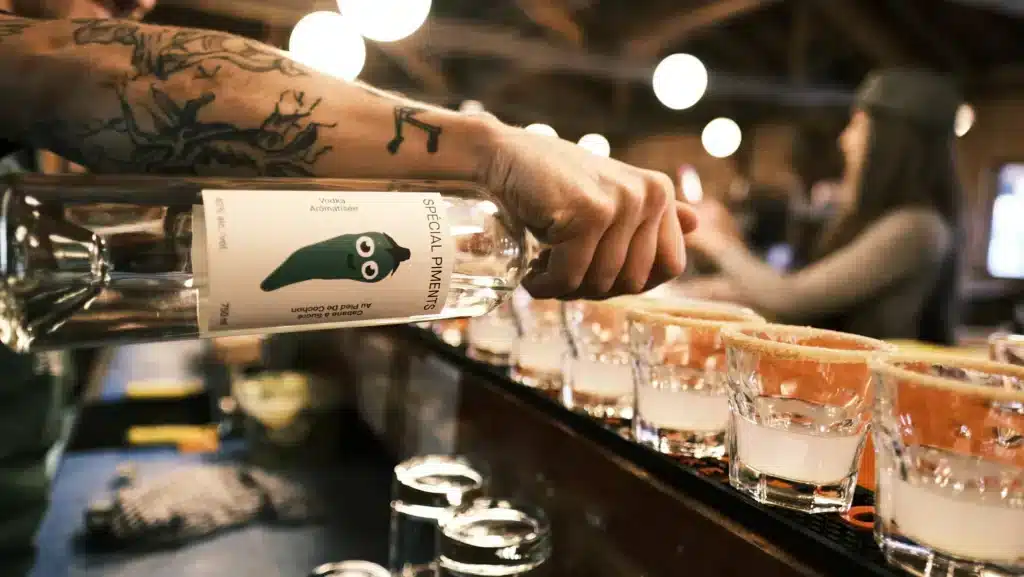
If you want traditional Quebecois, Au Pied de Cochon serves pure indulgence: foie gras poutine, duck in a can, pig’s head terrine, and portions that assume you’ve been splitting wood all day in the Laurentians. Chef Martin Picard doesn’t believe in restraint. The food is rich, the portions are enormous, and you’ll need to walk for an hour afterward.
After dinner, the night depends on your energy level and tolerance for crowds. Montreal’s bar scene stays open late and offers everything from craft cocktail bars to dives where locals have drunk since the 1960s.
Big in Japan Bar in the Plateau looks like a Tokyo izakaya and serves Japanese whisky, sake, and small plates. It’s tiny, dark, usually crowded, and maintains a vibe that feels transported from another city.
For live music, check what’s happening at Casa del Popolo or La Sala Rossa in Mile End. These venues book indie, folk, and experimental acts in intimate rooms where you’re close enough to count the guitar strings.
If you just want a neighborhood bar where locals gather, Pullman in the Plateau serves wine and small plates in a converted railway car. Burgundy Lion in Little Burgundy does the British pub thing properly with good beer and surprisingly decent food.
Day Two: Markets and Brunch
Start day two at Jean-Talon Market in Little Italy, Montreal’s largest public market and the best place to understand Quebec’s agricultural culture. The market operates year-round (covered stalls in winter) with farmers selling produce, cheese makers offering samples, butchers explaining cuts, and prepared food stalls serving everything from crepes to rotisserie chicken.
Buy fresh strawberries in summer, apples in fall, or root vegetables in winter. Sample Quebec cheeses that rarely leave the province because production is too small for export. Watch Italian grandmothers negotiate with vegetable vendors in a mix of Italian, French, and hand gestures.
The market’s surrounding neighborhood, Little Italy, maintains its Italian immigrant character despite gentrification pressure. Caffè Italia on St. Laurent has served espresso since 1956.
For brunch, Lawrence (yes, again) or Sparrow in the Plateau both excel. Sparrow occupies a corner space with windows on two sides, serves things like duck hash and smoked trout, and makes you want to move to Montreal and eat there weekly.
Day Two: Downtown and Underground City
|Spend the afternoon exploring downtown Montreal, starting with the Montreal Museum of Fine Arts. The collection spans 4,000 years with strong holdings in Canadian art, contemporary installations, and rotating exhibitions that actually draw crowds. The building itself combines original 1912 Beaux-Arts structure with modern additions that somehow work together.
Walk down to Sainte-Catherine Street, Montreal’s main commercial thoroughfare, which transforms during summer when the street closes to cars and becomes a pedestrian zone. The street has struggled with retail changes hitting cities everywhere, but it maintains energy through mix of shops, street performers, and people-watching.
~
The Underground City (RÉSO) deserves exploration despite sounding like a tourist trap. This network of 32 kilometers of tunnels connects metro stations, shopping centers, office towers, and cultural venues underground. It developed pragmatically during the 1960s as developers connected buildings to avoid brutal winter weather, accidentally creating the world’s largest underground complex. In winter, Montrealers spend entire days underground, commuting to work, eating lunch, shopping, and attending events without putting on a coat.
Pop into the McCord Museum for Quebec history and culture presented in ways that avoid the usual nationalism or sentimentality. The photography collection alone justifies admission.
Day Two: St. Denis and Latin Quarter
Walk along St. Denis Street through the Latin Quarter, Montreal’s historic student and intellectual neighborhood.
Stop at Juliette et Chocolat for hot chocolate or crepes if you need sustenance. The Latin Quarter also holds several small theaters including Théâtre St-Denis and performance spaces that keep the area culturally active beyond just bars and restaurants.
Walk east toward the Gay Village along Sainte-Catherine Street East. Montreal’s LGBTQ+ neighborhood is one of North America’s largest, particularly vibrant during Pride and summer when the street becomes a pedestrian zone with art installations and outdoor terraces.
Day Two: Smoked Meat and Jazz
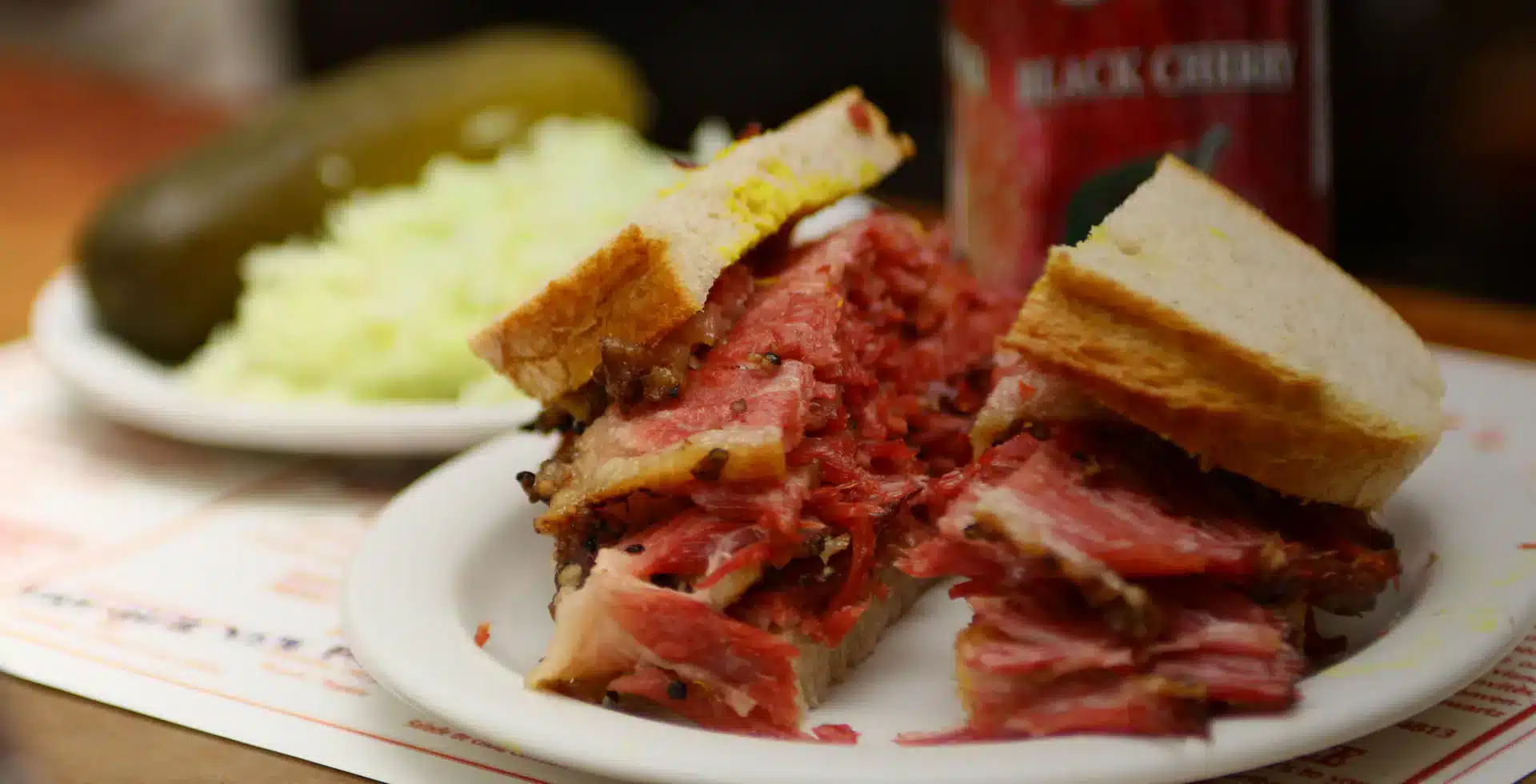
End your Montreal experience with smoked meat at Schwartz’s Deli, a Montreal institution since 1928. The line stretches down St. Laurent Boulevard most hours, moves surprisingly fast, and delivers you into a narrow space with counter seats and tables crammed together. Order the smoked meat sandwich on rye with medium fat (the correct choice), add a pickle and fries if you’re hungry, and understand why this place has survived 95 years of trends and competition. The meat is hand-cut, piled high, properly seasoned, and served without ceremony.
The debate about whether Schwartz’s or Main Deli up the street makes better smoked meat has consumed Montrealers for decades. Main has shorter lines and air conditioning. Schwartz’s has history and arguably better meat. Both are excellent. Trying both requires dedication or an extended stay.
After dinner, if it’s Friday or Saturday, head to Upstairs Jazz Bar & Grill in downtown for live jazz. This intimate venue books quality musicians in a space where you’re close enough to watch their hands work. The cover charge is reasonable, the drink prices aren’t gouging, and the music ranges from traditional to contemporary jazz depending on who’s playing.
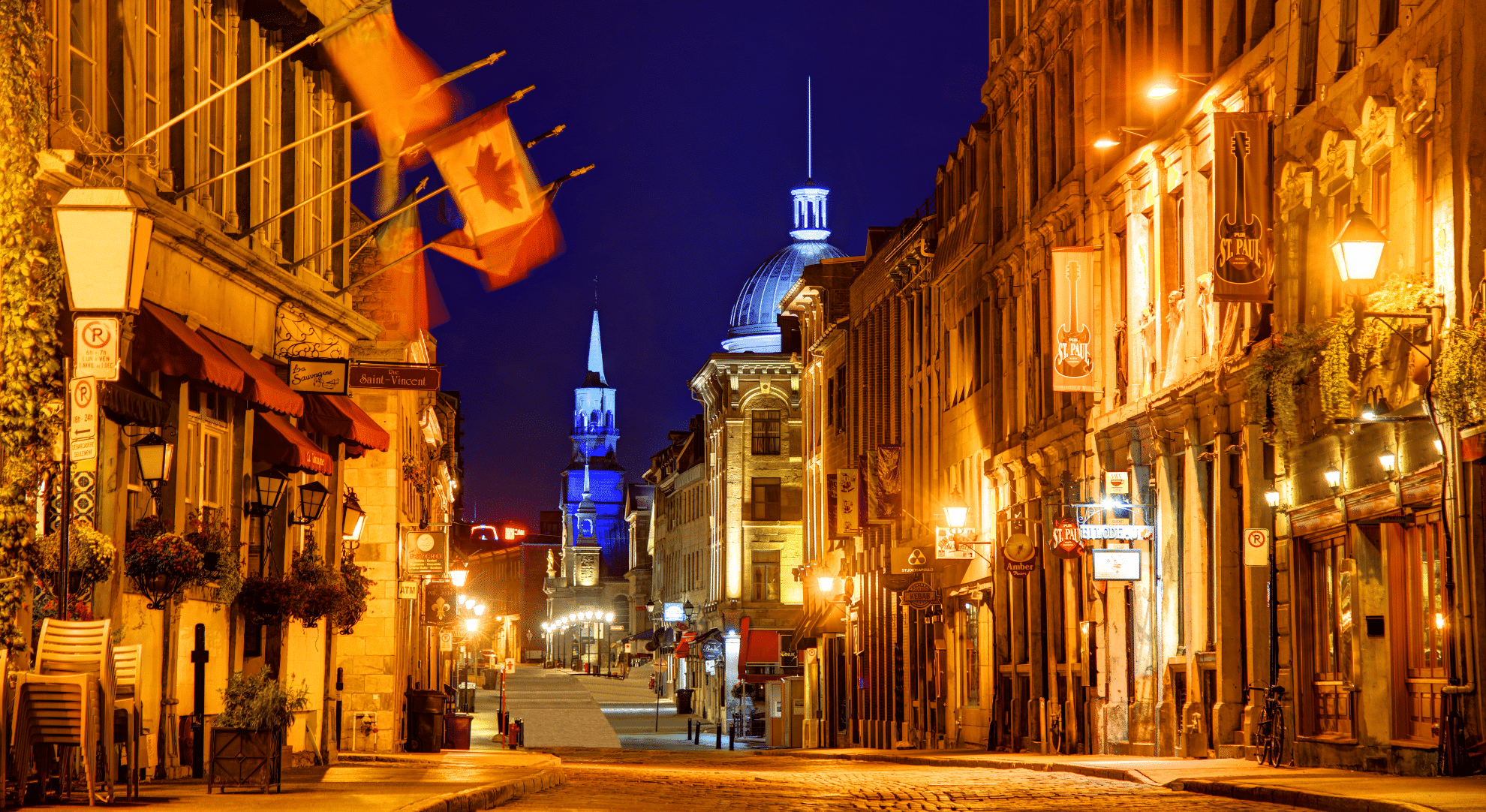
Alternatively, if the weather’s good and it’s weekend, wander back through Old Montreal where street performers work Place Jacques-Cartier into the evening. The neighborhood takes on different character at night when the cobblestones reflect streetlights and restaurants spill diners onto sidewalk terraces.
For a final drink, Le Lab on St. Laurent makes molecular cocktails using science equipment that looks like a chemistry set. It’s gimmicky but executed well, and watching bartenders use liquid nitrogen and sous vide for drinks provides entertainment beyond just consumption.
The Bilingual Reality
You can absolutely function in Montreal speaking only English, particularly in touristy areas, downtown, and the Plateau. But attempting even basic French phrases changes interactions noticeably. Start with “Bonjour” when entering shops or restaurants. If your French extends beyond that, use it. If not, switching to English after “Bonjour” signals effort and usually generates friendliness rather than the coldness some English speakers fear.
Montreal’s language politics are real, occasionally visible, and mostly background noise for visitors. The city is genuinely bilingual despite official French-first policies. Menus appear in French, sometimes with English, sometimes not. Street signs are French only. Service in restaurants and shops flows between languages depending on who’s speaking. It’s not France. It’s not quite Canada either. It’s Montreal, operating on its own terms.
What Two Days in Montreal Misses
You won’t see the Biodôme (a living museum of ecosystems), the Botanical Garden (one of the world’s largest), or Olympic Stadium (a spectacular 1970s disaster that somehow still stands). You’ll miss Saint-Laurent Boulevard’s full length from Little Italy through the Plateau to downtown, each section with distinct character. You won’t explore Verdun’s waterfront or the Lachine Canal bike path. You’ll skip most museums, galleries, and the dozens of neighborhoods beyond the main circuits.
Montreal rewards longer stays and repeat visits. The city’s scale is manageable, but its depth requires time. Two days hits highlights while hinting at what lies deeper. The food scene alone could consume a week.
Pack comfortable walking shoes, layers for temperature shifts, and lower expectations about strict schedules. Reservations help but aren’t always essential outside high-season weekends. Montreal moves at European pace in a North American context, meaning things start later, run later, and no one rushes you through meals or drinks. Accept the rhythm, embrace the bilingual confusion, eat more than seems necessary, and understand that 48 hours in Montreal barely scratches the surface of a city that keeps getting more interesting the longer you stay.
Ready to plan your Montreal trip? Enquire now and we will tailor every detail to you.
Related destinations
Suggested articles
A Guide to Sri Lanka’s Tea Plantations
The Maldives Fixed Its Arrival Problem: Inside the New Velana Airport
The Best Islands in Australia for a Luxury Beach Holiday
How to Plan a Luxury Australian Outback Experience
A Luxury Guide to Australia’s Wine Regions

How to Plan a Luxury Trip to Australia’s Great Barrier Reef
The Best Luxury Hotels in Seychelles

Best Caribbean Islands for Private Jet Travellers
Island-Hopping in the Caribbean: The Best Routes for a Luxury Trip
Santorini or Mykonos: How to Choose the Best Greek Island for You
The Athens Riviera: Greece’s Glamorous Coastline Beyond the Islands
Paros: The Greek Island Stealing Attention from Mykonos and Santorini
The Best Greek Islands for Luxury Travel: How to Choose the Right One